REVIEW · KRAKOW
Krakow: Kazimierz District Jewish Heritage Tour
Book on GetYourGuide →Operated by Your City Guides · Bookable on GetYourGuide
Kazimierz hits you fast. This guided afternoon tour walks you through Krakow’s Jewish Quarter and helps you understand how Polish Jewish life survived, changed, and then rebuilt after near-total destruction. I love the way the guide connects places to real questions, not just names and dates, and I love the focus on coexistence—how two faiths and cultures shaped the same streets. One drawback to plan for: the route doesn’t seem to include every major stop you might hope for, so if you’re a hardcore site hunter, you may want extra time on your own.
You’ll feel the emotional weight without turning it into a gloom-fest. The Holocaust context is present, but the tour also points toward renewal, with the neighborhood’s modern energy sitting right alongside painful history. The practical upside is that it’s built for an easy 2-hour walk even when weather turns—this tour runs rain or shine, so you’re not stuck waiting out the sky.
To me, the best part is the mixture of sacred places and public squares—history and everyday life in one compact loop. Starting at the Old Synagogue and ending at Plac Bohaterów Getta 6, you get a clear path to follow, plus a synagogue ticket included for the synagogue stop on the route.
In This Review
- Key things to know before you go
- Kazimierz District Tour: Why This Walk Still Feels Personal
- Old Synagogue Start: Meeting Point, Tone, and Getting Oriented
- Szeroka Street: Learning to Read the Neighborhood Like a Timeline
- Remuh Synagogue: A Sacred Stop Where Details Matter
- Plac Nowy and Corpus Christi Basilica: The Two-Culture Geography of Krakow
- Ghetto Heroes Square Ending: Why the Last Stop Lands
- Price and Timing: Does $67 for Two Hours Make Sense?
- Guides, Pace, and How to Get the Most Out of the Route
- What to Bring (So Weather and Walking Don’t Beat You)
- Who This Tour Suits Best
- Should You Book the Kazimierz Jewish Heritage Tour?
- FAQ
- Where do I meet for the tour?
- How long is the Jewish Heritage Tour in Kazimierz?
- How much does it cost?
- What language will the guide speak?
- Is a synagogue ticket included?
- Does the tour run in bad weather?
- What should I bring?
- Is hotel pickup or drop-off included?
Key things to know before you go
- Old Synagogue start: You begin where the neighborhood’s story feels most anchored.
- Szeroka Street walk: A good chance to read the streets like a map of Jewish Krakow.
- Remuh Synagogue visit: A key stop that’s typically ticketed as part of the tour.
- Two-culture geography: You move between Jewish landmarks and Christian sites on the same walking theme.
- Ghetto Heroes Square ending: A powerful final note that makes the route feel complete.
- Guides like Anya, Ela, and Jimmy are often praised for being sharp with details and open to questions.
Kazimierz District Tour: Why This Walk Still Feels Personal
Krakow’s Kazimierz is one of Europe’s most meaningful places to walk slowly. You’re not just touring buildings. You’re tracing how a community lived, suffered, and then—against heavy odds—partly returned in a reshaped form.
I like tours that treat Jewish history with respect and context instead of turning it into a checklist. This one tries to do that by pairing major landmarks with the bigger story: coexistence, traditions, and the long shadow of WWII. You’ll likely walk away with a mix of emotions—sadness and nostalgia, sure, but also a sense of hope tied to what’s still here.
You can also read our reviews of more historical tours in Krakow

Old Synagogue Start: Meeting Point, Tone, and Getting Oriented
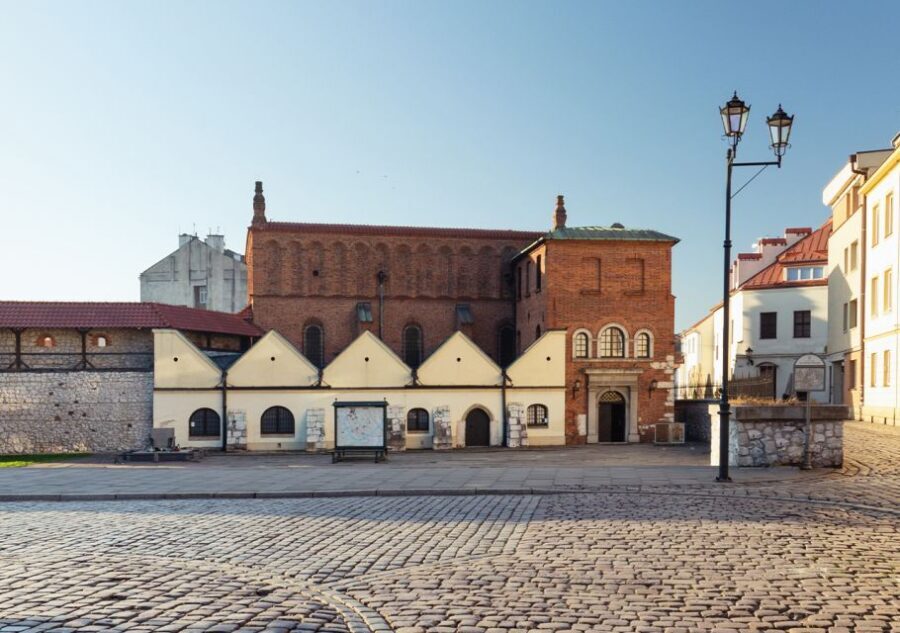
You meet in front of the Old Synagogue, and that matters. The start spot is central to how Kazimierz feels: layered, local, and historically loaded without being remote. It’s the right place to begin because the guide can orient you to the neighborhood’s shape and meaning right away.
Your first minutes set the tone for the whole afternoon. Instead of starting with a dry lecture, you’ll usually get a quick framework: who lived here, how Jewish community life worked, and why Krakow’s Jewish story is inseparable from the city’s broader history.
Practical tip: wear comfortable shoes immediately. Kazimierz is very walkable, but the cobbles and uneven paths can turn a “short walk” into an ankle test if you show up in soft sandals.
Szeroka Street: Learning to Read the Neighborhood Like a Timeline
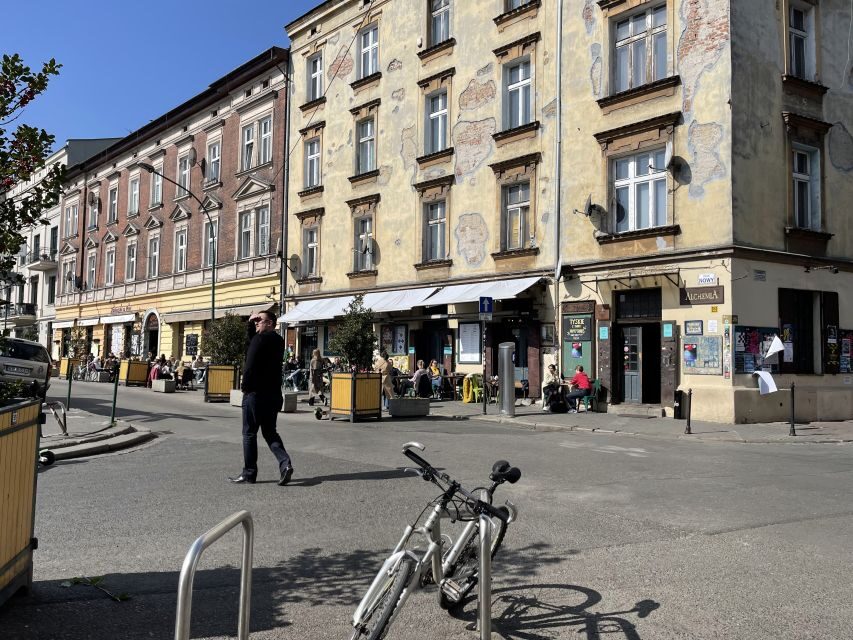
After the opening synagogue stop, you head along Szeroka Street, one of the best-known corridors of the district. This is where you start linking the guide’s story to the physical rhythm of the neighborhood—street layout, nearby squares, and the way major sites cluster.
I like this kind of street segment because it’s not just movement. It’s your chance to ask your own questions in real time. The best moments usually come when the guide points out how daily life used to flow through the same spaces you’re standing in now.
One thing to consider: if you’re expecting the tour to feature every famous doorway and museum stop, you may feel a bit of “too many stories, not enough building time.” A couple of past guests complained the tour talks a lot and may not enter all locations they wanted to see.
Remuh Synagogue: A Sacred Stop Where Details Matter
The route includes a visit to Remuh Synagogue, and that’s a major draw for a Kazimierz tour. Synagogues aren’t only about architecture. They’re about community rhythms—what worship looked like, how traditions were practiced, and why certain spaces carry identity across generations.
The tour description says you’ll have a synagogue ticket included. There’s also a caution worth your attention: one guest reported that the ticket inclusion wasn’t made clear for the Remuh stop, so it felt misleading. That doesn’t mean it will happen to you, but it does mean you should confirm what’s actually covered when you book.
When you’re inside, keep your eyes open for small cues the guide might highlight: historical context, style choices, and what makes that particular synagogue feel distinct. This is one of those stops where the guide’s ability to explain matters as much as the building itself.
Plac Nowy and Corpus Christi Basilica: The Two-Culture Geography of Krakow
After the synagogue visit, the tour moves through plac Nowy and then to Corpus Christi Basilica. This section is a smart design choice because it shows that Kazimierz isn’t isolated. It’s interwoven with the rest of Krakow’s cultural and religious landscape.
Plac Nowy is often the kind of place where you can see everyday life in action—squares do that. The guide’s job here is to connect the square to the story you’ve been building: community gathering, public space, and how different groups experienced the neighborhood.
Corpus Christi Basilica adds another layer. You’ll get a chance to think about how Christian sites and Jewish sites can sit close together, sometimes reflecting coexistence, sometimes reflecting separate worlds. That’s the key theme of the tour, and these stops help make it real instead of abstract.
Ghetto Heroes Square Ending: Why the Last Stop Lands
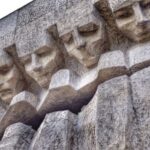
The tour ends at Ghetto Heroes Square (and your finish location is Plac Bohaterów Getta 6). Ending here changes how you process the earlier content. The story stops being “where things happened” and becomes “what was lost and what must be remembered.”
This is also where the guide’s tone matters. You’ll likely leave with questions—about responsibility, memory, and how cities decide what to preserve. The best tours don’t give you easy answers. They help you carry the weight with clarity.
If you have time after the tour, I recommend a little pause before you rush to dinner. Stand for a minute, look around, and let the final words settle. You’ll appreciate the earlier stops more after you’ve taken this moment.
Price and Timing: Does $67 for Two Hours Make Sense?
At $67 per person for a 2-hour guided tour, this is not the cheapest thing you can do in Krakow, but it’s also not out of reach. The value comes from three areas: a trained guide, a synagogue ticket included for the synagogue stop, and the structured walk that strings together multiple meaningful locations.
You’re paying for interpretation, not just entry. The guide’s ability to connect coexistence, customs, and “difficult questions” is what justifies the cost. When the tour works well, it feels like you’re walking with a smart local historian who knows what to point at—and what not to simplify.
Two practical timing notes:
- It’s only 2 hours, so you’ll cover a lot of ground without lingering too long at any single stop.
- Because the tour runs rain or shine, bring a plan for weather so you don’t spend the whole time thinking about getting warm or dry.
Guides, Pace, and How to Get the Most Out of the Route
The guides for this tour type are often praised for professionalism and for handling history with care, including small details. Names like Anya, Ela, and Jimmy have been specifically called out for passion, dynamism, and answering questions clearly.
That said, pace can be a factor. Some people feel the tour covers fewer locations than they expected and spends a lot of time talking. If you prefer hands-on, more time inside buildings, you might want to pair this tour with a self-guided add-on afterward (or simply do more exploring in Kazimierz the next day).
Your best move: ask early. If the guide is strong, you’ll get better answers after the conversation starts. It’s also fair to ask what stops you’ll enter versus just view from outside, so you can align expectations.
What to Bring (So Weather and Walking Don’t Beat You)
This tour is rain or shine, and it’s a walking-focused afternoon. Bring comfortable shoes and clothes that handle cooler air or drizzle.
If you tend to get cold easily, bring a light layer. If your hair hates humidity, bring a hood or compact umbrella. You don’t need to be fancy—just prepared enough that you can focus on the story.
Who This Tour Suits Best
This is ideal if you want a guided, emotionally grounded overview of Kazimierz that balances memory with context. It also fits well if you like tours where the guide ties places to themes like coexistence, tradition, and famous Poles of Jewish origin.
You’ll especially enjoy it if:
- you want more meaning than a simple photo walk
- you like asking questions and getting clear answers
- you want a 2-hour option that still feels substantial
You might not love it as much if you’re the type who wants maximum building access for minimum explanation, or if you need a very tight, location-heavy schedule where you enter every major site.
Should You Book the Kazimierz Jewish Heritage Tour?
I think this is a strong booking if you want to understand Kazimierz with a guide instead of just wandering. The emotional weight is real, but the tour design aims to keep the story coherent, moving from key landmarks through squares that frame the larger history.
Book it if $67 feels reasonable for you and you want interpretation that connects synagogues, streets, and public spaces into one walking narrative. Hold your expectations on the flexibility side: it’s a 2-hour route, and the synagogue ticket should be confirmed clearly for the Remuh stop before you go, especially if that detail matters to your plan.
If you’re looking for an honest, thoughtful way to see Kazimierz in a short time, this tour is a good match.
FAQ
Where do I meet for the tour?
Meet in front of the Old Synagogue.
How long is the Jewish Heritage Tour in Kazimierz?
The duration is 2 hours.
How much does it cost?
It costs $67 per person.
What language will the guide speak?
The tour is offered with a live guide in English and Polish.
Is a synagogue ticket included?
Yes, a synagogue ticket is included.
Does the tour run in bad weather?
Yes, the tour takes place rain or shine.
What should I bring?
Bring comfortable shoes and comfortable clothes.
Is hotel pickup or drop-off included?
No, hotel pickup and drop-off are not included. The tour starts at the Old Synagogue and finishes at Plac Bohaterów Getta 6.