REVIEW · KRAKOW
Krakow: Kazimierz, Schindler’s Factory, & Ghetto Guided Tour
Book on GetYourGuide →Operated by Thousand Miles Cracow Adventure Company · Bookable on GetYourGuide
Krakow’s wartime story moves at street level. This tour threads together Kazimierz and the Schindler’s Enamel Factory experience with a guide who explains what you’re seeing as you go. I like that it’s not just museum time or just walking time—it’s history in sequence, from Jewish community life in Kazimierz to the violence of Nazi occupation.
One heads-up: it’s a 5 km-ish walking route, and the material can be distressing. If you’re sensitive to Holocaust stories and images, plan to take breaks when you need them and bring comfortable shoes.
In This Review
- Key moments you’ll feel on this Krakow Jewish history tour
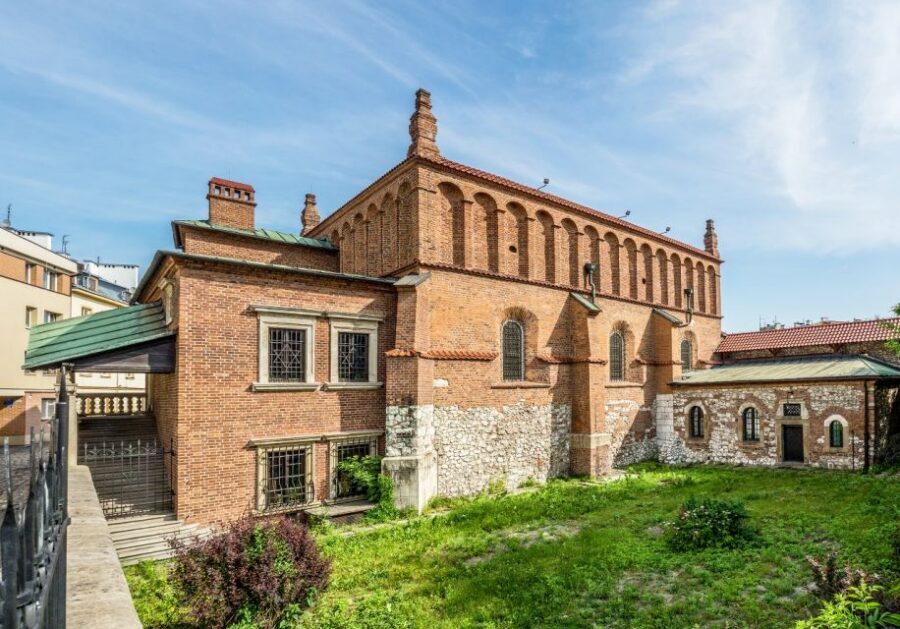
- Starting at the Old Synagogue in Kazimierz
- Kazimierz street walk: Jewish community life, then wartime disruption
- Schindler’s Enamel Factory: why the tour timing is worth it
- From factory to ghetto: placing the war into a route you can walk
- Seeing the ghetto wall: the moment history becomes a boundary
- Under the Eagle pharmacy: a small stop with big emotional context
- Heroes’ Square and the 68 empty chairs memorial
- How much walking is involved, and how to pace it
- Price and value: what you get for about $81
- Who this tour is best for
- Should you book this Krakow Jewish history tour?
- FAQ
- How long is the Krakow Kazimierz, Schindler’s Factory, and ghetto guided tour?
- Where do I meet my guide?
- Does the tour include skip-the-line tickets?
- What sites will the tour cover?
- Will I need ID for entry?
- What languages are available for the live guide?
- What should I bring and wear?
Key moments you’ll feel on this Krakow Jewish history tour
- Old Synagogue meeting point in Kazimierz sets the tone from the first minute
- Skip-the-line access to Schindler’s Enamel Factory Museum keeps your time focused
- Under the Eagle pharmacy stop adds a specific wartime link to Krakow
- A preserved ghetto wall section gives you a rare, physical sense of enclosure
- Heroes’ Square and the 68 empty chairs closes the tour with a quiet gut-check
- Guides who pace questions and stories (one standout guide was Filip)
Starting at the Old Synagogue in Kazimierz
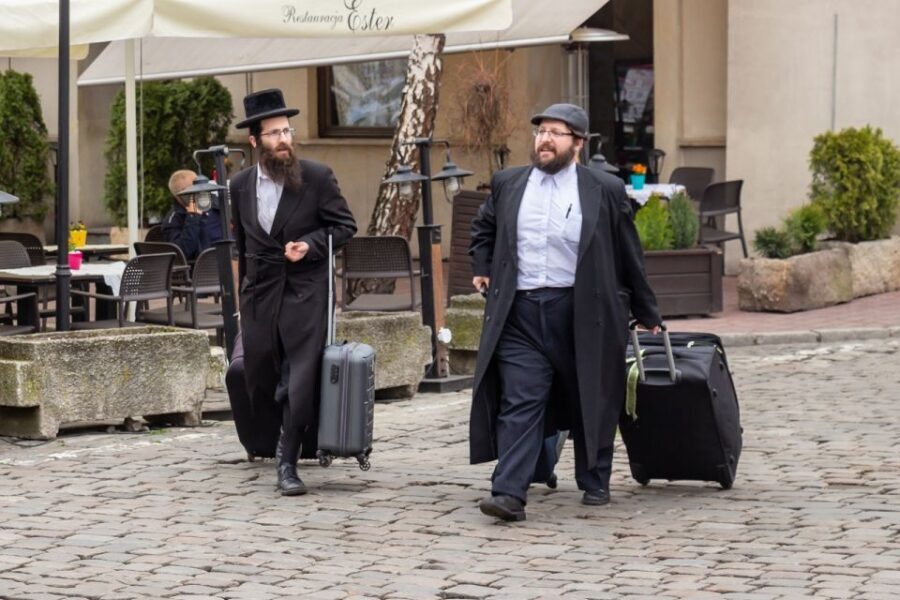
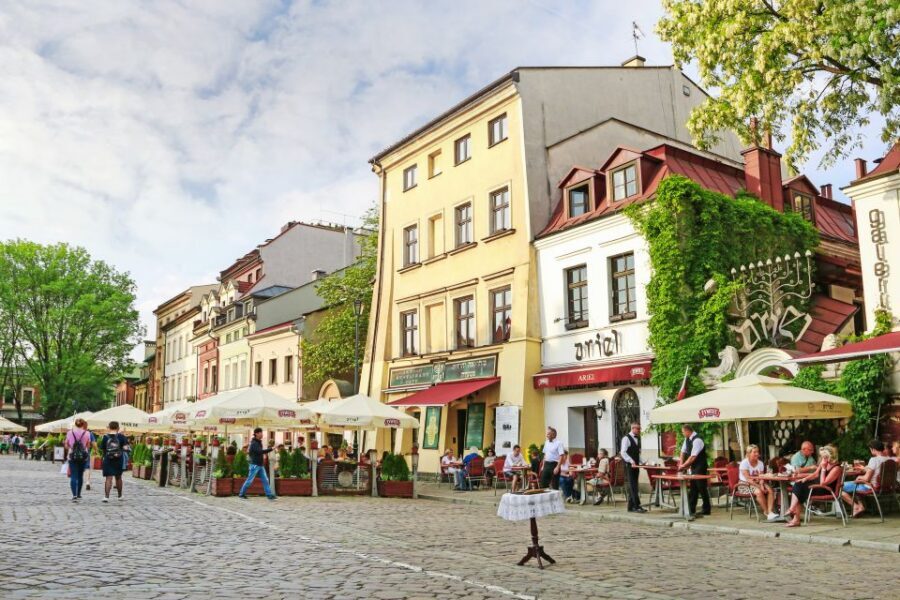
Your tour begins right outside the Old Synagogue in Kazimierz, so you’re in the right neighborhood before you even start learning. Kazimierz is where many Jewish Krakow residents lived for centuries, and starting here helps you understand why the later wartime changes were so brutal. Your guide—licensed and multilingual—frames the walk so the streets make sense, not just a background for photos.
What I like about this beginning is that it gives you bearings fast. You’re not dropped into a random set of stops. You start with the neighborhood itself, then you watch how the story tightens over time.
You can also read our reviews of more guided tours in Krakow
Kazimierz street walk: Jewish community life, then wartime disruption
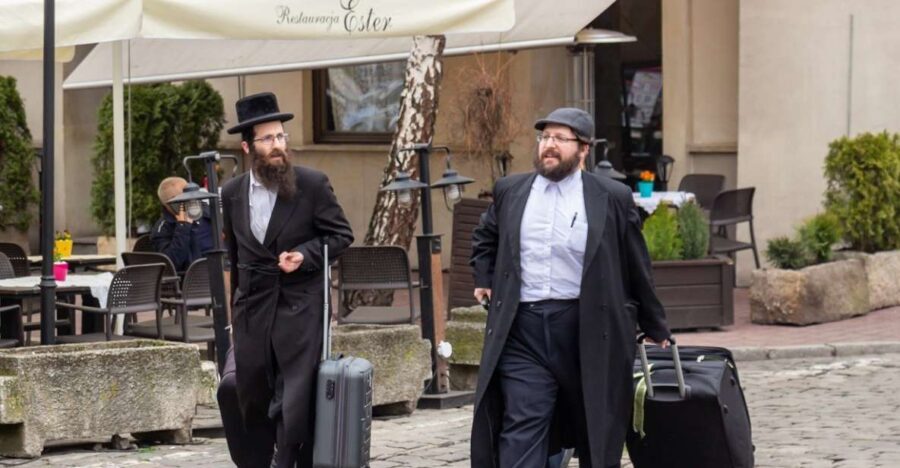
After meeting outside the Old Synagogue, you’ll move through Kazimierz’s streets with your guide. Even if you know Krakow as a sightseeing city, this is different. You’ll learn how the Jewish community shaped daily life in this area, and how the community’s position in the city changed under occupation.
Kazimierz today feels like a stylish, lively part of town. That contrast is part of what makes the tour work. You’re seeing old structures in a neighborhood that still functions, which helps you picture what people had before the Nazis changed everything.
You’ll also hear about the Under the Eagle pharmacy, which is tied to the tour’s Kazimierz-to-ghetto story. The stop helps you connect what you see on buildings and street corners with what happened during the occupation, instead of treating the Holocaust as something abstract and far away.
Schindler’s Enamel Factory: why the tour timing is worth it
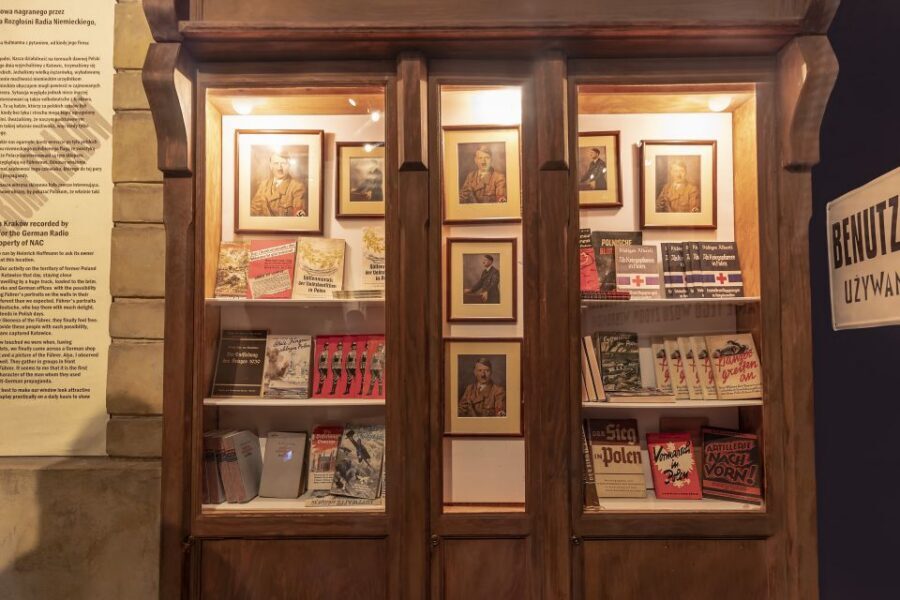
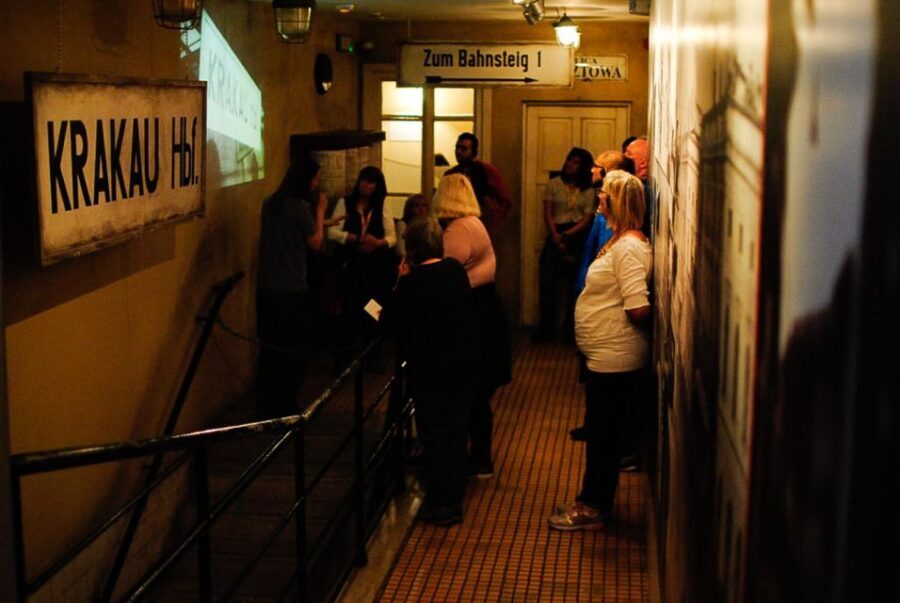
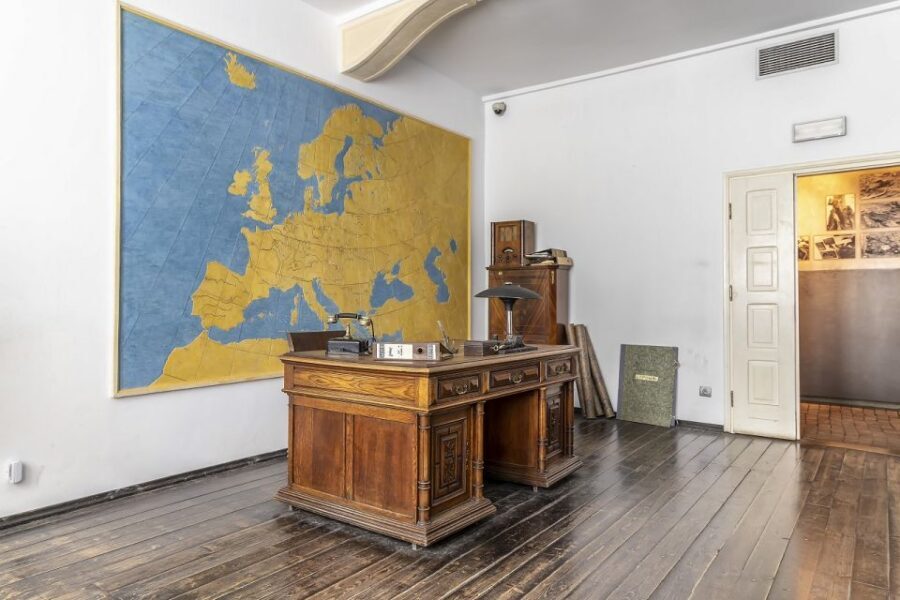
Next comes Oskar Schindler’s Enamel Factory, now the Schindler’s Factory Museum. This is one of those places where a guided explanation can matter a lot, because there’s a lot to take in and the Holocaust timeline is heavy. The tour includes skip-the-line tickets for this stop, which is a real value in Krakow where visitor demand can be intense.
The factory stop focuses on Oskar Schindler and the way his actions helped save Jewish people from Nazi concentration camps. The impact here is not just in the story itself, but in how your guide connects it to what you learned earlier about Jewish life in Krakow and what followed when the ghetto system began.
One practical point: plan for emotional intensity. This museum includes Holocaust material, and the tour overall may include distressing images and stories. If you tend to get overwhelmed, take your time at key exhibits and don’t feel guilty stepping back for a minute.
If your group gets a guide like Filip, you’re in luck. One guest described Filip as extremely engaging for a full 5 hours, with careful handling of dark topics and even small humor used at appropriate moments. That kind of balancing act can make the experience easier to follow without turning it light.
From factory to ghetto: placing the war into a route you can walk
After the factory, you head toward the site of the former Jewish ghetto. This is where the tour shifts from explanation to physical reality. Your guide will show you the former ghetto area and help you understand how the Nazi occupation forced Jews into overcrowded conditions.
One of the most meaningful parts is that you don’t just talk about the ghetto—you move through the spaces that help you imagine scale. You’ll see the wall that once encircled the ghetto. Even though you won’t see an entire preserved wall system, the portion you do see is powerful because it’s a literal barrier in your line of sight.
You’ll also learn about houses where thousands of displaced Jews used to live. That phrasing matters. It keeps the focus on people and compression of lives, not just a historical label.
Seeing the ghetto wall: the moment history becomes a boundary
When you’re standing near the ghetto wall remains, it hits differently than reading about it. Walls are not just architecture. They’re rules enforced with violence. Your guide helps you translate what the wall meant for everyday movement—how being inside was not a choice and how the outside world was not accessible.
This is also why the order of the tour works. You first get a sense of Jewish community life in Kazimierz, then you see Schindler’s Factory with its wartime context, and only then do you move into the ghetto site. The story tightens step by step, and you’re less likely to miss the cause-and-effect chain.
If you like history with a clear storyline, you’ll probably appreciate how the guide keeps the narrative moving. If you prefer quiet reflection, you may want to slow down at the wall segment and let yourself process it before moving on.
Under the Eagle pharmacy: a small stop with big emotional context
Not every tour includes the Under the Eagle pharmacy, but it fits here because it anchors the war story to Krakow locations you can actually point to. Your guide uses this stop to explain parts of the Jewish experience during occupation, so you can connect what you learned in Kazimierz with what happens later in the ghetto.
This matters for practical reasons too. Tours can sometimes feel like a series of places. Stops like this help your brain form links between them. You start to recognize Krakow as a set of meaningful sites, not just a list of attractions.
Heroes’ Square and the 68 empty chairs memorial
The tour ends with a sobering visit to the monument of 68 empty chairs in Heroes’ Square. It’s a quiet kind of memorial, and that’s part of why it lands. After walking through the ghetto area and hearing tragic details, you’re given a moment that asks you to stop and feel, not just learn.
The memorial’s emptiness is intentional. It’s designed to remind you that this was not history that stayed in the past for the people who were lost. Your guide will help you understand what the chairs represent, turning your attention from the street walls back to the human cost.
How much walking is involved, and how to pace it
This is a walking tour with multiple stops, set for about 5 hours. One guest noted roughly 5 km of walking, which lines up with how the route moves through Kazimierz and over to the ghetto area sites. If you’re not used to walking, you’ll want to pace yourself and choose supportive shoes.
The good news: a well-run guide can keep the group comfortable. One guest specifically mentioned that Filip set a good pace for everyone and included rest breaks for water in summer heat. Even if your guide doesn’t call it out the same way, you can still plan for at least a couple of slower moments and carry water if the weather is warm.
Also, since the tour deals with traumatic content, pacing isn’t just physical. If you need a short pause to reset, take it. This is a tour where you’ll benefit from control.
Price and value: what you get for about $81
At $81 per person for about 5 hours, you’re not paying just for sightseeing. You’re paying for a licensed guide, guided context across several major sites, and skip-the-line Schindler’s Factory tickets.
That factory portion is the main “value engine.” Without guidance and without skip-the-line, you’d likely lose time to museum entry delays and you might miss connections between exhibits and the Krakow sites you visited earlier. Here, the tour builds a chain: Kazimierz life → Schindler’s wartime actions → ghetto enclosure and the memorial that closes the loop.
So if you’re budgeting for one serious, story-driven history outing in Krakow, this is a strong use of your time. If you only want a light, casual stroll, it’s not that kind of tour.
Who this tour is best for
You’ll probably love this tour if you:
- Want a clear wartime narrative instead of disconnected stops
- Like your history explained on-site, not just in a textbook way
- Plan to visit Schindler’s Factory anyway and would rather save time with skip-the-line entry
It’s also a good fit if you enjoy thoughtful guiding style. One guest highlighted that the guide handled dark topics with empathy while still keeping the group engaged for the full 5 hours.
Should you book this Krakow Jewish history tour?
Book it if you want one focused route that connects Kazimierz, Schindler’s Factory, the former Krakow ghetto site, and the 68 chairs memorial into a single story you can walk and remember. The skip-the-line museum access plus the guided context makes the price feel fair.
Skip it (or consider a shorter option) if you’re not up for heavy Holocaust material or you really want a low-walking day. The themes here can weigh on you, and the walk isn’t tiny.
If you do book, go in with comfortable shoes, mental space, and the willingness to take breaks. This tour isn’t about quick photos. It’s about understanding what you’re standing near—and why it mattered.
FAQ
How long is the Krakow Kazimierz, Schindler’s Factory, and ghetto guided tour?
The tour lasts 5 hours.
Where do I meet my guide?
Meet outside the Old Synagogue. Look for your guide holding an excursions.city sign.
Does the tour include skip-the-line tickets?
Yes. It includes skip-the-line tickets to the Oskar Schindler’s Enamel Factory.
What sites will the tour cover?
You’ll visit the Kazimierz district (including the Old Synagogue area), Oskar Schindler’s Enamel Factory, the former Jewish ghetto site (including a portion of the ghetto wall), and the memorial of 68 empty chairs in Heroes’ Square.
Will I need ID for entry?
Yes. For entry to Schindler’s Factory Museum, you must provide full names of all participants when reserving and bring a passport or ID for entry.
What languages are available for the live guide?
The live tour guide is available in Italian, English, Spanish, French, and German.
What should I bring and wear?
Bring comfortable shoes and wear weather-appropriate clothing.