REVIEW · KRAKOW
Krakow: Kazimierz, Schindler’s Factory & Ghetto with Guide
Book on GetYourGuide →Operated by CRACOW LOCAL TOURS · Bookable on GetYourGuide
Five hours, three heavy stops.
This is the kind of Krakow tour that doesn’t just show places, it explains what happened there, in clear human terms. You start in Kazimierz, the historic Jewish district, then move to Oskar Schindler’s enamel factory, and finally to the former ghetto area where the rules of Nazi occupation turned everyday life into overcrowding and fear. It’s thoughtfully paced for a single afternoon, with a live guide to connect the dots between streets, buildings, and the people who lived there.
I love two parts most: the walk through Kazimierz with real street-level context, and how the story keeps its focus at Schindler’s Factory. The best moment is when your guide helps you see what is no longer physically there, especially around the ghetto, so the memorial sites feel personal instead of just factual.
One consideration: this is not wheelchair-friendly, and you should expect a fair amount of walking over the 5 hours. Comfortable shoes matter here, and you’ll want to be ready for a serious topic presented in a respectful way.
In This Review
- Key highlights to look for
- Starting in Kazimierz outside the Old Synagogue
- Walking the oldest district with modern eyes
- Schindler’s Enamel Factory: why skip-the-line is worth it
- Former ghetto sights: wall, houses, Under the Eagle, and 68 chairs
- The live guide makes or breaks it
- Price and what $81 buys you in real value
- Practical tips for a smooth, respectful afternoon
- Should you book this Kazimierz, Schindler’s Factory, and ghetto tour?
- FAQ
- How long is the tour?
- Where do I meet the guide?
- What’s included and what’s not included?
- Are Schindler’s Factory tickets included?
- What languages are available for the live guide?
- Is the tour wheelchair accessible?
Key highlights to look for
- Kazimierz start outside the Old Synagogue for quick orientation in the neighborhood’s heart
- Skip-the-line entry to Schindler’s Enamel Factory so time stays focused on the story
- Former ghetto sights you can picture clearly: the surviving wall and key landmarks
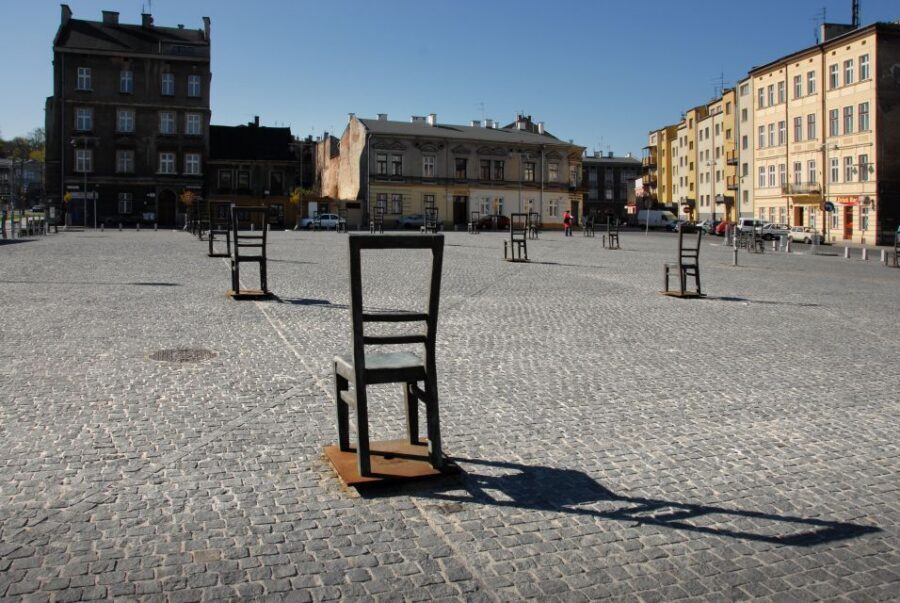
- Under the Eagle pharmacy and the Monument of 68 Chairs as memorable anchors
- A live licensed guide who brings emotion and accuracy without turning it into a lecture
- Three scheduled rest stops to keep the pace manageable in the real world
Starting in Kazimierz outside the Old Synagogue
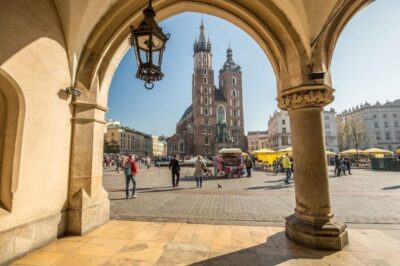
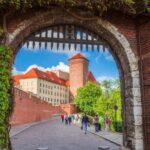
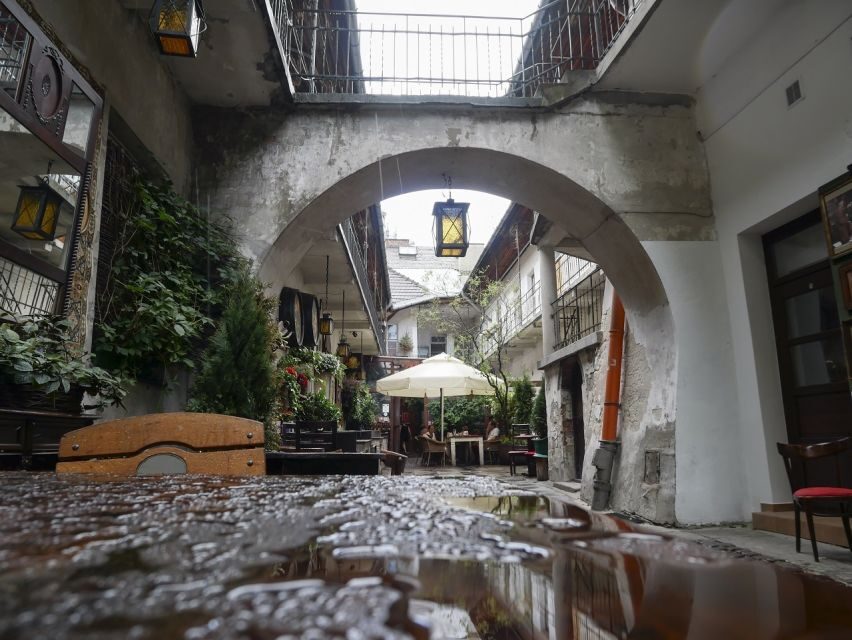
The meeting point sets the tone. You gather outside the Old Synagogue area in Kazimierz, and you look for a representative holding an Excursion city sign. Starting here matters because it places you right where many Jewish Krakow residents lived their daily lives for centuries. From the first minutes, you’re not just touring; you’re learning how the neighborhood formed, how community life worked, and how history shaped the streets you’ll walk.
Kazimierz today is busy and stylish. It’s now a trendy neighborhood, but the guide’s job is to keep you connected to what came before. You’ll hear how this district became home to the Jewish community long ago, and how that presence changed Krakow’s identity. You’ll also get the sense that Kazimierz isn’t a theme park version of the past. It’s a living place where history shows up in layers.
For your group, the format is simple: a guided walk with stops for interpretation. You don’t need prior knowledge to follow along. What you do need is willingness to slow down. The guide will point out details that most people miss when they’re just trying to get photos.
You can also read our reviews of more guided tours in Krakow
Walking the oldest district with modern eyes
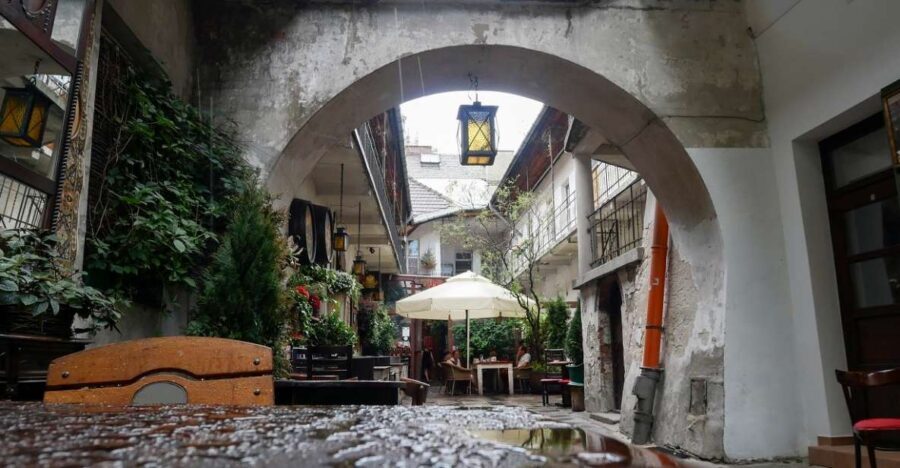
Once you’re moving through Kazimierz, the experience becomes more than a list of famous sites. You get a guided sense of the neighborhood’s rhythm—small streets, local landmarks, and the way community life used to be organized. This part works well because you’re learning the context of Jewish Krakow in the same place where you can still see traces of that identity.
The tour is designed to help you connect three ideas: place, people, and time. You’ll hear how Jewish culture and daily routines shaped the area for centuries, and then you’ll watch how the Nazi occupation broke that normal life. That makes the later ghetto section hit harder, because you already understand what was lost.
I especially like how this kind of walk prepares you for difficult history. You start with human scale—neighborhood life—and then you shift to catastrophe. It keeps the story from becoming abstract.
A quick practical note: you’re on your feet during the full 5 hours, and you’ll want to keep your pace steady. The tour includes three rest stops, which helps, but you shouldn’t plan on major sightseeing breaks. Pack water if you like, because food and drinks aren’t included.
Schindler’s Enamel Factory: why skip-the-line is worth it
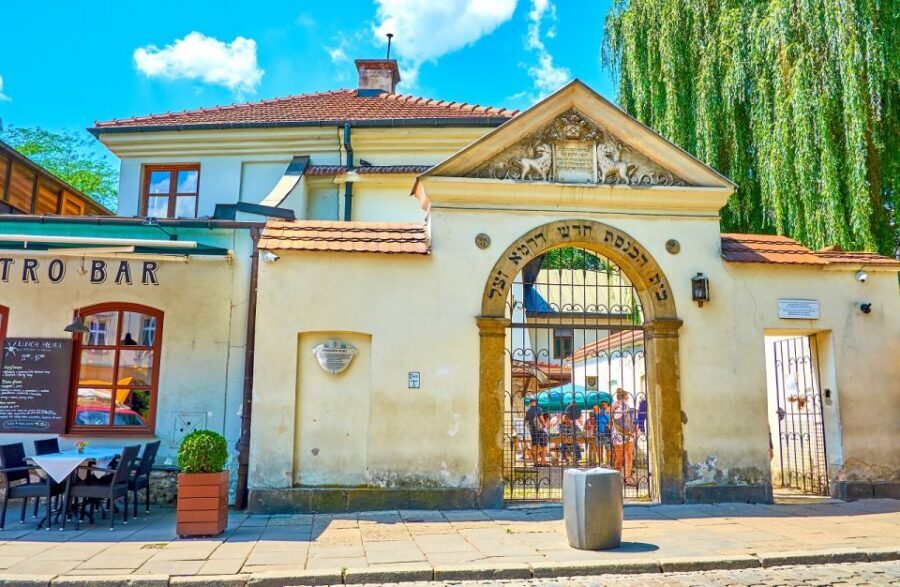
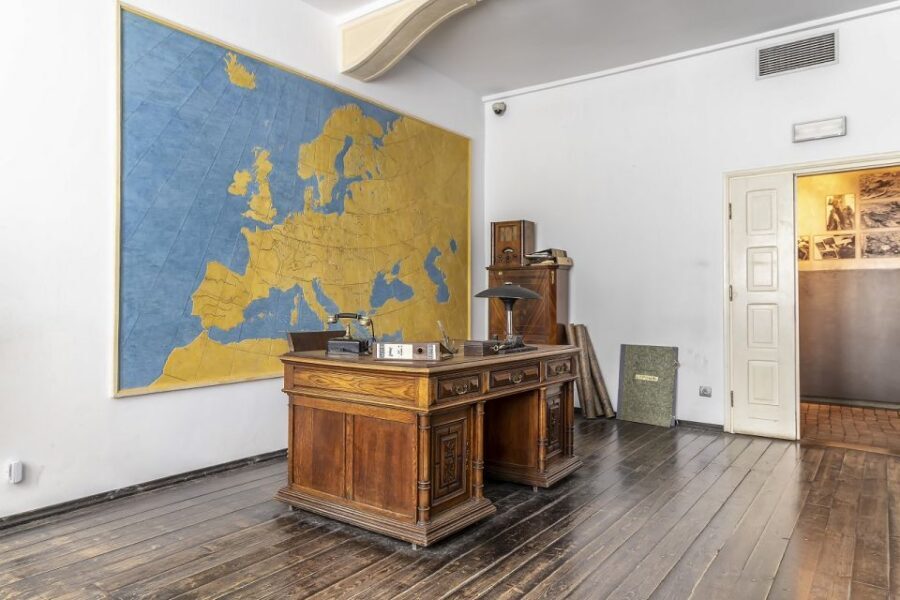
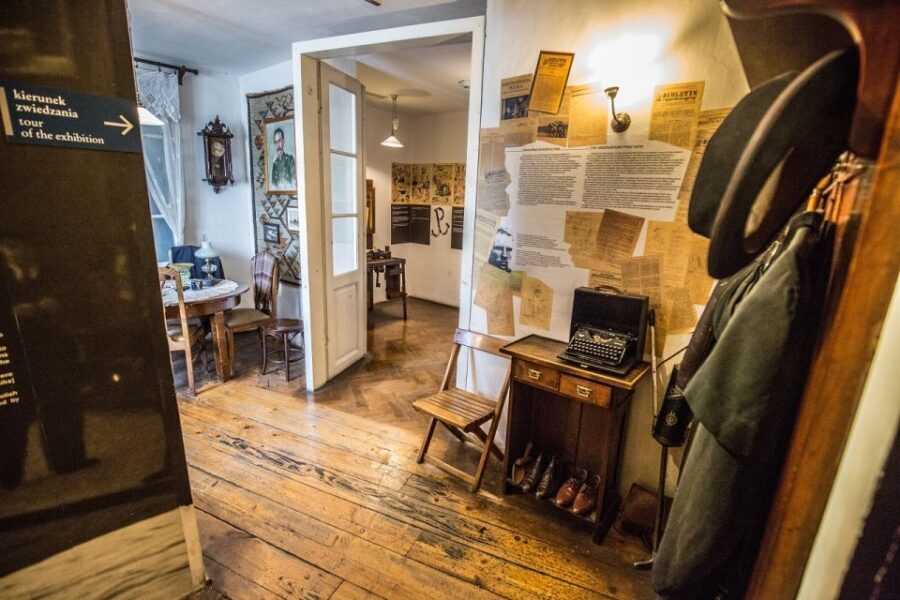
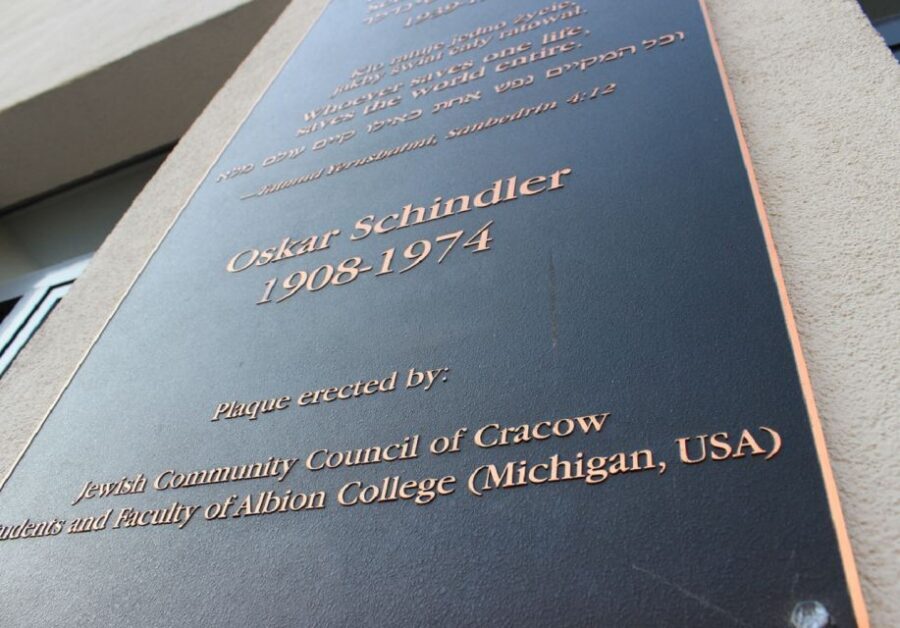
Next comes the Oskar Schindler Enamel Factory, the moment where the tour’s emotional weight becomes unavoidable. You get skip-the-line tickets for the museum, which is a real value on a timed experience. In a place like Krakow, lines can eat up the very minutes you need for understanding, and this tour keeps that from happening.
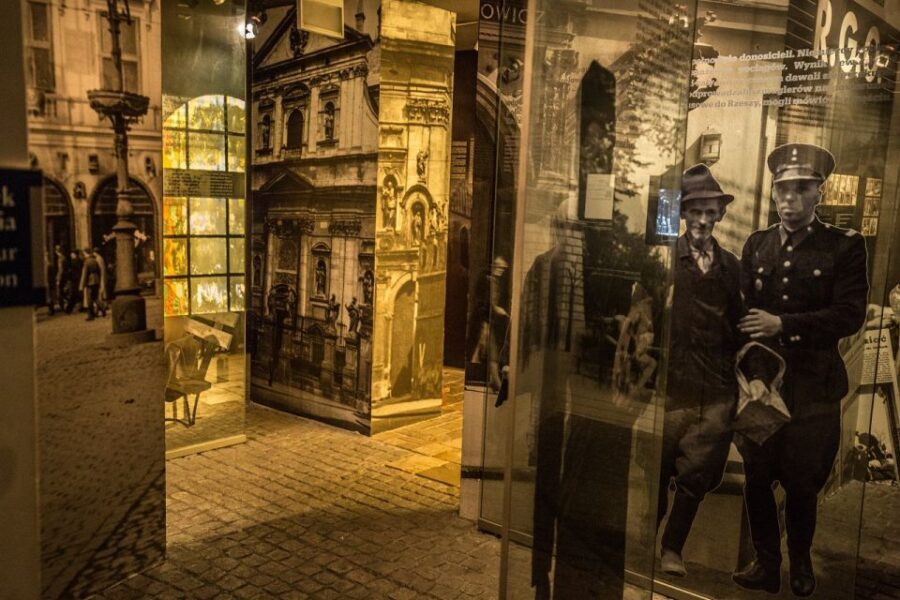
What you can expect inside is a museum experience built around the Holocaust and Oskar Schindler’s efforts to save Jewish people from Nazi concentration camps. The key is that your guide frames what you see with clarity: who Schindler was, why his actions mattered, and how rescue worked under extreme risk. This helps you avoid the common trap of treating the exhibits like isolated artifacts. Instead, you get a timeline of intention and consequence.
The schedule is also worth knowing. The tour runs about 5 hours, and the museum timing can affect the exact flow. The tour notes that starting times are approximate, and that times can change due to Schindler’s Factory Museum scheduling. In other words, be flexible with your afternoon.
One more detail you’ll want to follow if you’re visiting after January 1, 2026: Schindler’s Factory Museum uses personalized tickets. You must provide the full names of all participants when reserving and bring a passport or ID for entry. If you forget, you could be turned away. Plan for it like you would for any major ticketed museum.
Former ghetto sights: wall, houses, Under the Eagle, and 68 chairs
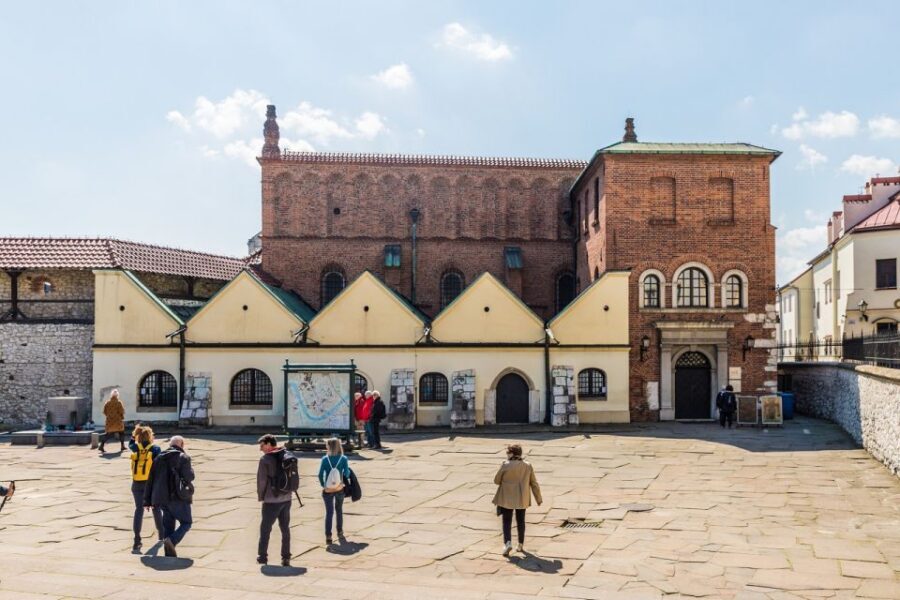
After Schindler’s Factory, the tour moves to the former Jewish ghetto area. This is where the guide’s storytelling becomes crucial, because the physical evidence you can see is limited. The experience is designed to show you what remains and what it represents.
You’ll see a section of the undestroyed ghetto wall, along with nearby houses where thousands of displaced Jews used to live. Even when buildings are changed or repurposed, the guide helps you understand what those spaces meant during Nazi occupation. That’s one reason this tour works better than doing the sites alone: explanation turns a location into a memory.
Two landmarks make this part especially memorable. First, you’ll learn about the pharmacy called Under the Eagle, a specific point of reference that helps you picture everyday survival needs under impossible conditions. Second, you’ll visit the Monument of 68 chairs in Heroes’ Square. It’s a powerful way to connect numbers to human presence. For many people, it’s the kind of stop that stays with them long after the walk ends.
You should also expect the emotional tone here to be serious. This tour explicitly focuses on understanding the enormity of the tragedy of Jewish residents during WWII. That means you’ll get historical facts, but they’re framed through human impact—overcrowding, displacement, and the crushing logic of occupation. There’s no need to rush through this section. Let your guide set the pace.
The live guide makes or breaks it
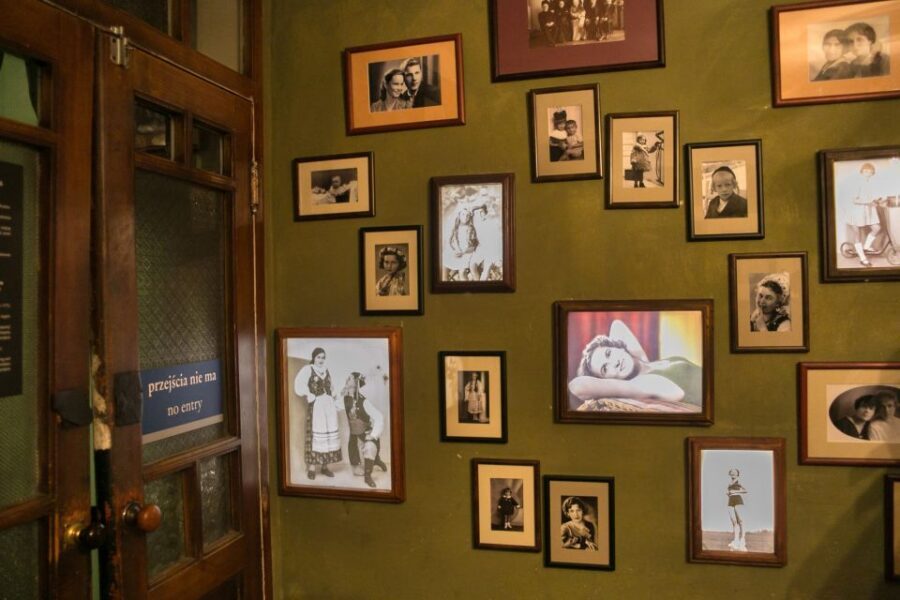
This tour earns a high rating for one simple reason: the people running the interpretation. The licensed guide is not just reciting facts. They’re using emotion, clarity, and context to help you understand what you’re looking at.
From the experiences shared, several guides left strong impressions. Chiara is praised for storytelling with enthusiasm, empathy, and a high level of culture, and for helping people see what physically isn’t present anymore, especially in the ghetto area. Annetta is described as fantastic, and Emil is credited with smart, practical care during rain by stopping under shelter when possible. Margot is mentioned for keeping the group captivated and communicating the knowledge in a way that lands.
What I think matters most for you is this: a good guide helps you keep balance. You need respect for the subject and a sense of understanding without being overwhelmed. The best guides handle that by giving you just enough structure—Kazimierz context, Schindler’s actions, ghetto reality—so you leave with a coherent picture rather than scattered impressions.
Languages are another practical strength. The tour is offered in Spanish, Italian, French, English, and German, so you can usually match your comfort level. If you’re not a native speaker, having narration in a familiar language makes a big difference for absorbing names, timelines, and key terms.

Price and what $81 buys you in real value
At $81 per person for about 5 hours, this tour isn’t meant to be the cheapest way to see Krakow. It is priced like what it actually is: a guided, ticketed experience with a licensed professional and skip-the-line access to Schindler’s Enamel Factory.
Here’s how the value adds up:
- Licensed guide for Jewish history, Kazimierz walking context, and the Holocaust/Ghetto explanation
- Skip-the-line tickets for Schindler’s Factory, which protects your time in a timed stop
- A format that ties sites together instead of treating them as separate attractions
You should also plan around what isn’t included. Food and drinks aren’t provided. That means your actual out-of-pocket cost can rise a bit if you don’t already have snacks or a nearby plan for a meal afterward. Still, for the amount of guided interpretation and the museum ticket included, the price looks fair.
One balanced caution: the tour is only 5 hours. That’s plenty to cover three major themes, but it also means you won’t have endless time to linger at every single place. If you like to spend long, quiet hours in museums, you may want extra time scheduled on your own for follow-up.
Practical tips for a smooth, respectful afternoon
A few practical choices will make this tour easier on you and better for everyone around you.
First: wear comfortable shoes. You’ll be walking enough that foot comfort affects your attention, and attention is important on a history-focused day.
Second: plan for weather. One guide was praised for managing rain by moving under shelter when possible. Still, Krakow can surprise you, so bring a small rain layer or umbrella.
Third: remember the tour includes three rest stops. Use them. They’re part of how the schedule stays human-sized, especially during an emotionally intense storyline.
Fourth: accessibility note. The tour is listed as not suitable for wheelchair users. If mobility is an issue, check alternatives or ask about private options, because the route and stop nature are designed around standard walking access.
Finally: if you’re visiting after January 1, 2026, keep your ID ready for Schindler’s Factory. Personalized tickets mean your full name needs to match your ID, or entry may be denied.
Should you book this Kazimierz, Schindler’s Factory, and ghetto tour?
I’d book this if you want a guided, time-managed way to understand Jewish Krakow through its key landmarks, not just see photos of them. The biggest reason is the combination: Kazimierz orientation, Schindler’s Factory with skip-the-line, and then former ghetto sites explained in a way that connects what you can still see with what you can’t.
Skip it only if you’re looking for something lighthearted, or if you need an accessible route for wheelchair use. Also, if you know you want a longer museum stay or extra synagogue/cemetery time, treat this as the core framework and plan your own add-on hours.
If you want a serious, well-paced afternoon with clear interpretation, this tour is a strong choice. And if you get a guide like Chiara, Emil, Margot, or Annetta, you’ll likely come away with the kind of understanding that stays with you when the walking ends and the city goes back to being just a city.
FAQ
How long is the tour?
The duration is 5 hours.
Where do I meet the guide?
Meet outside the Old Synagogue in the Kazimierz district. Look for a representative with an Excursion city sign.
What’s included and what’s not included?
Included are a licensed guide and skip-the-line tickets to Oskar Schindler Enamel Factory. Food and drinks are not included.
Are Schindler’s Factory tickets included?
Yes. The tour includes skip-the-line tickets to Oskar Schindler Enamel Factory.
What languages are available for the live guide?
The live guide is available in Spanish, Italian, French, English, and German.
Is the tour wheelchair accessible?
No, the tour is not suitable for wheelchair users.