REVIEW · KRAKOW
Krakow: Museum of Living Butterflies 2+1
Book on GetYourGuide →Operated by Sofi sp. z o.o. · Bookable on GetYourGuide
Butterflies look different up close. This Krakow museum puts you face-to-face with Living Butterflies while you learn how their bodies and wings work. I love that the exhibits cover both life cycle and butterfly anatomy, so it is not only a pretty show.
Two more reasons I think you’ll enjoy it: you can study butterflies from different places (including local and exotic species), and the museum encourages photos—just remember flash is forbidden. The only real drawback is simple: you will be walking and some areas may feel tricky if you use a wheelchair.
In This Review
- Key things you should know before you go
- Museum of Living Butterflies in Krakow: what the visit is really like
- Step-by-step: how your day flows inside the museum
- 1) Arrive, settle in, and start with the big picture
- 2) Learn butterfly wing scales and the science of color
- 3) Explore the life cycle, not just the final form
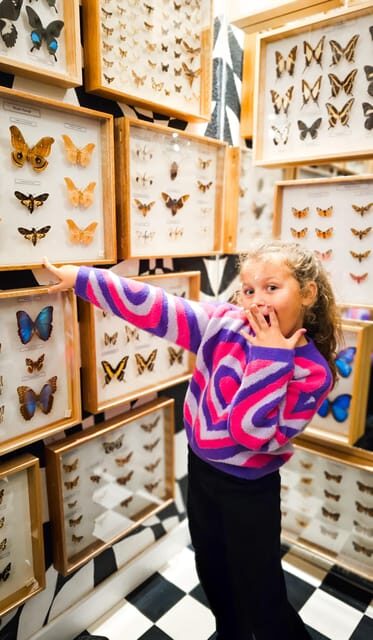
- 4) See both local and exotic species in one place
- 5) Compare day-active and night-active butterflies
- 6) Photo time without flash
- 7) Finish with the “why it matters” message
- What I liked most: the museum’s strongest selling points
- Seeing living butterflies feels different than photos
- Learning boosts the whole visit
- Photography is allowed, but the rules keep it respectful
- Price and value: $36 per group up to 3
- Who this is best for (and who might want a different plan)
- Practical notes that will help your visit go smoothly
- Flash photography is not allowed
- Wear comfortable shoes
- Wheelchair access is mostly good, but not perfect
- Small group size helps your experience
- Should you book the Krakow Butterfly Museum?
- FAQ
- What is the Museum of Living Butterflies in Krakow?
- How much does the ticket cost?
- How long is the experience valid?
- Is a guided tour included?
- Can I take photos inside?
- What can I learn during the visit?
- Are there local and exotic butterflies?
- Is food provided?
- Is the museum wheelchair accessible?
- What should I wear?
Key things you should know before you go
- No flash photography inside keeps the butterflies safe and helps the experience stay calm
- Wings are covered in tiny scales, and you learn why that creates the patterns you see
- Day-active vs night-active species lets you compare butterflies with different schedules
- Local and exotic butterflies show how varied the Lepidoptera world can be
- Small group size (up to 3) makes it easier to take your time looking
Museum of Living Butterflies in Krakow: what the visit is really like
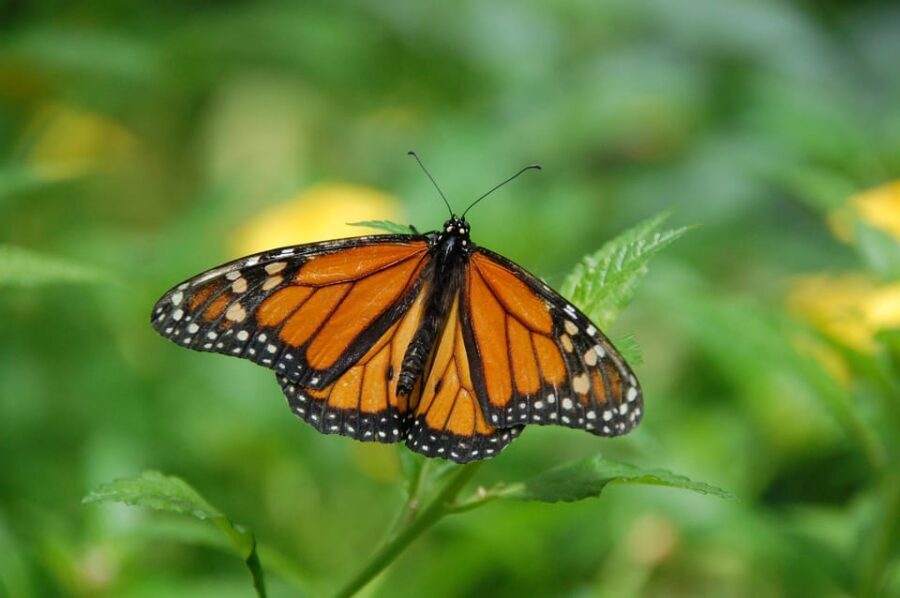
This is the kind of attraction that beats the usual “read a sign, move on” routine. In Krakow’s Butterfly Museum, the main event is staring—patiently—at butterflies as they do butterfly things. If you like animals, colors, or just seeing something up close that most people only know from books, you’re in the right place.
What I appreciate is the mix of wonder and explanation. You’re not only seeing butterflies. You’re also learning how they grow, how their wings work, and how their coloring helps them in nature. The museum frames butterflies within the bigger insect order Lepidoptera (butterflies and moths). That’s useful because it gives you a mental map while you wander.
You’ll also get that “wait, really?” feeling. When you learn that butterfly wings are covered in tiny scales, the patterns stop feeling random. They start feeling engineered by nature. For a photo lover, it also makes your shots more intentional: you’ll notice details instead of just chasing pretty colors.
You can also read our reviews of more museum experiences in Krakow



Step-by-step: how your day flows inside the museum
This experience is not described as a guided, scripted route. Instead, you get admission plus access to all exhibition areas and the freedom to explore. That’s good news if you hate being rushed, and it’s ideal if you want to pause for photos when a butterfly settles.
Here’s the practical rhythm you can expect.
1) Arrive, settle in, and start with the big picture
You’ll enter the museum and start with a broad view of butterflies from around the world. The exhibits are built to introduce the order Lepidoptera first, which helps if you’re not a bug expert.
Look for the sections that explain basic anatomy and why wings look the way they do. Even if you’ve seen butterflies before, the museum’s approach makes you slow down. The goal is to help you understand what you’re seeing, not just appreciate it.
2) Learn butterfly wing scales and the science of color
One of the most useful things here is the wing explanation. The museum covers the fact that butterfly wings are covered in tiny scales. Those scales are what create the characteristic look and patterns.
Why this matters for your visit: it gives you a reason to zoom in (with your eyes, and your camera within the rules). Instead of treating wings like painted surfaces, you learn to see them as structures with texture and pattern logic.
If you’re the kind of person who likes facts that actually help, this section will stick with you. It turns color from a “wow” into a “how.”
3) Explore the life cycle, not just the final form
The museum focuses on the butterfly life cycle—how these insects develop and change. This is one of the best ways to make your visit feel bigger than a single moment.
When you understand the cycle, each butterfly you see starts to feel like the outcome of a process. You might find yourself thinking: what stage is this butterfly in? What is it adapted for right now?
This is also where the experience becomes more than a visual stop. It becomes an education stop that still feels fun.






4) See both local and exotic species in one place
You’re not limited to one region. The museum includes a collection of butterflies from local and exotic species. That matters because it lets you compare.
You can look at differences in coloring, size, and overall look. Even without being a specialist, you can build a basic sense of variety—like seeing that butterflies are not one single “type,” but a wide group with different visual styles.
This also helps photographers. A local butterfly might be the same “theme,” but exotic species add new color combinations and shapes.
5) Compare day-active and night-active butterflies
One of the highlights calls out butterflies active during the day and butterflies active at night. That’s a simple detail that makes the museum more interesting than a one-note display.
Try to notice how the collection is presented. If you’re learning about behavior and timing, it changes how you look at what’s moving around you. Even if you don’t catch a specific behavior moment, the idea of different activity rhythms adds context.
6) Photo time without flash
The museum explicitly offers the opportunity to take photographs. That is a big deal because butterflies are made for pictures: color, movement, and wing texture are perfect ingredients.
But you must remember the rule: flash photography is not allowed. That’s not just a “don’t do it” warning. It shapes how you photograph.
Practical approach: keep your camera steady, be patient, and let the butterflies come to you instead of forcing it. If a butterfly flies off, that’s part of the experience, not a failure of planning.
If you’re traveling with friends, this is also where small-group visits help. You can space out, look from different angles, and still stay respectful of the exhibit.
7) Finish with the “why it matters” message
The museum doesn’t end at beauty. It includes education about preserving biodiversity and the importance of protecting the butterfly world.
This matters because it turns your visit into something you can carry home. You’ll understand that butterflies are part of ecosystems, not just decorative insects.
The museum also mentions educational initiatives. You may not walk out with a list of complicated actions (the details aren’t provided), but you will leave with a clearer sense of why diversity preservation matters—and that butterflies are part of that story.
What I liked most: the museum’s strongest selling points

This is where the experience earns its high rating. The feedback is consistent: people love seeing the butterflies up close, and they also leave feeling that they learned something.
Seeing living butterflies feels different than photos
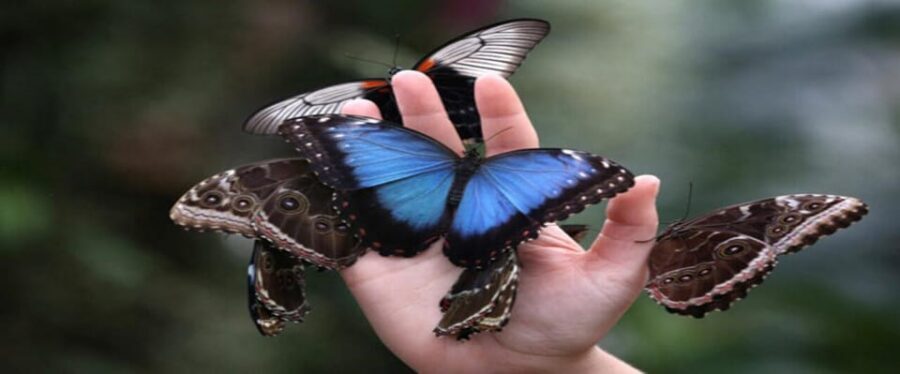
It’s one thing to admire butterfly pictures. It’s another to watch real butterflies with real wing movement and real presence. The museum makes that the center of the visit.
Learning boosts the whole visit
I like experiences that combine entertainment with learning. Here, the life cycle, coloring, and anatomy explanations make you look longer. They also make it easier to remember what you saw.
One of the reviews highlighted that the experience improved their knowledge. That matches what the exhibits are designed to do: convert curiosity into actual understanding.
Photography is allowed, but the rules keep it respectful
Being able to take pictures is a big practical plus. You don’t have to choose between learning and capturing the moment.
And because flash is banned, the museum keeps the vibe gentler for the butterflies. That usually leads to a more relaxed visit for you too.
Price and value: $36 per group up to 3
The price is $36 per group up to 3. On a per-person basis, that can be a very reasonable deal if you go with two people. If you go solo, it’s more expensive per head than a solo-priced museum ticket would be—but the group format can still work if you’re traveling with a friend anyway.
Here’s what makes it feel fair:
- You get admission and access to all exhibition areas
- You’re allowed photography (no flash)
- The visit is educational, with clear themes: life cycle, anatomy, coloring, and ecosystems
What you should think about: there is no guided tour included. That means you’re doing more self-guided exploring. For some people, that’s perfect. If you love structured commentary, you might find yourself wishing for a guide. If you like reading at your own speed and learning as you go, you’ll probably be happier.
Who this is best for (and who might want a different plan)
This museum is a strong choice if you fit at least a couple of these:
- You love nature, insects, or animals in general
- You want photos, but you also want to learn something
- You enjoy hands-on-looking experiences where you can slow down
- You travel with a small group and prefer flexible pacing
It’s also a decent pick for families who can handle walking around a museum. Just plan for comfortable shoes, because the museum experience involves plenty of steps.
If you’re the type who needs a highly guided, timed tour with a lot of narration, this might feel more like a self-guided educational visit than a guided adventure. The good part is you control your pace.
Practical notes that will help your visit go smoothly
Flash photography is not allowed
This one is big enough to repeat: don’t try to sneak it in. Flash photography is forbidden inside. If you’re planning phone shots, use steady hands and be patient.
Wear comfortable shoes
The museum notes you’ll do a lot of walking. So wear shoes you can stand in and move in comfortably.
Wheelchair access is mostly good, but not perfect
The museum is wheelchair accessible in most areas, but some sections may be challenging. If accessibility is a key concern for you, plan on going slowly and be ready for uneven spots or tight transitions in some areas.
Small group size helps your experience
Limited to 3 participants, the group format is designed to keep things manageable. That tends to make it easier to look and take photos without feeling swallowed by a crowd.
Should you book the Krakow Butterfly Museum?
I’d book it if you want a mix of living butterflies + practical learning and you’re okay with a self-guided visit. The value is especially good if you have up to two travel companions to share the group price. You’ll come away with more than pictures; you’ll understand things like the life cycle and why wing scales matter.
Skip it (or at least think twice) if you require a guided narration to stay engaged, or if photography rules (no flash) would frustrate you. Otherwise, this is a memorable, unusual stop that feels both relaxing and educational.
FAQ
What is the Museum of Living Butterflies in Krakow?
It is a butterfly museum where you can see a collection of butterflies from around the world and learn about their life cycle, anatomy, and coloring.
How much does the ticket cost?
The price is $36 per group up to 3 participants.
How long is the experience valid?
The ticket is valid for 1 day, and starting times depend on availability.
Is a guided tour included?
No. Guided tours are not included.
Can I take photos inside?
Yes, the experience includes an opportunity to take photographs, but flash photography is not allowed.
What can I learn during the visit?
You’ll learn about butterfly life cycle, anatomy, and coloring, including that butterfly wings are covered in tiny scales. The museum also covers butterflies active during the day and butterflies active at night.
Are there local and exotic butterflies?
Yes. The museum’s collection includes both local and exotic species.
Is food provided?
No. Food and beverages are not included.
Is the museum wheelchair accessible?
The museum is wheelchair accessible in most areas, but some sections may be challenging for people with mobility impairments.
What should I wear?
Wear comfortable shoes, because there is a lot of walking.