REVIEW · KRAKOW
Kraków old town and jewish quarter®
Book on GetYourGuide →Operated by CHT Sp. z o.o · Bookable on GetYourGuide
A good city story starts with the buildings. This guided route connects Kraków’s key sites to the historical shocks that shaped Poland, then lands you in Kazimierz to understand Jewish life in context, not as a side note. I like how the pacing keeps your eyes moving from medieval walls to Wawel Hill, and I love the way the guide makes the timeline feel practical.
One thing to consider: it’s only 3 hours, so you’ll see a lot fast. If you want to linger in every church and synagogue area for long stretches, you may feel slightly rushed.
The tour focuses on the historic center and the Jewish quarter, with stops that teach you how to read Kraków like a local. You’ll get a strong sense of why the city’s architecture earned World Heritage status, and you’ll leave knowing what to look for on your own.
In This Review
- Key Highlights at a Glance
- Why This 3-Hour Walk Works in Kraków
- Starting in the Old Town: Theatre, Walls, and the City’s Defensive Mindset
- The Market Square Loop: Learning to Read Kraków’s Architecture
- University Neighborhood: John Paul II and Copernicus in the Same Geography
- Wawel Hill: The Cathedral View That Makes the Whole City Feel Connected
- Basilica Stops That Give You the Faith-and-Art Angle
- Kazimierz and the Jewish Quarter: Where the City’s Stories Turn
- Tempel Synagogue and Stara Synagogue: Architecture as Evidence
- Memorial Stops in Kazimierz: Holocaust, the Righteous, and Polish Loss
- Old Jewish Cemetery and Medieval Jewish Streets: The City Shows Its Depth
- Price and Value: Is $16 Worth It?
- Who This Tour Fits Best
- Should You Book Kraków’s Old Town and Jewish Quarter Tour?
- FAQ
- How long is the tour?
- How much does it cost?
- What language is the guide?
- Where is the meeting point?
- What areas of Kraków does the tour cover?
- Which major sites are included?
- Are food and drinks included?
- Is this tour wheelchair accessible?
- Is there free cancellation?
Key Highlights at a Glance
- Historian-style storytelling that links Kraków to wider events in Polish history
- Old Town anchors first: Market Square, St. Florian’s Gate area, and major monuments
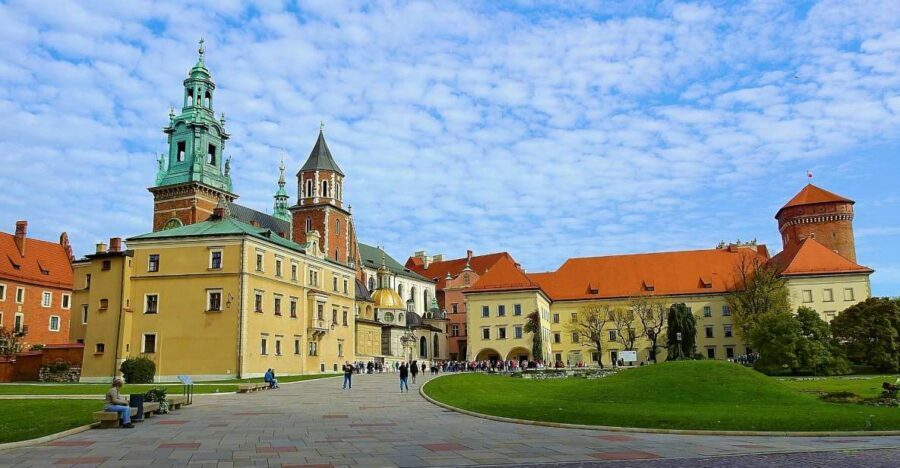
- Wawel Complex focus with cathedral viewpoints and architecture cues
- University neighborhood stops tied to John Paul II and Copernicus
- Kazimierz stops that matter: Tempel Synagogue, Stara Synagogue, cemeteries, and memorials
- Coexistence explained so Jewish and Catholic history makes sense together
Why This 3-Hour Walk Works in Kraków
Kraków can feel overwhelming fast: castles, churches, squares, and streets that all look important. This tour earns its place by doing one smart thing—you learn the city’s “why” while you’re moving between the “what.” The route concentrates on two core zones: the historic center and Kazimierz (the Jewish quarter).
You also get the benefit of a guide with formal training in geography and history. That matters here because the landmarks aren’t presented as isolated pretty stops. Instead, you’ll hear how events shaped where people lived, worshipped, studied, and mourned.
You can also read our reviews of more tours and experiences in Krakow.
Starting in the Old Town: Theatre, Walls, and the City’s Defensive Mindset
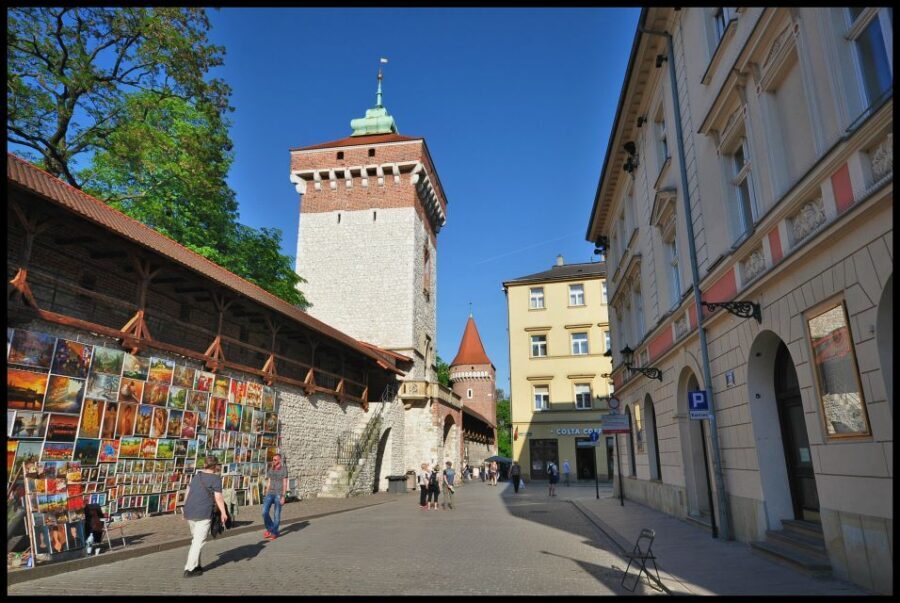
You begin downtown, and the tour immediately gives you perspective. Stops like Juliusz Słowacki Theater, the medieval walls, and structures such as the Barbican help you understand that Kraków wasn’t always a walkable postcard. It was once a fortified city that had to defend itself, manage power, and protect trade.
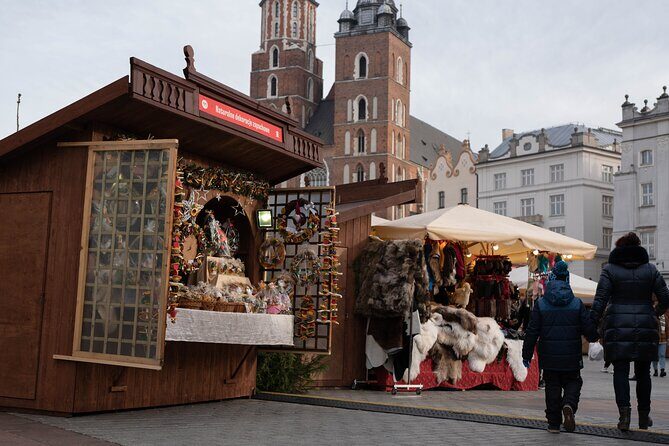
From there, you shift toward the gateway world—think St. Florian’s Gate—and then into the center’s big stage: the Market Square. This is where the tour earns its architectural payoff. You’ll be guided to notice the monumental weight of the square, not just its famous buildings. It’s a useful lesson for first-time visitors: learn one “anchor” area well, and the rest of the city gets easier to place.
Practical tip: Market Square stops usually mean more open space and crowds. Wear layers and be ready to pause often—this isn’t a “quick photo run.”
The Market Square Loop: Learning to Read Kraków’s Architecture
The Market Square section is heavy on iconic details, including Basilica of Saint Mary and the Sukiennice area (with the Tower of the old town hall). The value isn’t only recognition. It’s learning what to look for as you move.
For example, when you’re shown these buildings in sequence, the city’s architectural diversity starts to click. You stop thinking of Kraków as one style and start understanding it as layers—different eras, different needs, different rulers, different moments of growth and recovery.
This is also a great place for first-time orientation. When you understand where the square sits and why it mattered, you’ll find your bearings faster for the rest of the day.
University Neighborhood: John Paul II and Copernicus in the Same Geography
Next comes a shift in mood. You move through the university area, where the tour connects place to study. The guide highlights that figures such as John Paul II and Copernicus received their academic training in this region.
You’ll also see Collegium Maius, a stop that helps you understand how education and ideas shaped the city. Even if you’re not a history student, the point is simple: Kraków wasn’t only a seat of power. It was also a place where minds were trained—and that affects how a society develops over time.
Consideration: If your brain loves facts, you’ll enjoy this part. If you get tired of dates quickly, focus on the big connections: who studied here, and what kind of influence education brought.
Wawel Hill: The Cathedral View That Makes the Whole City Feel Connected
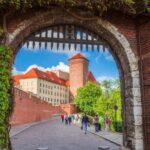
One of the tour’s strongest pillars is the Wawel Complex, including the Cathedral area and the surrounding buildings. You’ll climb the hill and analyze what you’re seeing as part of a larger architectural and political statement.
You’ll also catch the famous dragon sculpture connected with the Wawel area. It’s a lighter moment, but it still fits the bigger picture: legends and monuments often travel together in places like this. When you know the serious context, the playful detail feels like part of the same city story rather than a random gimmick.
And if you’re wondering why this matters for your overall Kraków visit, here’s the key: Wawel is a visual anchor. When you learn how to read it, you can look at the rest of the city and understand how different parts relate to power, culture, and faith.
Basilica Stops That Give You the Faith-and-Art Angle
The route includes major religious architecture in addition to Wawel. You may see Archbishop’s Palace and stops like the Basilica of the Franciscans, plus the earlier church highlights such as St. Mary.
These aren’t just “pretty church” interruptions. The tour uses them to show how different institutions shaped public life—who had influence, how communities organized around worship, and how art and architecture expressed identity. It’s one of the reasons the tour focuses on fundamentals like architecture and history instead of trying to cram in everything.
Tip for your comfort: Expect stairs and uneven streets around older sites. If you’re sensitive to walking time, plan to take the pauses offered by the guide rather than trying to speed ahead.
Kazimierz and the Jewish Quarter: Where the City’s Stories Turn
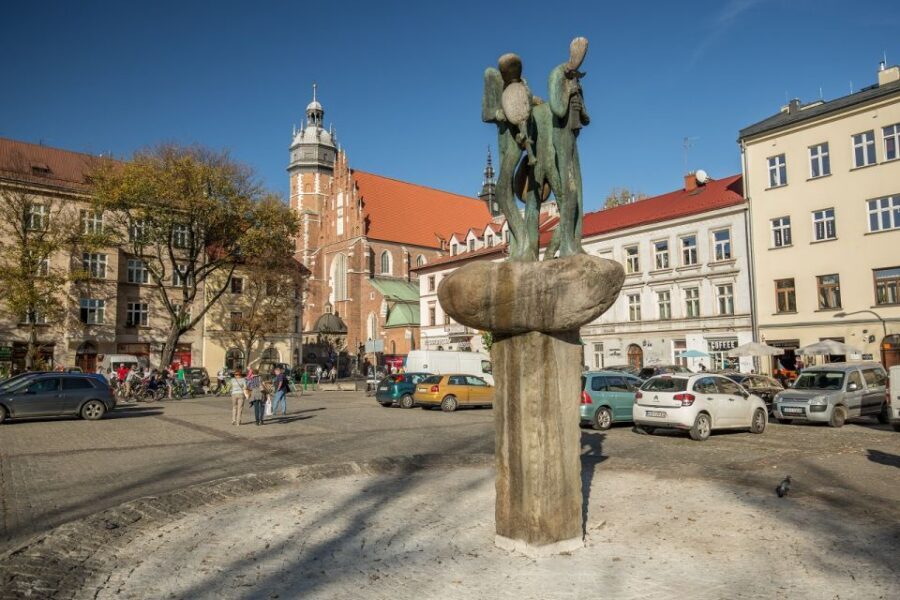
Then the tour turns into something more emotionally grounded. In Kazimierz, you’ll learn why the first Jewish communities who arrived in Kraków settled there in the first place—and how coexistence between Jews and Catholics worked in practical terms.
This part is built around reasons, not just names. You’ll hear the “why” behind the settlement patterns and how the communities interacted. That approach helps you avoid a common travel mistake: seeing Jewish history only through modern tragedy, instead of understanding daily life, community building, and long-standing presence.
Tempel Synagogue and Stara Synagogue: Architecture as Evidence
You’ll visit key synagogues such as Tempel Synagogue and Stara Synagogue. These stops give you a tangible sense of community life. Instead of only hearing about the past, you’re looking at spaces where tradition and identity were expressed.
Even if the buildings are unfamiliar to you, the guide’s job is to give you landmarks for understanding. You’ll walk away with the sense that these weren’t generic historical artifacts—they were part of an active community’s world.
Memorial Stops in Kazimierz: Holocaust, the Righteous, and Polish Loss
From there, the tour addresses the heavy chapters with specific memorials. You’ll see monuments including:
- Monument to the victims of the holocaust
- Monument to the righteous among the nations
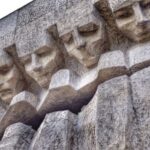
- Monument to Polish victims during the occupation
These stops change the pace in a good way. You’re given context so you understand what each memorial represents and why it belongs in this place. The value is that the tour treats memory as geography: where these events are remembered affects how the city’s identity feels today.
Old Jewish Cemetery and Medieval Jewish Streets: The City Shows Its Depth
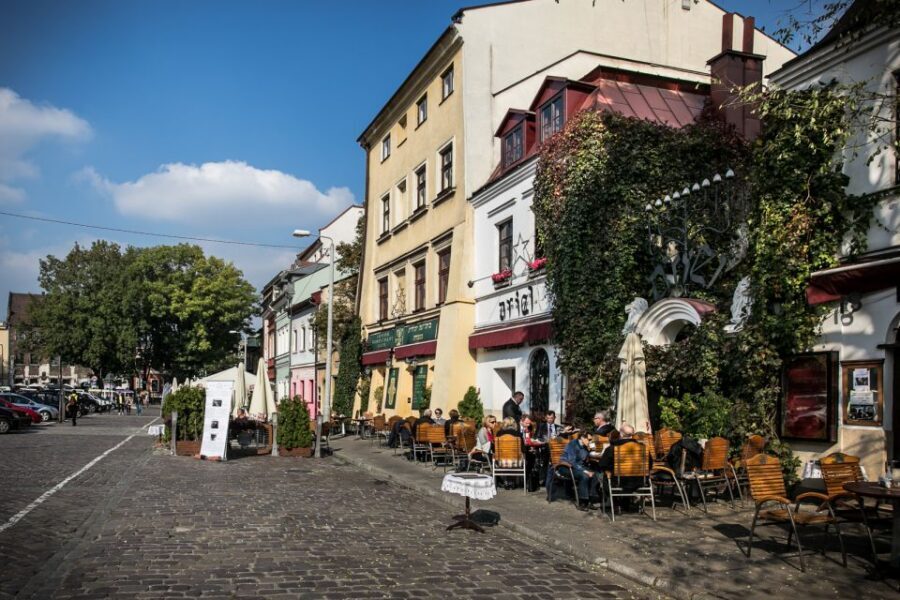
You’ll also visit the old jewish cemetery area and pass through parts of Kazimierz’s medieval street fabric, including the New Square and the medieval square of the Jewish quarter, plus walls of the Jewish quarter.
This is where the tour becomes more than a set of sights. The walls and squares make you imagine how community space worked—where people gathered, where boundaries were felt, and how daily movement shaped life.
Consideration: These are reflective spaces. If you rush or keep your head down for photos, you miss the point. Take a minute when the guide stops, even if you’re not a “sit and listen” person.
Price and Value: Is $16 Worth It?
At about $16 per person for a 3-hour live guide, this is solid value—especially if you care about understanding rather than just checking boxes.
What you’re paying for isn’t only entry into sights (food and drinks aren’t included, and the tour clearly operates as a guided walk). You’re paying for:
- A trained guide in geography and history
- A route that focuses on the city’s two core districts, not scattered random points
- A framework for understanding why Kraków’s architecture and heritage matter
If you’re the kind of visitor who likes to learn something you can apply—how to connect events, buildings, and neighborhood changes—this price feels fair. If you mainly want to wander independently with minimal talking, you might prefer a self-guided plan instead.
Who This Tour Fits Best
This experience is a great match if you:
- Want a clear overview of historic Kraków and Kazimierz without guessing what matters most
- Enjoy walking with an explanation that ties people and events to specific places
- Care about how religion, education, and history shape a city
It also works well in winter or mixed weather, based on how the tour’s style keeps focus even when conditions are tough. The route is active, but the guide’s pacing helps keep you engaged.
Should You Book Kraków’s Old Town and Jewish Quarter Tour?
I’d book this tour if you want the fastest way to learn Kraków with real context. The combination of Old Town landmarks, Wawel Complex, and Kazimierz memorial and synagogue stops gives you a balanced picture of the city’s identity—architectural and human.
Skip it only if you’re looking for a slow, museum-style day where you spend long stretches inside a few places. This is a walk-and-learn route, and it’s at its best when you’re ready to move, listen, and connect the dots.
FAQ
How long is the tour?
The tour lasts 3 hours.
How much does it cost?
The price is $16 per person.
What language is the guide?
The live tour guide speaks Spanish.
Where is the meeting point?
The meeting point is where the guide carries a grey umbrella.
What areas of Kraków does the tour cover?
It focuses on the historic center and the Jewish quarter (Kazimierz).
Which major sites are included?
You’ll visit highlights such as the Wawel Complex (including the cathedral area), Market Square, and Kazimierz sites like Tempel Synagogue and Stara Synagogue, along with memorials and the old Jewish cemetery.
Are food and drinks included?
No. Food and drinks are not included.
Is this tour wheelchair accessible?
Yes, it is wheelchair accessible.
Is there free cancellation?
Yes. You can cancel up to 24 hours in advance for a full refund.