REVIEW · KRAKOW
Krakow: Old Town – Kazimierz – Ghetto by Electric Golf Cart
Book on GetYourGuide →Operated by FHU PATART PATRYK TLAŁKA · Bookable on GetYourGuide
Three districts. One smooth ride.
This electric golf cart tour is a practical way to get your bearings in Krakow in about 150 minutes, covering the Old Town, Kazimierz, and the former ghetto area without wearing out your feet before you even start sightseeing. I love that it pairs a live guide with an audio system, so you can follow the story even when streets get crowded. I also like the group setup, because it’s easier to make new friends while moving between neighborhoods. One thing to consider: it’s not built for everyone, with strict age limits and no smoking in the vehicle.
The feel here is equal parts orientation and education. You’ll see a long chain of landmarks, then hear what connects them, with the route designed so you don’t just “pass by” big sights. On departures where guides such as Radar or Natalie are leading, the vibe tends to be especially friendly and well-paced, which matters a lot on a first visit.
Below is how I’d think about the experience before you book, including where the tour shines, what to pay attention to at each stop, and how to decide if this style of sightseeing fits your Krakow trip.
In This Review
- Key Points Worth Knowing Before You Go
- Electric Golf Carts: Getting Oriented Fast Without the Foot-Slog
- Old Town Highlights: From Planty to Wawel in One Clear Story
- Kazimierz: Synagogues and Street Names That Make the Neighborhood Stick
- Podgórze and the Former Ghetto: When the Tour Turns Serious
- The Stop List Works Because It’s Guided in Your Language
- Price and Value: Why $41 Can Make Sense for 150 Minutes
- What to Bring and What to Respect Inside the Cart
- Who This Krakow Golf Cart Tour Fits Best
- Should You Book the Old Town–Kazimierz–Ghetto Cart Tour?
- FAQ
- How long is the Krakow Old Town – Kazimierz – Ghetto electric golf cart tour?
- How much does the tour cost?
- Where do we meet for the tour?
- What is included in the price?
- What languages are available?
- What should I bring?
- What’s not allowed during the tour?
- Which districts are covered?
- Is the tour suitable for children and older adults?
- Can I cancel or change my plans?
Key Points Worth Knowing Before You Go
- Electric golf cart pacing saves your energy for the stops that actually need your attention
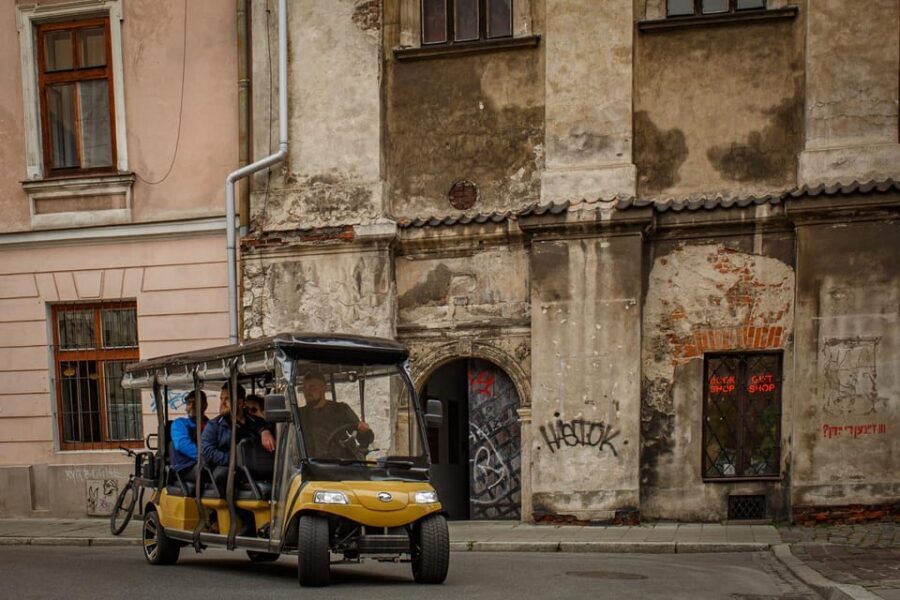
- Old Town, Kazimierz, and Podgórze are covered in one continuous route instead of three separate plans
- Live guide + audio guide helps you stay on track in the language you prefer
- A long stop list means you get quick context at major landmarks, not just one neighborhood
- Strong emphasis on the former ghetto area sets a serious tone in the Podgórze segment
Electric Golf Carts: Getting Oriented Fast Without the Foot-Slog
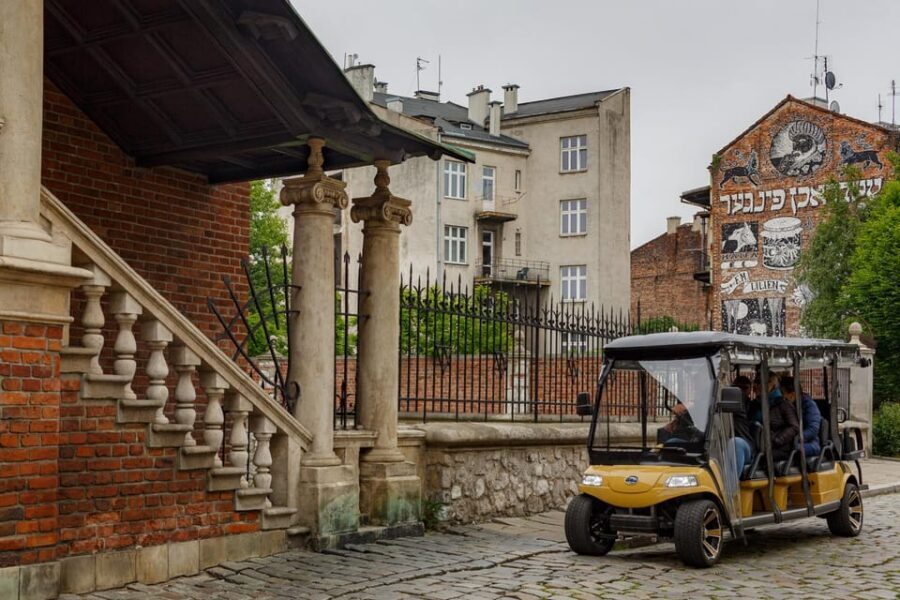
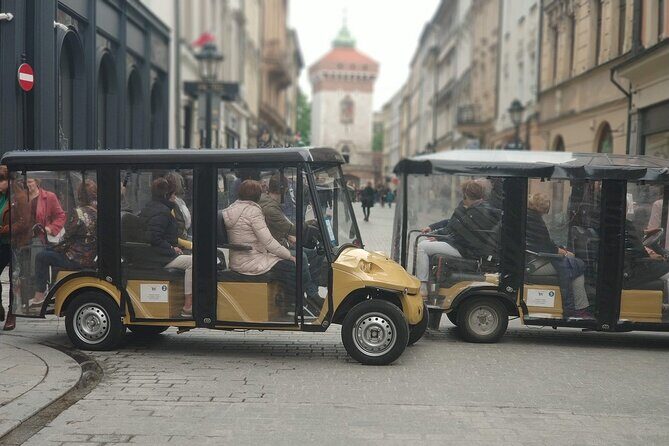
The headline is simple: you explore Krakow by electric vehicle, moving through three key districts in about 150 minutes. That matters because Krakow rewards slow walking, but most people don’t have slow walking time on day one. This tour gives you a structured first look, then points you toward what you’ll want to revisit later on foot.
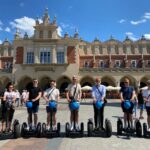
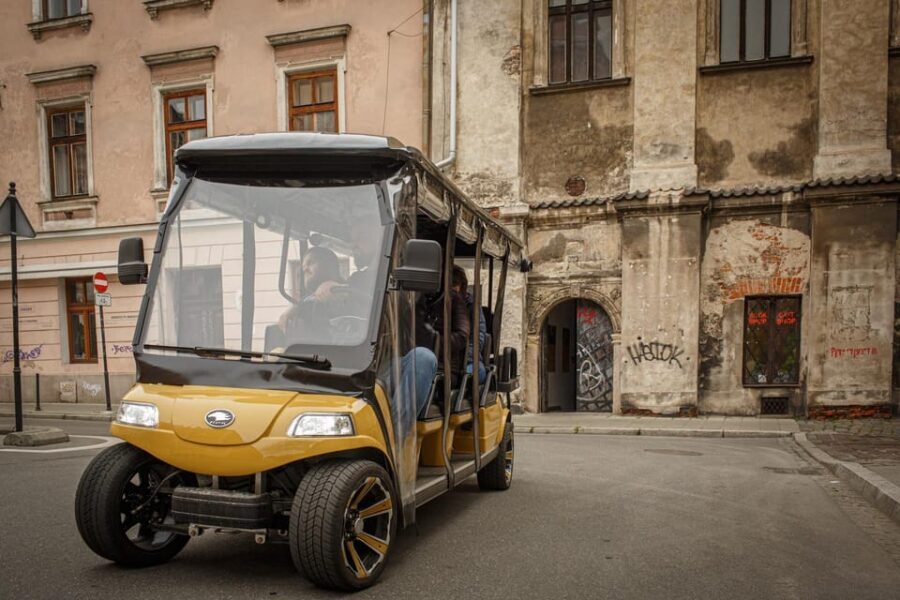
You’re not stuck in traffic with a car tour. The golf cart style keeps things nimble and lets you actually take in the street view and architecture as the route connects landmarks. It also makes group travel smoother. When you’re in a group, it’s easy to drift apart on long walking routes, but in this format you stay together and regroup naturally.
There’s also a “comfort win” built in. The operator includes a live tour guide plus an audio guide system, and you can follow in the language of your choice. That’s a big deal if you’re tired of city audio that you can’t quite understand, or if your group has mixed language comfort levels.
You can also read our reviews of more tours and experiences in Krakow.
Old Town Highlights: From Planty to Wawel in One Clear Story
The Old Town portion is your warm-up: you start with the places that frame Krakow’s city center, then roll toward the royal end of the historic core. The route is packed, so the experience is less about lingering at one spot and more about building a map in your head.
Here’s what you’ll see as the tour threads through the Old Town highlights:
- Krakow Planty: a major starting point where the tour sets context for the historic center
- Church of St. Cross: an early landmark that helps you orient quickly
- Słowacki Theater: a cultural stop that breaks up the more religious and street-scene rhythm
- Former city walls and Barbican: fortification-themed landmarks that give the city’s defensive story a physical shape
- Jan Matejko Square: a named square that works well as a visual checkpoint
- Church of St. Florian: another anchor landmark as the route continues toward the core
- Sławkowska Street and Czartoryski Museum: these stops shift you from churches and monuments to a more “streets and institutions” feeling
- St. John’s Street and Church: a classic old-town walking vibe, even from the cart
- Main Square and Plac Szczepański: you’ll get a strong sense of where the social and pedestrian life of the center happens
- Palace of Art: a cultural punctuation mark between the historic core and the transition onward
- St. Anne’s Church, Town Hall, and Franciscan Church: you’ll see religious and civic landmarks clustered as a theme
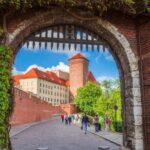
- Wawel Castle: the Old Town segment tends to climax here, because it’s the biggest “you’re in the center of it all” visual moment
What I like about doing these Old Town stops by cart is the flow. You don’t have to make 10 decisions in real time about where to walk next. Your guide and audio track handle the “why are we here?” part, so you can focus on noticing details you’d otherwise miss when you’re rushing with a map.
One small trade-off: since the route is packed, you won’t have long free time at every sight. This is ideal for first-time orientation, but if you’re the kind of traveler who wants 30 minutes in one church or museum, you’ll want to pair this with a second visit later.
Kazimierz: Synagogues and Street Names That Make the Neighborhood Stick
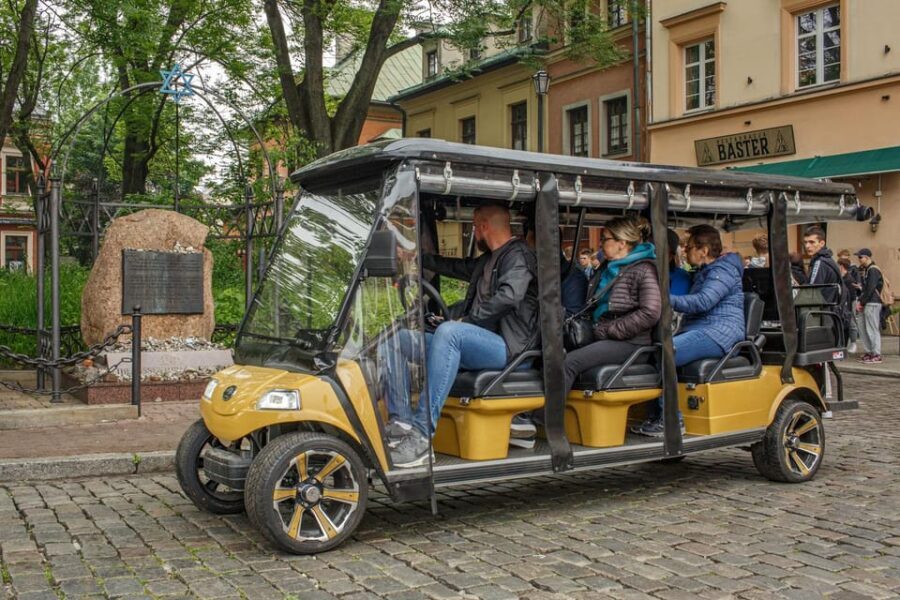
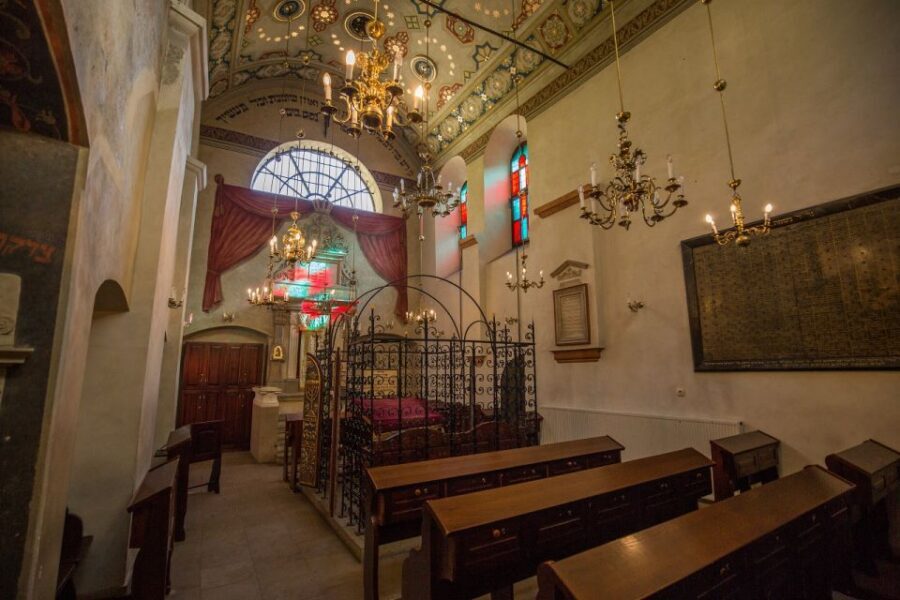
After the Old Town leg, the tour shifts into Kazimierz, Krakow’s Jewish district. This isn’t just a scenic change. The stop list signals a different pace and tone—more places tied to community life, faith, and neighborhood identity.
Expect the tour to highlight a run of sites that help you understand the layout and importance of the area:
- Skałka Church and Church of St. Catherine: early stops that set the stage for how mixed the streets can feel
- Wolnica Square and Jewish City Hall: a clear “this is where public Jewish life shows up” stop
- Church of Corpus Christi: a reminder that the neighborhood isn’t one single-story museum; it’s a living patchwork of eras and faiths
- Tempel Synagogue: a landmark stop that gives Kazimierz a recognizable focal point
- Kupa Synagogue, Isaac Synagogue, Ciemna Street: these names help you connect what you see to what the guide is explaining
- Old Synagogue, Popper Synagogue: more synagogue stops that reinforce continuity and change over time
- Family House of Helena Rubinstein: a notable “person-and-place” stop that moves beyond buildings
- Remuh Synagogue and old cemetery: a serious stop in the route that changes the mood toward memory and community history
- Memorial Stone of the Nissembaum Family Foundation: another remembrance-focused stop
- Old Jewish Shops: a practical, everyday-life counterpoint to the heavier landmarks
Here’s the value for you: by the end of Kazimierz, you’re no longer looking at a neighborhood as a blur of streets. You start seeing patterns. The cart doesn’t let you wander far, but the audio and live narration do a lot to “install” names and themes into your brain—synagogue cluster, squares, and everyday street life.
If you’re someone who plans to return to Kazimierz later, this segment helps you choose what to focus on. Even if you don’t stop inside places, you’ll know what pulled your attention.
Podgórze and the Former Ghetto: When the Tour Turns Serious
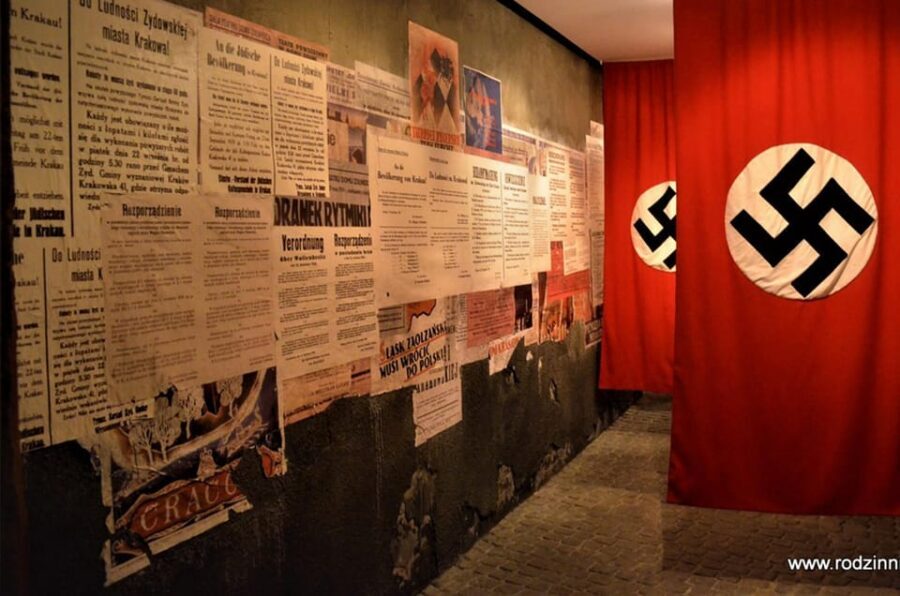
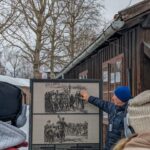
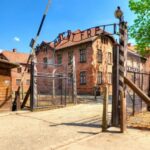
Then comes the part that needs your full attention: Podgórze, the former ghetto area. The tour specifically includes descriptions of former ghetto history and life in the ghetto, and it points you to key memorial locations and named sites tied to survival and rescue stories.
This is the segment where a cart tour can still work—because the route is built to bring you to the right places without you having to stitch together a complicated map yourself. But you should go in with the right mindset: this section is not light sightseeing.
Key stops you’ll see here include:
- Former Ghetto and Ghetto Heroes Square: the emotional and historical center of the Podgórze leg
- Pharmacy under the Eagle and the Residence of Tadeusz Pankiewicz: a named, story-driven stop
- Oskar Schindler history: the tour includes an Oskar Schindler-focused portion so you can connect the name to what you’re looking at
- Life in Ghetto (description) and Ghetto Wall: the route emphasizes how everyday existence and physical boundaries shaped life
- Church of St. Joseph: a final landmark that gives the route a closing point as it transitions out of the ghetto-focused zone
One practical note: since this is a serious history segment, you’ll get more out of it if you’re not cramming it right before or right after a long party evening. Plan it as a grounded activity in your day so your brain can absorb names and themes instead of treating it like another checklist.
The Stop List Works Because It’s Guided in Your Language
This tour stands out because it gives you two layers of interpretation:
- A live tour guide for on-the-ground explanation and pacing
- An audio guide system so you can follow in the language you prefer
The operator lists Polish and English as available languages, with a Polish/English driver. That means if your group includes someone who struggles in English, or if you’re more comfortable with English than you expected, you’ve got options. And if you’re the type who likes to listen while taking photos, the audio format is built for that.
I also like that the tour doesn’t rely only on big-name sights. The route includes named streets and synagogue names as well as memorial stones and story-specific locations like the Pharmacy under the Eagle. That mix prevents the tour from feeling like a generic highlights loop.
Price and Value: Why $41 Can Make Sense for 150 Minutes
At $41 per person for about 150 minutes, you’re paying for three things in one package: the electric vehicle, the live guide, and the audio guide. In practical terms, that can be good value if you want structure and you want it in a short window.
This is especially worth it if:
- It’s your first visit and you want a city overview that connects districts
- Your day schedule is tight and you want a lot of landmarks in one go
- You’d rather spend time later doing deeper walks than walking between neighborhoods first
It might not be the best value for you if you already know the neighborhoods well and you want long stops, because this route moves fast by design. Think of it as your “map-building” tour, not your “museum day.”
What to Bring and What to Respect Inside the Cart
The essentials are minimal: bring water. That’s not a cute suggestion; it’s genuinely useful because you’ll be out for about 150 minutes.
You also need to plan around the rules:
- No smoking in the vehicle
- No bags and no alcohol or drugs
- Non-folding wheelchairs aren’t allowed, and electric wheelchairs are listed as not allowed
- Bikes aren’t allowed
- Alcoholic drinks in the vehicle aren’t allowed
Age limits are strict, too. The tour isn’t suitable for children under 2, and it lists multiple upper age limits (including people over 60 and over 65). So before you decide, check the operator guidance against your group.
Who This Krakow Golf Cart Tour Fits Best
This is a strong fit if you want a guided “first impressions” plan that still reaches deep into Krakow’s most meaningful historical neighborhood.
You’ll likely enjoy it most if you:
- Want to meet new friends on a group trip
- Prefer guided structure over trying to plan three districts alone
- Want to see a lot of landmarks without doing heavy walking between them
- Like audio narration that matches your language comfort
It’s less ideal if you:
- Want long, quiet time at each sight
- Need accessibility options beyond what’s listed
- Are traveling with small kids, since the tour doesn’t work for many younger age brackets
Should You Book the Old Town–Kazimierz–Ghetto Cart Tour?
If your goal is to understand Krakow quickly and clearly, I’d book this. It does the hard part for you: it links Old Town landmarks, the identity-rich streets of Kazimierz, and the serious memorial sites of the former ghetto area into one continuous route. The live guide plus audio in Polish or English helps you actually follow the story instead of just collecting photos.
Book it if you want to get oriented fast, then choose later where you want to go slow. Skip it if you’re already comfortable navigating Krakow on your own and you want extended time inside specific sights.
In short: this is a smart first-step tour. It doesn’t replace deeper visits, but it tells you exactly where those deeper visits should happen.
FAQ
How long is the Krakow Old Town – Kazimierz – Ghetto electric golf cart tour?
The tour duration is 150 minutes.
How much does the tour cost?
The price is $41 per person.
Where do we meet for the tour?
You meet at the Kiss&Ride parking opposite the Żabka store.
What is included in the price?
It includes a live tour guide, an electric vehicle tour, and an audio guide.
What languages are available?
The languages listed are Polish and English.
What should I bring?
Bring water.
What’s not allowed during the tour?
Smoking in the vehicle is not allowed. Also, bags, bikes, alcohol and drugs, and alcoholic drinks in the vehicle are not allowed. Non-folding wheelchairs and electric wheelchairs are also not allowed.
Which districts are covered?
The tour covers the Old Town, Kazimierz (the Jewish district), and Podgorze (the former ghetto area).
Is the tour suitable for children and older adults?
No. The activity is listed as not suitable for children under 2, and it also lists multiple restrictions for children and for older adults (including people over 60 and over 65).
Can I cancel or change my plans?
Free cancellation is available up to 24 hours in advance for a full refund, and you can reserve now and pay later.