REVIEW · KRAKOW
Krakow: Schindler’s Factory Entry Ticket (Optional Guide)
Book on GetYourGuide →Operated by Quick Transfer · Bookable on GetYourGuide
A visit to Schindler’s Factory hits hard. You walk through Kraków under Nazi occupation, following personal stories that make the history feel immediate. I like the skip-the-line setup and the clear focus on Oskar Schindler’s life-saving choices, including his personal office and the Ark of the Saved. One thing to consider: this is more museum and documentation than a preserved, untouched factory floor.
If you’re choosing between a quick stop and a deeper one, the optional guided tour can change the whole experience. A good guide helps tie the artifacts, multimedia exhibits, and dates together so the moving story lands faster. The museum is closed on the first Monday of every month, and last admission is 90 minutes before closing, so planning matters if you’re on a tight schedule.
In This Review
- Key Things You’ll Notice at Schindler’s Factory
- Schindler’s Factory in Kraków: What This Ticket Really Delivers
- Skip-the-Line Entry: Fast Start, Simple Expectations
- Inside the Exhibits: Kraków Under Nazi Occupation, Told Through People
- Oskar Schindler’s Office and the Ark of the Saved
- What to Expect From the Optional Guide (And When It’s Worth It)
- Logistics That Matter: Timing, Rules, and How to Prepare
- Value for Money: Is the $9 Ticket a Good Deal?
- Who Should Book This and Who Might Want to Rethink It
- Should You Book Schindler’s Factory Entry With the Optional Guide?
- FAQ
- What is included with the Schindler’s Factory entry ticket?
- How long is the ticket valid?
- Is a guided tour available?
- Can I take flash photos inside?
- Are backpacks allowed?
- What should I bring?
- Is the museum closed on any day?
- When is the last admission?
- Is this experience wheelchair accessible?
Key Things You’ll Notice at Schindler’s Factory
- Skip-the-line entry so you start right away instead of losing time in queues
- Nazi occupation timeline told through personal stories of Kraków residents
- Oskar Schindler’s office and the Ark of the Saved as the emotional centerpiece
- Factory origins as Deutsche Emailwarenfabrik, founded in 1937
- Schindler arrives on Sep 6, 1939, then becomes a wartime hero
Schindler’s Factory in Kraków: What This Ticket Really Delivers
Schindler’s Factory is one of those places where you don’t leave with “more trivia.” You leave with a clearer sense of how war reshaped ordinary life. The museum focuses on Kraków during Nazi occupation, lasting nearly six years, and it does that through the experiences of real people rather than only broad events.
I like that the visit is built to be both readable and emotionally grounded. You get story-driven exhibits, multimedia presentations, and preserved artifacts that help you understand what everyday life looked like when persecution was the system. And because the ticket is a skip-the-line entry, you can spend your energy where it counts: inside the exhibits, not waiting outside.
The other big reason this experience is worth your time is the presence of Oskar Schindler’s story. You don’t just hear the name and move on. You see the personal office where Schindler made decisions that saved over 1,000 Jewish lives, and you encounter the iconic Ark of the Saved, tied directly to his efforts to protect vulnerable people.
You can also read our reviews of more tours and experiences in Krakow


Skip-the-Line Entry: Fast Start, Simple Expectations
Let’s be practical. This ticket is designed so you can get in without waiting in line. That matters in Kraków, where you might be trying to fit museum time into a day that also includes other highlights like walking the historic center and finding dinner.
You should also know what the ticket includes and what it doesn’t. You get skip-the-line entry. If you select the option that bundles it, you may also get entry to 39 museums. The listing is clear that this extra museum access is tied to the option you choose, so double-check what’s attached to your exact selection before you go.
What’s not included is just as important. There’s no hotel pickup or drop-off, and you’ll need to handle getting there yourself. Also, food and drinks aren’t included, so plan on bringing a snack mindset or grabbing something nearby before or after.
For your own comfort, remember the museum rules. Bring comfortable shoes and a camera. You can’t use flash photography, and backpacks aren’t allowed. That last bit is easy to forget until you’re standing at the entrance, so plan a bag strategy early.
Inside the Exhibits: Kraków Under Nazi Occupation, Told Through People
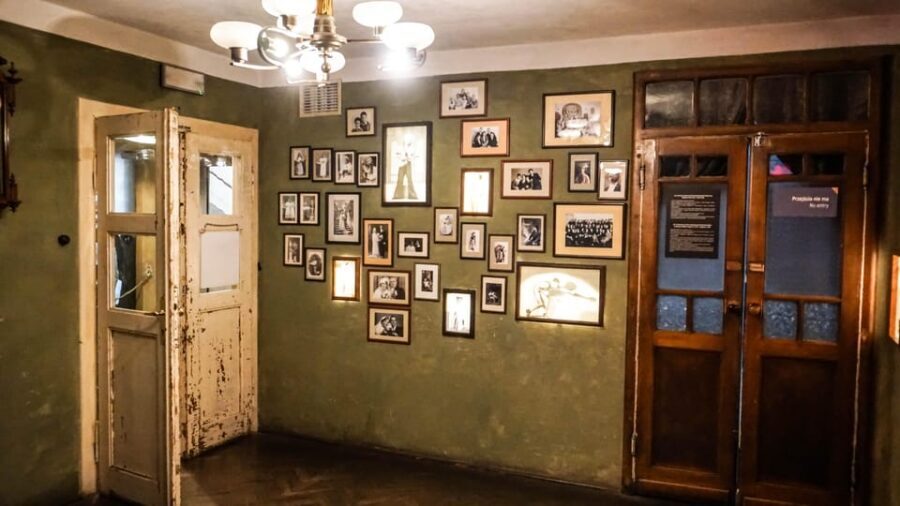
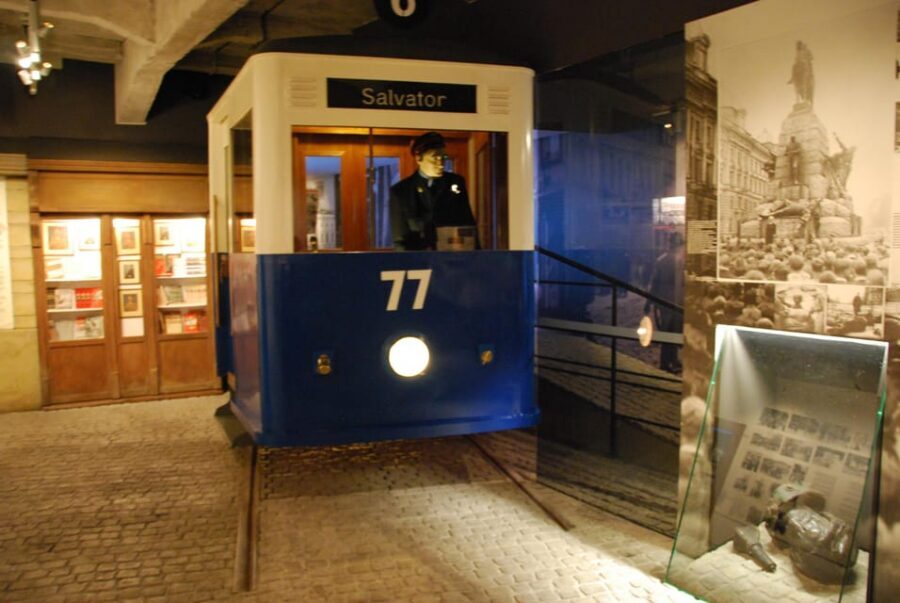
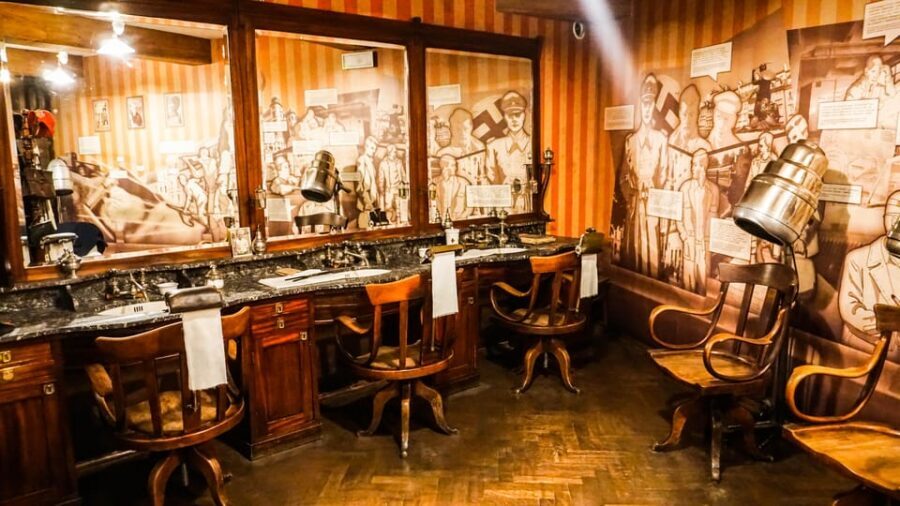
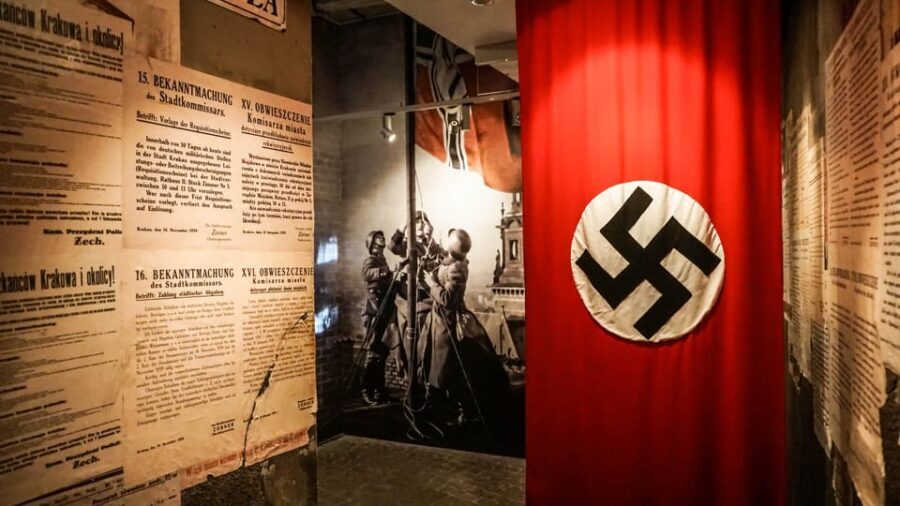
The core of your visit is the story of Kraków during Nazi occupation, shown through immersive exhibitions and preserved items. The museum’s emphasis is on personal stories—how ordinary lives were upended by war and persecution.
As you move through the exhibits, pay attention to how the museum builds context step by step. It doesn’t only show what happened. It shows how the rules changed daily life, how people adapted, and how fear became part of the rhythm of living. That’s the part that tends to linger after you leave: you can connect the big-picture history to human behavior, choices, and losses.
You’ll also see the museum explain the factory’s beginnings. The space traces its roots to Deutsche Emailwarenfabrik, founded in 1937. That detail matters because it anchors Schindler’s story in a real workplace, not a distant legend. The museum then places Schindler in Kraków soon after the Nazi invasion, noting his arrival on September 6, 1939, and how his path shifted from a Nazi Party member to a wartime hero.
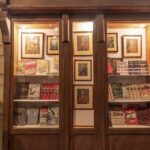
One more way the museum makes this accessible is through its visuals: multimedia installations and preserved artifacts. Even if you’re not a “museum person,” these elements help you follow what’s happening without feeling lost in dense text.
Oskar Schindler’s Office and the Ark of the Saved
This is the part you’ll remember most. The museum takes time to center Schindler’s legacy by showing his personal office and the emotional centerpiece known as the Ark of the Saved.
What I like here is the clarity of the message. The exhibits tie Schindler’s decisions directly to outcomes—specifically saving over 1,000 Jewish lives. It’s not vague. It’s not only symbolic. It’s grounded in what he did and why it mattered for people who were trying to survive.
If you’re the kind of visitor who gets something out of seeing how history was made in real spaces, the office format helps. You’re not just reading about a man in a biography. You’re in the kind of room where decisions were made, which changes your mental “zoom level.”
And the Ark of the Saved gives you a focal point for the emotional weight of the story. It’s the kind of moment where you’ll likely pause longer than you planned. That’s normal. This isn’t a museum that rewards speed.
What to Expect From the Optional Guide (And When It’s Worth It)
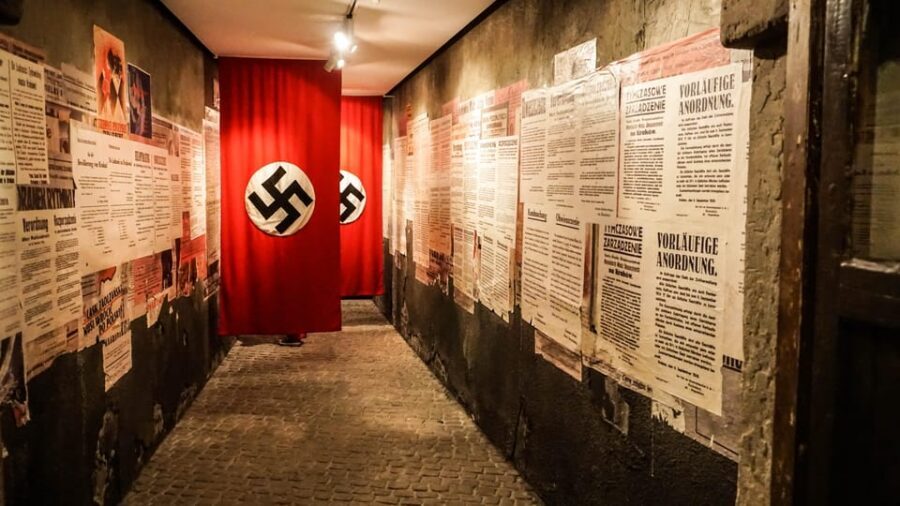
The guided tour option is a real upgrade if you want context fast. A professional guide shares deeper background, turns the exhibits into a connected narrative, and helps you make sense of the dates and shifts in the story.
This is especially useful because the museum experience can feel dark and heavy, and it’s easy to miss why certain exhibits are placed where they are. A guide helps you connect the factory’s origin in 1937, Schindler’s arrival on September 6, 1939, and the broader reality of nearly six years of occupation.
That said, you should also calibrate your expectations before you pay for the guide. One important consideration: this experience is not a preserved, untouched factory scene. It’s a museum built around the factory’s story, filled with relics, videos, and photos from the Nazi occupation. If what you want is to see an original factory floor in the same physical state as the 1930s, you might feel slightly disappointed. The upside is that the museum approach makes the human story far easier to understand.
In short: if you want to understand, the guide is a strong value. If you prefer to move at your own pace and read every sign, you might still enjoy it without one.
You can also read our reviews of more guided tours in Krakow




Logistics That Matter: Timing, Rules, and How to Prepare
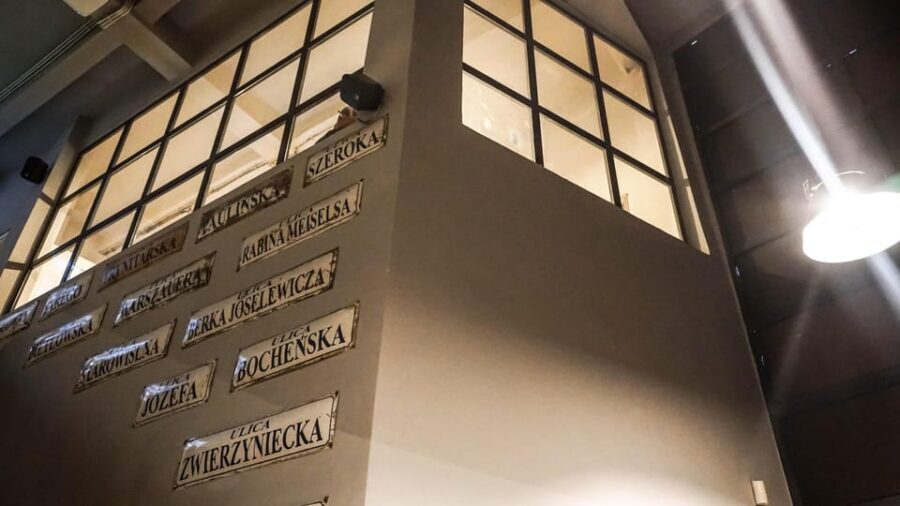
Schindler’s Factory isn’t a set-it-and-forget-it stop. Two timing rules can affect your visit more than you’d think. The museum is closed on the first Monday of every month, and last admission is 90 minutes before closing.
So here’s a simple strategy: arrive with enough margin that you’re not rushing through the emotional centerpiece at the end. If you’re trying to stack multiple sights in one day, build your schedule around this museum as a priority, not a fallback.
Plan for comfort. You’ll want comfortable shoes because museums can mean lots of walking. A camera is allowed, but no flash photography. And because backpacks aren’t allowed, consider using a small day bag or arranging storage through whatever local options you normally use (but don’t assume; just be ready).
Also note the stated group size: it’s listed as a small group and limited to 1 participant. That strongly suggests a more personal experience than the usual big-tour model. If you like asking questions and getting tailored explanations, that format is a plus.
Value for Money: Is the $9 Ticket a Good Deal?
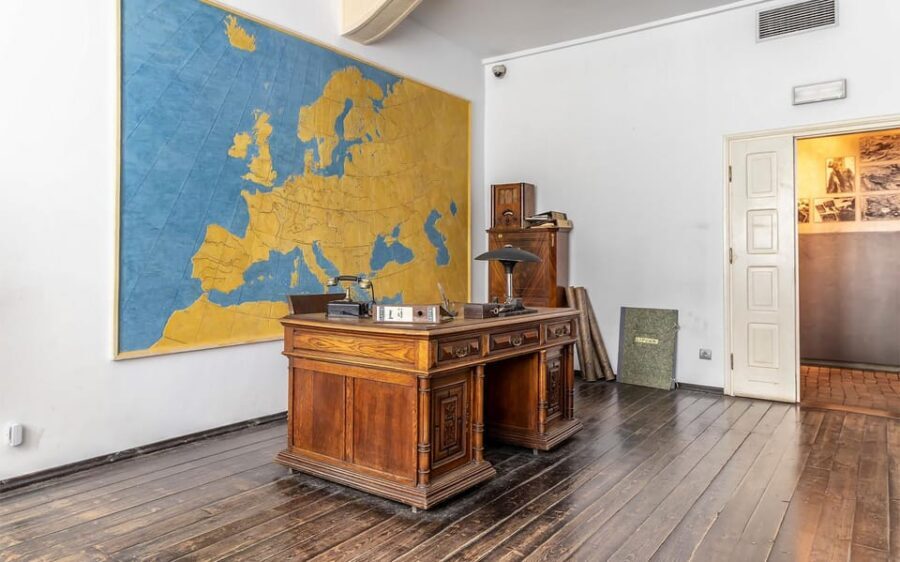
At $9 per person, this is priced like an accessible museum stop rather than a premium attraction. That’s exactly what makes it attractive. You’re paying for skip-the-line entry to a museum that covers major historical ground with multimedia exhibits, artifacts, and the emotional focus of Schindler’s story.
The value question gets more interesting when you compare your goals:
- If you want time savings, skip-the-line is the direct win.
- If you want context, the optional guide can help you get more meaning from what you see.
- If you chose the option that includes entry to 39 museums, that’s where the total value can grow a lot, especially if you plan a museum-heavy day.
Either way, the biggest “value” isn’t just the price. It’s the chance to connect the history of Nazi occupation to personal lives—then see Schindler’s office and the Ark of the Saved, where the story turns from events into human choices.
Who Should Book This and Who Might Want to Rethink It
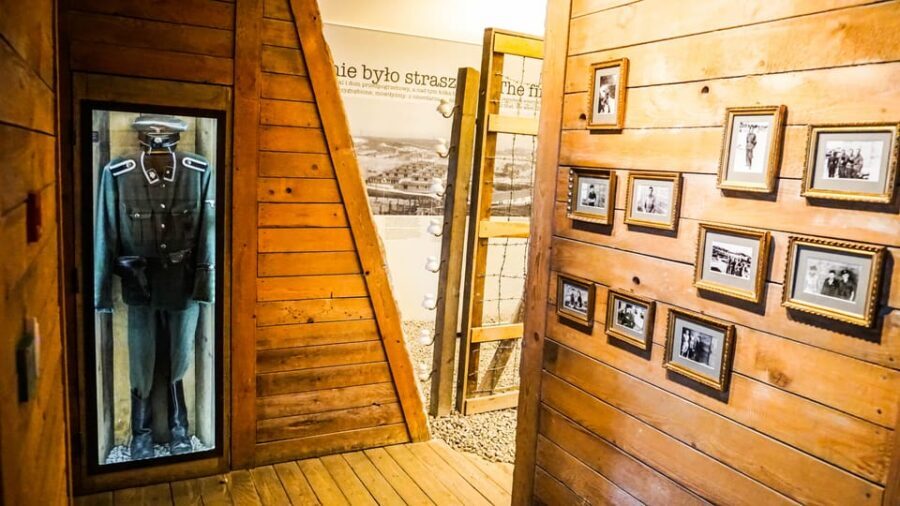
This is a great fit if you care about World War II history and want it presented through personal stories rather than only dates and battles. It’s also a strong choice if you like museums that explain a location’s past—like the factory’s roots as Deutsche Emailwarenfabrik and Schindler’s arrival in 1939.
You’ll especially appreciate it if you’re the type who wants context. The optional guide is there for a reason: it helps you read the exhibits with understanding instead of just moving from room to room.
You might rethink it if you’re expecting a “factory as-is” experience. Remember: you’re walking through museum exhibits using relics, videos, and photos connected to the occupation era. It’s meaningful, but it isn’t a preserved industrial site frozen in time.
Also note the access information: it’s not suitable for wheelchair users. If mobility is a factor, you’ll need to plan accordingly.
Should You Book Schindler’s Factory Entry With the Optional Guide?
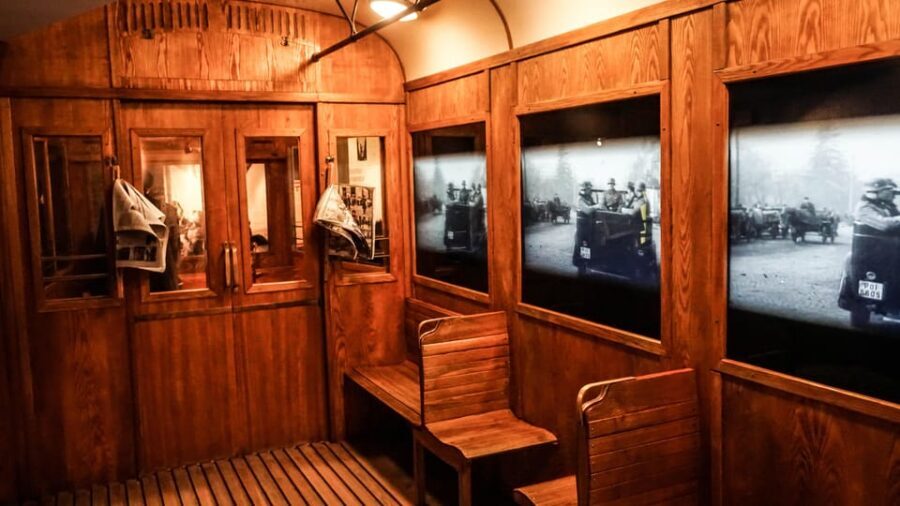
Yes—book it if you want a powerful, story-centered museum experience and you can plan around the closure rules. The skip-the-line entry is a straightforward win, and the emotional core (Schindler’s office and the Ark of the Saved) gives the visit a clear reason to exist.
Choose the guided option if you’d rather leave with connected understanding than just impressions. If you’re comfortable reading and moving at your own pace, you can still have a meaningful visit on your own, but the guide option is what turns background into clarity.
One last checklist before you go: wear comfortable shoes, be ready for the backpack rule, and give yourself enough time so you don’t hit last admission late in the day. If you do those things, you’ll get far more than a ticket price suggests.
FAQ
What is included with the Schindler’s Factory entry ticket?
You get a skip-the-line entry ticket. Depending on the option you choose, you may also get entry to 39 museums.
How long is the ticket valid?
The ticket is valid for 1 day. Starting times depend on availability.
Is a guided tour available?
Yes. There’s an optional guided tour with a professional guide who adds context and stories.
Can I take flash photos inside?
No. Flash photography is not allowed.
Are backpacks allowed?
No. Backpacks aren’t allowed.
What should I bring?
Bring comfortable shoes and a camera.
Is the museum closed on any day?
Yes. The museum is closed on the first Monday of every month.
When is the last admission?
The last admission is 90 minutes before closing.
Is this experience wheelchair accessible?
No. It is not suitable for wheelchair users.