REVIEW · KRAKOW
Krakow: Schindler’s Factory & Ghetto Guided Tour
Book on GetYourGuide →Operated by EVENTS MANAGEMENT Sp z o.o. · Bookable on GetYourGuide
Ghetto streets and a factory story, in one walk. This Krakow tour pairs a top Holocaust museum visit with a guided stroll through Podgórze, where the war is still visible in stone, streets, and monuments. You get a tight 3-hour format that moves from the museum to the neighborhood, instead of stopping at one place.
I especially love the headphone-based commentary that keeps the story clear while you’re walking and listening. I also like the way the guide connects the museum’s timeline to what you’ll see afterward in the district, so the streets feel less like a checklist and more like part of the same sequence.
One consideration: the material is heavy, and the walk keeps a steady pace. There’s no food stop built in, so plan on a sensible snack before or after.
In This Review
- Key Things You’ll Notice on This Krakow Tour
- Schindler’s Factory Museum: How the Visit Becomes a Real Timeline
- Your Guide’s Commentary (and Why the Headphones Matter)
- Podgórze After the Museum: Where the Story Shows Up in Real Space
- Heroes’ Square and the Empty Chair Monument: What You’re Meant to Feel
- Where the Stops Fit Into a Tight 3-Hour Window
- Price and Value: Is $58 Worth It?
- Who This Tour Suits Best in Krakow
- Should You Book This Schindler’s Factory & Podgórze Tour?
- FAQ
- Where do I meet the guide for this tour?
- How long is the tour?
- Is museum entry included in the price?
- What languages are the live guides available in?
- Does the tour include food or drinks?
- What do I need for entry to Schindler’s Factory?
- What’s the cancellation policy?
Key Things You’ll Notice on This Krakow Tour
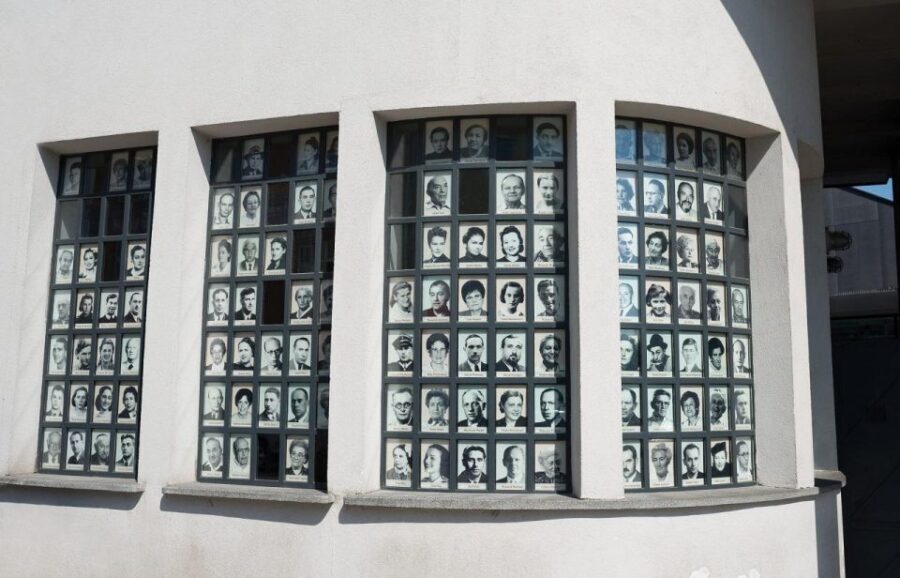
- Schindler’s Factory with guided context that turns exhibits into a clear WWII storyline
- Headphone system audio that helps you catch details without crowding your guide
- Podgórze streets you can actually see and stand on, not just read about
- Remnants of the ghetto wall plus buildings tied to displacement during the occupation
- Pod Orłem pharmacy as a memorable historical waypoint in the neighborhood
- Heroes’ Square Empty Chair monument with its symbolic set of 68 chairs
Schindler’s Factory Museum: How the Visit Becomes a Real Timeline
The heart of this tour is Oskar Schindler’s Factory, a museum experience built around Krakow Under Nazi Occupation. You’ll go in with a professional guide who frames what you’re seeing, instead of leaving you to figure out the timeline alone.
What I like about this museum setup is the forward motion. The way the story is organized helps you understand how Nazi policy tightened step by step, and how life changed for people in Krakow as events escalated. It’s not only about dates. It’s about how daily life got turned into something unrecognizable.
The guide’s job here matters a lot. In the same way that a good tour guide can make a building’s design click, a strong guide helps the museum’s themes connect into one chain of events. I’ve found that when the commentary is structured, you spend less time trying to guess what you’re supposed to notice next.
And yes, this tour skips the ticket line. That’s not a small thing when you’re working with a tight 3-hour total, and especially when museum entry can involve scheduling.
You can also read our reviews of more guided tours in Krakow
Your Guide’s Commentary (and Why the Headphones Matter)
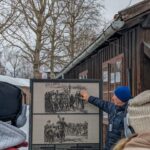
The tour includes a live guide (in German, Italian, French, Spanish, or English), and the emphasis is on story clarity. Based on past experiences with guides on similar museum-plus-walking formats, the difference is usually in how the guide paces the group and how clearly they explain what’s in front of you.
Here, a headphone system is a standout. It makes a big difference in crowded areas and during street segments, because you’re not constantly craning toward one person. You can keep your eyes on what you’re looking at while still hearing the explanation cleanly.
I’ve also noticed that top guides for this topic tend to do two things well:
- They share personal-style context (stories, human details, and framing), not just dates.
- They keep the group moving while still giving you time to absorb key moments.
From the tour descriptions and guide feedback, you’ll likely encounter guides who use personal anecdotes and a chronological approach to keep you oriented. Names you may see referenced include Hannah and Helena/Helena-like names, along with German-speaking guides like Frau Weßling, which gives you a hint that the guiding can be both structured and deeply expressive.
Podgórze After the Museum: Where the Story Shows Up in Real Space
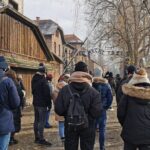
After the museum, you shift from indoor exhibits to Podgórze, and that’s where the tour really clicks. The neighborhood walk is designed as a visual follow-up to the museum: you leave the factory and start seeing how the occupation shaped specific locations.
You’ll notice several kinds of stop-points, and each one serves a different purpose:
- Still-standing sections of the ghetto wall: these anchor the story in physical evidence. It’s easier to understand the boundaries when you can see where they remained.
- Dwellings where thousands of displaced Jews once lived: these help you picture overcrowding and forced separation as part of everyday geography.
- A key pharmacy stop, Pod Orłem, which adds a human-scale landmark to an area that can otherwise feel all tragedy and documentation.
This is also why the museum visit first helps. Once you understand the overall flow of occupation and persecution, the walking segment becomes less like walking past plaques and more like walking through the logic of what happened.
Heroes’ Square and the Empty Chair Monument: What You’re Meant to Feel
One of the most powerful moments on this tour is at Heroes’ Square, where you’ll see the Empty Chair Monument. The details matter: it includes a symbolic set of 68 chairs.
That number isn’t just a design feature. It’s part of how public spaces can carry memory. In a place like Krakow, where history is preserved in layers—street layouts, building remnants, and monuments—this kind of memorial gives you a focal point when the walking portion has already shown you hard evidence.
I like memorial stops that are paired with a guide explanation. Otherwise, these places can turn into quick photo moments. With guidance, you’re more likely to understand what the monument represents and why it’s placed where it is—so you don’t leave thinking you only witnessed a sculpture.
Where the Stops Fit Into a Tight 3-Hour Window
This tour runs about 3 hours, and that time pressure shapes the experience. Instead of spending half a day in the museum, you get a museum segment that prioritizes the core storyline, and then the walk segment follows with the key physical reminders in Podgórze.
That format is often a good match for real travel days. Krakow can move fast: churches, old town wandering, meals, and maybe a salt mine or two. A 3-hour package gives you a serious, high-impact topic without requiring an all-day commitment.
The pace also means you should come ready for walking. Since the tour doesn’t include food or drinks, I recommend you handle your snack needs on your own before you meet the guide. Wear comfortable shoes and expect you’ll be standing and walking for the duration.
Also, there’s no hotel pickup. You’ll meet the guide at the front entrance of Schindler’s Factory Museum with the excursions.city sign. Build in a bit of buffer time so you’re not rushing at the start.
Price and Value: Is $58 Worth It?
At $58 per person, this tour is not a budget impulse buy, but it’s also not overpriced for what you get. Your fee covers:
- Tickets to Schindler’s Factory Museum
- A walking tour
- A professional guide
The value here comes from combining a museum ticket with guided interpretation and an outdoor follow-up route. If you only paid for museum entry, you’d still have the challenge of turning exhibits into a coherent story. If you only did a generic walking tour, you’d miss the deep context that makes the neighborhood stops land.
The skip-the-ticket-line detail also supports the value. With a time-limited tour, any delay can push you from a structured flow into a rushed one. This setup is meant to protect your schedule.
If you’re the kind of traveler who likes to understand what you’re seeing—not just photograph it—this format tends to pay off quickly. You’re paying for translation of meaning, not just access.
Who This Tour Suits Best in Krakow
This one is a strong match if you want:
- A museum visit with story structure, not self-guided wandering
- A guided neighborhood walk where sites are explained in context
- A single tour that connects what you learn to where you stand
It’s also a good fit for first-time visitors to Krakow who already have the old town on their list but want one heavier, more meaningful side of the city. The Podgórze segment adds weight because you’re not only learning about history; you’re seeing how it remains in the built environment.
If you’re sensitive to WWII subject matter, plan your day accordingly. You’ll be dealing with difficult themes, and the emotional tone is part of why this tour exists. Choosing comfortable timing—when you’re not completely exhausted from other activities—can make the experience easier to handle.
Should You Book This Schindler’s Factory & Podgórze Tour?
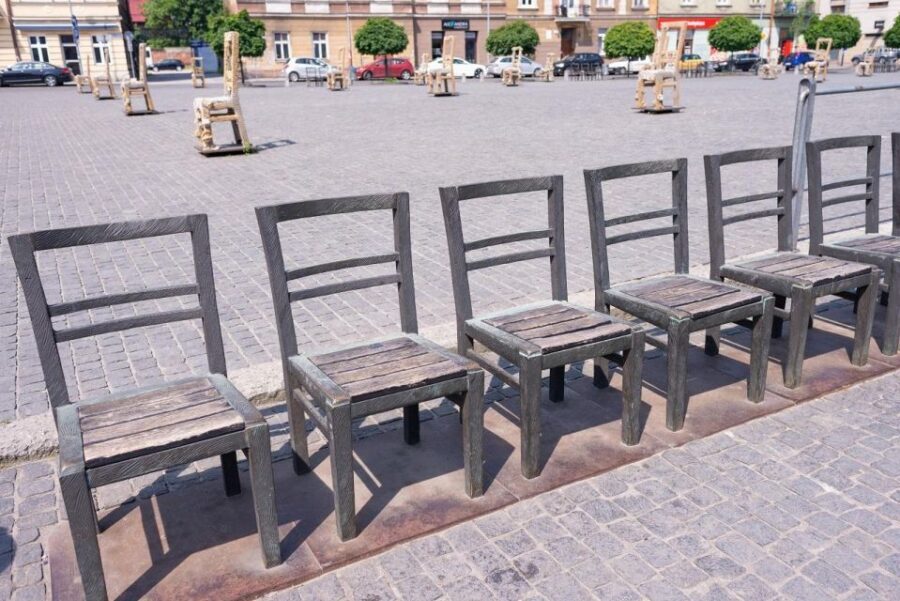
My take: if you can handle heavy WWII themes and you like guided context, book it. The combination of Schindler’s Factory plus a Podgórze walk is the key advantage. You get an organized story in the museum and then you test your understanding against real locations—ghetto wall remnants, neighborhood landmarks like Pod Orłem, and the Empty Chair Monument at Heroes’ Square.
The biggest reason to choose this over doing things separately is that the tour is built to connect the dots inside a 3-hour timeframe. If you want a clear path through one of Krakow’s most important wartime narratives, this tour does that job efficiently.
FAQ
Where do I meet the guide for this tour?
You meet the guide in front of the main entrance to the Schindler’s Factory Museum, with the excursions.city sign.
How long is the tour?
The tour lasts about 3 hours.
Is museum entry included in the price?
Yes. Your ticket to the Schindler’s Factory Museum is included, and the tour also skips the ticket line.
What languages are the live guides available in?
The live tour guide is offered in German, Italian, French, Spanish, and English.
Does the tour include food or drinks?
No. Food and drinks are not included.
What do I need for entry to Schindler’s Factory?
You must provide full names of all participants when reserving and bring a passport or ID for entry to Schindler’s Factory Museum.
What’s the cancellation policy?
You can cancel up to 24 hours in advance for a full refund.