REVIEW · KRAKOW
From Krakow: Auschwitz Birkenau Self-Guided Tour
Book on GetYourGuide →Operated by Royal Cracow · Bookable on GetYourGuide
This day trip asks for your full attention. What makes it work is the mix of official paper guidebook and on-the-ground help: you ride from Krakow, get your tickets, and then follow your own pace through Auschwitz and Birkenau. I also like the pickup and drop-off from central spots, plus an included break on the way back. One thing to plan around is that timings are approximate and the memorial controls the pace.
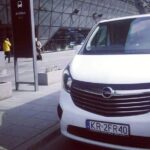
You start at a bus stop in front of the Mercure Hotel, and after about 90 minutes you’ll stop for coffee before heading into the camps. The day is split into self-guided windows at Birkenau (including the Judenrampe area) and Auschwitz I, then more time at Auschwitz II-Birkenau. When you get a guide like Martyna, the context in the guidebook feels much more human, even though you’re walking on your own.
It’s a value-heavy day for about $21 because entry to both memorial areas is built in, along with a rented guidebook and English-speaking leader assistance. Still, it’s not an easy day: there’s no room for large bags, and it’s not suitable for wheelchair users or people with mobility impairments. If you’re prepared for early pickup and lots of walking, it’s one of the most practical ways to do Auschwitz from Krakow.
In This Review
- Key things I’d focus on before you go
- From Krakow to Auschwitz: the day-trip rhythm that keeps you moving
- The self-guided format: how the guidebook and leader support actually work
- Birkenau first: what that Judenrampe window is good for
- Auschwitz I: why the longer self-guided block is where understanding clicks
- Auschwitz II-Birkenau again: longer time means you can read with your feet
- Transportation and the small logistics that make or break the morning
- What’s included for $21, and why that matters for value
- Practical tips: what to bring, what to skip, and who should consider it
- Should you book this Auschwitz Birkenau tour from Krakow?
- FAQ
- How long is the Auschwitz Birkenau tour from Krakow?
- What time will I be picked up from Krakow?
- Is this tour fully guided or self-guided?
- Where do I meet, and do I return to the same place?
- What do I need to bring, and is luggage allowed?
- Is there free cancellation and a pay-later option?
Key things I’d focus on before you go
- Official paper guidebook in English with the route and detailed explanations for the duration of the tour
- Leader help with your admission tickets so you don’t get stuck at check-in
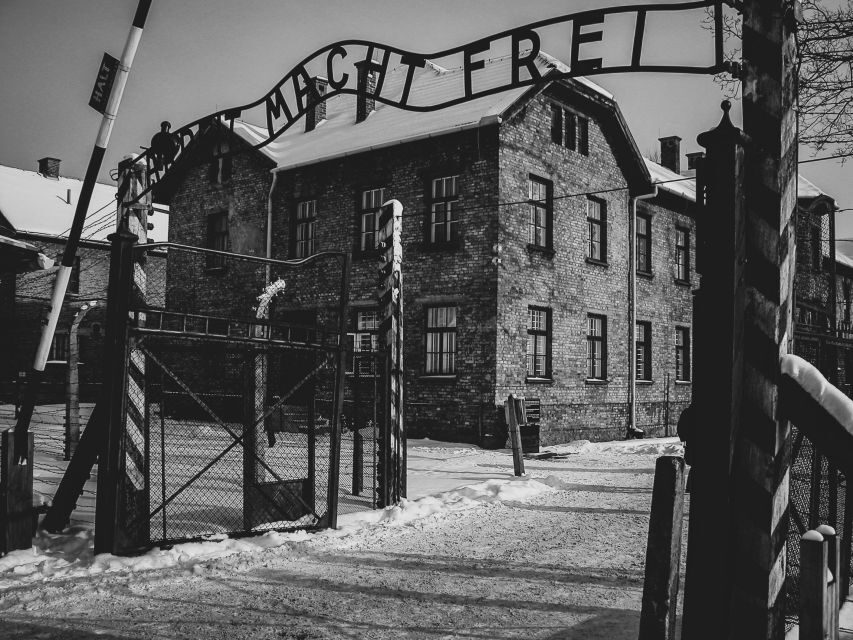
- A split-format visit: Birkenau (Judenrampe), Auschwitz I, then Auschwitz II-Birkenau
- Real breathing room with a scheduled café break during the transfer day
- Self-paced walking inside the memorial grounds after you collect your ticket and guidebook
- Check your pickup updates carefully since departure times can change
From Krakow to Auschwitz: the day-trip rhythm that keeps you moving
This tour is designed for one thing: getting you out of Krakow early and back again by evening, without making you manage every detail. You’ll board a shared, air-conditioned bus with pickup at the bus stop in front of the Mercure Hotel, and the whole trip is built around that fixed travel flow.
After roughly 1.5 hours on the coach, you’ll get a break at a local café (about 40 minutes). That pause matters more than it sounds. You’ll likely do a lot of walking at the sites, and you want your legs and head working, not running on travel fog.
Then comes the first camp segment at Birkenau, followed by a quick transfer and more time at Auschwitz I, and finally Auschwitz II-Birkenau. The pacing between stops is short and practical, so you’re not waiting around for long stretches inside the day.
You can also read our reviews of more guided tours in Krakow
The self-guided format: how the guidebook and leader support actually work
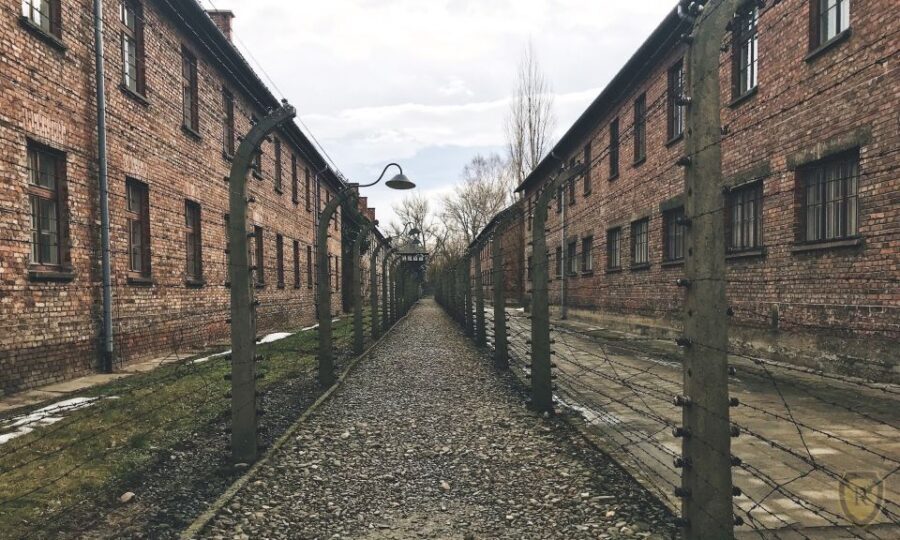
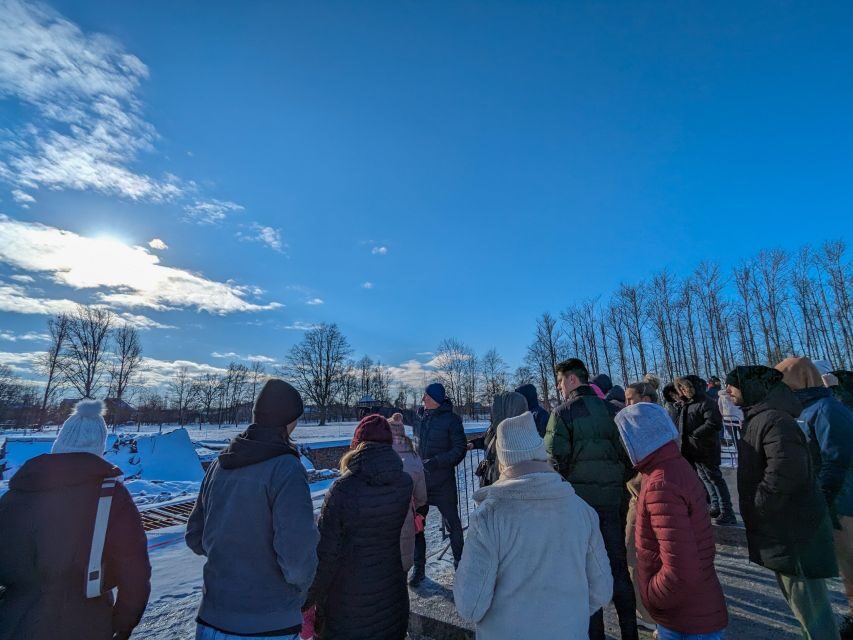
Even though the tour is called self-guided, you’re not dropped off with no help. Your tour leader stays with you from pickup through drop-off, and they assist you when it’s time to get your admission ticket.
Once you arrive at the Auschwitz museum area, you’ll collect your ticket with the leader’s help. After that, you begin your self-guided visit using the rented official paper guidebook, which includes a route and detailed descriptions for the duration of the tour.
That mix is a good compromise if you want both structure and breathing room. A live guide can turn a visit into a race to keep up with talking; here, you can slow down where you need to. The trade-off is that you’ll rely on the guidebook more for narrative, so your attention to the text matters.
Also note the pace isn’t fully up to the tour operator. The duration and walking windows are determined by the memorial’s visitor service. In plain terms: you can plan your day, but you can’t micromanage the site timing.
Birkenau first: what that Judenrampe window is good for
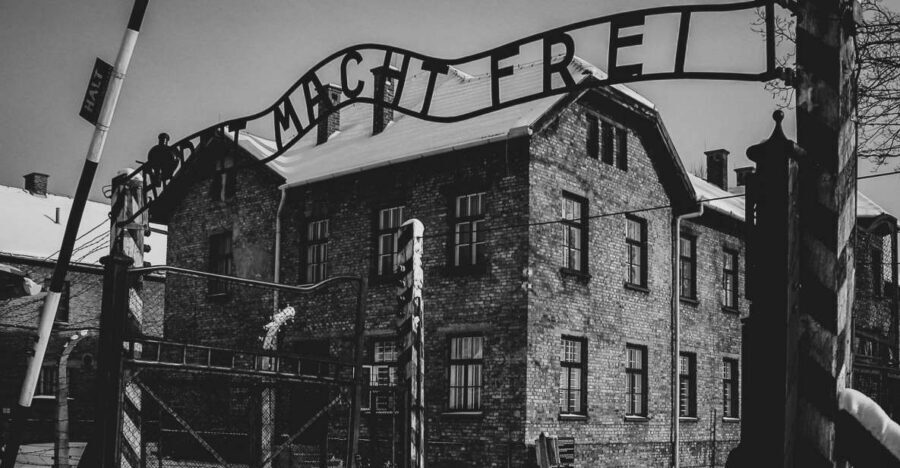
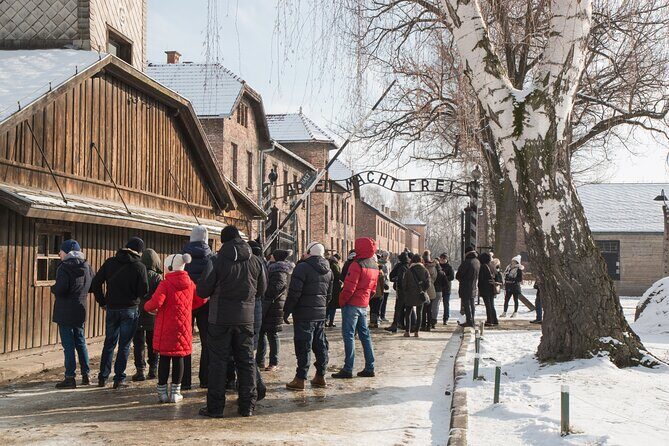
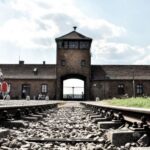
Birkenau can feel overwhelming, mostly because it’s large and emotionally intense. That’s why the first stop is designed as a starter segment, including the Judenrampe area, with a self-guided window of about 45 minutes.
In that shorter time, your best move is to use the guidebook to orient yourself fast. You’re not aiming to read every word like it’s a library book. You’re using the guidebook to understand what you’re seeing so you don’t wander through important areas without context.
You’ll likely notice how the site layout tells a story of movement and control. When you come in with the guidebook’s route in mind, the experience becomes more coherent. Without that, it can turn into a blur of plaques and paths.
One practical tip: 45 minutes goes quickly. If you tend to stop often and read everything in detail, consider reading the most important sections first, then using the longer Auschwitz II-Birkenau segment later for deeper attention.
Auschwitz I: why the longer self-guided block is where understanding clicks
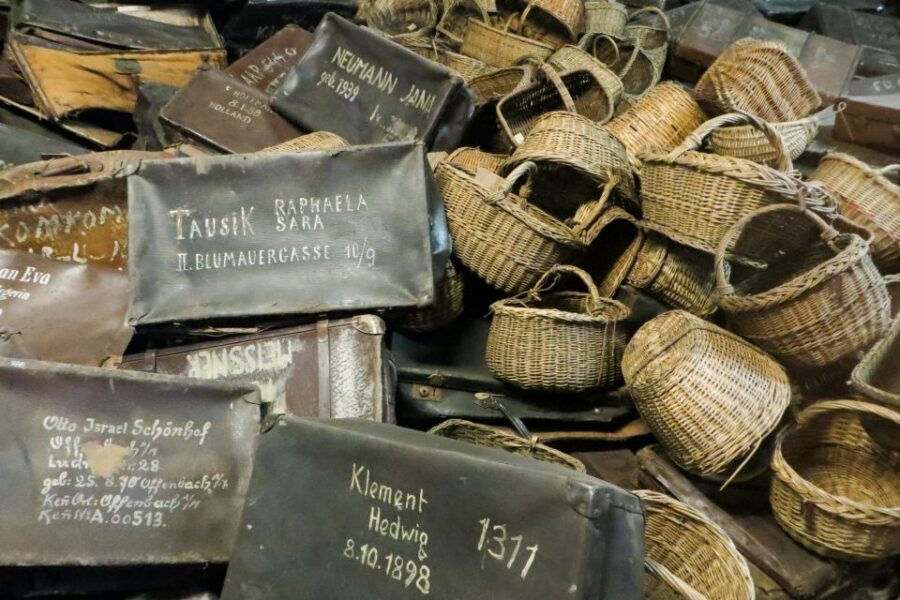
After Birkenau, the itinerary moves you on with short transfer time and then gives you about 1.5 hours at Auschwitz I. This is the part where the visit can become more sharply defined, because Auschwitz I is often easier to follow as a “core” concentration-camp experience.
With the paper guidebook, you can take your time with the explanations and photographs or text cues included in your route. The value of self-guided here is real: you can slow down in the places that hit hardest and skip ahead when you need distance.
This is also where the tour format starts to feel balanced. You did a first Birkenau orientation segment, and now you’re spending more time in Auschwitz I. That sequencing helps your brain connect the larger camp system to the day-to-day reality of the concentration camp.
If you get an English-speaking leader who can help frame things early, it makes a difference. One guide name that comes up is Martyna, described as passionate and informative, and that kind of introduction can make the guidebook feel less like reading material and more like a map.
Auschwitz II-Birkenau again: longer time means you can read with your feet
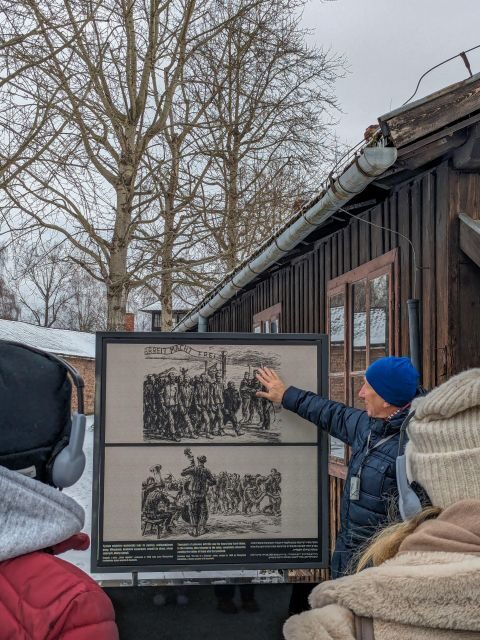
The final major stop is Auschwitz II-Birkenau with a self-guided window of about 1.5 hours. This is your chance to go beyond the orientation moment and spend more time on the areas that give the overall structure meaning.
Because this segment is longer, you can adjust how you read. Early on, you might just want to get bearings. Later, you can stop more often to understand what specific areas represent, using the guidebook to stay grounded.
Think of it as two layers of the same experience. The first Birkenau window helps you avoid confusion. The second lets you settle into comprehension—within the limits of the memorial’s timing rules, of course.
And yes, the emotional weight is heavy. Plan to handle it like you would handle a serious appointment: arrive present, take breaks when you need them, and don’t try to “power through” with speed-reading.
You can also read our reviews of more tours and experiences in Krakow

Transportation and the small logistics that make or break the morning
This tour includes shared transportation by air-conditioned bus, which is a big comfort factor on early departure days. The day is roughly 7 hours total, but remember the starting time can be in a wide range—pickup can happen between about 5:30 AM and 1:30 PM depending on your selected option.
Your starting time is approximate and subject to change, so I’d treat the first morning message like something you should actually check. One recurring issue is confusion when different channels show different times. If you see a mismatch between the app, a follow-up message, and an email, don’t panic—but do verify before you stand outside for too long in the cold.
The other small logistics piece: admission tickets are booked in advance. In cases where that isn’t possible, the tour leader collects tickets individually before the tour. Either way, the point is the leader helps remove friction so you can focus on the site.
What’s included for $21, and why that matters for value
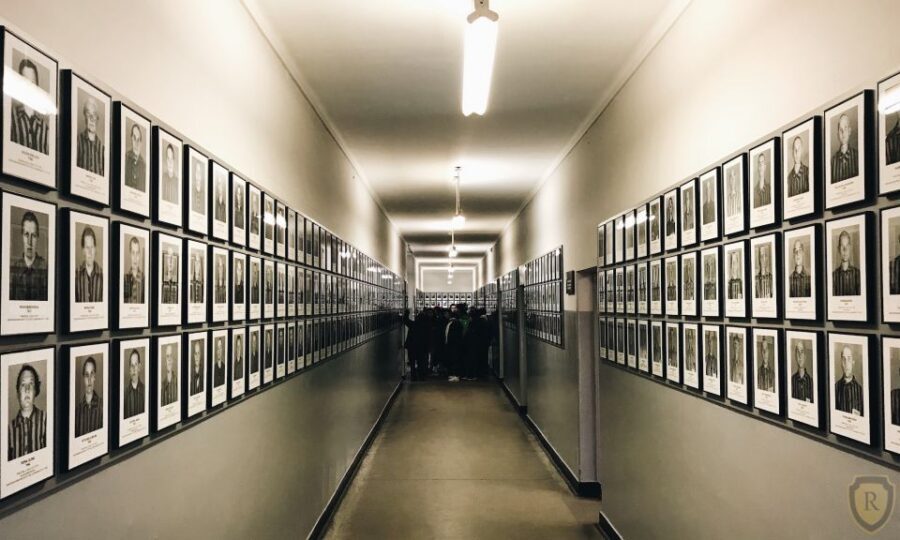
At around $21 per person, you’re not just paying for transport. You’re getting entry tickets for Auschwitz I and Auschwitz II-Birkenau, plus an official paper guidebook with route and descriptions. You also get tour leader assistance throughout the day, from pickup to drop-off.
That combination is the value. Many low-cost tours get you close to the site but then hit you with extra site fees or require you to solve ticketing on your own. Here, ticketing and guidebook support are part of the package, which saves time and reduces stress on a day that already runs emotionally intense.
The bus component also helps. Between Krakow and the memorial, a shared air-conditioned coach is simple. You’re not driving yourself, and you’re not hunting for connections while trying to remember you still need ID and the right timing.
That said, you should be realistic about what this price format does not guarantee. You’re self-guided inside the memorial areas, so the quality of your experience depends on your willingness to use the guidebook and stay present rather than relying on lots of live narration.
Practical tips: what to bring, what to skip, and who should consider it
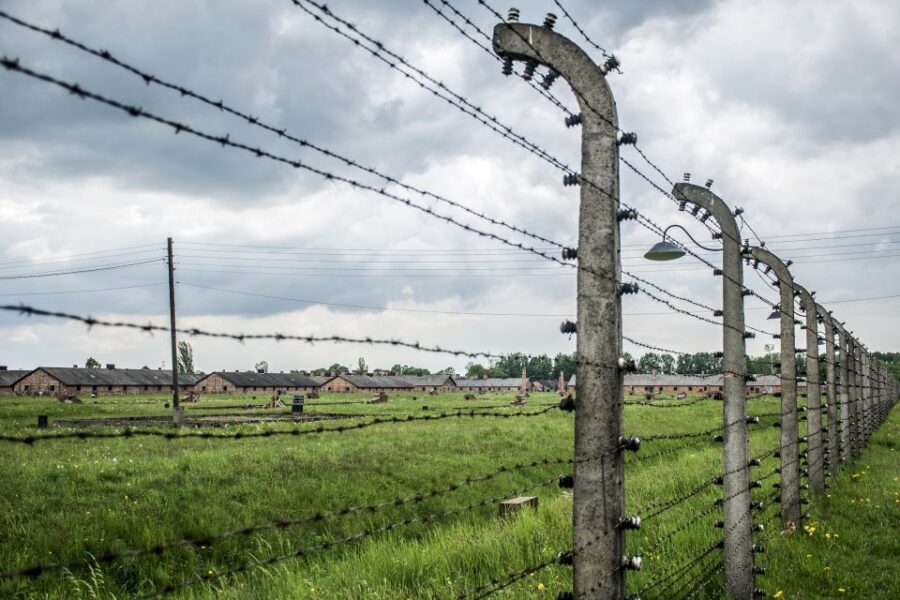
First, bring your passport or ID card. You’ll need it for the tour.
Second, plan to travel light. Luggage or large bags are not allowed. If you usually travel with a big daypack, consider whether it counts as a large bag and pack accordingly.
Third, this tour isn’t for everyone in mobility terms. It’s listed as not suitable for people with mobility impairments and not suitable for wheelchair users. It also has minimum age guidance that effectively means young kids shouldn’t plan on this outing.
Lastly, check the structure of your visit: your self-guided blocks are set by visitor service pace and timing. If you’re the type who needs long, slow reading sessions, you may want to accept that you’ll do a “best possible within the time” approach rather than a complete absorption of every detail.
Should you book this Auschwitz Birkenau tour from Krakow?
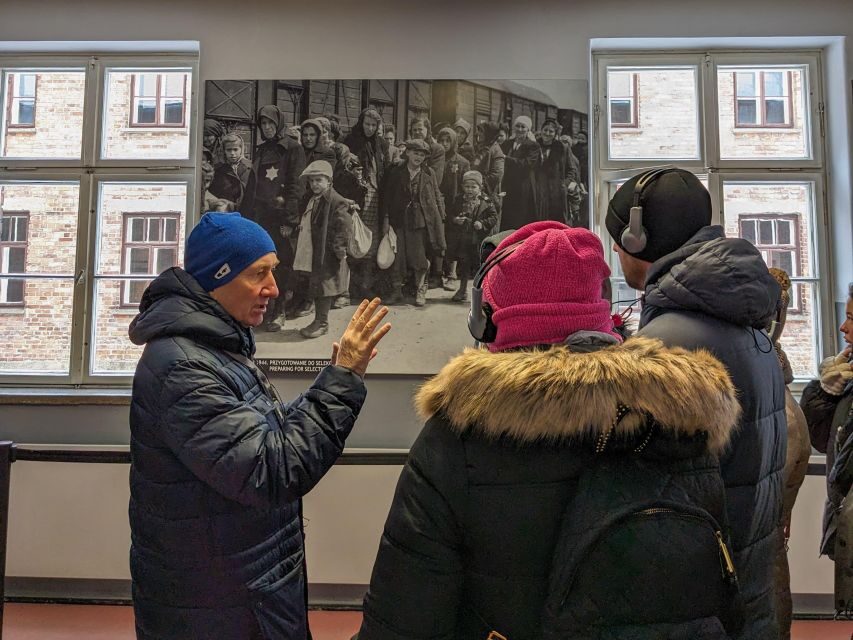
If you want a practical, organized day trip that includes admission tickets and an official English guidebook, I think this is a solid option. The pickup location is central, the bus is air-conditioned, and the leader helps you get tickets so you’re not stuck figuring that out on-site. For many people, that’s the difference between a smooth start and a rough one.
I’d skip it—or at least reconsider—if you need a fully live guided narrative throughout the grounds. This is self-guided inside the camps, so you’ll rely on the guidebook and your own pace more than on constant speaking.
One more decision filter: if you don’t handle early mornings well, know that pickup can land anywhere within a big morning window and it may change. If you’re flexible and attentive to updates, you’ll likely appreciate the clean structure this tour gives you.
FAQ
How long is the Auschwitz Birkenau tour from Krakow?
The duration is listed as 7 hours. The exact timing of your route blocks is approximate because the memorial’s visitor service sets the pace.
What time will I be picked up from Krakow?
Pickup times are approximate and can fall between about 5:30 AM and 1:30 PM. You choose a preferred time, but the starting time is subject to change.
Is this tour fully guided or self-guided?
It’s self-guided inside the memorial areas using a rented official paper guidebook. You also have tour leader assistance throughout the day, including help collecting admission tickets, with English support.
Where do I meet, and do I return to the same place?
You start at the bus stop in front of the Mercure Hotel and the activity ends back at the same meeting point.
What do I need to bring, and is luggage allowed?
Bring your passport or ID card. Luggage or large bags are not allowed.
Is there free cancellation and a pay-later option?
Yes. You can cancel up to 24 hours in advance for a full refund. You can also reserve now and pay later to keep plans flexible.