REVIEW · KRAKOW
Tour via Kazimierz Quarter by Golf Cart with Schindler’s Museum in Krakow
Book on Viator →Operated by CRACOW LOCAL TOURS · Bookable on Viator
Kazimierz by golf cart makes Krakow’s Jewish quarter easier to navigate, and Schindler’s Factory Museum turns facts about WWII into scenes you can actually picture. I like that you get two different styles of guidance: an audio route while you cruise and a live guide where it counts most. I also love the way the walk-through ties street-level Jewish life to the later Nazi reality, so the story doesn’t feel like random stops. The main thing to plan around is that it’s partly walking inside the museum, and you’ll need your ID because museum entry is tied to your full name.
This is a small group format (max 24), and that matters in a place where time is tight and meaning is heavy. If you’re traveling with big bags, note the rules: no large bags or backpacks. And because the tour ends after the museum visit, you’ll want to have your onward plan ready.
In This Review
- Key highlights you’ll feel fast
- Golf Cart to Kazimierz: why this format works
- Kazimierz highlights: Szeroka Street, Plac Nowy, and ghetto remains
- Szeroka Street: a street with an unusual concentration of synagogues
- Plac Nowy: from Jewish Square to today’s meeting place
- A preserved wall fragment and a plaque with a specific purpose
- Plac Zgody and Umschlagplatz: the place where deportations started
- Schindler’s Factory Museum: from the preserved office to multimedia scenes
- The real factory headquarters and the story of Oskar Schindler
- The ark of survivors: thousands of pots as a symbol
- Multimedia parts: period spaces and forced choices
- How the guides work: audio during the ride, live guide at the museum
- Timing, groups, and what to bring for smooth entry
- Meeting point and where it ends
- ID rules you must not ignore
- Bags and comfort
- Is it worth $81.88? Value for Krakow’s WWII storytelling
- Should you book this Krakow tour?
- FAQ
- How long is the tour?
- Is the tour offered in English?
- What’s included in the price?
- Does the tour involve walking?
- Where does the tour start and end?
- Do I need ID for entry?
- Are large bags allowed?
- What is the group size?
- Can I cancel for a refund?
Key highlights you’ll feel fast
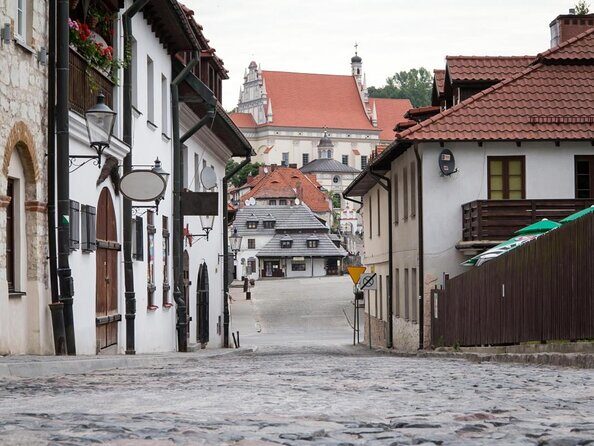
- Golf cart transport in Kazimierz keeps the pace comfortable while you cover key streets
- Szeroka Street synagogues and Plac Nowy connect everyday life to what visitors came for
- Ghetto reminders include a preserved wall fragment and the Umschlagplatz area at Plac Zgody
- Schindler’s Factory multimedia exhibits take you through period spaces like a photographer’s atelier and hairdresser
- The ark-of-survivors symbol (thousands of pots) is an emotional focal point in the factory
- ID + full-name ticket matching is required for museum entry
Golf Cart to Kazimierz: why this format works
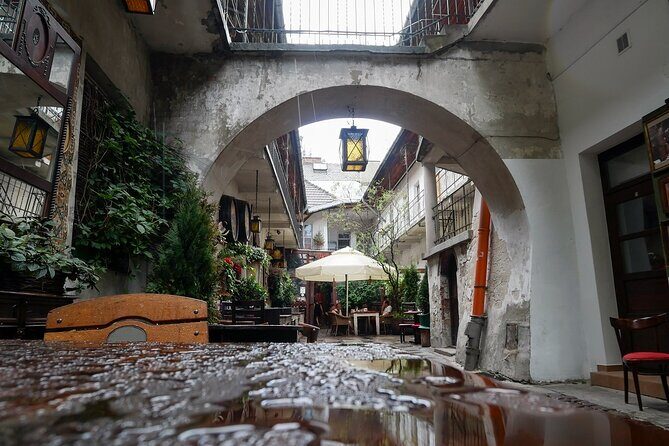
Kazimierz is not one single sight. It’s a neighborhood, with lanes that twist, squares that open up, and clusters of history that don’t line up neatly for a quick bus stop-and-photo rhythm. The golf cart format solves a real problem: you spend less energy getting from place to place and more time looking closely at what’s in front of you.
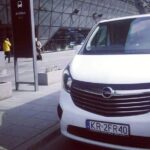
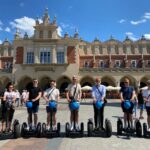
You’ll start from the meeting point at Mikołaja Zyblikiewicza 2 and ride through the Kazimierz area with an audio guide. In plain terms, that means you can listen while your eyes stay on the streets. It’s a good match for this kind of tour because you’re constantly shifting between geography and story.
The group is capped at 24 travelers, which is big enough to feel social but small enough that you’re not swallowed by noise at key moments. And if you’re aiming to see both Jewish Krakow and WWII sites in one go, this order makes sense: you learn the neighborhood’s identity first, then you confront how it was shattered.
You can also read our reviews of more museum experiences in Krakow
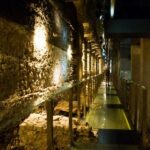

Kazimierz highlights: Szeroka Street, Plac Nowy, and ghetto remains
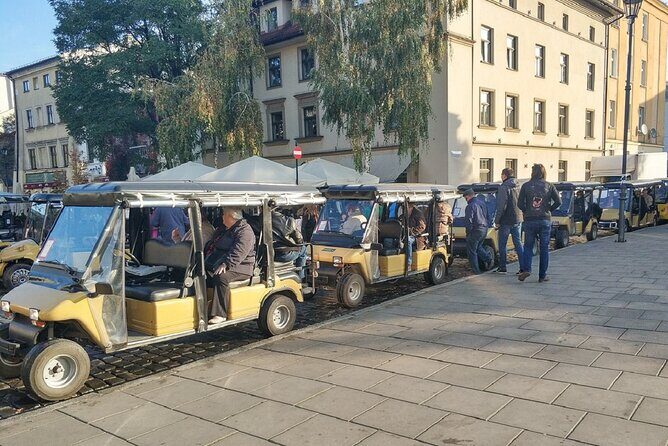
Your first stretch takes you through the former Jewish district, where the community was central to Kraków for centuries. This is where the tour earns its pacing: you don’t jump straight to WWII. You begin with what life looked like before the occupation turned everything upside down.
Szeroka Street: a street with an unusual concentration of synagogues
Szeroka Street is described as the heart of Kazimierz, and the tour emphasizes why it mattered: there used to be four synagogues on this one street. That detail is the kind of thing that helps you understand scale. This wasn’t a scattered presence. Jewish religious and cultural life sat right in the neighborhood core.
The tour also stops where you can see one of the oldest preserved synagogues in Poland, kept in such good condition that it still feels present rather than archaeological. If you’re hoping to connect architecture to identity, this is where you’ll get that link fast.
A possible drawback here: if you’re the type who loves long, silent viewing time, you’ll want to be ready for a guided flow. This part is paced, not leisurely.
Plac Nowy: from Jewish Square to today’s meeting place
Plac Nowy is now one of the popular hangout spots in Kraków, but the tour points out that it used to be known as Plac Żydowski (Jewish Square). In 1900, a circular pavilion was erected in the center with small shops and a fast-food bar serving casseroles that became part of Kraków’s food memory.
On weekdays, the square fills with stalls selling vegetables and antiques. On Sunday mornings it turns into a clothing market. And in warm weather, cafés and pubs spill onto the square, creating a kind of outdoor beer-garden vibe.
What I like about this stop is the contrast. You’re not only learning; you’re also seeing continuity. The same public space that once held Jewish community life now hosts markets, food, and conversation—just with a different cast of characters.
A preserved wall fragment and a plaque with a specific purpose
Then the tour shifts to a smaller but powerful moment: a fragment of the original wall around the former ghetto, preserved for today, with a plaque commemorating the fate of the inhabitants.
This is one of those stops that feels brief on the clock but heavy on the brain. It also helps you understand that the ghetto wasn’t just an abstract timeline. It was built out of real boundaries—streets, walls, and forced separation.
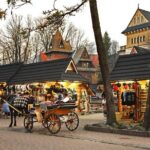
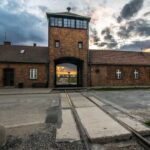
Plac Zgody and Umschlagplatz: the place where deportations started
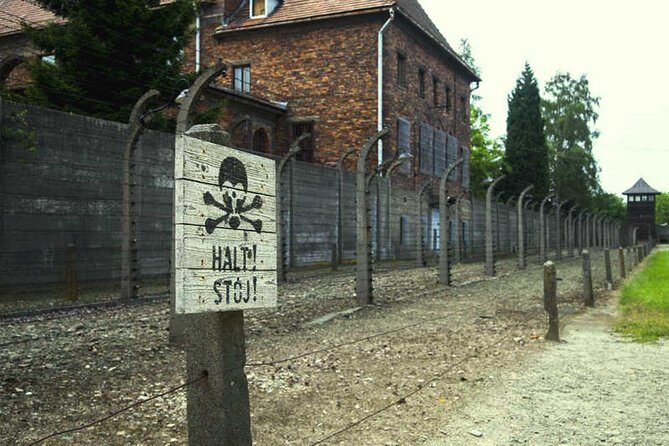
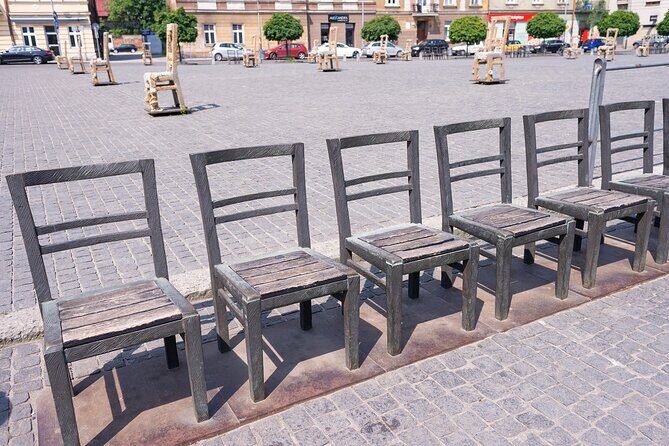
Finally in Kazimierz/nearby Podgórze geography, you reach Plac Zgody (Concord Square). In 1941, this area became part of the Kraków Ghetto. Under Nazi occupation, this square was designated Umschlagplatz, the place where Jews had to gather before deportations.
This part of the tour is where you may feel the most emotional contrast, because the neighborhood context you just learned doesn’t go away—it’s the same city, same spaces, changed by atrocity. The value is that you’re seeing how place holds memory.
One practical consideration: the tour includes walking here and later inside the museum. Wear shoes you can trust. This isn’t the time for slick soles.
Schindler’s Factory Museum: from the preserved office to multimedia scenes
The second half is the real gravity point of the experience. You’ll visit Fabryka Emalia Oskara Schindlera, including your museum entry ticket, and the tour time here is about 1 hour 30 minutes.
This museum does something smart with storytelling: it doesn’t treat WWII as only a top-level political plot. It shows how events reshaped ordinary daily life in a multicultural Kraków. You’ll learn facts through their impact on regular people, not only through names and dates.
The real factory headquarters and the story of Oskar Schindler
The tour includes the real headquarters of Deutsche Emailwarenfabrik and tells you about its owner, Oskar Schindler. His story is famous from the Spielberg film, but here it’s grounded in the building and the artifacts of the workplace.
The tour also points to the preserved office area in the administration building. In other words, you’re not just hearing the legend—you’re standing in the physical context that made the story possible. If you care about how history intersects with real workplaces, this section lands.
The ark of survivors: thousands of pots as a symbol
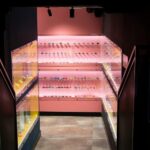
One of the most striking moments is described as a symbolic ark of survivors made of thousands of pots like the ones produced during the war.
That’s a powerful idea for two reasons. First, the symbol connects survival to labor—something people did with their hands. Second, it turns a huge tragedy into a tangible pattern you can visually grasp without needing background knowledge.
Multimedia parts: period spaces and forced choices
The museum experience uses a modern multimedia installation that takes you along cobbled streets of the city. You’ll enter spaces such as a photographer’s atelier and a hairdresser, then get on a tram in the exhibit flow. You’ll also see a typical apartment from the Jewish ghetto and then transition to scenes connected with the Płaszów camp.
What makes this valuable for you: these scenes help you move from abstract facts to lived-feeling geography. You remember the story better because you remember how it looked, sounded, and moved.
Potential drawback: multimedia exhibits can be emotionally intense. If you’re sensitive to Holocaust-related content, plan for that and go at your own pace inside the museum. The live guide will likely keep you moving, so take a moment before the heavier sections to steady yourself.
How the guides work: audio during the ride, live guide at the museum
This tour uses two layers of interpretation, and that structure helps you. While you ride through Kazimierz, you get an audio guide. Then, once you’re inside Schindler’s Factory, you get a live guide who leads the walking portion and adds context as you go.
So you’re not stuck with only pre-recorded narration. The museum part is where questions and emotional nuance matter most, and the live guide is there for that.
One detail worth noting: the audio and timing are coordinated for a group pace. If you’re hard of hearing or you like to read captions in silence for long stretches, you might want to arrive with your expectations set for a guided pace.
There’s also a strong chance your golf cart driver brings more than route knowledge. In one standout example, the driver had deep lived perspective, born shortly after WWII ended, and that kind of firsthand awareness can make your questions feel answered at human level.
Timing, groups, and what to bring for smooth entry
The total duration is about 3 hours. The itinerary works as: ride and walk in Kazimierz, then museum visit at the end. Plan for it to be close to the schedule, because the tour is a group activity that starts at the specified time.
A key operational note: from January 1, 2026, times are approximate and may change due to the museum schedule. You can choose a preferred time, but the exact time isn’t guaranteed. That’s normal for popular timed-entry museums, but it does mean you should not build a tight connection right after the tour.
Meeting point and where it ends
You start at Mikołaja Zyblikiewicza 2. The tour ends after the museum visit at Lipowa 4. There’s no included transport from the museum to your hotel or anywhere else, so you’ll want to plan your tram/walking/taxi next step ahead of time.
ID rules you must not ignore
Museum entry is tied to your ticket details. You must provide full names of all participants when reserving, and you must bring a passport or ID for entry to Schindler’s Factory Museum. The name on the ticket needs to match the name on your document.
I strongly recommend you double-check your spelling before you arrive. A mismatch can turn an interesting afternoon into a stressful one.
Bags and comfort
The tour says no large bags and backpacks are allowed. Bring what you need for a few hours, and keep it light. Also expect moderate walking, including inside the museum.
Is it worth $81.88? Value for Krakow’s WWII storytelling
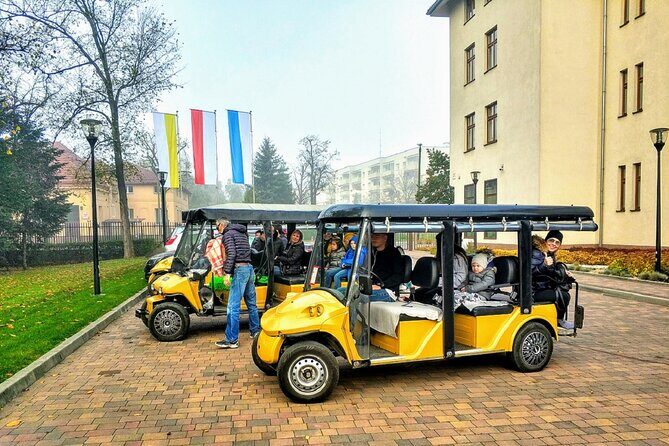
At $81.88 per person, you’re paying for more than “transport plus tickets.” The value comes from three bundled elements:
- Golf cart transportation through Kazimierz (so you cover more ground with less effort)
- Audio guide during the ride/route portion
- Entrance ticket to Schindler’s Factory Museum (included)
- A live guide for the museum portion
If you were to piece this together yourself—timed museum entry, a guide or well-scripted tour for Kazimierz, plus transit planning—the total cost would likely climb quickly. Here, you’re essentially buying an organized plan that keeps you moving through the story in a sensible order.
The other value point is time. Three hours in Kraków is precious. This tour gives you a compact hit of both Jewish district context and WWII industrial/workplace history without forcing you to research and coordinate dozens of details.
Who this suits best:
- First-time visitors who want meaningful WWII context without spending the whole day planning
- People who learn well through guided interpretation (audio + live guide)
- Travelers who want to see Kazimierz’s key spaces and the museum in one stretch
Who might find it less ideal:
- Anyone who hates guided groups or needs long silent viewing breaks
- People traveling with bulky luggage
- Those who strongly dislike museum-grade emotionally heavy material
Should you book this Krakow tour?
Yes, if you want a structured, time-efficient way to connect Kraków’s Kazimierz identity to Schindler’s Factory’s WWII story. The format is practical: a golf cart gets you oriented, then the museum turns that orientation into real scenes and symbols—like the preserved office and the ark-of-survivors made from thousands of pots.
I’d skip or rethink it only if you’re traveling with no tolerance for any walking, you’re carrying large bags, or you don’t want to deal with ID/ticket matching for timed museum entry.
If you’re on the fence, here’s the simplest decision rule: if you want one afternoon that connects place, community, and occupation, book it. If you only want one side of the story, you might be happier picking just Kazimierz (slower, more roaming) or just Schindler’s Factory (more museum time).
FAQ
How long is the tour?
The tour runs for about 3 hours (approx.).
Is the tour offered in English?
Yes, it is offered in English.
What’s included in the price?
Transportation by golf cart, an audio guide during the ride, a live guide at the museum, and an entrance ticket to Schindler’s Factory Museum are included.
Does the tour involve walking?
Yes. Part of the experience includes walking inside Schindler’s Factory Museum, though the rest of Kazimierz is handled by golf cart.
Where does the tour start and end?
It starts at Mikołaja Zyblikiewicza 2, Kraków and ends after visiting the museum at Lipowa 4, Kraków. No transport is provided afterward.
Do I need ID for entry?
Yes. You must provide full names for all participants and bring a passport or ID for entry to Schindler’s Factory Museum. The name on the ticket must match your document.
Are large bags allowed?
No large bags and backpacks are allowed.
What is the group size?
This tour has a maximum of 24 travelers.
Can I cancel for a refund?
Free cancellation is available up to 24 hours in advance for a full refund. If you cancel less than 24 hours before the start time, you won’t receive a refund.