REVIEW · KRAKOW
From Krakow: Auschwitz-Birkenau and Self-Guided Day Tour
Book on GetYourGuide →Operated by Cracow Visit Tours & Transfers · Bookable on GetYourGuide
Auschwitz-Birkenau hits hard, fast. What makes this day trip work is the round-trip Krakow bus plus an organized on-site plan you can explore at your own pace with an English brochure. You get help for the ticket moment at arrival, and you’ll see key sites like Judenrampe and both Auschwitz camps. The main drawback is time: Birkenau visits can feel tight, and the whole day is long.
You’ll ride out early (start times vary), stop for a short café break, then move through the memorial in a logical order—from Auschwitz I to Auschwitz II-Birkenau. The experience is heavy and requires stamina, but the setup helps you avoid the stress of figuring it out solo when you really want your head clear.
In This Review
- Quick hits
- Krakow Pickup to Auschwitz: the bus plan, start-time range, and meeting points
- Judenrampe and Auschwitz I: how to make the most of the main camp window
- Auschwitz II-Birkenau: short time (40 minutes) that still lands
- Using the English brochure and getting help at the right moments
- Value for about $21: what’s included, what’s not, and where costs really show
- Who should choose this format (and who should reconsider)
- Should you book this Auschwitz-Birkenau self-guided day tour from Krakow?
- FAQ
- What is the duration of this Auschwitz-Birkenau day tour from Krakow?
- Where are the pickup locations in Krakow?
- Is this tour fully guided or self-guided?
- How long do you spend at each key area?
- Is a live guide included?
- What language is the brochure and support available in?
- Are tickets included, and do I skip the ticket line?
- What should I bring?
- Is luggage allowed?
- Is this tour suitable for wheelchair users or people with mobility impairments?
Quick hits
- Krakow pickup options at Pawia 18b and Wielopole 2 make meeting simple
- Self-guided touring after a short orientation keeps the pace in your hands
- Judenrampe stop lets you see the selection area before the main camp sites
- Clear stop timing: about 45 minutes at Judenrampe, 1.5 hours at Auschwitz I, and 40 minutes at Birkenau
- Transport + tickets + brochure included for a very low price
Krakow Pickup to Auschwitz: the bus plan, start-time range, and meeting points
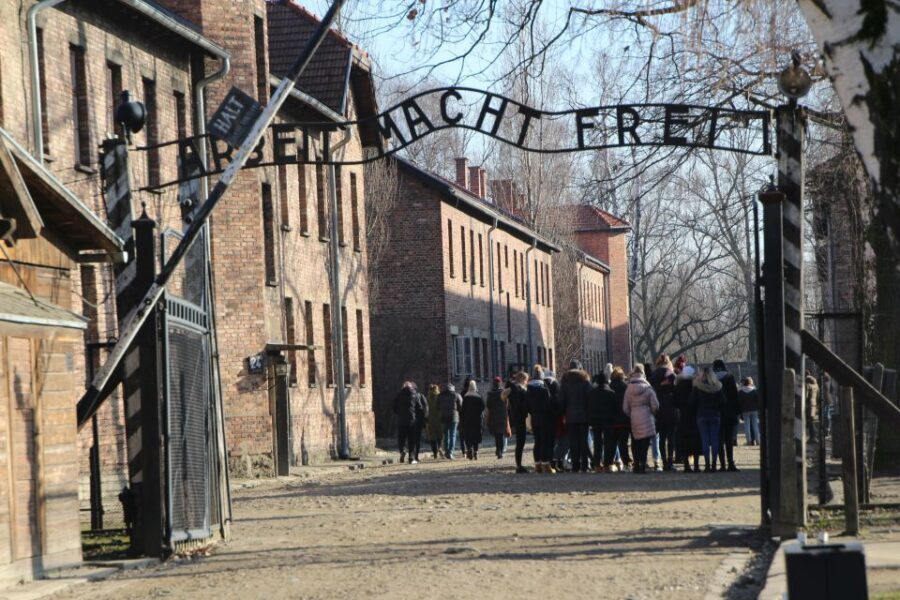
This is built as a “go together, think on your own” day. You’ll be collected from one of the listed pickup stops in Krakow—Kraków, Pawia 18b or Kraków, Wielopole 2—and transported by coach to the Auschwitz-Birkenau Memorial. The ride takes about 1.5 hours each way, and that’s part of why the day can stretch to the full 7–11 hours range.
Timing matters here. The possible start window runs from roughly 05:30 AM to 01:30 PM, and your confirmed pickup time can change. The local partner contacts you the day before (WhatsApp, email, or phone) to confirm details, so you’ll want that message ready when it arrives. Also note the tour begins at a specific meeting point, so you can’t just show up on your own and meet at the memorial.
One practical thing I like: you get a structured day, including a 40-minute café break, so you’re not wandering around hungry or panicking about where your group is. Another practical point: the coach is simply transportation only—no live commentary during the ride—so the value is in getting you there, sorted, and moving into the memorial efficiently.
If you’re sensitive to crowds, you’ll also want to be mentally ready for the ticket stage. Even when the plan is designed to help with lines, it’s smart to assume there may be waiting during the ticket process before you enter the sites.
You can also read our reviews of more guided tours in Krakow
Judenrampe and Auschwitz I: how to make the most of the main camp window
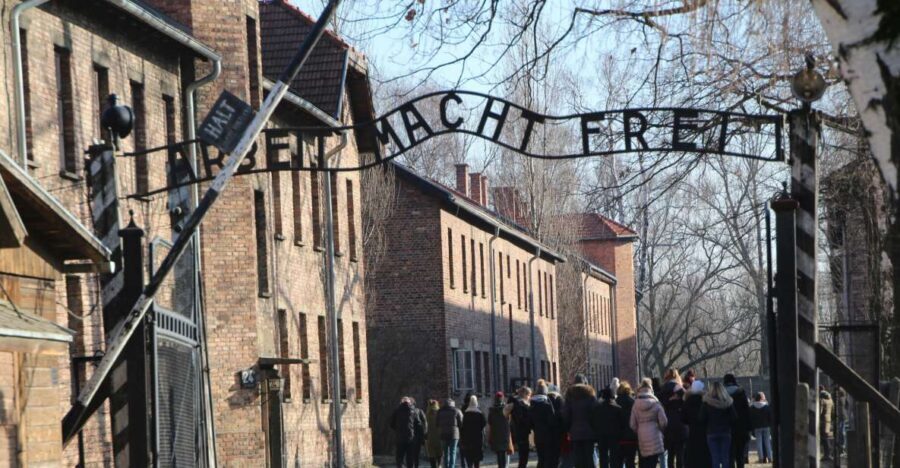
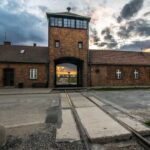
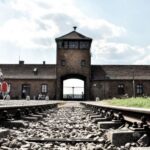
The first “serious” site is Judenrampe, the place prisoners were selected. You get about 45 minutes there on a self-guided route. This is not a stop that feels like sightseeing, so 45 minutes can be just enough to orient yourself, read the key context points, and take in what you’re seeing without running out of daylight—or patience—later.
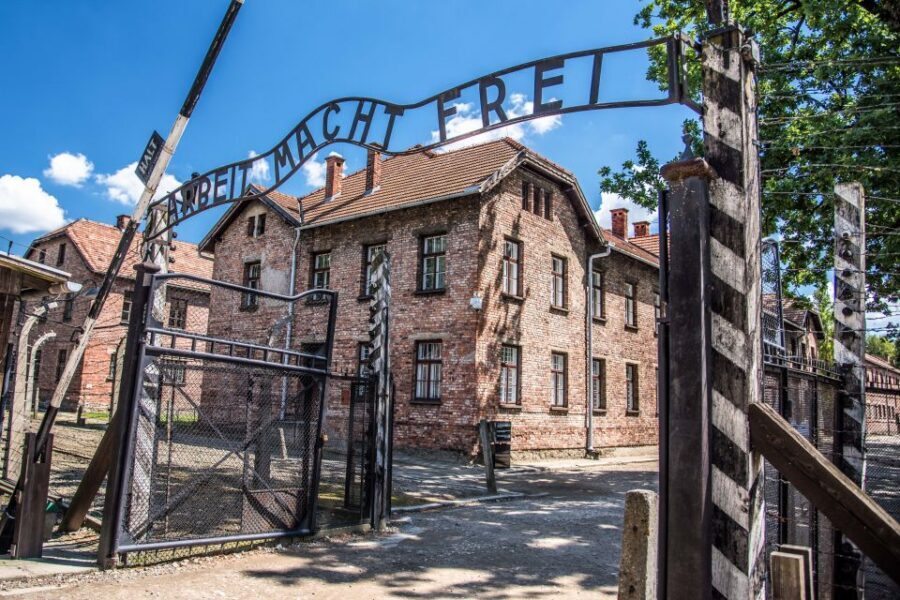
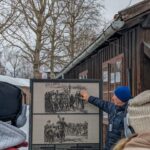
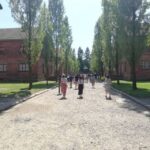
After Judenrampe, you head onward by short bus transfer (about 10 minutes) to Auschwitz I. This is where you spend about 1.5 hours on your own with the brochure and the support of a tour assistant. Auschwitz I is often the emotional and historical anchor: it’s the largest Nazi camp on Polish soil and it functioned as both a concentration camp and an extermination camp. When you’re working without a live guide, that background matters—because you’ll want to understand what each part of the site is trying to show you.
Here’s how to use your self-guided time well:
- Focus on a few core areas instead of trying to “see everything.” Auschwitz is big, and rushing makes it harder to take in meaning.
- Use the brochure actively, not passively. Treat it like a route plan: read, walk, stop, then read again when something pulls you in.
- If you’re unsure where to go next, rely on the tour assistant. You’re not totally on your own.
One more thing I’d plan for: the memorial is about walking and standing. Wear shoes you can trust. Some visitors even report regretting lighter footwear—this isn’t the day for style over support.
Auschwitz II-Birkenau: short time (40 minutes) that still lands
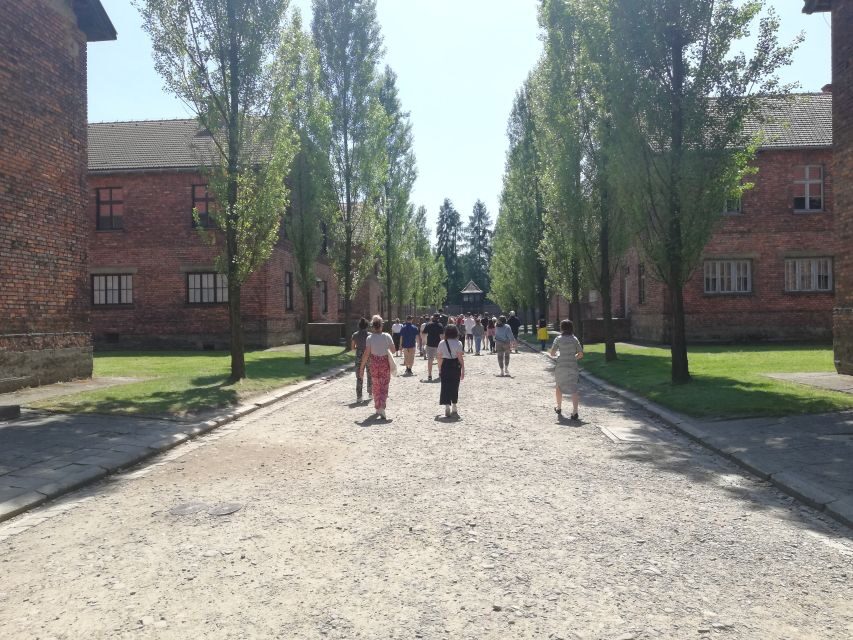
The second camp is Auschwitz II-Birkenau, the site of mass executions. You’ll have about 40 minutes there on the self-guided schedule, after another quick transfer (about 10 minutes) from Auschwitz I. Forty minutes sounds short on paper, and you’ll feel that—especially because Birkenau spreads out and details can slow you down.
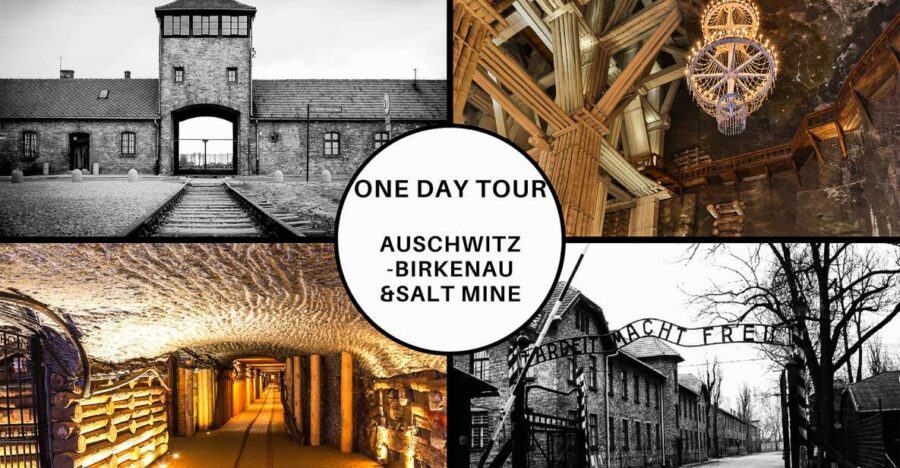
The value is that you’re there with a plan, not wandering. Birkenau is where the scale becomes impossible to ignore: you’ll be looking at the remnants that still mark where people were processed and killed, and you’ll also see personal artifacts that make the history feel painfully specific rather than abstract.
How to handle the time crunch:
- Decide before you go what you want most from Birkenau: sweeping overview, key memorial plaques, or the most emotionally heavy sections.
- Don’t try to read every sign. Read the ones that match your goal, then walk onward.
- Keep your eyes scanning for context markers. Without a live guide, the brochure is what connects the dots.
A couple of real-world considerations show up in experience like this. Some people have found the Birkenau window limited, and at least one group reported extra walking between areas that cut into viewing time. I’d treat mobility and stamina as part of your planning, not an afterthought. If you’re traveling with older grandparents or anyone who tires easily, this is the part of the day where you might need to move slower than the schedule expects.
Using the English brochure and getting help at the right moments
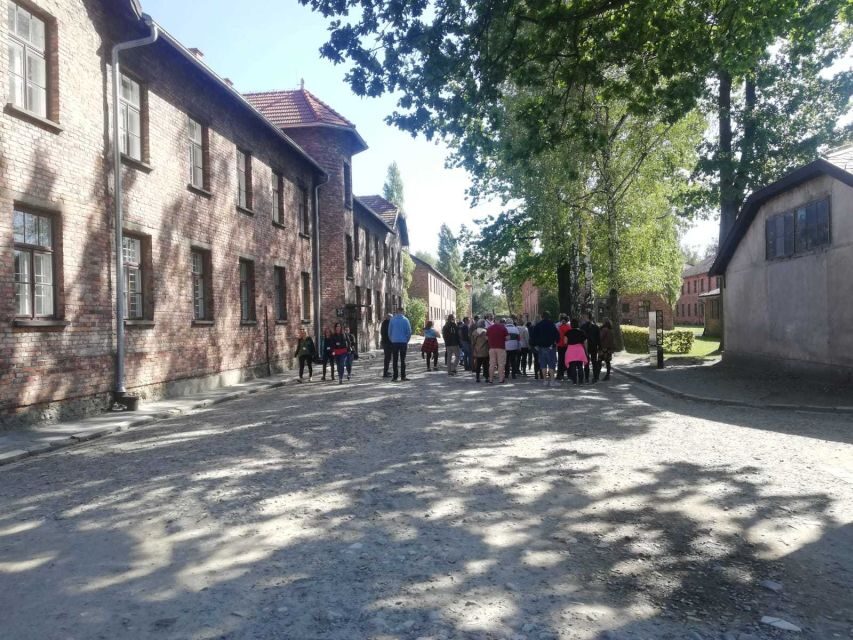
This tour is genuinely self-guided once you’re inside the memorial. You’ll be equipped with an informative brochure in English, plus information from the tour leader at arrival. A key detail: a tour assistant is available to support you throughout the museum time, so you’re not left guessing.
That matters because Auschwitz-Birkenau is overwhelming in a way that’s hard to explain. When you’re relying on a brochure, you’re really relying on two things: good navigation and good reading prompts. Done right, the brochure helps you avoid the common mistake of “looking but not understanding.”
Here’s what I suggest you do with the materials you’re given:
- Start with the brochure route notes at the beginning of each camp section, then follow those priorities.
- Mark what you want to return to during your walk (even if it’s just in your head: barracks areas, exhibition zones, specific memorial points).
- If you have a question—where to stand for the best layout view, what to focus on—ask the tour assistant early rather than later.
You may also receive extra guidance tips like where to find toilets or quick orientation help to get your bearings fast. Some groups have reported that guides provided videos or pointed out what to focus on, which can be useful when you know you’ll be emotionally affected and might lose track of details.
The tradeoff is obvious: there’s no live guide commentary inside the memorial. If you want constant explanation, you’ll be happier with a fully guided option. If you prefer structure but freedom—this format can feel like control in a day that otherwise takes it away.
Value for about $21: what’s included, what’s not, and where costs really show
At about $21 per person, this is priced as a budget-friendly way to get a complete Auschwitz-Birkenau visit from Krakow—without paying for a full guided interpretation for the entire day. The included package matters:
- Round-trip transportation by bus from Krakow
- Entry tickets
- Self-guided brochure in English
- Access to Auschwitz-Birkenau Memorial and Museum
- Access to Juden Rampe and sub-camps
- Assistance (ticket help and support on site)
What’s not included is equally important:
- No live guide
- No audio guides
So you’re paying mostly for logistics and entry handling, plus a written guide to help you interpret what you see. The “skip the ticket line” benefit is also part of the value promise, and some groups have reported quicker ticket collection when the operator’s plan runs smoothly. Still, it’s smart to keep an open mind: waiting can happen during the ticket stage in peak seasons, and cold-weather queues can be brutal.
One detail I like from the broader setup is that entry passes for individual visitors without educators are described as free by the museum, while your tour operator handles your entry passes and timing. In plain terms: you’re not paying inflated museum prices here—you’re paying for the day-trip machine that gets you in and organized.
If you’re comparing options, think in terms of how much you value your own pacing. With a self-guided format, you can linger where something grabs you and skip what doesn’t. That can be worth real money on a day like this.
You can also read our reviews of more tours and experiences in Krakow

Who should choose this format (and who should reconsider)
This trip can work well for people who:
- Want to see both Auschwitz I and Auschwitz II-Birkenau in one day from Krakow
- Prefer to move at their own pace using a brochure
- Don’t need constant narration during every minute
- Value clear logistics: pickup, transport, ticket help, and a set route through key areas
It may not be ideal for people who:
- Want a live guide explaining every artifact and exhibit in real time
- Need long viewing windows at Birkenau (the schedule gives about 40 minutes)
- Have mobility limits. The activity is listed as not suitable for wheelchair users and people with mobility impairments, and it also isn’t suitable for young children (under certain ages).
Also plan for physical strain. Even when the schedule includes transfers, you’ll still be walking and standing in a major memorial site. Bring water and snacks if you need them (food and drinks are allowed and bringing them is encouraged), and pack for weather. Hat and sun protection can matter, especially if your start time lands you in brighter hours on the walk-heavy parts.
If you’re traveling with someone who gets tired quickly, I’d treat this as a “support your stamina” day: plan shoe comfort, pacing, and bathroom needs early.
Should you book this Auschwitz-Birkenau self-guided day tour from Krakow?
If you’re looking for a straightforward way to visit Auschwitz-Birkenau without spending a fortune, I think this is a strong choice. The mix of transport from Krakow, included tickets, and a self-guided brochure in English gives you independence inside a tightly managed, respectful route.
Book it if you’re comfortable with a self-guided pace and you can handle a long day. Consider a different format if you want a full live-interpretation guide throughout the memorial, or if you need more time at Birkenau.
FAQ
What is the duration of this Auschwitz-Birkenau day tour from Krakow?
The duration is listed as 7 to 11 hours. Exact timing depends on the selected departure and start time.
Where are the pickup locations in Krakow?
You can choose one of three pickup points: Kraków, Pawia 18b or Kraków, Wielopole 2 (plus the tour starts from a specific meeting point in Krakow, which you can’t reach independently).
Is this tour fully guided or self-guided?
It’s self-guided inside the memorial. You’ll receive assistance at arrival (including ticket help) and you’ll use a brochure for your route.
How long do you spend at each key area?
You’ll have about 45 minutes at Judenrampe, 1.5 hours at Auschwitz I, and about 40 minutes at Auschwitz II-Birkenau.
Is a live guide included?
No. A live guide is not included. There is an English host/greeter and a tour assistant for support, but the museum exploring is self-guided.
What language is the brochure and support available in?
The listed language for the experience is English. The host/greeter is also listed as English.
Are tickets included, and do I skip the ticket line?
Entry tickets are included, and the experience is described as allowing you to skip the ticket line. Ticket passes are booked in advance by the tour operator when possible.
What should I bring?
Bring passport or ID card and food and drinks.
Is luggage allowed?
No. Luggage or large bags are not allowed.
Is this tour suitable for wheelchair users or people with mobility impairments?
No. It’s listed as not suitable for wheelchair users and people with mobility impairments.
If you tell me your travel month (winter vs summer matters for queues and walking) and who you’re traveling with, I can suggest the best departure timing to match your pace.