REVIEW · KRAKOW
Krakow: Schindler’s Factory & Ghetto Guided Tour
Book on GetYourGuide →Operated by Kraków Explorers · Bookable on GetYourGuide
This story hits hard, in the best way. This 3-hour guided tour connects Schindler’s Factory Museum with a walk through Podgórze, the area where the Jewish ghetto in WWII Krakow took shape. I like how the tour isn’t just museum talk—it links exhibits to real street corners and surviving traces like the ghetto wall segment.
Two things I really value: you get a live guide (French, German, Italian, or English) and you also see specific memorial and landmark spots, not vague “historical sites.” One consideration: this is a tightly scheduled group experience, and late arrivals won’t be admitted to the museum tour—so you’ll want to build in a little breathing room before you meet.
The guide leads you through Oskar Schindler’s museum experience first, including the exhibition about Krakow under Nazi occupation, then you head outside to Podgórze to walk the ground where displaced Jews lived. One review example that stuck with me: a guide named Eva was described as very passionate and unusually thorough with questions, which matters on a topic like this.
In This Review
- Key Highlights You’ll Care About
- Why Schindler’s Factory and Podgórze Belong Together
- Meeting at Schindler’s Factory: Timing Is Part of the Deal
- Tickets, IDs, and Names: The Museum Entry Rules You Must Follow
- Inside Schindler’s Factory: What a Guided Museum Visit Really Adds
- Krakow Under Nazi Occupation: Learning Daily Life, Not Just Dates
- Podgórze Walk: Ghetto Wall, Homes, Pod Orłem Pharmacy, and the Street-Level Scale
- Heroes’ Square Empty Chair Monument: How the Symbolic 68 Chairs Land
- Price and Value: What $58 Buys in 3 Hours
- Who This Tour Is Best For (and When to Skip It)
- A Note on Guides: Why the Right Voice Matters Here
- Should You Book? My Practical Take
- FAQ
- How long is the tour?
- What’s included in the price?
- Do I need to buy Schindler’s Factory tickets separately?
- Where do I meet the guide?
- What languages are available for the live guide?
- What do I need to bring for museum entry?
- Is food or drink included?
- Can I cancel and get a refund?
- Can I reserve now and pay later?
Key Highlights You’ll Care About
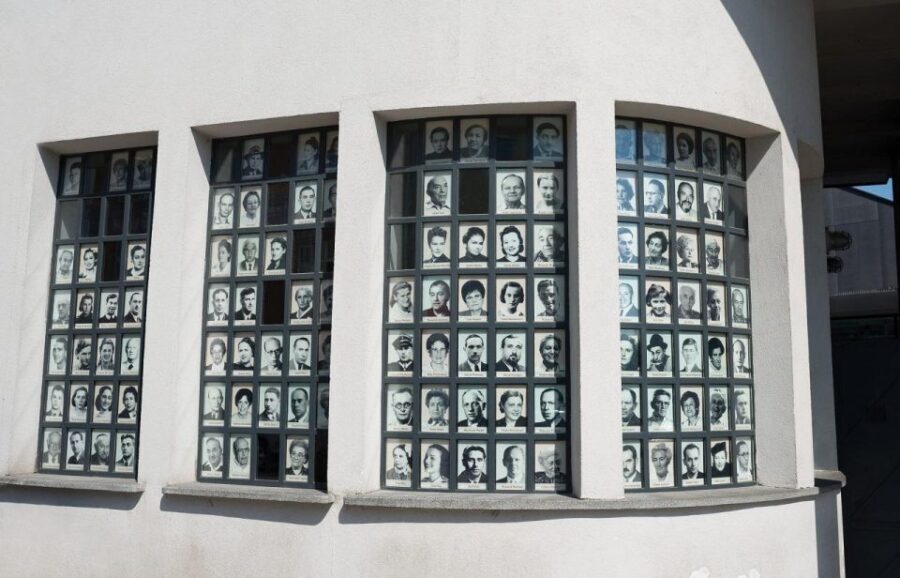
- Schindler’s Factory Museum with tickets included, plus a skip-the-ticket-line setup for a smoother start
- Podgórze walking route through the WWII ghetto area and its most important remaining references
- Specific stops like the Pod Orłem pharmacy and a ghetto wall section you can actually see
- Heroes’ Square Empty Chair Monument, including the meaning of the symbolic 68 chairs
- Exhibition focus on Krakow under Nazi occupation, tied directly to daily life under Nazi rule
- A guide-led pace that keeps everything moving for the full 3 hours (and leaves less room for wandering off)
Why Schindler’s Factory and Podgórze Belong Together
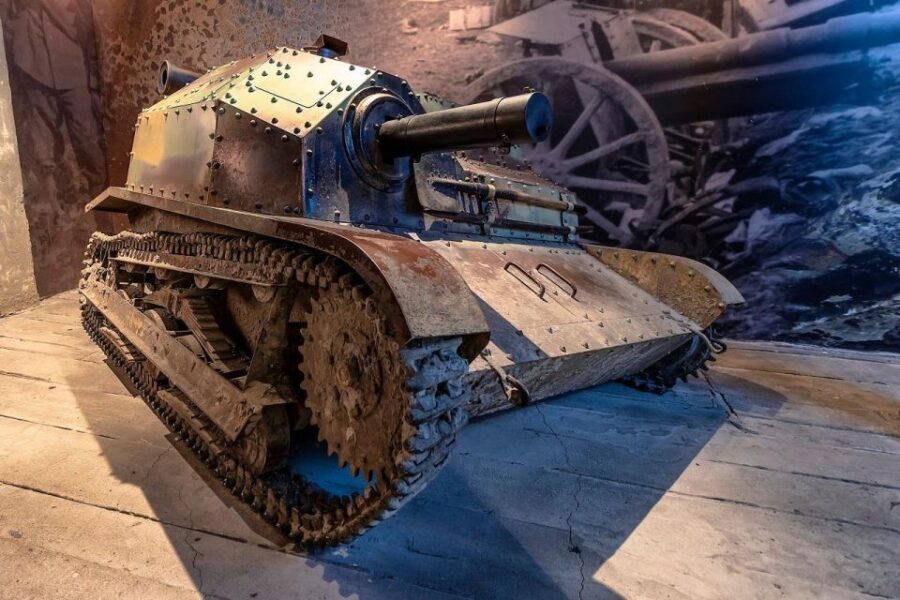
I like tours that connect the dots. This one does that by pairing a museum visit with an on-the-ground walking segment in Podgórze, where the WWII ghetto operated.
Inside Schindler’s Factory, you’re dealing with documented stories and the broader structure of Nazi occupation. Then, in Podgórze, you’re seeing the physical scale of the neighborhood: the surviving wall section, the places tied to how people were forced to live, and the memorials built to keep the memory from disappearing.
That pairing makes the information easier to hold onto. You don’t just leave knowing facts—you leave understanding why the neighborhood details mattered.
You can also read our reviews of more guided tours in Krakow
Meeting at Schindler’s Factory: Timing Is Part of the Deal
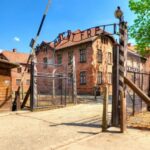
You meet at the main entrance to Schindler’s Factory Museum. Look for a guide holding a sign with the inscription excursions.city.
Here’s the practical catch: this is a group tour with a strictly defined schedule, and Schindler’s Factory Museum definitely does not accept late arrivals. The tour enters punctually, and if you miss the entry window, you won’t be admitted and money may not be recoverable through the standard tour route.
So treat this like a train departure, not a “sometime this morning” plan. If you’re taking public transit, give yourself buffer time. If you’re walking from a nearby hotel, account for a slower pace once you arrive and need to find your guide.
Also note the language options: the tour runs with live guiding in French, German, Italian, or English, depending on the session.
Tickets, IDs, and Names: The Museum Entry Rules You Must Follow
This tour includes tickets to Schindler’s Factory Museum, and it’s set up so you can skip the ticket line, which is a real time-saver in a popular place.
There’s also a key rule for entry: Schindler’s Factory Museum uses personalized tickets. For entry, you must provide the full names of all participants when reserving and bring a passport or ID.
One more thing: the info you’re given notes that from January 1, 2026, these personalized ticket requirements apply through the museum’s process, and you should expect times to be approximate because the museum scheduling can affect the exact start.
Bottom line: double-check your reservation spelling against your ID. It’s not the kind of detail you want to fix on-site.
Inside Schindler’s Factory: What a Guided Museum Visit Really Adds
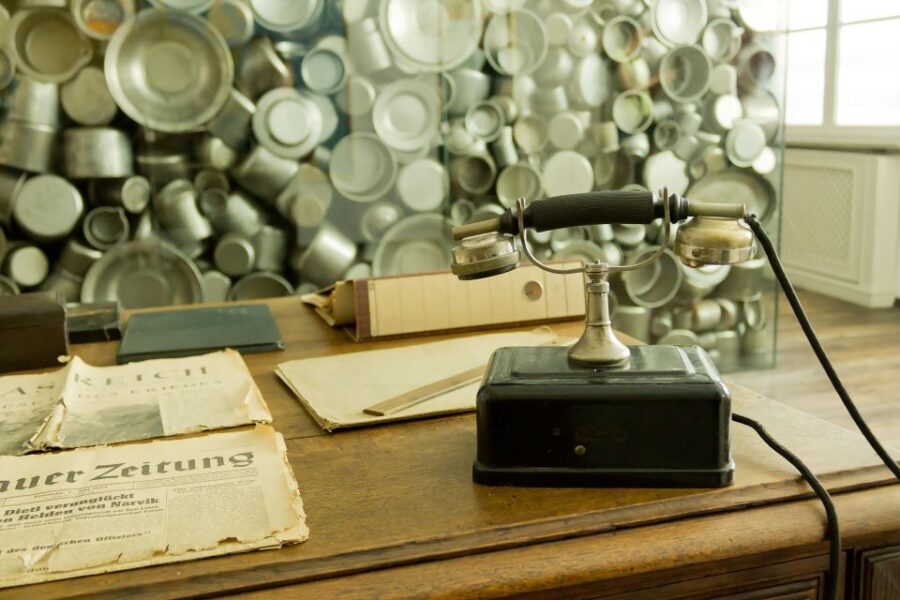
The museum part of the tour is the anchor. You’ll visit Schindler’s Factory Museum at Oskar Schindler’s site with a professional guide.
What I like about the guided format here is that the museum can feel dense on your own. With a guide, you get a structured path through the material and context for why certain parts matter—especially when the subject is WWII and Nazi occupation.
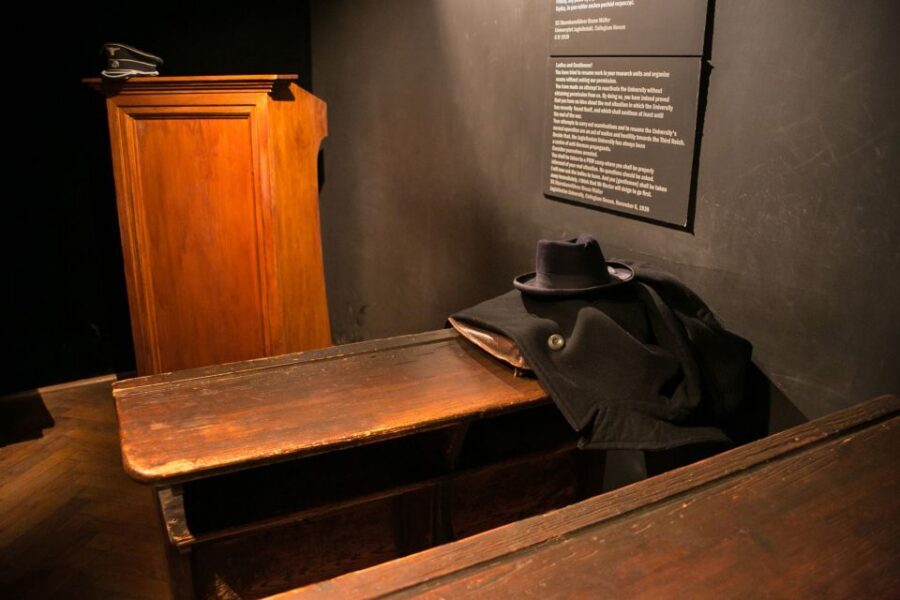
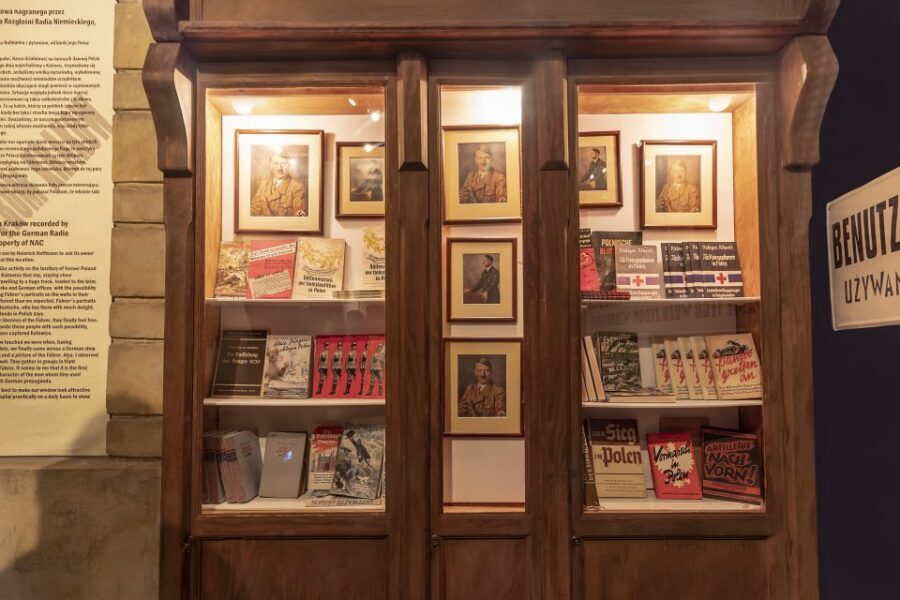
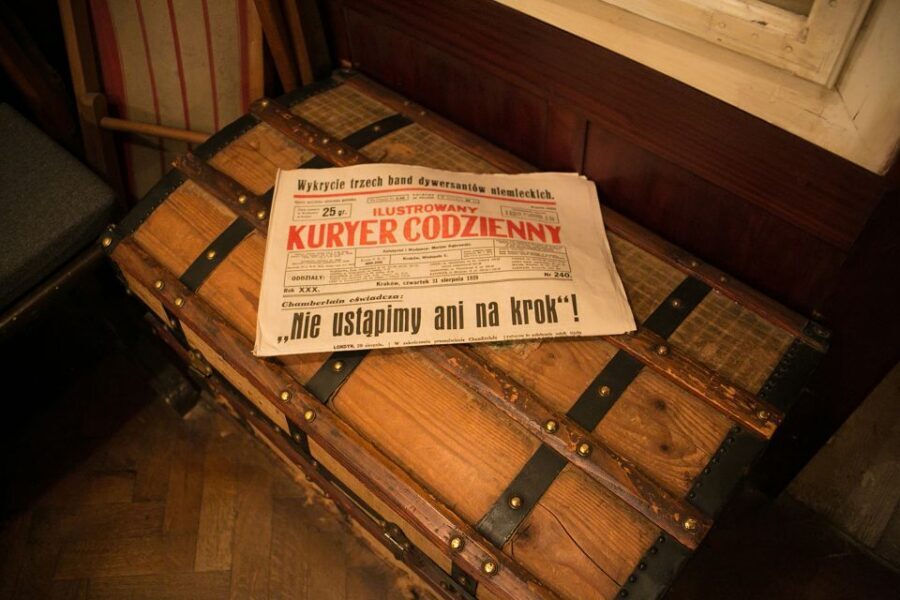
A big part of what you’ll learn is tied to the exhibition Krakow Under Nazi Occupation and the story of a German entrepreneur who helped many Jews during the war. The tour description frames this as more than a single character story: it connects actions to the conditions people were facing in occupied Krakow.
You’ll also have the benefit of direct Q&A time. The reviews include praise for guides giving long, detailed answers—one standout example is Eva, described as passionate and unusually willing to answer questions. That’s useful here because the museum topics often raise follow-up questions on logistics, timelines, and how daily life was organized under occupation.
Krakow Under Nazi Occupation: Learning Daily Life, Not Just Dates
It’s easy to turn WWII into a list of events. This tour aims to make it about how people actually lived day to day during Nazi occupation.
The exhibition segment you’ll be guided through is specifically called out as focusing on Krakow under Nazi occupation. That matters because daily-life context helps you interpret what you’re seeing later in Podgórze.
So when you walk the streets afterward, you’re not just looking at “old buildings.” You’re looking for the kind of evidence that shows how displacement worked, how neighborhoods were constrained, and how the ghetto’s existence shaped everyday survival.
A balanced approach helps too: you get context about both the occupation system and the human stories inside it. For a visitor, that makes the walking segment more meaningful instead of just somber sightseeing.
Podgórze Walk: Ghetto Wall, Homes, Pod Orłem Pharmacy, and the Street-Level Scale
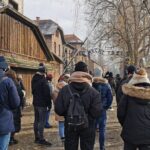
After the museum, you head into Podgórze for a guided walk through the Jewish ghetto area during WWII. This is where the tour becomes physical and local.
You’ll see:
- a section of the undestroyed wall around the ghetto
- houses where thousands of displaced Jews used to live
- the Pod Orłem pharmacy
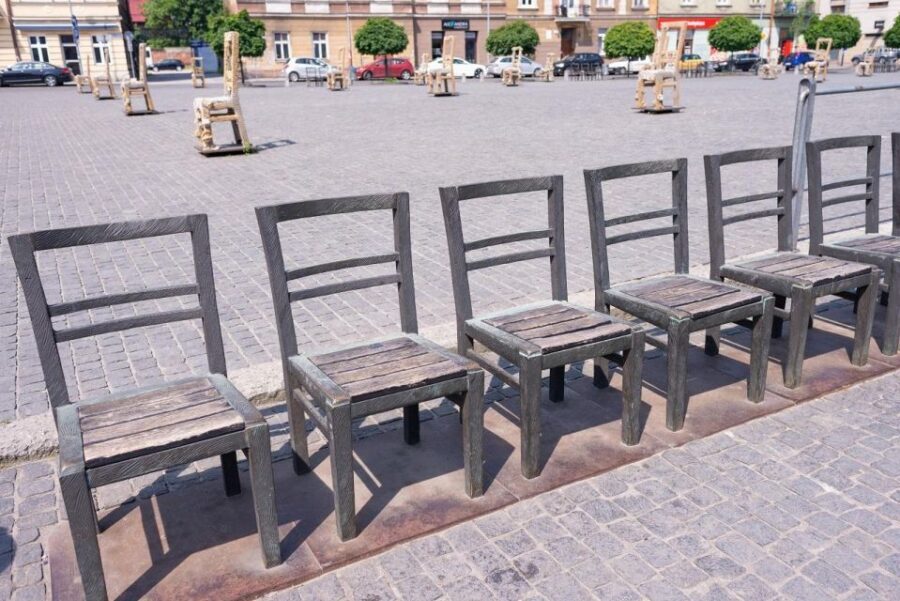
- the Empty Chair Monument in Heroes’ Square
These stops are chosen for a reason. Surviving wall sections and specific landmarks give you something rare: continuity. Even after the war, these references help visitors visualize what was meant to be separated, contained, and controlled.
The ghetto wall segment is especially important because it gives scale. You can’t fully understand what confinement meant from documents alone; seeing a remaining portion helps your brain map the size of the space.
The houses and displaced-Jew context bring the story back to living conditions. Even if you’re not going inside, you can still connect the neighborhood layout to what your guide is explaining.
And the Pod Orłem pharmacy is the kind of location that turns history into something grounded. Pharmacy sites often show up in occupation-era narratives because everyday needs didn’t stop during terror. Here, you get a specific named landmark, not just generic “historic area.”
Heroes’ Square Empty Chair Monument: How the Symbolic 68 Chairs Land
Heroes’ Square is where the tour closes part of its emotional arc with a memorial designed to speak without a single word.
The stop you’ll make is the Empty Chair Monument, built with the symbolic number of 68 chairs. The tour frames this symbol in the context of the tragedy tied to the ghetto period and the years that followed.
For many visitors, this is the moment you slow down. It’s also the place where a good guide helps you interpret what the monument is trying to communicate: not just sadness, but remembrance and the weight of loss.
If you tend to rush in big cities, try not to do that here. Spend a little time looking. Read the surroundings. Let the symbolism settle before you move on.
Price and Value: What $58 Buys in 3 Hours
At $58 per person for about 3 hours, the value mostly comes from two things: museum admission plus a professional guide, and then a guided walking route through Podgórze.
You’re not just paying for time. You’re paying for:
- museum entry included (and designed to help you avoid the ticket line)
- live guiding that connects exhibits to street-level context
- access to specific sites that are easier to understand with someone who can explain the “why”
The tour doesn’t include food and drinks, so plan for that. If you’re stacking this with other Krakow sights, you may want to eat either before you start or after the tour ends so you don’t feel rushed while thinking about heavy material.
One more value point: the strict schedule can actually be a benefit if you hate spending half your day coordinating or getting lost. This gives you a clear plan for a time window when you can stay focused.
Who This Tour Is Best For (and When to Skip It)
This tour is a strong fit if you want a guided Krakow ghetto tour that connects Oskar Schindler’s story to the Podgórze area and its surviving references.
It also suits you if:
- you like structured museum experiences
- you want a walking route that hits named landmarks (like Pod Orłem pharmacy and the Empty Chair Monument)
- you’re okay with a tour that has a firm start time and doesn’t cater to slow wandering
When might it not fit?
- If you’re looking for a casual, flexible stroll with no schedule pressure, the timed museum entry and punctual group setup may feel limiting.
- If you’re sensitive to WWII themes and want a lighter day, you should know this tour deals directly with Nazi occupation and ghetto life.
A Note on Guides: Why the Right Voice Matters Here
This topic is heavy, and the difference between a mediocre and excellent guide can be huge.
The reviews attached to this experience highlight that at least one guide named Eva was described as very passionate and extremely responsive to questions. That kind of guide quality matters because visitors often wonder about specifics: how life worked, what certain objects or places represent, and how the timeline fits together.
If you’re the kind of person who likes to ask questions in real time, a tour like this can feel especially rewarding.
Should You Book? My Practical Take
I’d book this tour if you want one solid, guided hit that combines Schindler’s Factory and Podgórze into a single coherent story. The included museum tickets, skip-the-ticket-line setup, and the named walking stops give it good structure for the time you spend.
I would not book it if you’re the type who regularly arrives late, hates fixed schedules, or wants food/drinks included so you can go hands-free. This is a focused experience, and it asks you to show up on time and ready to pay attention.
If you’re visiting Krakow for the first time and want a meaningful WWII-focused tour that doesn’t feel random, this is one of the clearer choices.
FAQ
How long is the tour?
The tour lasts 3 hours.
What’s included in the price?
Included are tickets to the Schindler’s Factory Museum, a professional tour guide, and the walking tour.
Do I need to buy Schindler’s Factory tickets separately?
No. Tickets to Schindler’s Factory Museum are included, and the tour is set up to help you skip the ticket line.
Where do I meet the guide?
Meet your guide in front of the main entrance to Schindler’s Factory Museum. Look for a guide with the inscription excursions.city.
What languages are available for the live guide?
The live guide is available in French, German, Italian, and English.
What do I need to bring for museum entry?
You need to provide full names when reserving and bring a passport or ID for entry to Schindler’s Factory Museum.
Is food or drink included?
No. Food and drinks are not included.
Can I cancel and get a refund?
Yes. You can cancel up to 24 hours in advance for a full refund.
Can I reserve now and pay later?
Yes. The tour offers a reserve now & pay later option, so you can book your spot and pay nothing today.