REVIEW · KRAKOW
Pierogi Cooking Class with Market Shopping and Local Snacks
Book on Viator →Bookable on Viator
Craving something you can fold by hand? This small-group pierogi class turns Kraków’s classic food market into the start of your meal, then moves to a local apartment kitchen where you get hands-on pierogi lessons and English instruction. The host, often Olga, keeps it personal and relaxed, so you can actually learn the steps instead of just watching.
I especially like the full rhythm of the experience: shop for ingredients, walk to the apartment, then make dough, shape pierogi, and sit down to eat what you cooked. I also like that the menu centers on a traditional filling of cottage cheese, potatoes, and caramelized onions, not some fancy detour.
One consideration: on Sundays, the experience happens without the food market stop, so you miss that ingredient-hunting walk.
Key highlights
- Small-group size (max 6) so you’re not stuck waiting your turn
- Market shopping first for the ingredients you’ll use
- Traditional pierogi filling: cottage cheese, potatoes, and caramelized onions
- Seasonal starters like smoked cheese, sausage, sour cucumbers, or sour cabbage
- Regional alcohol at the end, including options like homemade liquor
- Apartment setting for a true home-cooking vibe
In This Review
- Pierogi in a Kraków Apartment: Why This Class Feels Real
- Kraków’s Market Run: Where Your Pierogi Ingredients Start
- In the Kitchen With Olga: Dough, Filling, and the Art of Pleating
- What You’ll Eat: Starter Snacks, Pierogi Meal, and Regional Alcohol
- Value Check: Is $83.48 Worth It?
- Timing and Logistics: Meeting Point, Group Size, and Getting There
- Who This Pierogi Class Is Best For
- Tips to Make the Most of Your Class Afternoon
- Should You Book This Pierogi Class in Kraków?
- FAQ
- How long is the pierogi cooking class in Kraków?
- Is the class offered in English?
- How many people are in the group?
- Do you visit the market every day?
- Where do we meet for the class?
- What’s the cancellation policy?
Pierogi in a Kraków Apartment: Why This Class Feels Real
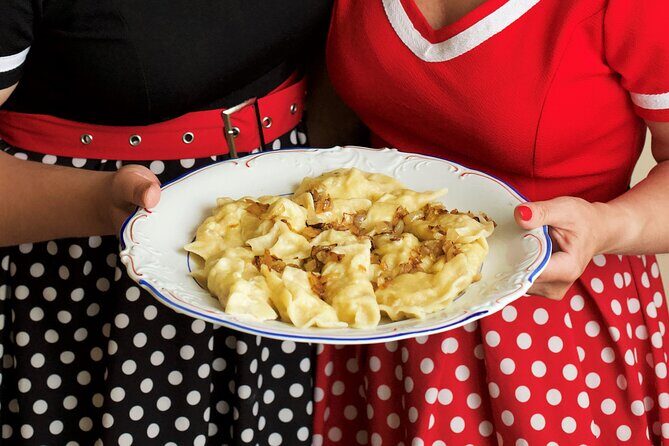
If you’ve ever tried to copy pierogi at home, you know the hard part isn’t the ingredients. It’s the technique: the dough feel, the filling consistency, and the folding that seals without bursting. This is a practical class built around doing those steps yourself, not memorizing a recipe.
You meet in central Kraków at the Grunwald Monument on Plac Jana Matejki. From there, the afternoon has a simple flow: market first (most days), then a short walk to the instructor’s apartment, then cooking, eating, and chatting. The whole setup is meant to make you feel like you’re sharing an afternoon meal with a local cook—without the formality of a restaurant class.
A lot of the value here is pacing. You’re not just “shown” food. You’re guided through dough making, filling, shaping, and boiling. And because it’s capped at 6 people, the host can correct your dough and folding rather than rushing everyone through.
Kraków’s Market Run: Where Your Pierogi Ingredients Start
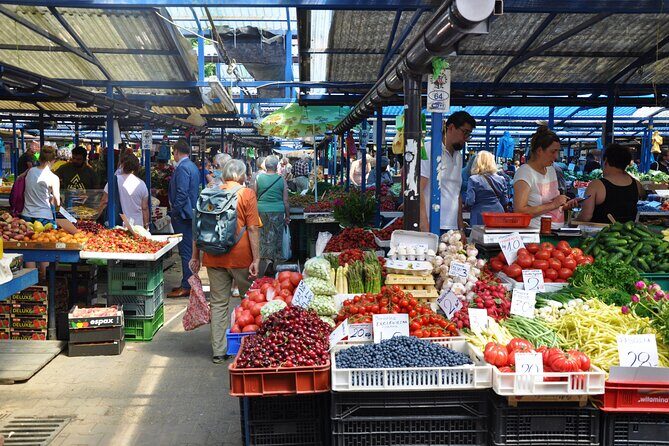
The class begins with a walk through the oldest marketplace in town. You’re there for two reasons: getting real ingredients and soaking up how locals think about food. This is where the afternoon shifts from tourist Kraków into the day-to-day rhythm of buying cheese, sausage, pickles, and seasonal products.
You’ll buy what you need for the pierogi, but you’ll also taste along the way. The stops are paired with small explanations about what to look for—especially around cheese quality, which matters a lot for a filling that tastes creamy instead of bland or watery.
It’s also a good way to understand Polish pantry logic. You see how dairy, cured meats, and sour elements work together in the same meal. In practical terms, you’ll come away with ideas for what to buy later from Kraków shops and how to combine flavors without guesswork.
Sunday note: on Sundays, the experience skips the market visit. If market atmosphere is a big part of why you want this tour, try to book a weekday.
You can also read our reviews of more shopping tours in Krakow
In the Kitchen With Olga: Dough, Filling, and the Art of Pleating
The cooking happens in a local’s apartment kitchen. That detail matters more than it sounds. Apartment kitchens are compact and normal—so you learn the real workflow: flour on the counter, dough rested properly, filling portioned consistently, and pierogi shaped in a steady rhythm.
You’ll be taught the whole process:
- Dough making and getting the right texture
- Making the filling
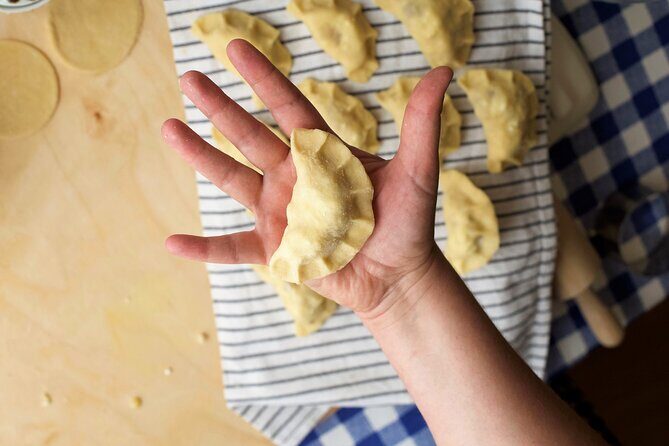
- Shaping pierogi into their signature forms
- Boiling them so they hold together and taste right
The traditional filling is the star: fresh cottage cheese mixed with potatoes and finished with caramelized onions. That trio is comforting and honest—salty, creamy, and lightly sweet from the onions. It also gives you an attainable target to recreate later, since you’re not dealing with rare ingredients.
From the way the class is structured, the folding step is where you’ll feel the biggest difference between a home attempt and a coached attempt. You start simple, then refine how you pinch and seal. The host’s job is to get you from awkward first tries to pierogi that actually behave in boiling water.
One smart bonus: during the class, your instructor shares culinary traditions and recommendations for Kraków. That turns a cooking session into a mini local guidebook—especially useful if you’re still figuring out where to eat once you leave the apartment.
What You’ll Eat: Starter Snacks, Pierogi Meal, and Regional Alcohol
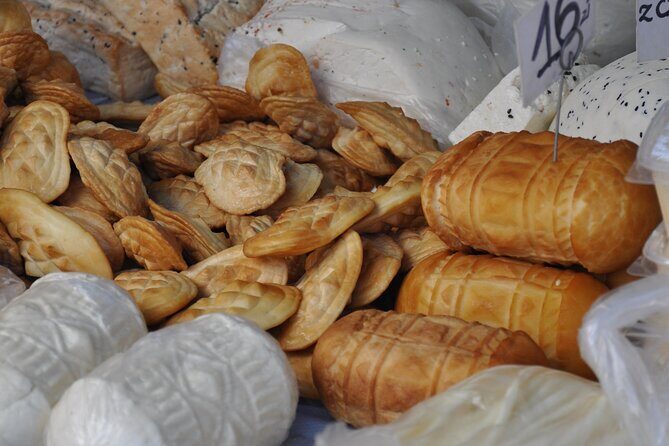
This isn’t a “one pierogi each” situation. The class includes starters, the main pierogi meal, and a regional drink pairing at the end. The sample menu is built around the idea of eating well while learning.
Expect seasonal local snacks as a starter. Depending on the season, you might sample things like:
- fresh and smoked cheeses
- Polish sausage
- sour cucumbers or sour cabbage
Those sour elements are not random. They balance the richness of dairy and meat, and they make the pierogi taste more lively instead of heavy.
For the main, you’ll eat the pierogi you made. The filling is traditional and vegetarian: cottage cheese, potatoes, and caramelized onions. It’s the kind of meal that reminds you why comfort food cultures survive for centuries—simple parts, careful technique, and good timing.
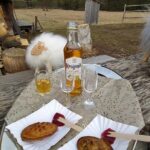
Dessert is served via regional alcohol, often homemade liquor or a selection of local favorites paired with the main. You may even encounter special infusions such as bison grass vodka served in a memorable way. Even if you’re not a big drinker, the pairing concept is worth noticing: it’s another layer of how Polish meals balance and round out flavor.
Practical tip: plan your evening as free time. This class is built around eating, not just learning.
Value Check: Is $83.48 Worth It?
At $83.48 per person, you’re paying for more than a recipe. You’re paying for:
- guided market shopping for the ingredients
- hands-on instruction through the full pierogi-making workflow
- a meal of starters plus the pierogi you cooked
- regional alcohol at the end
If you were to book a private class for just the cooking and skip the food side, it would likely cost more for less total value. Here, the food is part of the lesson, not an add-on. Plus, the group size stays small, which usually means better attention and faster correction when dough or sealing goes wrong.
The apartment format also lowers the “performance” factor. You’re not paying for a theater-style show. You’re paying for an efficient, practical experience that ends with a real sit-down meal.
One more value angle: you leave with technique you can repeat. Pierogi are one of those dishes where knowing the dough feel and sealing approach makes home cooking dramatically easier.
Timing and Logistics: Meeting Point, Group Size, and Getting There
Duration is about 3 hours. That’s a sweet spot: enough time to shop, cook, and eat without turning the class into an all-day event.
Group size is max 6 travelers. In practice, that means you get room to work at the right pace and ask questions while the dough is still at the right stage. It also makes the conversation part of the experience easier—especially if you want to ask what to try in Kraków beyond pierogi.
You’ll start at Grunwald Monument, Plac Jana Matejki (30-001 Kraków) and the activity ends back at the meeting point. The route is mostly walk-based, including a short walk between the market area and the apartment.
You’ll get a mobile ticket, and the class is offered in English. Confirmation comes within 48 hours of booking, subject to availability. Also, the average booking window is about 46 days in advance, so if your dates are fixed, book sooner rather than later.


Who This Pierogi Class Is Best For
This class suits a lot of travelers, because it’s hands-on and not overly technical. You’ll enjoy it if you want food learning with a human touch.
It’s a great fit for:
- Couples and friends who want a shared activity with a meal payoff
- Food-focused solo travelers who like conversation and local recommendations
- Families, since the workflow is hands-on and the host is used to teaching different ages
One thing to know: folding pierogi takes practice. That’s not a problem—it’s part of the fun—but if you hate hands-on messes, you might not love the experience as much as someone who enjoys cooking with their sleeves rolled up.
Tips to Make the Most of Your Class Afternoon
The biggest way to get value is to treat it like a skill lesson. Watch how your host handles dough consistency, then copy the motion. Ask questions while you can still adjust, not after everything is cooked.
Come hungry. Between starters, the pierogi meal, and the end pairing, you’ll want your appetite ready. If you have plans right after, build in buffer time.
If you’re traveling with dietary questions, the class is described around a traditional vegetarian-style filling of cottage cheese and potatoes with caramelized onions. Starters vary seasonally, so it’s smart to check what’s planned for your date before you arrive—especially if you have allergies.
Finally, lean into the cultural part. The host shares Kraków context and suggestions for where to go and what to try, which is often the most useful souvenir you can take home.
Should You Book This Pierogi Class in Kraków?
I’d book it if you want a real pierogi education paired with a relaxed local meal. The small group size, the full step-by-step workflow, and the fact that you eat what you make are a strong combo for the price.
Skip it or adjust expectations if Sundays are the only dates you can do. You’ll miss the market visit that kicks off the experience.
If your ideal Kraków day includes hands-on cooking, ingredient shopping, and a warm home-style setting, this is an easy yes.
FAQ
How long is the pierogi cooking class in Kraków?
It runs for about 3 hours.
Is the class offered in English?
Yes, it is offered in English.
How many people are in the group?
The group size is capped at a maximum of 6 travelers.
Do you visit the market every day?
No. On Sundays, the experience takes place without a visit to the food market.
Where do we meet for the class?
You meet at Grunwald Monument, Plac Jana Matejki, 30-001 Kraków, Poland, and the tour ends back at the meeting point.
What’s the cancellation policy?
You can cancel for free up to 24 hours before the experience starts for a full refund. If you cancel less than 24 hours before, the amount paid is not refunded.