REVIEW · KRAKOW
Krakow Schindler’s Factory & Ghetto & Plaszow Camp Guided Tour
Book on Viator →Operated by excursions.city · Bookable on Viator
A single walk can explain a lot. This guided route links Krakow under Nazi occupation to the people and places impacted right on the street level. You start at Schindler’s Enamel Factory, then move through major ghetto memorial sites, and finish at the grounds of Plaszow, one of the Nazi camps tied to forced labor in the area.
What I like most is that the day is handled by a professional guide with context you can actually use, not just facts you skim. It’s also small-group sized (listed as capped at 15, with a provider note of up to 25), so you’re not lost in a crowd.
The second thing I really value is the balance of stops: a major museum with an included ticket, plus outdoor memorial points where you don’t need to hunt for admissions. At Plaszow, admission is listed as free, which helps keep the cost focused on the core museum experience.
One drawback to consider: this is a serious, emotionally heavy tour, and it runs about 5 hours—comfortable shoes matter, because you’ll be on your feet for long stretches.
Key points worth knowing before you go
- Schindler’s Enamel Factory museum time is included (1 hour 30 minutes), with entry ticket covered
- Not a biography museum: the exhibition focuses on Krakow under Nazi occupation
- You’ll see original ghetto memory points: a 12-metre wall fragment and Ghetto Heroes Square
- Plaszow is practical and on-foot: plan for 1 hour 30 minutes walking the camp site
- Small-group feel: marketed as capped at 15 travelers, with a maximum of 25 listed
In This Review
- A 5-Hour Route Through Occupied Krakow and Plaszow
- Starting at Lipowa 4: How the Day Gets Set Up
- Schindler’s Enamel Factory: Occupation, Not a Biography Museum
- The Ghetto Wall Fragment: A 12-Metre Slice of Original Reality
- Plac Bohaterow Getta: The Iron Chairs Memorial
- Plaszow Concentration Camp: Forced Labor to Deportations
- Price and What You’re Actually Paying For
- Logistics That Make or Break the Day
- Who Should Book This Tour—and Who Might Want Something Different
- Should You Book Schindler’s Factory, the Ghetto Stops, and Plaszow?
- FAQ
- How long is the Krakow Schindler’s Factory & Ghetto & Plaszow Camp guided tour?
- What does the tour cost?
- What are the main stops on the itinerary?
- Is admission to Schindler’s Factory included?
- Is admission included for the ghetto wall and the Ghetto Heroes Square?
- Is admission to Plaszow included?
- What transit costs should I plan for?
A 5-Hour Route Through Occupied Krakow and Plaszow
This tour is built like a connected story told in the real locations where those events played out. The pacing is long enough to absorb what you’re seeing, but not so long that it turns into a nonstop blur. Expect about 5 hours total, split into two museum-quality blocks (Schindler’s Factory and Plaszow) and shorter, concentrated memorial stops (the ghetto wall fragment and Ghetto Heroes Square).
The value here is mostly in the guide. Without that narration, it’s easy to treat memorial sites like photo stops. With the commentary, you can connect what each place represents and how Krakow’s Jewish community was gradually squeezed, then deported. It’s also a nice time-saver: the museum entry for Schindler’s Factory is included and guided visits help reduce the hassle of ticket lines.
Two logistical things you’ll want to plan for right away. First, the walking time adds up across four stops. One review noted sore feet after doing a similar set of Holocaust-related tours in one day, so treat this as a walking tour, not a sit-down museum day. Second, a tram ticket is not included (listed at 4 PLN), though the meeting area is near public transportation.
Starting at Lipowa 4: How the Day Gets Set Up
You begin at Lipowa 4, 32-051 Kraków, and you end at Henryka Kamieńskiego 57, 30-644 Kraków. That end-point detail matters because it means you’re not returning to your starting door. After the tour, you’ll want a plan for getting back—especially if you’re stacking this visit with other sights.
The meeting point being near public transport is a real plus. Krakow can be easy to navigate once you get the hang of it, and being close to transit reduces the stress of “Did we pick the right tram/bus?” It also makes it more likely you’ll arrive on time, which matters because the group tour is scheduled in the order shown.
The tour runs with confirmation at booking. Practically, that means you won’t be wondering on the day whether the group exists. And because it’s a timed experience with multiple stops, arriving promptly helps keep the flow smooth.
You can also read our reviews of more guided tours in Krakow
Schindler’s Enamel Factory: Occupation, Not a Biography Museum
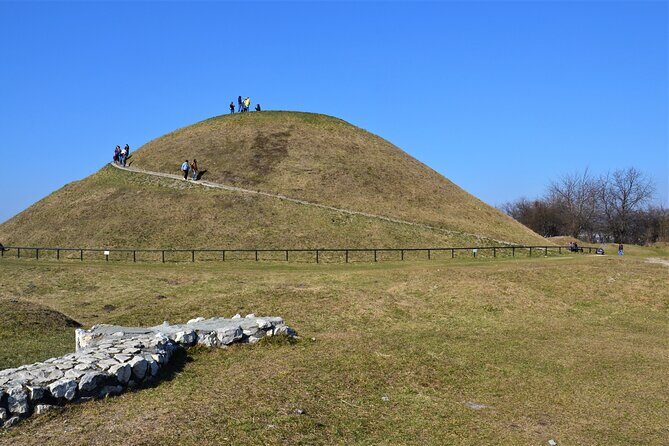
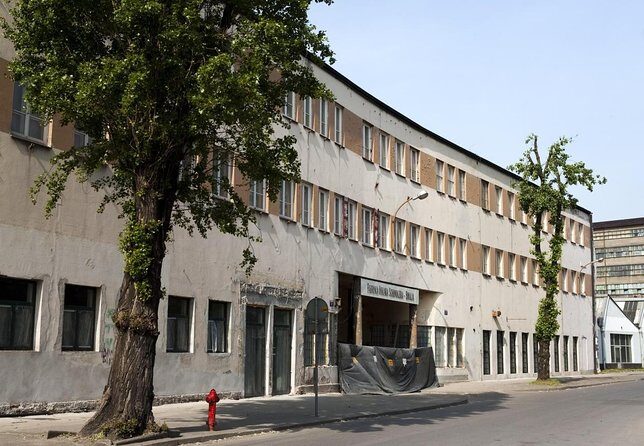
Stop 1 is Fabryka Emalia Oskara Schindlera, at 4 Lipowa Street, for 1 hour 30 minutes. The ticket to the museum is included in the tour price, and the museum itself is part of the Historical Museum of Krakow.
Here’s the key expectation check: this is not presented as a personal biography museum. The main exhibition is about Kraków under Nazi Occupation 1939–1945. That difference matters. If you’re hoping to spend your time primarily on Schindler-as-a-person, you might feel a small mismatch. If you’re coming to understand how the occupation shaped everyday life, the factory museum fits perfectly.
In a practical sense, this stop works because it gives you the baseline context you’ll need for the rest of the day. You’re not jumping from a memorial wall to a camp site with no explanation of how the system escalated. You’re learning how Krakow functioned under Nazi rule, then you follow the trail to where persecution and deportations became concentrated.
What you should do while you’re there is keep an eye on what the museum is trying to show: how daily life changed, how repression worked, and how different policies affected Jewish residents. A museum like this can overwhelm you if you try to read every label. Instead, let the guide steer you to the pieces that connect to what you’ll see outside in the next stops.
The Ghetto Wall Fragment: A 12-Metre Slice of Original Reality
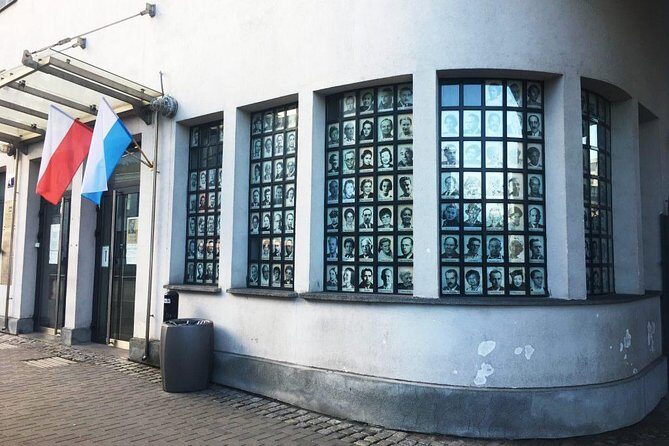
The second stop is a short one, only 15 minutes, but it’s powerful. You’ll see the Ghetto Wall Fragment, described as Kraków’s most prominent evidence of the ghetto: a 12-metre stretch of original wall.
A lot of memorial sites are replicas. This one is specifically called out as an original remnant. That’s why the time spent here matters: a small piece of surviving structure can anchor everything you learn in the museum. The wall fragment is topped by a commemorative plaque raised in 1983, written in Hebrew and Polish. It describes the suffering and the fact that people began their final journey to death camps from here.
This stop can feel almost too short, but that’s part of its design. You’re meant to register the physical boundary and then move on with the day’s narrative. If you want more time to sit with the emotions, you’ll have to do that on your own later—because the tour keeps moving.
A small practical note: admission is not listed as included for this stop. The good news is that you’re not expected to buy anything to stand at this memorial point for the time you’re there, since it functions as an outdoor site.
Plac Bohaterow Getta: The Iron Chairs Memorial
Stop 3 takes you to Plac Bohaterow Getta (Ghetto Heroes Square) in the Podgórze district. You’ll spend 15 minutes here. During the years 1941–1943, this area was within the ghetto, functioning as a concentrated place of Jewish life before transports to concentration camps.
Today, the centerpiece is the monument of dozens of cast-iron chairs placed individually across the square. These chairs symbolize property and belongings of Krakow’s Jews scattered after the ghetto was liquidated. That symbolism is what makes the chairs more than an art installation. The message lands fast: the home life was broken, and what couldn’t be carried was left behind.
This is one of those stops where a guide’s job is important. Without explanation, you might look at the chairs and think it’s just a strange modern memorial. With guidance, you understand how the details connect to the larger timeline of persecution—how confinement tightened, how deportations were carried out, and how the community’s everyday presence was erased.
As with the wall fragment, admission is listed as not included, but the visit is short and focused. If you’d like a few extra minutes for reflection, this is the stop where you might quietly pause—just respect the group schedule.
Plaszow Concentration Camp: Forced Labor to Deportations
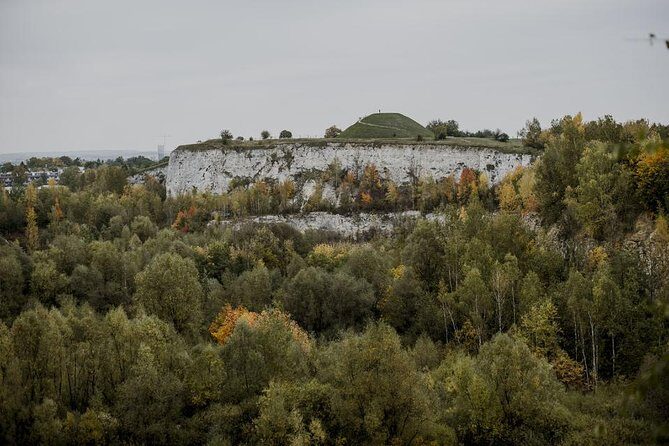
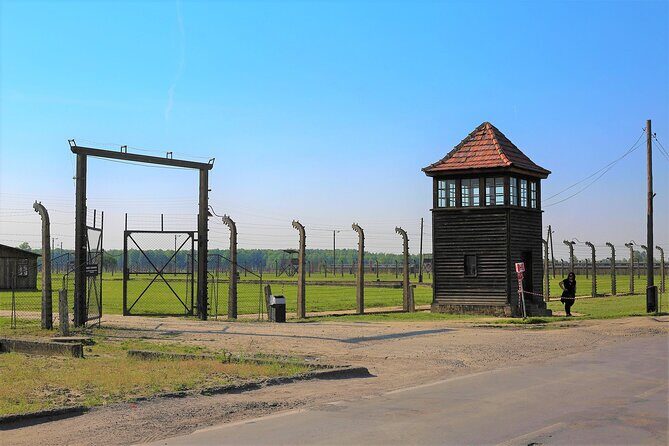
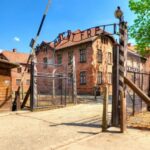
Stop 4 is the longest and most consequential feel of the day: Plaszow Concentration Camp for 1 hour 30 minutes. Admission here is listed as free, which is a helpful value aspect, since most of the ticket cost is concentrated at Schindler’s Factory.
Plaszow sits in the southern suburbs of Krakow. The tour’s overview frames it clearly: the Nazis founded it shortly after the German invasion of Poland. Originally it opened in 1940 as a forced labor camp. By 1941, it expanded and became a concentration camp. Then, starting October 28, 1942, deportations of Jews from the Krakow ghetto began.
The camp is also described as supplying several military factories and a quarry with forced labor. That matters because it shows how the system wasn’t only terror—it was also an engine for labor exploitation tied to industrial and wartime needs.
On a practical level, plan for walking and standing. Even if you don’t feel like you’re going “deep” into a built-up museum space, you’ll still need time to process the site. This is where the emotional weight can hit hardest. If you’re the type who needs a moment to regroup, give yourself that permission. The group will keep moving, but you can step aside briefly if you need a breather.
Price and What You’re Actually Paying For
The price is listed as $76.35 per person, with a duration of about 5 hours. At first glance, this can feel like a premium ticket—but the structure makes sense when you break it down.
You’re paying for:
- A professional guide for the full route
- Included entrance ticket to Schindler’s Factory Museum (the most “priced” part of the day)
- The time-saving value of doing multiple high-impact stops as a guided sequence
The other memorial points are shorter and function as outdoor or free-entry sites in the tour plan, which helps keep the day from turning into constant ticket purchases. Plaszow is explicitly listed as free for admission. The ghetto wall fragment and Ghetto Heroes Square are listed as not including admission, but those are not the kind of stops where you’re usually paying for an indoor exhibit anyway.
Group size also affects value. This tour is capped at 15 travelers (and there’s also a maximum of 25 travelers listed). Either way, compared with a huge bus tour, a smaller group usually means you can hear the guide and ask questions without feeling like you’re yelling into a stadium.
Finally, consider timing. On average, this experience is booked about 103 days in advance, which is a hint that it’s popular. If your dates are fixed, I’d treat it as something to secure early rather than something to leave as a last-minute gamble.
Logistics That Make or Break the Day
This is one of those tours where small practicalities matter.
Comfort wins. You’re out for about 5 hours and moving between sites. Reviews from people who did a similar run of related visits called out long walking and sore feet. So bring footwear you can handle for hours.
Transit planning. A tram ticket is not included, listed at 4 PLN. The start is near public transportation, so you should be able to get there easily, but don’t assume your tour ticket covers every local ride.
You’re not stuck in one museum. This tour mixes indoor and outdoor spaces: a large museum segment and memorial stops that rely on you being able to stand and walk. If you prefer a strictly indoor program, this might feel like more movement than you expect.
Be ready for a serious theme. This isn’t just “WWII in general.” The route is about Nazi occupation, the Krakow ghetto, and the Plaszow camp system. Go in with a respectful mindset and a willingness to slow down mentally.
Who Should Book This Tour—and Who Might Want Something Different
I think this tour fits best if you want structure. If you’re the type who learns faster when someone connects the dots, a guided route like this is a good match. It’s also ideal if you’re visiting Krakow for a short time and want to cover the major locations in one organized session.
It also makes sense if you’ve heard of Schindler’s story through movies and pop culture and want to put it in its proper context—just understand that the museum is focused on occupation life, not a personality portrait.
Where it may not be your best choice: if you’re looking for a lighter, entertainment-style day, this won’t fit. And if you’re expecting a purely Schindler-focused biography visit, you might feel that the “why” and “how” of occupation take priority over personal storytelling.
Also, if you’re planning to stack multiple Holocaust-related tours in one afternoon, give yourself buffer time. The total effort of this route is real, and it’s easier to process when you’re not rushing to your next stop.
Should You Book Schindler’s Factory, the Ghetto Stops, and Plaszow?
If your goal is to understand Krakow’s Nazi occupation through the actual places where it happened, I’d say yes. The Schindler’s Factory included ticket plus the guide-driven connections between the ghetto memorial points and Plaszow camp makes the day efficient and meaningful. The tour also has strong feedback for pacing and clarity, which matters when the subject is heavy and the details can blur.
If you’re worried about long walking, or you prefer a slower, more museum-heavy format, you might consider splitting your time—museum first, then later return for the memorial stops on your own pace. But for most visitors who want a single organized, coherent narrative through Krakow and Plaszow, this is a solid pick.
FAQ
How long is the Krakow Schindler’s Factory & Ghetto & Plaszow Camp guided tour?
The tour lasts about 5 hours.
What does the tour cost?
It costs $76.35 per person.
What are the main stops on the itinerary?
The tour visits Schindler’s Enamel Factory (Fabryka Emalia Oskara Schindlera), the Ghetto Wall Fragment, Ghetto Heroes Square (Plac Bohaterow Getta), and Plaszow Concentration Camp.
Is admission to Schindler’s Factory included?
Yes. The entrance ticket to Schindler’s Factory Museum is included.
Is admission included for the ghetto wall and the Ghetto Heroes Square?
No. Admission is listed as not included for the Ghetto Wall Fragment and Plac Bohaterow Getta.
Is admission to Plaszow included?
Yes. Plaszow admission is listed as free.
What transit costs should I plan for?
A tram ticket is not included and is listed at 4 PLN. The meeting point is near public transportation.