REVIEW · KRAKOW
Krakow: UNESCO Underground Boat Expedition & Salt Mine Tour
Book on GetYourGuide →Operated by Thousand Miles Cracow Adventure Company · Bookable on GetYourGuide
Salt tunnels feel like science fiction. This is one of those Krakow day trips that actually justifies the time. You’ll visit the Bochnia Salt Mine—started in 1248—then experience two headline rides underground: a flooded-corridor underground boat and a mining train through the labyrinth of tunnels. I also really like the way the tour mixes people-friendly pacing (a live guide with audioguides) with a few surprise, hands-on-feeling parts like multimedia exhibits.
There is a catch: expect a fair amount of walking and stairs underground. Even with elevators helping in some sections, one review called out hundreds of steps, and another mentioned around 6–7 km of walking inside the mine. So if mobility is an issue, take that seriously before you book.
In This Review
- Key takeaways before you go
- Why Bochnia’s mine feels different from the usual salt stops
- The Krakow-to-Bochnia transfer: smooth, but plan for walking time
- Entering Bochnia: museum stops and what the exhibits are actually for
- Underground boat expedition: the flooded corridors are the whole point
- The mining train ride: thrill, speed, and those tunnel views
- St. Kinga Chapel: the moment that feels oddly real
- Pace, steps, and what to wear in 14–16°C salt air
- Guides and the little touches that make it feel personal
- Price and value: why $66 can make sense (or not)
- Who should book this tour
- Should you book the Bochnia underground boat and salt mine day trip?
- FAQ
- How long is the tour from Krakow?
- Is hotel pickup and drop-off included?
- What underground activities are included?
- What languages are available for the audioguide?
- What should I wear or bring?
- Is this tour suitable for wheelchair users?
- What age can children join?
Key takeaways before you go
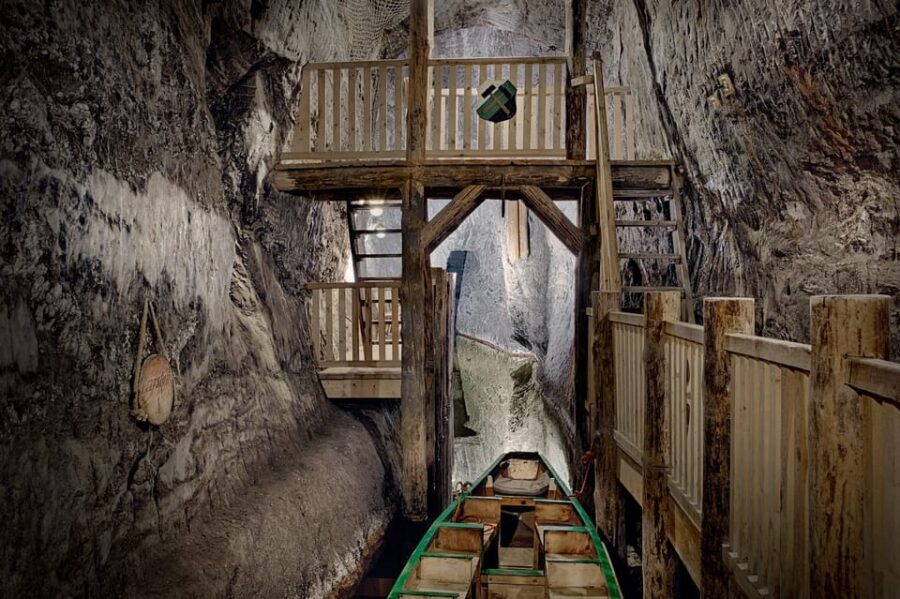
- The rare underground boat portion lets you ride through flooded mine corridors, not just look at them from a corridor.
- Mining train ride through tunnels adds speed and scale, with views you don’t get on a standard walking tour.
- St. Kinga Chapel brings the wow factor: an underground chapel with regular masses and even concerts.
- Audioguides in your language plus a live Polish guide means you get the story without guessing.
- Comfortable hotel transfer keeps the day simple, with a direct driver and a long-ish return trip that’s still relaxed.
Why Bochnia’s mine feels different from the usual salt stops
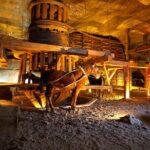
Krakow has salt-mine options. But Bochnia is a special case because it’s older and it’s built around experiences that are hard to recreate elsewhere. This mine’s history goes back to 1248, so you’re not just seeing a set that was made for tourists. You’re seeing working-mining technology ideas that have had a long time to evolve.
The tour’s big value is that you’re not stuck in one mode. You’ll get museum-style context first, then shift into “move through the mine” time with both a mining train and an underground boat. That mix matters because salt mines can feel repetitive if it’s only a walking route and a few stops. Here, the mine changes shape as you travel through it: hallway to chamber, chamber to tunnel, tunnel to water-route, then back again.
You can also read our reviews of more boat tours in Krakow


The Krakow-to-Bochnia transfer: smooth, but plan for walking time
The day starts with hotel pickup and a comfortable van ride. The drive is about 40 km, and it takes roughly an hour each way. Your exact pickup point can change because of pedestrian-only zones and limited parking in Krakow’s center, so pay attention to the driver’s contact. This is one of those small details that can save you stress on a tight schedule.
You’ll also get priority entry with an express security check. That means less time standing around outside and more time getting down into the mine, which is exactly what you want on a day trip.
Once you’re underground, the pacing stays organized. A guide accompanies the group for about four hours during the mine portion, so you’re not wandering in a maze hoping someone knows where to go.
Entering Bochnia: museum stops and what the exhibits are actually for
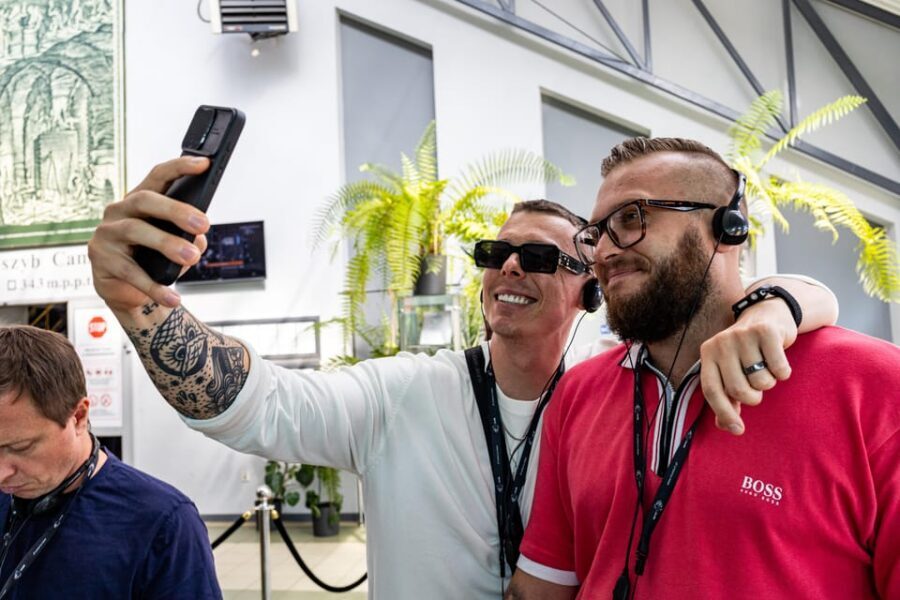
Before you jump into the rides, you’ll have time for photo stops and guided viewing. This is where the interactive museum comes in. It’s not just posters. The mine uses multimedia and exhibits to explain salt mining history and techniques—how salt extraction worked, and why certain parts of the mine were built the way they were.
I like this structure because it answers the question you might not realize you’re asking: What am I looking at, and why does it matter? When you later take the train and the boat, you’ll notice more than just shapes and darkness. You’ll understand what those tunnels and chambers were built to do.
One practical note: the mine is cool year-round, around 14–16°C. Even if Krakow is warm outside, expect that chill the moment you step in.
Underground boat expedition: the flooded corridors are the whole point
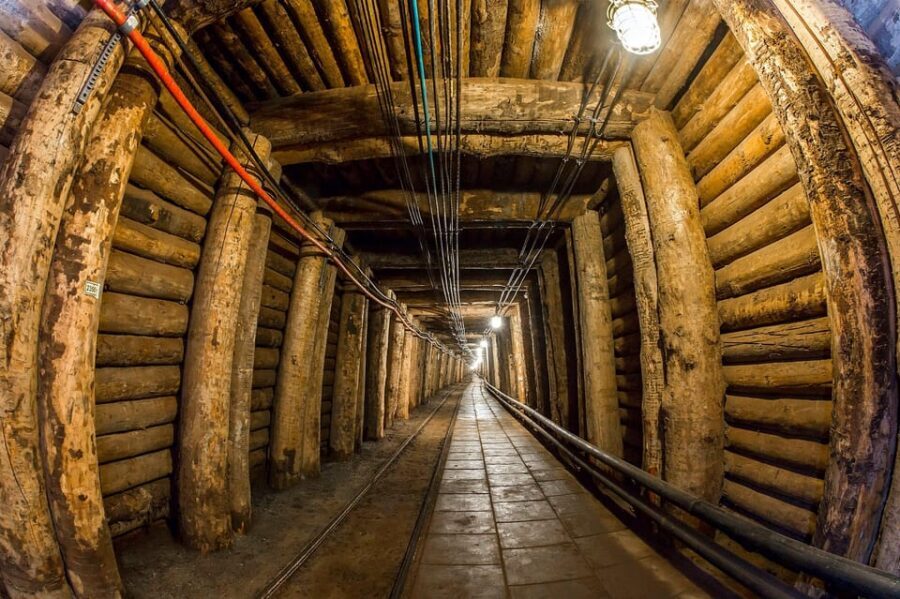
This is the headline. The tour includes an underground boat expedition where you navigate flooded mine corridors by boat. Think of it as mining history plus a dose of adventure physics: the mine has water where you wouldn’t expect it, and you move through that space by riding the route instead of walking it.
It also helps that the boat portion is designed as a distinct “segment” of the day. Reviews repeatedly treat it as a memorable surprise rather than an optional add-on. That matters because some tours sell boat rides as filler. Here, the boat is one of the reasons this specific Bochnia tour exists.
Important limits to know up front: this experience isn’t suitable for wheelchair users. Also, people with disabilities or anyone using a cane won’t be able to use the boat crossing or the train ride for safety reasons. If you’re in that group, it’s best to look for a different style of mine visit.
The mining train ride: thrill, speed, and those tunnel views
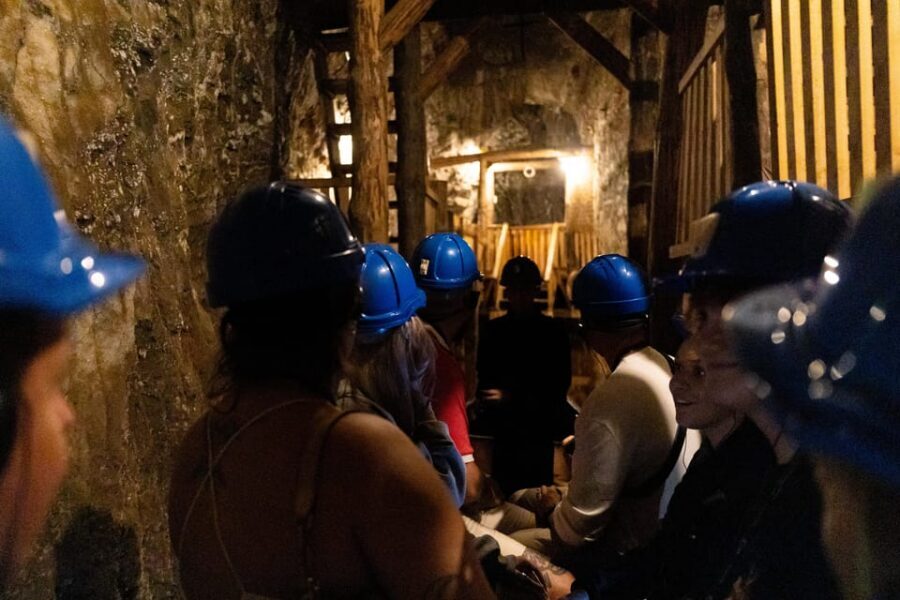
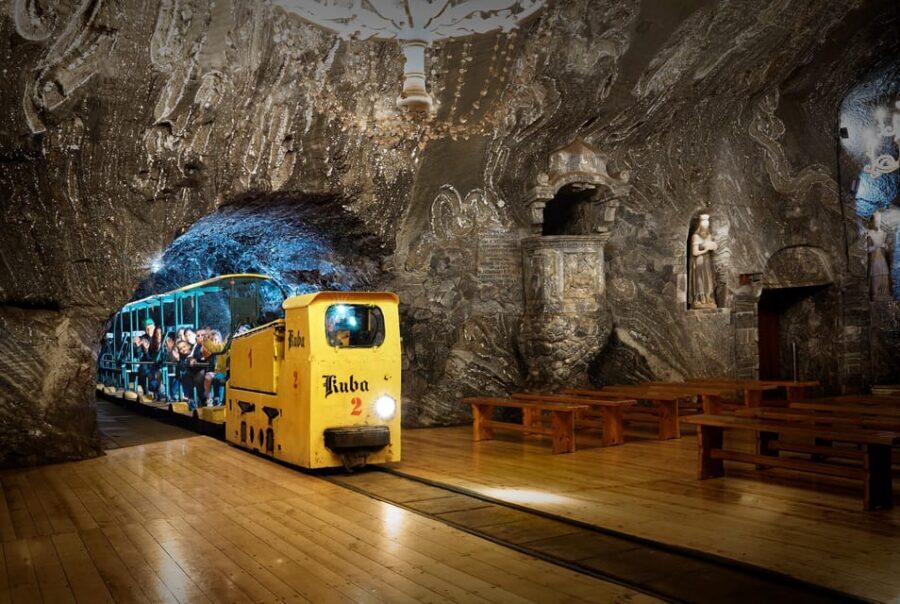
After the boat, you’ll experience a mining train ride through the tunnels. It’s short enough to be fun without overstaying its welcome, but it’s long enough to give you a real sense of scale—how vast the network can feel once you’re not just standing still.
Several reviews point out that the train and boat rides work well together: the train gives you motion through tunnel space, while the boat adds the “how is this even possible?” element of water-filled corridors. If you like visual variety and motion-based storytelling, this pairing is where the tour earns its keep.
St. Kinga Chapel: the moment that feels oddly real
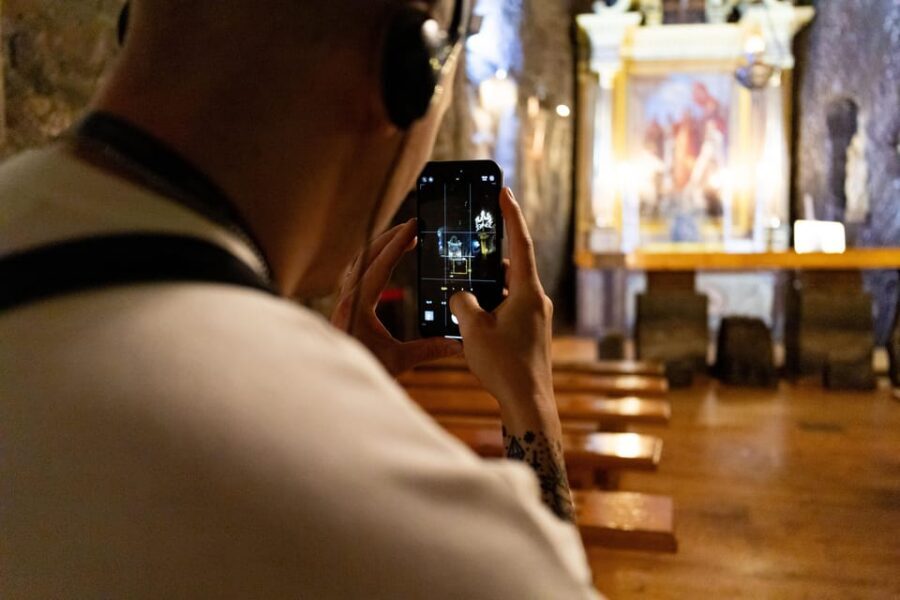
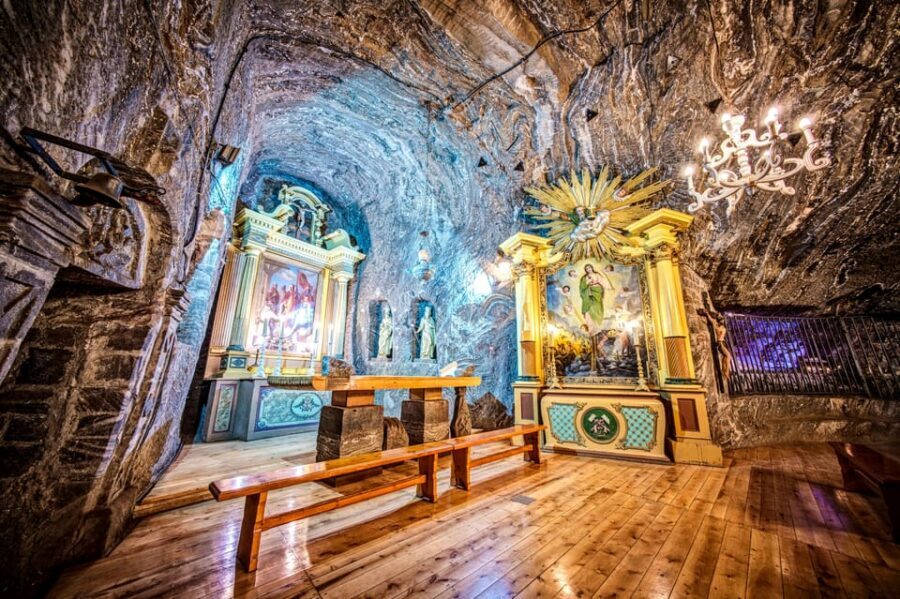
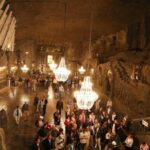
Not every underground tour gives you something spiritual or cultural. Bochnia does—through the St. Kinga Chapel, a beautifully decorated underground chapel that hosts regular masses and concerts.
Why I think this is valuable: it changes the tone of the mine. Salt mines are often presented as industrial oddities. Here, you get proof that people built meaningful spaces inside the harsh environment of mining. It’s craftsmanship you can actually feel in the atmosphere, not just a wall with a sign.
If you’re the type who likes a little atmosphere with your history, carve out a few quiet minutes in your head for this stop. It’s one of those places where your phone won’t do justice to the feeling of being underground in a chapel space.
Pace, steps, and what to wear in 14–16°C salt air
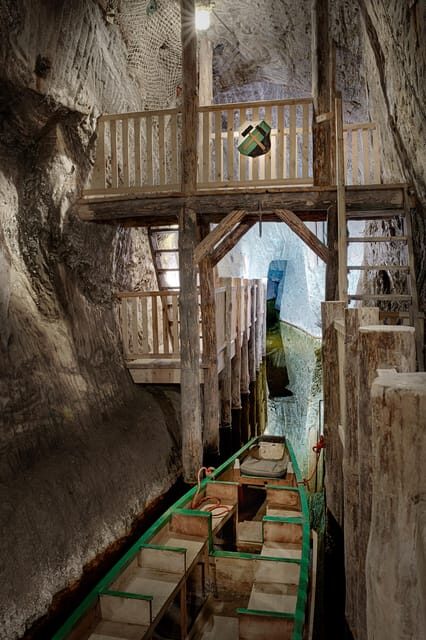
Let’s talk body reality, because salt mines are physical. One review mentioned around 300 steps at another salt site and noted elevators here helped reduce the climb. Another review flat-out warned it was a lot of steps. Another guest estimated about 6–7 km of walking inside the mine.
So here’s your best approach:
- Wear comfortable shoes you can trust on uneven surfaces.
- Dress in layers. The mine temperature (14–16°C) stays steady all year.
- Bring a small snack or water if you want it. There are food points available in the mine, but you might appreciate having your own option too.
Also, the tour isn’t a good match for claustrophobia. Salt corridors and enclosed spaces can be a tough combo even when the tour is well managed.
Guides and the little touches that make it feel personal
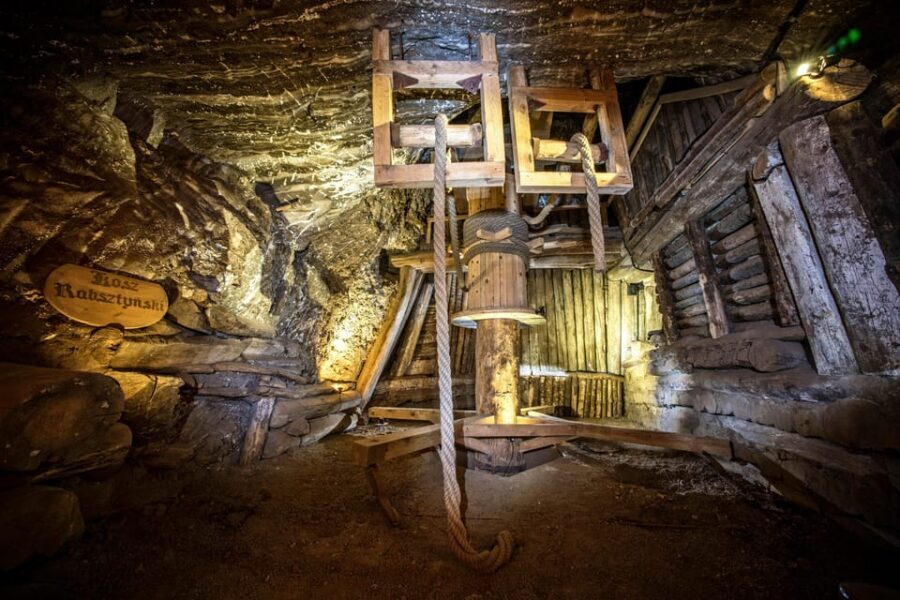
A lot of the satisfaction in reviews lands on the guide. Names that came up: Olaf, Pawel, Niko, Margaret, Dominique, Marco, Taras, and Adam. What they have in common is what you want from a mine guide: clear explanations, a steady presence with the group, and the ability to keep things interesting even when you’re standing in the same underground “world” for hours.
If you’re booking for the language experience, know this: the live guide is Polish. You’ll get an audioguide that supports your chosen language—English, Spanish, French, German, Italian, or Polish—so you can follow along even when spoken instructions are in Polish.
And yes, there are small welcome touches that show up in reviews too, like a salt souvenir bag given during the ride.
Price and value: why $66 can make sense (or not)
At about $66 per person, this isn’t the cheapest way to do a salt mine day trip from Krakow—but the pricing feels reasonable once you look at what’s included.
You’re paying for:
- Hotel pickup and drop-off
- Priority entry via express security
- An audioguide and a live guide
- The full underground package: the museum segment, the mining train ride, and the underground boat expedition
If your goal is a standard mine walk only, you might find cheaper options. But if you want the rare underground boat experience plus the train ride, then the ticket becomes value-focused. You’re not just buying access—you’re buying specific underground transportation experiences that turn the mine into a moving ride rather than a static exhibit.
Who should book this tour
I’d steer you toward this tour if you:
- Want a one-day underground adventure with motion (train + boat), not just corridors.
- Like a mix of history and action.
- Appreciate organized group guidance plus audioguides in your language.
- Are okay with cool indoor temps and a solid amount of walking.
I’d think twice if you:
- Use a wheelchair, a cane, or have mobility limitations that could affect boat/train access.
- Have claustrophobia.
- Are visually impaired or need accessibility accommodations not supported by this tour design.
- Have very young kids under 4.
Should you book the Bochnia underground boat and salt mine day trip?
Book it if you want the specific “only here” part: the flooded-corridor boat ride plus the mining train, capped with a stop at the St. Kinga Chapel. The structure of the day—transfer, guided mine time, then the rides—makes it feel like an actual experience, not a checklist.
Skip (or look for another format) if your main priority is minimal walking or if claustrophobia is a concern. This tour is built for getting around inside the mine.
If you match the fit, you’ll end the day with two very different kinds of underground travel in your memory: water-route on a boat, then tunnel-route by train, all wrapped in salt-mining history that’s easier to grasp than you’d expect.
FAQ
How long is the tour from Krakow?
The tour duration is listed as 7 hours, with checks on starting times. The mine visit is described as around 6 hours including the guided time and transfer.
Is hotel pickup and drop-off included?
Yes. Hotel pickup and drop-off are included, and the pickup point may change due to pedestrian-only zones and limited parking in the city center.
What underground activities are included?
You’ll get an underground boat expedition (raft/boat crossing through flooded corridors) and a ride on a mining train. You’ll also visit the salt mine with an audioguide and multimedia exhibits.
What languages are available for the audioguide?
The audioguide options include English, German, Spanish, French, Italian, and Polish.
What should I wear or bring?
Wear comfortable shoes and comfortable clothes. The mine is about 14–16°C year-round, so dressing in layers helps. There are food points in the mine, and you can bring water and a small snack.
Is this tour suitable for wheelchair users?
No. It is not suitable for wheelchair users, and people with disabilities or those using a cane will not be able to use the boat crossing or the train ride for safety reasons.
What age can children join?
Children aged 4 and above can join. The tour is not suitable for children under 4.