REVIEW · KRAKOW
Krakow World War II Private Tour
Book on Viator →Operated by Prime Tours Krakow · Bookable on Viator
Krakow’s WWII story hits close to home. This private tour strings together the places that shaped Jewish life, Nazi occupation, and survival in and around the city, with a personal guide keeping the timeline clear as you move between sites. You get a private format (just your group plus a guide/driver) and all entrance fees included, so you’re not juggling tickets while the subject matter is already heavy.
Two parts I really like: the free hotel pickup and drop-off makes the day feel easy from the start, and the route covers both famous and lesser-seen stops (Kazimierz, Schindler’s Factory, Plaszow, Gestapo prison cells, and the Eagle Pharmacy / Museum of Krakow). Guides such as Zuzanna, Magda, and Ada are specifically praised for crisp English and an organized flow, with thoughtful touches like umbrellas when weather changes.
One drawback to plan for: this is not a feel-good walk. Expect dark history at every turn, including concentration camp ground and Gestapo detention areas, so bring a steady head and the emotional stamina for a tragic day.
In This Review
- Key things to know before you go
- Why This Private WWII Day Works in Krakow
- Getting There Smoothly: Hotel Pickup and a 9:00 Start
- Stop 1: Kazimierz and the Former Jewish District
- Stop 2: Schindler’s Enamelled Goods Factory Museum
- Stop 3: Plaszow Concentration Camp Site
- Stop 4: Gestapo Headquarters on Pomorska Street
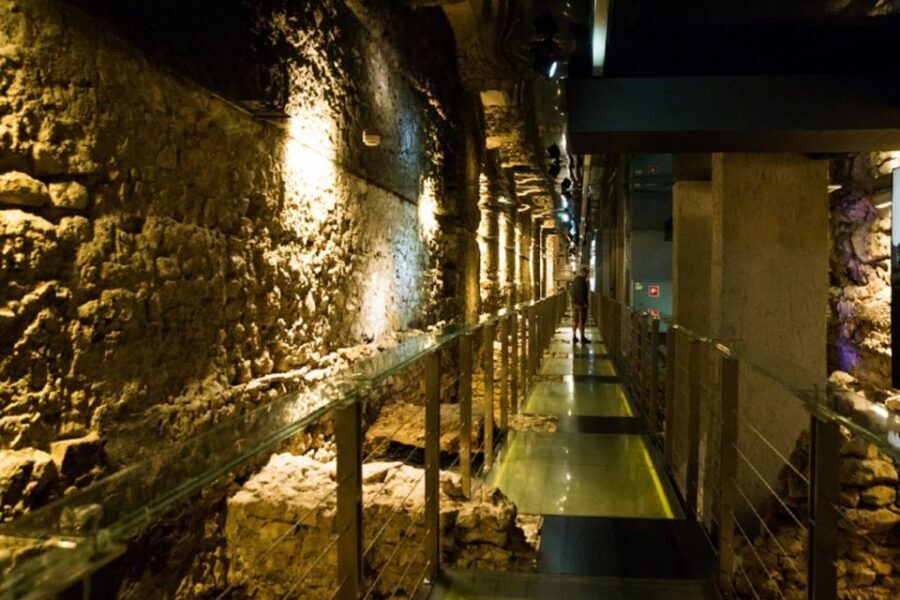
- Stop 5: Eagle Pharmacy and the Museum of Krakow
- The Guide Experience: English, Organization, and Real Practical Help
- Pace, Timing, and What to Do After
- Price and Value: Is $294.37 a Good Deal?
- Who This Krakow WWII Tour Suits Best
- Should You Book This Krakow World War II Private Tour?
- FAQ
- Is this a private tour?
- How long is the Krakow WWII Private Tour?
- What time does the tour start?
- Is hotel pickup and drop-off included?
- Are entrance fees included?
- Where does the tour go during the day?
- Is the tour offered in English?
- Does the tour run in bad weather?
- Do I need a printed ticket?
- What if I need to cancel?
Key things to know before you go
- Private just-for-your-party route with a guide and driver, so you can move at a human pace
- All entrance fees included, which helps value when you add up museum tickets on your own
- Hotel pickup and drop-off to save time (and energy) in Krakow
- A strong WWII timeline in the city: pre-war Jewish district → occupation → camp and detention → Podgórze ghetto connections
- Weather-ready (it runs in all weather, and you may even get help like umbrellas)
- English-speaking guidance, including well-organized explanations that keep names and events straight
Why This Private WWII Day Works in Krakow
This tour is built for people who want context, not just a checklist of sites. Krakow can feel like a storybook city on the surface, but under that, World War II left deep scars—and you’ll see how those scars connect.
The private setup matters more than you might think. When you’re standing in old cells or on former camp grounds, you don’t want to compete with a large group for hearing, or for time to ask what something means. Your guide can slow down when your questions get real.
I also like that the day doesn’t treat history like a museum diorama. It keeps linking places: Kazimierz as a center of Jewish life, then the occupation machinery, then the forced geography around Plaszow and Podgórze.
You can also read our reviews of more private tours in Krakow


Getting There Smoothly: Hotel Pickup and a 9:00 Start
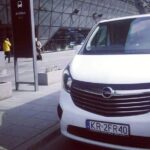
The day starts at 9:00 am, and you get picked up directly from your hotel/hostel/private apartment. Your guide meets you at pickup, and that single detail cuts down on stress. You don’t need to figure out transit or worry about being late because of trams, stairs, or one wrong turn.
One practical note: the schedule can shift a bit because of opening hours at the sites. That’s normal for museum and memorial timing. If you want a different start time, you can request it.
This tour is also set up to operate in all weather conditions. Krakow weather can change fast, and you’ll be outside as you move between neighborhoods. Dress for real walking time, not just the stops.
Stop 1: Kazimierz and the Former Jewish District
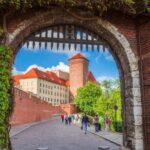
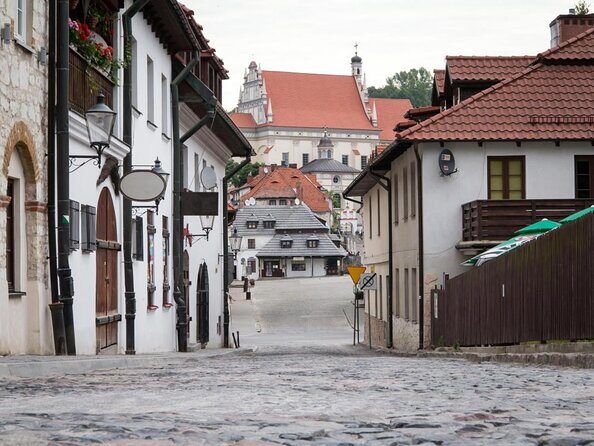
Your first stop is Kazimierz, the former Jewish district—the center of Jewish life in Kraków for more than 500 years. Before World War II, it was a cultural core, and the tour frames it as more than a historical footnote.
You’ll notice the district’s physical reminders: synagogues and Jewish cemeteries. Even when buildings are damaged or altered, the neighborhood’s identity keeps showing through. That matters because it changes how you absorb the later tragedy. You start with life, not just loss.
The tour gives you about 40 minutes here. That’s short enough to keep the day moving, but long enough to get oriented and understand why Kazimierz is such a key piece of Krakow’s wartime story.
A consideration: because this part is the “before” chapter, it can feel calmer. Then the rest of the tour flips the mood quickly, so give your brain a minute to reset when you transition.
Stop 2: Schindler’s Enamelled Goods Factory Museum
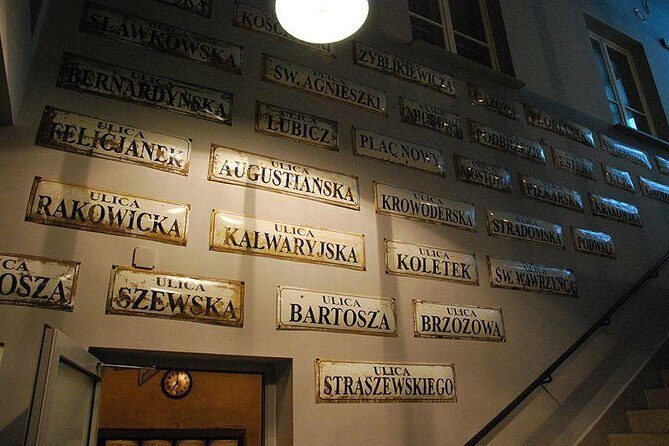
Next up is Fabryka Emalia Oskara Schindlera, the enamelware factory that reopened as a world-class museum. This stop is one of the most important anchors in Krakow’s WWII memory, and it’s handled carefully in the itinerary.
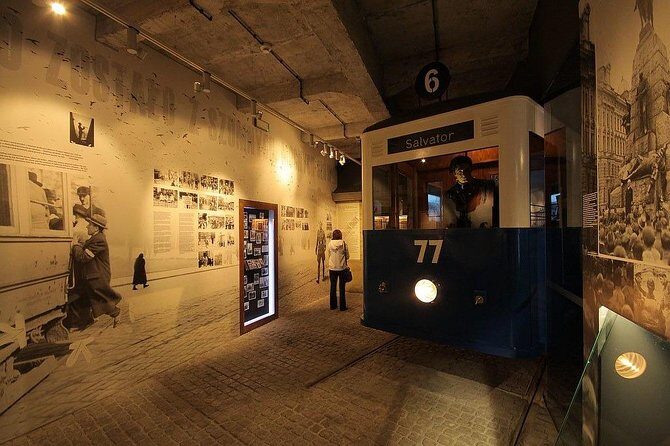
You’ll spend about 1 hour 30 minutes inside. The museum puts Krakow in the spotlight during Nazi occupation, with individual wartime lives guiding you through what daily life could mean under control and terror.
What I like here is the focus on people. A factory could easily turn into a cold setting, but the exhibits are organized around the lived experience of Kraków residents from 1939 to 1945. The result is that you don’t just learn facts—you see how those facts affected everyday choices.
If you care about turning a general WWII outline into something more personal, this museum does that work for you. It’s also the stop where many visitors feel the most grounded because you get structure: war begins, occupation tightens, daily routines change, and survival becomes a daily problem.
Stop 3: Plaszow Concentration Camp Site
Then the day becomes much heavier at Plaszow Concentration Camp. The itinerary explains that the camp was built in 1942 on grounds that included two former Jewish cemeteries. The SS enlarged it at different points, and it reached its maximum size in 1944.
You’ll have around 30 minutes at this stop. That can feel tight given the weight of the location, but it also prevents the day from collapsing into one long, overwhelming block. You get enough time to understand the site’s significance and see what’s still there.
What’s useful is that the tour doesn’t treat Plaszow as an abstract “camp.” It connects the camp’s construction to what already existed on the land. That gives you a clearer picture of what displacement meant, and how the occupation rewrote the meaning of space.
One small caution: this is outdoor time. Even if you can’t see everything, you’ll still be walking and standing. Wear shoes you trust, and don’t plan anything demanding right after.
Stop 4: Gestapo Headquarters on Pomorska Street
After Plaszow, you head to the Muzeum Krakowa on Pomorska Street—described as the headquarters of the Gestapo, the Nazi Secret State Police. This stop changes the story from camps and forced movement to interrogation and state terror in the city.
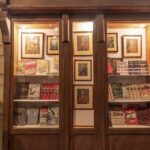
You’ll get about 40 minutes here, and the museum focuses on documents, archive material, photographs, and objects that show how the SS investigated and tormented prisoners. The highlight is the old cells where interrogations happened.
This is one of the strongest “why” stops on the route. You’ll start to understand the occupation system as something built to frighten, extract, and control. It’s not only about where people were sent; it’s about how the system functioned before that.
Because cells and interrogation rooms can be emotionally intense, you may want a quick mental breath before you step into them. Your guide can also help you pace what you absorb so you don’t leave with only shock.
Stop 5: Eagle Pharmacy and the Museum of Krakow
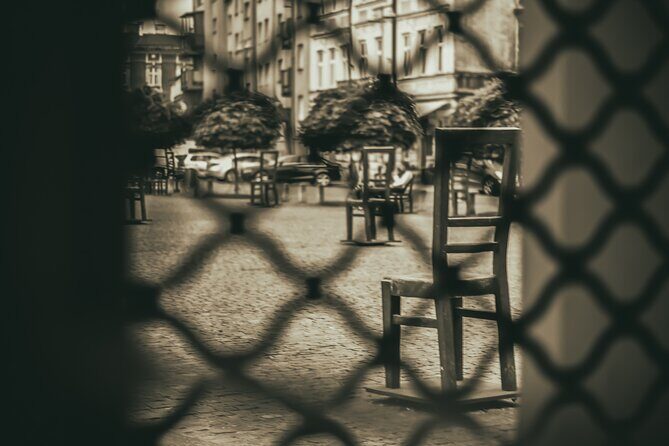
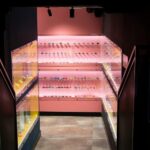
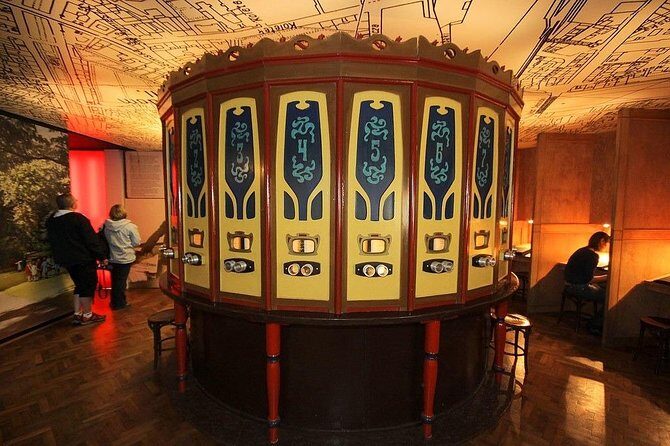
The final stop is Eagle Pharmacy (Museum of Krakow), tied into the same theme as Schindler’s factory: Krakow under pressure, told through specific lives. The tour frames this museum as a compelling set of photographs about life in the Podgórze ghetto, plus the story of a pharmacist who helped hundreds of Jews.
You’ll spend about 30 minutes here. That short time works because the museum is focused. It gives you human scale to the war’s impact in Podgórze, and it offers something important: not just suffering, but also the choices people made to help others.
I like that the day ends with a connection to the ghetto area through Podgórze rather than stopping at the camp narrative alone. It closes a loop: occupation hit neighborhoods, families, and local routines—not only camps and prisons.
If you’re the type who needs one last piece to tie together what you saw earlier, this stop often does that job. It brings the story back down to the street level.
The Guide Experience: English, Organization, and Real Practical Help
This tour lives or dies by the guide. The private format helps, and the feedback around guides like Zuzanna, Magda, and Ada points to a common theme: a well-organized route with strong English and clean explanations.
I also appreciate the practical side that shows up in the day. One review story included umbrellas when sudden snow squalls hit. That’s a small detail, but it matters in Krakow. When weather turns, you want the day to keep moving without you losing your place.
You can expect an experience that’s structured enough to keep names and timelines from blending together. The best moment is when you start recognizing the patterns: what happened in one neighborhood connects to the next stop’s role in the occupation system.
If you have mobility concerns or you just want a steadier pace, the private setup is your advantage. Your guide can usually manage the timing so you’re not rushing through rooms just to meet a clock.
Pace, Timing, and What to Do After
The tour runs about 5 hours. The stop durations add up to that, and the private format keeps transitions efficient. Still, it’s not a sit-and-sip kind of day. You’ll walk between neighborhoods and spend time inside museums and cell spaces.
If you want more time with the museums, there’s an extended 5-hour option mentioned, contrasted with a shorter 3-hour version. If you’re the type who reads slowly in exhibitions or wants extra questions, the longer day makes sense.
After the tour, plan something light. Your brain may feel overloaded, even if you feel like you learned a lot. If you’re going straight to dinner, choose a place where you can talk and decompress rather than rushing.
Price and Value: Is $294.37 a Good Deal?
At $294.37 per person, this tour isn’t cheap on paper. But value isn’t just the ticket price—it’s what you avoid and what you get.
Here’s the value math as I see it:
- All entrance fees are included, so you’re not adding museum costs at each stop
- Hotel pickup and drop-off means you’re paying for time saved and less logistical hassle
- Private guiding keeps the experience personal, which matters on sites where you’ll have questions
- You’re covering multiple major WWII touchpoints in one day, which is efficient even when the topic is heavy
For the kind of itinerary you’re getting—Kazimierz, Schindler’s factory museum, Plaszow camp site, Gestapo cells on Pomorska Street, and the Eagle Pharmacy museum—the price is easier to justify. You’re paying for a guided thread through the city’s history, not just transportation to a few addresses.
Also, booking windows matter. The tour is commonly booked far ahead (about 172 days on average), which is your hint that popular times fill up. If your trip dates are fixed, don’t wait for the last week.
Who This Krakow WWII Tour Suits Best
This tour fits you if you want:
- a private, guided day focused on WWII in Krakow
- clear connections between Jewish life before the war, Nazi occupation, forced confinement, and local ghetto realities
- English-speaking narration that keeps the story organized
It’s especially good for first-time visitors who want a structured introduction to Krakow’s WWII layers without hopping between separate tickets and group tours.
You might want a different option if you prefer a lighter historical focus, or if you know concentration camp and Gestapo cell spaces are too much for your comfort level. This day is emotionally intense. It can be moving, but it’s not designed to relax you.
Should You Book This Krakow World War II Private Tour?
If you’re visiting Krakow and you want the WWII story told in a way that’s organized, guided, and walkable across the key sites, I’d book it. The combination of private format, all entrances included, and free hotel pickup reduces the “logistics tax,” so you can actually focus on understanding what you’re seeing.
Just go in with the right expectations. This is a serious day. Dress for weather, wear comfortable shoes, and let your guide handle the timeline so you don’t have to piece it together alone.
FAQ
Is this a private tour?
Yes. It’s a private tour/activity with only your group participating, along with a guide and driver.
How long is the Krakow WWII Private Tour?
The duration is approximately 5 hours.
What time does the tour start?
The start time is 9:00 am.
Is hotel pickup and drop-off included?
Yes. Free hotel pickup and drop-off are included, and the guide meets you directly at your accommodation.
Are entrance fees included?
Yes. All entrance fees are included for the stops on the itinerary.
Where does the tour go during the day?
The tour includes Kazimierz (the former Jewish district), Schindler’s Enamelled Goods Factory Museum, Plaszow Concentration Camp, Muzeum Krakowa on Pomorska Street (Gestapo headquarters), and Eagle Pharmacy (Museum of Krakow).
Is the tour offered in English?
Yes. The tour is offered in English.
Does the tour run in bad weather?
It operates in all weather conditions, so you should dress appropriately.
Do I need a printed ticket?
No. A mobile ticket is included.
What if I need to cancel?
Free cancellation is available. You can cancel up to 24 hours in advance for a full refund. If you cancel less than 24 hours before the start time, the amount paid is not refunded.