REVIEW · KRAKOW
From Krakow: Auschwitz-Birkenau Tour with Transportation
Book on GetYourGuide →Operated by Krakow Tours by Krakowdirect · Bookable on GetYourGuide
Auschwitz hits hard, even from Krakow. What makes this tour practical is the round-trip transportation plus a structured visit across Auschwitz I and Auschwitz II-Birkenau, with a stop at the Judenrampe and the original camp train car. I like that there is an English-speaking host throughout the day and, depending on your option, you can add a professional guide for deeper context. The main drawback to plan for: this is a physically demanding, strictly regulated site, and it is not suitable for wheelchair users or people with mobility impairments.
You’ll spend most of your day on-site, starting with Auschwitz I and moving to Birkenau, with a short break between the two. On the drive from Krakow, the tour shows an educational documentary about the liberation of Auschwitz-Birkenau, which helps you get oriented before you face the places where history unfolded.
In This Review
- Key highlights worth knowing before you go
- Price and value: what you pay for with this Auschwitz trip
- Krakow pickup and the 75-minute ride with documentary support
- Judenrampe: seeing the original train car and using your 30 minutes well
- Auschwitz I: why starting here gives you the whole system in context
- Auschwitz II-Birkenau: the scale of extermination and what still remains
- Guided vs self-guided options: how to choose the right fit
- Comfort, rules, and the real-world walking day
- Getting back to Krakow: drop-off options and evening planning
- Should you book this Auschwitz-Birkenau tour from Krakow?
- FAQ
- How long is the Auschwitz-Birkenau tour from Krakow?
- Is pickup and drop-off in Krakow included?
- What do I need to bring for the visit?
- Is a guided tour included?
- Are tickets included?
- Is the tour suitable for wheelchair users?
Key highlights worth knowing before you go
- Pickup and drop-off in Krakow to reduce stress on a long, emotional day
- On-the-way documentary film to set context before entering the memorial area
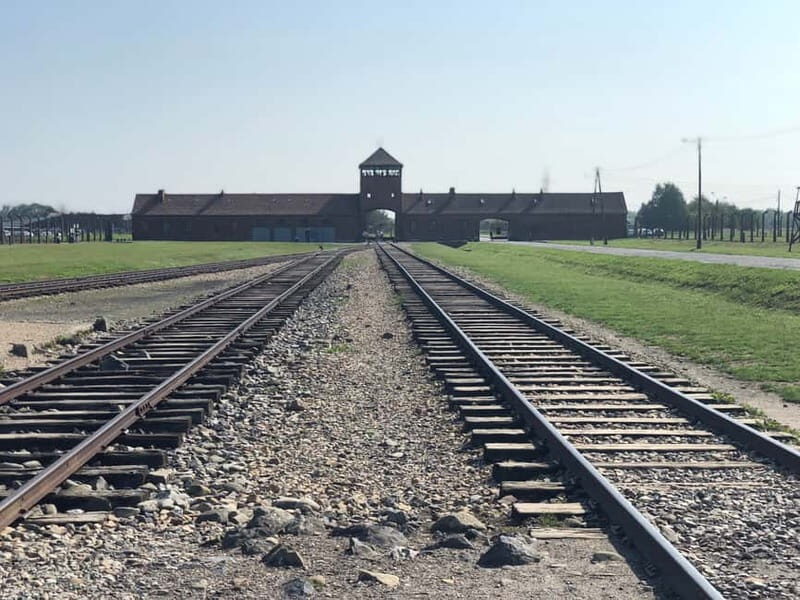
- Judenrampe and the original camp train car for a key visual moment
- Auschwitz I + Auschwitz II-Birkenau in one trip without needing to plan logistics
- Up to 30 visitors per guide for a small-group feel
- English-speaking host support from start to finish
Price and value: what you pay for with this Auschwitz trip
At $22 per person, this tour is positioned as a budget-friendly way to get to Auschwitz-Birkenau with transportation handled for you. For that price level, you’re mainly buying the mechanics of the day: pickup, a modern vehicle, and a host who keeps things organized so you can focus on the memorial itself.
What’s included can vary by option. You can get an included 3.5-hour guided tour if you pick one of the guided choices, and you may also get skip-the-line tickets if you choose the guided and skip-the-line version. If you select the option described as Roundtrip Transport + Tour Host Assistance to get Ticket, then the entry ticket is listed as not included—so you should plan for that cost if that’s your pick.
When value matters most for Auschwitz trips, it’s usually not about squeezing in extra stops. It’s about getting the timing right, not wasting time hunting tickets, and having enough structure that you don’t feel lost at a place where direction and rules matter. This tour does that with the combination of transportation, documentary context, and host assistance.
You can also read our reviews of more tours and experiences in Krakow.
Krakow pickup and the 75-minute ride with documentary support
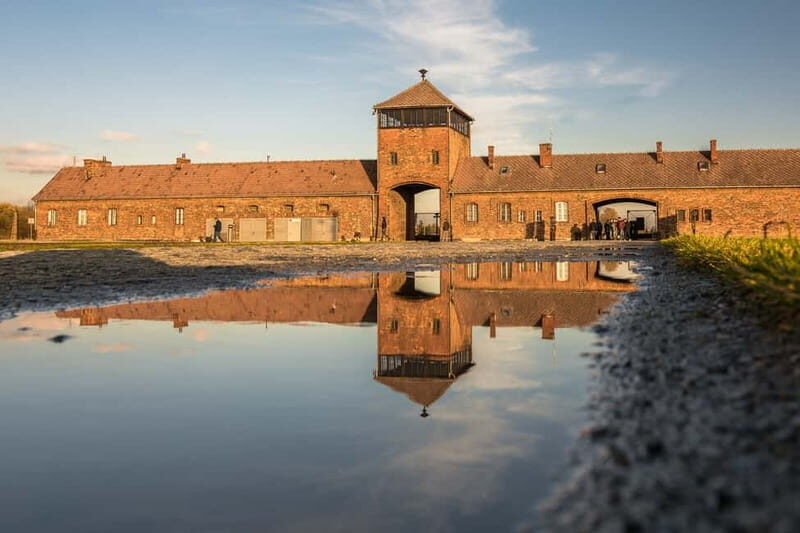
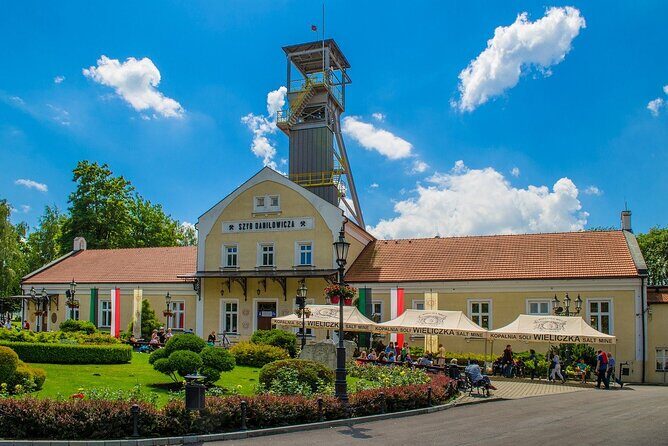
Your day starts in Krakow at the Radisson Blu Hotel (Tourist Bus Stop). You’ll want to arrive about 15 minutes early so you’re not rushing at the start. Pickup is scheduled from 5:00 AM to 11:00 AM depending on the start time, and it may shift by about 30–60 minutes, sometimes more, with notice sent by email and/or WhatsApp.
The drive is about 75 minutes, and the operator includes a documentary film on the way to Auschwitz. That matters because the memorial is heavy and dense; walking into it without any framing can feel chaotic. The documentary is meant to give you some historical orientation before you meet the first buildings and records you’ll see.
The host is also there to keep the group together and explain what happens next. If you’ve ever tried to do Auschwitz as a DIY day trip, you know the mental workload is real: tickets, transport, timing, and staying on track. This tour removes most of that pressure.
Judenrampe: seeing the original train car and using your 30 minutes well
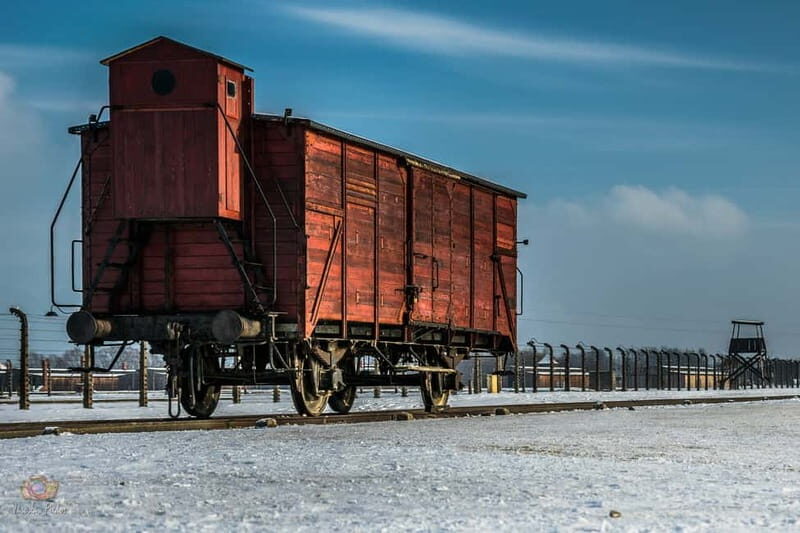
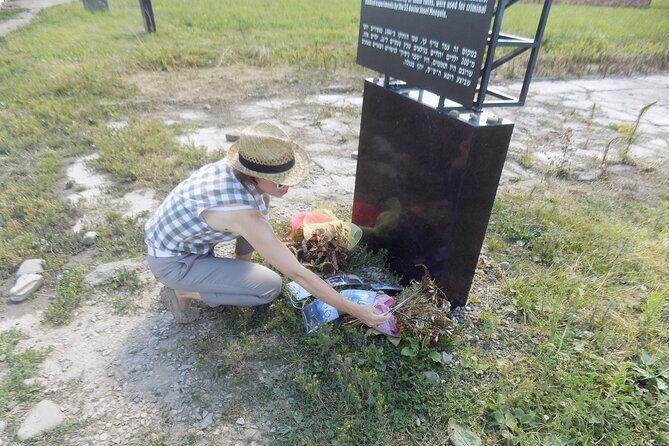
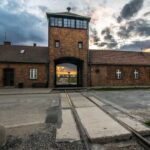
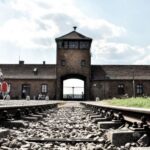
You’ll reach the Judenrampe area early enough in the flow that you can use it as a mental pivot point. This is a self-guided segment of about 30 minutes, and the key draw is that you get to see the original camp train car.
That train-car view is one of those moments that sticks with people, but the value is how you use the time. Stay oriented on the walk, read what’s available, and give yourself a few minutes to notice details without rushing. Because this stop is self-guided, you won’t have someone narrating every point, so your best move is to slow down and let the visuals do their work.
Also, keep in mind the general site rules. The tour lists restrictions like no luggage or large bags, and you must provide full name and contact details as part of booking. If your ID name doesn’t match what you enter, entrance can be refused, so have your documents ready and accurate.
Auschwitz I: why starting here gives you the whole system in context
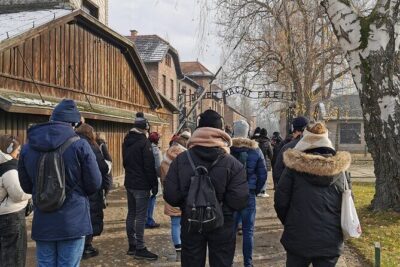
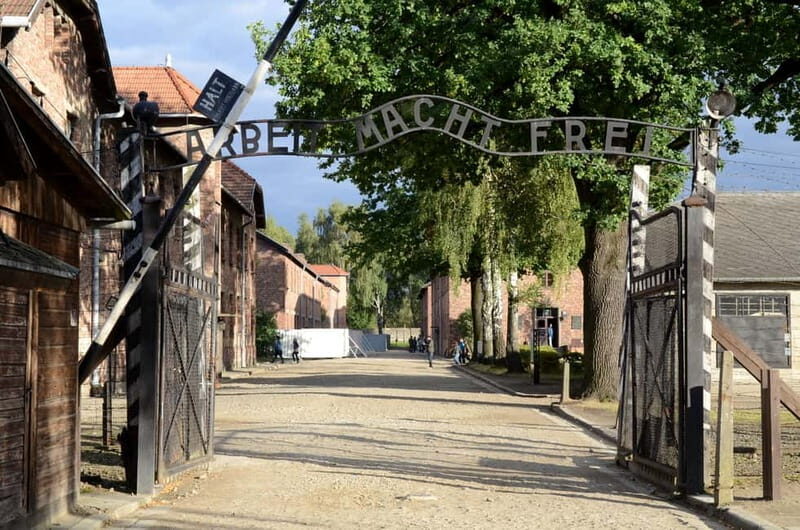
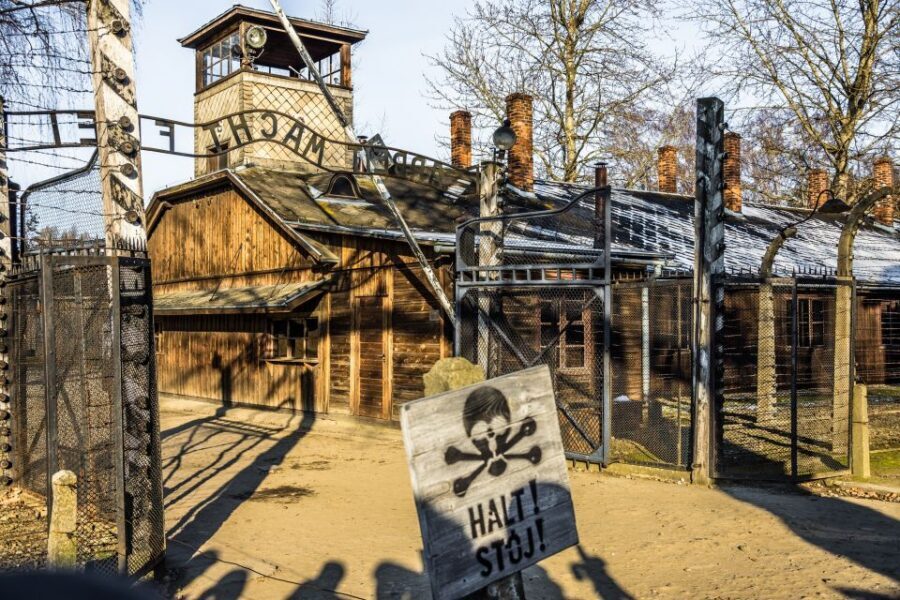
Your visit starts at Auschwitz I, the older part of the complex. This section matters because it explains how the Nazis built the foundation of the camp system that later expanded at Birkenau.
Here, the Nazis established the first camp for men and women, and it’s the place associated with the first experiments with killing using Zyklon B. You’ll also see how the Nazis murdered early mass transports of Jews, conducted criminal experiments on prisoners, and carried out executions by shooting. The experience is not just about individual buildings—it’s about understanding that this was a functioning machine.
One stop inside Auschwitz I that carries special weight is Block 11, described as the central camp prison that held prisoners from across the complex. The camp commandant’s office and most of the SS offices are also tied to this part of the memorial. When you walk through these spaces, you’re seeing the structure: power, bureaucracy, and punishment all in physical form.
A practical note: even though your visit includes guidance depending on your option, the pacing is influenced by memorial visitor services and regulations. Plan for the day to feel guided, but not rushed. The duration is listed as approximate for this reason.
Auschwitz II-Birkenau: the scale of extermination and what still remains
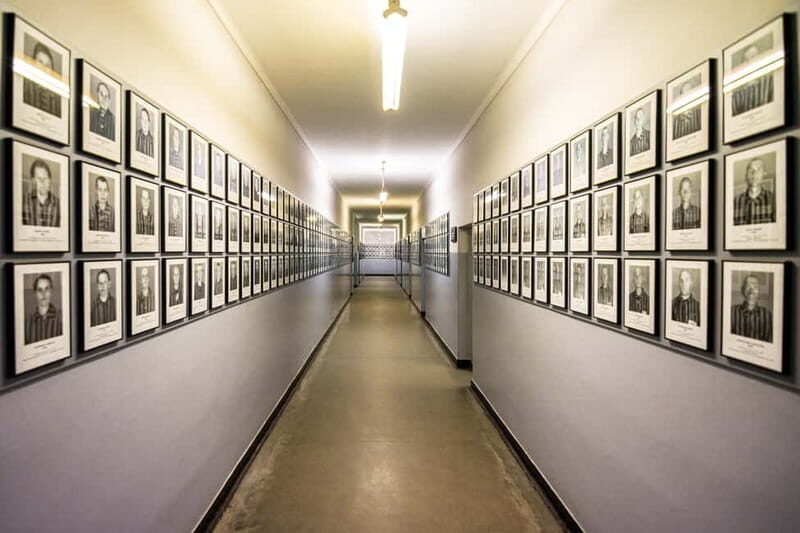
After your Auschwitz I portion, you’ll get a short break and then head to Auschwitz II-Birkenau, the larger extermination-focused area.
Birkenau is where the Nazis built most of the mass extermination facilities. The tour information states that approximately one million Jews were murdered there, and that the camp at its peak housed over 100,000 prisoners in 1944. The prisoner population included Jews, Poles, Roma, and others, which is important because it prevents the memorial from being reduced to one story line.
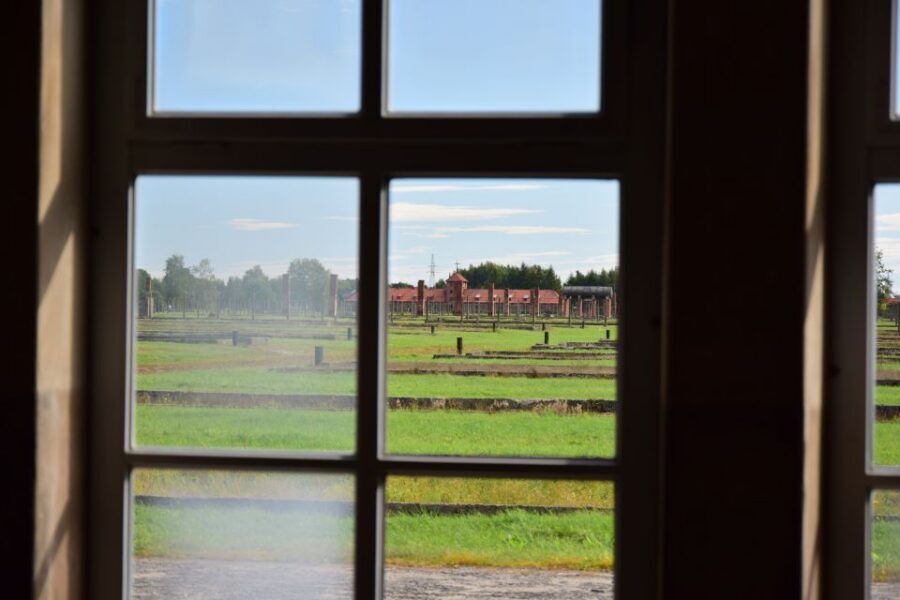
What you’ll experience here is scale. The tour describes nearly 300 mostly wooden barracks across about 200 hectares, with ruins of gas chambers and sites associated with human ashes preserved, plus miles of fencing and roads. This is not a place where you can treat the visit like a museum stroll. Even if you’re self-guided, your body will feel the distance and your eyes will track the remnants of a system designed for dehumanization.
The duration of your on-site time depends on the option you choose, but the experience is structured: you get time to absorb and then time to move on. If you selected a guided option, the guided portion includes Auschwitz-Birkenau for about 3.5 hours, which can help you connect what you see to what it meant.
Guided vs self-guided options: how to choose the right fit
This trip can be run as either self-guided or live-guided depending on your selected option, and that difference changes the way the day lands.
If you choose a guided option, you get a professional guide and the schedule includes a 3.5-hour guided tour of Auschwitz-Birkenau (plus skip-the-line tickets when that option is included). For many first-time visitors, this is the best value because it turns scattered information into a clear story. It also helps when you have questions—especially at a place where details matter and you don’t want guesses.
I also like that there is an English-speaking tour host throughout the whole trip, not just at one stop. Some groups were led by guides and hosts named Paweł, with professional guides listed as Marcin and Lucaz. Others mention Chris as a standout guide. A few reviews also reference Micheal (WALKER) and a driver named Gregory, with comments about clear English and a welcoming, organized feel. You can’t count on a specific person for every departure, but it’s a signal that communication and explanations are part of how this operator runs the day.
If you pick a booklet-based or self-guided option, you still get structure: the tour information mentions a brochure in your language with maps, sightseeing route suggestions, and detailed descriptions. That can work if you prefer reading at your own pace and you don’t want to stop repeatedly for explanations.
My practical advice: choose guided if you want the narrative threaded together for you. Choose self-guided/booklet if you plan to slow down, read thoroughly, and accept that you’ll be responsible for connecting the dots.
Comfort, rules, and the real-world walking day
You’ll want comfortable shoes. The memorial areas involve walking and standing, and the tour is not suitable for people with mobility impairments or wheelchair users. Even if you’re in decent shape, treat the day like a long hike that happens to be history.
There are also clear rules you should plan around:
- No luggage or large bags
- No alcohol and drugs
- You must bring a passport or ID card
- Your full name and contact details are required as part of the booking
- Entrance may be refused if your booking name doesn’t match your ID exactly
One more timing factor: your pickup time can shift (between 5:00 AM and 11:00 AM), and the operator usually adjusts by only 30–60 minutes, sometimes more. This is normal for long-distance touring days, so build a little slack into your Krakow morning plans and keep an eye on messages.
Also, remember that your tour duration is determined by memorial regulations. Don’t assume you’ll be able to squeeze another activity right after you return. This kind of day changes your headspace.
Getting back to Krakow: drop-off options and evening planning
After the visit, the tour includes a short break and then transportation back to Krakow. Drop-off is listed at four locations in the city: Starowiślna 65, Radisson Blu Hotel, Floriana Straszewskiego 17, and Wielopole 2.
That matters for planning. If your lodging is near one of those spots, you’ll waste less time getting home and decompressing. If it isn’t, you’ll likely use a short taxi or transit hop, but the key is that you won’t be stranded in the middle of nowhere.
Should you book this Auschwitz-Birkenau tour from Krakow?
Book it if you want an organized Auschwitz day that handles the hard logistics: pickup, transportation, and a guided or structured visit across both Auschwitz I and Auschwitz II-Birkenau. This is especially worth it if you’re traveling from Krakow and don’t want ticket-and-timing stress layered on top of an emotionally intense experience.
Choose guided if you want professional explanations and you prefer skip-the-line options. Choose self-guided/booklet if you want control over pacing and you’re comfortable reading and following a suggested route on your own.
Pass on it or look for another plan if mobility is an issue for you, since the tour is explicitly not suitable for wheelchair users. And regardless of option, go in ready for a day that is physically demanding and mentally heavy—this is history you feel, not just history you observe.
FAQ
How long is the Auschwitz-Birkenau tour from Krakow?
The duration is listed as 7 hours up to 570 minutes, and it can be longer (up to 11 hours) depending on the selected option.
Is pickup and drop-off in Krakow included?
Yes. Pickup is optional but generally offered from selected meeting points in Krakow, and drop-off is provided at four locations, including Radisson Blu Hotel and three other Krakow addresses.
What do I need to bring for the visit?
Bring a passport or ID card and wear comfortable shoes. You should also avoid bringing luggage or large bags, since they are not allowed.
Is a guided tour included?
It depends on your selected option. Some options include a 3.5-hour guided tour of Auschwitz-Birkenau with a professional guide, while other options are self-guided.
Are tickets included?
Skip-the-line tickets are included only if you select the guided & skip-the-line options. The entry ticket is specifically listed as not included for the option described as Roundtrip Transport + Tour Host Assistance to get Ticket.
Is the tour suitable for wheelchair users?
No. The tour is not suitable for people with mobility impairments or wheelchair users.