REVIEW · KRAKOW
Nowa Huta – a guided tour of a utopian socialist city
Book on GetYourGuide →Operated by BestKrakowWalks · Bookable on GetYourGuide
Steel, slogans, and stubborn faith.
This guided walk through Nowa Huta turns big political ideas into real street corners, buildings, and memorial sites. I especially liked seeing how Stalinist architecture and socialist planning feel up close, not just as “history on a plaque.” I also like how the tour connects the promised utopia to the friction it created between communism and tradition.
One thing to plan ahead: the tour price does not include transportation from Kraków city centre to Nowa Huta. If you don’t already know how you’ll get there, it’s worth sorting that out before you book, so you’re not stressed when the meeting time arrives.
In This Review
- Key things to notice on this Nowa Huta tour
- Nowa Huta: a steel mill that tried to replace old Kraków
- Central Square and aleja Róż: where ideology gets built into streets
- IS-2 Tank and Stalin-era neo-classicism you can actually walk through
- Our Lady Queen of Poland Church and the battle for the cross
- Ludowy Theatre: everyday culture inside a planned socialist world
- Solidarność legacy: why the district’s story isn’t finished
- Price and logistics for a 2-hour walking tour
- Should you book this Nowa Huta tour?
- FAQ
- How long is the Nowa Huta walking tour?
- What does it cost?
- Is the tour in English?
- Where do I meet the guide?
- What is included in the price?
- Is transportation from Kraków city centre included?
- Is free cancellation available?
- Can I reserve without paying right away?
Key things to notice on this Nowa Huta tour
- New steel mill, old neighborhood replacement: why the district was designed to reshape everyday life in Kraków’s shadow.
- Lenin’s name, then not: Central Square’s past and how political power leaves physical traces.
- Avenue of Roses: a planned grand street used as a stage for ideology and daily routines.
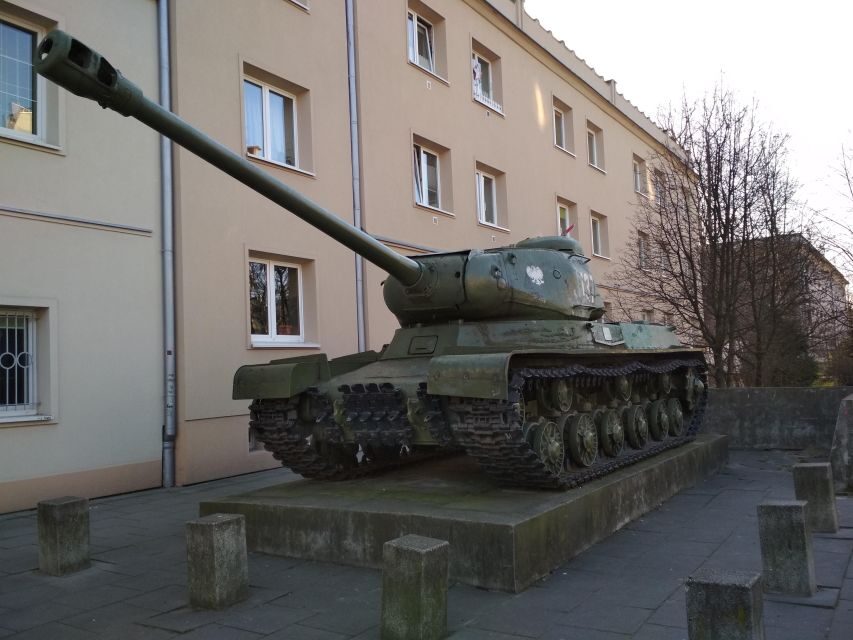
- IS-2 tank monument: how military symbols still point at the era’s priorities.
- Church in a godless city: the battle for the cross and early religious resistance, told through specific stops.
- Solidarity legacy: strikes and resistance mapped into the walk, not treated like an abstract concept.
Nowa Huta: a steel mill that tried to replace old Kraków
Nowa Huta literally means new steel mill, and that’s the point. After World War II, the communist government pushed to build a giant manufacturing plant along with a workers’ residential district, not just for jobs, but to shape a new kind of society.
The district was planned as a contrast to older Kraków, described through the lens of religiosity, traditions, and anti-socialist sentiment. In this “new people” vision, communism was meant to come with daily rhythms—and religion was treated as an obstacle to be removed. On this tour, you’ll see how that ideology was built into the streets, the architecture, and even the memorial landscape.
What I like best is that the story isn’t one-note. You’re not just touring communist monuments; you’re watching the clash play out through places tied to faith, strikes, and resistance. That’s what makes the walk feel practical, not like a history lecture.
You can also read our reviews of more guided tours in Krakow
Central Square and aleja Róż: where ideology gets built into streets
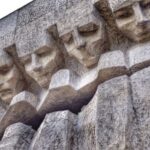
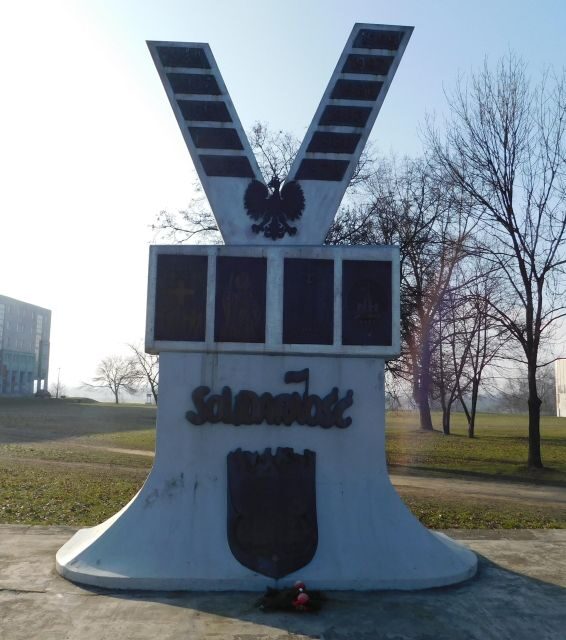
The tour starts at Pomnik Solidarności Bądź wierny, idź—a fitting opener because it immediately points you toward the anti-communist thread that runs through the district’s modern memory. From there, you move to Central Square, once bearing the name of Lenin, and your guide sets the scene for how this city was supposed to function.
Central Square is more than a meeting point. It’s a reminder that political regimes like to rename spaces, then treat those names as proof they’re in charge. As you stand where Lenin’s name once lived, you can feel the idea of “controlled meaning” that guided the planners.
Next comes aleja Róż (Avenue of Roses), described as the representative street of Nowa Huta. Even if you’re not a design nerd, you’ll probably notice how grand planning tries to create order and pride. A street like this is built to be seen—by residents and by visitors—so the symbolism isn’t hidden.
This stretch of the walk works well because it gives you a structure. Once you understand how the square and avenue frame power, the later stops (churches, monuments, and theatres) hit harder, since you can see how the whole district was designed to steer lives.
IS-2 Tank and Stalin-era neo-classicism you can actually walk through
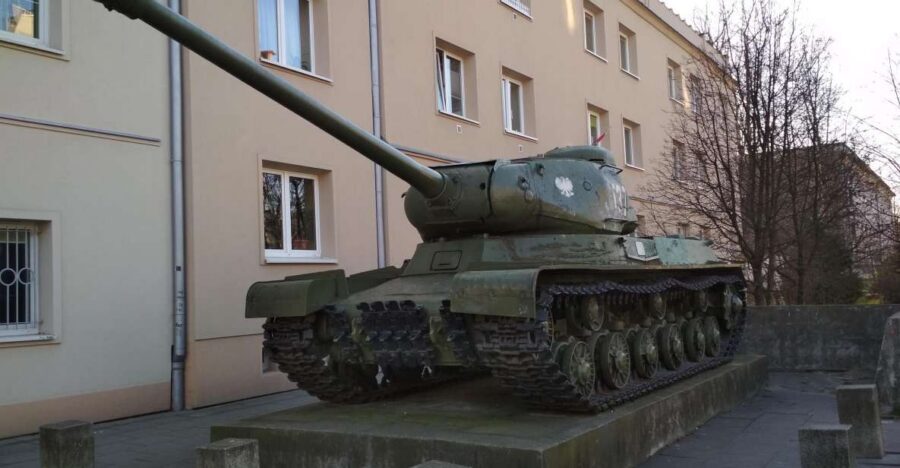
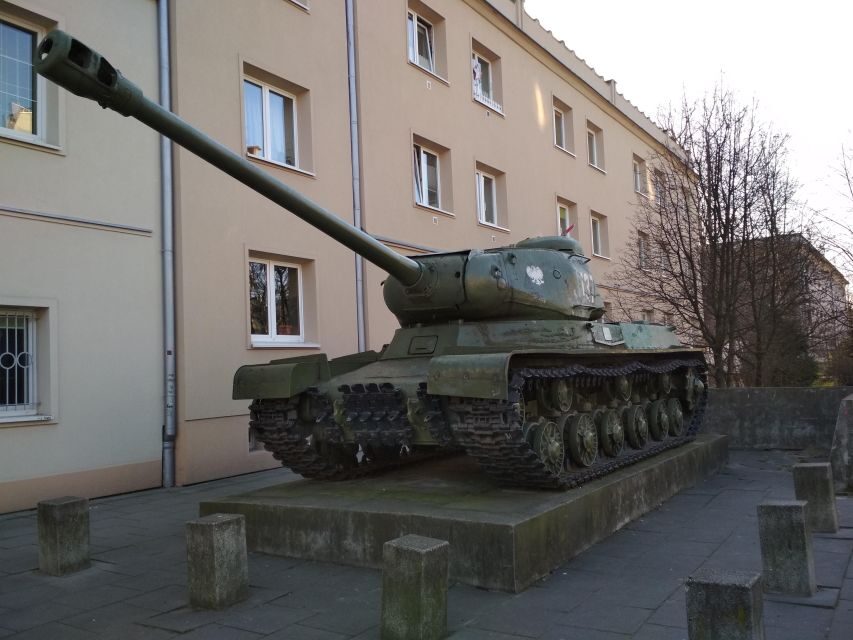
A short stop brings you to the Monument of the IS-2 Tank. It’s a reminder that the socialist project wasn’t only about housing and jobs. It also carried military power as a kind of public language—something to point at, day after day, so the regime’s worldview became normal.
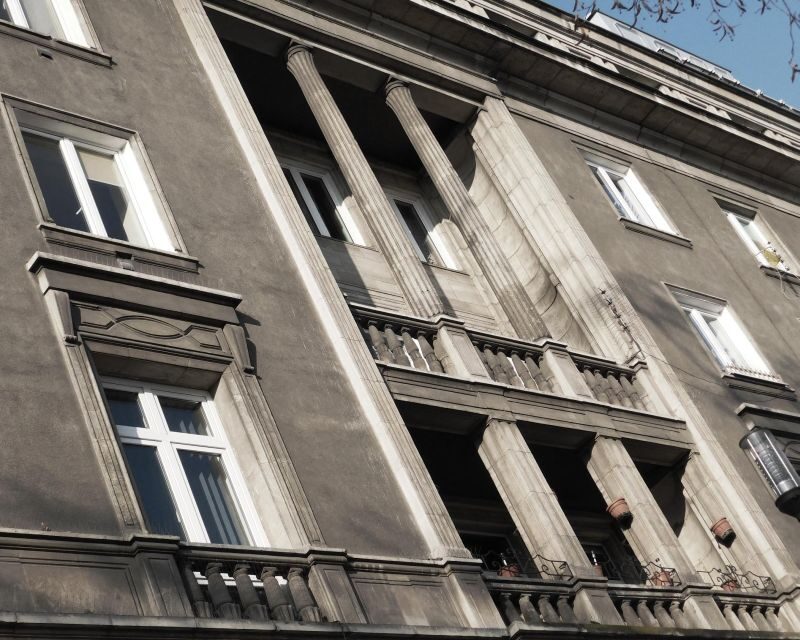
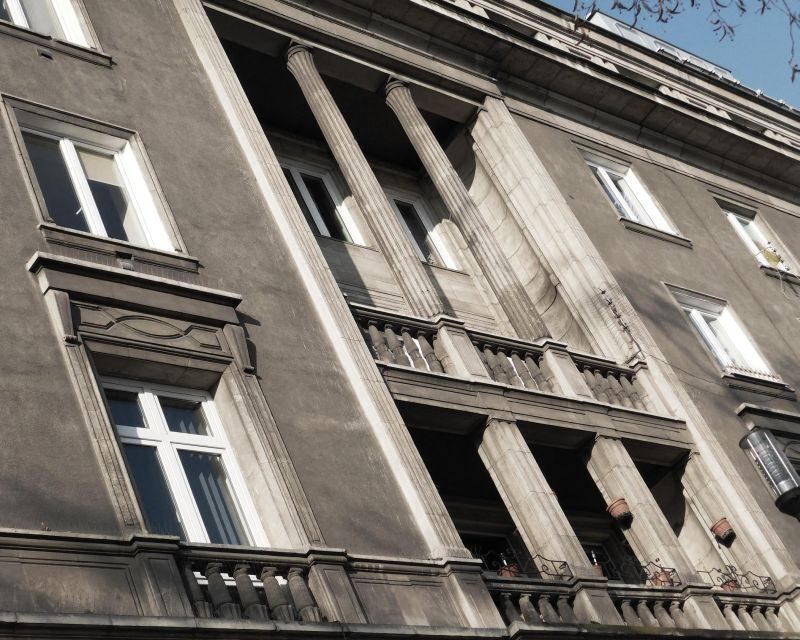
Then the tour leans into what you’ll probably notice first with your own eyes: the monumental neo-classical look associated with Stalinist-era planning. This is one of those “the photos don’t prepare you” situations. On the street, you see scale, symmetry, and an almost formal seriousness that turns architecture into messaging.
The practical value here is simple: you learn how to read the buildings. Instead of saying “it’s communist architecture,” you start asking questions like: Who wanted this to look this way? What was the intended emotion—certainty, discipline, strength? And how did residents adapt to it once the original promise changed?
One caution: if you only want pretty scenery, you might find the tone heavy. But if you enjoy watching how politics shows up in everyday design, this is a strong, focused segment.
Our Lady Queen of Poland Church and the battle for the cross
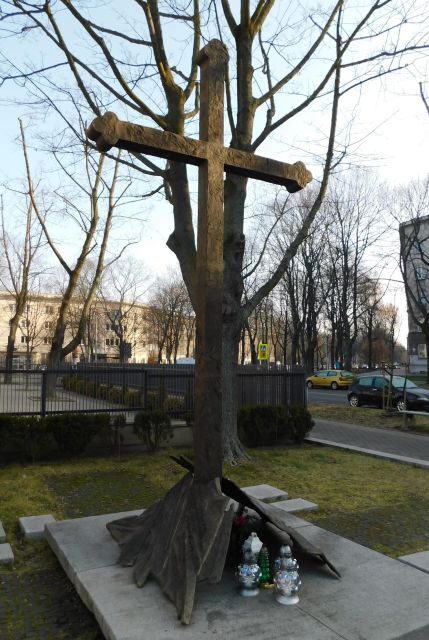
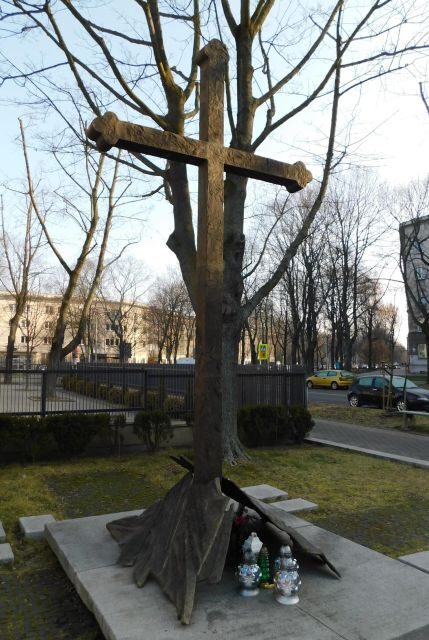
Now you get to the heart of the clash between tradition and communism. The tour includes the site connected with the battle for the cross and the first church in the godless city concept, plus a stop at Our Lady Queen of Poland Church.
The phrase godless city isn’t just dramatic wording—it explains why this part of Nowa Huta matters so much. The socialist plan was supposed to create a society that didn’t need God, and religious resistance became a visible test of that plan. When you stand at places tied to early religious presence, you’re not just looking at architecture; you’re witnessing a moment where belief refused to disappear.
What I appreciate is that the tour doesn’t treat religion as a generic “topic.” It ties it to specific locations and to the idea of who controlled public space. A church here isn’t only a place of worship. It’s a claim that identity couldn’t be redesigned from above.
If you’re sensitive to political stories, you can keep it grounded by focusing on the human scale: how communities respond when a system tries to rewrite their values. This is where the walking tour earns its emotional weight without turning into chaos.
Ludowy Theatre: everyday culture inside a planned socialist world
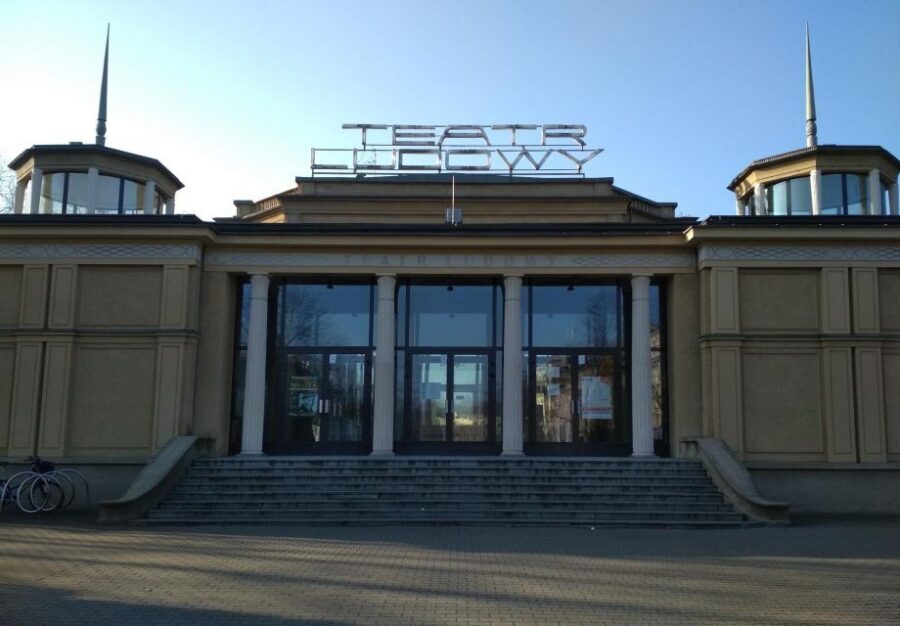
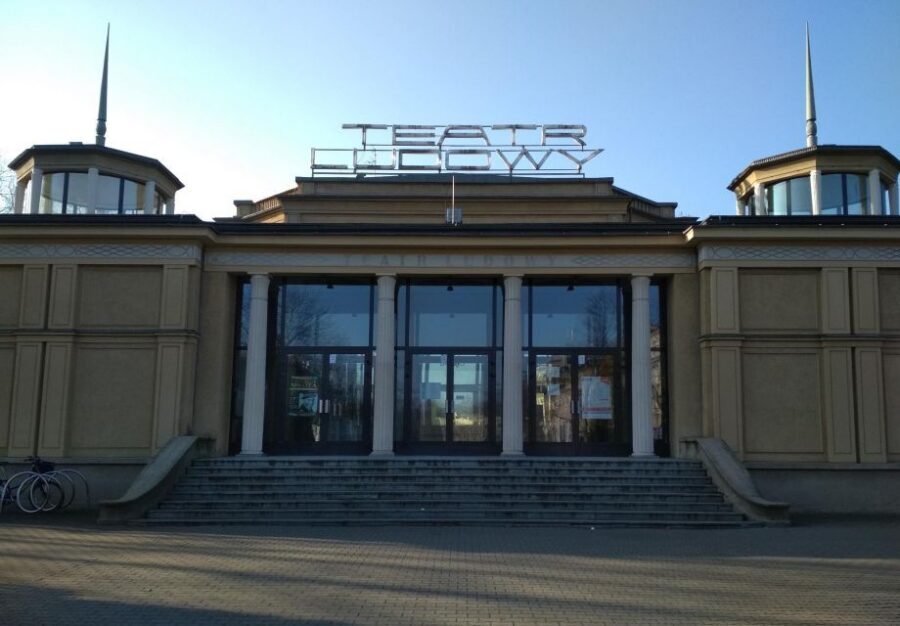
Next up is the Ludowy Theatre. Even though theatres can sound like a break from “serious history,” this stop makes a point: communist governments didn’t only build factories and housing. They also tried to shape culture.
In a district planned around socialist ideals, performance spaces become part of the social machinery. A theatre can offer entertainment, but it also supports the idea of collective life under a shared worldview. On this tour, you’ll connect the dots between the planned city and the types of community experiences the state could promote.
The practical tip I’d give you: don’t treat this as a museum-style stop where you just gather facts. Instead, stand and look around as if you’re imagining daily routines. Where would families gather? What would feel “normal” under the district’s original plan? Those questions help the theatre fit into the bigger story.
And yes, it also offers a nice change of pace. After monuments and churches, it re-centers the district as a lived environment—part ideology, part survival, part adaptation.
You can also read our reviews of more city tours in Krakow

Solidarność legacy: why the district’s story isn’t finished
You also spend time on locations connected with the legacy and strikes of Solidarność. That’s where Nowa Huta shifts from an explanation of a planned utopia into a record of resistance and change.
Solidarność wasn’t just an event; it became a symbol of people pushing back. The tour’s route brings that symbolism into the streets, starting with the Solidarność monument and then layering in how the district’s history ties to strikes and later memory. By the time you return to the starting monument, you’ll understand that the district has two overlapping narratives: the original socialist blueprint and the reality that challenged it.
The value for you is clarity. You’ll leave knowing that Nowa Huta isn’t only “communism versus religion.” It’s also workers, politics, organizing, and the ongoing struggle over meaning—where faith and labour both become forms of public life.
If you enjoy political history but get bored by big dates, this works because it anchors those ideas in places you can stand in. You can picture the district changing, not just reading about it.
Price and logistics for a 2-hour walking tour
The tour costs $69 per person and runs for 2 hours with a live English-speaking licensed private guide. For the time and the amount of ground covered—plus the number of meaningful stops—this feels like solid value, especially if you want context that you can’t easily get from a quick self-guided stroll.
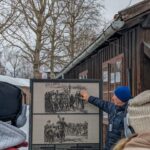
Here’s what you’re really paying for: interpretation. Nowa Huta’s architecture and monuments can look imposing, but without guidance they can feel like disconnected sights. The guide’s job is to connect the purpose of the new steel mill district to what you’re seeing—Central Square’s political name changes, the planned symbolism of Avenue of Roses, the military monument, and the religious resistance sites.
Your main logistics note is simple: transportation from Kraków city centre is not included. So budget time and decide how you’ll get there. Also, the meeting point is right by the Solidarność monument (Pomnik Solidarności Bądź wierny, idź), so don’t arrive late or you’ll waste the start of your tour.
One last practical thought: the best results come when you go with questions. I’d be ready to ask about how the socialist ideal was meant to work day-to-day, and why the clashes were so visible here. With that mindset, the walk turns from “seeing buildings” into real understanding.
Should you book this Nowa Huta tour?
If you want a short, guided way to understand how ideology shaped a whole district—and how ordinary people pushed back—this is a smart booking. The stops are focused, the story follows a clear thread from utopian planning to religious resistance and Solidarność legacy, and the guide quality seems to be a major reason the experience clicks.
If you’re the type who only wants scenic highlights with light context, the subject matter can feel heavy. But if you enjoy places with meaning and you like walking tours that teach you how to read what you’re seeing, you’ll probably find this one genuinely worthwhile.
FAQ
How long is the Nowa Huta walking tour?
The tour lasts 2 hours.
What does it cost?
The price is $69 per person.
Is the tour in English?
Yes, the tour is guided in English.
Where do I meet the guide?
Meet the guide waiting by the Pomnik Solidarności Bądź wierny, idź monument.
What is included in the price?
A licensed private guide is included.
Is transportation from Kraków city centre included?
No. Transportation from the city centre to Nowa Huta is not included.
Is free cancellation available?
Yes. You can cancel up to 24 hours in advance for a full refund.
Can I reserve without paying right away?
Yes. You can reserve now and pay later, keeping your plans flexible.