REVIEW · KRAKOW
Private Guided Tour to Auschwitz & Birkenau from Krakow
Book on Viator →Operated by Your Krakow Journey - Transfers & Tours · Bookable on Viator
Few sights change you as fast as this one. A private Auschwitz & Birkenau trip from Krakow turns a long, logistically tricky day into something you can actually manage. I like that you get hotel pickup and a private group (up to 3) so the ride feels calm and direct. The other big plus: timed visits at Auschwitz and Birkenau plus the right kind of guiding once you’re inside. The main drawback to plan for is emotional heaviness—and the day moves on a schedule, so the walking and pacing can feel tight.
One more smart thing here: you’re not sent off “to figure it out.” A driver handles the transfer and helps with getting through logistics smoothly, while the museum provides the formal guiding inside the sites. You also get a brief Krakow start on Wawel Hill, which gives your brain a place to land before the heavy part.
In This Review
- Key things that make this Auschwitz trip easier
- From Krakow: the private day that keeps you from wrestling logistics
- Hotel pickup and the drive: where the comfort matters
- Wawel Hill before the camps: starting Krakow, not just tragedy
- Auschwitz I: what the visit is really built around
- Birkenau time: the scale is part of the message
- Judenramp: a short stop with huge meaning
- The commandant’s residence building: seeing power in place
- Who guides you: transport driver vs museum staff
- Price and value: what you’re paying for with a group of up to 3
- What to expect on the ground: walking, weather, and emotional pace
- Best fit: who should book this private format
- Should you book this Auschwitz & Birkenau tour from Krakow?
- FAQ
- Is pickup included for this Auschwitz & Birkenau day trip?
- How long is the tour, and how long do you spend at each site?
- What’s included in the ticket price?
- Is this tour in English?
- Is it really a private tour?
- What’s the group size limit?
Key things that make this Auschwitz trip easier
- Pickup from your hotel or any Krakow location keeps the morning stress low
- Small group up to 3 means less crowd pressure than big buses
- English support for the overall experience (with museum staff guiding inside)
- Admission tickets included for Auschwitz and Birkenau stops (Judenramp is free)
- Efficient transfer aimed at getting you through ticket lines with less waiting
From Krakow: the private day that keeps you from wrestling logistics
This is a private outing designed around one simple goal: get you from Krakow to Auschwitz & Birkenau without turning your day into a complicated scavenger hunt. The format is straightforward. You’re picked up from your hotel or another Krakow spot, then driven to the camps, then brought back after your museum time.
The trip runs about 6 to 7 hours total, so it’s not the slow, wandering kind of “we’ll see what happens” day. That’s a good thing for most people here because official site entry is structured and the time you’ll spend inside is set.
You’ll also feel the “small group” difference. With up to 3 people, you’re more likely to keep your bearings. You can concentrate on what’s in front of you instead of competing for space in a large bus group.
You can also read our reviews of more guided tours in Krakow
Hotel pickup and the drive: where the comfort matters
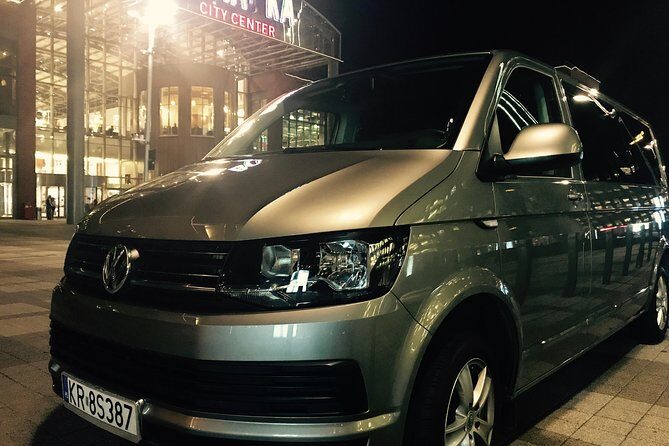
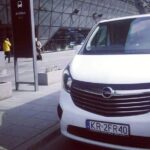
A lot of people underestimate the value of the ride itself. This tour has pickup arranged directly from your accommodation (or another place in Krakow). That means no early meeting-point dash, no guessing where to stand, and less friction if you just want a clean start.
In a few experiences, the driver has been named Oskar, with support from Aleksandra to help with the overall flow. One of the most practical takeaways from that style of service is efficiency—getting you to the right places on time and keeping the day running smoothly.
You might also appreciate small comfort touches reported in the ride experience, like a clean car and beverages provided. There’s even a hint of flexibility: at least once, the driver offered a stop for food on the way back when breakfast hadn’t happened.
Important detail for your expectations: the driving and tour logistics are handled by the tour’s transport lead, while the formal explanation inside Auschwitz and Birkenau is handled by official museum guides assigned by the museum.
Wawel Hill before the camps: starting Krakow, not just tragedy
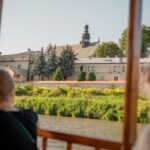
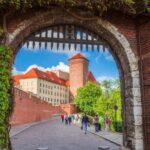
Your day isn’t only about Auschwitz. There’s a stop at the historic castle complex on Wawel Hill, overlooking the Vistula River. Even if it’s brief, it changes your mental tempo.
It helps to begin with something grounded in Poland’s present—architecture, history, a view—before you step into a place built to destroy lives. For me, that matters because Auschwitz is heavy enough that you don’t want your day to start already stressed.
Think of Wawel as a short reset: get your bearings, stretch your legs, look out over the river, then head toward the museum day ahead.
Auschwitz I: what the visit is really built around
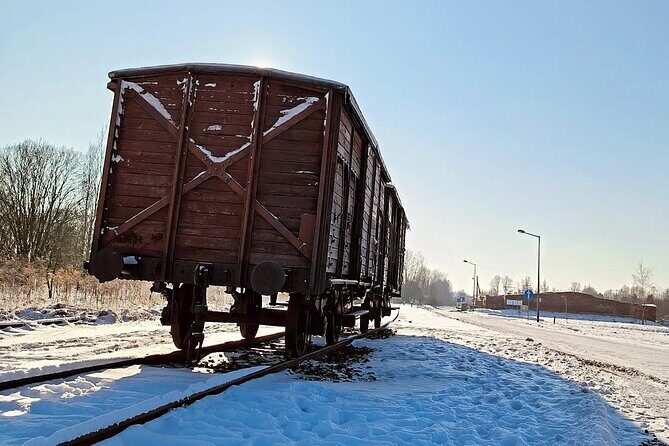
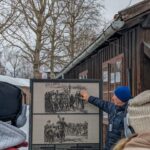
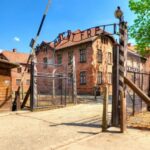
Auschwitz I is the part you’ll spend the most time in. The plan includes about 2 hours here, with admission ticket included for the museum visit. This is the area where the camp’s story is explained through preserved buildings, documents, and the physical layout.
The Auschwitz I section of the day is structured for understanding rather than “quick snapshots.” You’re there to see how the camp functioned and how the broader system of persecution was carried out. The key point: this is not just one building or one exhibit—it’s a whole working complex that communicates on multiple levels at once.
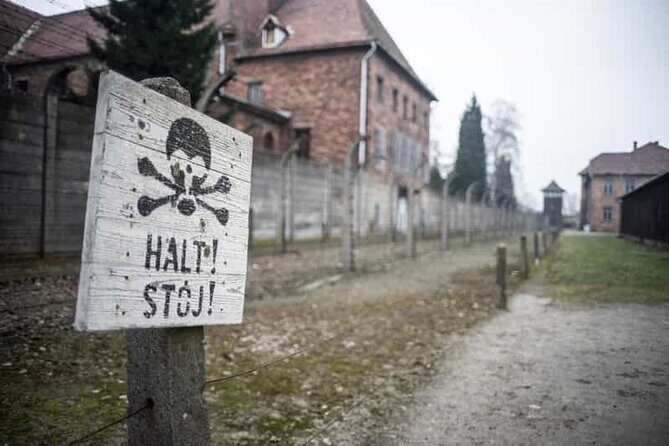
Here’s how I recommend you pace yourself during the 2 hours: slow down at the spots that force you to stop thinking like a tourist. Let your eyes rest on the layout, the barriers, the signage, and the stark logic of separation. Then give yourself short breaks in your head. Don’t try to speed-run the pain.
Also note one practical thing from past experience reports: the walking can feel like a lot if you’re not used to museum pacing. Wear proper shoes, and if you need to pause, do it without shame. This isn’t the day for endurance bragging.
Birkenau time: the scale is part of the message
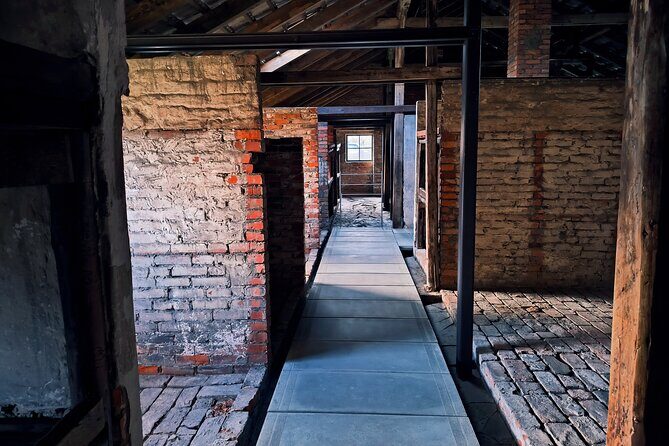
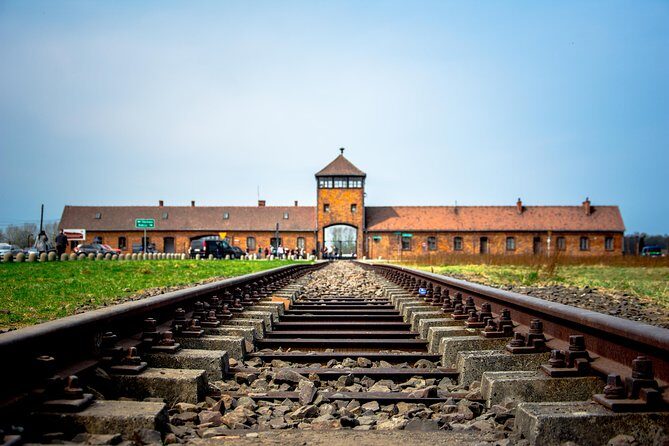
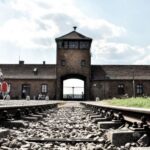
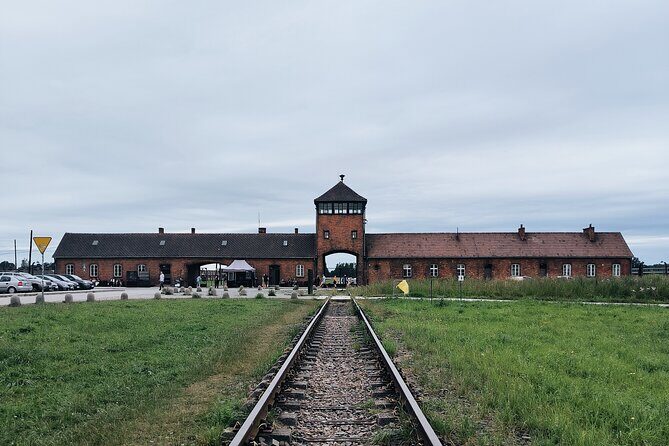
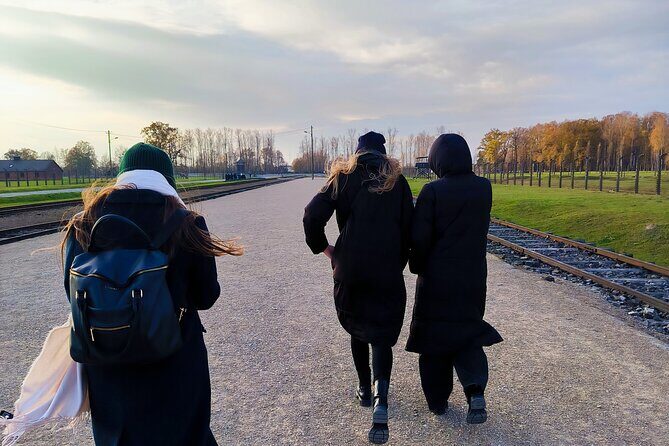
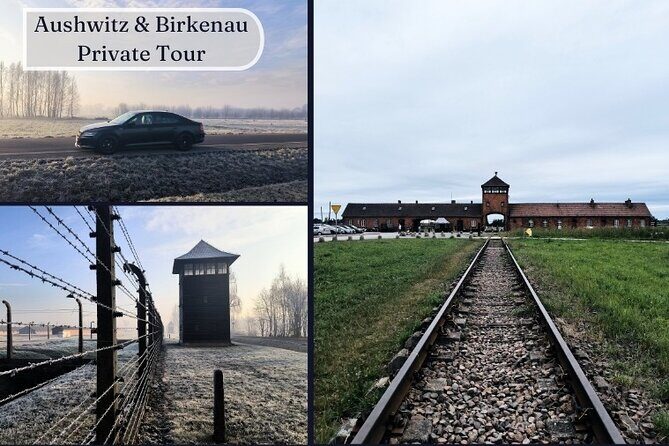
After Auschwitz I, you move on to Auschwitz II–Birkenau, the larger camp associated with mass extermination. The day plan includes about 1 hour here, with admission ticket included.
Birkenau can hit you in a different way than Auschwitz I. The scale feels immense, and the distances are part of what the site communicates. Even with guided explanation, the physical space makes it hard to keep your emotions “managed.” That’s normal.
If you’re someone who reads everything carefully, you might find the time feels tight. That’s not a quality problem; it’s how the schedule works. This trip is designed to cover the two essential parts without dragging the day into something exhausting.
A smart approach: focus on the sections your guide points you toward, then leave yourself a little time at the end to sit or stand quietly and take in what you’ve just learned. Let it land before the drive back.
You can also read our reviews of more private tours in Krakow



Judenramp: a short stop with huge meaning
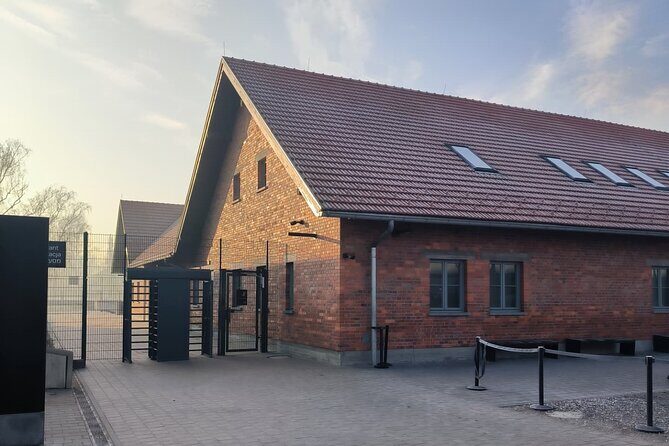
There’s also a stop called Judenramp, located between Auschwitz I and Birkenau. It’s listed as a very brief moment—around 3 minutes—and no admission ticket is needed for that specific stop.
Even though the time is short, the meaning is not. The Judenramp is remembered as an arrival point where the Nazis conducted selections, dividing people into those considered fit for forced labor and those sent directly toward the gas chambers.
For this stop, my advice is simple: don’t treat it like a photo moment. Treat it like a mental bookmark. Let the guide’s explanation frame it, then move on. The value of a short stop here is focus; too much lingering would turn this into a breakdown for many people.
The commandant’s residence building: seeing power in place
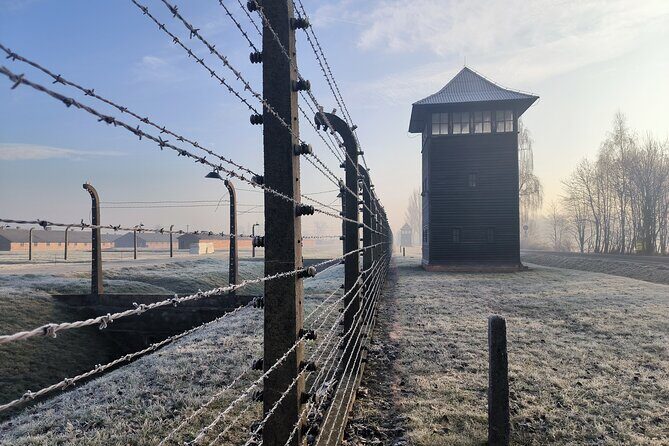
Another highlight on the schedule is the building that served as the residence of Rudolf Höss, the Auschwitz commandant, and his family (from 1940–1944). The tour also describes Höss’s role as one of the people who helped shape the Holocaust system at Auschwitz, including the use of gas and the development of facilities used for mass murder.
This stop matters because it shifts you from the victim-centered story you might already be bracing for, to a darker question: how did someone build and run this like a job?
It’s chilling to see that “administration” happened in real spaces, not just in documents and photographs. If you can, stand still for a moment here and let your mind connect the dots between everyday bureaucracy and everyday horror.
Who guides you: transport driver vs museum staff
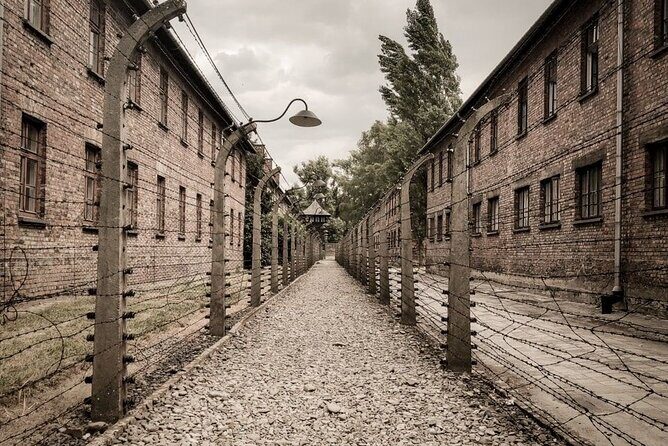
One of the most useful practical details is how guiding works on this tour. Your driver handles transport and timing, but the formal guides inside Auschwitz and Birkenau are official museum employees assigned by the museum.
That division explains a lot about why different people can report slightly different experiences. If you’ve ever visited a site with a live group explanation, you know audio can be tricky. One experience noted that it felt rushed and that it could be hard to hear at times.
If that matters to you, do what you can to reduce the odds:
- Position yourself so you can see your guide’s face and mouth.
- If you’re in a spot where you can’t hear, shift a few steps early, not after the important points are already gone.
- Bring your own coping strategy: take a breath, remember this is structured learning, not a casual stroll.
Also, since the transport lead is there for the ride and the flow, you can focus on the museum experience itself instead of juggling tickets and routes.
Price and value: what you’re paying for with a group of up to 3
At $461.96 per group (up to 3 people), you’re paying for a private, managed day rather than a cheap seat on a big bus. That might sound steep until you break down what’s included and what you avoid.
You’re getting:
- Pickup from your hotel or a Krakow location
- A private group size that keeps the day more controlled
- Admission tickets included for the Auschwitz and Birkenau museum components
- A smoother ride, including reported efficiency getting through lines
Here’s the value logic: if you’re traveling with one or two people, the “per person” cost drops quickly compared to paying separately for transfers, tickets, and coordinating meeting points. It’s also easier if you want to spend your energy on the site rather than the logistics.
The other value is time. A well-run transfer helps you avoid wasting your limited museum time. At Auschwitz/Birkenau, time is not just convenience—it’s how you keep from turning the visit into a blur.
What to expect on the ground: walking, weather, and emotional pace
This is not a “light” day. You’ll do walking, and you’ll be on your feet for the museum segments. One experience noted the day could feel rushed, and another emphasized how essential but heartbreaking it is.
The right prep matters:
- Wear comfortable shoes with grip.
- Bring a layer for weather changes (Krakow can be unpredictable).
- If you’re sensitive to sensory overload, plan a quiet buffer for later in Krakow—don’t schedule a big dinner celebration right after.
Emotionally, the best plan is honesty. You don’t have to be “okay” the whole time. You’re there to witness and learn in a real space where the tragedy happened.
Best fit: who should book this private format
I think this tour format is especially good for:
- Couples or small groups who want private pickup and a calmer schedule
- People who don’t want to manage transport and entry planning on their own
- Visitors who want English support and a clear split between transport logistics and official museum guiding
- Anyone who benefits from having someone handle the day flow while you focus on the experience
It may be less ideal if you strongly prefer a slow, unscheduled visit. This trip is built to cover the core places within 6 to 7 hours, which means less wandering and more “stay with the plan.”
Should you book this Auschwitz & Birkenau tour from Krakow?
Yes—if your priority is a well-run, small-group day with pickup and admission handled, this is a solid choice. The included museum tickets and the private transport time make it easier to spend your limited energy where it counts.
I’d book it if you’re going to feel overwhelmed by logistics or if you want efficient transfers and a clear structure. If you’re very concerned about hearing the guide at every moment, go in with the mindset that the museum guiding is official and can vary by group placement, and you may need to adjust your spot for audio.
FAQ
Is pickup included for this Auschwitz & Birkenau day trip?
Yes. Pickup is offered directly from your hotel or any other place in Krakow. You contact the provider through your booking or a WhatsApp app.
How long is the tour, and how long do you spend at each site?
The total duration is about 6 to 7 hours. The plan includes about 2 hours at Auschwitz and about 1 hour at Birkenau.
What’s included in the ticket price?
Admission tickets are included for the Auschwitz museum stop and for the Auschwitz II–Birkenau stop. The Judenramp stop is listed as free.
Is this tour in English?
Yes. The experience is offered in English.
Is it really a private tour?
Yes. It’s a private tour/activity, and only your group participates.
What’s the group size limit?
The price is per group up to 3 people.
If you want, tell me your travel dates and how many people you’re booking for, and I’ll help you sanity-check whether this timing and private format match your pace.