REVIEW · KRAKOW
From Krakow: Auschwitz-Birkenau Memorial and Museum Tour
Book on GetYourGuide →Operated by INTERCRAC Ltd. · Bookable on GetYourGuide
Auschwitz is not a normal day trip.
This tour from Krakow is 7 hours focused on what you can actually see at Auschwitz I and Auschwitz II-Birkenau, plus a documentary moment right after liberation. It’s heavy, but it’s also structured—so you don’t spend the day guessing or wandering.
I especially like the skip-the-line setup and the fact that you get a live guide who stays with you through both sites. I also like the emphasis on individual prisoner stories and the memorial spaces, not just the big-picture facts.
One drawback to plan for: there’s a lot of walking and outdoor time, and the site rules are strict (bag size limits, no flash). Bring the right gear, and you’ll have a smoother, more respectful visit.
In This Review
- Key things I’d watch for on this Auschwitz tour
- Auschwitz and Birkenau in one day: what this tour covers
- From Krakow: transportation, WiFi, and the pace of the day
- Skip-the-line entry: why it matters here
- Auschwitz I: dormitories, gas chambers, and exhibitions that explain the system
- The liberation film moment: seeing history right after it broke
- Auschwitz II-Birkenau: watchtowers, fences, barracks, and the remains
- Memorials and victim stories: what to remember as you walk
- Guide experience: live interpretation that stays respectful
- Price and value: is $81 worth it?
- What to bring (and what to avoid) for a smooth day
- Bag size limits and photo rules: tiny details, big impact
- Who this tour fits best (and who should skip it)
- Should you book the Auschwitz-Birkenau tour from Krakow?
- FAQ
- How long is the Auschwitz-Birkenau Memorial and Museum tour from Krakow?
- What’s included in the ticket price?
- Do I get to see both Auschwitz I and Auschwitz II-Birkenau?
- Is food included?
- What should I bring with me?
- Are photos allowed?
- Are there restrictions on bags?
- Can I bring a child or someone who uses a wheelchair?
- Is this tour refundable?
Key things I’d watch for on this Auschwitz tour
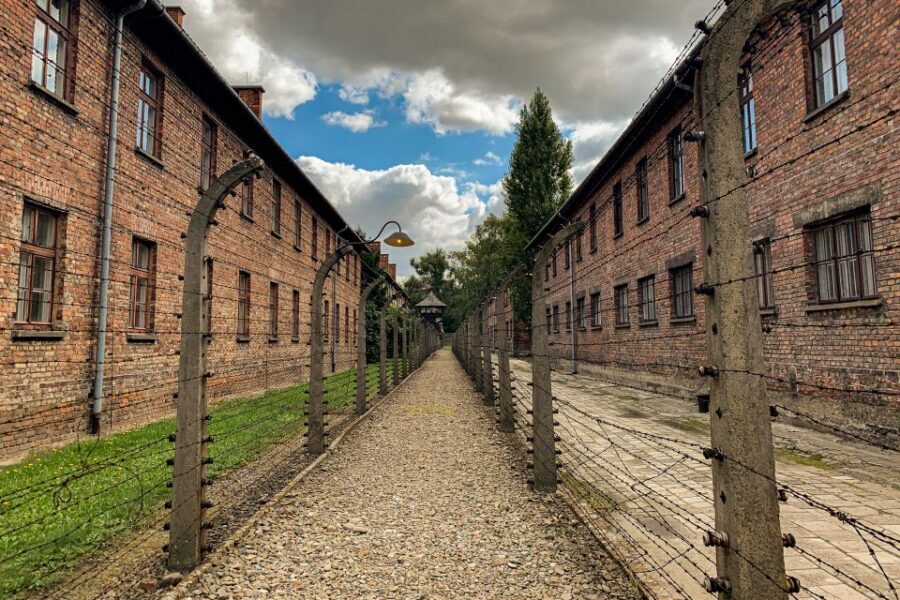
- Skip-the-line entrance via a separate entrance, so you lose less time at security.
- Both Auschwitz I and Auschwitz II-Birkenau in one guided day, rather than piecing it together.
- A documentary film showing the first moments after liberation in 1945.
- Memorial time for victims’ stories, not just general history.
- Strict rules: no flash, limited photo areas, and a 30 x 20 x 10 cm max bag size.
- A 15-minute break for snacks and a drink, so you should pack ahead.
Auschwitz and Birkenau in one day: what this tour covers
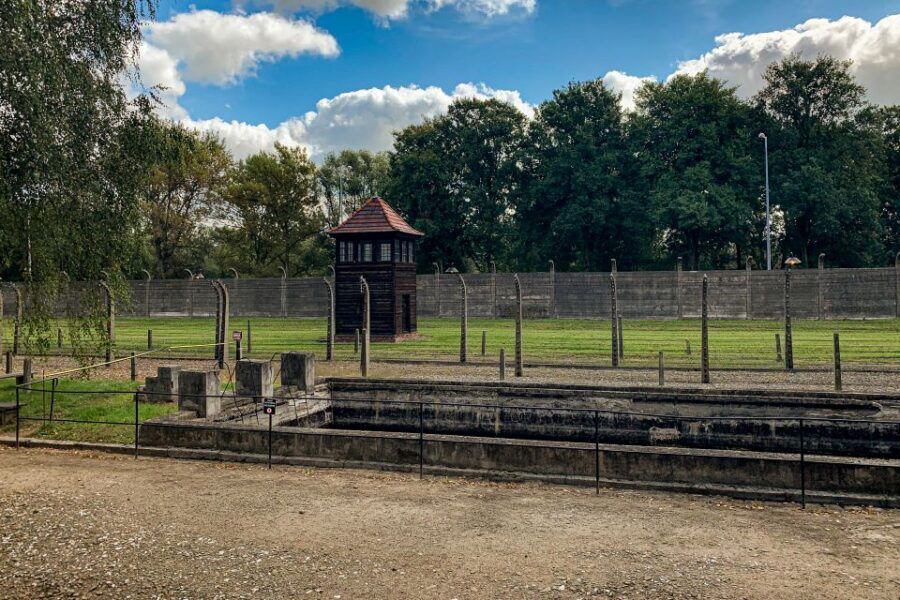
This is a focused, full-day tour of the Auschwitz-Birkenau Memorial and Museum, a UNESCO World Heritage site. You’ll visit both parts of the former camp system: Auschwitz I and Auschwitz II-Birkenau. The goal is simple—help you understand what happened there, where it happened, and why it matters.
The tour is framed around the Holocaust and World War II history, starting with the camp’s creation in 1940 and its evolution into a center for the Nazi plan often called the final solution. From there, the emphasis turns toward the human stories and the memorials, ending with liberation in 1945.
What makes this experience feel different from a basic history lesson is that it ties facts to specific remnants: buildings at Auschwitz I, and the ruins and locations at Birkenau where fences, barracks, and gas-chamber areas still define the space. You aren’t just reading about the past—you’re seeing how the camp functioned as a system.
You can also read our reviews of more museum experiences in Krakow

From Krakow: transportation, WiFi, and the pace of the day
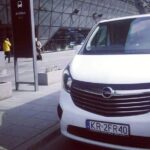
You’ll start in Krakow and ride in an air-conditioned vehicle with a professional English-speaking driver plus a guide. WiFi is included onboard, which can help if you need to check timing details or map your snack break.
Pickup is optional, but it’s not a free-for-all: if you want hotel pickup, you need to contact the operator no later than 24 hours before the tour. Meeting points can vary based on what option you book, so I’d treat that first confirmation message as your single source of truth.
Departures can fall between 6 AM and 3 PM, and the booked hours are tentative and may change. That matters because a day at Auschwitz already feels emotionally long—so if your timing shifts, you’ll want to be mentally ready for a different start.
Skip-the-line entry: why it matters here
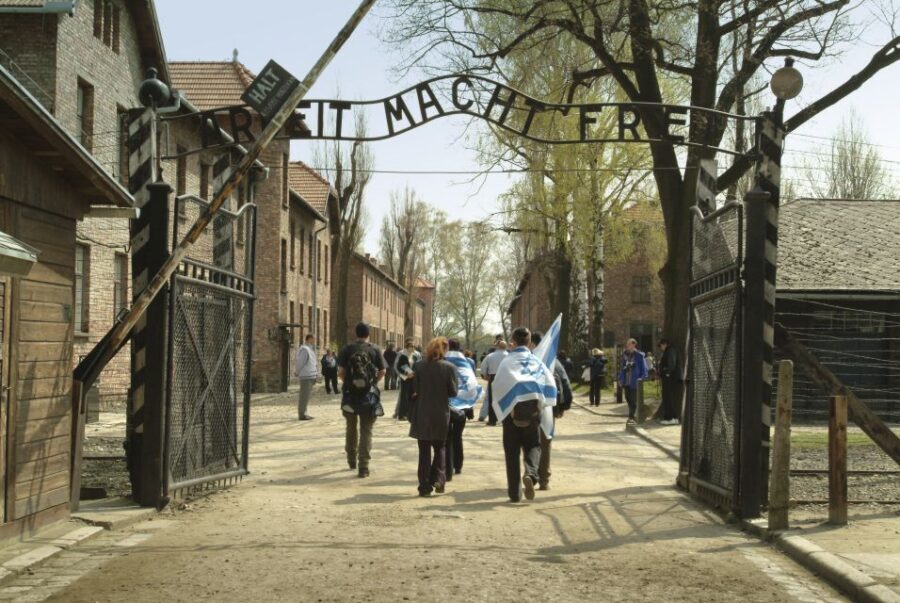
This tour includes skip the line entry through a separate entrance. That’s not just a convenience; it’s a quality-of-life upgrade for a site like this. You’re going to be focused and quiet, and waiting in long queues with a group isn’t the vibe you want when you’re headed into something this serious.
After entry, you’ll be under the guidance structure of the museum visit. That helps you move in the right order through the camp spaces and understand what you’re seeing without losing time to logistics.
Auschwitz I: dormitories, gas chambers, and exhibitions that explain the system
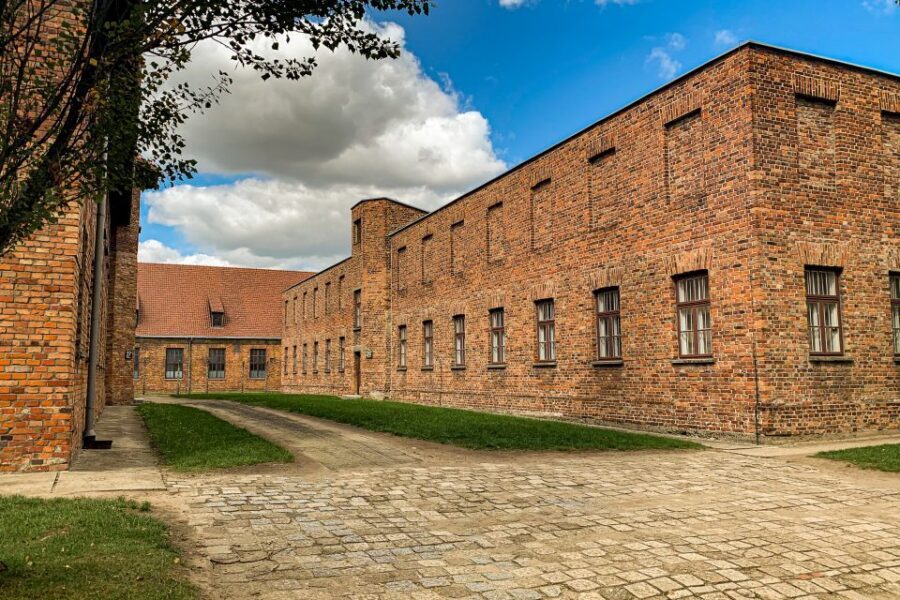
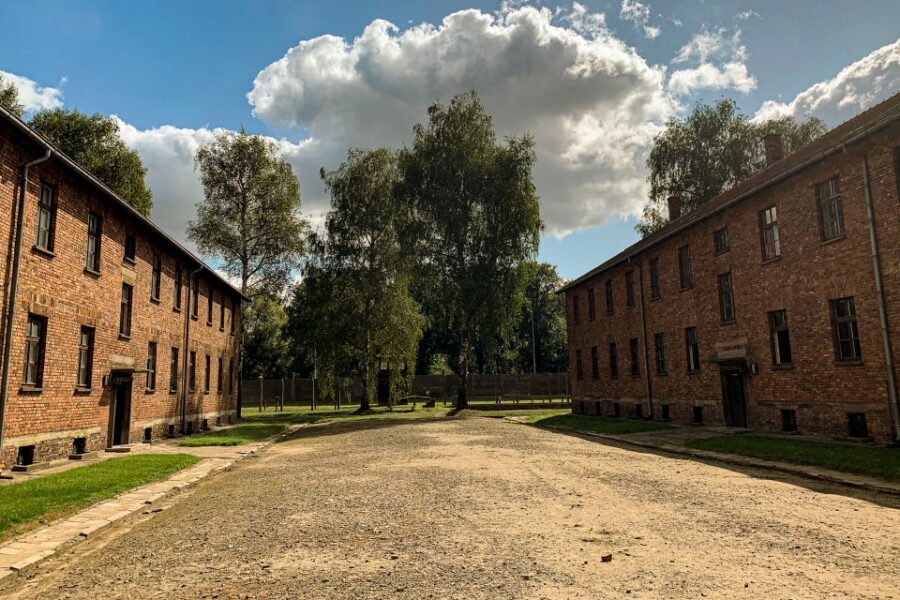
Auschwitz I is where the tour digs into the camp’s earlier infrastructure and daily machinery. You’ll see prison dormitories, gas chambers, and exhibitions. The buildings and display areas help turn history into something physical—rooms, layouts, and evidence.
This part also sets expectations for how Auschwitz worked. You’ll learn that it was established by the Nazis in 1940 and later became a major center for genocide. Even if you’ve read books or watched documentaries already, Auschwitz I has a way of making the information feel less abstract because you can connect the narrative to the architecture.
One thing I like about this format is that it doesn’t rush you straight to the most talked-about spots. The exhibitions give context—what the Nazis planned, how the camp functioned, and how the system evolved. Then the tour can move into the memorial message with a clearer understanding of why the locations matter.
The liberation film moment: seeing history right after it broke
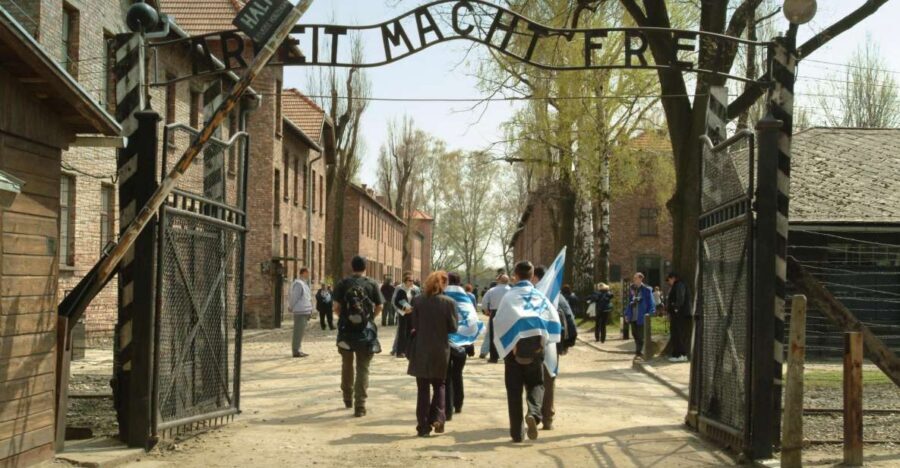
Part of the experience includes a documentary film that presents the first moments after liberation in 1945. That’s an unusual inclusion for many tours, and it’s worth paying attention to.
When the film shows the immediate aftermath, it helps you understand something that’s easy to miss: liberation wasn’t a triumphant movie ending. It was a shock, a discovery of what had been hidden, and an urgent transition toward survival, recovery, and documentation.
This “after” lens also makes the rest of the tour feel more grounded. Instead of treating the Holocaust as a chapter that ends with 1945 dates, you feel the sudden reality of liberation.
Auschwitz II-Birkenau: watchtowers, fences, barracks, and the remains
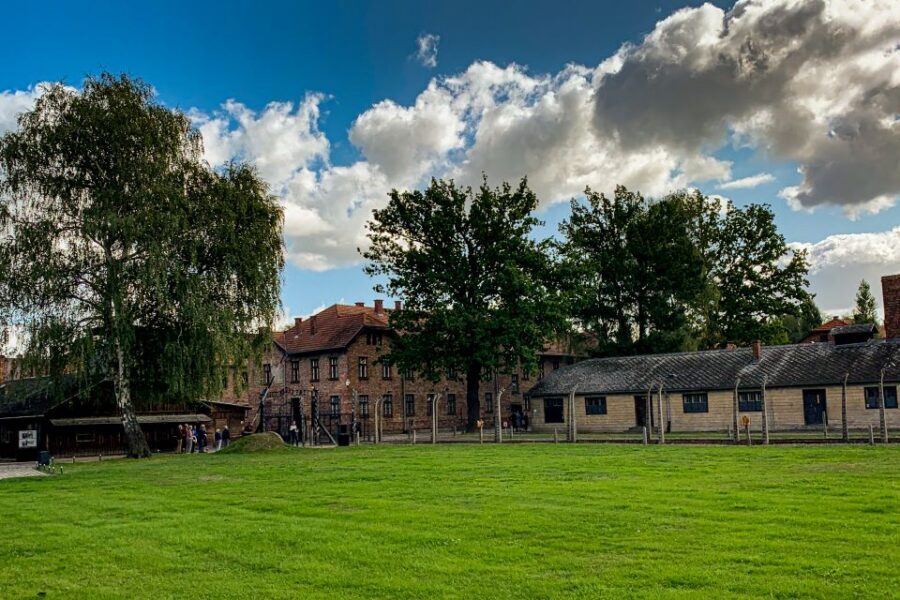
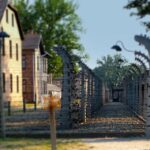
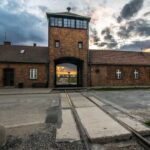
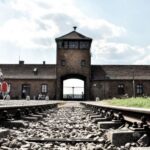
Birkenau is where the scale hits hard. You’ll see what remains of watchtowers, fences, barracks, and gas chambers. Even when buildings are gone, the camp’s layout still reads like a blueprint for control and mass killing.
At Birkenau, the gaps and ruins can be misleading if you don’t have guidance. A good guide helps you connect the physical remains to what they were built to do. That’s important because your brain wants to fill in the blanks, and you don’t want guesses taking over your understanding.
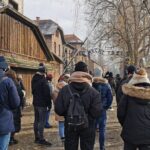
This is also the part of the day that’s most affected by conditions. More of the tour is outdoors, and there’s a lot of walking across uneven ground and memorial paths. If you’re prone to feeling worn down, pace yourself early. Save energy for the moments where the guide points out details you’d otherwise miss.
Memorials and victim stories: what to remember as you walk
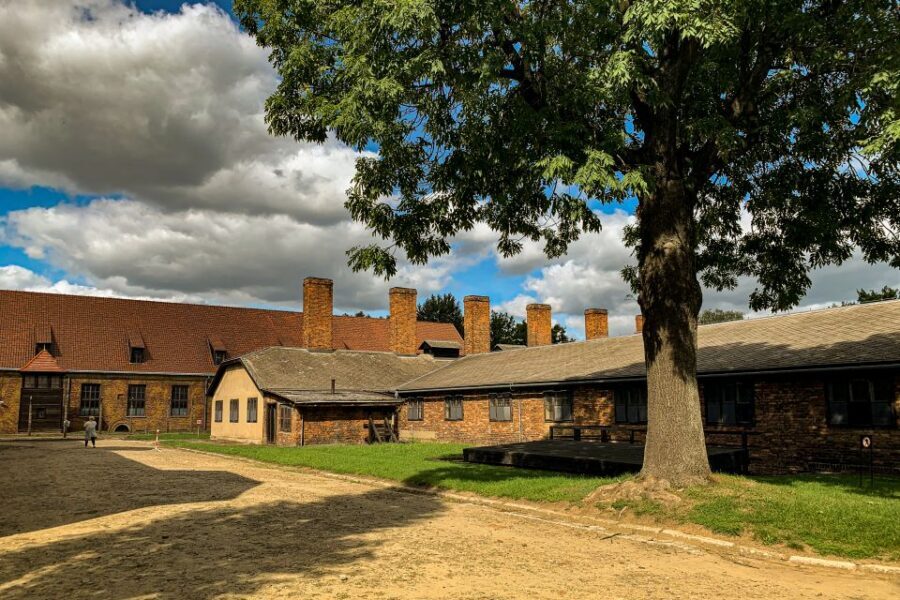
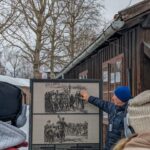
The tour doesn’t stop at camp mechanics. It traces stories of individual prisoners and includes visits to memorials honoring victims of the camps. That’s the emotional core of the experience, and it’s also the part that changes how you carry the day afterward.
You’ll learn about the history of WWII and the liberation of Auschwitz in 1945, but the tour keeps returning to the human cost. It’s a reminder that genocide wasn’t only a Nazi policy—it was carried out against real people with names, backgrounds, families, and identities.
A practical tip: when you’re in memorial areas, slow down. Don’t treat it like a checklist. If you need a moment, use it. The tour gives structure, but you still need room to process.
Guide experience: live interpretation that stays respectful
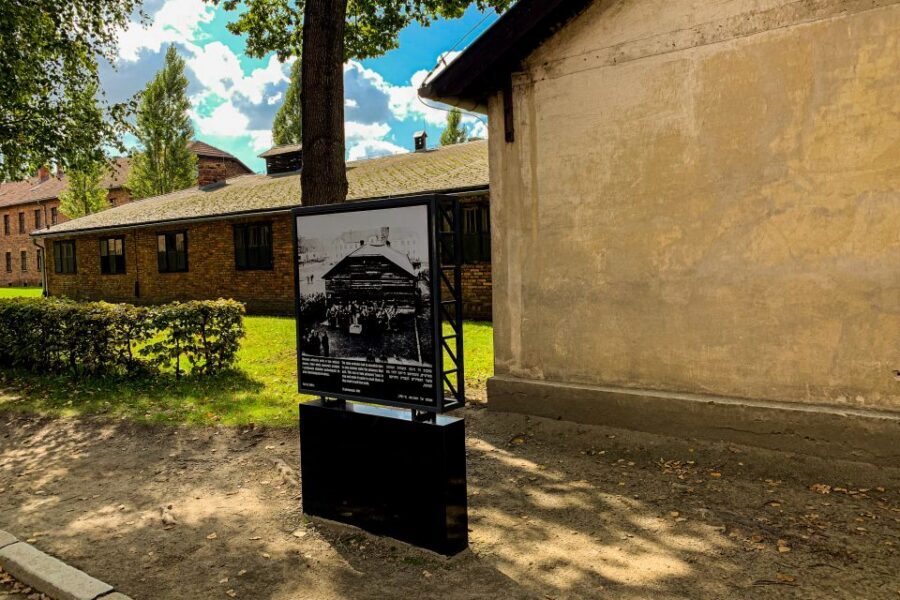
This is a live guided tour in multiple languages, including English, French, Spanish, Dutch, and Italian. That matters because Auschwitz needs careful explanation. A strong guide helps you understand sensitive material without turning it into a lecture that bulldozes your attention.
You may hear about guides by name depending on your group and schedule. I’ve seen examples like Sylvie, Joanna, and Jacek showing up in guide stories tied to this kind of Krakow tour. The common theme is thoughtful pacing—keeping people informed while also handling sensitive topics with care.
Also, in the real world, good guidance can reduce stress. If questions pop up, a clear guide helps you answer them without feeling rushed. And because the tour runs tightly within a 7-hour window, it’s nice when the guide stays organized so you don’t end up lagging behind or missing key stops.
Price and value: is $81 worth it?
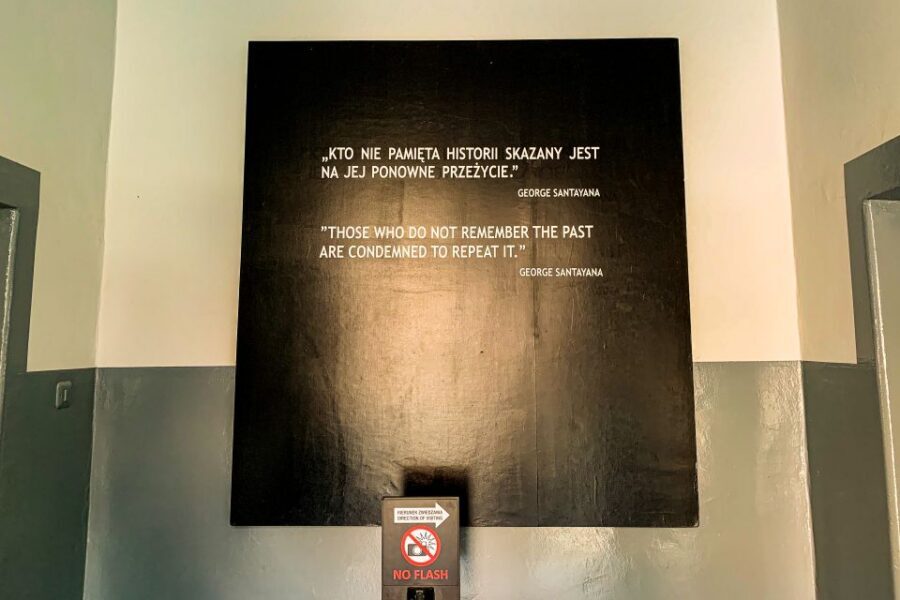
At $81 per person for a 7-hour guided visit, the value comes from what’s included. You get:
- Professional driver and air-conditioned transportation
- A guide
- WiFi on board
- Skip-the-line entrance
For many travelers, that package is exactly what you want for a day that already demands emotional energy. You’re not handling transit on your own, and you’re not losing time at entry lines.
The main cost pressure is what’s not included: food and drink. There is a 15-minute break during the tour when you can eat a snack and drink. So you’ll either want to pack snacks ahead of time or plan to buy before you’re locked into the camp schedule.
If you’re budgeting, factor that in. A day like this is worth paying for access and guidance, but it’s also worth being practical with your snack supply so you don’t end up hungry during memorial time.
What to bring (and what to avoid) for a smooth day
Bring passport or ID card. All participants are required to provide full name and contact details at booking, and entrance can be refused if the name on the booking doesn’t match the name on your ID.
Pack snacks plus a reusable water bottle. The tour has a short break, and you’ll appreciate having something ready instead of trying to hunt for food at the wrong time.
Dress for the weather. Outdoor time is part of the day, and a jacket can be a game-changer if the wind picks up. Also, wear comfortable walking shoes—you’ll be on your feet more than you might expect for a “single day” tour.
One more rule that affects what you carry: flash photography is forbidden, and photos are only allowed in selected parts. So you’ll want to keep your camera ready, but respect the limits on when and where you can use it.
Bag size limits and photo rules: tiny details, big impact
Museum rules are strict here, and it’s worth treating them as part of your planning, not as last-minute surprises. Your backpack or handbag can’t exceed 30 x 20 x 10 cm. Larger bags must be left in the bus.
If you’re the type who likes to bring everything “just in case,” simplify. A small bag with your ID, a water bottle, and a snack plan will keep you from getting stressed at security.
For photos: no flash. You can take photos only in selected parts of the museum. That means you should be ready to put the camera down when the setting shifts to memorial spaces where you’re meant to be present.
Who this tour fits best (and who should skip it)
This tour is not suitable for children under 15 and not suitable for wheelchair users, based on the tour requirements and the way the sites are accessed.
If you’re an adult who wants a structured, guided visit that covers Auschwitz I and Auschwitz II in one day, this is a strong fit. It’s also a good choice if you prefer interpretation—someone explaining what you’re seeing rather than you trying to piece together the camp’s function alone.
If you’re sensitive to long emotional days, plan recovery time afterward. This kind of visit can feel mentally heavy, even when it’s well organized. Bring patience with yourself.
Should you book the Auschwitz-Birkenau tour from Krakow?
If you want guided structure, skip-the-line entry, and a day plan that covers both camp sections—Auschwitz I plus Auschwitz II-Birkenau—then yes, this is the kind of tour I’d recommend. The $81 price makes more sense when you account for transport, guide leadership, and access time saved.
Book it when you can follow the basic rules: bring the right ID, stick to bag limits, and come prepared with snacks and weather clothing. If you’re not comfortable with strict site rules or long walking time, you may need to rethink your approach.
Most importantly, treat this as a day you plan to respect. The best version of the experience is the one where you slow down enough to absorb what you’re seeing—and let the guide’s pacing help you stay steady through the hardest parts.
FAQ
How long is the Auschwitz-Birkenau Memorial and Museum tour from Krakow?
The duration is 7 hours. The exact starting times depend on availability, and booked hours are tentative and may change.
What’s included in the ticket price?
It includes a professional English-speaking driver, transportation by air-conditioned vehicle, a guide, and WiFi on board. It also includes skip-the-line entry through a separate entrance.
Do I get to see both Auschwitz I and Auschwitz II-Birkenau?
Yes. The tour covers Auschwitz I (including prison dormitories, gas chambers, and exhibitions) and Auschwitz II-Birkenau (including remaining watchtowers, fences, barracks, and gas chamber areas), plus memorial visits.
Is food included?
No. Food and drink are not included. There is a 15-minute break during the tour when you can eat a snack and drink.
What should I bring with me?
Bring passport or ID card, snacks, weather-appropriate clothing, and a reusable water bottle.
Are photos allowed?
Flash photography is forbidden. Photos are allowed only in selected parts of the museum.
Are there restrictions on bags?
Yes. The maximum size of backpacks or handbags allowed into the Museum is 30 x 20 x 10 cm. Larger bags must be left in the bus.
Can I bring a child or someone who uses a wheelchair?
No. The tour is not suitable for children under 15 and wheelchair users.
Is this tour refundable?
No. The activity is listed as non-refundable, and museum tickets are also non-refundable. Also, entrance may be refused if the full name on your booking doesn’t match the name on your ID exactly.