REVIEW · KRAKOW
Jewish Krakow Walking Tour in English
Book on GetYourGuide →Operated by Walkative Tours · Bookable on GetYourGuide
Krakow’s Jewish story is easy to follow on foot. This walking tour links Kazimierz and Podgórze with clear context: you start at the Old Synagogue area, learn why the synagogues mattered, and then move toward where the ghetto story unfolded from 1941 to 1943. It’s heavy material, but the route is laid out in a way that helps you understand what you’re seeing.
I especially love the focus on the places where the Holocaust happened in Kraków, not just general background. I also like how the tour connects the war years to what life looks like now in Kraków’s Jewish district. One consideration: it’s a 150-minute walk over cobblestones in parts, so comfy shoes matter and the topic can feel intense.
With a 4.8 rating from 102 reviews, it’s clearly a popular pick for first-timers who want structure. If you’re traveling in rainy weather or ending farther from where you started, give yourself a little extra time to find your bearings and get back on your own.
In This Review
- Key things I’d plan around
- Krakow’s Jewish quarter, mapped for understanding
- Where the tour begins: Old Synagogue stairs
- Kazimierz: the surviving synagogues you can still see
- Podgórze: walking the ghetto story from 1941 to 1943
- How the guide narrative keeps the story clear
- Price and value: $26 plus the pay-what-you-wish model
- Comfort, pace, and the walk’s real-world details
- Who should book this walking tour in Krakow
- Should you book? My straight take
- FAQ
- Where is the meeting point?
- How long is the Jewish Krakow walking tour?
- How much does it cost?
- What’s included in the price?
- What is not included?
- Is the tour offered in English?
- Is the tour wheelchair accessible?
- What is the cancellation policy?
- Is this a pay-as-you-wish tour?
Key things I’d plan around
- 150 minutes on foot: Enough time for real context without turning into an all-day slog.
- Surviving synagogues in Kazimierz: You learn what endured and why it’s meaningful.
- Podgórze ghetto sites (1941–1943): The walk grounds the Holocaust story in specific streets.
- English live guide with a built narrative: The pacing is meant to keep you moving and understanding.
- Mid-tour pause is possible: Some groups get a break for coffee, which helps if you have kids or need a reset.
- Pay-as-you-wish element: Your price covers reservation plus guide payment, so plan for rewarding the guide appropriately.
Krakow’s Jewish quarter, mapped for understanding
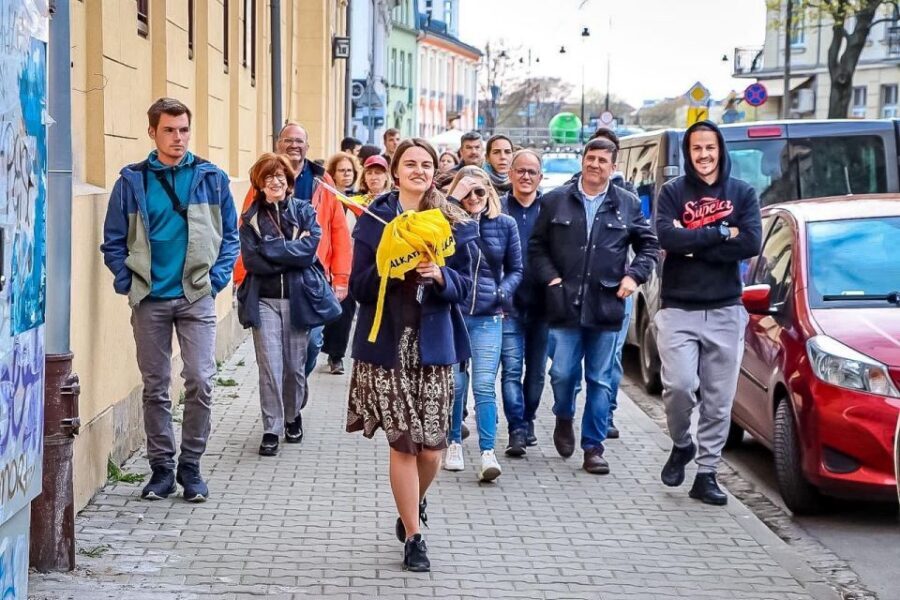
This tour is designed for one big goal: you should walk away able to place Kraków’s Jewish story on the ground. That means you’re not only looking at old buildings. You’re learning the historical context of the Jewish community here, seeing how the Holocaust hit in the Podgórze area, and then understanding how Jewish life has returned in contemporary Kraków.
In practical terms, the time works well. At 150 minutes, you get enough stops to connect themes—community life, destruction, and revival—without spending your whole day reading plaques. If you like history that explains what you’re looking at while you’re still there, you’ll enjoy this format.
Also, the tour is in English with a live local guide. That matters in Jewish heritage sites, where names, dates, and architectural details can blur fast if you’re on your own. You want someone to stitch the pieces together as you walk.
You can also read our reviews of more walking tours in Krakow


Where the tour begins: Old Synagogue stairs
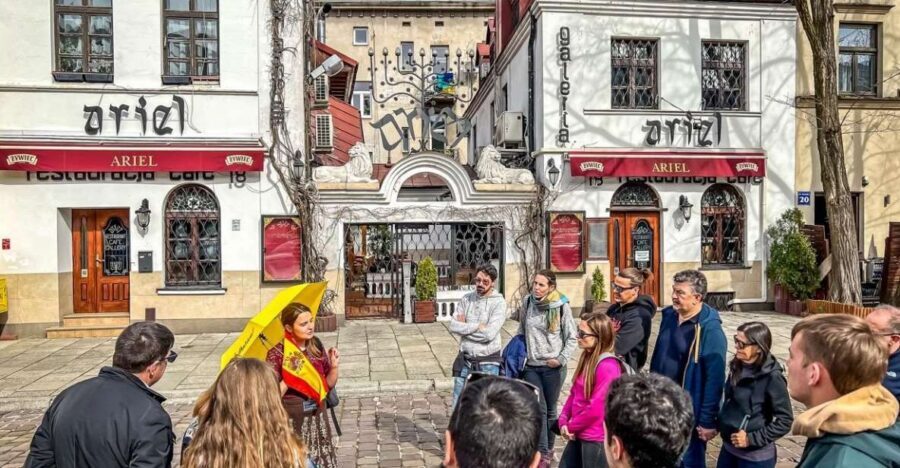
You meet on the stairs in front of the Old Synagogue, on the main street in Krakow’s Jewish Quarter. Arrive about 10 minutes early so you can locate the group without stress—especially if it’s wet or crowded.
That first minute sets the tone. Since your starting point is tied to one of the area’s key synagogues, the guide can launch right into the broader story—how Kraków became a major center of Jewish life and why Kazimierz still matters today. From there, you move through the district with enough structure that you’re not simply wandering.
One practical note from experience on walking tours: the meeting spot is clear in theory, but street-level finding can be tricky in rain. If weather is rough, slow down, look for the right group, and be ready for a quick reroute if the guide needs to adjust.
Kazimierz: the surviving synagogues you can still see
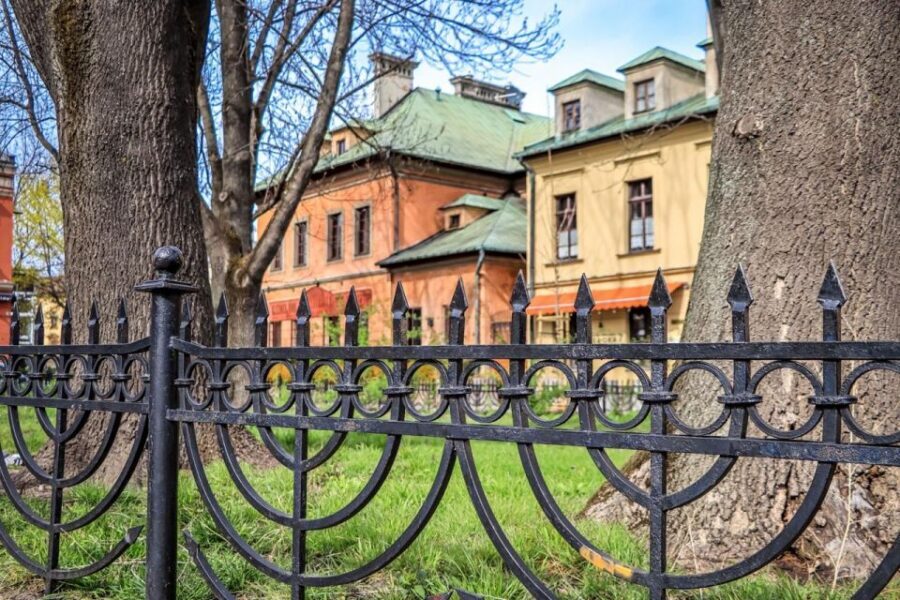
Kazimierz is the historical Jewish district and a cultural heart of the modern city. On this tour, you focus on the synagogues and the architecture, because these buildings are more than scenery. They are evidence of continuity: the area’s seven ancient synagogues are described as having survived the destruction of World War II and the Holocaust.
What you’ll likely appreciate most here is the framing. Instead of treating the synagogues as disconnected landmarks, the guide connects them to the larger Jewish community that once centered life around this neighborhood. You also get a sense of how Jewish culture continues here now, not as a museum version of the past, but as part of today’s Kraków.
This is also where your questions will probably matter. Many reviewers highlight guides who stay engaged and answer people’s curiosity in a natural way. If you’re the type who asks how something worked, why something was built a certain way, or how the community organized life, this portion is a good time to ask.
Possible drawback: if you’re hoping to step inside a practicing synagogue, the tour description doesn’t promise that. You’ll be learning from the streets and key sites, and you might find you want even more access once you see how much there is to understand.
Podgórze: walking the ghetto story from 1941 to 1943
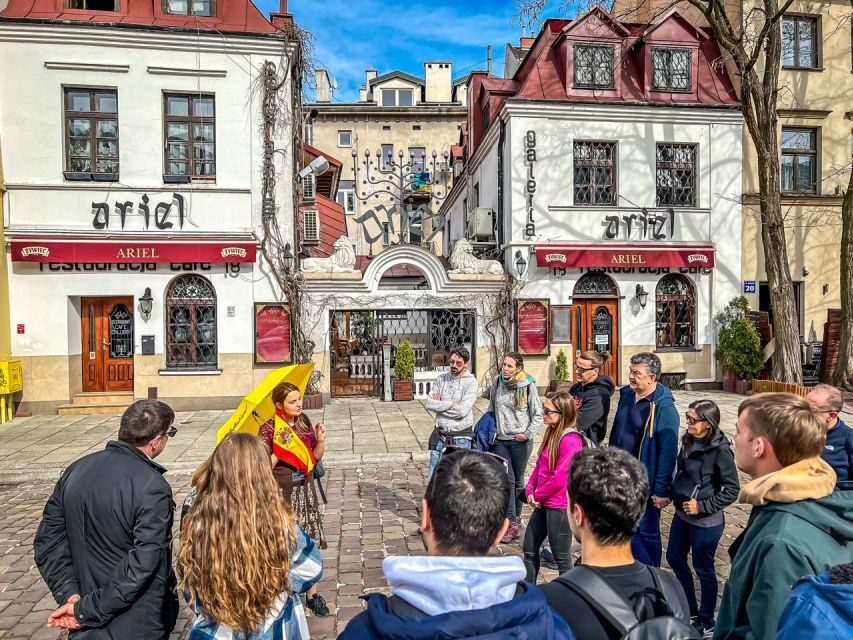
After Kazimierz, the tour shifts into Podgórze, the area of the former WWII Jewish Ghetto. This part of the walk is where the atmosphere changes, because you’re following the story of death and destruction tied to what the original buildings witnessed between 1941 and 1943.
The value here is specificity. Rather than staying at the level of general Holocaust history, the tour points you toward where the ghetto existed and helps you understand how the area functioned during those years. Even if you already know the broad facts, it can be sobering to connect the timeline to the physical spaces you’re standing in.
One review specifically mentioned that a short segment of ghetto wall wasn’t included right at the end of the tour, with the reminder that it was only a short distance away. If you’re the kind of person who wants every last inch, you might walk away wanting to see that final stretch. The good news: the tour gives you enough context to make a follow-up visit worthwhile if you have the time.
Also, plan mentally for this section. The tour includes discussion of WWII’s destruction, so it’s not a casual stroll. If you’re bringing kids, you may need to pace yourself; at least one review described a family stopping partway through after a break. That’s a reminder to judge your group’s emotional limits, not just your schedule.
How the guide narrative keeps the story clear
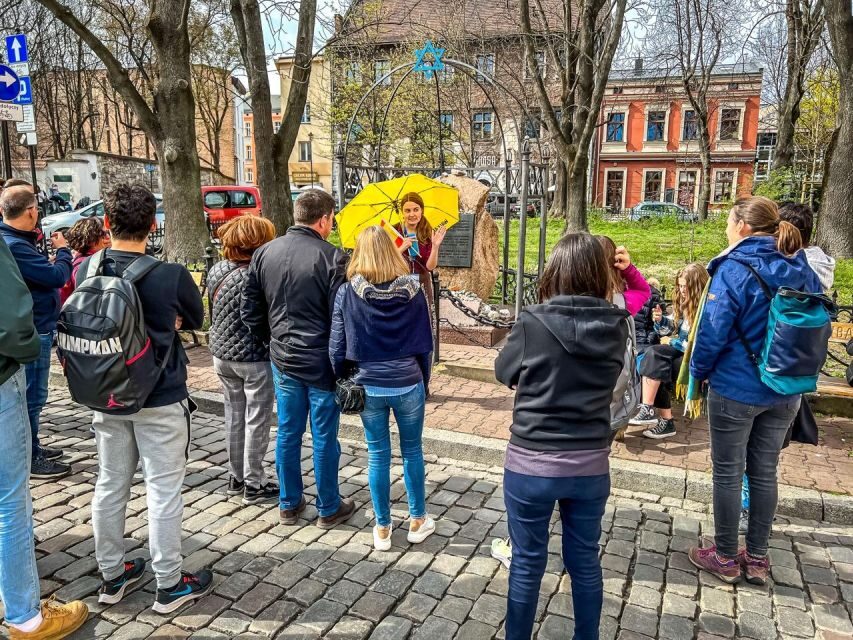
A big reason this tour gets high marks is the way the guide tells the story. The tour includes a thoroughly constructed narrative, and you can feel the difference between a “see-and-go” walk and one that links scenes together.
From the names mentioned in reviews, you’ll find guides like Max, Maciek, Krzysztof, Lucy, Damian, Natalia, Mateusz, and Pawel leading groups. That variety matters less than the consistent result: many people praised the guide’s pacing and story-telling, plus the ability to handle questions without turning dry.
You’ll want to pay attention to how the guide moves between eras. The description explicitly covers historical context before the war, then WWII destruction, and then the revival of Jewish culture in modern Kraków. That structure is exactly what helps you avoid the common pitfall of Holocaust tours: learning a series of facts without understanding the flow of cause and effect.
If you prefer tours where you can participate—asking, listening, and occasionally adjusting your pace—this format tends to fit. And if humor shows up briefly, that can be a relief. It doesn’t change the subject, but it helps your brain keep going.
Price and value: $26 plus the pay-what-you-wish model
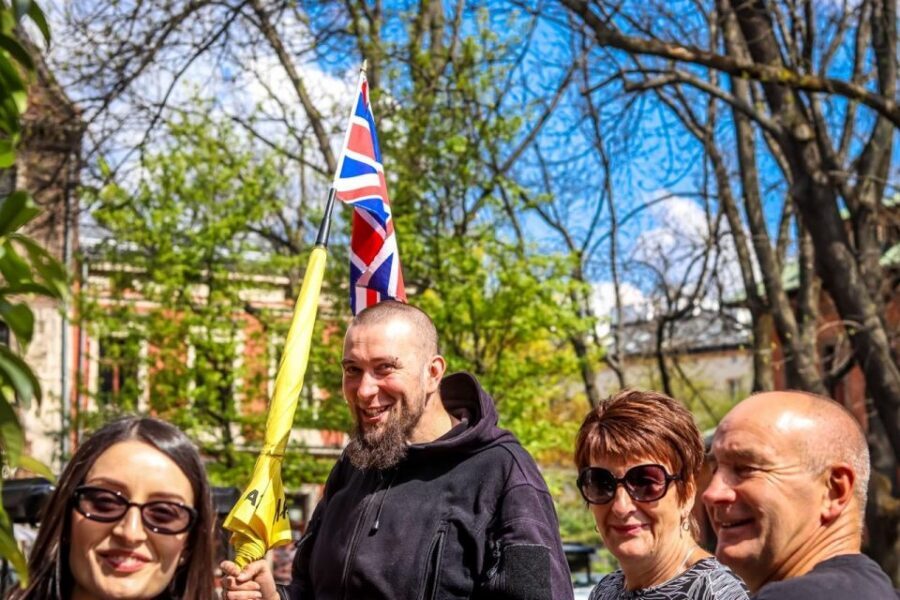
The price is $26 per person for 150 minutes with an English live local guide. On its face, that’s straightforward. The real value comes from what’s included: an expert local guide and a built narrative.
There’s also an important twist. The booking works as a general pay-as-you-wish tour. In plain language: the amount you pay covers the reservation fee and the guide’s payment. You may then choose an additional reward based on what you felt you received.
So, here’s the practical take. If you expect “ticket price only, no further tipping,” you might be surprised. If you like the idea that your reward matches your experience, this can be fair. Either way, plan for it now in your budget so nothing feels awkward mid-walk.
Compared with more rigid tours, this style can be a good deal if you end up with a guide who truly connects the dots. Several reviews singled out guides who were fun, professional, and able to answer questions, and those are the moments where money starts to feel like it turned into something useful.
Comfort, pace, and the walk’s real-world details
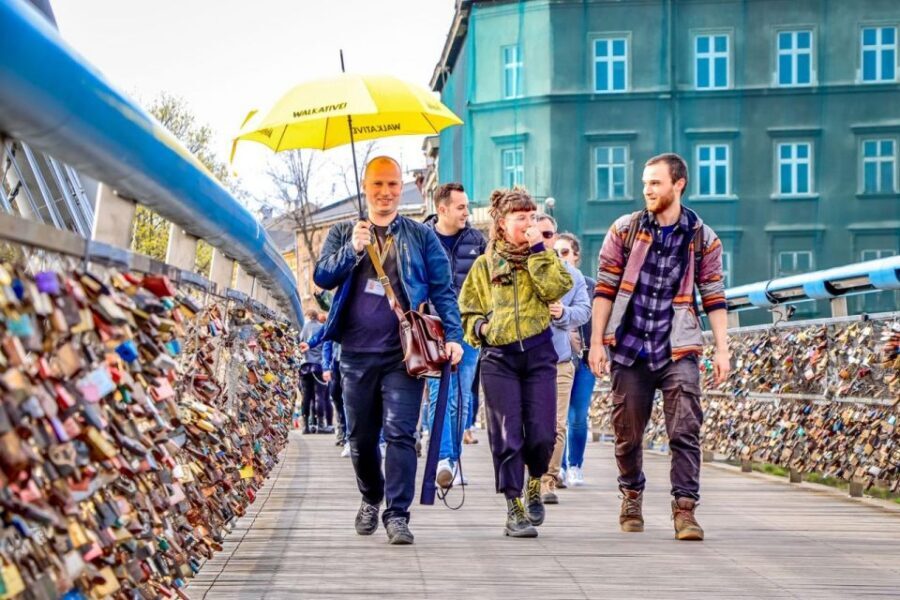
This tour lasts 150 minutes, and most of it is on foot in an old district. One thing that comes up in reviews is footwear: cobblestones can slow you down and tire you out faster than you expect. Wear shoes that won’t make your feet complain by minute 60.
Pace matters too. Reviews describe the tour as well-paced, and that’s key on a topic with emotional weight. If you’re prone to fatigue, you’ll be glad the walk isn’t rushed and the guide keeps you oriented.
Meeting logistics are simple in writing, but street reality can add friction. One review noted the meeting place was tough in rain and that the guide redirected quickly. That’s why arriving early is smart.
Finally, don’t assume the tour ends right back where it began. One review said the group finished over the river and not right next to the original Old Synagogue stairs. So plan your return route based on where you expect to finish, not where you started.
Who should book this walking tour in Krakow
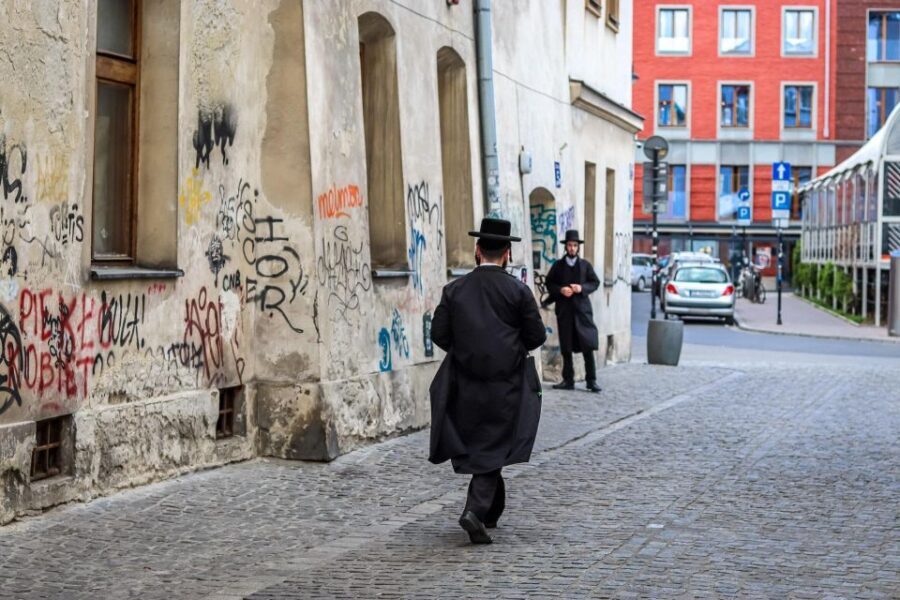
I think this is a strong match if you want three things: real orientation in the Jewish Quarter, Holocaust sites in Kraków connected to dates and places, and a sense of how Jewish culture has continued after the war.
It’s especially good for:
- First-timers who don’t want to piece this together on their own
- People who like architecture and street-level storytelling
- Anyone going to Auschwitz later who wants extra context beforehand
It might be less ideal if you want a long sit-down inside buildings, because the tour description focuses on walking and significant sites rather than guaranteed interior time. It also may feel too long for very small kids or for anyone who struggles with walking 2.5 hours.
On the plus side, the tour is listed as wheelchair accessible, so it’s worth considering if you need that option.
Should you book? My straight take

Book it if you want a structured walk through Kazimierz and Podgórze that connects synagogues, community history, and the ghetto story from 1941 to 1943. The guide-led narrative is the point, and the $26 price feels fair for what you get: a clear route and a local perspective in English.
Skip it or pair it with extra time if you’re hoping for more interior visits, or if you’re sensitive to the emotional weight of the Holocaust material and need a shorter format. If you do book, do one simple thing that makes a big difference: wear comfortable shoes, arrive early at the Old Synagogue stairs, and plan to reward the guide in the pay-as-you-wish spirit.
FAQ
Where is the meeting point?
You meet on the stairs in front of the Old Synagogue, on the main street in Krakow’s Jewish Quarter.
How long is the Jewish Krakow walking tour?
The duration is 150 minutes.
How much does it cost?
The price is $26 per person.
What’s included in the price?
The tour includes an expert, local tour guide and a thoroughly constructed narrative.
What is not included?
Hotel pickup and drop-off and snacks are not included.
Is the tour offered in English?
Yes, the live tour guide speaks English.
Is the tour wheelchair accessible?
Yes, the activity is listed as wheelchair accessible.
What is the cancellation policy?
Free cancellation is available up to 24 hours in advance for a full refund.
Is this a pay-as-you-wish tour?
Yes. By booking, you join a general pay-as-you-wish tour, where the amount you pay covers the reservation fee and the guide’s payment.