REVIEW · KRAKOW
Schindler’s Factory + Ghetto in Krakow and Wieliczka Tour
Book on GetYourGuide →Operated by CRACOW LOCAL TOURS · Bookable on GetYourGuide
Krakow can be heavy and fascinating in one day. This tour strings together Schindler’s Factory and the preserved streets of the former Jewish ghetto, then wraps it up with time underground in the Wieliczka Salt Mine. I especially like the licensed museum-style guidance in Schindler’s Factory and the very specific ghetto sights you’ll actually see, like the Empty Chair Monument with its 68 seats. One caution: a couple of reviews flag that waiting times can run long, so build in patience.
The pacing is split on purpose: first history with a guide, then a transfer, then mine time on your own. If you wear good shoes and you can handle some walking and stairs, this is a strong way to cover two of Krakow’s top experiences without stressing your schedule.
In This Review
- Key things to know before you go
- Schindler’s Factory Museum: starting point and what the guide does for you
- Inside Schindler’s Factory: WWII history through one man’s choices
- The Podgórze ghetto walk: what you see on the streets
- Under the Eagle pharmacy and other preserved reminders
- Heroes’ Square: the Empty Chair Monument with 68 seats
- From Krakow to Wieliczka: how the mine visit fits in
- Exploring Wieliczka on your own: make your time count
- Timing, stairs, and comfort: plan for the physical side
- Price and value: what you get for $136 per person
- Who this tour suits best (and who should skip it)
- Should you book the Schindler’s Factory + Ghetto and Wieliczka Salt Mine tour?
- FAQ
- How long is the tour?
- Where is the meeting point and where does the tour end?
- Is the tour guided in English?
- Do I explore the Wieliczka Salt Mine with a guide?
- What should I bring?
- Is the tour wheelchair accessible?
- What is included in the price?
Key things to know before you go
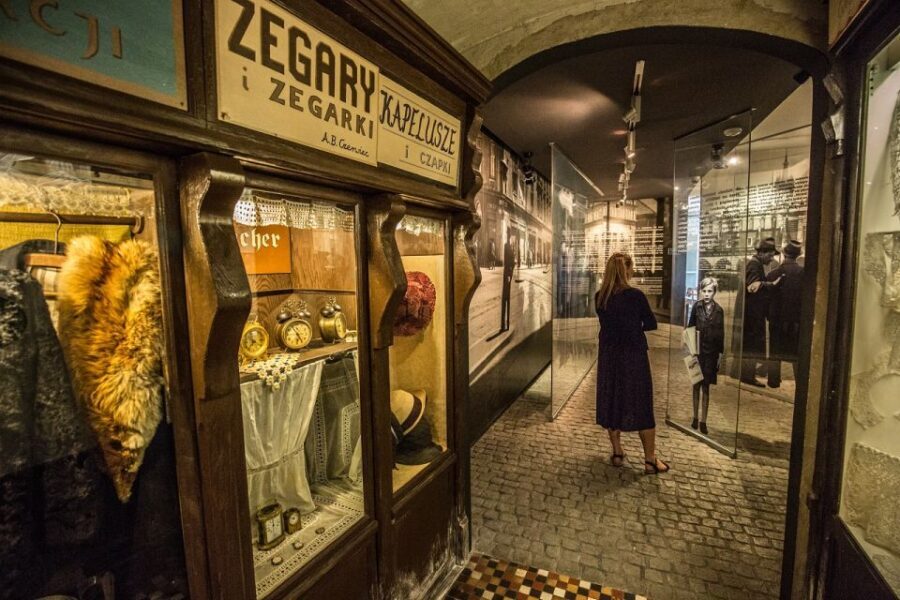
- Schindler’s Factory Museum includes admission and a licensed English guide at the site tied to Schindler’s List
- Podgórze ghetto walk focuses on real, still-standing reminders like an undestroyed wall section
- Empty Chair Monument in Heroes’ Square uses a symbolic setup of 68 chairs
- Wieliczka Salt Mine is 700 years old, 340 meters deep, and stretches across 245+ km of tunnels
- You explore the mine on your own pace after transportation from Krakow
- Not wheelchair friendly and the regular mine visit has lots of walking and stairs
Schindler’s Factory Museum: starting point and what the guide does for you
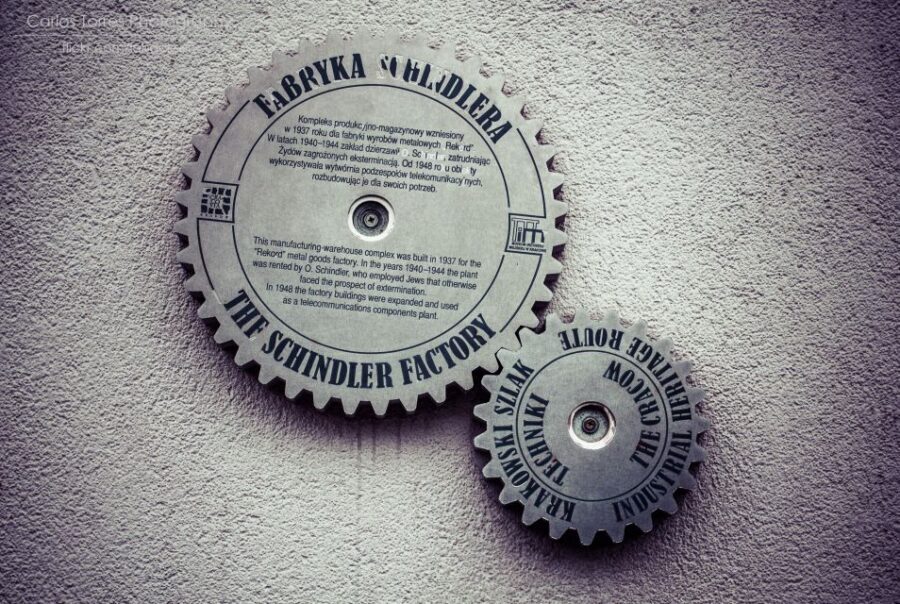
Your day begins at the main entrance to Schindler’s Factory Museum, right in front of the building with the excursions.city sign. The whole point of this first segment is to get the context right—so you don’t wander a museum space and wonder what you’re looking at. You’ll also skip the ticket line, which helps protect the flow of a day that’s already long.
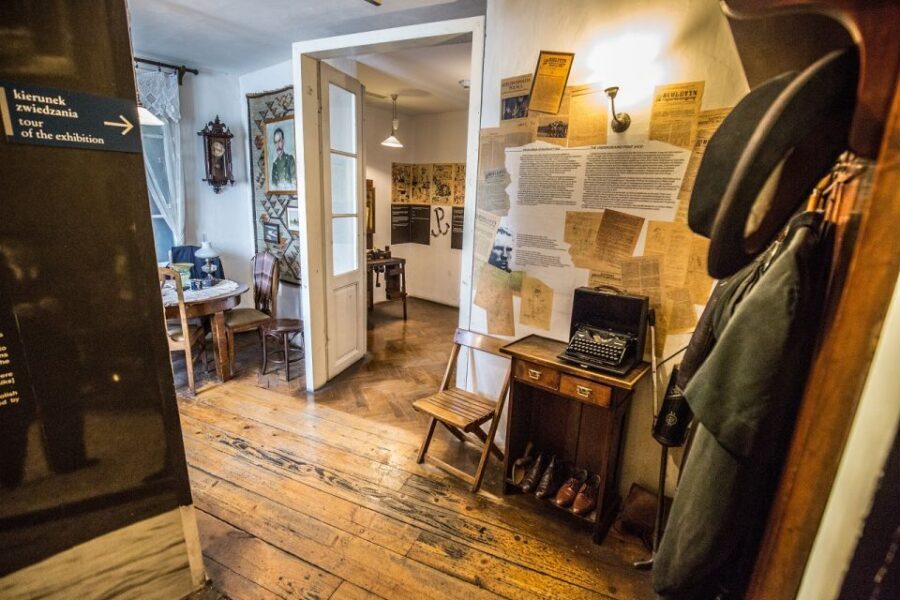
A key detail: you’ll be with a live English guide who is described as a licensed museum guide. That matters here because Schindler’s Factory is not just a set of artifacts—it’s a story told through the place where the history unfolded. When the guide gives you the structure, your visit turns from facts on walls into a clear timeline you can actually hold in your head.
You can also read our reviews of more tours and experiences in Krakow.

Inside Schindler’s Factory: WWII history through one man’s choices
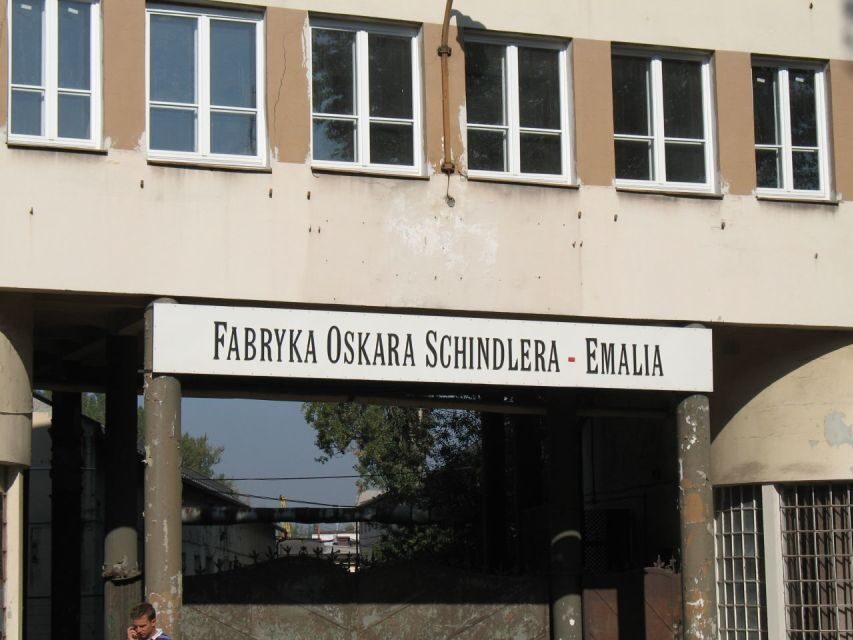
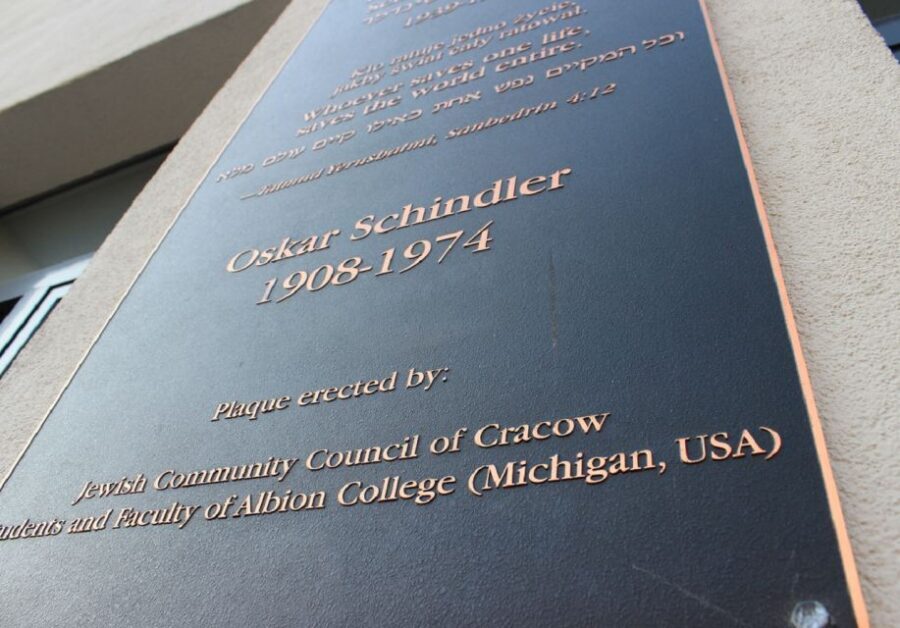
This tour focuses on World War II history using the story of Oskar Schindler, a German entrepreneur who helped many Jews during the war. The museum is known for connecting personal decisions to large-scale catastrophe, and the guided format is what makes it easier to understand the why behind the events. If you’ve ever felt uneasy visiting Holocaust-related sites without a guide, this part is designed for that exact problem.
You’ll also connect the museum to the broader cultural understanding many people arrive with—Schindler’s Factory is featured in the Oscar-winning film Schindler’s List. That doesn’t mean you’ll spend the tour re-watching the movie in your mind. Instead, you use that recognition as a doorway to the real setting and real history inside the museum.
The Podgórze ghetto walk: what you see on the streets
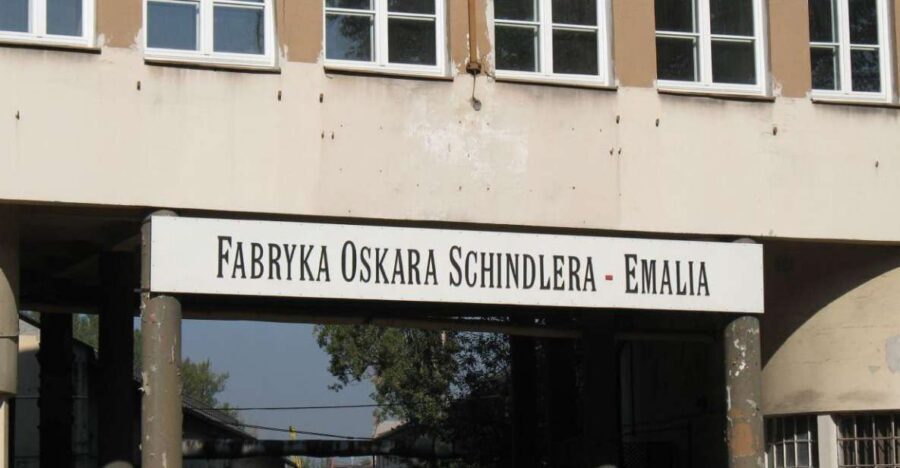
After the factory visit, you’ll walk through Podgórze, the neighborhood tied to the Krakow Jewish ghetto. This isn’t a vague “learn about the era” stop. The tour is structured around evidence you can see: the remaining section of wall, former home locations, and specific built features tied to everyday life under brutal conditions.
You’ll get the chance to view part of the undestroyed ghetto wall, plus houses where thousands of displaced Jews used to live. Even without adding extra drama, standing near physical remnants changes how the story lands. It stops being abstract. It becomes a geography of confinement and survival—one block at a time.
Under the Eagle pharmacy and other preserved reminders
One of the ghetto highlights is the pharmacy called Under the Eagle. It’s the kind of stop that can be easy to overlook if you’re walking solo, because it looks like a normal historic storefront—until you place it in the broader setting of the ghetto’s reality. Your guide helps connect that point on the map to what life and forced movement meant for people there.
The tour also includes seeing other ghetto-area evidence tied to the terrible events of the Second World War. You’re not meant to sprint between sights. You’re meant to slow down enough to notice what’s still standing and what has been lost. That’s where the walk earns its place on a tight 7-hour schedule.
Heroes’ Square: the Empty Chair Monument with 68 seats
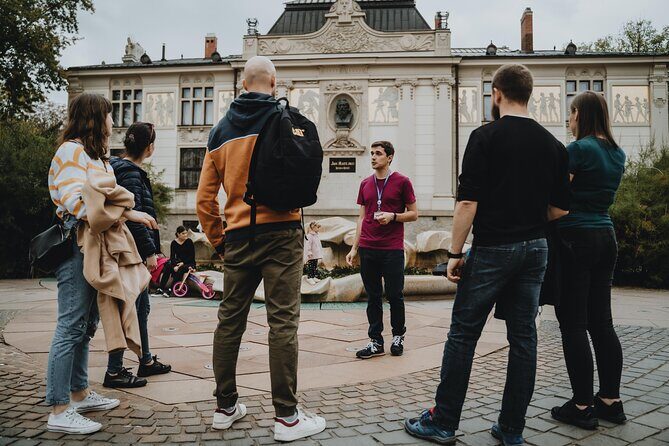
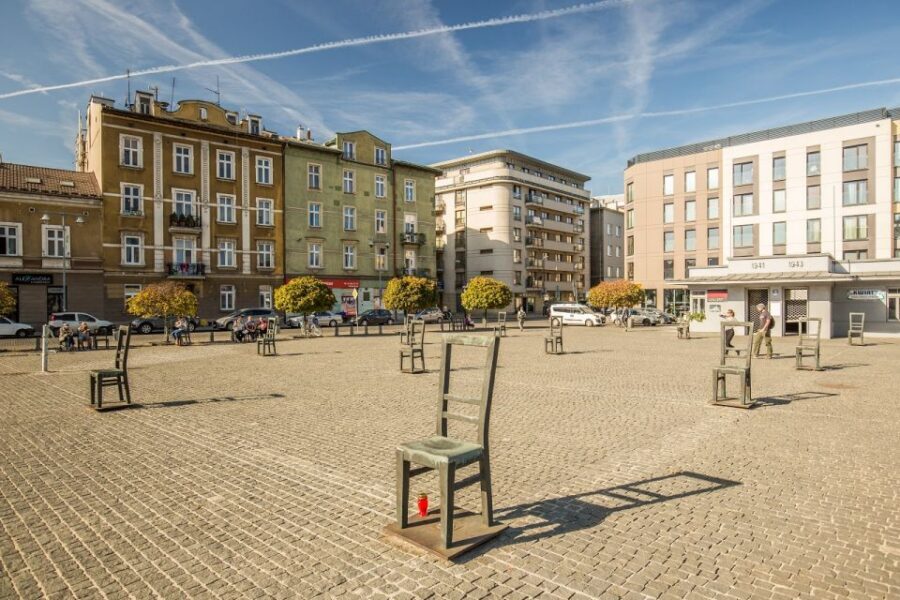
Next comes a powerful symbolic stop at Heroes’ Square, where you’ll see the Empty Chair Monument. The important detail isn’t just that it’s a monument—it’s that it uses 68 chairs as a symbolic element in the design. Standing in that space, the design choice makes the tribute feel specific rather than generic.
This is a moment where a guide’s framing can really help. Your job during this segment is to let it sink in without rushing. Even if monuments aren’t your thing, this one is worth your time because of the combination of symbolism and the direct connection to the ghetto story you just walked through.



From Krakow to Wieliczka: how the mine visit fits in
After the ghetto segment, you’ll begin the second half of the tour with a drive to Wieliczka. Wieliczka is a small town about 10 kilometers from Krakow, and it’s the gateway to one of Europe’s best-known salt mines. The tour’s structure matters: you get a complete history block first, then you shift to a totally different kind of experience underground.
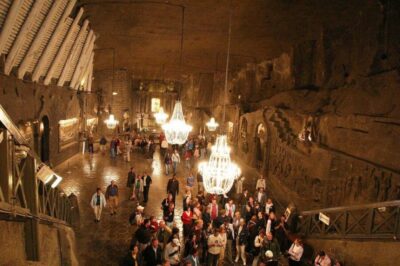
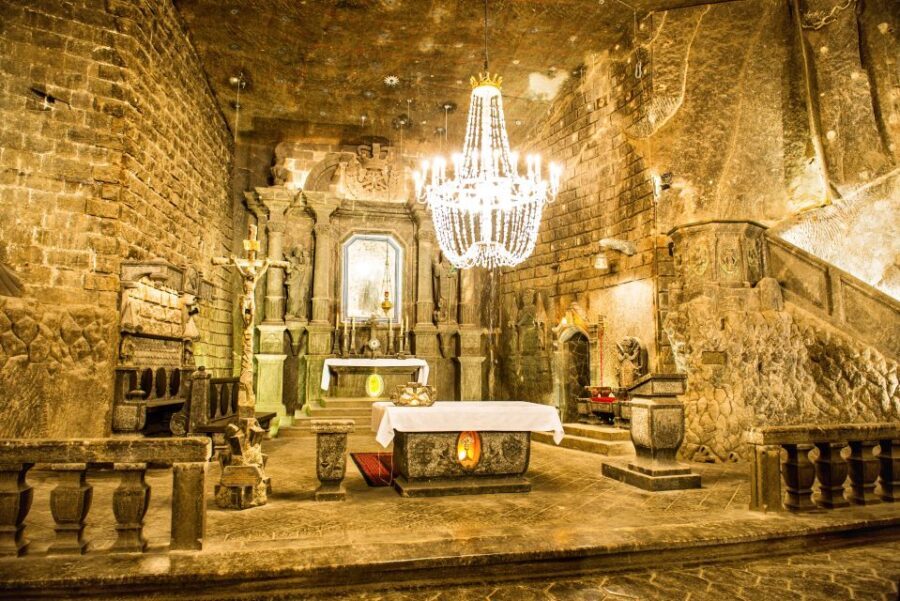
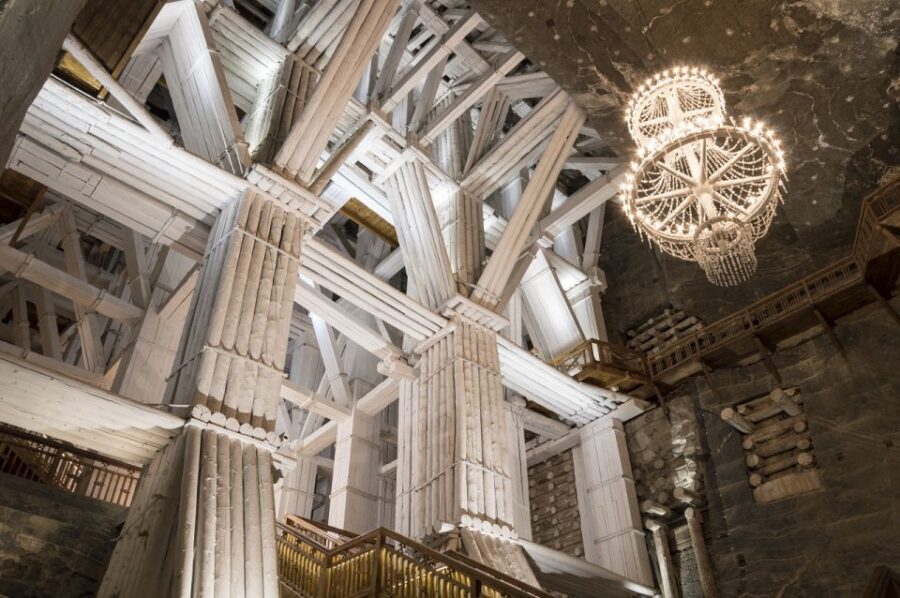
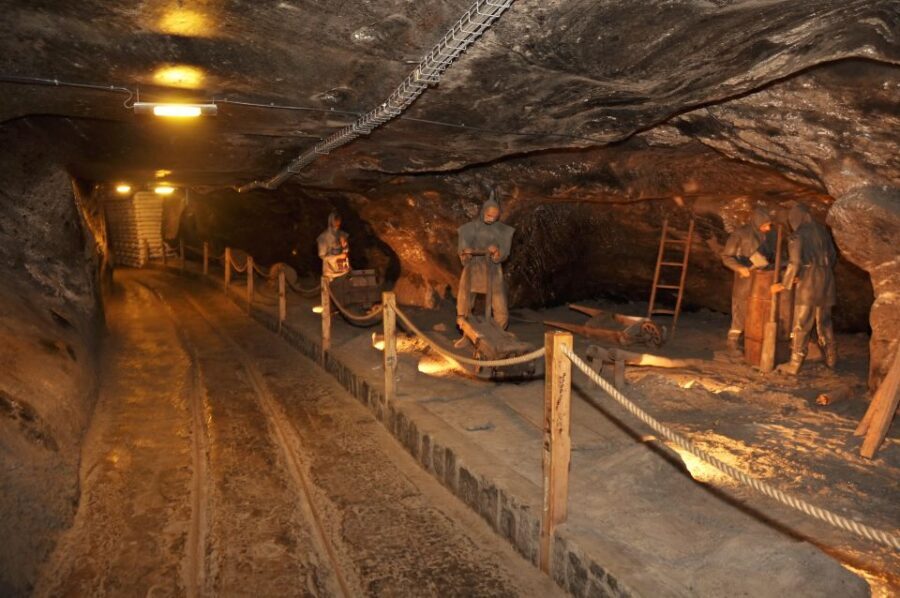
The salt mine is described as centuries old—700-year-old—and it goes down 340 meters. The scale is big enough that you’ll feel like you’re in a separate world once you’re underground. The corridors and tunnels add up to more than 245 kilometers, which is why the mine is famous not only for its depth, but for its long internal maze.
Exploring Wieliczka on your own: make your time count
Once you arrive, you visit one of the largest old salt mines in Europe and you explore it at your own pace without a guide. That’s a big benefit if you like controlling your own rhythm. You can linger where you’re drawn in—watching how the rooms change, taking breaks when you need them, and moving on when you’re ready.
Because you’re exploring independently, your best move is to keep a simple mental plan: pick a few must-see areas, then leave room to wander. The mine visit is the “flexibility” part of the day, and using that time well can turn a schedule that sounds tight into a relaxed second act.
Timing, stairs, and comfort: plan for the physical side
This is a 7-hour day, and it includes a guided history block plus a self-paced underground visit. That sounds neat on paper, but your feet will do the heavy lifting—especially in Wieliczka. The info you should take seriously is that the regular Salt Mine tour requires lots of walking and climbing stairs.
Comfort gear is not optional. Bring comfortable shoes, and wear clothes you can move in easily. Also note the dress expectations: sleeveless shirts are not allowed, and pets aren’t allowed. If you’re the kind of traveler who packs light, this is one day where you’ll be grateful you did.
And about waiting times: a couple of reviews mention that waiting can run a bit long. Even though the tour offers skip-the-ticket-line for the Schindler’s Factory Museum, you can still hit lineups at other steps of the day. Plan your day with calm expectations, and you’ll enjoy it more.
Price and value: what you get for $136 per person
At $136 per person, this tour isn’t a budget bargain, but it does bundle a lot that costs time and effort when you do it on your own. You’re paying for admission tickets to both Schindler’s Factory Museum and the Wieliczka Salt Mine, plus transportation between Krakow and Wieliczka.
You also get live English guiding at Schindler’s Factory and included guided components at the other location in the sense that you’re with a tour structure for the full day. Then, importantly, you transition to self-paced mine exploration, which means you’re not spending the entire time in a group lecture. You’re also getting a skip-the-ticket-line benefit at the factory, which is useful in a place that can draw steady crowds.
Food and drinks are not included, so budget for a simple meal before or during breaks. If you already planned to visit both Schindler’s Factory and Wieliczka, the value comes from avoiding the stress of arranging timing, transport, and entry separately.
Who this tour suits best (and who should skip it)
I’d recommend this tour if you want Krakow history that is structured and guided first, then experienced in a more independent way underground. It fits well for first-timers who want two heavy-hitting sites without having to map the logistics themselves.
It’s also a good pick if you like clear, place-based learning—especially at Schindler’s Factory, where the story connects to the physical setting. And the mine part works for people who are comfortable with time underground and walking routes on their own.
I would think twice if you need wheelchair access, because it’s listed as not suitable for wheelchair users. If you’re sensitive to stairs, also consider that the regular mine tour includes lots of walking and climbing stairs.
Should you book the Schindler’s Factory + Ghetto and Wieliczka Salt Mine tour?
If you want a one-day plan that covers WWII history with real stops and then delivers one of Poland’s most famous underground experiences, this booking makes sense. The best reasons to go are the guided framing at Schindler’s Factory and the very specific ghetto sights you’ll see on the ground. The best reasons to pause are the physical demands of the mine and the fact that waiting times can run long.
Overall, I think this is a solid choice for travelers who can handle a long day and who appreciate history that’s tied to actual places, not just general lectures.
FAQ
How long is the tour?
The tour duration is 7 hours.
Where is the meeting point and where does the tour end?
You meet the guide in front of the main entrance to the Schindler’s Factory Museum, with the excursions.city sign. The tour ends back at the meeting point.
Is the tour guided in English?
Yes. The live tour guide is English.
Do I explore the Wieliczka Salt Mine with a guide?
No. After transportation to Wieliczka, you explore the salt mine at your own pace without a guide.
What should I bring?
Bring comfortable shoes.
Is the tour wheelchair accessible?
No. The activity is not suitable for wheelchair users.
What is included in the price?
Admission tickets to Schindler’s Factory Museum and Wieliczka Salt Mine, guided tour of both locations, and transportation between Krakow and Wieliczka. Food and drinks are not included.