REVIEW · KRAKOW
Schindler’s Factory Private Guided Tour in English
Book on Viator →Operated by DISCOVER CRACOW · Bookable on Viator
Krakow’s WWII story is best told on foot. This private guided route connects the Jewish neighborhoods of Kazimierz and Podgórze to Oskar Schindler’s enamelware factory, where lives were saved and the names on Schindler’s list gained real human context. You’ll also pass key places that relate to the movie Schindler’s List, but the focus stays on the people behind the history.
I especially like the way the tour links Kazimierz and the WWII ghetto areas into one walkable storyline. I also like that the day ends at Fabryka Emalia Oskara Schindlera, with the museum setting you up to keep processing after the guide moves on.
One drawback to consider: it’s a 1 hour 30 minute walking experience, so you may not get long stops for photos or extra building time, and the exact emphasis can vary a bit depending on your guide’s style.
In This Review
- Key things to know before you go
- From Planty Gardens to Schindler’s Factory: the route’s real purpose
- Price and what $36 actually covers
- Meeting at Lipowa 4A and getting the timing right
- Planty Gardens and Oskar Schindler’s home: why the pre-war setting matters
- Kazimierz: the Jewish Quarter’s everyday life and WWII transformation
- Podgórze and the WWII ghetto on the other side of the Vistula
- The Fabryka Emalia Oskara Schindlera visit: where Schindler’s list becomes human
- Guide style really matters here
- Practical tips for a smoother, better day
- Who this private tour is best for
- Should you book this tour or choose something else?
- FAQ
- FAQ
- How long is the Schindler’s Factory private guided tour in English?
- Is this tour private?
- Where do we meet for the tour?
- Where does the tour end?
- What major areas and streets are included?
- Is admission to the factory included in the price?
- Is hotel pickup or drop-off included?
- Can I go inside Schindler’s museum as part of the tour?
- Is the tour suitable for most people?
Key things to know before you go
- Private, English-language guide: Only your group participates, so questions are easier to fit in.
- Schindler’s factory end point: The tour finishes at the enamelware factory museum (and you can opt to continue inside if selected).
- You cross the Vistula River: The Piłsudskiego Bridge connects Kazimierz with Krakow-Podgorze’s WWII ghetto area.
- Stops match the major WWII geography: Planty Gardens, Poselska Street, Szeroka Street, Ghetto Heroes Square, and the remaining ghetto wall area.
- Museum admission included: The tour includes the admission ticket as part of the experience.
- Timing matters for logistics: The meeting point is Lipowa 4A, and this area can be busy with other tours.
From Planty Gardens to Schindler’s Factory: the route’s real purpose
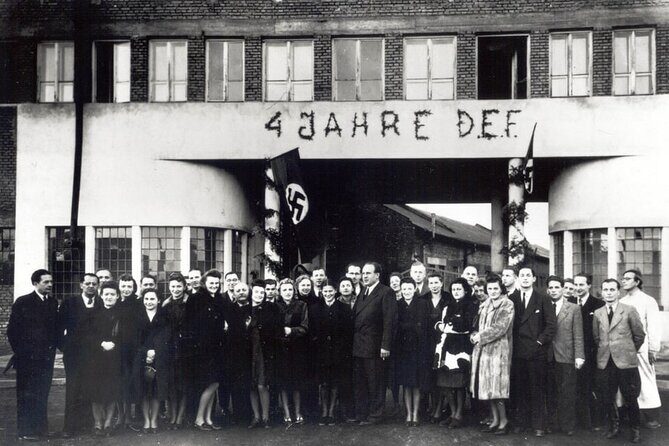
This is not a stop-and-snap tour. The value here is that the route walks you through the geography of Jewish Krakow during World War II, then lands at the enamel factory that became a lifeline. When you see how the city districts connect—old streets, river crossing, and the ghetto boundaries—the history stops feeling abstract.
The best tours of this type do two things at once: they explain what happened, and they help you understand how ordinary places became part of extraordinary tragedy. This one tries to do that by moving you from the pre-war human scale of neighborhoods into the harsh new borders of the WWII ghetto system, and then into the cramped moral complexity of survival.
You can also read our reviews of more guided tours in Krakow
Price and what $36 actually covers
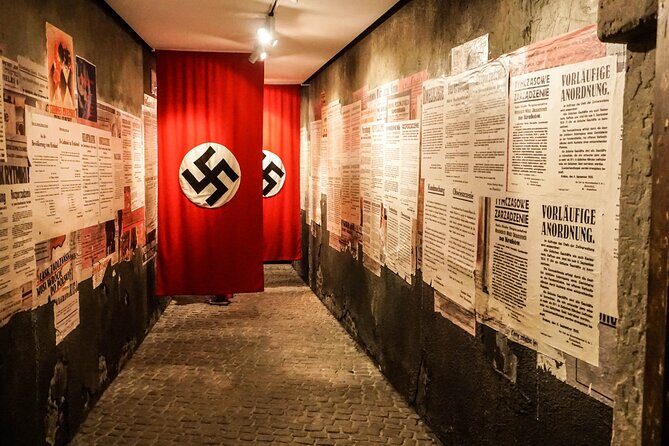
At $36 for about 1 hour 30 minutes, you’re paying for a professional guide, the time to connect multiple locations, and the included admission ticket for the factory visit. You’re not paying for luxury, taxis, or a relaxed pace—this is a guided walking route.
Where the value shows up for me is in the fact that you’re getting guided meaning, not just access to a museum. If you’ve ever visited major historical sites without a guide, you’ll know the problem: you can read signs, but the names and dates don’t always stick.
Also, the experience notes group discounts, which can make it even more cost-effective if you’re traveling with friends or family and can book together.
Meeting at Lipowa 4A and getting the timing right
You meet at Lipowa 4A, 30-702 Kraków, Poland. The tour ends back at the meeting point, so you’re not left stranded on the far side of town.
Practical tip: arrive a few minutes early and be ready to confirm you’re in the right group. One review problem was simply finding the correct guide when lots of other groups were around. So treat the start like a train platform—get there early, then relax.
The tour is near public transportation and is described as suitable for most travelers, but it is still a walking itinerary. Wear shoes you’ll trust for cobblestones and plan for cold or rain if the weather is rough.
Planty Gardens and Oskar Schindler’s home: why the pre-war setting matters
Your walk starts with a route through the Planty Gardens area and then onward toward the former home connected to Oskar Schindler, who saved over a thousand Polish Jews during World War II. This is a smart opener because it reminds you that Schindler wasn’t a myth floating in film clips. He lived in Krakow, moved through recognizable parts of the city, and acted within a very specific time and place.
As you continue, you’ll head toward Poselska Street, a street featured in one of the movie’s tragic scenes. Even if you’ve seen Schindler’s List, this is the moment where the “movie locations” idea can become more than trivia. The street-level geography helps you see how quickly normal streets could become stages of catastrophe.
If your guide is particularly focused on the film, you may want to ask direct questions like: Where does this street fit into the real timeline? That kind of prompt can help steer the conversation back to lives, choices, and consequences.
Kazimierz: the Jewish Quarter’s everyday life and WWII transformation
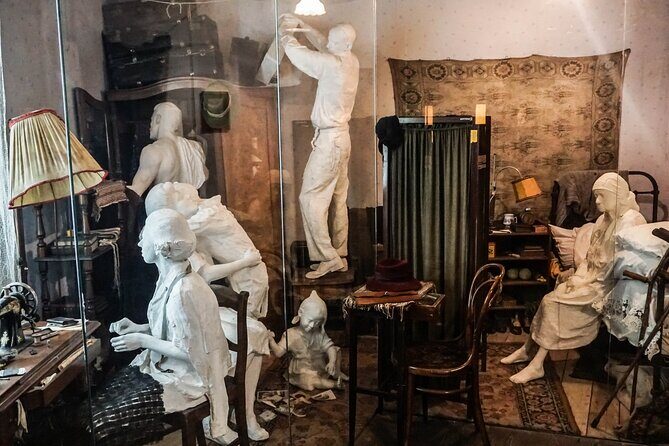
Next comes Kazimierz, Krakow’s Jewish Quarter area, with roots stretching back to the 1300s. The point of spending time here is that Jewish life wasn’t a one-day event. It was a community with continuity, culture, and everyday routines—until deportations broke that continuity.
In the tour route you’ll walk to parts of Kazimierz connected to the WWII ghetto system. One stop is Szeroka Street, which is also depicted in the film. But the stronger value is what your guide should explain alongside it: how the community’s landscape changed drastically during the Holocaust and how the area went from established neighborhood to enforced separation.
You’ll also get a short rest break in Kazimierz. That’s not just a comfort courtesy. It helps you absorb what you’ve just learned without rushing straight into the next heavy location.
You can also read our reviews of more private tours in Krakow




Podgórze and the WWII ghetto on the other side of the Vistula
After Kazimierz, you cross the Vistula via Piłsudskiego Bridge to reach Krakow-Podgorze’s WWII ghetto area. This crossing is one of those small physical moments that makes the bigger story click. The river isn’t just scenery—it’s a divider you can feel when you stand on a bridge and think about movement, restrictions, and forced geography.
In Podgórze, you’ll see parts of the original WWII ghetto wall and also stop at Ghetto Heroes Square. These are places where your guide can connect dates to architecture and policy to streets. Even if you’ve read about the ghetto, seeing the remaining wall sections with a guide explaining their function can bring a sharper sense of what containment meant.
This segment is often where a tour can feel either factual or personal depending on the guide. If you’re hoping for more story and names, this is the time to ask for details about how deportations reshaped daily life.
The Fabryka Emalia Oskara Schindlera visit: where Schindler’s list becomes human
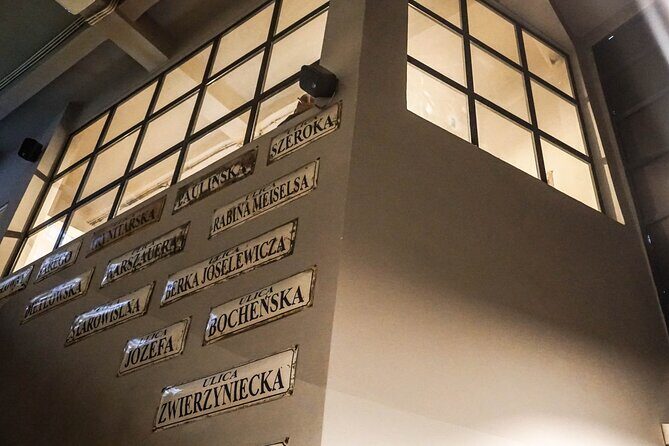
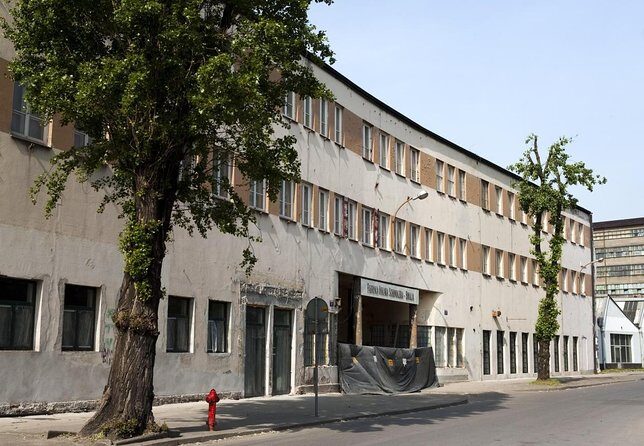
The tour concludes at Oskar Schindler’s enamel factory, now renovated into a museum dedicated to the stories and history of the lives lost. You’ll finish in front of the museum, and you may be able to continue with a guided tour inside if you selected that option at checkout.
Two practical things I’d expect you to plan for here:
- This museum stop is included and is the tour’s emotional anchor.
- You may want extra time afterward, since the guide won’t stay with you forever, and the subject asks for reflection.
What makes this end point especially powerful is the contrast it creates. Earlier stops show the neighborhoods and the mechanisms of persecution. Then the factory museum reframes the story through survival and its moral complexity—while still honoring what was lost.
If you want to get the most from the museum, focus on context rather than just scanning exhibits. Look for how individual identities connect to broader events. That approach matches the tour’s promise of moving past the famous list into the real stories behind the names.
Guide style really matters here
Most of what makes this experience work well comes down to how your guide tells the story. The reviews give you a hint of the range you might encounter.
On the positive side, some guides are described as fun, personable, and willing to answer questions at length. Others are praised for strong storytelling and for bringing the story to life in a way that makes the walking route feel purposeful. Names that show up in feedback include Sylvia and Jack, both of whom were singled out for good guide performance.
On the other hand, a couple of problems appeared in feedback that you should plan around:
- If you’re hoping for a heavy focus on Schindler’s List filming locations, you might wish the tour spent more time on that specific angle.
- If you prefer lots of photo time or entering buildings along the way, note that this is primarily a walking route with limited time.
- If the guide’s voice or style is hard to follow, that can make the route tougher, especially when there’s construction or lots of groups around.
My advice: if you’re the type who likes to ask questions, come ready with one or two. For example, ask how the story of the ghetto connects directly to what happened at the factory.
Practical tips for a smoother, better day
Here’s how to set yourself up for success, based on what the tour format implies and what tends to affect comfort.
Wear warm layers if weather is cold or rainy. This is a walking itinerary, and you’ll be outside for much of it. Closed-toe shoes with grip are a must for uneven streets.
Bring a charged phone and enough battery. You’ll likely want photos at several key points, but don’t assume you’ll be given long breaks for it. If photography is a priority, plan to do quick shots during stops, then spend your deeper attention inside the museum.
If you care about the film connections, ask early where those moments land in the real history. The itinerary includes places depicted in Schindler’s List, but not every guide will treat that material with the same level of detail.
Lastly, give yourself a little patience with timing and group matching. The meeting point is fixed, and the area can be busy with other tours.
Who this private tour is best for
You’ll probably love this tour if you want:
- A guided walk through Krakow’s WWII Jewish geography (Kazimierz to Podgórze, plus the factory end point).
- A private format where you can ask questions without feeling rushed.
- A museum visit that closes the loop on the story of Oskar Schindler and the fates connected to Schindler’s list.
It’s also a smart pick if you’re starting your Krakow trip and want to “get your bearings fast,” since the route naturally links key districts into one connected narrative.
Should you book this tour or choose something else?
Book it if you want a focused, 1 hour 30 minute plan that ends at the Schindler factory museum and ties together the Jewish Quarter and the WWII ghetto geography with guided context. At $36, it’s a fair value when you factor in the private guide and the included museum admission.
Skip or reconsider if you need a slow, photo-friendly pace; if you want an extensive, scene-by-scene breakdown of every Schindler’s List location; or if you know you’ll be upset by limited building entry time on a walking route.
FAQ
FAQ
How long is the Schindler’s Factory private guided tour in English?
It lasts about 1 hour 30 minutes.
Is this tour private?
Yes. It’s private, meaning only your group will participate.
Where do we meet for the tour?
The meeting point is Lipowa 4A, 30-702 Kraków, Poland.
Where does the tour end?
It ends back at the meeting point.
What major areas and streets are included?
You’ll visit areas connected to Kazimierz and the WWII ghetto in Krakow-Podgorze, including Szeroka Street and stops around Ghetto Heroes Square, plus the approach to Schindler’s enamel factory.
Is admission to the factory included in the price?
Yes. The admission ticket is included as part of the experience.
Is hotel pickup or drop-off included?
No. Hotel pickup and drop-off are not included.
Can I go inside Schindler’s museum as part of the tour?
The tour finishes in front of the museum, and you can continue on a guided tour inside if that option is selected at checkout.
Is the tour suitable for most people?
The experience states that most travelers can participate.