REVIEW · KRAKOW
Auschwitz Birkenau Tour with Pickup and Lunch
Book on Viator →Operated by Royal Tours Krakow · Bookable on Viator
This is one of Krakow’s hardest days. You’re taking a guided look at the Holocaust at Auschwitz-Birkenau Memorial and Museum, with pickup and round-trip transfers from Krakow and a lunch box included so you’re not hunting food between sites. It’s not a casual outing, but the structure helps you focus on what matters.
What I like most is that the tour is built for clarity: you get headsets so the guide’s words cut through the crowds and noise. I also like that the lunch box is planned for you (meat, vegetarian, and vegan options), which removes one more stressor on a day that already has plenty.
One possible drawback: timing and group pace can feel tight. A few people noted headset signal can drop if you fall behind, and lunch time may feel rushed depending on how the day runs and where you are in the group.
In This Review
- Key Things to Know Before You Go
- Auschwitz-Birkenau in One Organized Day: What You Actually See
- Krakow Pickup and Minivan Ride: Comfort, Timing, and Group Size
- Headsets and English Guidance: Hearing the Details Without Straining
- Auschwitz I: Iron Gate to Block 11 and the Weight of Prison
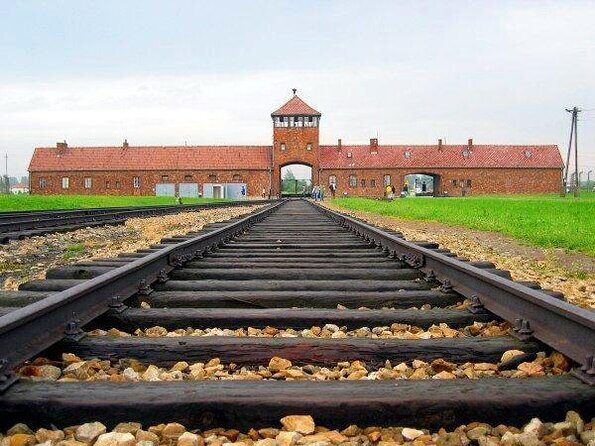
- Auschwitz II Birkenau: The Scale of a Machine Built for Mass Murder
- The Lunch Box: Helpful Inclusion With Tight Timing Sometimes
- What the Best Guides Do: Compassion, Dignity, and Clear Explanation
- Logistics That Can Affect Your Day: Pickup Changes and Real-World Delays
- Price and Value at Around $71: What You Get for the Money
- Should You Book This Auschwitz Pickup and Lunch Tour?
- FAQ
- Is round-trip pickup from Krakow included?
- Is lunch provided?
- Do I need to bring my own food?
- Will I be able to hear the guide?
- How long does the tour take?
- What size is the group?
- Do children need to be accompanied by an adult?
- Do I get an admission ticket?
Key Things to Know Before You Go
- Minivan round-trip transfers from Krakow are included (air-conditioned, with pickup/drop-off at set points)
- Headsets in English help you keep up during the heavier parts of the visit
- Lunch box included with sandwiches plus water and a chocolate wafer (with meat/veg/vegan choices)
- Two major sites in one outing: Auschwitz I and Birkenau, with a lot of walking in between
- Guides like Marcin, Magdalena, and Evalina have been specifically praised for tone and explanation
- Group size is kept to a maximum of 30, which is big enough to run smoothly but small enough to stay managed
Auschwitz-Birkenau in One Organized Day: What You Actually See
This tour focuses on the two core sections most people come for: Auschwitz I (the main camp) and Auschwitz II Birkenau (the largest death camp area). You’ll walk through the camp grounds with a guide who connects the physical layout to what happened there—why certain buildings were used, and what the Nazi system was designed to do.
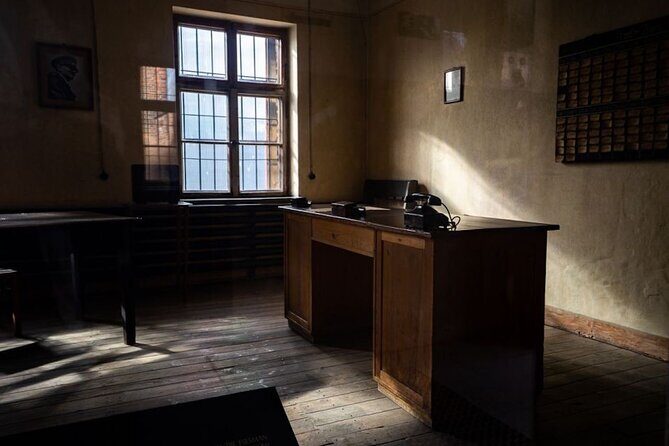
Auschwitz I is where you get the camp’s “machinery” up close: barracks, prison areas, and the eerie, preserved remnants that still show how the system worked. Birkenau then shifts the scale. Even if you’ve read about the atrocities before, seeing the size of Birkenau hits differently. It’s enormous—so much so that the day can feel physically demanding, not just emotionally heavy.
If you’re the kind of person who wants a plan, this format helps. Instead of “free time + hoping for the best,” you’re guided from one place to the next with an explanation running alongside you.
You can also read our reviews of more tours and experiences in Krakow


Krakow Pickup and Minivan Ride: Comfort, Timing, and Group Size
The big practical win here is round-trip transport. If you choose hotel pickup, you’re met and brought to the start of the day, then returned afterward. The operator confirms the pickup time the day before, which is the right system for a place where arrival timing matters.
That said, don’t ignore the fact that a few guests reported schedule confusion—like pickup being later than expected or the meeting point shifting to a nearby parking area instead of directly at the hotel. This is usually solvable if you stay flexible and keep an eye on your message the night before.
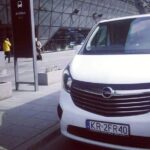
On the ride itself, the vehicle is described as an air-conditioned minivan. Most people likely feel comfortable in a small vehicle, but a few reviews complained about cramped seating, especially for someone with limited room to sit comfortably. If you’re sensitive to tight spaces (or you’re traveling with mobility needs), plan ahead and consider what “comfortable” really means in a minivan.
The group stays within a maximum of 30 travelers. That’s a sweet spot for this kind of visit: you get a guided experience without a sea of people that makes it hard to hear or move.
Headsets and English Guidance: Hearing the Details Without Straining
This tour’s headset setup is genuinely important. At Auschwitz-Birkenau, the grounds are open, footsteps echo, and groups naturally bunch and spread out. With headsets, you can hear the guide clearly instead of relying on good luck and good acoustics.
What to watch for: one concern raised in feedback is that the headset signal can drop if you fall too far behind. So the best move is simple—stay close enough to the main group. When the guide starts a key explanation, don’t treat it like a museum audio moment you can multitask during.
Also, a few people specifically praised guides for compassion and the right tone. Names that came up include Marcin, Magdalena, and Evalina, and those mentions matter because this is a place where word choice and pacing affect how the experience lands.
Auschwitz I: Iron Gate to Block 11 and the Weight of Prison
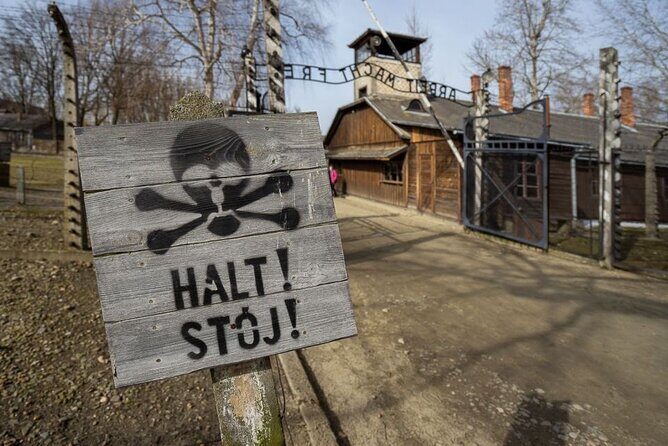
Auschwitz I begins with the iconic entry area and then moves into the camp’s core structures. You’ll pass through the iron gate with Arbeit Macht Frei, then see brick barracks and areas tied to detention and forced labor.
The parts that tend to stay with people most are the prison sections. One stop singled out is Block 11, sometimes described as a prison within the prison, associated with special torture chambers and punishment spaces. This is where the camp shifts from “system” to “individual suffering,” at least in how the guide frames what you’re looking at.
The tour also includes the preserved end-of-camp facilities linked to murder by gas. In a visit like this, preservation can be hard to take in. But it’s also why guided context matters: without explanation, it becomes only shocking. With context, it becomes clear how deliberate and bureaucratic the violence was.
A small practical tip for Auschwitz I: expect the pace to be active. If you want to linger for your own reading and photos, you’ll need to do it quickly and respectfully—because the whole group has to keep moving for the next section.
Auschwitz II Birkenau: The Scale of a Machine Built for Mass Murder
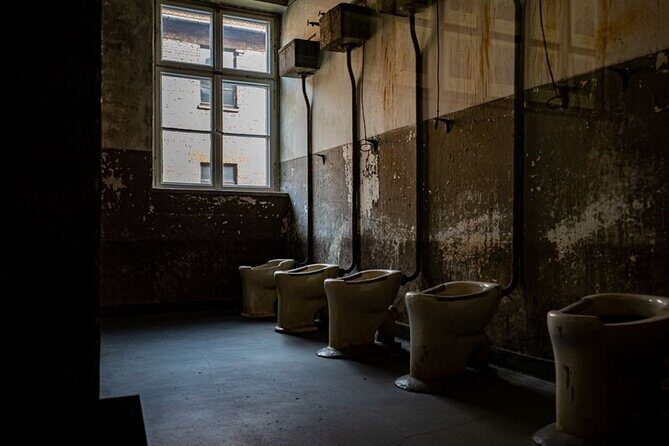
Then you shift to Birkenau. This part of the camp is described as vastly larger than Auschwitz I—about 25 times larger—and it’s where over 1,100,000 people were murdered according to the material shared on this tour.
Birkenau is the place where scale becomes a kind of language. Barracks, track-side remnants, and open spaces can make it hard to understand “how people moved” or “where things happened” unless you have a guide walking you through it. That’s where the headsets and English narration are especially valuable.
You should also expect Birkenau to feel emotionally brutal in a different way. Auschwitz I can feel like you’re in a dense, constrained set of buildings. Birkenau can feel like the crime was set up across space—everything spread out, designed to process people at enormous scale.
If you struggle with long walks or don’t like being rushed, you’ll want to consider whether this tour’s format fits your pace. A couple of comments focused on difficulty keeping up at certain points, and one mentioned rain affecting comfort. Bring layers and plan for weather variability.
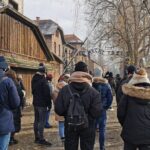
The Lunch Box: Helpful Inclusion With Tight Timing Sometimes
Here’s the key value: you don’t need to bring food. The tour provides a lunch box with two sandwiches, an apple, a dark chocolate wafer, still mineral water (0.5 l), tissue, and a paper bag. There are meat, vegetarian, and vegan options.
This is a real benefit on a day at Auschwitz-Birkenau because you avoid the “find food, wait in lines, lose time” spiral. Having something planned beats improvising when the day is already scheduled around entry and transitions.
But don’t assume lunch will feel like a relaxed break. A few people reported lunch time being brief (for example, around 10 minutes) and others described delays in when the lunch was handed out. There’s also at least one comment that the lunch wasn’t fresh.
My take: treat the lunch box as fuel, not as your main meal experience. Eat what you can when you get the chance, and be ready for the possibility that the timing might not match what you pictured before you booked.
What the Best Guides Do: Compassion, Dignity, and Clear Explanation
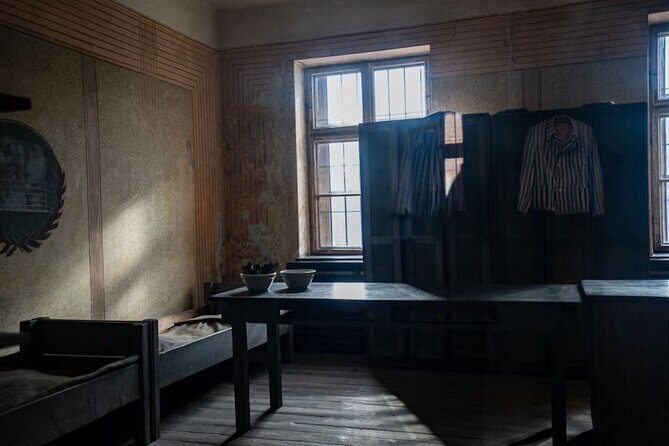
Auschwitz-Birkenau is not the kind of site where a “fun” guide matters. What matters is tone, empathy, and how clearly the guide connects the buildings and documents to the human reality of what happened.
In the feedback you provided, guides were praised for compassion and reverence. Specific mentions included Evalina, Magdalena, and Marcin, plus a driver named Peter in at least one detailed comment. That combination—driver plus guide—can make the whole day smoother, because you’re not just getting information. You’re getting reassurance that the visit is being handled carefully.
I also paid attention to criticism around hearing and pacing. One concern was that when you’re not close to the guide, the explanation can become harder to catch. Another complaint suggested guides shouldn’t start speaking before everyone is assembled. If you want to maximize your experience, show up ready at the group meeting spot and keep yourself in a “can hear me” zone.
Logistics That Can Affect Your Day: Pickup Changes and Real-World Delays
This is the part I want you to take seriously—not because it will happen to you, but because small timing issues can snowball on a day like this.
A handful of people reported late pickup, time changes, or last-minute meeting point adjustments. One detailed account described a pickup being later than expected and arriving later than hoped, which naturally compressed lunch and the overall rhythm of the visit.
Also, one review raised a safety concern about a driver texting while driving. I can’t verify that beyond what was written, but it’s enough of a red flag that I’d suggest you keep your own comfort and safety priorities in mind. If the ride doesn’t feel right, trust your instincts and speak up appropriately.
To reduce stress, do two simple things:
- Read your confirmation and any message sent the day before for pickup time.
- Keep a little buffer in your own plans for the rest of the day back in Krakow.
Price and Value at Around $71: What You Get for the Money
At about $71.08 per person, this is positioned as a structured, guided Auschwitz experience from Krakow with key extras. You’re paying for more than a ticket—you’re paying for transport, a professional guide, and headsets, plus the lunch box.
For many people, the biggest value is the reduction in friction. Getting to the camps from Krakow is the hard part. Once you’ve got that transfer solved, the experience becomes about learning and remembrance rather than transportation anxiety.
Is it perfect value? Not always. Some criticisms centered on lunch timing, cramped seating, and operator communication. But the core ingredients—guided visits to Auschwitz I and Birkenau, English support via headsets, and transport—are clearly aligned with what most people want from this day trip.
If you want an organized day with less worrying, it’s a solid option. If you’re extremely sensitive to schedule shifts, you may want to compare other operators before committing.
Should You Book This Auschwitz Pickup and Lunch Tour?
I think you should book this tour if you want a guided Auschwitz-Birkenau experience with pickup, headsets, and a lunch box, and you’re okay with the reality that the day can move quickly and emotionally heavy.
I’d be more cautious if:
- You need a lot of time to move slowly between points.
- You’re worried about hearing the guide from farther back in the group.
- You can’t tolerate timing changes, since a few past guests reported late pickups or compressed lunch.
If you do book, go in with the right mindset: this isn’t about comfort. It’s about understanding. Bring weather layers, stay close enough to your guide to catch the full narration, and treat the included lunch as a practical necessity that keeps you going when you need energy most.
FAQ
Is round-trip pickup from Krakow included?
Yes. The tour includes round-trip minivan transfers from Krakow, with hotel pickup if you choose it, plus hotel drop-off or pickup/drop-off from designated meeting points.
Is lunch provided?
Yes. You receive a lunch box with meat, vegetarian, or vegan options. It includes two sandwiches, an apple, a dark chocolate wafer, still mineral water (0.5 l), and other small items like tissue and a paper bag.
Do I need to bring my own food?
No. The tour is set up so you do not need to bring food, since lunch is included in a box.
Will I be able to hear the guide?
The tour provides headsets, and the tour is offered in English. That makes it easier to follow the guide’s explanation across the sites.
How long does the tour take?
The duration is listed as 4 to 7 hours (approx.), depending on the flow of the visit and transfers.
What size is the group?
The tour has a maximum of 30 travelers.
Do children need to be accompanied by an adult?
Yes. Children must be accompanied by an adult.
Do I get an admission ticket?
The itinerary notes that an admission ticket is included.