REVIEW · KRAKOW
Krakow: Auschwitz-Birkenau & Wieliczka Salt Mine with Lunch
Book on GetYourGuide →Operated by AT Cracow · Bookable on GetYourGuide
This is the kind of Krakow day trip you’ll remember. You cover two of Poland’s biggest “musts” in one long, guided push: Auschwitz-Birkenau for history that hits hard, then the Wieliczka Salt Mine for something wildly different—beautiful, underground, and surprisingly emotional in its own way.
I especially liked how the tour keeps you on track with a licensed guide and even headsets. That matters when you’re moving through big sites with lots of people and you don’t want to miss the details. I also like the convenience of getting transportation and entry tickets bundled, so you’re not juggling tickets and buses on a packed day.
One possible drawback: it’s a long day with a lot of walking, and the optional packed lunch doesn’t always land perfectly. If you’re sensitive to timing or food quality, plan for extra snacks.
In This Review
- Key things to know before you go
- Auschwitz-Birkenau In One Guided Morning
- Birkenau: Where The Scale Becomes Real
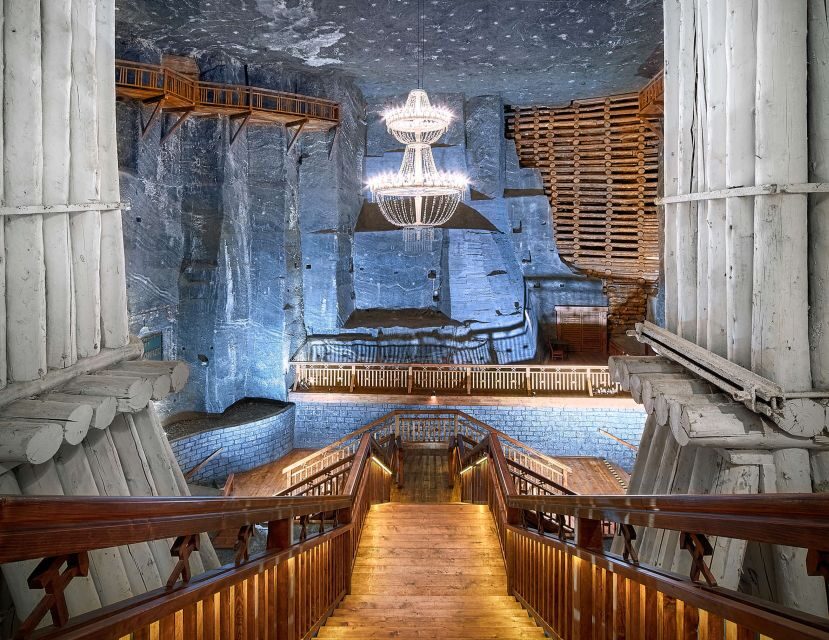
- The Wieliczka Salt Mine Underground Push (700 Steps Included)
- How the Day Flows From Krakow (Without You Doing the Math)
- Guides, Headsets, and the Real Value of a Structured Tour
- Lunch Plans: Useful, But Don’t Overtrust Them
- What to Pack and Wear for a Day of Extremes
- Timing Reality: This Is a Long Day, Not a Quick Hit
- Who This Tour Fits Best
- Should You Book This Auschwitz and Wieliczka Day Trip?
- FAQ
- How long is the tour from pickup to finish?
- What’s included in the price?
- Will there be waiting at Auschwitz before entry?
- How much walking and descending is at the salt mine?
- Do I need to bring my ID?
- Is the lunch included guaranteed to be available?
Key things to know before you go
- Two major sites, one day: Auschwitz-Birkenau plus the Wieliczka Salt Mine, with guides at both.
- Underground effort is real: about 700 steps and roughly 3 km of corridors.
- You’ll have meaning, not just sights: the guide-led storytelling includes facts, stories, and myths about the mines.
- Crowds and wait time happen: there can be waiting before Auschwitz entry, so dress warm.
- Logistics are handled for you: pickup from Krakow area, transport between sites, and guided entrances.
- Lunch is optional and basic: when included, quality may vary, so don’t rely on it as your main meal.
Auschwitz-Birkenau In One Guided Morning
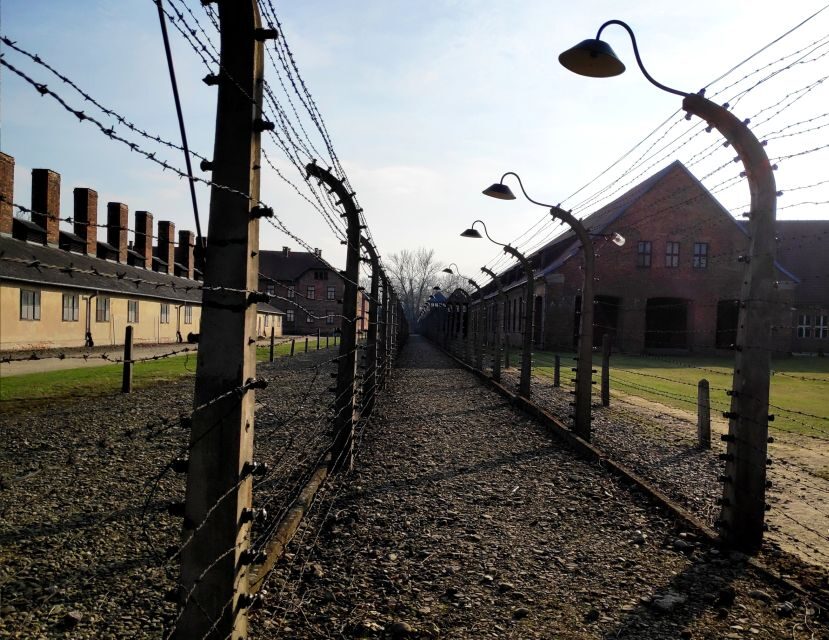
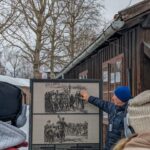
Auschwitz-Birkenau is not the place for rushing. Even if you’ve seen photos, you still have to stand there and take it in. The point of doing it with a guide is that you don’t just walk past objects—you get helped with context, names, systems, and why certain details matter.
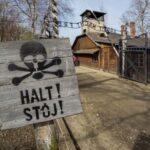
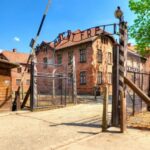
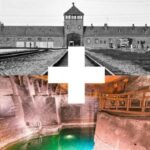
You start with Auschwitz I, and you’ll spend about 2 hours there with a licensed guide. Expect to enter through the main gate, with the inscription Arbeit Macht Frei visible as you come in. From there, the tour focuses on the brick barracks, prisoner artifacts, photographs, and reconstructions that explain how the complex worked. There are also remaining parts tied to the camp’s machinery of terror, including gas chambers and crematories.
Here’s what I think makes a guided Auschwitz visit worth it: you can’t easily read the space like a museum map. The guide helps you understand what you’re looking at—without turning it into a lecture that’s detached from the ground truth around you. You also use headsets, which is a big deal when the site is crowded and the guide is trying to keep groups moving while still explaining clearly.
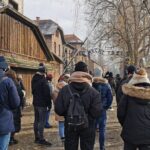
Be ready for security and waiting. The process is described as airport-style, and it also notes that because of high demand, you can face a waiting period before entry. That’s why it’s smart to dress for weather and for standing around—warm layers and a rain cover go a long way.
You can also read our reviews of more tours and experiences in Krakow

Birkenau: Where The Scale Becomes Real
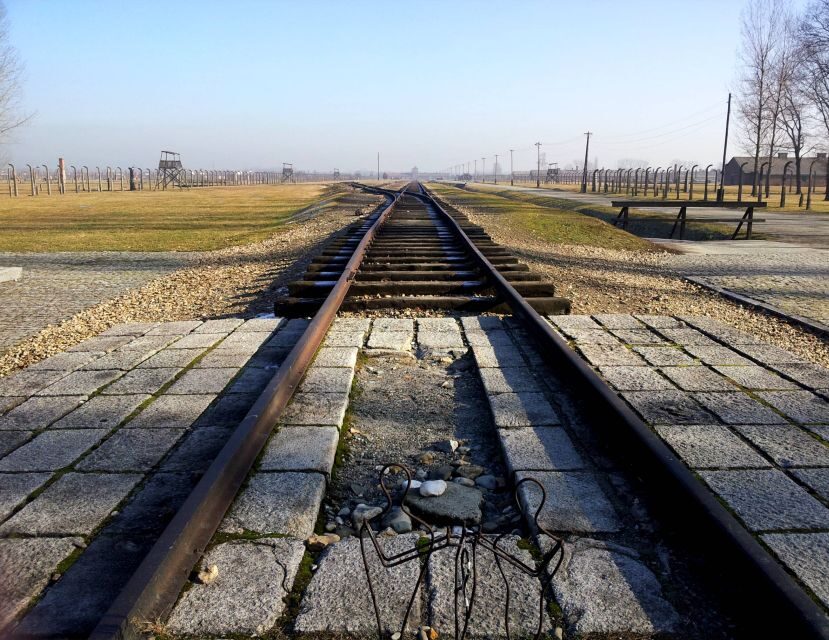
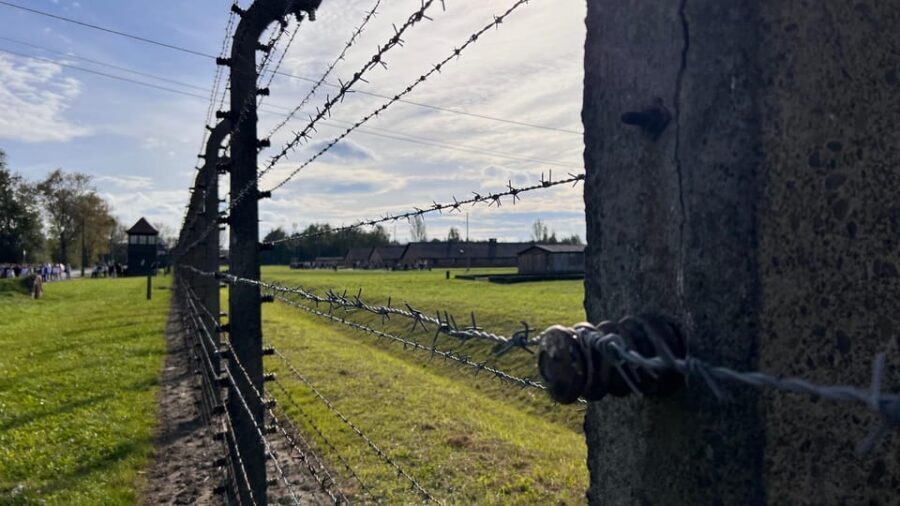
After Auschwitz I, you transfer to Auschwitz II–Birkenau, and the guided portion is about 1.5 hours. This is where the story shifts from the tightly controlled prison-industrial zone to the larger, more dispersed camp system.
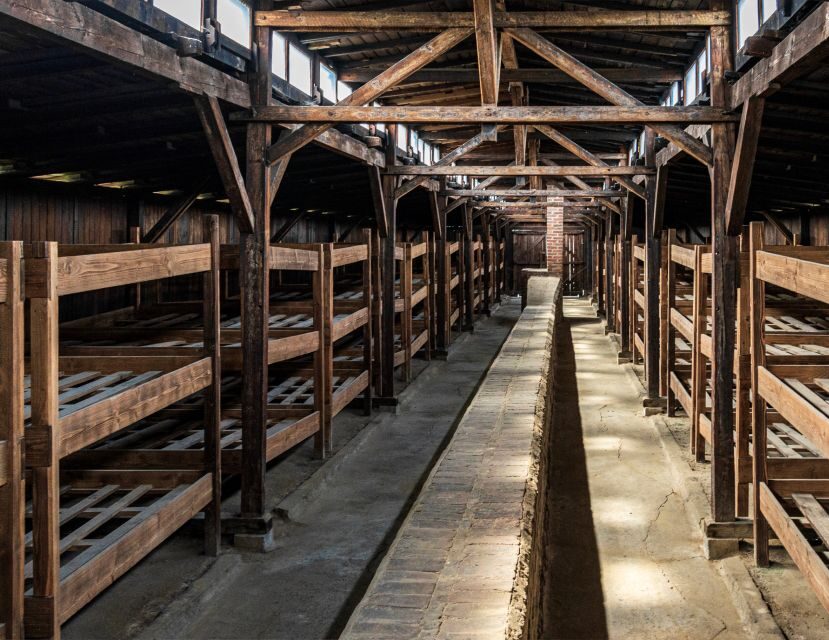
Birkenau is outdoors for the most part, and you’ll see the wooden blocks as well as the ruins of the gas chambers and crematoria. The guide’s job here is crucial: this site can feel like “just ruins” until someone explains what you’re seeing and how the camp functioned. You’ll learn about the history of Nazi Germany and the way genocide was organized and carried out.
One thing I appreciate: the tour doesn’t treat Birkenau as a quick checkbox. With time set aside and a guide directing your path, you get a chance to look, not just pass through.
Still, go in knowing it’s intense. Even with interpretation, it’s hard to absorb everything when the site is busy. If you’re the type who needs space to think, you might want to plan to take breaks mentally while you’re there. Nothing about this day is light.
The Wieliczka Salt Mine Underground Push (700 Steps Included)
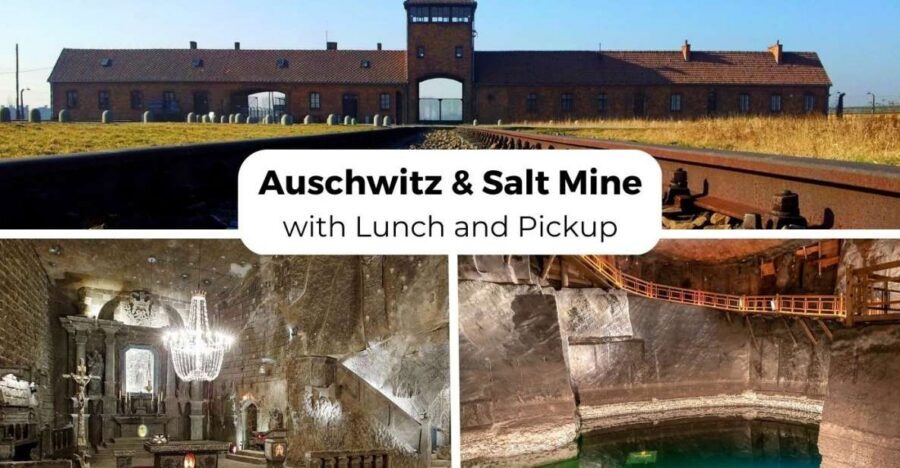
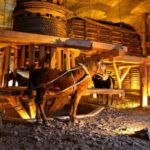
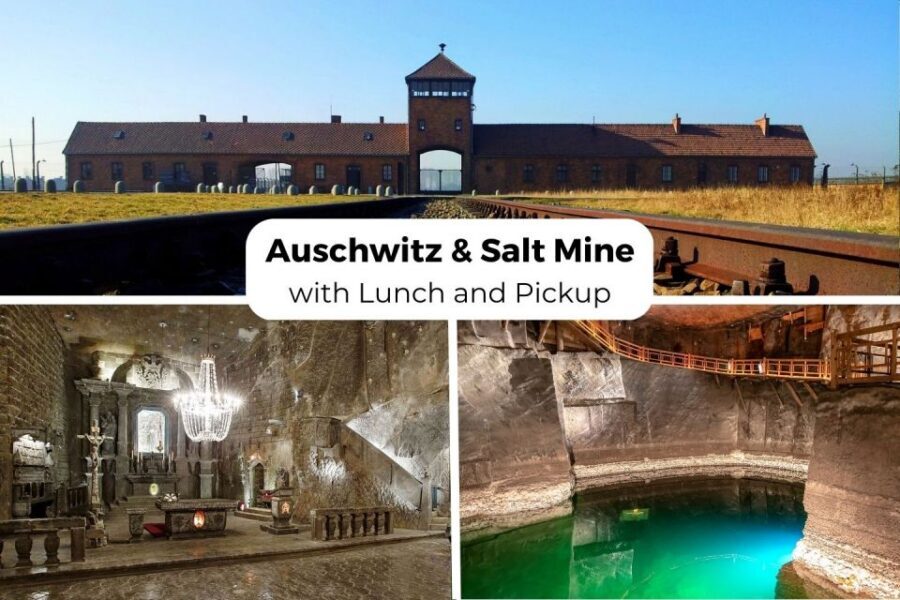
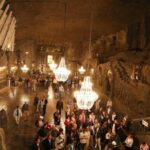
Then comes the turn that surprises people: Wieliczka Salt Mine. It feels like a different planet after Auschwitz. It’s underground, it’s colder, and it’s gorgeous in a way that’s completely unrelated to what you just saw above ground.
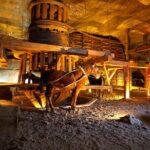
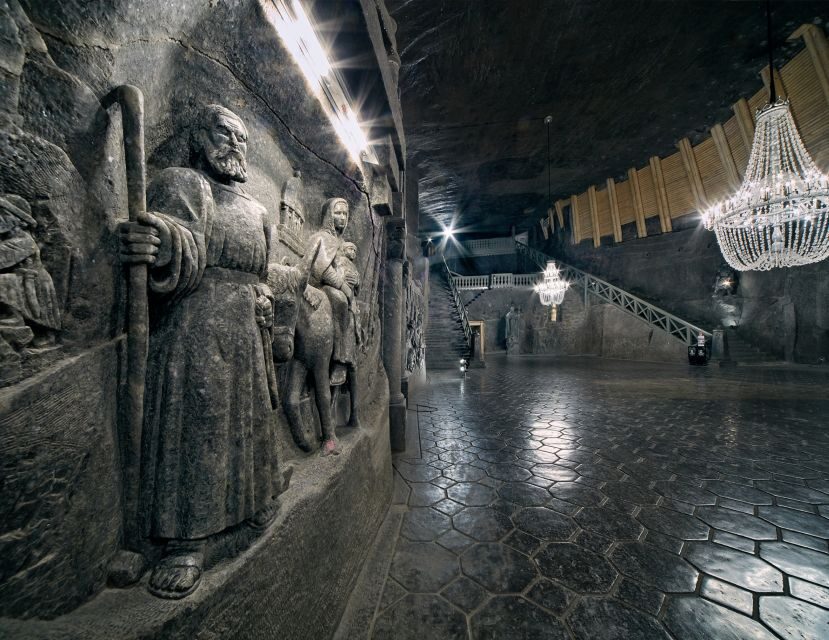
The mine visit is about 2.5 to 3 hours, and the physical part is not symbolic. You descend roughly 700 steps and cover around 3 km of underground corridors. The tour includes guided time as you move through chambers and work areas carved out over time.
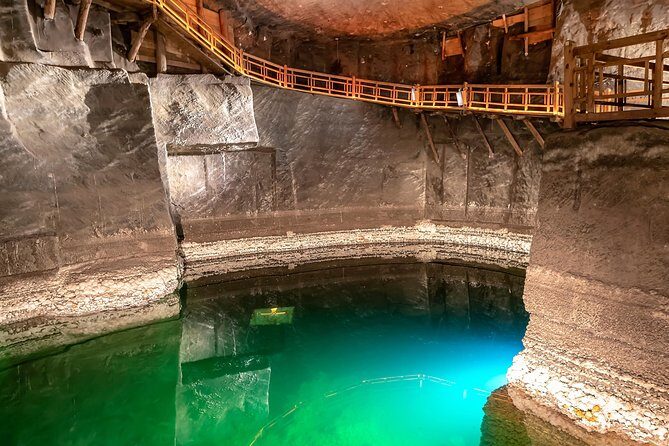
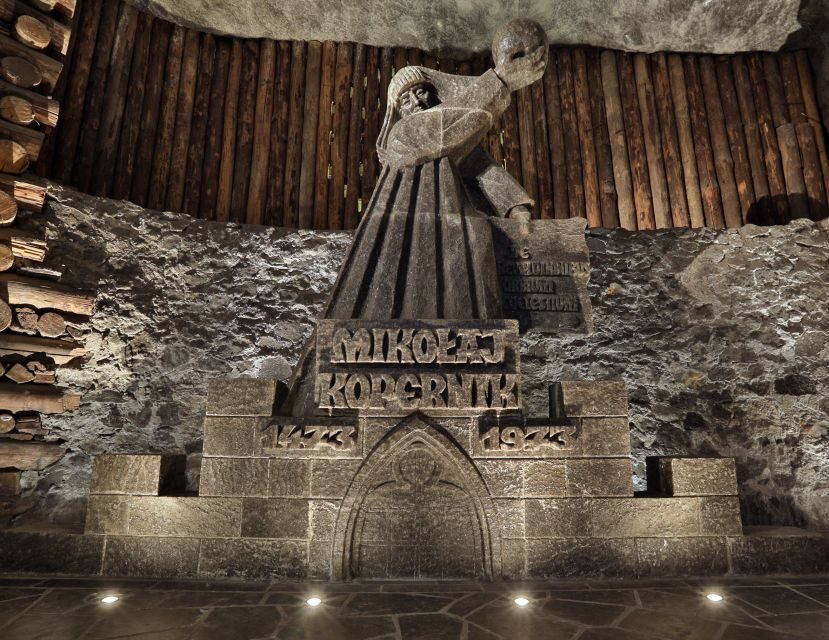
You’ll also get to see the Chapel of the Blessed Saint Kinga, plus two lakes deep in the mine. Those are the “wow” moments, but the real value is the guide’s explanations of the mines—facts, stories, and the myths people tell about salt mining and life underground. That blend makes it more than sightseeing. You walk away understanding why this mine became famous and why people still talk about it.
Practical note: the temperature inside stays around 14–17°C, so don’t assume you’ll feel the Polish summer “up top” once you’re underground. A light jacket helps. Comfortable shoes matter a lot here, especially after you’ve already done several hours of walking at Auschwitz.
And yes, the mine is scenic and theatrical—but it’s also an old, functioning site turned into a visit experience. If you’re sensitive to how tourist systems can feel in historic spaces, it may tug at you a little. For most people, though, the scale of the underground carving and the chapel alone make it worth the trip.
How the Day Flows From Krakow (Without You Doing the Math)
The tour is built as a full-day circuit with pickup from Krakow and transport connecting the sites. The schedule is designed so you can handle the transfers without constant planning. The Krakow–Auschwitz drive is about 1 hour 15 minutes, then Auschwitz to Wieliczka is another 1 hour 15 minutes, and afterward you’re dropped in the Krakow area (the finish point listed is Wielopole 2).
Pickup is arranged from places within about a 1.5 km radius of Krakow’s city center. If your hotel is outside that zone, you’ll be pointed to the nearest pickup. You’re told to wait around 10 minutes at the pickup point, and the driver waits no longer than 5 minutes after the scheduled time. That’s standard, but it’s worth treating it seriously—don’t plan to “maybe run down in time.”
Between sites, the tour keeps you moving as a group. The “between” time is where you can end up standing around if you arrive at a security checkpoint late or if timing shifts. That’s another reason to keep your layers easy and your shoes broken in.
Guides, Headsets, and the Real Value of a Structured Tour
This type of day trip lives or dies on interpretation. What I like here is the consistent presence of guides and the use of headsets, which improves comprehension at both venues.
In the reviews data behind this experience, specific guide names come up—Daniel and Justina are two examples. One person even credits Daniel for helping with tickets and recommendations during breaks between stops. Another mentions Justina and describes the day as smooth from a management standpoint. That’s a good sign: the company seems to staff the tour with people who keep the logistics from unraveling.
At Auschwitz, the guide-led structure helps you see the whole layout as a system rather than a pile of buildings. At Birkenau, the guide helps you understand what remains and what it means. At Wieliczka, the guide turns the mine into something you can actually follow.
Also, headsets reduce fatigue. Instead of craning to hear over other groups or wandering off to listen, you can stay with the group and still catch key points. You’ll still be tired, but you won’t be confused.
Lunch Plans: Useful, But Don’t Overtrust Them
If your package includes the lunch box, it’s described as ham/vegetarian/vegan depending on your selection. In real-world terms, that lunch is there to keep you fed during a packed day with limited time gaps.
But here’s my straight advice: treat lunch as backup food, not a highlight. There are multiple notes that the lunch can be canceled in some cases (for example, during a holiday period), and there are also complaints that the lunch quality wasn’t great for some people. One reviewer even suggested bringing your own packed lunch or snacks because the provided sandwich wasn’t good enough.
So do this: if food matters to you, pack a few extra items (snacks, water, something you like). The day is long, and when you’re walking, you don’t want your stomach to become part of the stress.
What to Pack and Wear for a Day of Extremes
You’ll want to move smoothly through both types of places: memorial grounds and a steep underground mine. The tour guidance is clear about what to bring and wear.
Do bring:
- Passport or ID card (name matching your booking matters)
- Student card if relevant
- Comfortable shoes
Plan for:
- Layers and weather protection for Auschwitz waiting time
- A warmer layer for 14–17°C underground in the mine
Don’t bring:
- Luggage or large bags (you won’t be able to bring everything in)
- Alcohol and drugs
- Pets
Also, the tour notes that full names of all participants must match the ID presented. That’s not just paperwork—it’s the kind of rule that can cause a problem at the gate if your booking has errors. Double-check spelling.
Timing Reality: This Is a Long Day, Not a Quick Hit
The biggest truth about this combo is the amount of walking. You’re doing a memorial site that covers a lot of ground, plus another large guided walk at Birkenau, and then a mine visit with steps and underground distance.
Several reviews noted you should expect a busy, tiring day. One reviewer went as far as saying you might not want to cram both in one day if you have another option. I get that. If you’re in Krakow for only a short time, doing both together is efficient. If you have flexibility, doing Auschwitz on one day and the salt mine on another can make you feel less “speed-run exhausted.”
On the flip side, I also like having it bundled. You see two sides of Poland’s famous attractions—history on one hand and an engineered underground wonder on the other—while you’re already in Krakow and you don’t want to coordinate buses yourself.
Who This Tour Fits Best
This is a good choice if you want:
- Guided interpretation at Auschwitz and Birkenau (not wandering on your own)
- One-day efficiency from Krakow
- A structured plan with transport, entry tickets, and headsets handled
It might not be ideal if:
- You need frequent breaks and minimal walking
- You’re uncomfortable with crowds and waiting before Auschwitz entry
- You strongly depend on the included lunch being high quality
The tour is also noted as not suitable for people with mobility impairments, which makes sense given the steps and the walking involved.
Should You Book This Auschwitz and Wieliczka Day Trip?
I’d book it if you want a guided day that covers both major sights without you doing the logistics. The biggest strength is the structure: transport, tickets, licensed guides, and headsets all help you get meaning out of the day. Auschwitz is not a place where you want to guess. The guide-led approach matters.
I’d think twice if you’re easily worn down by long schedules. This is a full-day commitment, and you’ll feel it in your legs and your head. Also, treat lunch as optional support, and pack your own snacks if you want to be sure you’ll eat something you like.
If you’re ready for a day of heavy emotion followed by a cold, carved world underground, this is a solid way to do it. Just bring comfy shoes, dress warm, and keep your expectations realistic about timing.
FAQ
How long is the tour from pickup to finish?
The total duration is listed as 11 hours, starting with pickup in Kraków and finishing at Wielopole 2.
What’s included in the price?
The tour includes Auschwitz-Birkenau Memorial and Museum entry tickets, Wieliczka Salt Mine entry tickets, a licensed tour guide, headsets, transportation from Kraków, and an optional lunch box if that option is selected.
Will there be waiting at Auschwitz before entry?
Yes. The tour information notes that because many people visit Auschwitz-Birkenau daily, there can be a waiting time before entry.
How much walking and descending is at the salt mine?
You descend about 700 steps and cover around 3 km of underground corridors during the Wieliczka Salt Mine visit.
Do I need to bring my ID?
Yes. You should bring a passport or ID card. The tour also states that names provided during booking must match the ID used at the entrance.
Is the lunch included guaranteed to be available?
The tour includes a lunch box if you select the lunch option, but the provided information also notes situations where lunch may be canceled (for example during a holiday period). If you depend on lunch, consider bringing extra snacks.