REVIEW · KRAKOW
Krakow: Auschwitz Guided Tour with Pickup and Optional Lunch
Book on GetYourGuide →Operated by Cracow Visit Tours & Transfers · Bookable on GetYourGuide
Auschwitz is heavy, but this tour runs it well. It’s a guided day trip from Krakow that pairs easy pickup and transport with a focused, professional walk through Auschwitz I and Auschwitz II-Birkenau. You’ll see the physical place where genocide was planned and carried out, plus exhibits that put names and personal items back in the story.
Two things I especially like are the skip-the-line entry approach (so you spend more time inside the memorial) and the clear structure: a guided Auschwitz I, then a short break, then Birkenau with a guide for the main sections you need to see. The optional lunchbox is also a practical add-on when you don’t want to hunt for food partway through a long day.
One possible drawback: it’s a very intense experience, and the day can run long—plus Birkenau involves walking in more open areas. If you’re sensitive to emotional subject matter or not up for several hours on your feet, plan carefully and bring water and comfortable shoes.
In This Review
- Key highlights worth your attention
- Why Auschwitz and Birkenau From Krakow Works Better Than You Think
- Pickup, Bus Ride, and the Real Timing of a 7–8 Hour Day
- Auschwitz I: Gate Symbol, Administration Spaces, and the Exhibits That Stick
- The 15-Minute Reset: How to Use the Short Break Wisely
- Auschwitz II-Birkenau: Where Prisoners Entered and What Forced Living Looked Like
- What the Guide Actually Does for You (Beyond Reading Plaques)
- Lunchbox Option: A Practical Add-On for a Long, Fixed Schedule
- Price and Value at About $54: What You’re Paying For
- Small Rules That Matter: What to Bring and What’s Not Allowed
- Who This Tour Fits Best (And Who Should Reconsider)
- Should You Book This Auschwitz Guided Tour With Pickup?
- FAQ
- How long is the Auschwitz-Birkenau tour from Krakow?
- Is hotel pickup included?
- Do you get a guided tour inside both camps?
- Is lunch included?
- What do I need to bring for entry?
- Is this tour suitable for children or wheelchair users?
Key highlights worth your attention
- Hotel or area pickup in Krakow to reduce pre-tour stress and help you get to the bus fast
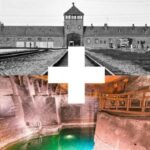
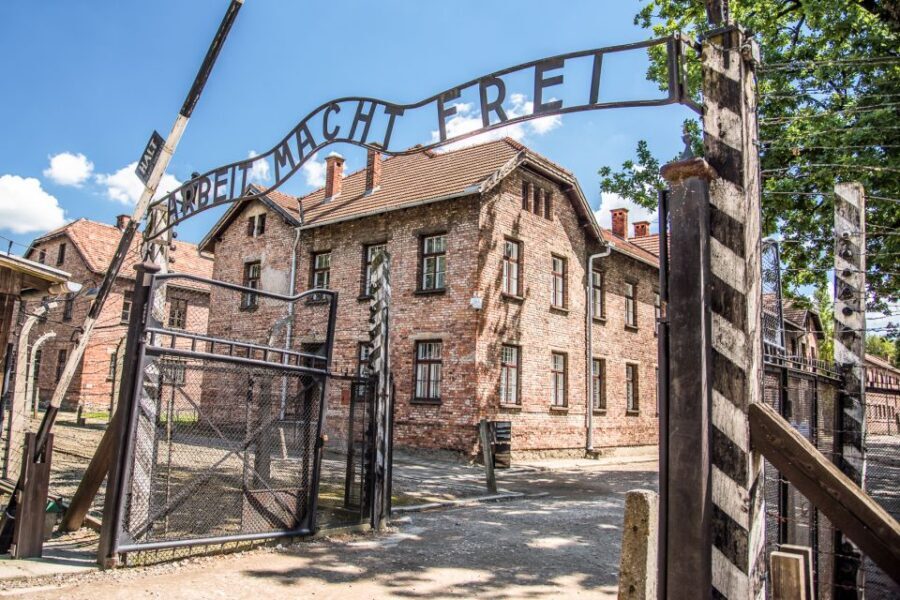
- A guided Auschwitz I visit that covers key sites like the Arbeit Macht Frei gate area, administration buildings, and the gas chamber
- A focused Birkenau Auschwitz II guided segment that explains where prisoners entered and where they were forced to live
- Time-efficient transfers in an air-conditioned bus, with roughly 1.5 hours each way
- Optional lunchbox (ham, hummus, and cheese) so you don’t lose time searching nearby
- Multiple guide languages including English, French, Spanish, Italian, German, Dutch
Why Auschwitz and Birkenau From Krakow Works Better Than You Think
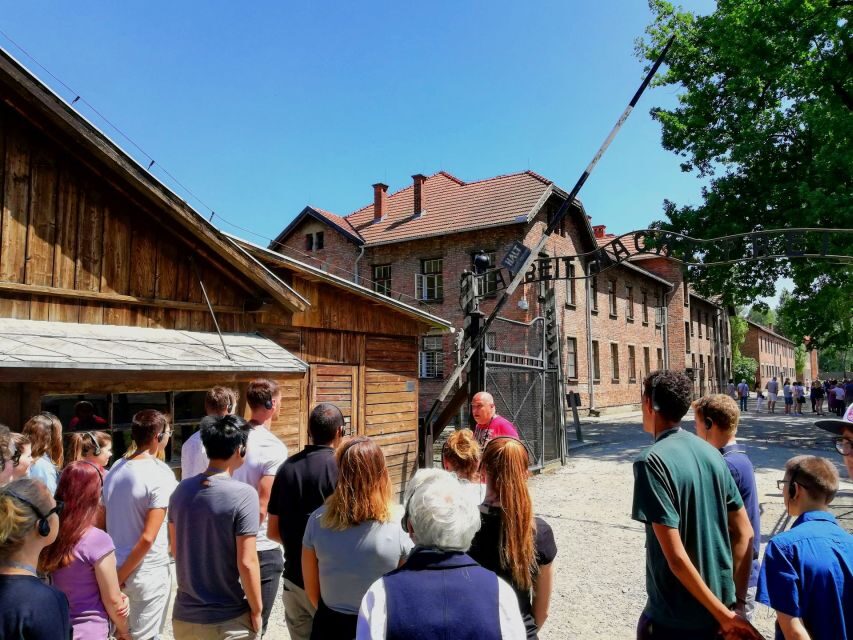
Krakow is one of Europe’s best bases for history-focused day trips, and this one makes the most of your time. You’re paying for a full service day: pickup, transport, and a live guide who keeps the visit organized and understandable.
This is not a sightseeing loop. It’s a carefully timed route through Auschwitz I and Auschwitz II-Birkenau, with the guide explaining what you’re looking at and where each preserved space fits into the system of persecution. For most people, that context is what turns a list of locations into a real understanding of what happened.
Also, the emotional weight matters. A guided format helps because it’s harder to get lost in the details when you have a professional explaining what each exhibit means and why certain rooms and artifacts were preserved.
You can also read our reviews of more guided tours in Krakow
Pickup, Bus Ride, and the Real Timing of a 7–8 Hour Day
You’ll typically start with pickup from your Krakow hotel or a nearby meeting point, depending on what you choose. The day runs about 7 to 8 hours, with a comfortable round-trip bus ride of about 1.5 hours each way.
The practical benefit is that you don’t have to coordinate transport out to the memorial on your own. You also get a single plan for the day: lunch break timing, the Auschwitz I guided walk, the short pause, then the Birkenau guided portion.
A heads-up on timing: pickup time can shift. In exceptional cases, departures may be very early in the morning due to ticket availability. One traveler experience noted a later pickup adjustment even when an earlier slot was booked—so I’d treat the day as “ready when they tell you,” not “I’ll leave at exactly X.”
Auschwitz I: Gate Symbol, Administration Spaces, and the Exhibits That Stick
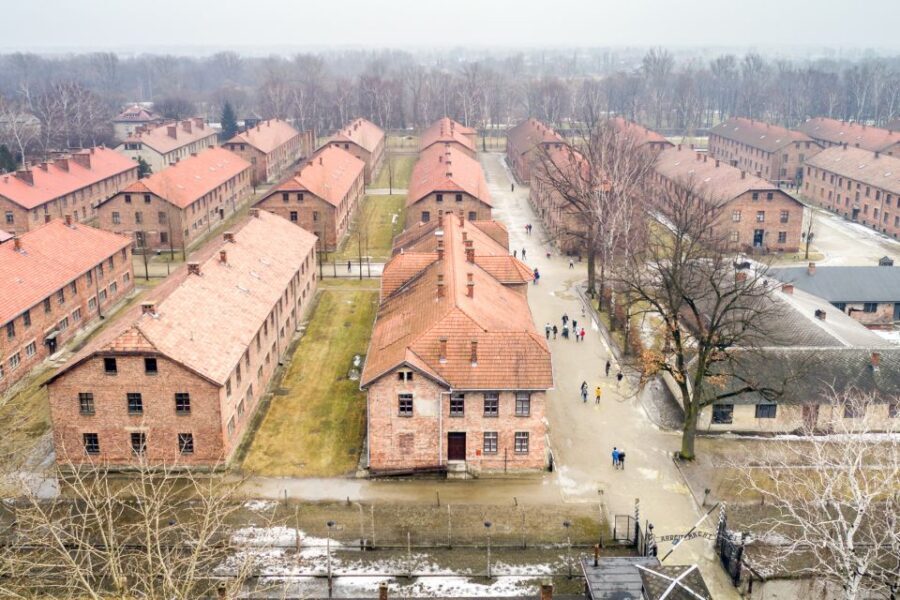
Auschwitz I is where the tour anchors itself. This is the part of the memorial built by the Nazis and organized in a way that shows how their system operated from the inside—spaces where decisions were made, and where victims were processed.
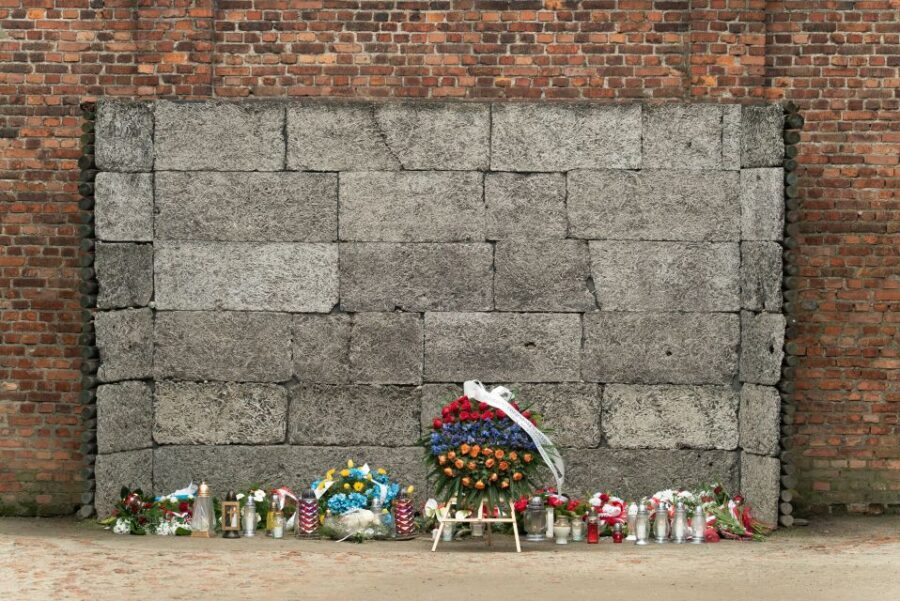
Expect your guided time to include the infamous gate area tied to the phrase Arbeit Macht Frei, plus administration buildings where the machinery of oppression was planned. This isn’t just architectural interest. The guide’s job here is to connect buildings to actions, so you understand what those walls were used for.
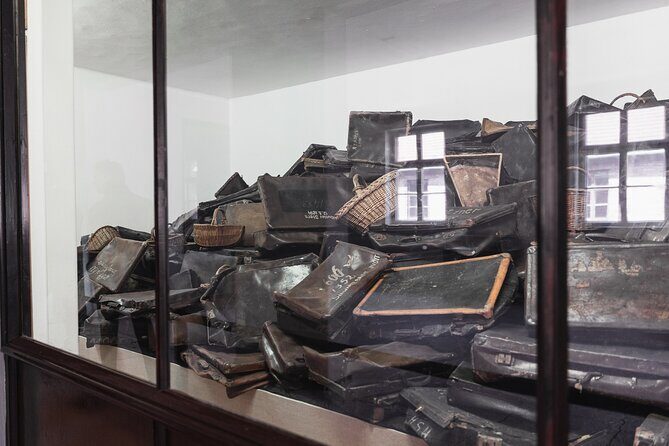
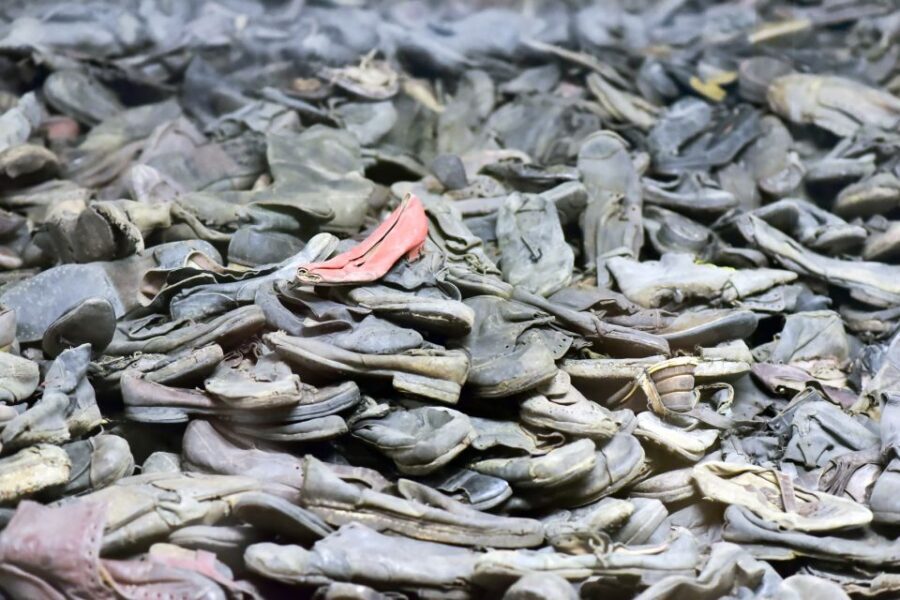
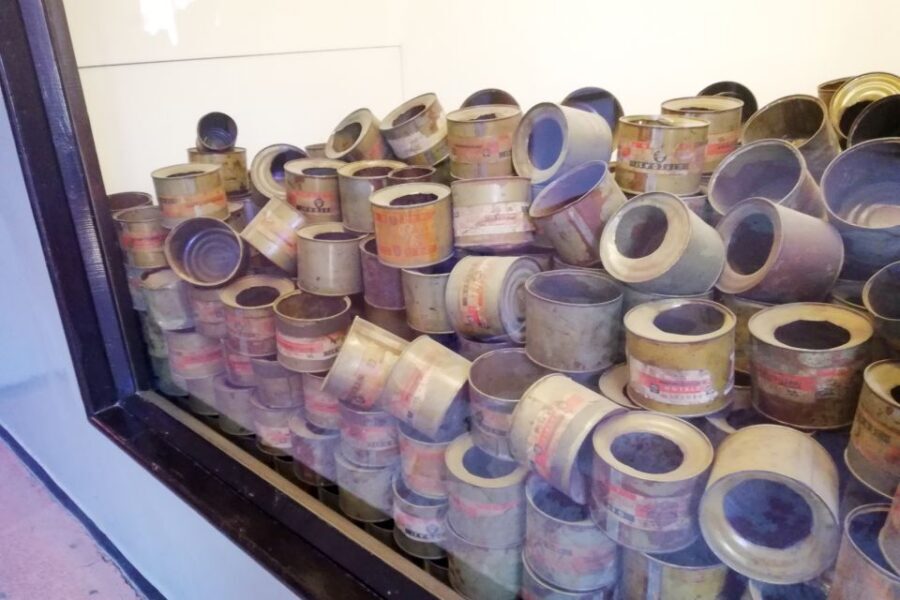
Then come the spaces that hit hardest. You’ll be shown inside the gas chamber, and you’ll also see exhibitions featuring personal artifacts belonging to inmates. The preserved objects can feel small compared to the scale of what happened, but that contrast is part of the effect: it’s bodies, names, and belongings—not just history as an idea.
A practical tip: wear layers. Auschwitz sites can be cold in the morning and change as the day goes. Bring something you can adjust fast without holding up your group.
The 15-Minute Reset: How to Use the Short Break Wisely
Between Auschwitz I and Auschwitz II, you get a short break of about 15 minutes. That break exists for a reason: you’ll move from a more enclosed and structured area to Birkenau’s broader, more exposed layout and walking.
Use this time like a pro. If you might need the restroom, do it now. If you plan to buy water or grab something small, do it now too—then you won’t be rushing during the next transfer and guided walk.
Also, don’t over-plan for a long break. This schedule keeps things moving, and the memorial itself controls parts of the timing. If you treat the 15 minutes as enough for one quick reset, the rest of your day feels easier.
Auschwitz II-Birkenau: Where Prisoners Entered and What Forced Living Looked Like
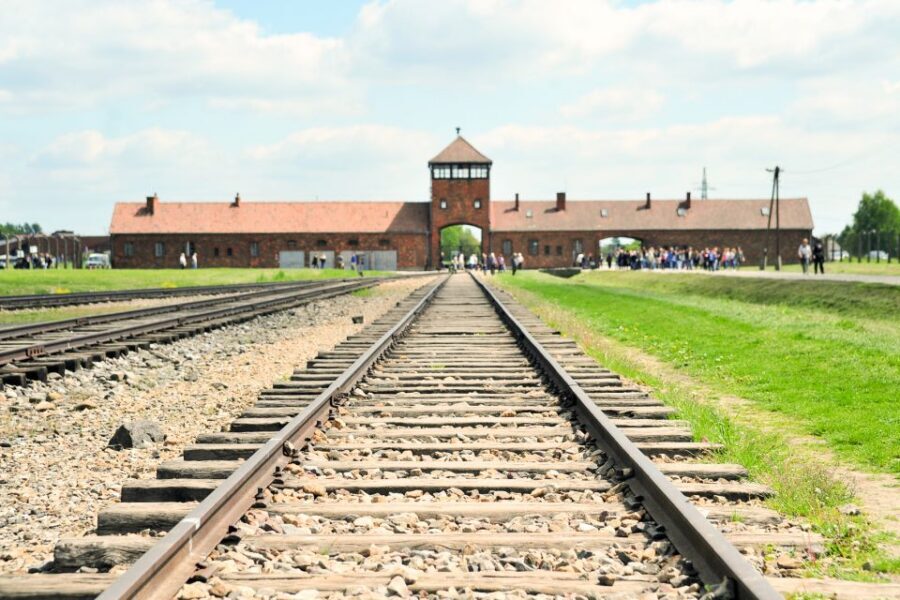
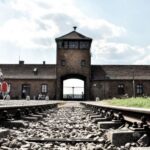
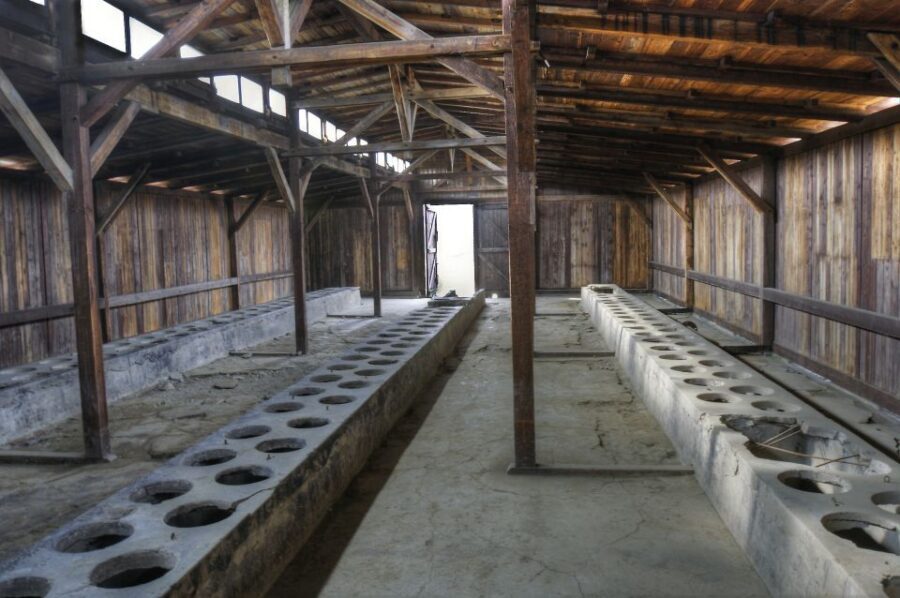
Birkenau is the bigger, more open expanse, and it changes the feel of the visit. Here you’ll take a 1-hour guided tour, focused on the entry areas and the wooden barracks where prisoners were forced to live.
The guide shows where prisoners entered the camp—an important piece of the story because it connects transport, selection, and arrival to what happened next. You’ll also see how the barracks and layout were designed to control people through confinement and deprivation.
Because Birkenau is more exposed, you should expect more walking and more time on uneven surfaces. One review mentioned that Auschwitz II can involve around two hours of walking, so comfortable shoes aren’t optional—they’re how you keep your focus on the meaning of the place, not on your feet.
If it’s warm, bring water. If it’s cold, bring something windproof. Your body will notice the weather more here than at Auschwitz I.
You can also read our reviews of more tours and experiences in Krakow



What the Guide Actually Does for You (Beyond Reading Plaques)
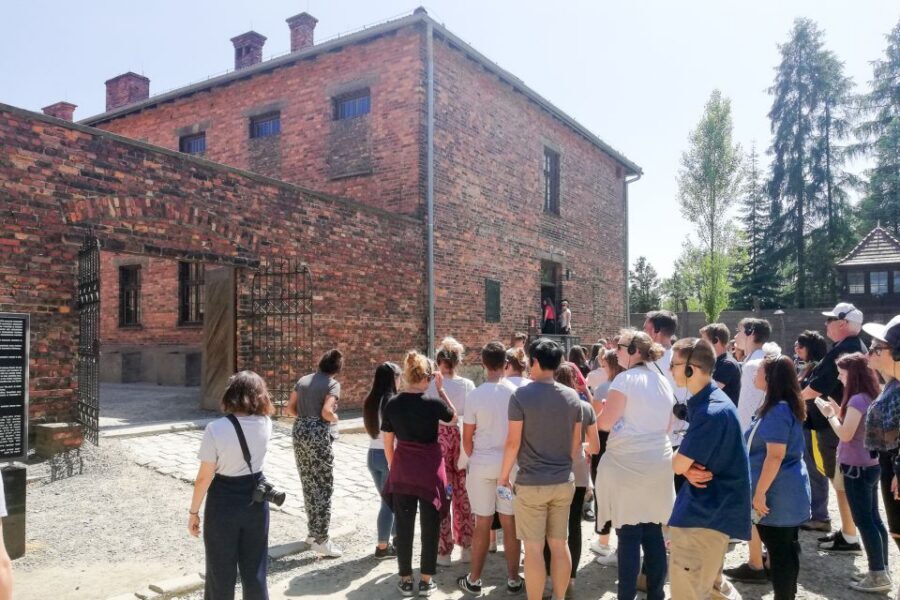
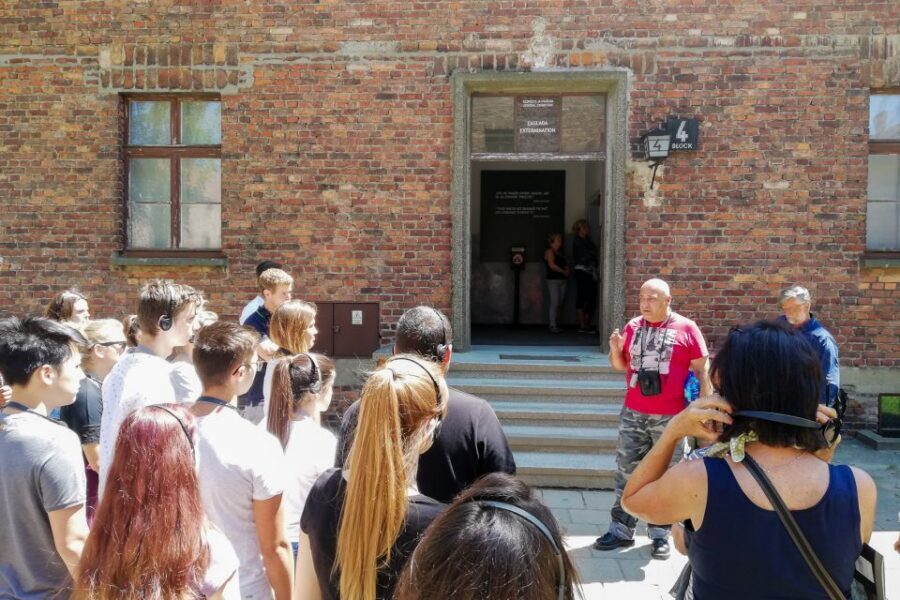
A good guide changes how you experience this day. The live tour guide helps you understand what you’re seeing and why certain items matter, including the personal artifacts in Auschwitz I exhibits. The pacing matters too: the tour is structured so you keep moving without the awkward stop-start that can happen on self-guided visits.
You’ll also be in a group setting, which means you’ll hear the guide and then see the sites in the order they’re meant to be understood. Multiple languages are offered—English, French, Spanish, Italian, German, and Dutch—so you can pick the language you’re most comfortable processing.
Some visitors also noted that headphones were helpful for hearing the narration clearly. That may not be identical for every departure, but it’s a smart system if they’re using one. In any case, assume the environment can be noisy—so listen closely and don’t hesitate to ask the guide to repeat a point when something feels unclear.
If you prefer quieter thoughtfulness, plan for it mentally. This is a day where you’ll want to absorb the meaning at your own pace, but the guided format keeps the overall visit coherent and respectful.
Lunchbox Option: A Practical Add-On for a Long, Fixed Schedule
If you choose the lunch option, you’ll get a lunchbox. The included option is described as a ham, hummus, and cheese box, and it’s designed to keep you fed without derailing the schedule.
In practice, one guest described their lunch as a ham salad seeded roll with a bottle of water plus extra sweet items. That’s a reminder that exact components can vary by departure, but the intent stays the same: fuel for a long day.
The main value here is timing. You’re on a fixed rhythm: transfer, guided time, quick break, transfer, then Birkenau. If you try to manage lunch on your own, you risk losing time—or ending up with a rushed meal that doesn’t fit the schedule.
Price and Value at About $54: What You’re Paying For
At $54 per person, you’re mostly paying for four things: transport from Krakow, a professional guide during the key camp sections, skip-the-line entry tickets in most standard options, and (optionally) lunch.
The biggest value is time and stress management. Skip-the-line entry can matter because the memorial can be busy, and waiting in a queue can drain your energy before you even start. If the online reservation isn’t available for your departure, you may need to queue instead, and the wait depends on visitor numbers.
The other big value is that you’re not handling the “what do I do next?” part. When the day includes long transfers and emotional sites, having a guide and driver coordinate the flow is part of what you’re buying.
Is it expensive compared to grabbing transit on your own? Yes, sometimes. But it’s typically cheaper than the hidden costs of lost time, wrong turns, and trying to self-navigate a complex, sensitive memorial on a tight schedule.
Small Rules That Matter: What to Bring and What’s Not Allowed
Bring a passport or ID card. The memorial may refuse entrance if the name on your booking doesn’t match the name on your ID exactly, so double-check spelling.
Don’t bring luggage or large bags. The tour data specifically says luggage or large bags aren’t allowed, so pack light. If you need a bag for essentials, keep it small enough for quick handling.
Also note the pace is determined by the memorial visitor service. That means your “7–8 hours” is a good target, but the site can influence the exact end time.
Who This Tour Fits Best (And Who Should Reconsider)
This tour is best for adults and older teens who want a guided, structured visit to Auschwitz and Birkenau. It’s not suitable for children under 12, and it’s also listed as not suitable for people with mobility impairments or wheelchair users.
It’s not a great fit for hearing-impaired people either, based on the information provided. If you fall into any of these groups, it’s worth looking for a different format or contacting the provider to ask what support can be offered.
If you can handle emotionally intense historical content and you’re comfortable walking, this tour is very solid. The guide format helps you interpret what you’re seeing without turning the day into random browsing.
Should You Book This Auschwitz Guided Tour With Pickup?
If you want the simplest way to do Auschwitz and Birkenau from Krakow, I’d book it—especially if you value pickup + transport + guided time in one plan. This is the kind of day trip where organization isn’t a luxury; it protects your focus so you can pay attention to the meaning, not the logistics.
Book it if:
- You want skip-the-line entry as part of your experience plan
- You prefer a guide-led route through Auschwitz I and Auschwitz II-Birkenau
- You’d rather spend your energy understanding the sites than coordinating transport and timing
Think twice if:
- You’re likely to struggle with the emotional intensity of a genocide memorial
- You need long, frequent breaks or can’t handle several hours of walking in open areas
- You’re traveling with luggage that you can’t keep small
If you do book, plan like this: wear comfortable shoes, bring water, carry a light layer, and be ready for an unforgettable—though very difficult—day.
FAQ
How long is the Auschwitz-Birkenau tour from Krakow?
The tour lasts about 7 to 8 hours.
Is hotel pickup included?
Pickup is included if you choose the option that offers it, with pickup from the Krakow Old Town or Old Jewish Quarter area. If the driver can’t stop at your exact spot, an alternate nearby place is arranged.
Do you get a guided tour inside both camps?
Yes. You’ll have a guided visit of Auschwitz I, then after a short break you’ll get a guided tour at Auschwitz II-Birkenau.
Is lunch included?
Lunch is available as an optional lunchbox add-on. The included lunchbox option is described as ham, hummus, and cheese.
What do I need to bring for entry?
Bring a passport or ID card. Entrance may be refused if the name on your booking doesn’t match the name on your ID.
Is this tour suitable for children or wheelchair users?
No. It is listed as not suitable for children under 12 and it is not suitable for wheelchair users or people with mobility impairments.