REVIEW · KRAKOW
Guided Tour from Krakow to Auschwitz Birkenau with hotel pick up
Book on Viator →Operated by Welcome in Cracow · Bookable on Viator
A visit to Auschwitz is heavy, but the logistics can be easy. This guided day trip from Krakow pairs door-to-door transport with admission handled in advance, so you spend your energy on the site—not the paperwork. It also comes with headsets, which matters a lot when you’re bouncing between groups and moving fast through big spaces.
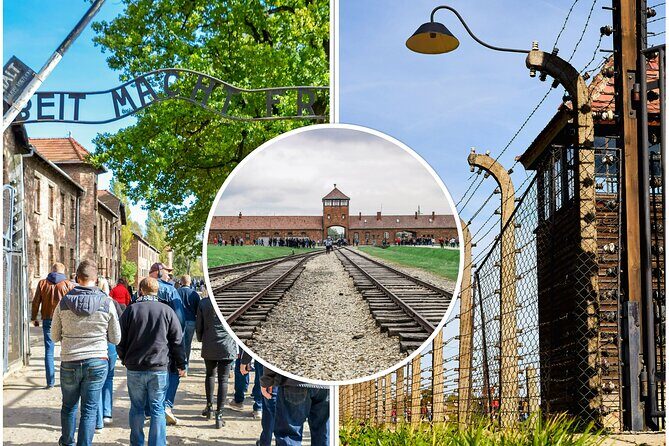
I especially like how the day is structured for clarity: at Auschwitz I you get a guided walk focused on major landmarks like the gate Arbeit macht frei and the surviving gas chamber. Then you shift to Auschwitz II Birkenau with another guided route that covers the unloading ramp, the tracks, the ruins of gas chambers and crematoria, and the monument to victims.
One drawback to plan for: it’s a long, outdoor-heavy day with a lot of walking on rough ground, and there isn’t a real lunch break. If you’re dealing with mobility limits or you hate being on your feet, you’ll need to think hard before booking.
In This Review
- Key things to know before you go
- Door-to-door Krakow transport that sets the tone
- Auschwitz I: the guided walk, the key sights, and how the headset helps
- Birkenau (Brzezinka): longer outdoor walking and the big-picture route
- Museum timing, skip-the-line admission, and why entry times can shift
- What to bring (and what not to) for a smoother day
- Value check: why this $66.54 price can make sense
- Who should book this tour, and who should reconsider
- Should you book it? My call
- FAQ
- How long is the Auschwitz and Birkenau guided tour from Krakow?
- Is hotel pickup included in the tour price?
- Does the tour include admission tickets?
- Are guides available in English?
- Are headsets included?
- Is lunch included?
- What ID do I need to bring?
- Is there a luggage limit for entering the museum?
- Can I cancel for free?
Key things to know before you go
- Hotel pickup and drop-off in Krakow means you’re not hunting buses or trains.
- Headsets included, so instructions and guide narration stay clear even when the crowds surge.
- Admission is booked in advance, so you should avoid long ticket-office lines.
- A real two-camp format: Auschwitz I first (guided museum walk), then Birkenau (bigger, more exposed terrain).
- Smart-casual dress and minimal bags are required, including a strict bag size limit.
Door-to-door Krakow transport that sets the tone
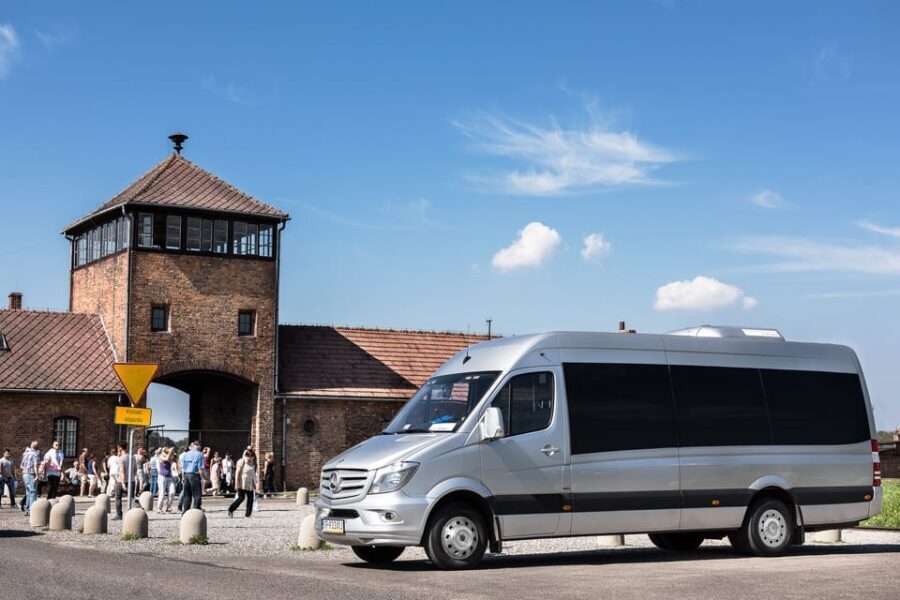
This tour is built around the simple idea that getting to Auschwitz should not become a second job. You’ll be picked up from your hotel or apartment area (or a nearby accessible point if your specific hotel sits in a traffic-restricted zone), and dropped back in central Krakow when the day ends.
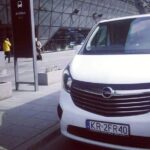
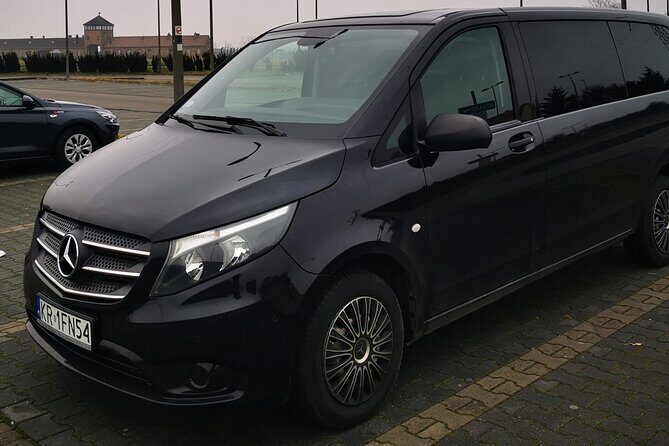
The drive from Krakow to Auschwitz takes about 1.5 hours, and you’ll get pickup timing details the day before your tour. In practice, you’ll get a communication push ahead of time too—via messaging apps like WhatsApp—and you may also receive helpful details such as the driver name and even a photo of the van (handy so you know you’re at the right place).
This is one of those trips where small friction can ruin your focus. Here, the plan is to remove friction: clear pickup, controlled group size, and air-conditioned minivans or minibuses.
You can also read our reviews of more guided tours in Krakow

Auschwitz I: the guided walk, the key sights, and how the headset helps
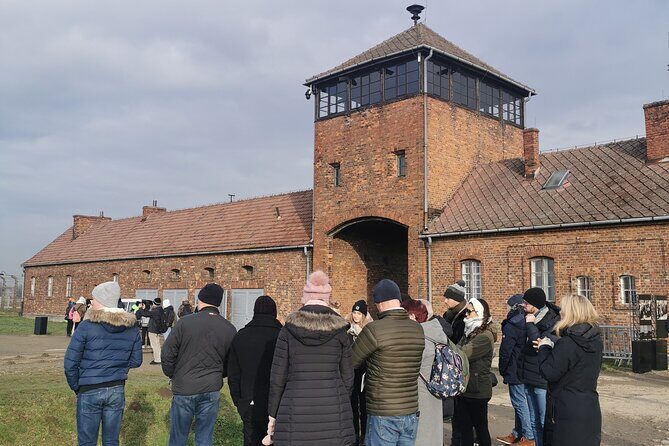
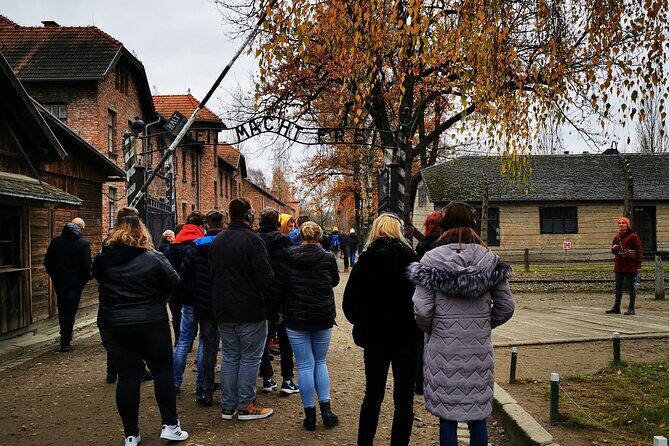
At Auschwitz I, you meet your guide on arrival and step into the museum with a licensed English-speaking team. The guided portion is about two hours of walking, and it’s paced to help you understand what you’re seeing without rushing you through everything.
The route is centered on major, unavoidable landmarks. You’ll see the gate Arbeit macht frei, visit areas tied to the camp’s documented history, and view the last gas chamber that survived. You’ll also spend time in exhibitions with photos and remains of prisoners, which is where the visitor experience tends to shift from seeing buildings to understanding a system.
Two details make a difference here. First, the guide is working with you inside a crowded, controlled environment, so you’ll spend less time searching and more time learning what each space means. Second, headsets help you hear the guide clearly even when the group compresses and expands around other visitors.
A practical consideration: you’re not strolling at your own pace. The museum is crowded—think thousands per day—so the group movement and timing matter. The headsets and instructions are what keep you from losing your way when the space feels big and solemn.
Birkenau (Brzezinka): longer outdoor walking and the big-picture route
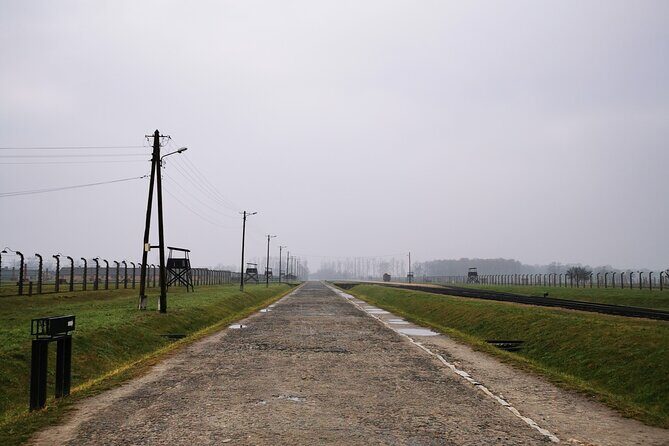
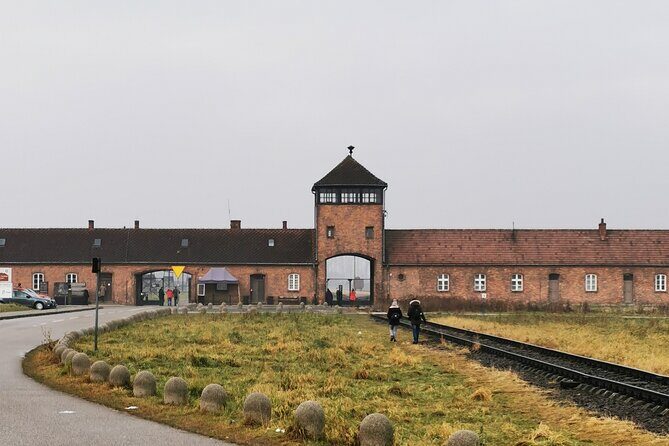
After a break, the driver takes you to the second camp: Auschwitz II Birkenau, often called Brzezinka. Here you meet your guide again at the entrance, and the walk is longer—over an hour—across a place that feels physically vast.
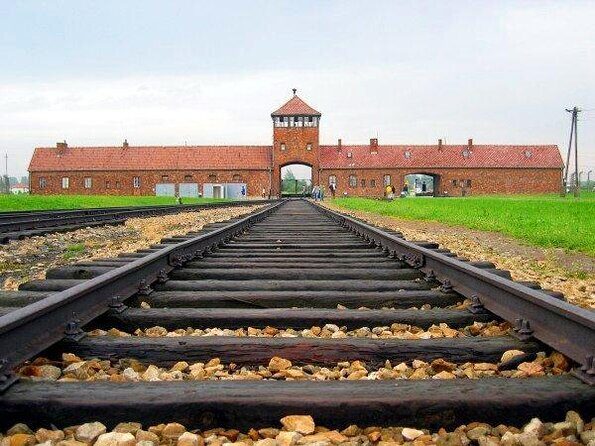
This part of the day is where the tour’s structure really earns its keep. The guide shows you major locations tied to the camp’s function and horror, including the Death Gate area and the tracks leading into the camp, plus the unloading ramp where trains with prisoners arrived. You’ll also see the ruins of the gas chambers and crematoria, the monument to victims of the Holocaust, and prisoner living buildings.
Expect to spend a big chunk of time outdoors. The tour notes say up to 70% of your time is outdoors, especially at Birkenau. That means weather is not a side note—it’s part of the plan—so bring water and dress for the conditions.
Another reality check: this is not a site where you can casually stop, snap photos, and wander off. The group moves together so you can cover the critical areas while staying within museum expectations.
Museum timing, skip-the-line admission, and why entry times can shift
Auschwitz is the most visited place of this kind in Poland, and the museum runs on tight capacity rules. Even if you choose a time, the final entry window is subject to museum guidelines, building limits, and occasional VIP groups or ceremonies that you won’t be told about ahead of time.
The tour handles a key part of this behind the scenes. Entry tickets are booked in advance, and the operator must first submit a full list of participant names before an entry time can be issued. This is exactly why you should treat the day like a fixed commitment: your name details must match, and last-minute changes can be a problem.
So what do you do as a visitor? You stay flexible. Pickup time may be adjusted due to capacity limits and how the day flows. A good rule of thumb is to avoid planning other big activities for the same day—this is one of those tours where getting there and getting in efficiently protects your experience.
What to bring (and what not to) for a smoother day
This is not the day for a carry-on suitcase. There are firm constraints inside the Auschwitz-Birkenau Museum area.
You need to carry your passport or ID. The museum requires personal details confirmation, and ID checks can happen at the entrance. Also, you must keep bag size small: the maximum allowed size is 30 cm x 20 cm x 10 cm. Larger bags and backpacks aren’t allowed inside, but you can leave them locked in your car during the visit.
Security screening is also required, similar to airport procedures. That means you should plan for a checkpoint experience before you even get into the camp spaces.
On top of that, there are strict behavior rules: smart casual dress code, no loud behavior, no smoking, and no eating inside museum premises. Photography is generally allowed except where clearly restricted, but flash is prohibited inside buildings.
Finally, bring comfort for a physical day. Expect a lot of walking—often in the range of 10,000 to 12,000 steps—on rough walkways. If you have mobility challenges, the tour is not recommended, and it’s worth considering alternatives.



Value check: why this $66.54 price can make sense
Let’s talk money without pretending it’s “cheap” or “premium.” At $66.54 per person for an approximately 7-hour day that includes transport, a licensed English guide for both camps, headsets, and admission booked in advance, the cost can be fair—especially compared with cobbling together public transport, timed entries, and separate guides.
What you’re really paying for is time and stress control. The tour removes the need to coordinate transfers, and it helps you avoid waiting in ticket lines. When you’re dealing with a timed museum environment like Auschwitz, that kind of coordination is often the difference between feeling overwhelmed and feeling grounded enough to absorb what’s in front of you.
It’s also a guided day that targets key sights in both camps, so you’re not spending the day guessing what to prioritize. If you want a clear route with explanations—gate, gas chamber areas, tracks, unloading ramp, ruins, and memorial spaces—this format delivers.
The one cost that isn’t included is lunch. There isn’t ample time for a traditional lunch break between Auschwitz I and Birkenau, so you’ll want a snack. You can also order lunch boxes through the operator for an additional fee, and at the parking lot you’ll find vending machines with snacks while a restaurant is under construction.
Who should book this tour, and who should reconsider
This works best for you if you want a single, guided day that covers both Auschwitz I and Auschwitz II without transportation headaches. I’d also say it’s a smart fit if you value clear direction in a crowded site—headsets and group pacing help you stay on track.
You’ll probably enjoy it if you travel solo, since the pickup-and-drop structure reduces the need to coordinate anything yourself. A number of guide and driver combinations have been praised for being organized and respectful, including names like Anna or Brigette for guiding, and drivers such as Kuba, Dorota, Patryk, or Bartek in past departures. Your guide and driver for your date may differ, but the overall service style is consistent.
Consider skipping this tour (or choosing a different format) if you:
- have mobility limitations, because of heavy walking and rough terrain
- hate long days with strict rules and limited food time
- need to move at your own pace, since the visit is guided and paced for group movement
Should you book it? My call
If your priority is to see both Auschwitz I and Birkenau with a licensed English-speaking guide, plus headsets and admission handled in advance, then yes—this is a solid book. The door-to-door transport from Krakow is a big win, and the camp routes are built to help you understand what you’re seeing without getting lost in the crowds.
If you’re sensitive to physical demands, or you’re the type who needs long breaks and lots of freedom to wander, you might feel constrained. In that case, you’ll want to think about whether this structured day fits your style—or seek a different pace option.
Bottom line: for most people visiting Krakow, this is one of the most practical ways to make the Auschwitz day happen correctly, on time, and with interpretation that helps the site land in your mind the right way.
FAQ
How long is the Auschwitz and Birkenau guided tour from Krakow?
The tour lasts about 7 hours.
Is hotel pickup included in the tour price?
Yes. If you select the option with hotel pickup, you’ll be picked up from your hotel/apartment/hostel in Krakow and dropped back in Krakow City Centre.
Does the tour include admission tickets?
Yes. Admission for Auschwitz I is included (about 2 hours of walking), and entry for Auschwitz II Birkenau is also included. Tickets are booked in advance, so you should not need to wait in ticket lines.
Are guides available in English?
Yes. The tour includes an English-speaking driver and licensed English-speaking guides at the camps.
Are headsets included?
Yes. Headsets are included so you can hear the guide clearly.
Is lunch included?
No. Lunch is not included. There isn’t enough time for a regular lunch break between the two camps, so bring a snack or consider ordering a lunch box through the operator for an extra fee.
What ID do I need to bring?
You must carry a passport or ID, since your personal details are confirmed at the museum entrance.
Is there a luggage limit for entering the museum?
Yes. Large bags or backpacks aren’t allowed. The maximum allowed size is 30 cm x 20 cm x 10 cm. You can leave bigger items in your locked car.
Can I cancel for free?
You can cancel for free up to 24 hours before the experience’s start time for a full refund. If you cancel less than 24 hours before, the amount paid is not refunded.