REVIEW · KRAKOW
Guided Tour to Auschwitz Birkenau & Schindler Factory with PickUp
Book on Viator →Operated by Krakow Tours by KrakowDirect · Bookable on Viator
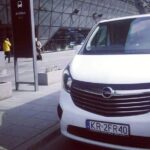
That early drive sets the tone. This is a guided Auschwitz-Birkenau day plus Oskar Schindler’s Factory in Krakow, run as one organized flow so you’re not hunting tickets, transport, or meeting points. I especially like the small group size (max 30) and the fact that Auschwitz visits use headsets so you can actually hear the story over the crowd. One thing to weigh: it’s a very long, very walking-heavy day, and comfort can vary depending on how full the vehicle is and where you get picked up.
The Auschwitz sections are built around licensed museum guidance, including a walk through Auschwitz I (with the gate and the Arbeit Macht Frei sign) and then on to Birkenau, where the scale can feel bigger than your brain expects. At the end, Schindler’s Factory shifts the focus back to wartime Krakow—less concentration-camp detail, more how the city’s Jewish community and life changed under Nazi rule.
If you go in with realistic expectations—serious subject, strict on-site rules, and tight timing—you’ll get a day that feels both well-run and emotionally heavy.
In This Review
- Key takeaways before you go
- The big picture: two WWII sites in one 8.5-hour day
- Pickup and timing in Krakow: why your morning can change
- Auschwitz I: what the gate walk and headset actually do for you
- Birkenau (Auschwitz II): the scale, the timeline, and the hardest part
- Schindler’s Factory Museum: wartime Krakow in 90 minutes
- Price and value: what $69.99 buys you in real terms
- What to bring, what to expect, and how to keep your footing
- Who this tour suits best (and who should consider alternatives)
- Should you book this Auschwitz and Schindler Factory tour?
- FAQ
- How long is the Auschwitz Birkenau and Schindler Factory tour?
- Is hotel pickup available?
- Will the tour be in English?
- Do I need to bring a passport or ID?
- Is lunch included?
- What group size is used?
- How big can my carry-on be?
Key takeaways before you go
- Max 30 people helps you stay oriented during a crowded, high-emotion visit
- Headsets in Auschwitz mean you won’t miss key explanations
- Two guides, two camp atmospheres: Auschwitz I then Birkenau (Auschwitz II)
- Schindler’s Factory is a Krakow WWII lens, not a film stop
- Pickup times can shift, so plan for an early start and limited flexibility
- Bring snacks and ID to keep the day running smoothly
The big picture: two WWII sites in one 8.5-hour day
This trip is for travelers who want the Auschwitz experience done with guidance—and also want a second stop that places Krakow’s wartime story into context. It’s priced at $69.99 per person, which is a big part of why it works: you’re paying for coordination (pickup, transport, on-site guiding, and museum entry for the Auschwitz and Schindler parts).
The overall time is about 8 hours 30 minutes, and the rhythm matters. You’re not bouncing around town all day. Instead, the day has a simple structure: drive out to Oswiecim, tour Auschwitz I, move to Birkenau, then return to Krakow for Schindler’s Factory before you get dropped off.
A practical note: the emotional weight is real. Also, the day is scheduled tightly because the camps have their own rules and visitor flow. So the goal isn’t to linger on one exhibit forever. It’s to help you see the major sites in order and understand what you’re looking at.
You can also read our reviews of more guided tours in Krakow
Pickup and timing in Krakow: why your morning can change
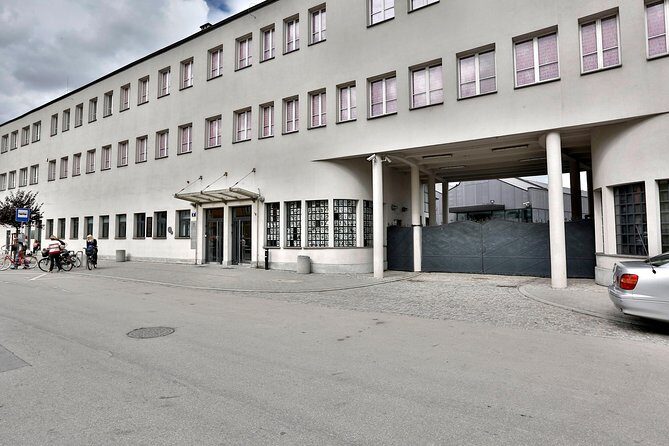
Pickup is offered either from your hotel or a designated meeting point (start: Floriana Straszewskiego 17, 31-101 Kraków; meeting options depend on the product you select). The end point is Schindler’s Factory (Lipowa 4, 32-051 Kraków), and the day ends there.
Here’s the part that catches people off guard: the exact pickup time is confirmed the day before, and it can shift due to the Auschwitz schedule and traffic. The company notes the pickup time may change and could land anywhere between 5:00 AM and 2:00 PM, though usually it’s adjusted by about 30–60 minutes (sometimes more). So keep your calendar flexible that day.
In the real world, vehicle comfort depends on your departure load. Most reports praise smooth organization, on-time pickup, and drivers who handle things well. But I’d still plan mentally for a full vehicle and long sitting time—one departure had very tight seating and lacked air conditioning, which made the ride uncomfortable.
My advice: if you’re sensitive to heat or long rides, use the closest pickup option possible and bring a small water bottle and something light to snack on.
Auschwitz I: what the gate walk and headset actually do for you
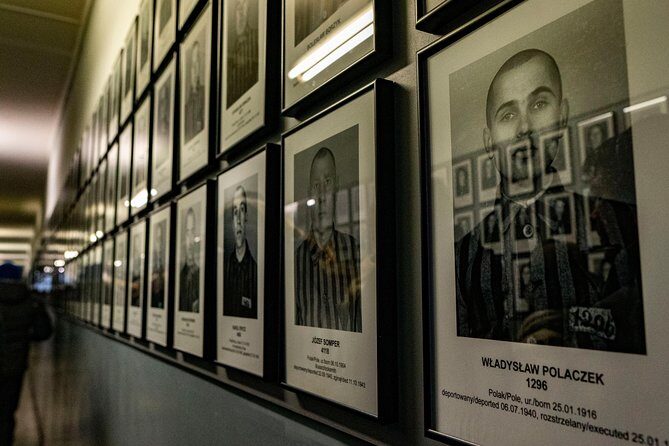
Auschwitz is not a museum where you wander like it’s any other attraction. It’s a site with rules, boundaries, and a powerful need for respectful listening. This tour starts with transport from Krakow to Oswiecim, about 1 hour 15 minutes away.
Once you arrive, there’s a brief break so you can grab coffee or look at outdoor exhibits. Then you meet a local guide licensed by the Auschwitz-Birkenau Museum. This matters because it usually translates to more accurate details, clearer interpretation, and smoother adherence to site flow.
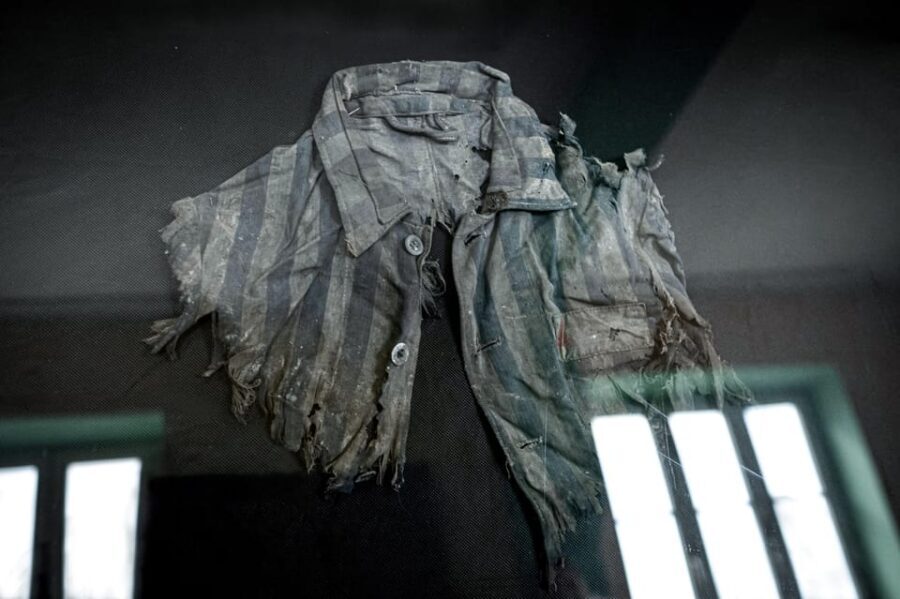
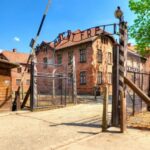
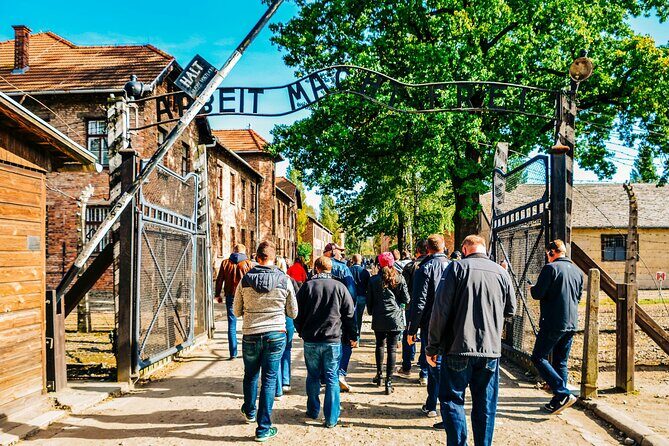
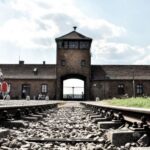
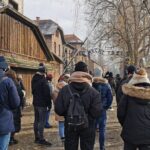
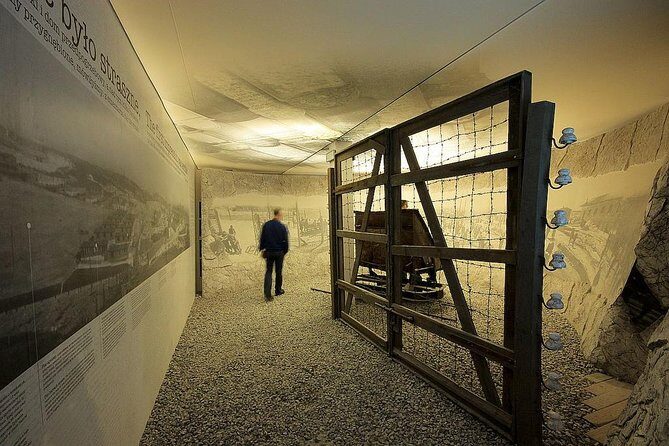
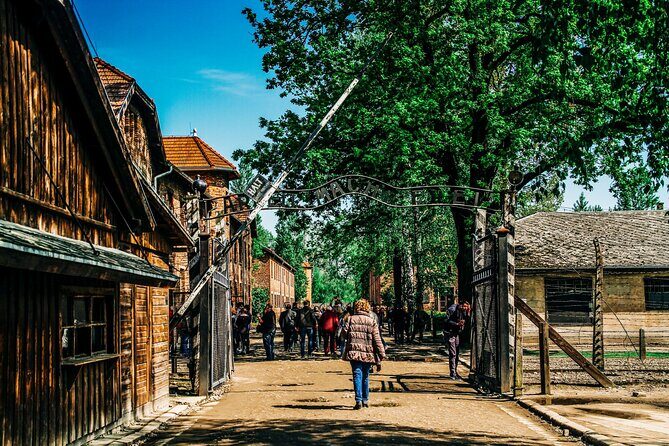
In Auschwitz I, you walk through the main camp area, starting with the entrance experience: you pass under the Arbeit Macht Frei sign (Work Makes You Free). Expect a guided walk through key elements like wooden barracks, fortified walls, barbed wire fencing, and the camp’s infrastructure that visitors often find hard to imagine until you see it.
You’ll also use a headset for much of this section. That’s not a small detail. On a crowded day, it’s the difference between understanding the story and getting fragments while you’re constantly turning to hear.
Duration for this Auschwitz I portion is about 2 hours, and group size is capped at 30 due to museum regulations. That’s a sweet spot: big enough to keep the tour efficient, small enough that you’re not being yanked along like a herd.
Potential drawback: pacing can feel fast if you want to absorb every photo, document, and small detail. The tour has to keep moving, and sometimes the group behind you adds pressure.
Birkenau (Auschwitz II): the scale, the timeline, and the hardest part
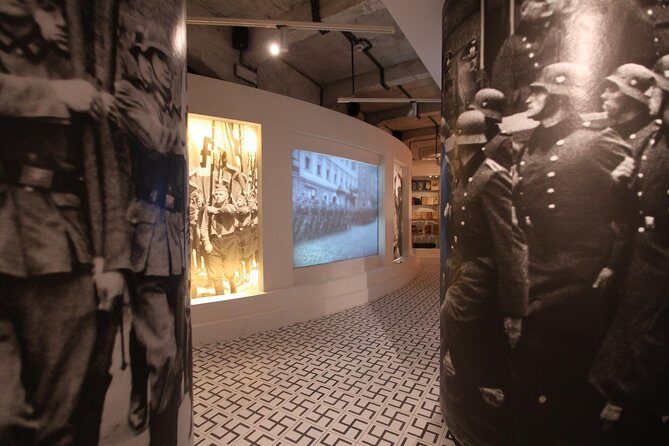
After Auschwitz I, you get a short break of up to 15 minutes, then you move to Birkenau (Auschwitz II)—about 3 minutes away. This is one of the reasons the schedule works: you don’t lose half the day traveling between two far-apart areas.
Birkenau is described as the largest camp and was designed for brutal mass imprisonment and extermination systems. Your guide continues the narrative at Birkenau, located in Brzezinka. You’ll hear about construction in 1941, the intent behind the camp, and the scale—your guide references capacity around 90,000 prisoners.
What you’re seeing here is not just buildings. It’s geography used as machinery. The tour typically covers outdoor exhibits and key Birkenau locations such as the death wall and other important areas, along with the layout that helps you understand how the Nazi system worked.
Then there’s the ending that visitors need to hear: a liberation story that brings you to January 27, 1945, when Soviet forces opened the gates of Auschwitz. That final framing helps keep the visit from feeling like a frozen horror with no human outcome.
This Birkenau section is about 1 hour 30 minutes. In practice, it can feel longer because the site is spread out and the emotional intensity rises. I recommend wearing shoes you can walk in for hours without thinking about it.
Schindler’s Factory Museum: wartime Krakow in 90 minutes
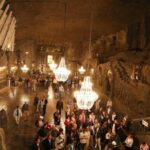
After the camps, you return to Krakow with at least 15 minutes of breathing room. There’s another drive of about 1 hour 15 minutes, and then you get dropped in front of Fabryka Emalia Oskara Schindlera. A tour guide waits for you there.
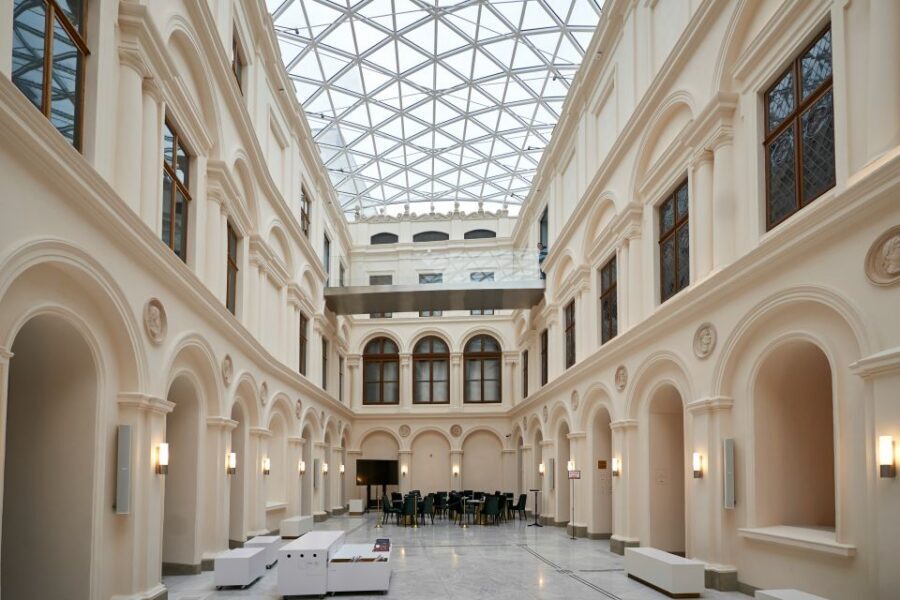
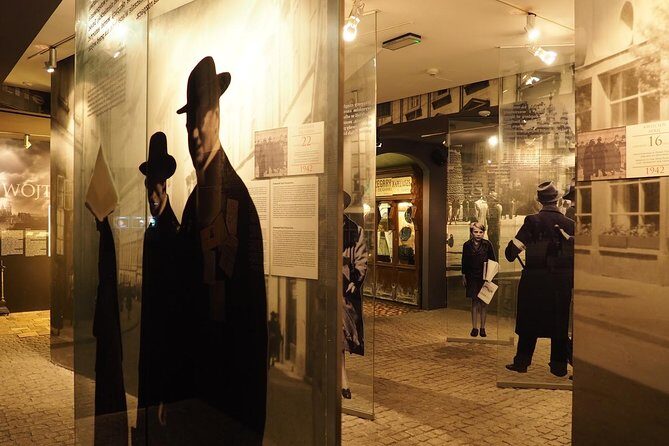
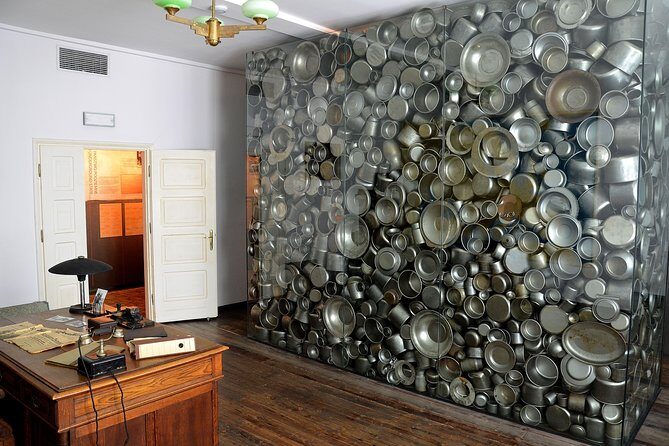
This museum is different in tone. Instead of camp infrastructure, you get a story focused on Oskar Schindler—a man who worked to save Jewish lives—and the way the war reshaped life in Krakow. Interactive exhibitions can make it feel like you’re walking through period streets, not just reading labels.
Your time here is about 1 hour 30 minutes, and museum entry is included.
Now for the balancing note: some people expect this stop to be mostly about the movie or Schindler’s story in film form. That’s not the strongest fit. Even in positive cases, it’s described as more about wartime Krakow’s background and the ghetto period. Also, there have been frustrations about the Schindler’s Factory portion being less satisfying—one issue reported was a group size that felt too big for the museum’s space, and another was a guide struggling with English details.
My advice: go in understanding this is a Krakow WWII museum stop. If you want a tightly focused Schindler narrative, this tour may feel like it gives you context rather than a deep dive into every figure and year.
Price and value: what $69.99 buys you in real terms
At $69.99, you’re paying for the structure. That includes:
- transport from Krakow to Auschwitz and back
- guided visits inside Auschwitz I and Birkenau with required museum setup
- museum entry for the Auschwitz and Birkenau portions and for Schindler’s Factory
- headset support in Auschwitz (a major comfort and clarity upgrade)
- small-group guiding capped at 30
You’re also paying for the kind of logistics that can ruin your day if you do it on your own: timing the transport, lining up the right tickets, finding the correct meeting points, and coordinating the switch from Auschwitz I to Birkenau to Krakow.
Is it perfect value? Usually yes—especially if your alternative would be piecing things together and losing time. But the value depends on your comfort with a long day. If your main priority is maximum comfort in the vehicle, keep in mind that some departures have run with very full vans where everyone is shoulder-to-shoulder.
Who gets the best value: travelers who don’t want to spend precious Krakow time on planning, and who prefer guided interpretation over self-guided scrolling through facts.
What to bring, what to expect, and how to keep your footing
This is where many tours win or lose on day-of experience. Here are the key practical points you should know:
- Bring your passport or ID. Auschwitz requires confirmation of personal details at entrance, and without ID you may not be allowed in.
- Respectful behavior rules apply. This is a solemn site with expectations.
- Snacks help. Lunch is not included, and there’s not time for a regular meal between Auschwitz and Birkenau. The camps have limited options, and the tour explicitly warns there’s no grocery shop or restaurant on-site.
- Carry-on size is limited. Max carry-on dimensions are 30 x 20 x 10 cm. Larger luggage can be left in the car.
- Photos: photography is generally allowed with a few clear exceptions.
- Age guidance: it can be traumatic, so the recommendation is for visitors at least 13 years old.
Also, build in the physical reality. You’re walking through multiple large outdoor areas plus indoor exhibitions. If mobility is limited, consider whether you can handle the pace and distance over a long day.
One extra comfort idea: bring a light layer. Even in warmer months, conditions shift as you move between bus and outdoor paths.
Who this tour suits best (and who should consider alternatives)
This is a strong fit if you want:
- One coordinated day for Auschwitz-Birkenau plus Krakow WWII context at Schindler’s Factory
- English guiding and headset support at Auschwitz
- a group size that keeps things orderly (max 30)
- pickup and drop-off that removes the “now what?” moments
It may be a less perfect fit if:
- you hate long drives and you’re very sensitive to ride comfort
- you want the most spacious, unhurried museum experience at Schindler’s Factory
- you plan to spend hours on every single exhibit detail and can’t handle structured timing
If your top priority is Auschwitz alone and you want extra time afterward, you might also consider splitting the experiences across different days. This isn’t because the tour is bad—it’s because packing two major stops into one day can make you feel like you’re always transitioning.
Should you book this Auschwitz and Schindler Factory tour?
I’d book this tour if you want a well-run, guided, small-group Auschwitz-Birkenau experience with organized transport and a meaningful second stop at Schindler’s Factory. The value is strongest when you’re trusting the logistics and you want the “main sites in order” experience without stressful planning.
I’d hesitate if your comfort priorities are high or if you’d struggle with long walking plus tight timing. Also, if you’re especially focused on Schindler’s Factory as a film-related stop, make sure your expectations match what the museum is built to do: explain wartime Krakow and Schindler’s role through museum exhibits.
If you’re going either way, prepare the day like it’s a marathon: ID ready, snacks packed, good shoes on, and a calm mindset going in.
FAQ
How long is the Auschwitz Birkenau and Schindler Factory tour?
The tour is about 8 hours 30 minutes (approx.). The day includes travel time between Krakow, Oswiecim, and back to Krakow for Schindler’s Factory.
Is hotel pickup available?
Yes. Pickup is offered from your hotel or from a meeting point, depending on the product option you select. The tour notes that pickup details vary by where you’re staying.
Will the tour be in English?
Yes, the tour is offered in English.
Do I need to bring a passport or ID?
Yes. Auschwitz requires visitors to confirm personal details at the entrance, so you must bring a passport or ID. Otherwise you may not be allowed to enter.
Is lunch included?
No. Lunch is not included, and there isn’t time for a regular meal between Auschwitz and Birkenau, so it’s best to bring a snack.
What group size is used?
The tour has a maximum of 30 travelers. Auschwitz regulations also limit group size to keep the visit manageable.
How big can my carry-on be?
The maximum size of your carry-on cannot exceed 30 x 20 x 10 cm. Larger luggage can be left in the car.