REVIEW · KRAKOW
Krakow: Czartoryski Museum Tour / Entrance with Krakow Card
Book on GetYourGuide →Operated by Discover Cracow · Bookable on GetYourGuide
One card can change your whole museum plan. Pair skip-the-line entry to the Czartoryski Museum with the Krakow Card, and you suddenly have a week’s worth of art and history options in Krakow.
I love that you’re guaranteed the big draw: Leonardo da Vinci’s Lady with an Ermine and a Rembrandt painting (one of only three Rembrandts available in Poland). I also like that the same card opens the door to 35 other museums across the city. The one catch to plan for is that openings can be weird on certain days (some museums close on Mondays, and holidays can shut things down), so you’ll want a backup route.
In This Review
- Key points to know before you go
- Entering Czartoryski Museum fast with your Krakow Card
- Lady with an Ermine: why Leonardo’s portrait feels so real
- A Rembrandt you can actually see in Krakow
- Using the Krakow Card for 35 more museums (pick your style)
- A practical two-day plan that respects closures and last entry
- Cost and value: is $53 a good deal?
- Small rules that can slow you down (or stop you)
- Should you book this Czartoryski Museum entry with Krakow Card?
- FAQ
- Where do I collect the Krakow Card for this experience?
- Do I need to bring a voucher?
- How long is the card valid after activation?
- What does the Krakow Card include?
- Is a guided tour included?
- Are there restrictions on luggage or bags?
- Are some of the included museums closed on certain days?
Key points to know before you go
- Skip the ticket line for the Czartoryski Museum so you lose less time waiting.
- Lady with an Ermine is the star draw, with fascinating details about light, anatomy, and restoration history.
- A rare Rembrandt is included, one of the three Rembrandt paintings you can see in Poland.
- 35 additional museums in Krakow are included for free, so you can build your own route.
- Pass rules run on days, not exact hours, which helps when your schedule shifts.
- Some museums close on Mondays, so check your dates before you commit to a route.
Entering Czartoryski Museum fast with your Krakow Card
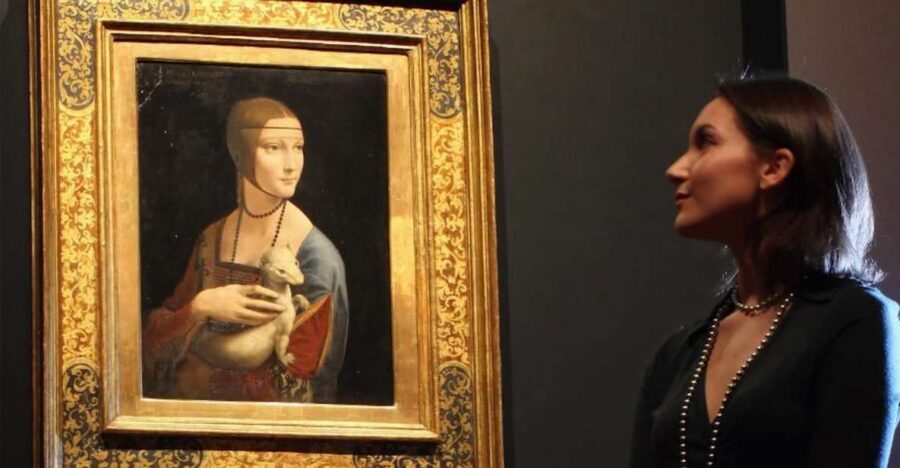
If you like museums but hate lines, this is a smart way to start your Krakow visit. Your experience is built around entrance to the Czartoryski Museum, plus a Krakow Card that expands your access across the city. The headline benefit is simple: you can skip the ticket line for the Czartoryski Museum, which can matter a lot in peak hours.
Before you can use the card, you need to collect it. The meeting point is Krakville Tours at Sienna 17, open daily from 10:00 AM to 7:00 PM. You’ll pick up the Krakow Card there, and the activity ends back at the meeting point, so think of this as a “get your pass and go” setup rather than a long guided crawl through Krakow.
Two practical things keep this smooth. First: you need a printed voucher. Second: the card and museum entry come with a basic packing warning—no luggage or large bags. Comfortable shoes are also a must, because once you’re inside, you’ll likely want to keep moving.
One more note that can affect your plan: opening hours can differ from what you see online, and some venues close on Mondays. That doesn’t make the pass less useful—it just means you’ll want to build your day around what’s open, not around what you wish were open.
You can also read our reviews of more museum experiences in Krakow


Lady with an Ermine: why Leonardo’s portrait feels so real
The Czartoryski Museum visit is mostly about one painting, and it earns the hype. Leonardo da Vinci’s Lady with an Ermine is not shown like a static portrait. You’re invited to look closely at how the painting creates the illusion that the sitter has presence beyond the canvas.
Here’s what makes it special, and why you should slow down when you see it. The portrait reflects the Renaissance idea of showing an image as if it has natural life. Da Vinci’s skill comes from two big ingredients: detailed knowledge of anatomy and his control of light. When both work together, the result is a three-dimensional figure on the image plane—your eye reads form and depth where other portraits can feel flatter.
Even the background has a story. The original background was painted over in black in the 19th century, and it was modeled with light just like the figure. That means the shadows and lighting aren’t just decoration; they’re part of how the illusion works. So when you view the painting, try to notice the lighting relationships between the woman and the background, not just the face.
The painting also has a clear ownership and location journey—useful context if you like to understand how masterpieces travel through time. It was purchased in Italy around 1800 by Adam Jerzy, the son of Princess Izabela Czartoryska. Later, it was donated to the museum in Puławy. Then, in 2016, the portrait became property of the Republic of Poland. Knowing that chain of custody helps you see the portrait as more than a pretty image—it’s tied to Polish cultural identity.
This is exactly the kind of artwork that makes a skip-the-line pass worth it. If you spend your saved time staring a little longer at how Leonardo used light to make the face and figure feel alive, you’ll get more out of the museum than you would by rushing.
A Rembrandt you can actually see in Krakow
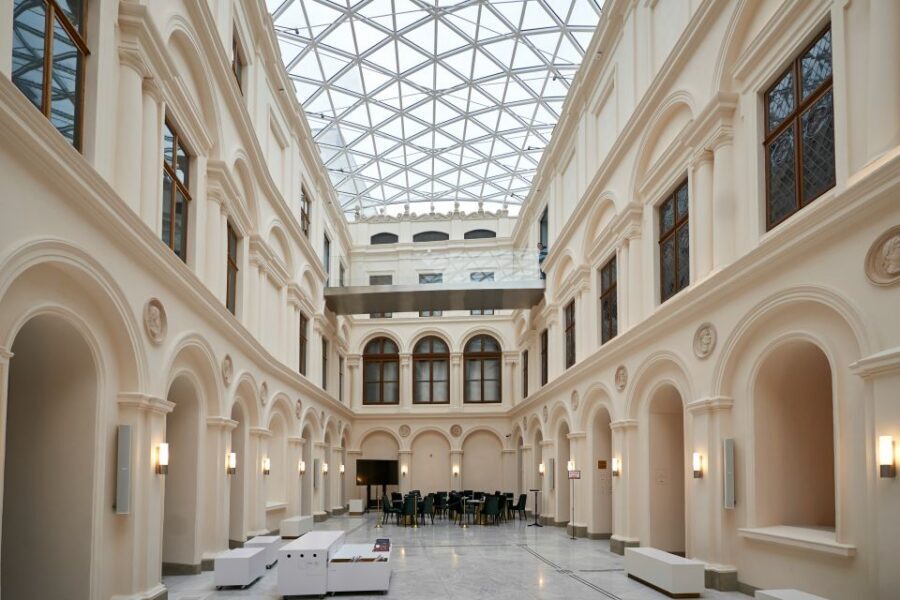
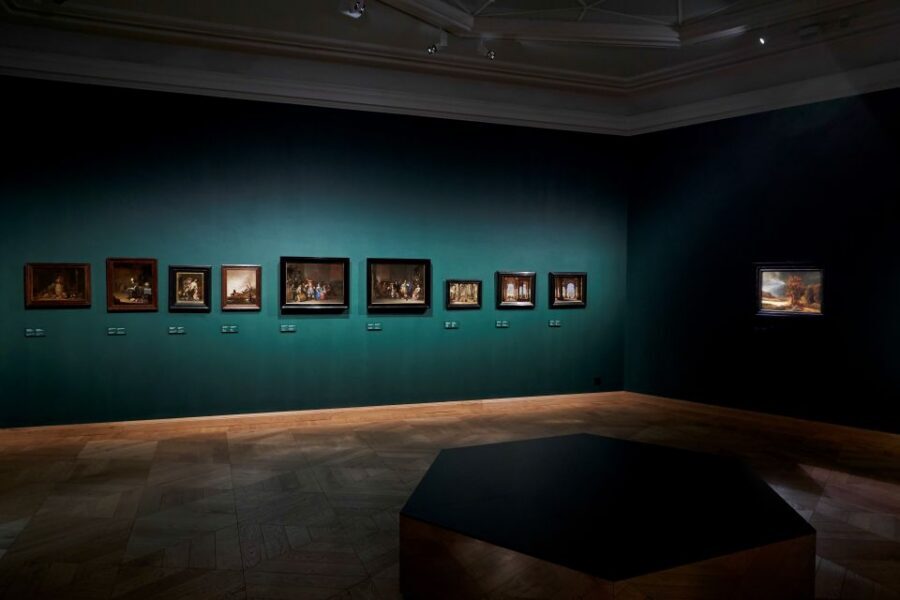
The Czartoryski Museum isn’t just about Leonardo. You’ll also have the chance to see a Rembrandt painting, and the pass highlights that it’s one of three Rembrandt paintings available in Poland. That’s a big deal if you’re a fan of the Dutch master, because it means your Krakow stop can check a major box without a long detour.
When you look at the Rembrandt, don’t treat it like a side attraction. I’d suggest you give it a similar pace to the Leonardo portrait—because Rembrandt’s impact often depends on small shifts in mood and surface texture. Even if you’re not an art scholar, you can still get a lot just by comparing how different artists build depth and drama.
The pairing inside the museum makes for a satisfying contrast. A Renaissance genius using anatomy and controlled light meets a Rembrandt work tied to the emotion and drama of his era. The museum gives you both, and you can decide how much time you want to spend on each.
Using the Krakow Card for 35 more museums (pick your style)
The real reason this feels like good value is that you don’t just buy one museum entry. With the Krakow Card, you get access to 35 other museums in Krakow (so you can turn one museum day into several).
The pass is listed with validity for 2 days from first activation, and the description also says the other museums are covered for 3 days. That’s your reminder to check what’s printed on your card and match it to your travel dates. In any case, the important rule is that validity is counted in days, not hours, and it runs until the end of the day rather than by the exact activation time.
So how do you use those 35 museum options? You build a route around your mood.
Art-focused day:
- The Gallery of 19th-Century Polish Art in the Sukiennice
- Jan Matejko House
- Jozef Mehoffer House
- Stanisław Wyspiański Museum
- MOCAK
- Main Building of the National Museum
- Szołayski House
- Józef Piłsudski-related sites aren’t listed here, so stick to the ones on your card
War and WWII themes (common in Krakow):
- Schindler’s Factory
- Podgórze Museum
- Museum of the Home Army dedicated to Gen Emil Fieldorf Nil (listed as MOCAKMuseum of the Home Army dedicated to Gen Emil Fieldorf Nil in the included list)
Jewish heritage and old-town architecture:
- Galicja Jewish Museum
- The Old Synagogue
- Esterka’s House (Seweryn Udziela Ethnographic Museum – Esterka’s House)
- Town Hall Tower
- Legends of Cracow
- Pomorska Street
- The Eagle Pharmacy
Science, transport, and city defenses:
- Polish Aviation Museum
- City Defence Walls Krakow
- Arsenal
- Barbican
Cultural and modern art stops:
- Cricoteka, Archives, Office (Centre for Documentation of the Art of Tadeusz Kantor)
- The Celestat
- Emeryk Hutten-Czapski Museum
If you’re the type who likes variety, you can also bounce among historic residences and smaller landmarks listed on the card:
- Bishop Erazm Ciołek Palace
- Hipolit House
- The Krzysztofory Palace
- Legends of Cracow
- Zwierzyniec House
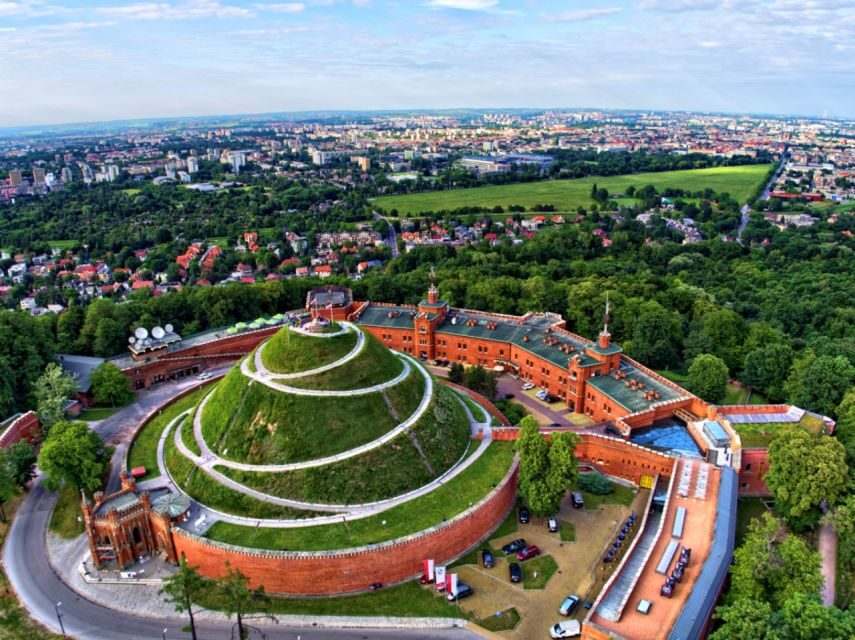
- Kościuszko Mound
- Archaeological Museum options including the Main building, Nowa Huta Branice, and the Underground of the Church of Saint Adalbert
- The Archdiocese Museum
- Seweryn Udziela Ethnographic Museum (including Esterka’s House)
You don’t have to see everything. With 35 museums available, the risk is choosing too much. I like to plan for 3–5 museum stops that match your interests, then use the rest as flexible options if you still have energy.
A practical two-day plan that respects closures and last entry
This pass works best when you treat it like a scheduling tool. Since it’s valid for days (not exact hours), you can handle imperfect weather or a slower-than-expected museum pace.
Here’s a way to structure it without racing:
Day 1: Start with the Czartoryski Museum
- Go first thing or early afternoon to avoid the worst lines (even with skipping).
- Spend time on Lady with an Ermine and then add the Rembrandt painting.
- If you selected the English guided option, you’ll have a guided experience in the Czartoryski Museum. It’s a good choice if you want help focusing your attention.
Then use the afternoon for nearby options from your card list. This part is flexible because the city has many museum types. If you’re into WW2, Schindler’s Factory is a natural pairing. If you’re more architecture-and-old-town, you might switch to things like Town Hall Tower or other city sights that fit the mood.
Day 2: Build around your theme
Day 2 is where you should be decisive. Pick one or two “big blocks” and let everything else be optional:
- If you love art: stack MOCAK, Sukiennice gallery, and one of the artist houses (like Jan Matejko House or Wyspiański Museum).
- If you want Polish history and memory: pair Schindler’s Factory if you missed it Day 1 with Podgórze Museum and the Home Army museum.
- If you want religious and cultural heritage: plan for Galicja Jewish Museum and the Old Synagogue (depending on opening hours).
Watch the timing rule. The last admission to other exhibitions is usually 90 minutes before close, and that can affect smaller museums as well. If you arrive late, you may not get into the exhibitions you came for—even if the building is still open-ish.
Also, some museums are closed on Mondays. So if your visit overlaps Monday, don’t plan your entire day around museums that might be dark.
Finally, opening hours can shift due to circumstances. So when you’re locking in your route, check each museum’s exact schedule on the official site of the provider before you rely on it.



Cost and value: is $53 a good deal?
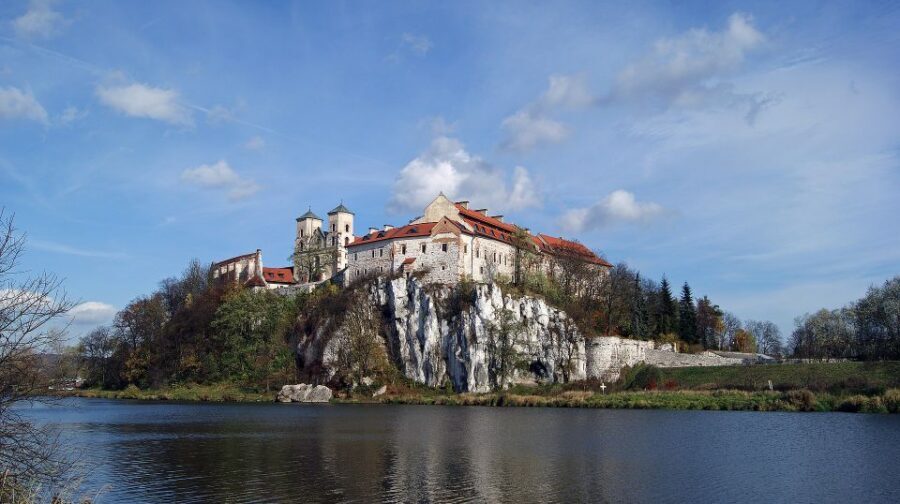
At $53 per person, you’re paying for one must-see museum (Czartoryski) plus a Krakow Card that grants free entry to 35 other museums. The value is less about the single price and more about how many museums you’ll realistically fit in during your pass window.
This is the key thought I’d use to decide: if you’re the kind of traveler who wants to visit multiple museums and not just one, this card can pay off quickly. The Czartoryski Museum alone is a standout because it includes Leonardo’s Lady with an Ermine and a Rembrandt painting, and you’re also saving time by skipping the ticket line.
If you know you’ll only visit one museum, the pass might feel like overkill. But if you’re planning at least a handful—especially with different themes like art + WWII + Jewish heritage—it stops being a “ticket” and becomes a flexible city tool. You’ll also feel less pressure to rush, because you have backup options if one stop doesn’t match your energy.
Small rules that can slow you down (or stop you)
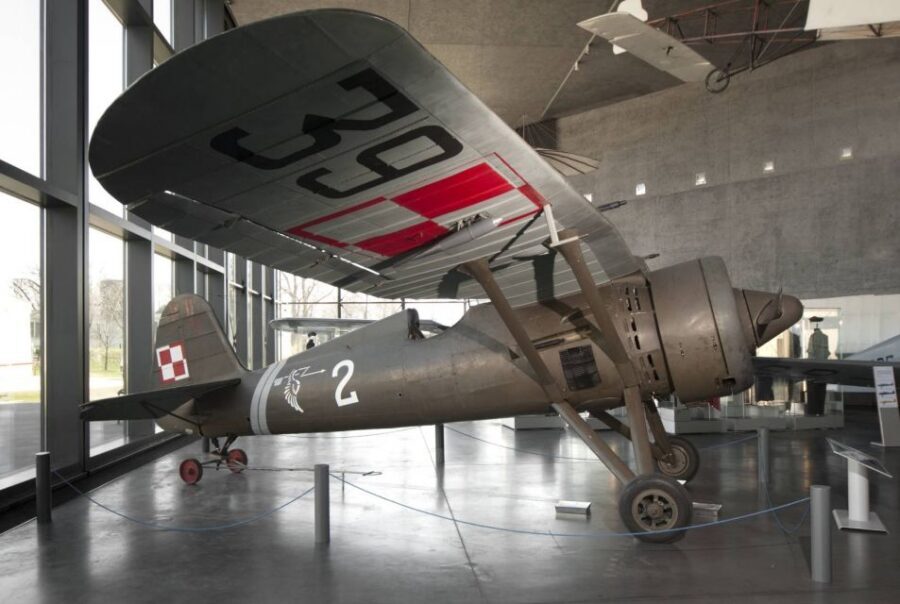
This experience is straightforward, but a few rules are worth taking seriously.
Printed voucher is required. If you show up without it, you can waste time. Bring a printed copy even if you also have a phone version.
Don’t plan to bring large luggage. The setup says no luggage or large bags, so pack light for the museum days.
Collect your card in advance of museum time. Your pickup point is Krakville Tours at Sienna 17. You can collect the card 10:00 AM to 7:00 PM daily, but on major holidays, closures can happen. If your trip lands around a big holiday, it’s smart to double-check that the exchange point and the museum are operating—because some days can shut everything down.
Finally, the card gives you access, but it doesn’t change the real world. Last admission is usually 90 minutes before close, and some museums close on certain days. So treat the pass as permission to go in, not as a guarantee that you’ll still see every exhibition if you arrive too late.
Should you book this Czartoryski Museum entry with Krakow Card?
If you want a top Krakow museum experience and you also want the freedom to hop among many more museums, I think this is a good booking. The combination of skip-the-line entry plus access to Leonardo’s Lady with an Ermine and a Rembrandt painting is a strong core. Then the Krakow Card turns that one museum stop into a plan you can stretch across your stay with 35 additional options.
I’d book it if:
- You’re visiting Krakow for at least 2 days and want multiple museum stops
- You care about art and culture, not just one headline painting
- You like having alternatives if you change your mind
I’d hesitate if:
- You’re only planning to visit one museum total
- Your travel dates include days that might cause widespread closures, and you can’t flex your itinerary
Bottom line: for art lovers and museum planners, this is one of those rare passes that saves time and expands your options at the same time.
FAQ
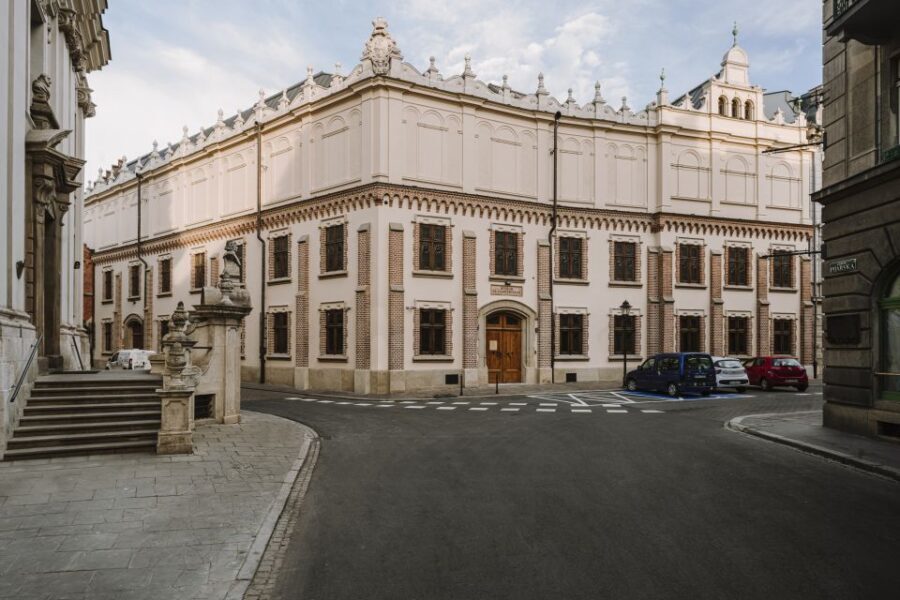
Where do I collect the Krakow Card for this experience?
You collect the Krakow Card from Krakville Tours at Sienna 17. The collection time is 10:00 AM to 7:00 PM daily.
Do I need to bring a voucher?
Yes. A printed voucher is required.
How long is the card valid after activation?
The pass is listed as valid 2 days from first activation. Also note that validity is counted by days until the end of the day, not by the exact hour activated.
What does the Krakow Card include?
It includes entrance to the Czartoryski Museum and free entry to 35 other museums in Krakow.
Is a guided tour included?
A guided tour in English inside the Czartoryski Museum is included if you select the guided option.
Are there restrictions on luggage or bags?
Yes. Luggage or large bags are not allowed.
Are some of the included museums closed on certain days?
Yes. Some museums are closed on Mondays, and opening hours can differ from what you might see online, so check exact hours before you go.