REVIEW · KRAKOW
Krakow: Auschwitz-Birkenau Guided Tour with Hotel Transfer
Book on GetYourGuide →Operated by Thousand Miles Cracow Adventure Company · Bookable on GetYourGuide
This day trip has a weight you can’t fake. It takes you from Krakow to Oświęcim to see Auschwitz-Birkenau, one of history’s hardest places to visit, handled with care and structure. You’ll go with an English-speaking professional guide and follow an official route so your questions don’t get lost in the museum noise.
I especially like the practical setup. Hotel pickup and a smooth, air-conditioned coach make the long day manageable, and the skip-the-line entry keeps you from wasting time before you’re ready to face what’s ahead. The other big win is the way the guide connects details to daily life at the camps, not just names and dates.
One thing to plan around is timing. Pick-ups can be early, and depending on the season you may finish parts of Birkenau in low light, plus there’s a fair amount of walking.
In This Review
- Key takeaways before you go
- The Auschwitz-Birkenau visit: why this guided route matters
- Leaving Krakow: hotel transfer that keeps the day on track
- Auschwitz-Birkenau Museum area: orientation, walk time, and a respectful pace
- Auschwitz I: the most structured introduction to how the system worked
- Auschwitz II-Birkenau: scale, layout, and why it hits differently
- Timing and lighting: when the schedule meets the season
- What’s included in the $22 value—and what that means for you
- Rules at the museum: the small details that can ruin your day
- Who should book this Auschwitz-Birkenau guided transfer
- Should you book this tour?
- FAQ
- How long is the Auschwitz-Birkenau guided tour from Krakow?
- Where do you get picked up in Krakow?
- Is the tour guided in English?
- Does the ticket and skip-the-line entry come included?
- What documents do I need to bring?
- What bag size is allowed?
- Is this tour suitable for children?
Key takeaways before you go
- Skip-the-line entry means less waiting at the gate.
- Licensed English guide keeps the story clear and respectful.
- Auschwitz I + Birkenau are both included, not just one.
- Early pickup range can swing beyond your chosen time.
- Season affects what you see at Birkenau, especially if it gets dark early.
- Rules are strict: full name match, no flash, and a small bag limit.
The Auschwitz-Birkenau visit: why this guided route matters
Auschwitz-Birkenau isn’t the kind of place where you can wander and hope it all clicks. The value of a guided day trip is that it gives you a path through a site that can otherwise feel overwhelming. With an official, certified route and a professional guide, you’re less likely to miss key areas or walk in circles while trying to piece together what you’re seeing.
From the start, you’re setting context. The Memorial and Museum was founded in 1947, and it received UNESCO World Heritage protection in 1979. That matters because it signals an ongoing responsibility: the site is not just preserved, it’s interpreted. You’ll hear that more than 1.5 million people were sent to the camps by the Nazi regime, and that the system of persecution led to mass death during World War II.
What makes the experience especially important is the focus on daily reality. You’re not only shown memorial exhibits. You’re also guided through evidence and personal items that belonged to prisoners, along with original features that help explain how the camps worked from day to day. That’s what turns the visit from a checklist into something more human and more understandable, even though it’s deeply painful.
You can also read our reviews of more guided tours in Krakow
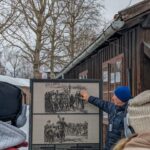
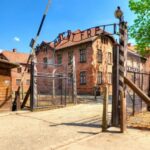
Leaving Krakow: hotel transfer that keeps the day on track
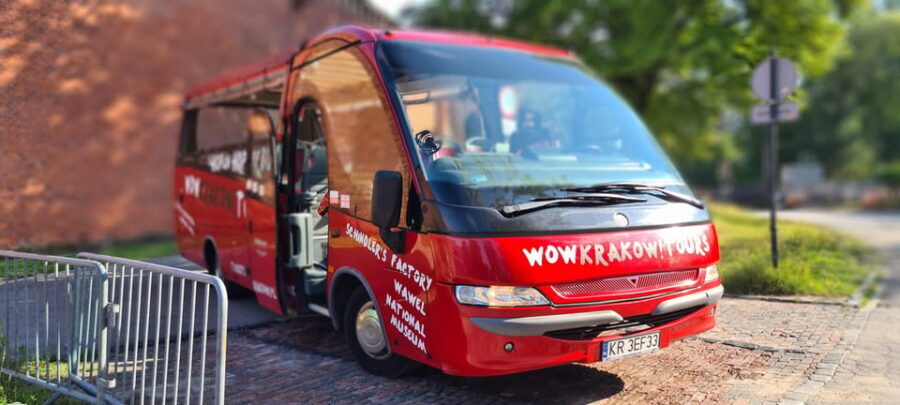
The day begins in Krakow’s Stare Miasto area for pickup, with hotel transfer offered depending on the option you select. Then you settle into an air-conditioned coach for the ride to Oświęcim. The transfer is about 1.5 hours each way, which helps when you’re comparing options and trying to avoid long, stressful connections.
The early start is real. Pick-up can happen between 5:30AM and 3:00PM, and the exact time is confirmed the day before. In practice, that means you should plan your morning tightly and reserve a full day. Even when you choose a later time window, the schedule can shift, so being flexible is part of the deal.
In a couple of accounts, the timing experience has differed: one person described getting picked up at 6am even though they selected 9:30. Another described a long wait after an early pickup before the main tour started. My take: don’t book anything right after in Krakow unless you enjoy chaos. If your day is free, you’ll absorb the experience better.
Comfort-wise, this tour scores well. You’re not doing a tense self-navigate day with multiple public transport transfers. You’re doing a straight plan: coach, entrance, guided time at the sites, then back to Krakow.
Auschwitz-Birkenau Museum area: orientation, walk time, and a respectful pace
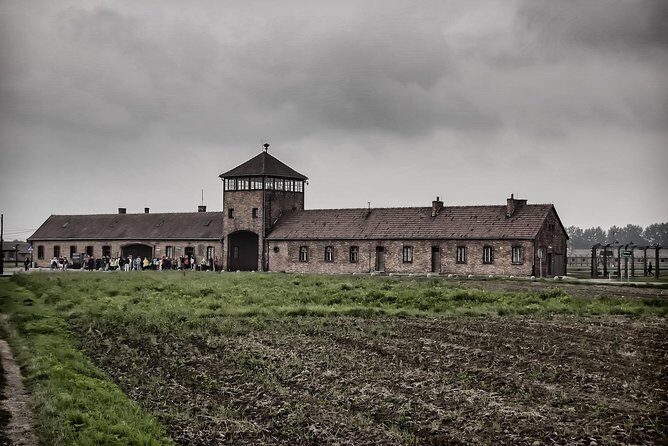
You’ll spend time at the Auschwitz-Birkenau Memorial and Museum area before the deeper camp sections. This first block is where the guide builds the framework: what the site is, how it operated, and why the layout matters.
You’ll also have some built-in breathing room. The schedule includes break time and a walk/sightseeing component alongside the guided portion. That might not sound like much, but it helps you gather your thoughts before you step into Auschwitz I and then on to Birkenau.
This opening segment is also where the “how to look at things” part kicks in. The Memorial highlights original features and prisoner possessions. A guide’s job is to keep that from becoming just a series of exhibits. You’re meant to understand what you’re seeing and why it was preserved—so your attention lands on the evidence, not on distractions.
Also, you should expect entry in a more direct way. This tour includes skip-the-line entry through a separate entrance. That’s a quality-of-life detail that matters on a site like this, where the first minutes set the tone.
Auschwitz I: the most structured introduction to how the system worked
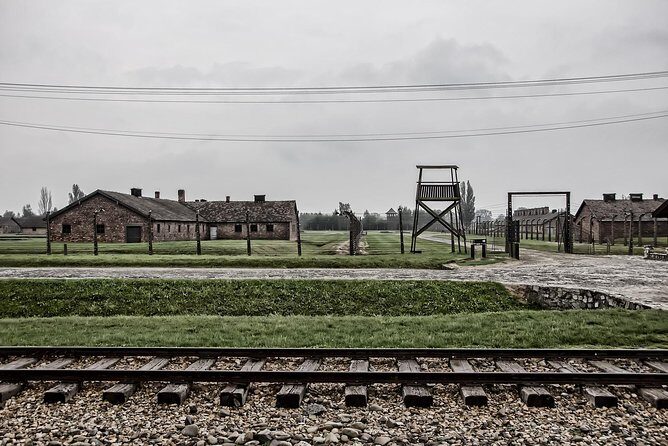
Auschwitz I is the core starting point for many visitors because it tends to give the clearest foundation. In this tour, Auschwitz I is guided for about 2.5 hours. That’s enough time for your guide to connect the big picture to the specifics you’re standing next to.
Why that length helps: Auschwitz I can feel dense, with many stops and layers of meaning. If you only had a short visit, you might leave with facts but without understanding. With the longer guided time, you can follow the story step-by-step—how people were processed, what the camp environment was like, and how the machinery of persecution operated.
The other advantage of Auschwitz I first is emotional pacing. It’s still brutal and heartbreaking, but it gives you a structured entry into the site. You’ll learn details about life in the camps and the horrors that occurred during operation.
One more practical note: walking time adds up across the day. Even when the schedule is well-managed, you’ll be on your feet for hours. Comfortable shoes aren’t optional here.
Auschwitz II-Birkenau: scale, layout, and why it hits differently
Birkenau is where the site’s scale can take your breath away. It’s included as a guided stop of about 1 hour in this tour. Even with that time, you’ll feel how much space the camp covered and how that layout shaped everything—movement, control, and survival conditions.
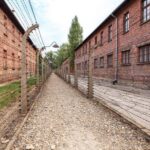
The guide’s job here is to help you connect what you’re seeing to how the camp worked. Birkenau’s sections, remaining structures, and memorial features all reinforce the same reality: the system was designed to manage and destroy at mass scale.
This is also the section where weather and light can matter a lot. One account noted that in the dark, the second part (Birkenau) felt like a shame. Another described very hot conditions with 30-degree weather, little shade, and time spent in baking sun. If your visit falls in summer, bring what you need to handle heat: water, a hat, and sun protection. The tour won’t magically change the conditions outside, and Birkenau offers limited shelter.
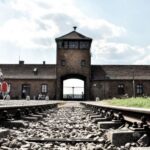
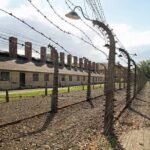
One practical tip: plan your focus. In Birkenau, it’s easy to look up at the famous gates and then feel lost. A good guide helps you track what each area was for and what the evidence is showing you.
You can also read our reviews of more tours and experiences in Krakow

Timing and lighting: when the schedule meets the season
A major “secret variable” for this trip is the order and the lighting. You’re visiting at a specific time of year, and that changes how you experience open areas—especially in Birkenau. In some seasons, you might see more in daylight. In others, you may finish parts in low light.
This doesn’t make the experience less meaningful, but it does affect what your brain can process. Bright daylight tends to make distances and layouts easier to take in. Darkness can make it feel even more isolating, because you lose visual context like horizon lines, open stretches, and spacing between areas.
My advice is simple: treat the guide and the plan as the constant, and the lighting as the variable. Wear layers you can handle on both ends. Bring water when it’s warm. And if you’re prone to getting overwhelmed, use the guide’s structure to anchor your attention so your mind doesn’t spin.
What’s included in the $22 value—and what that means for you
At around $22 per person, this is one of the easier ways to do Auschwitz-Birkenau with guided context and transfer. The value comes from what’s bundled, not just the headline number.
You’re getting:
- Hotel pickup and drop-off in Krakow (depending on your option)
- An English-speaking driver and an air-conditioned coach
- A professional licensed guide
- Entrance ticket included, plus skip-the-line entry
- Lunchbox only if you choose the add-on
That’s important because the cost of entry plus the time cost of getting there on your own can add up fast. For a visit this intense, you don’t want to spend your day solving logistics. You want to spend it understanding what you’re seeing.
One thing to keep expectations realistic: this isn’t a short, easy excursion. It’s a full day at a site with strict rules and sustained emotional load. The price is good, but the experience demands stamina.
If you want the best value for your money, prioritize the guidance. A cheaper option without a strong guide often leaves people piecing things together afterward. Here, the goal is to have the story explained in real time, and that’s where your money does real work.
Rules at the museum: the small details that can ruin your day
This tour runs with the site’s rules, and you should take them seriously. Bring a passport or ID card. Your full name and contact details are required by the Auschwitz-Birkenau Memorial and Museum. Also, entrance can be refused if the name on your booking doesn’t match the name on your ID.
There’s also a bag limit: the maximum size allowed is 30 x 20 x 10cm. If you’re traveling with a larger bag, you’ll want to plan what goes in and what stays back at your accommodation.
Photography rules are strict: flash photography is not permitted. That’s a site-safety and preservation issue, and it’s non-negotiable.
The tour also notes no alcohol or drugs, and baby carriages aren’t allowed. None of this is meant to be difficult. It’s meant to protect the site and keep the experience orderly.
Who should book this Auschwitz-Birkenau guided transfer
This trip fits best if you:
- Want an English-language guided experience rather than self-navigation
- Prefer a structured route through Auschwitz I and Auschwitz II-Birkenau
- Value skip-the-line entry so you don’t start late or linger at the gates
- Are comfortable with a full day and significant walking
It’s not suitable for children under 14, based on the tour’s rules. If you’re traveling with a teen who can handle difficult content and still follow guidance calmly, this might work. For younger kids, it won’t.
Also consider your comfort with early mornings. If you hate waking up before sunrise, build in the fact that pickup can be as early as 5:30AM in some cases.
Should you book this tour?
Book it if you want a well-run day trip that takes care of the hard parts: transport, licensed English guiding, official route structure, and entry logistics. The strong value at around $22 matters most when you care about context. This is a place where context isn’t optional.
Don’t book it if your schedule is too tight or if you can’t handle early pickup and walking. Also think twice if you’re extremely heat-sensitive, since Birkenau can be brutally exposed in summer and shade may be limited.
If you’re ready to respect the site, follow the rules, and let a guide connect the dots, this is a practical way to do Auschwitz-Birkenau without wasting precious hours figuring out logistics.
FAQ
How long is the Auschwitz-Birkenau guided tour from Krakow?
The total duration is 7 hours.
Where do you get picked up in Krakow?
Pickup is from Stare Miasto, and hotel pickup or drop-off may be available depending on the option selected.
Is the tour guided in English?
Yes. The guide and tour are provided in English, and there is an English-speaking driver for the transfer.
Does the ticket and skip-the-line entry come included?
Yes. Entrance tickets are included, and you skip the line through a separate entrance.
What documents do I need to bring?
You should bring a passport or ID card. Your full name on the booking must match the name on the ID used at entry.
What bag size is allowed?
The maximum permitted bag size is 30 x 20 x 10cm.
Is this tour suitable for children?
No. It is not suitable for children under 14 years old.
If you want, tell me your travel month and whether you’re staying in central Krakow (Stare Miasto or elsewhere). I can help you plan what to pack for light, heat, and walking comfort.