REVIEW · KRAKOW
Krakow: Auschwitz-Birkenau & Salt Mine OneDay Tour (hotel pickup)
Book on Viator →Operated by Cracow Top Tours · Bookable on Viator
A tough day, done right. This Krakow one-day combo links two of Poland’s most powerful stops—Auschwitz-Birkenau and the Wieliczka Salt Mine—into a tight schedule that still leaves room to breathe. It’s built around a smaller group and guided time at both sites, so you spend more of the day understanding what you’re seeing and less time figuring things out.
Two things I especially like: you get headsets for the Auschwitz-Birkenau portion, which makes the guide’s narration much clearer in a place that’s already emotionally heavy. And I like that you’re not doing the logistics alone—round-trip transport with hotel pickup and drop-off means you can focus on the sites, not the bus timetable.
One drawback to consider: it’s a long day (about 10–11 hours) with a mix of memorial walking and underground stairs and corridors. If you have limited stamina, you’ll want to plan for breaks when you can and keep expectations realistic.
In This Review
- Key highlights worth knowing before you go
- How the day runs: pickup, ride time, and why the schedule matters
- Entering Auschwitz-Birkenau: what you do first and what the headset helps with
- Auschwitz I to Birkenau: how the route shifts from camp to extermination site
- Wieliczka Salt Mine: 9 levels, chapels carved in rock, and an underground microclimate
- The lunch break at Wieliczka: use it well, since it’s not included
- Value for money: what $177.52 covers and what you should mentally price separately
- Comfort and real-world logistics: what to watch for on a 10–11 hour day
- Who this tour fits best (and who should consider alternatives)
- Should you book this Auschwitz and Salt Mine day tour?
- FAQ
- How long does the tour take?
- Is hotel pickup included?
- Do I visit Auschwitz and Birkenau in the same day?
- How long are the museum visits?
- Is the Salt Mine guided?
- Are entrance tickets included?
- Is lunch included?
- What language options are available?
- If I cancel, do I get a refund?
Key highlights worth knowing before you go
- Smaller group size (max 30) helps you avoid the worst of the big-tour crowd crush
- Auschwitz-Birkenau with guided interpretation + headsets keeps the route organized and the audio clear
- Wieliczka Salt Mine guided walk includes themed chambers, chapels carved in rock, and an underground lake
- Round-trip private transport from Krakow with hotel pickup takes the stress out of timing
- A full day schedule means you’ll be moving; plan for comfort footwear and a steady pace
How the day runs: pickup, ride time, and why the schedule matters
This is a one-day, door-to-door plan. You’re collected by minivan from a predetermined pickup spot in Krakow (often your hotel area), then you head to Oświęcim first. The drive to Auschwitz area takes about 1 hour 20 minutes, which sets the tone: you’re not just “in the region,” you’re committing to a full day.
At Auschwitz, you’ll get a little buffer before the serious part starts. There’s a short break for a toilet stop and a coffee or tea, then the standard museum process—ticket inspection and security control. After that, you meet the guide and start the tour.
After Auschwitz, you move on to Wieliczka for the salt mine experience. The day stays structured, with a lunch break possibility around the mine area, then you return to Krakow at the end of it all. In practice, that means you should treat this as a timed itinerary day: arriving prepared and not expecting lots of unscheduled wandering.
If you’re the type who likes to linger at viewpoints, this may feel a bit “managed.” Still, the upside is clarity: the day is designed so you see the major highlights without spending hours coordinating transport between cities and sites.
You can also read our reviews of more tours and experiences in Krakow.
Entering Auschwitz-Birkenau: what you do first and what the headset helps with
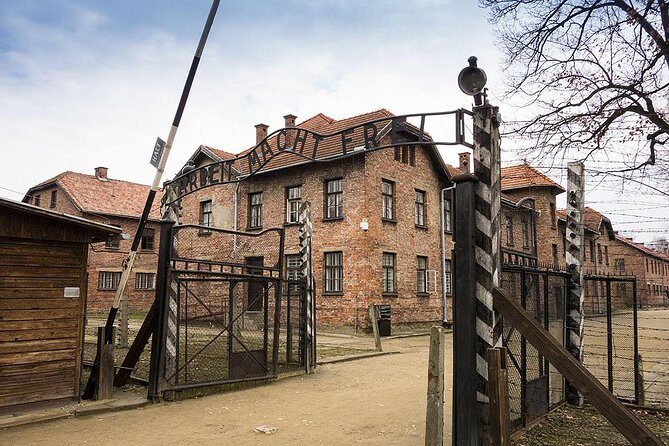
Auschwitz is one of those places where the basics matter a lot. You’ll be shown the correct entrance, then you’ll go through ticket checking and security. That process is not optional and it’s also part of how the visit is handled—fast in the best way, but you shouldn’t count on skipping lines.
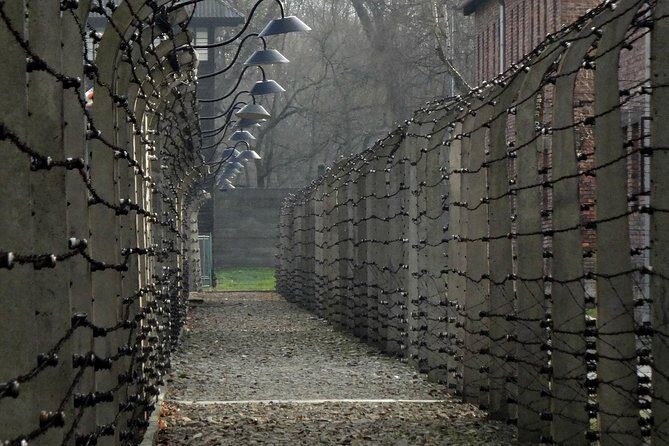
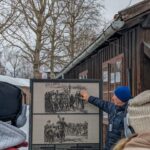
Once you meet the guide, the experience is built around a planned route. You’re not just “walking around.” The guide leads you through the most important stops, including the key areas at Auschwitz I (the main camp). The tour covers the permanent exhibitions and original buildings there, and it’s paced to fit within the time you have.
Here’s where I think this tour structure is practical: the Auschwitz segment includes headphones and a microphone system. In a memorial environment, it’s easy to lose audio—people talking, echoes, and movement. With the headset setup, you can actually follow the guide’s wording and details instead of catching only fragments.
The tour is also constrained by museum rules. The Auschwitz-Birkenau State Museum runs these camp visits in groups up to 30, so even if you book for a smaller vibe, you’ll still be part of that capped group size for the Auschwitz portion. The benefit is you’re not stuck in a huge swarm, but the visit remains consistent with how the museum operates.
One more detail worth noting: the tour includes the main camp and then segues into Birkenau with the guide’s narrative setting context. That sequencing can make the day easier to understand—Auschwitz I provides the backbone, then Birkenau shows the scale and system of what followed.
Auschwitz I to Birkenau: how the route shifts from camp to extermination site
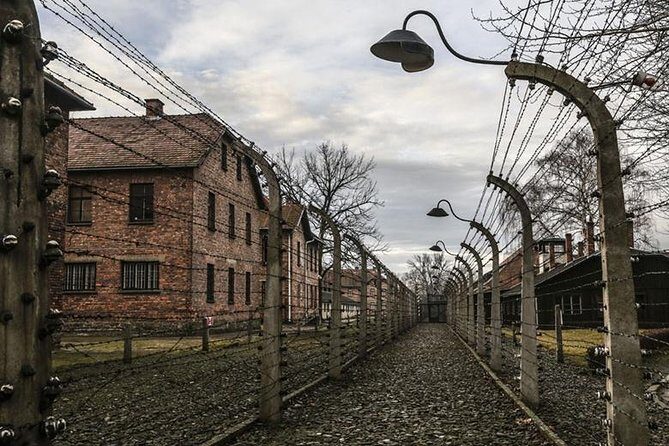
Auschwitz isn’t just one location—it’s two interlinked camps, and the “feel” changes as you move between them. After you finish the Auschwitz I portion (about 2 hours), you head to the second stage: Auschwitz II-Birkenau.
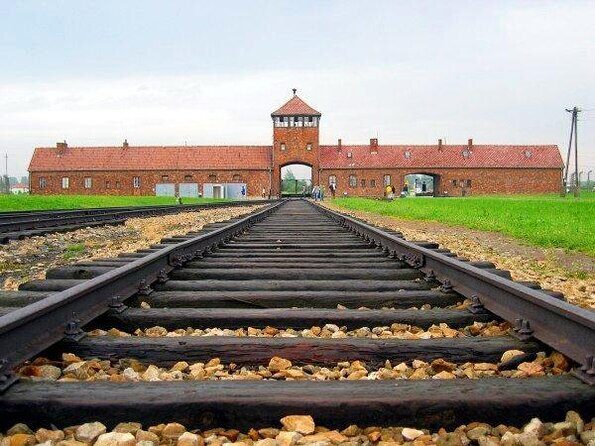
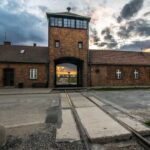
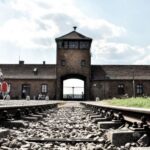
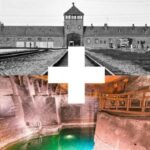
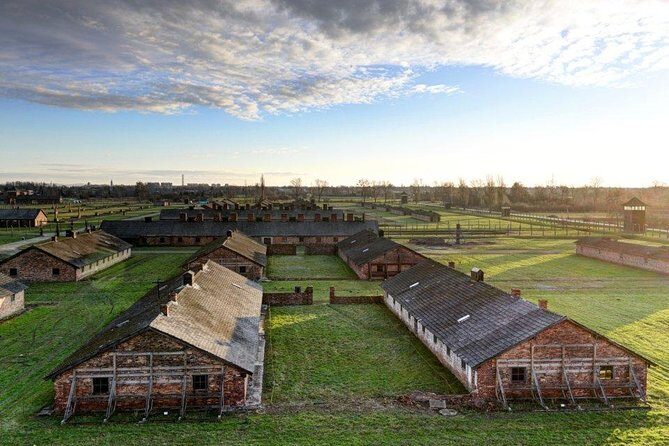
Birkenau is where the camp’s purpose becomes even more stark. The tour format keeps you moving through the most significant original buildings and locations. You’ll cover core features like the prisoner barracks, the unloading platform (the ramp), and the ruins of the gas chamber and crematoria II and III. The visit time for Birkenau is about 1 hour 10 minutes.
Even with guiding and a clear route, Birkenau can be mentally demanding. The terrain is open, the spacing is vast, and it’s easy to feel physically present while mentally overwhelmed. That’s where the structure helps: you know what to look for and why it matters, rather than trying to piece it together on your own in a place where details are easy to miss.
Also, this part is not about a “showing you everything.” It’s more like a guided highlight circuit through the key sites that explain how the machinery of persecution operated. If your goal is an unforgettable understanding of the story, this kind of directed route is worth it.
Wieliczka Salt Mine: 9 levels, chapels carved in rock, and an underground microclimate
After the emotional weight of Auschwitz-Birkenau, Wieliczka is a totally different world. And that contrast is part of the appeal of combining them in one day.
You’ll head into the salt mine area, park at the car park, and walk to the main entrance where you meet the mine guide. You get an individual ticket and a professional guide experience (including language options such as English among others). The guided mine visit runs about 3 hours and again uses a group format up to 30.
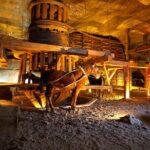
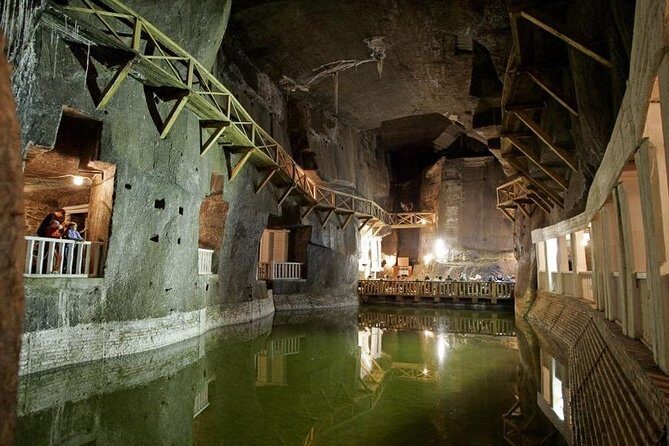
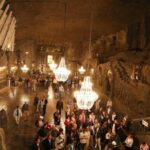
What makes Wieliczka special is that it isn’t just tunnels. The tour includes a maze of corridors and thematic chambers. Along the way, you’ll see sculptures and chapels carved into the rock, plus an underground lake. The mine is also described in levels: 9 levels, from about 64 meters depth on the first level down to 327 meters at the last.
One detail I actually think you’ll appreciate if you’re sensitive to air quality is the mine’s microclimate, mentioned as beneficial for people suffering from asthma and allergies. Even if you’re not in that category, it’s a thoughtful reminder that the mine is not only a tour stop—it’s a working environment and a specific environment underground.
You’ll also return to ground level by elevator at the end. That matters because a lot of people assume it’s all stairs. Here, you’re supported at the exit, which helps make the visit feel less exhausting at the end of the day.
The lunch break at Wieliczka: use it well, since it’s not included
Between sightseeing sections, you get time—about 1 hour—and you can choose to stop for lunch at a restaurant or continue without a meal. Lunch is not included, so plan for your own food during that window.
This is the moment where smart timing pays off. If you tend to run hungry, grab something quick and filling and don’t overthink it—because once you’re back on the mine schedule, there isn’t a second easy “wander and snack” window baked into the day.
If you’re sensitive to long travel days, you might also consider bringing simple backup snacks in your day bag. Not because you won’t find food, but because your schedule is tight and you’ll already have walked more than you expect by lunchtime.
Value for money: what $177.52 covers and what you should mentally price separately
At $177.52 per person, this tour includes a lot of the expensive pieces that add up fast if you try to build it yourself: round-trip transportation, hotel pickup and drop-off, entrance tickets, a guided Auschwitz-Birkenau tour with headsets, and a guided Wieliczka Salt Mine tour.
The biggest value isn’t just the sites—it’s the fact that you’re getting two different guided experiences in one controlled schedule. Many independent plans require you to pay for tickets and then still manage the transport timing. Here, the transport and timing are handled, so you can arrive ready and spend your time being guided.
That said, the cost also buys you a specific style: a structured day with limited flexibility. If you’re the type who wants to slow down at Auschwitz or take long breaks during the mine, you may feel constrained. You’re paying for efficiency and guidance, not open-ended wandering.
Comfort and real-world logistics: what to watch for on a 10–11 hour day
This tour is described as private, air-conditioned, and round-trip by minivan. It also targets a moderate physical fitness level, which is a fair way to describe a day that includes museum walking and underground walking.
Here are the practical things I’d plan around:
- Shoes matter: you’ll be on your feet for multiple segments, including inside the mine corridors.
- Pace yourself after Auschwitz: Birkenau and then the salt mine can feel like emotional whiplash if you don’t slow your breathing and regroup.
- Bring a small day bag: water, a snack, and whatever you use to stay comfortable in cold or changing temperatures (mines can feel cooler).
- Double-check your pickup details: this is hotel pickup from a predetermined place. If your pickup point isn’t clear, confirm it before the day starts.
In terms of the human side, the reviews associated with this experience highlight strong service from the driver and smooth logistics when things click. Names that came up include Gregor and Marrioush/Marioush, described as attentive, polite, and informative during the drive. Guides were also praised as respectful at Auschwitz and engaging at the salt mine, with one mention of a sense of humor during the mine visit. In other words, when you get the right team, the day feels organized and caring.
Just remember: Auschwitz is emotionally demanding, and the salt mine is physically demanding in a different way. Your comfort will come from preparation and pacing, not from hoping the day magically gets easier.
Who this tour fits best (and who should consider alternatives)
This experience makes the most sense if you want to tick off two major Krakow-area icons in one day and you’re okay with a guided, time-controlled flow.
You’ll likely enjoy it if:
- You want a clear route at Auschwitz-Birkenau instead of navigating details on your own
- You like getting commentary through headsets
- You’re short on time in Krakow and want a full-impact day
- You appreciate the contrast between memorial history and the artistry of the salt mine
You might want to think twice if:
- You’re not comfortable with long days and continuous walking
- You need a lot of free time for lingering and rest
- You’d rather approach Auschwitz at a slower, independent pace
This isn’t a “fun day out.” It’s a day for understanding and remembrance, followed by an underground world that feels almost unreal after the camps.
Should you book this Auschwitz and Salt Mine day tour?
I’d book it if you want a guided, organized day that handles transport, tickets, and narration at both stops. For most people, the value comes from the package: private round-trip rides, Auschwitz with headsets, and Wieliczka with a proper guide—all without you coordinating separate tours.
I’d skip it or adjust your expectations if you hate long schedules or want lots of freedom. This day moves. When you accept that, you get a very complete overview: Auschwitz I and Birkenau’s key original sites, then Wieliczka’s carved chapels, sculptures, and underground lake.
If you’re coming to Krakow with limited time and a strong desire to see both places with solid interpretation, this one-day combo is a practical way to do it.
FAQ
How long does the tour take?
It runs about 10 to 11 hours.
Is hotel pickup included?
Yes. The tour includes hotel pickup and drop-off in Krakow.
Do I visit Auschwitz and Birkenau in the same day?
Yes. You visit both Auschwitz-Birkenau parts in one day, with Auschwitz I followed by Birkenau.
How long are the museum visits?
Auschwitz I is about 2 hours, and Birkenau is about 1 hour.
Is the Salt Mine guided?
Yes. You get a professional guide for the Wieliczka Salt Mine visit, which lasts about 3 hours.
Are entrance tickets included?
Yes. The tour includes admission tickets for both Auschwitz-Birkenau and the Salt Mine.
Is lunch included?
No. Lunch is not included, but there is time for you to arrange it during the break.
What language options are available?
English is offered, and guides may include other languages such as French, German, Spanish, Italian, and Polish.
If I cancel, do I get a refund?
No. The experience is non-refundable and cannot be changed for any reason.