REVIEW · KRAKOW
Schindler’s Factory Museum
Book on Viator →Operated by Walkative! TOUR · Bookable on Viator
This museum hits hard. It also explains how Krakow survived and was reshaped during Nazi occupation. Inside Schindler’s Factory Museum, you follow an emotional, guided route through the lives of Krakow citizens, tied to the famed Schindler’s List filming location.
I especially loved two parts. First, the tour’s story is carried by a real local guide—mine was the type who made the history feel close, and I noticed names like Damian and Lucy pop up for excellent guiding. Second, I liked the practical flow: it’s built around walking a timeline, and it’s capped at a small group size of up to 15, so you can actually hear the guide while the exhibits do the heavy lifting.
One thing to plan for: it can get crowded and there’s a lot to read. If you’re expecting a tight biography of Oskar Schindler above everything else, you might feel the focus leans more toward occupied Krakow than a headliner-only Schindler story.
In This Review
- Key things to know before you go
- Schindler’s Factory Museum: what you’re stepping into in Krakow
- Meet-up and timing at Lipowa 4F, plus the yellow umbrella trick
- The museum walk-through: a timeline you follow step by step
- What the guide adds: Krakow under occupation and after the war
- How much Schindler you get—and how to set expectations
- Crowds, reading, and red-light pacing: how to make it easier on yourself
- Price and value: is $36 a good deal?
- Who should book this tour (and who might not love it)
- Should you book Schindler’s Factory Museum in Krakow?
- FAQ
- How long is the Schindler’s Factory Museum tour?
- What does it cost?
- What’s included in the ticket?
- Where do we meet?
- What group size is it?
- Is transportation or hotel pickup included?
- Is it suitable for teenagers?
- Can I cancel for free?
Key things to know before you go
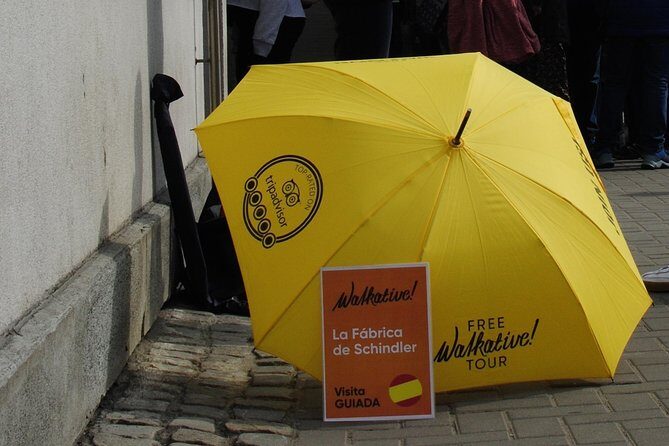
- Skip-the-line help: look for your guide with the yellow umbrella to avoid the worst of the queue.
- Small group size: maximum 15 travelers, which helps you stay oriented in a busy museum.
- Timeline-style visit: you walk through events as the story unfolds, not as random room-hopping.
- More than Schindler: the museum connects WWII occupation to Krakow’s broader experience, and some guides also touch the postwar period.
- Expect heavy themes: the exhibits cover Nazi occupation and personal belongings tied to life under that system.
Schindler’s Factory Museum: what you’re stepping into in Krakow
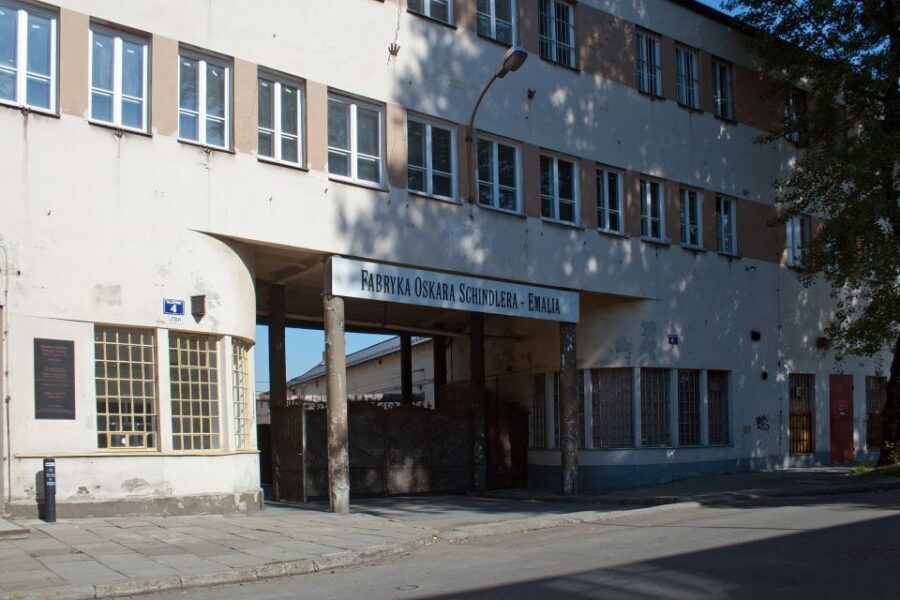
Schindler’s Factory Museum is not a light, walk-and-snack kind of stop. It’s an emotional journey set in Krakow’s WWII reality—showing how daily life changed under Nazi Germany. The setting matters. This is a real factory complex connected to the story from Schindler’s List, and that connection helps the history feel less like a textbook and more like a place people actually lived in.
What makes it powerful is the way the museum frames the occupation as a system, not just a single man’s story. The site centers on a Nazi-controlled factory environment that, according to the tour’s framing, saved more than 1,000 Jews. That doesn’t mean the experience becomes a tidy redemption story. It’s described as a complicated one: the museum shows how possibilities and brutal constraints could exist side by side in occupied Krakow.
Also, the museum experience is housed in the factory’s office building, while the broader factory setting still stands and is used today for other purposes. You’re not only looking at artifacts. You’re moving through a space that still carries the weight of its past.
You can also read our reviews of more museum experiences in Krakow

Meet-up and timing at Lipowa 4F, plus the yellow umbrella trick
This tour meets at Lipowa 4F, 30-702 Kraków, Poland and returns you there at the end. That seems small, but it’s useful. You don’t need to figure out complicated handoffs or hunt for the venue entrance on your own.
Timing is also realistic. The tour runs about 1 hour 30 minutes. That’s long enough to follow the museum story with a guide, but not so long that you’ll feel trapped. That said, some people end up staying longer when they’re reading everything slowly—there’s a lot of text and visual material—so I recommend arriving ready to settle in for heavy content, not a quick photo stop.
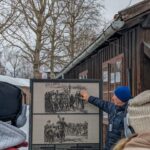
One detail I’d treat like a cheat code: the tour includes help to avoid the queue. The instruction is straightforward—find your guide wearing a yellow umbrella. If you show up without a plan, the outside area can turn into ticket-line chaos. I’d rather trade 30 minutes of “waiting and wandering” for the calm of an organized entry.
The museum walk-through: a timeline you follow step by step
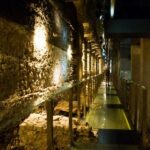
The heart of the visit is the way you move through the exhibits. The experience is built like a story you follow in sequence—so you’re less likely to feel lost among rooms, posters, and personal items. Expect narrow corridors and an indoor flow that can feel tight when the site is busy.
You’ll also notice presentation choices that try to control your pace. One review mentioned red lights along the way. That kind of lighting can make the experience feel more theatrical and harder to skim, which is good for attention—but it can also be a little annoying if you’re sensitive to glare or find dim lighting exhausting. Bring patience. Don’t treat this like a museum you race through.
The museum is also text-heavy. Many exhibits rely on readable labels, timelines, and contextual explanations. If you’re used to faster, photo-first sightseeing, you’ll probably need to slow down here. In exchange, the story becomes clearer: the timeline approach connects the invasion of Poland, the occupation reality, and how the story eventually reaches the Schindler connection rather than leaving you with isolated facts.
One practical catch: the museum visit is structured as a continuous path. Some ticket setups don’t let you leave and come back later the same day. That’s not a deal-breaker, but it does affect planning if you’re trying to fit it between other timed stops.
What the guide adds: Krakow under occupation and after the war
This is where the tour really earns its keep. With a guide, the museum stops being a pile of artifacts and becomes a guided interpretation of what you’re seeing. The tour includes a local professional guide in Spanish, and the impact of a good guide shows up in the names people mention, including Damian and Lucy.
In particular, I like when the guide places the exhibits inside a bigger Krakow timeline. Some guides talk about Krakow and Poland before WWII, then through the occupation, and even touch what came after—one example specifically mentioned the long stretch of Soviet communism. That matters because WWII isn’t an isolated chapter. It’s followed by a reshaping of society, memory, and power.
You can also hear how the occupation affected both Jewish and non-Jewish Krakow citizens. That broader lens makes the museum feel less like a single-group exhibit and more like a citywide story of constraints, choices, and fear.
Some tours include personal-sounding details, like discussion tied to family experiences. That can make the history feel more human, but it also means the guide’s pacing becomes important. If you’re the type who wants everything explained in clear cause-and-effect steps, this guided format is a strong match.
How much Schindler you get—and how to set expectations
Let’s talk about the elephant in the room: Schindler is the hook. But the museum is also about the whole occupied city system.
Some people feel there isn’t enough space devoted to Oskar Schindler himself. The more common complaint is that the story focuses more on the Nazi occupation and Krakow’s experience, with only a shorter segment centered on Schindler. In other words: you might not come out with the feeling of having read a full Schindler biography.
I think that’s actually useful to know before you book. If your priority is the factory story as a window into occupation life—why it worked, what it cost, what people faced—then the museum’s approach will probably feel like exactly what you wanted. If your priority is Schindler’s personal story above all else, you’ll likely want to pair this with another source or exhibit that goes deeper into his biography and later impact.


Crowds, reading, and red-light pacing: how to make it easier on yourself
This museum can get busy. When it’s crowded, the corridors and exhibit spacing can feel tighter, and there’s a lot competing for your attention. Some visitors describe it as far too crowded for comfort, and others mention the museum staff interaction wasn’t always pleasant. I can’t control crowd levels or staff behavior, but you can control your strategy.
Here’s what works:
- Go with the guided plan instead of arriving and trying to figure out the line at the last minute. The yellow umbrella approach exists for a reason.
- Don’t rush the text. If you skim, the timeline won’t click.
- Be ready for a sustained emotional tone. This isn’t a quick laugh-and-move-on museum.
If you’re sensitive to dim lighting, watch for those red-light segments. If you’re sensitive to cramped spaces, assume busy periods will feel more enclosed than you expect. The tour duration is about 90 minutes, but allow mental space for lingering. Some people reported spending around 2 hours inside when they had time to read.
Also check your storage needs. One review mentioned luggage storage wasn’t easy to find info about online or on site, which led to extra time later. If you’re traveling with more than a day bag, plan ahead so you’re not surprised.
Price and value: is $36 a good deal?
At $36 for about 1 hour 30 minutes, you’re paying for more than just museum access. Your ticket price includes the entrance, VAT, and a professional local guide (Spanish). It also includes the organized avoid-the-queue help, which can matter a lot on days when lines get long.
Is it worth it? I think it depends on how you like to travel.
- If you enjoy a guided narrative, the value is strong. You get context and a clearer storyline, especially because the exhibits are text-based and easy to misread if you’re scanning quickly.
- If you prefer self-guided museums where you read at your own pace without stopping for explanations, you might feel you’re paying for something you could do alone. Some people did manage without reserving and didn’t hit major issues early in the day, but that’s not something I’d count on in peak times.
One practical advantage: paying for a guide reduces the mental overhead of figuring out what to focus on. Here, that’s not small. The museum’s power comes from understanding the chain of events, not from one dramatic poster or one artifact.
Who should book this tour (and who might not love it)
This is a good fit if you want:
- A WWII-focused museum experience with a guided storyline
- Context about occupied Krakow, not just one famous name
- A small-group setting that makes the museum feel manageable
It’s also recommended for youth from 14 years. The content is serious, so it’s best for ages that can handle historical trauma thoughtfully.
You might want to rethink the booking if:
- You’re only here for a deep Oskar Schindler biography and expect most of your time to be about him
- You get overwhelmed by crowds or a lot of reading
- You need an easy, low-stress visit with minimal emotional weight
Should you book Schindler’s Factory Museum in Krakow?
My take: book it if you want a guided, coherent WWII narrative in a real historical setting. The combination of a local guide, a timeline-style walk-through, and the yellow-umbrella skip-the-queue support turns a potentially stressful visit into something you can actually process.
I’d skip booking only if you know you want a fast, shallow museum stop or you’re uncomfortable with emotional history and tight indoor crowds. For most people, though, the value hits. You’re not just buying an entrance. You’re buying help making sense of how Krakow changed under occupation—and that’s the whole point of coming here.
FAQ
How long is the Schindler’s Factory Museum tour?
The tour lasts about 1 hour 30 minutes.
What does it cost?
The price is $36.
What’s included in the ticket?
It includes museum entrance, VAT, and a local professional guide in Spanish, plus help to avoid the queue (look for the guide with the yellow umbrella).
Where do we meet?
The meeting point is Lipowa 4F, 30-702 Kraków, Poland.
What group size is it?
The maximum group size is 15 travelers.
Is transportation or hotel pickup included?
No. Hotel pickup and transportation to attractions are not included.
Is it suitable for teenagers?
The recommended admission to the exhibition for youth is from 14 years.
Can I cancel for free?
Yes, you can cancel for free up to 24 hours in advance for a full refund.