REVIEW · KRAKOW
Krakow: City Golf Cart Tour and Schindler’s Factory Museum
Book on GetYourGuide →Operated by INTERCRAC Ltd. · Bookable on GetYourGuide
Krakow has a way of sticking to you.
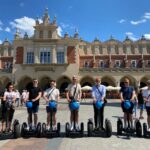
This tour blends easy sightseeing on a heated golf cart with real historical context in the Schindler’s Factory Museum. You’ll roll through Old Town, Kazimierz, and the former ghetto area with audio commentary, then switch to a licensed English guide inside the museum for the heart of the experience.
Two things I especially like: the golf cart route covers the big sights without turning your day into a knee test, and the museum visit goes beyond a basic Schindler story with detail about daily life under Nazi occupation. Natalie, who guided the golf cart portion for one group in English, is also a standout for stopping to let you look into churches and keeping the ride lively and informative.
One note to consider: this isn’t wheelchair-friendly, and since the tour is only 4 hours, you’ll get meaningful highlights rather than a long, slow walk through every neighborhood.
In This Review
- Key Points at a Glance
- A Heated Golf Cart Through Krakow’s Key Neighborhoods
- Old Town First: Planty, Main Square, and the Wawel View Angle
- Planty Park and the Monuments: Why the “In-Between” Matters
- Latin Quarter to St. Mary’s: Churches as Cultural Landmarks
- Kazimierz: The Jewish Quarter Story You Can Actually Follow
- Crossing to Podgórze: From Neighborhood Life to Ghetto Reality
- Schindler’s Enamel Factory Museum: More Than One Man’s Story
- Timing and What You’ll Actually Fit in During 4 Hours
- Price: Is $101 Worth It for This Mix of Cart + Museum?
- Who This Tour Fits Best (and Who Might Want Something Else)
- Tips to Make Your Visit Go Smoother
- Should You Book This Krakow Golf Cart + Schindler’s Factory Tour?
- FAQ
- How long is the Krakow City Golf Cart Tour and Schindler’s Factory Museum?
- What’s included in the tour?
- Is the Schindler’s Factory Museum visit guided?
- Where does the tour start?
- Is the tour wheelchair accessible?
- What should I bring?
- What language is the tour in?
Key Points at a Glance
- Heated eco-friendly golf cart makes Old Town and Kazimierz easier to enjoy in any season
- English audio guide keeps you informed while you take in Planty, Wawel, and major squares
- Podgórze ghetto area stops include a ghetto wall fragment and Ghetto Heroes Square chair memorial
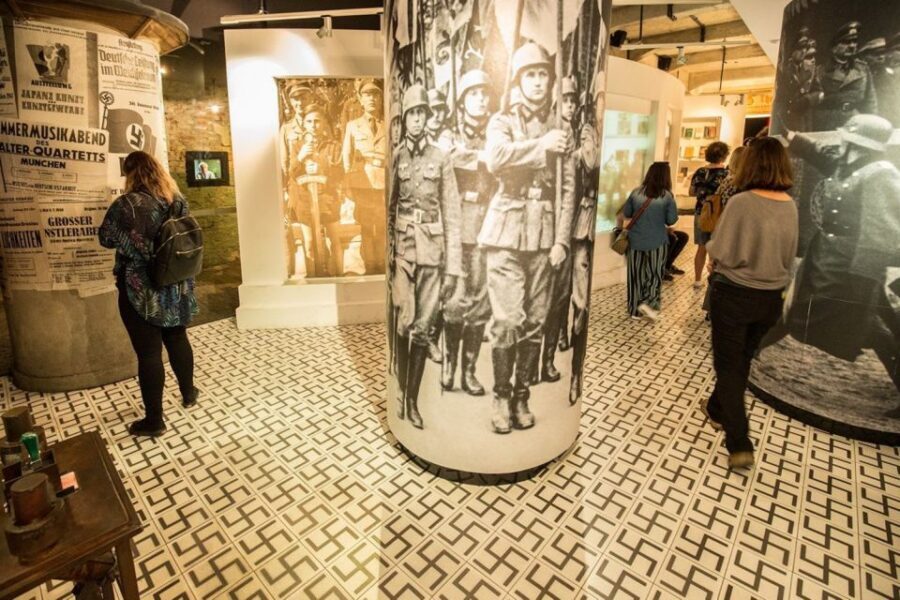
- Schindler’s Factory Museum with a live licensed guide focuses on Kraków under Nazi Occupation 1939–1945
- Fast-track admission helps you spend more time learning and less time waiting
A Heated Golf Cart Through Krakow’s Key Neighborhoods
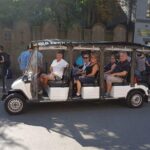
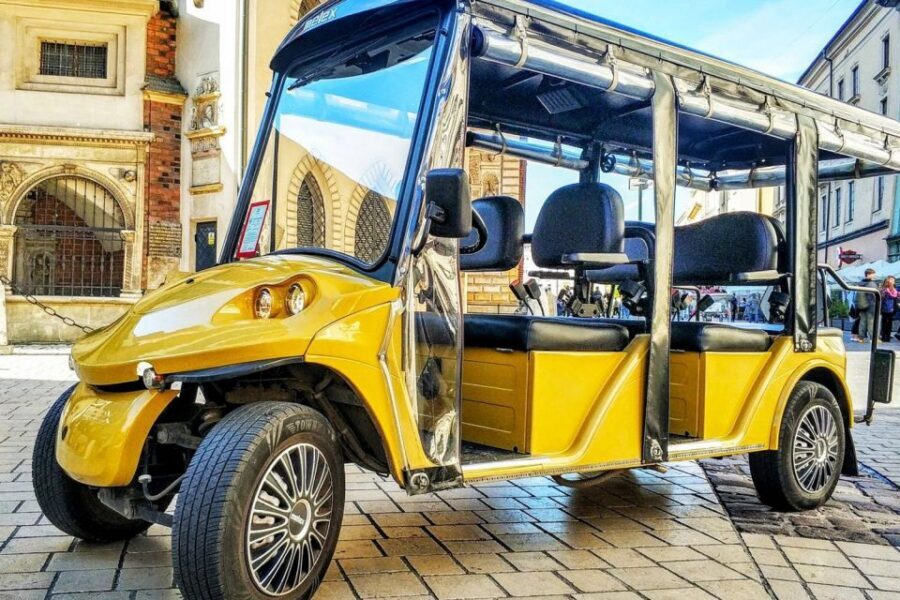
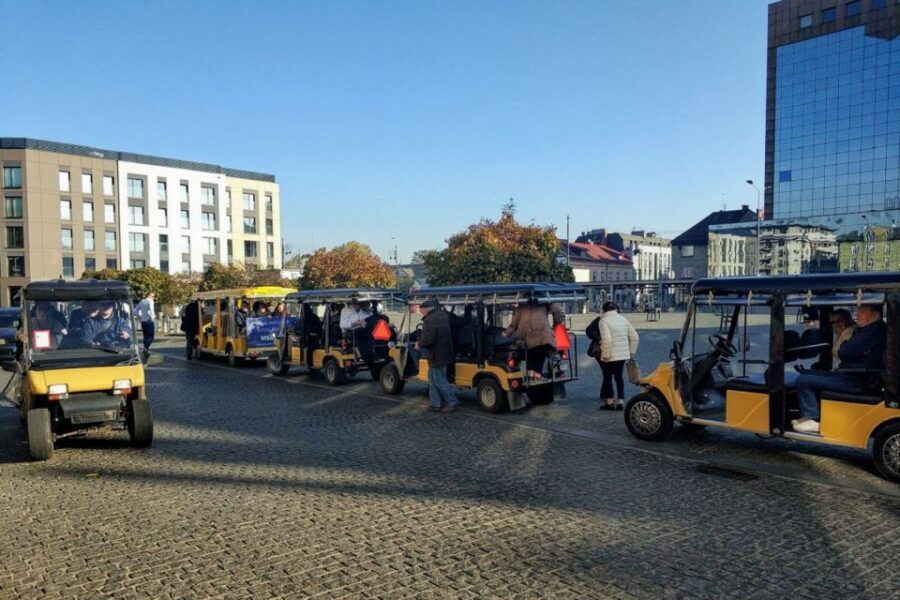
Krakow is best when you can move at the pace of the city, not the pace of your feet. This tour uses a heated golf cart, so even if the weather is gray or chilly, you’re not immediately fighting discomfort before you ever reach the sights.
The ride covers the major beats in a logical order. You start near the Old Town zone, then head into Kazimierz (the historic Jewish Quarter), and finally cross into Podgórze, tied to the wartime ghetto area. That route matters because it matches how many people understand Krakow’s geography: Old Town feels like the public face of the city, Kazimierz shows centuries of community life, and Podgórze brings the war into sharper focus.
The golf cart part also includes an audio guide in English. That’s a smart setup for two reasons. First, you’re not stuck listening to every stop through a whispering crowd. Second, you can soak in what you’re seeing—Planty, Main Market Square, and the Church-heavy Latin Quarter—while still keeping the day flowing.
And yes, it can be a nice mood change. One of the strongest bits of feedback from an English-speaking group praised the golf cart guide’s friendliness and ability to keep things moving while still making time to look closely—especially when the guide paused so people could check out churches.
You can also read our reviews of more city tours in Krakow

Old Town First: Planty, Main Square, and the Wawel View Angle
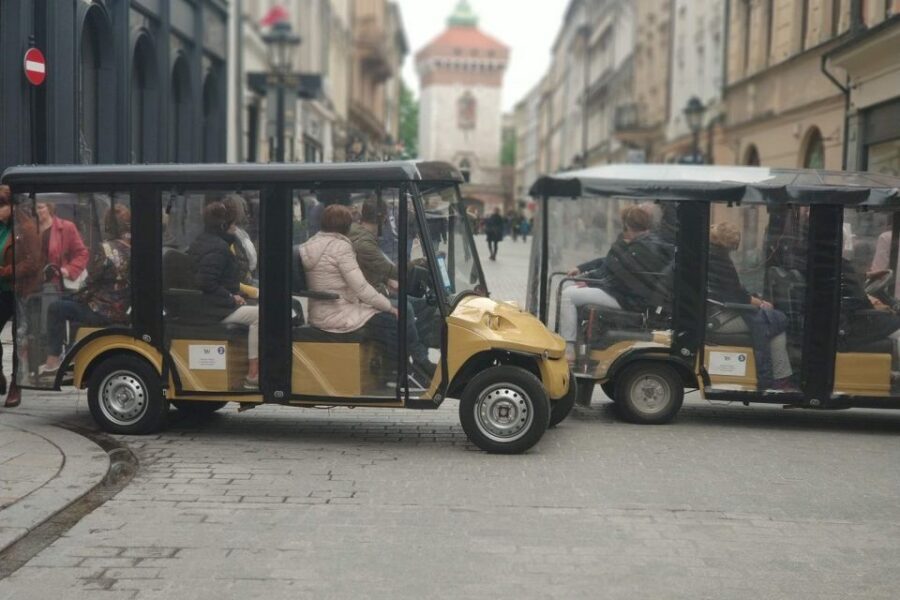
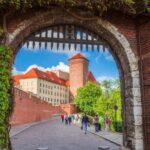
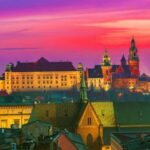
Your route begins in the Old Town area, where the “wow” moments come fast. Expect to glide past Planty (the park ring around the Old Town), Main Market Square, and views tied to Wawel.
Even if you’ve seen photos of these spots, the cart adds something practical: you can read the city as a system. The Planty loop helps you understand how the Old Town was designed to be lived in, not just toured. Main Market Square gives you the scale of the city center, and the Wawel area shows why Krakow became so important over the centuries.
You also get guided context through the audio commentary—city history explained in a way that helps the buildings make sense. The audio covers stops you’ll recognize by name: the Latin Quarter, the Church of St. Anna, the Cloth Hall, St. Mary’s Basilica, a Gothic Franciscan Monastery, and the Papal Window.
A small practical tip: if you want the best photos, pay attention to when the cart slows down or stops. With a short, fixed-time tour, you’ll want to be ready with your camera rather than scrambling after you’ve missed the moment.
Planty Park and the Monuments: Why the “In-Between” Matters
One of the best parts of starting with the Old Town is that you’re not only staring at big landmarks. You also pass the Planty Park surrounds the Old Town and see monuments inside the park.
This matters because Planty acts like a buffer between the medieval center and the rest of Krakow. Seeing it early helps you understand the city’s layout later when you cross into Kazimierz. It’s easier to follow the story of Krakow’s different neighborhoods when you’ve already got a mental map.
And if you’re traveling with people who prefer something less intense than constant walking, the park segment is a good match. You still get culture and landmarks, without the “we’ll be tired before the museum even starts” problem.
Latin Quarter to St. Mary’s: Churches as Cultural Landmarks
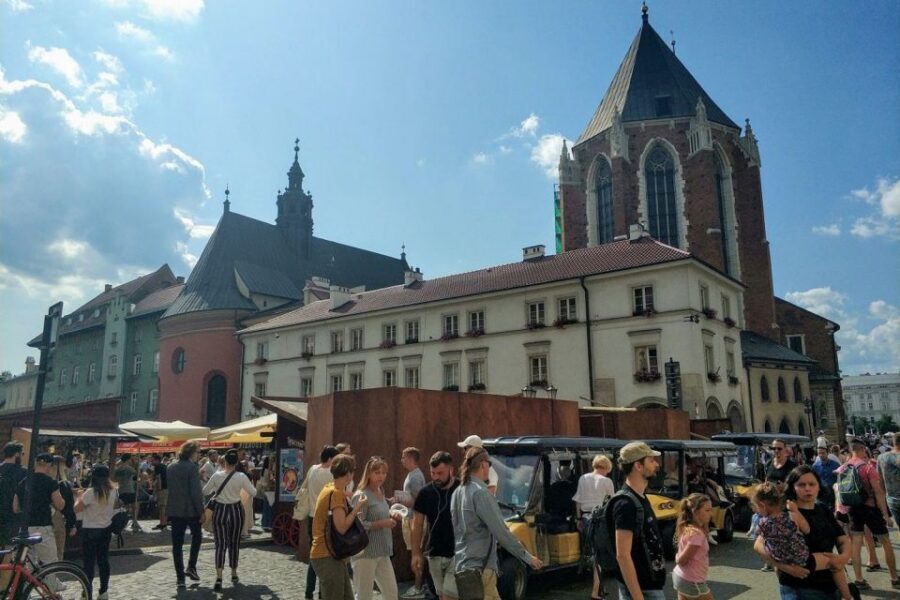
Krakow’s churches are not just pretty. They’re markers of identity, power, and history—so it’s useful that the cart route includes major church stops and viewpoints.
As you pass landmarks like St. Mary’s Basilica and the Gothic Franciscan Monastery, the audio commentary helps connect architecture to everyday life. You’ll get mentions of what the Latin Quarter represents and how Krakow’s religious sites grew into landmarks that anchor the city’s story.
One review highlighted how the golf cart guide handled these stops in a helpful, human way—pausing to let people look inside churches when possible. That kind of small flexibility can turn a “drive-by” into a moment that feels more real.
Kazimierz: The Jewish Quarter Story You Can Actually Follow
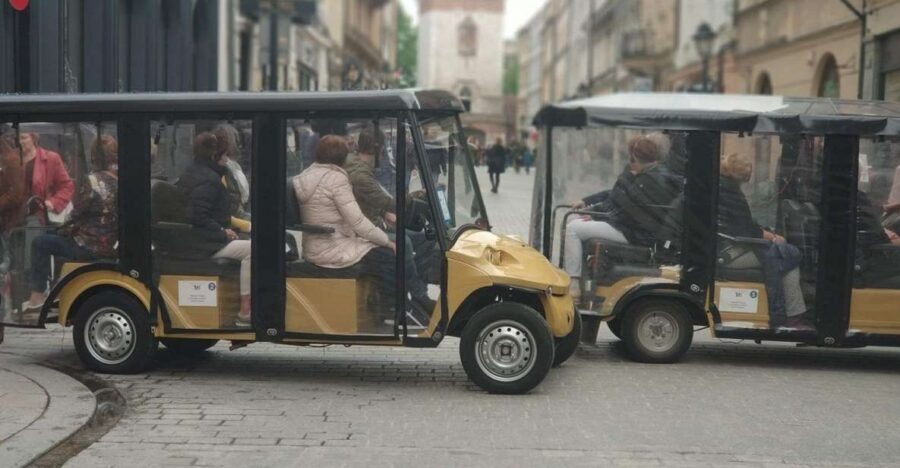
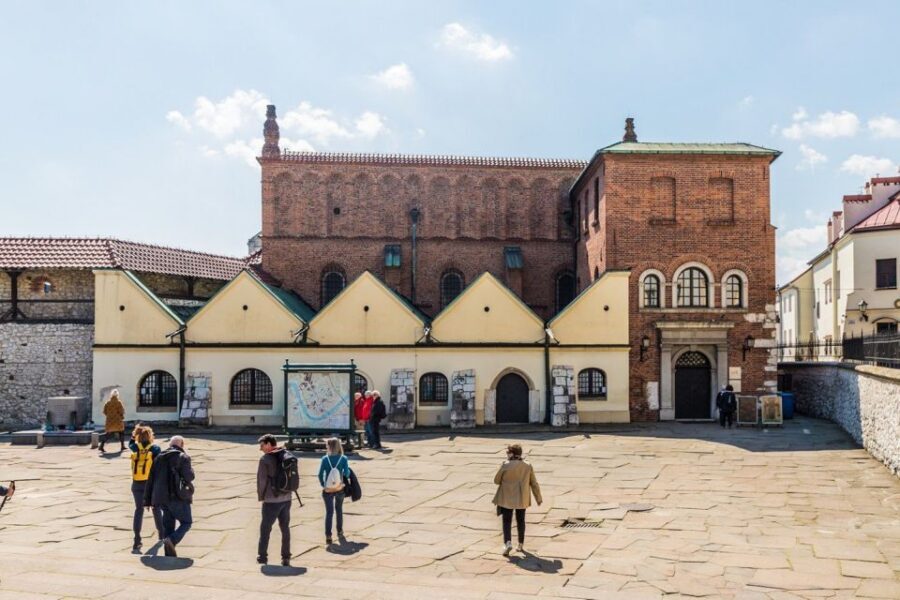
After Old Town, the tour moves into Kazimierz, Krakow’s historic Jewish Quarter. Kazimierz wasn’t just a “part of town.” For centuries, it functioned as a separate town and a major center of Jewish culture.
Here, the cart route does something smart: it helps you connect the historic label to the physical details. You’ll pass narrow streets, synagogues, and places that reflect daily life traditions still visible today. Even from the cart, you can sense the density of the neighborhood—how the street pattern shapes what it feels like to live there.
The tour also includes a look at the Christian part of Kazimierz—the area known for cafés, galleries, and today’s social atmosphere. That part is important. Without it, it’s easy to treat the Jewish Quarter as only a museum topic. With it, you see a place where communities coexisted for a long time and still leave visible traces in the city’s modern rhythm.
Practical note: Kazimierz has a lot of “small” sights. If you’re the kind of person who loves side streets and details, this portion will feel satisfying. If you want nonstop landmark stops at every corner, you may wish there were more time for walking—but remember, the museum visit is the heavy hitter today.
You can also read our reviews of more museum experiences in Krakow



Crossing to Podgórze: From Neighborhood Life to Ghetto Reality
Crossing the Vistula River into Podgórze is where the tone changes. This is the area tied to the former Jewish ghetto during World War II, and the tour points you to specific, physical reminders of that past.
You’ll see:
- a remaining fragment of the ghetto wall
- Ghetto Heroes Square with its chair memorial
- Under the Eagle Pharmacy, a historic site tied to wartime reality
These stops aren’t chosen at random. They give you objects and places you can picture later while you’re inside Schindler’s Factory Museum. The chair memorial especially helps many visitors understand the scale and presence of the tragedy without needing to “interpret” too hard.
This part also helps you avoid a common mistake when touring Holocaust history: thinking it starts and ends with one famous person. The goal here is to show the daily life of Kraków under Nazi occupation—how Jewish and non-Jewish residents endured war, fear, and disruption together, even though their experiences were not the same.
Schindler’s Enamel Factory Museum: More Than One Man’s Story
Now you shift from the cart to the museum, and the tour gets serious in the best way.
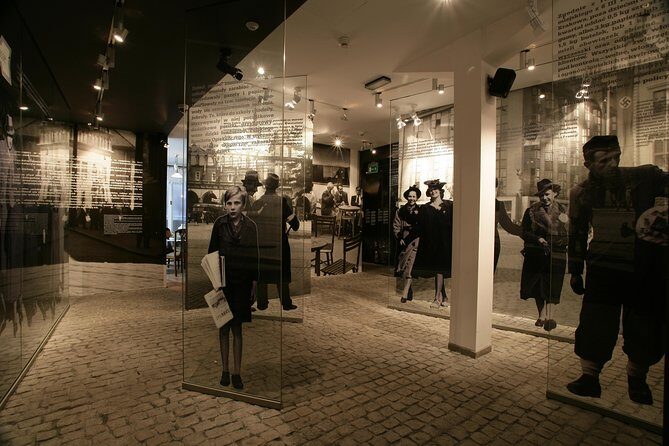
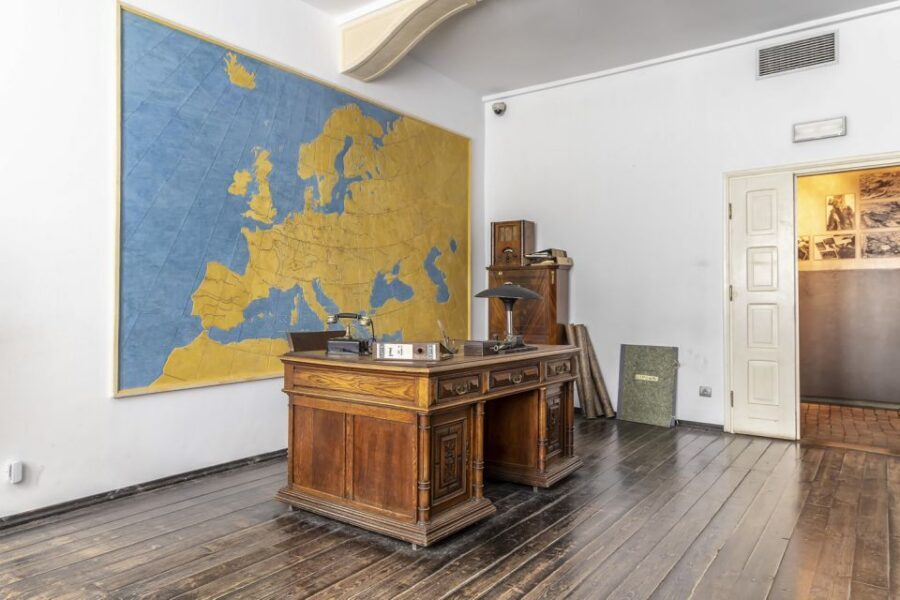
Schindler’s Enamel Factory is where you step into the story of Oskar Schindler—specifically through the exhibition Kraków under Nazi Occupation 1939–1945. This is where the context expands. You learn how the occupation shaped Kraków’s everyday life, and how Schindler used his position, influence, and resources in an attempt to protect Jewish workers from deportation.
A key detail: the museum experience is guided by a licensed expert. That matters because you’re not just reading panels. A live guide can connect artifacts, reconstructions, and personal testimonies into a coherent story that feels anchored in specific people rather than only broad history.
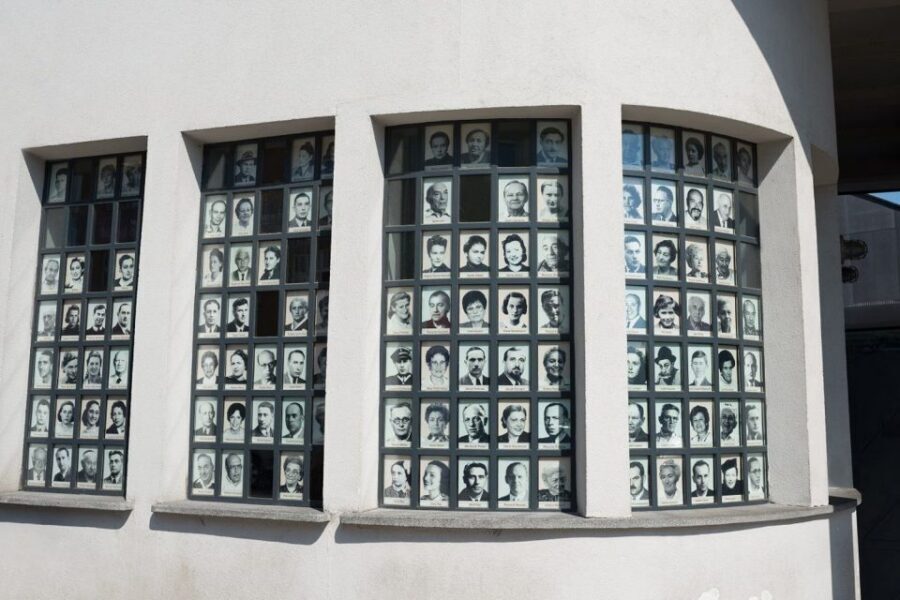
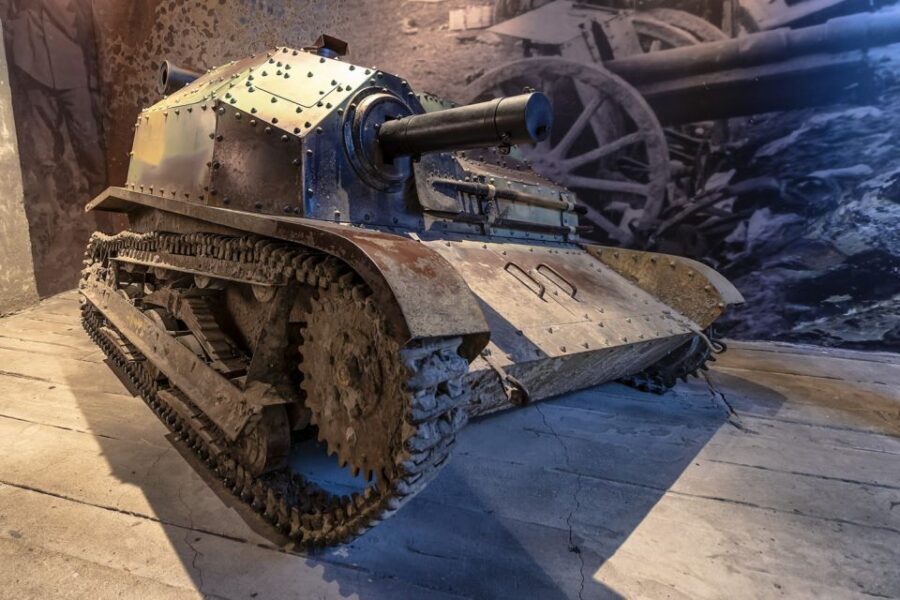
You’ll see photographs, personal objects, and reconstructed streets. That mix is powerful because it doesn’t let you stay at the level of ideas. It pushes you toward tangible evidence of fear, uncertainty, and daily struggle.
And this is where the tour’s value shows up. One of the strongest pieces of feedback said the Schindler’s Factory visit was more about the area’s history than expected, which is exactly what many people want if they’ve only known Schindler from the headline version of the story. You get the city around the story, not just the story itself.
Important “know this before you go”: the building originally functioned as a factory, but it now operates as a museum and no longer contains original production equipment. That’s not a downside; it actually helps set expectations. You’re there for interpretation and testimony, not factory machinery.
Timing and What You’ll Actually Fit in During 4 Hours
A 4-hour tour sounds short until you try to do Old Town, Kazimierz, and Podgórze on foot and then still manage a museum visit. This is where the golf cart earns its keep.
You’ll start with the meeting point at Parking Kiss&Ride in front of the Zabka store. You should aim to arrive at least 10 minutes early. Once the group has entered, late arrivals can’t be accommodated and tickets aren’t refundable, so arriving early is one of the easiest ways to protect your day.
Inside Schindler’s Factory Museum, the tour portion is with a live guide. Outside, you’re guided by audio plus the driver/guide on the cart route. That split is practical. You don’t need constant live narration across every street you pass, but you do want expert guidance when the subject matter becomes emotionally and historically complex.
Price: Is $101 Worth It for This Mix of Cart + Museum?
At $101 per person, you’re paying for more than transport. You’re paying for a tight combination of:
- cart sightseeing with audio guide
- professional, licensed museum guidance
- fast-track admission to Schindler’s Factory
In Krakow, the museum time is the costly part of many self-planned schedules because you often end up spending your limited time waiting in lines or trying to piece together the right context on your own. Fast-track helps you protect that museum window.
Also, the tour’s structure makes sense for many travelers: you get city context first, then you’re ready for the museum. That order tends to make the museum easier to follow, because you’ve already been shown physical locations tied to the wartime story.
If you only want the museum and don’t care about the neighborhood introductions, you might compare other options. But if you want the city’s layers connected—Old Town to Kazimierz to Podgórze to Schindler’s Factory—this price is often in the “sounds fair” range.
Who This Tour Fits Best (and Who Might Want Something Else)
This is a great match if you:
- want to cover Old Town + Kazimierz + ghetto-area reminders without long walking
- care about context, not just famous names
- like audio commentary paired with a live guide where it counts
- want an English tour with guided museum interpretation
It might be less ideal if you:
- need wheelchair access (this tour isn’t suitable for wheelchair users)
- prefer long museum stays with unhurried reading
- want to go deep on shopping or café time in Kazimierz
Tips to Make Your Visit Go Smoother
Bring comfortable shoes anyway. Even though you’re on a cart, you’ll still spend time standing at key stops and walking inside the museum.
Pack water and food if you plan to continue later. The tour instructions even suggest having a packed lunch and weather-appropriate clothing—because Krakow can surprise you with quick weather shifts.
And if you’re aiming for photos in churches or near monuments, watch for the guide’s cues. One review praised the way the cart guide paused to let people look inside churches when possible. That’s exactly the kind of moment you want to be ready for.
Should You Book This Krakow Golf Cart + Schindler’s Factory Tour?
Book it if you want a day that balances comfort and meaning: easy movement through Krakow’s key neighborhoods, then a guided museum visit that gives you context beyond the headline version of Schindler.
Skip it (or consider another option) if you want a slower, more walking-heavy Kazimierz experience or if you need wheelchair accessibility.
If your main goal is to understand how Kraków’s Jewish and non-Jewish residents endured the occupation—and to connect that to where you’ve been on the map—this tour is a smart, efficient choice. And if you’re lucky enough to get a guide like Natalie on the cart portion, you’ll likely enjoy the ride as much as the museum.
FAQ
How long is the Krakow City Golf Cart Tour and Schindler’s Factory Museum?
The total duration is 4 hours.
What’s included in the tour?
You get a golf cart ride around the Old Town, Kazimierz, and the ghetto area with an English audio guide, plus a professional licensed guide at Schindler’s Factory Museum. Fast-track admission is included.
Is the Schindler’s Factory Museum visit guided?
Yes. The part inside Schindler’s Factory is with a live licensed expert guide in English.
Where does the tour start?
The meeting point is Parking Kiss&Ride in front of the Zabka store.
Is the tour wheelchair accessible?
No, it is not suitable for wheelchair users.
What should I bring?
Bring comfortable shoes, food and drinks, water, comfortable clothes, and weather-appropriate clothing (a packed lunch is suggested).
What language is the tour in?
The tour is conducted in English. All group tours are in a single language.