REVIEW · KRAKOW
Krakow: Jewish Quarter and Schindler’s Factory Guided Tour
Book on GetYourGuide →Operated by CRACOW LOCAL TOURS · Bookable on GetYourGuide
That story hits hard in the right way.
This guided tour pairs Krakow’s Kazimierz Jewish Quarter with the modern exhibition at Schindler’s Factory, so you don’t just hear names and dates. You walk through the neighborhood’s long timeline—from the 14th century onward—then you face the wartime reality through the museum’s storytelling style. It’s a history tour, yes, but it’s also a real neighborhood tour, with today’s cafes and art mixed into the same streets you’ll be learning from.
Two things I really like: first, you get both place-based history (synagogues and older institutions you can still point to) and a museum visit that explains what happened in Krakow during World War II. Second, the tour feels built for questions: one guide experience I saw stood out for having huge factual answers and not rushing you when people asked follow-ups (Margaux is a name to watch for). One consideration: expect some serious walking—about 5–6 km—and the topic is emotionally heavy, so it’s not the kind of tour you take when you want to keep things light.
In This Review
- Key Things You’ll Want to Know First
- Why Kazimierz and Schindler’s Factory Works as One Tour
- Meeting on the Steps of the Old Synagogue: Get Your Bearings Fast
- Kazimierz Through the Centuries: Synagogues, Cemeteries, and Community Life
- The Modern Kazimierz Beat: Cafes, Art, and How a Neighborhood Remade Itself
- Schindler’s Factory Museum: A WWII Story Told Through Krakow
- Timing and Distance: About 210 Minutes and 5–6 km on Foot
- Skip the Ticket Line, but Respect the Museum Entry Rules
- Languages and Guide Quality: Spanish, English, French, German, Italian
- Price and Value: Is $69 Worth It?
- Who This Tour Suits Best (and Who Might Choose Differently)
- Quick Practical Tips Before You Go
- Should You Book This Krakow Jewish Quarter and Schindler’s Factory Tour?
- FAQ
- Where do I meet the guide?
- How long is the tour?
- What languages are the guided tours offered in?
- Is Schindler’s Factory entry included?
- Does the tour help you avoid the ticket line?
- Do I need a passport or ID for Schindler’s Factory?
- How much walking should I expect?
- Is food or drinks included?
- Is there free cancellation?
Key Things You’ll Want to Know First
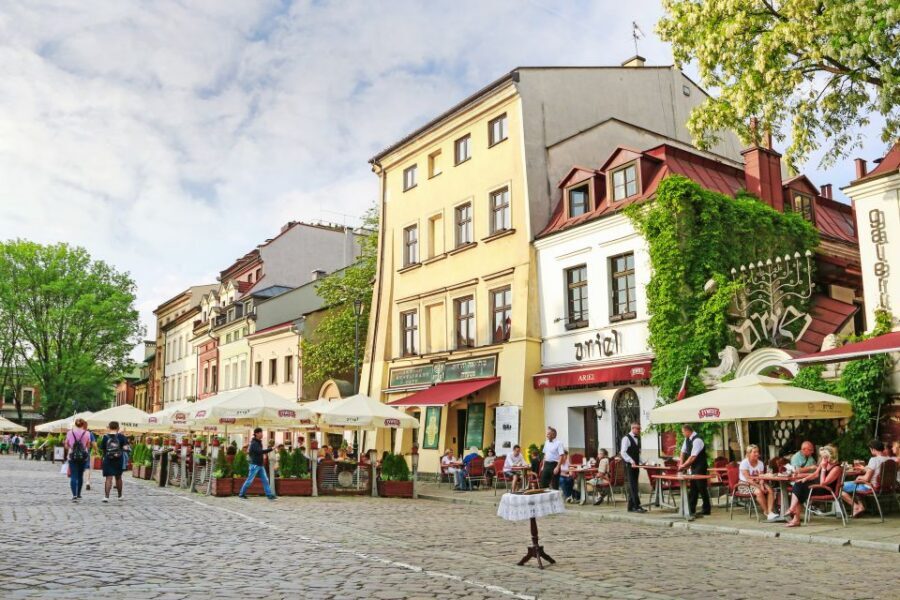
- Krakow’s Kazimierz: learn why this UNESCO-listed district mattered from medieval settlement to modern day.
- Synagogues and old Jewish institutions still on the map: you’ll see what remains rather than only reading about it.
- Schindler’s Factory exhibition style: modern museum presentation focused on Krakow during WWII.
- The “Schindler’s List” connection: you’ll understand why Spielberg’s Oscar-winning film was inspired by this story.
- Expect 5–6 km on foot: wear good shoes and plan for a paced, walking-heavy route.
Why Kazimierz and Schindler’s Factory Works as One Tour
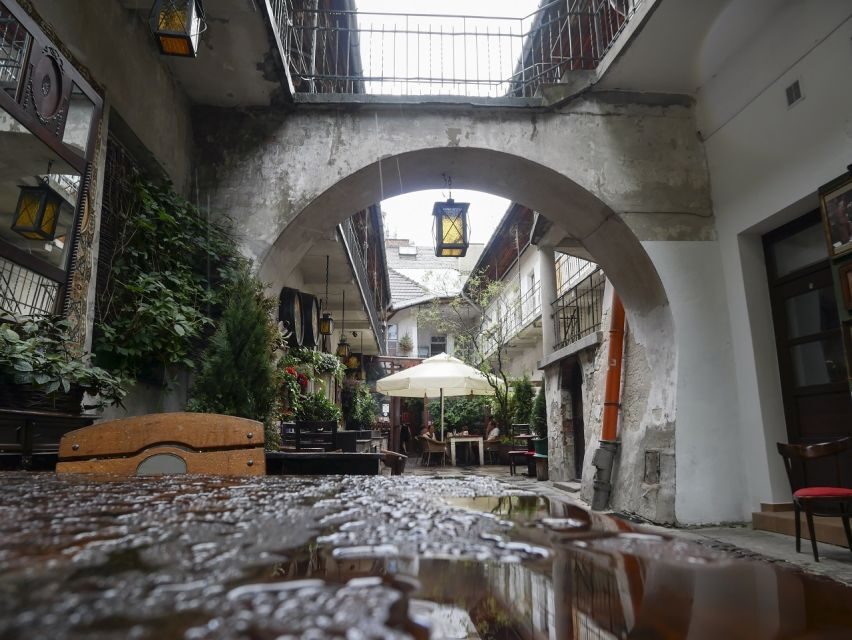
Krakow’s Jewish Quarter is not a single “site.” It’s a living neighborhood with layers: older Jewish institutions, 19th-century changes, and the wartime rupture that still shapes how people talk about the city today. What makes this pairing smart is that you don’t jump straight from “pretty streets” to a tragedy-only museum.
You start in Kazimierz, where history is literally attached to buildings and street corners. Then you move to Schindler’s Factory, where the museum helps you translate what you just learned into a clearer picture of what happened in Krakow during World War II. The order matters. By the time you’re inside the exhibition, the place itself already makes more sense.
You can also read our reviews of more guided tours in Krakow
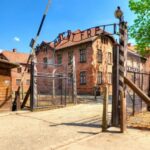
Meeting on the Steps of the Old Synagogue: Get Your Bearings Fast
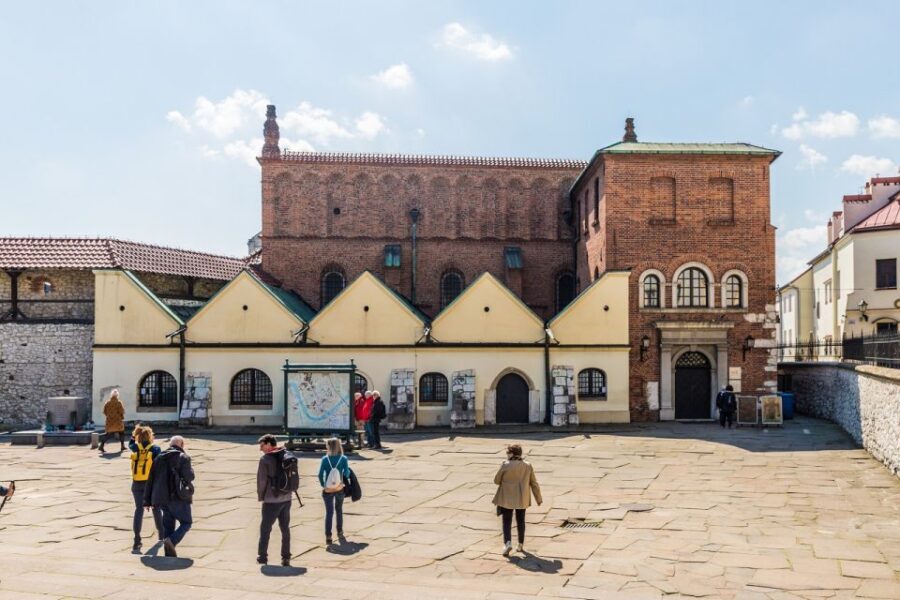
Your tour starts at the steps of the Old Synagogue, and you’re meant to find your guide by spotting a sign held up with the local partner name. This is a practical detail that saves time—Kazimierz can feel like a maze of small streets, and starting at a recognizable anchor point helps you avoid that awkward first half-hour of wandering.
Once you’re with the guide, the pace tends to click into place quickly. You’re walking through a district where people often know the headlines but not the flow of the story—so the guide role matters early.
Kazimierz Through the Centuries: Synagogues, Cemeteries, and Community Life
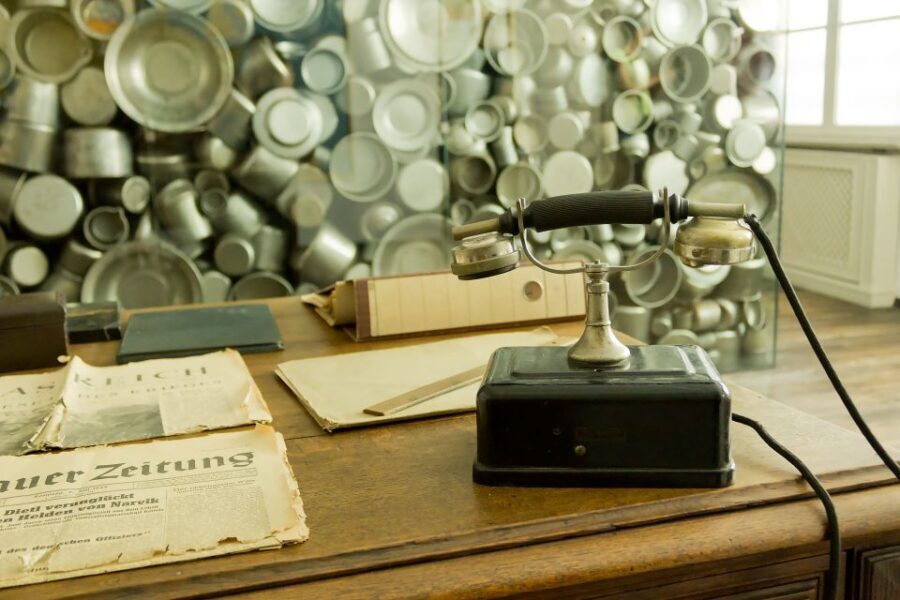
The core of the Kazimierz portion is understanding how the district changed over time. You’ll learn about early settlement in the medieval period, how Jewish life functioned as a close community, and then how things shifted with 19th-century assimilation. That might sound like textbook history, but it helps you interpret what you’re seeing around you.
You’ll also see traditional institutions that still exist in some form today, including synagogues and older Jewish cemeteries. Seeing these matters because it anchors the story in real space. Instead of treating Jewish history as something floating in time, you understand it as something that had physical roots—places where people prayed, studied, organized life, and mourned.
A big value here is the guide’s ability to connect the dots. When someone asked questions during one guide-led experience (Filipe was singled out for being great), the answers were direct and thorough. That’s what you want in a tour like this: clarity, not vague talking points.
The Modern Kazimierz Beat: Cafes, Art, and How a Neighborhood Remade Itself
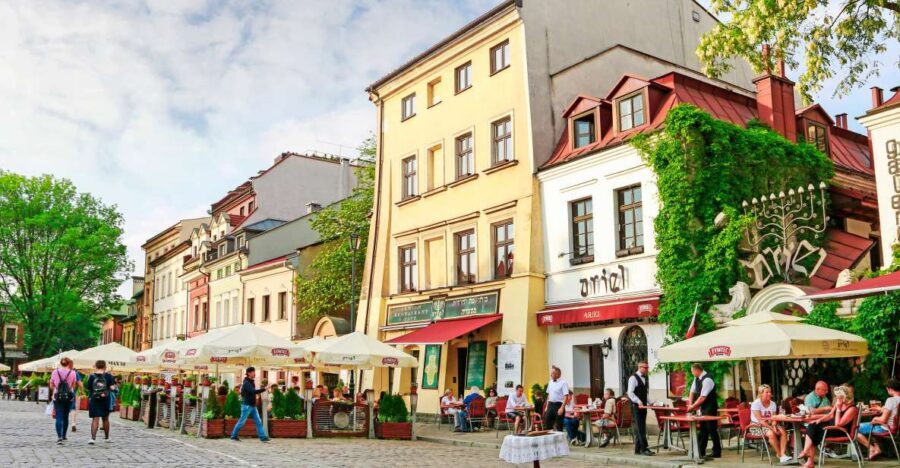
After the heavy historical chapters, Kazimierz doesn’t shut down. This tour makes sure you also get a feel for the present-day district: its lively cafe culture, fashionable shops, and that laid-back, creative energy people often associate with beatnik-style vibes. In plain terms, it helps you understand that this neighborhood isn’t only remembered for loss—it’s lived in.
That might sound like a strange combination, but it’s actually respectful. If all you did was visit memorial-like stops, you’d miss a crucial truth: communities that survived and later rebuilt didn’t stop being human and creative. They kept shaping daily life.
Practical note: if you want photos, do them while you still have energy. Street scenes look good, but you’ll be walking and listening most of the time, so you’ll get better results if you do quick snapshots rather than trying to shoot a whole photo essay.
Schindler’s Factory Museum: A WWII Story Told Through Krakow
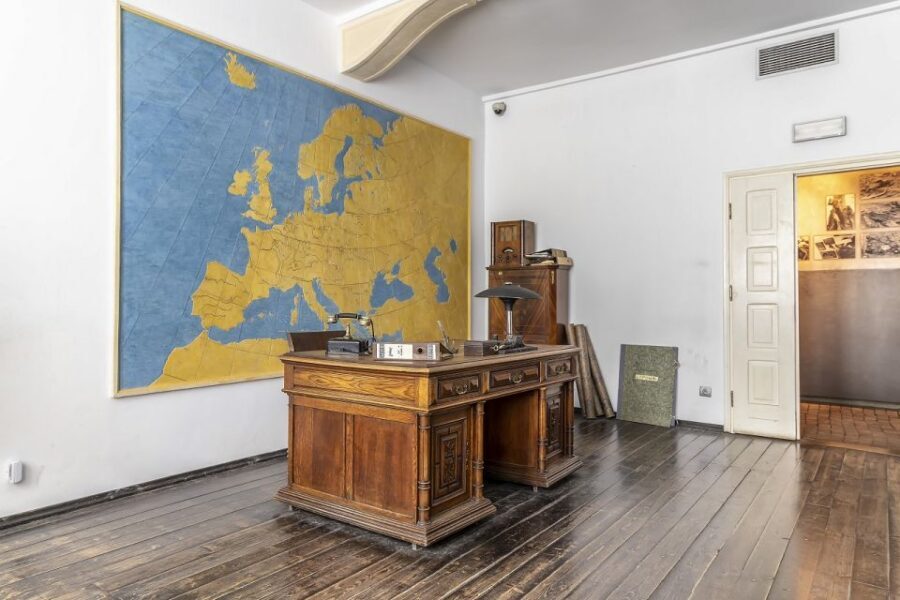
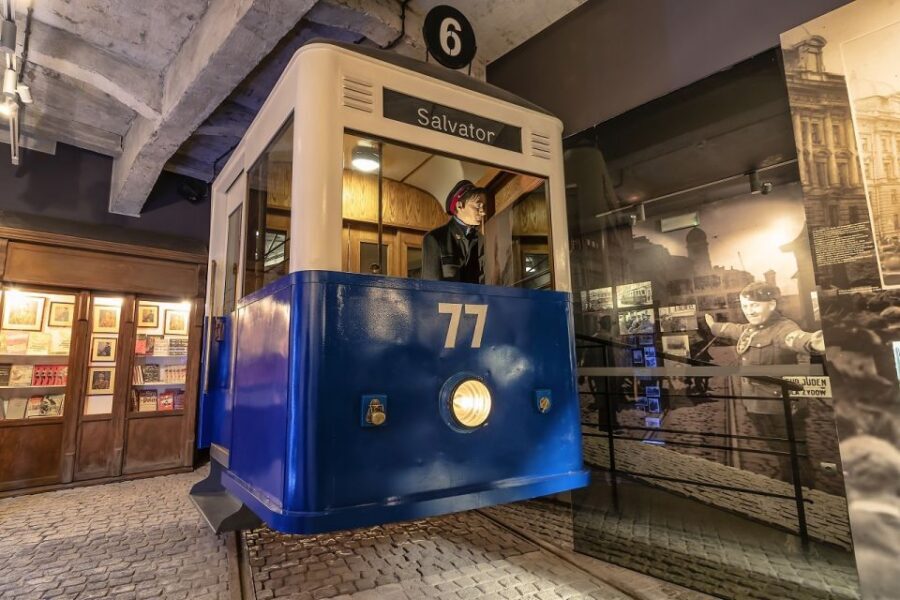
Then you shift to Schindler’s Factory, and this is where the tour becomes more museum-like and more intense. The exhibition is described as unique and modern, and it focuses on the tragic events that took place in Krakow during World War II.
What I like about this kind of museum presentation is that it doesn’t stay stuck in generalities. It connects the story to the reality of this specific city. When you pair that with what you learned moments earlier in Kazimierz, the timeline stops feeling like disconnected facts.
You’ll also get the story of Oskar Schindler, the German entrepreneur who strove to save many Jews. That effort is the reason the narrative inspired Schindler’s List, the Oscar-winning film by Steven Spielberg. Even if you already know the movie, the museum framing helps you see the historical context in a more grounded way—through Krakow, through the place, and through the people the story centered on.
Timing and Distance: About 210 Minutes and 5–6 km on Foot
You’re looking at about 210 minutes total—around 3.5 hours. That’s a good length for an ambitious day in Krakow because it leaves time to keep exploring on your own afterward.
The walking is the real heads-up. One experience described roughly 5–6 km, and the advice was simple: plan for solid footwear. If you arrive with new, unbroken-in shoes, you’ll feel it by the midpoint. If your feet tend to complain in older districts (cobblestones and uneven sidewalks can do that), bring a bit more comfort than you think you need.
Also keep your mental stamina in mind. This isn’t a tour that stays light because it deals with Jewish community history and wartime tragedy. If you build in a quiet break afterward—something like a short sit-down in a cafe area—you’ll get more out of it.
Skip the Ticket Line, but Respect the Museum Entry Rules
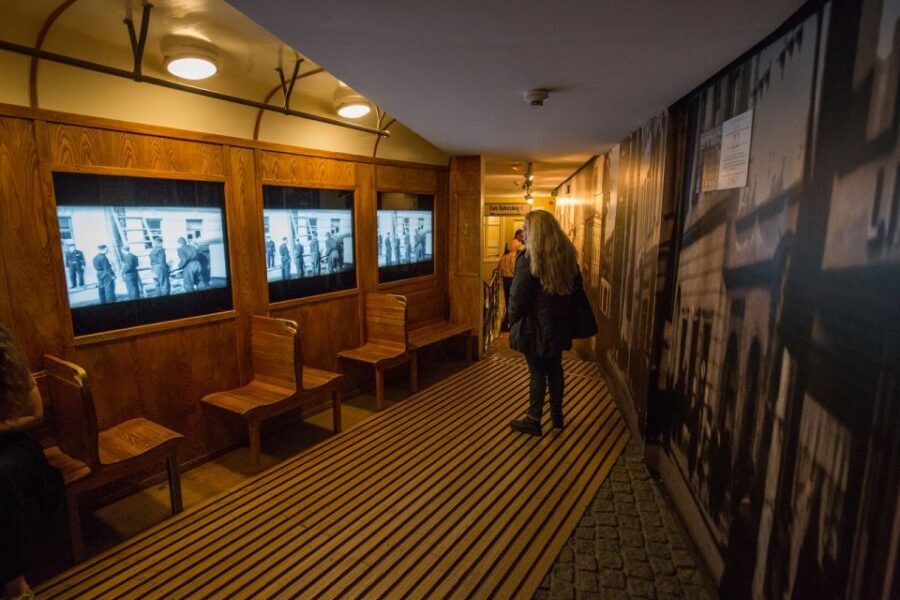
One of the practical wins is that entry ticket to Oscar Schindler’s Factory is included, along with the chance to skip the ticket line. That saves time and cuts down on the “stand around while everyone else goes in” feeling—especially useful in a place where schedules can matter.
However, there’s an important detail you should take seriously: starting January 1, 2026, museum entry relies on personalized tickets. You must provide full names of all participants when reserving and bring a passport or ID for entry. Without it, entry may be denied. This matters because the tour’s whole flow depends on getting into the museum when your timing slot allows.
Languages and Guide Quality: Spanish, English, French, German, Italian
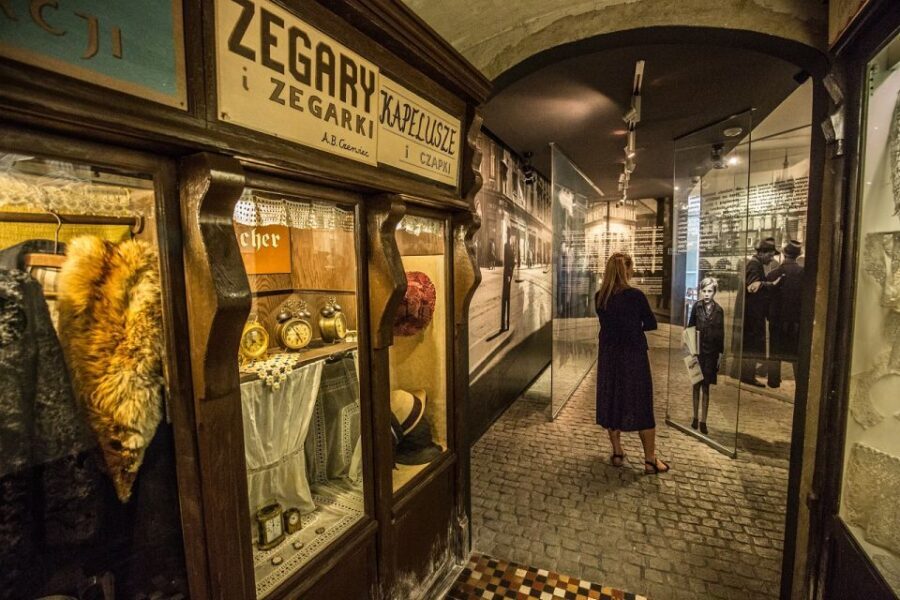
This tour runs with live guides in several languages: Spanish, English, French, German, and Italian. Having multiple language options is a real quality-of-life thing, since history topics get easier when the guide can answer exactly how you think.
Guide quality also comes through in the way questions are handled. In the experiences shared, guides were praised for strong knowledge and patience—Margaux was highlighted for having the necessary knowledge for questions, and Filipe was noted as fantastic. You don’t need to memorize anything before you go; you just need a guide who can explain and answer without brushing you off.
Price and Value: Is $69 Worth It?
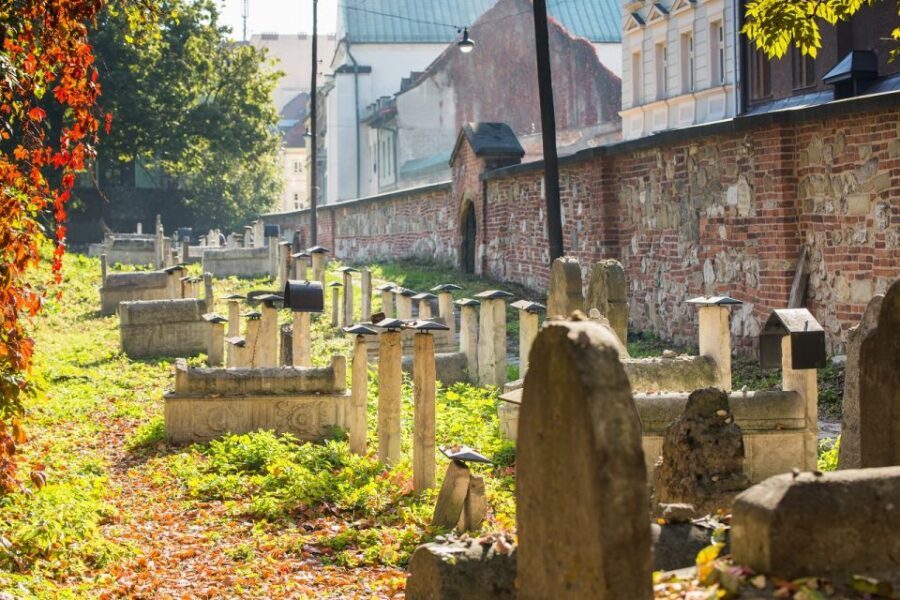
At $69 per person, you’re paying for more than “a walk and a museum.” This price includes a guided tour plus entry to Schindler’s Factory, and it also includes the benefit of skipping the ticket line. That combination usually costs more when you piece it together yourself—especially the museum ticket + guided interpretation part.
The value question comes down to what you want from your time. If you like history but don’t want to spend hours building context on your own, a guided format here is worth it. You get a guided connection between places you can actually visit (Kazimierz) and a museum that turns the wartime story into something you can follow.
The only reason the price might feel steep is if you’re a “self-guided only” type and you’re comfortable reading through museum content with limited interpretation. Even then, the Kazimierz portion benefits from a guide because the district’s timeline isn’t always obvious from street level.
Who This Tour Suits Best (and Who Might Choose Differently)
This is a strong fit if you want:
- A structured introduction to Kazimierz as a historical district, not just a trendy walking area
- The Schindler story tied to Krakow, not only to a famous movie
- A guide who can answer questions and keep the flow understandable
It may be less ideal if you:
- Are trying to avoid walking long distances
- Want a light, “just sights” tour
- Prefer purely self-paced visiting with zero scheduling pressure
Quick Practical Tips Before You Go
Bring shoes you trust. Plan for about 5–6 km of walking. Wear layers if the weather swings, since you’ll spend time outdoors in Kazimierz.
Also, treat the museum entry seriously. From January 1, 2026, your passport/ID and the full names you provide are part of getting in smoothly. That’s not a “nice to have.” It’s the key that keeps the day from getting derailed.
Finally, if you get overwhelmed by emotions, plan a decompress moment afterward. A short sit-down in the Kazimierz cafe zone works well because it keeps you grounded without minimizing the history you just covered.
Should You Book This Krakow Jewish Quarter and Schindler’s Factory Tour?
Yes, if you want one of the best ways to connect Krakow’s history to places you can see. The pairing of Kazimierz’s centuries-long story with Schindler’s Factory’s WWII-focused exhibition is an efficient way to build real understanding, not just facts.
Book it if you like guided context, ask questions, and don’t mind walking. If you’re short on time but still want a meaningful day that covers both neighborhood history and the specific wartime story of Krakow, this is a very practical choice.
FAQ
Where do I meet the guide?
Meet on the steps of the Old Synagogue. Your guide will hold a sign with the local partner name.
How long is the tour?
The duration is 210 minutes (about 3.5 hours).
What languages are the guided tours offered in?
The live guide languages are Spanish, English, French, German, and Italian.
Is Schindler’s Factory entry included?
Yes. The tour includes the entry ticket to Oscar Schindler’s Factory.
Does the tour help you avoid the ticket line?
Yes. The experience includes skipping the ticket line.
Do I need a passport or ID for Schindler’s Factory?
From January 1, 2026, yes. You must bring a passport or ID for museum entry, and you must provide full names for all participants when reserving.
How much walking should I expect?
You should plan for around 5–6 km of walking during the tour.
Is food or drinks included?
No. Food and drinks are not included.
Is there free cancellation?
Yes. You can cancel up to 24 hours in advance for a full refund.