REVIEW · KRAKOW
Krakow: Nowa Huta Guided Tour in Vintage Car
Book on GetYourGuide →Operated by eNHa Trip Nowa Huta tour · Bookable on GetYourGuide
History drives better in a Lada. This guided trip through Nowa Huta shows how Poland’s newest “utopian” district was planned to fit Communist ideals, and you’ll see it in real buildings, real streets, and real relics. I like the way the experience uses the car as a time machine, with a local guide who talks you through what you’re seeing as you move.
My favorite part is the contrast: the grand, Socialist Realist city design above ground, and the reality check underground. You also get a close look at World War III-era bomb shelters, plus stops like Central Square and Roses Avenue where the Lenin story still lingers. One possible drawback: you may notice vintage cars are old-school—one review called out that seatbelts were not working—so it’s smart to dress for a bit of “retro travel” and go in with the right expectations.
In This Review
- Key Things You’ll Want to Know Before You Go
- Why Nowa Huta Still Feels Like a Designed Experiment
- Riding a Classic Fiat or Lada Turns “History” Into Something You Feel
- Plac Centralny and Aleja Róż: The Bold World of Socialist Realism
- Ujastek 1 Shelters: World War III Planning Under the City
- Churches, a Museum Photo Stop, and the Tank: Learning History’s Texture
- Steelworks Director’s Offices (Extended Option): Where Propaganda and Power Met
- Lunch in Nowa Huta: Pierogi Comfort Without the Tourist Detour
- How Much Time Does This Take, and How to Choose Your Option
- Price and Value: Is $75 Worth It?
- Getting Picked Up in Krakow (and What If You’re Staying in Old Town or Kazimierz)
- Who This Tour Fits Best (and Who Might Prefer Something Else)
- Should You Book This Nowa Huta Vintage Car Tour?
- FAQ
- What’s the duration of the Krakow: Nowa Huta guided tour in a vintage car?
- How much does the tour cost?
- Where does pickup happen?
- Can I meet the guide directly instead of using pickup?
- What languages is the tour available in?
- What vintage vehicles might I ride in?
- What’s included if I book the longer option?
- Is lunch included?
- Can I cancel for a refund?
- Is a private group available?
Key Things You’ll Want to Know Before You Go
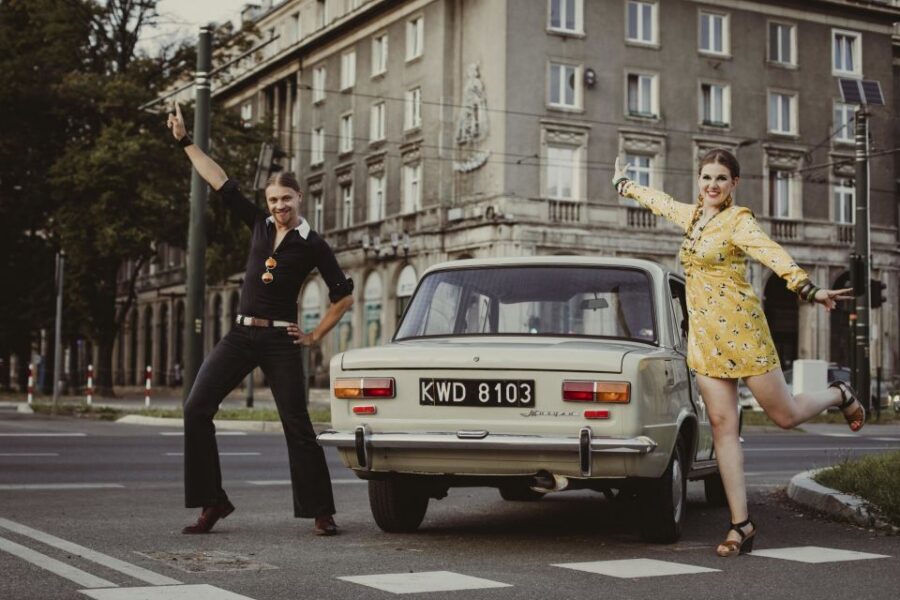
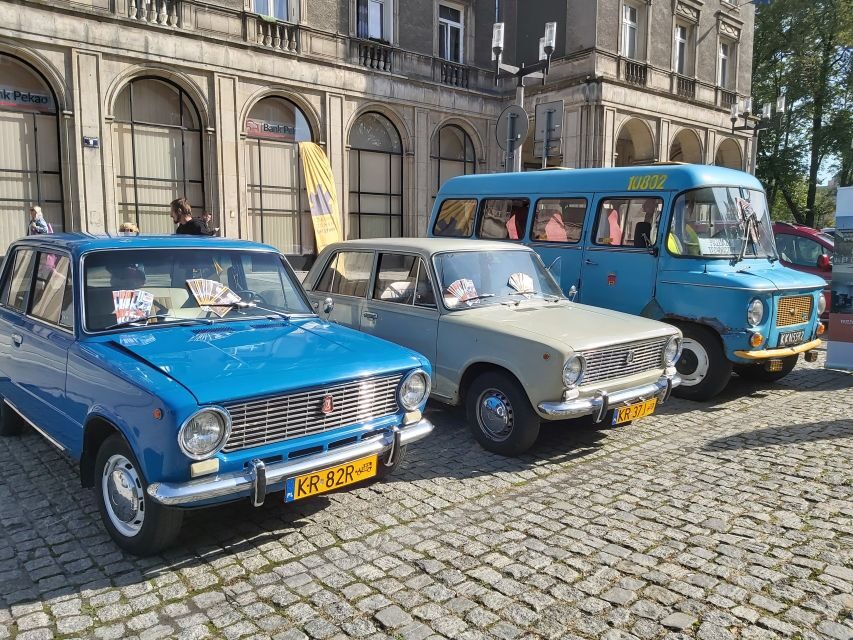
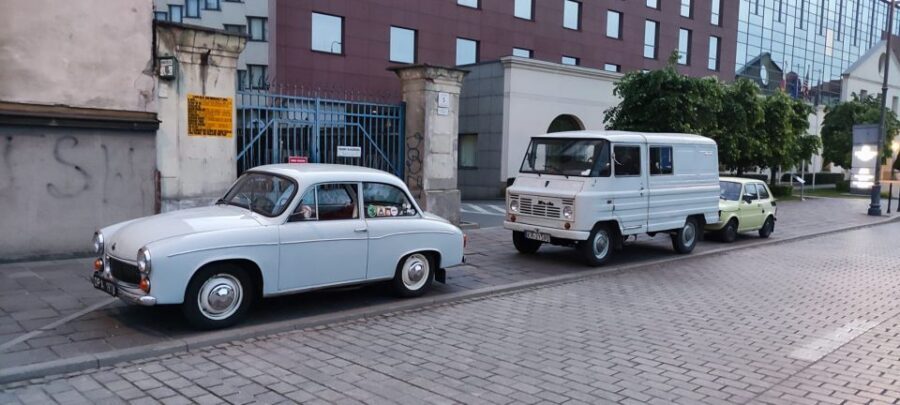
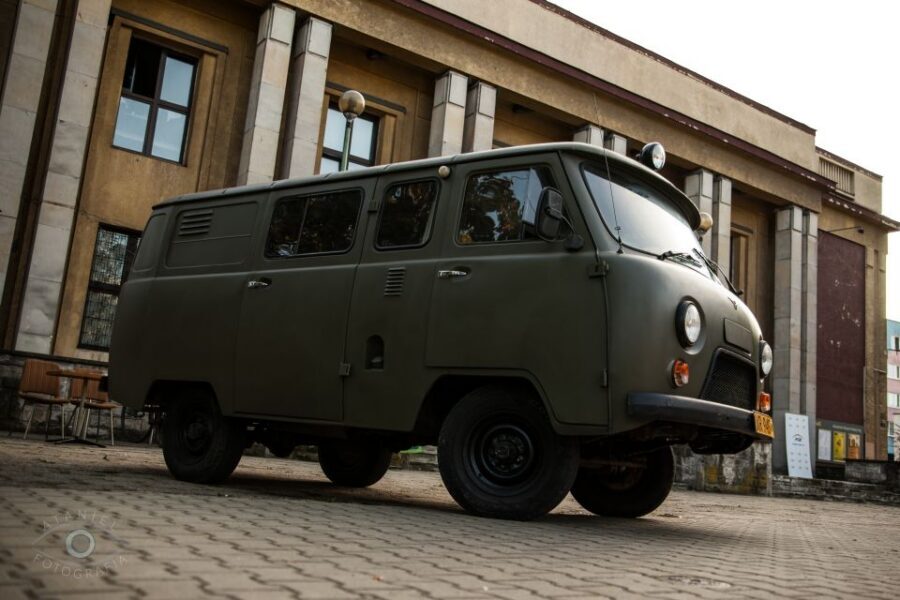
- You’ll ride in Communist-era cars like a Fiat 126 (Maluch), Lada 2101, or similar vintage vehicles including Nysa/Żuk/Syrena and even a UAZ 452.
- You’ll walk Socialist Realism city blocks around Plac Centralny and along Aleja Róż (Avenue of Roses).
- You’ll get the Lenin statue context tied to the Avenue of Roses, including what happened to it after the Communist era.
- You’ll tour Ujastek 1 and see underground shelters made for nuclear-war preparedness.
- You can add the steelworks director’s offices on the longer option for a stronger industry-and-propaganda story.
- Lunch is optional and, if you choose it, it’s typically Polish comfort food like pierogi in a place locals use.
Why Nowa Huta Still Feels Like a Designed Experiment
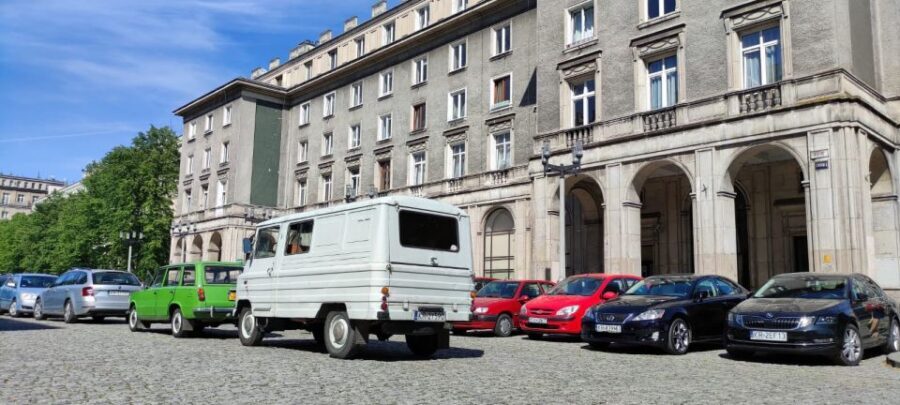
Nowa Huta isn’t just another neighborhood. It was built with a plan and an attitude. The whole idea was tied to a massive steelworks project, and everything around it was shaped to support that industrial life—housing, monuments, and the big ceremonial spaces meant to look impressive in photos and politics alike.
What I like about going with a guide here is that you stop treating the buildings as random “old things.” Instead, you start seeing the logic: wide promenades for marches, bold architecture for state power, and a city layout that reflects how the Communist system wanted people to live and feel.
And because Nowa Huta sits on Krakow’s edge, it’s also a change of pace. You get out of the postcard zone and into a place where history is still physically present.
You can also read our reviews of more guided tours in Krakow
Riding a Classic Fiat or Lada Turns “History” Into Something You Feel
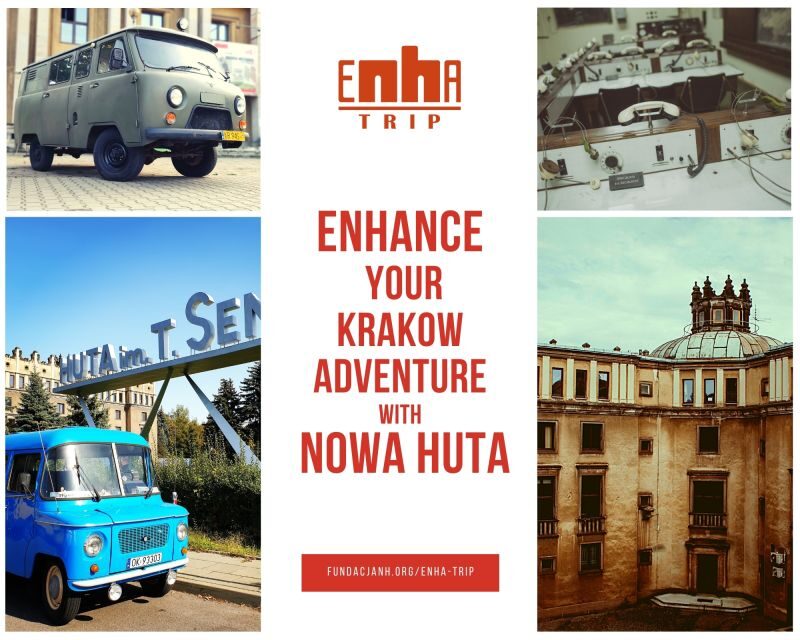
The car part matters more than you might expect. Yes, it’s fun. But it also helps the storytelling land. When you’re bouncing along in a Polski Fiat 126 or a Lada 2101, the visit stops feeling like a classroom and turns into a lived-in, sensory experience. You’re moving through Nowa Huta the way people would have moved through it in the era being discussed.
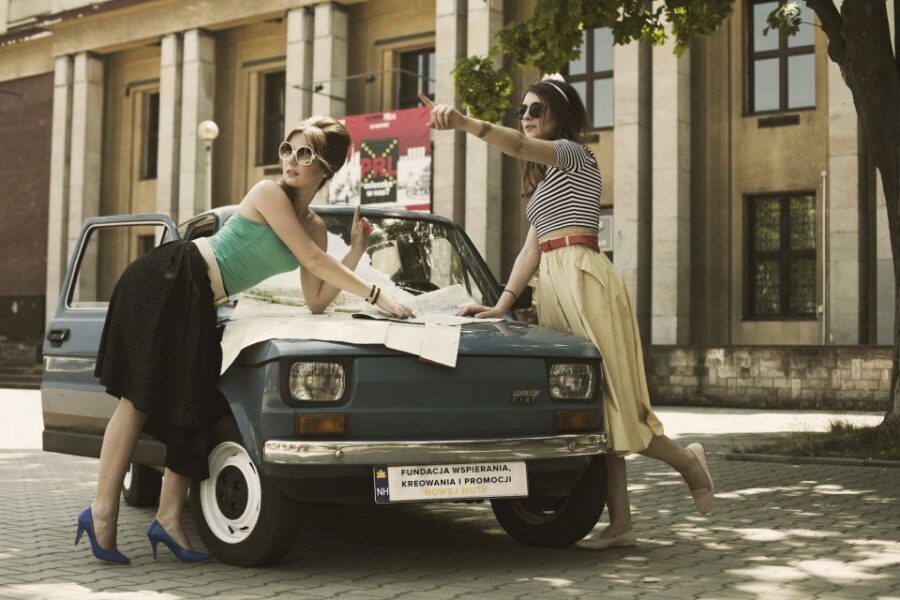
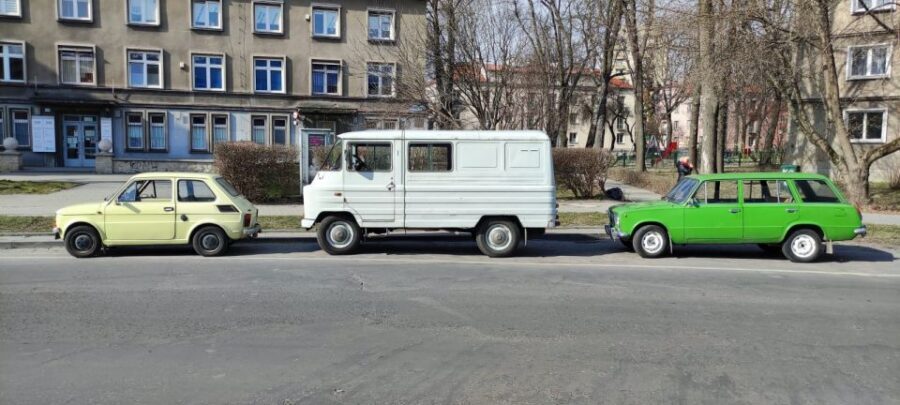
From the car choices, you can tell the operator leans into authenticity. Options can include Fiat models like the Maluch, Lada, and other vintage vehicles such as Nysa or Żuk, plus a Soviet-style UAZ 452. Expect a classic vehicle experience that looks unusual in Krakow streets—one review even mentioned lots of attention from passersby.
Quick consideration: these are older cars. One guest noted there were no working seatbelts, so if that would make you uncomfortable, keep it in mind before you book. Also dress for the weather, because you’ll spend time getting in and out and walking short stretches.
Plac Centralny and Aleja Róż: The Bold World of Socialist Realism
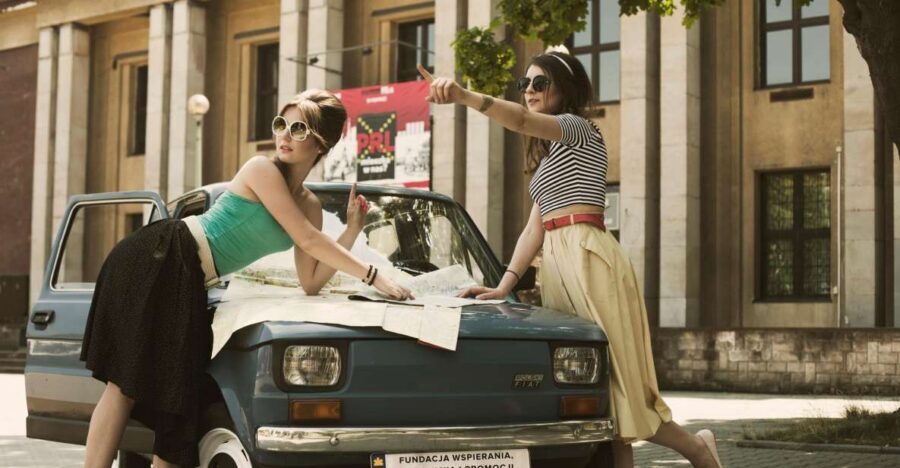
A big chunk of the tour is about seeing how Socialist Realist architecture and Communist planning show up in everyday spaces. You’ll spend time around Central Square (Plac Centralny) and the walk along Roses Avenue (Aleja Róż)—a street name that sounds romantic, even when the political symbolism tied to it was not.
This is where the guide’s job gets real. You’re not just looking at buildings. You’re learning what they were meant to communicate: order, strength, and a future that the state claimed was coming. The tour also points you to where a large Lenin statue once stood on Aleja Róż, and you’ll hear what happened to that monument after the political climate changed.
One practical note: this section is a mix of vehicle travel and short walks, so it works well even if you’re not a hardcore walker. You’ll have time to take photos, especially in the big square areas where the architecture is designed to be seen from a distance.
Ujastek 1 Shelters: World War III Planning Under the City
Then the mood shifts. You go from the planned grandeur above to the survival mindset underground. The highlight here is the visit to Ujastek 1, including a guided look that connects the shelters to Cold War fears of nuclear war.
What you should take away from this stop is not just the “wow” factor of underground tunnels. It’s the way the system prepared for catastrophe as if it were a scheduled part of life. The shelters are a reminder that politics wasn’t only about speeches and statues—it was also about fear, engineering, and contingency planning.
Multiple reviews called this out as a top moment, and it makes sense. Even if you know the general Cold War timeline, seeing the space in person changes how you understand it. You can also expect guided interpretation while you’re there, so it won’t feel like a random trip to a bunker.
If you’re choosing between tour lengths, this is a strong reason to spend time on the longer option. The shelter visit is the spine of the experience.
Churches, a Museum Photo Stop, and the Tank: Learning History’s Texture
Not every stop is grand and dramatic. Some are quiet, some are symbolic, and some are oddly memorable because they’re specific.
You’ll make photo stops and guided time at places like Our Lady Queen of Poland Church, which adds a different layer to the story. After you’ve been absorbing Communist-era planning, this kind of stop helps you see how religious identity and Polish culture persisted alongside the state’s efforts to reshape everyday life.
You’ll also pause for a photo stop at the Museum of the Armed Act. Even if you only see it briefly from the tour perspective, it fits the larger theme: power, conflict, and how Poland experienced 20th-century upheaval.
And then there’s the Soviet tank. The tour highlights mention getting up close to a World War II-era Soviet tank, which is the kind of real object that makes history feel less abstract. It’s not just a story detail—it’s a physical presence, and you’ll likely remember it long after the architecture photos fade.
Steelworks Director’s Offices (Extended Option): Where Propaganda and Power Met
If you choose the longer version (about 3.5 hours), you add extra access that really strengthens the industrial story. The tour can include a visit to the steelworks director’s offices and ticketed entry to those spaces.
This stop matters because Nowa Huta was built around steel. The district wasn’t “just” a political experiment in housing and statues. It was organized around an industrial engine, and the management areas show the other side of the system—how authority was organized inside the factory world.
A number of guests described this as highly interesting, especially for the chance to see rooms and spaces connected to the way the workplace and leadership functioned. If you want more than surface-level history, this is where your questions get more satisfying.
In the longer option, you may also add the underground bunker element tied to Cold War preparedness, depending on what’s available in the format you book.
Lunch in Nowa Huta: Pierogi Comfort Without the Tourist Detour
If you book the lunch option, you’ll be eating in the Nowa Huta area rather than trying to fit food into a rushed city-center schedule. One review mentioned mixed pierogi served in a restaurant popular with locals, and that’s exactly the kind of practical payoff I look for on special history tours.
Think of lunch here as a pacing tool. After walking squares and thinking about political design, sitting down with Polish food helps your brain reset. It also keeps you grounded in the fact that Nowa Huta is a real neighborhood today, not only a museum of the past.
If you don’t choose lunch, you’ll still want to plan snacks and water on your own, since the tour doesn’t list food as included by default.
How Much Time Does This Take, and How to Choose Your Option
The duration range is 150 to 270 minutes, depending on the option and what’s included. The shorter format is the “core story” through major sites and key underground access. The longer format pushes deeper, particularly with the steelworks offices and extra bunker-related content.
Here’s how I’d choose:
- Pick the shorter version if you want the highlights fast and you’re already familiar with basic Communist-era history.
- Pick the longer version if you want more context and more “inside spaces,” especially director-office rooms and the shelter/bunker material.
Also, the tour includes pickup and drop-off (as the default arrangement), which helps you avoid turning this into a self-guided logistics puzzle.
Price and Value: Is $75 Worth It?
At $75 per person, this is not a cheap activity—but it also isn’t priced like a “just ride around and take photos” tour. You’re paying for three things that cost money in real life:
1) Transport in vintage vehicles, not normal vans
2) Guided access to specific sites tied to the Nowa Huta story
3) Optional ticketed stops that go beyond street viewing, including underground shelters and possibly steelworks director offices
When the guide is doing what the best guides do—talking while you’re actually looking at what they describe—the value climbs fast. And the reviews consistently highlight the guide quality and the sense that the tour is built as a real learning experience rather than a quick circuit.
So yes: I think the price is fair if you’re genuinely curious about 20th-century Poland and you want something different from the standard Krakow sights.
Getting Picked Up in Krakow (and What If You’re Staying in Old Town or Kazimierz)
Pickup is part of the experience, but it’s not unlimited everywhere. The operator says they can’t reach a historical-center drop-off area, though they can pick you up from convenient nearby points like Plac Matejki or Mikołaja Zyblikiewicza (near Kopernika street). If you’re staying in Kazimierz, pickup can be from Dajwór street.
So the practical move is simple: tell them your hotel and they’ll locate the closest convenient pickup spot they can use. If you’d rather skip pickup, there’s also an option to meet directly in Nowa Huta.
If you worry about the exact car you’ll see, you can message on WhatsApp using the number on your voucher. They can tell you what car you’re assigned and share meeting details.
Who This Tour Fits Best (and Who Might Prefer Something Else)
This is a strong match if you like:
- architecture with political intent
- Cold War history that has physical evidence underground
- a story-driven guide who can connect buildings to what they meant
It’s also a great choice if you’re tired of only churches and main squares in every city you visit. Nowa Huta gives you a different kind of “must-see,” one that’s deeply tied to modern Polish identity.
It may not fit as well if you want a light, carefree tour with lots of downtime. This one is interpretive and focused. You’ll be learning throughout, and the stops are chosen for meaning, not just for pretty views.
Should You Book This Nowa Huta Vintage Car Tour?
I’d book it if you want the Nowa Huta story in one concentrated outing, with a guide who brings the place to life and with transport that feels like a real artifact. The combination of Socialist Realism sites above ground and nuclear-war shelters underground is a rare pairing, and it’s the kind of experience you can’t replicate by wandering on your own.
If you hate being indoors in tight spaces, or if the idea of older cars makes you uneasy (especially around seatbelts), you can still choose the shorter option and focus on the above-ground planning and monuments. But if you’re curious and you’re willing to go a bit “out there” in Krakow, this tour is one of the best ways to understand why Nowa Huta still matters.
FAQ
What’s the duration of the Krakow: Nowa Huta guided tour in a vintage car?
The tour lasts 150 to 270 minutes, depending on the option and what you include.
How much does the tour cost?
The price is $75 per person.
Where does pickup happen?
Pickup depends on the selected option, and pickup is included by default. The operator says they can’t reach the historical center area, but they can pick you up from nearby points such as Plac Matejki or Mikołaja Zyblikiewicza near Kopernika street. If you stay in Kazimierz, pickup may be from Dajwór street.
Can I meet the guide directly instead of using pickup?
Yes. There is a meet-direct option in Nowa Huta, if you prefer not to use pickup.
What languages is the tour available in?
The tour is available in English, and it can also be organized in Polish or Russian if booked at least 48 hours in advance (subject to availability).
What vintage vehicles might I ride in?
You may ride in classic cars such as Fiat 126 (Maluch), Lada 2101, Syrena, Nysa, Żuk, or a Soviet UAZ 452 (and other similar vintage options).
What’s included if I book the longer option?
The extended option adds visits such as the steelworks director’s offices and ticketed entry to a Cold War HQ bomb shelter (depending on the option you choose).
Is lunch included?
Food and drinks are not included by default, unless you choose the lunch option (then lunch is included).
Can I cancel for a refund?
Yes. The tour offers free cancellation up to 24 hours in advance for a full refund.
Is a private group available?
Yes. A private group option is available.