REVIEW · KRAKOW
Krakow: Plaszow Concentration Camp Walking Tour
Book on GetYourGuide →Operated by excursions.city · Bookable on GetYourGuide
Plaszow is not a casual sightseeing stop.
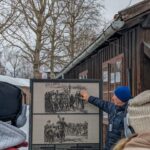
This tour turns the basics into a clear story, from the camp’s early forced-labor days to the deportations that followed, and then connects it to Oskar Schindler and the film that made people notice this place: Schindler’s List. What I like is that you don’t just pass by locations; a licensed guide helps you understand what you’re seeing at Plaszow.
Two things I especially liked: the licensed guide format (you get context fast, and it matters here) and the multiple memorials that build in pauses for reflection instead of a rushed march-through.
One thing to plan for: a lot of the experience is outdoors, so weather can affect comfort and how long you’ll want to stand still.
In This Review
- Key Things to Know Before You Go
- Why Plaszow Is Hard to Follow Without a Licensed Guide
- A 2-Hour Walk Through Plaszow’s Timeline (1940 to 45)
- Memorial Stops: How the Walk Builds in Respect
- Quarry, Military Factories, and the Reality of Nazi Labor
- Oskar Schindler and the Spielberg Link at Liban Quarry
- How the 2-Hour Format Fits With Your Krakow Plans
- Weather, Walking Reality, and Comfort Tips
- Price and Value: Why $23 Makes Sense Here
- Who Should Book This Tour (and Who Might Skip It)
- Should You Book the Krakow Plaszow Concentration Camp Walking Tour?
- FAQ
- How long is the Krakow Plaszow Concentration Camp walking tour?
- Where do I meet the guide?
- What’s included in the price?
- Is the tram ticket included?
- What languages is the tour available in?
- Is the tour wheelchair accessible?
- What does the tour cover?
- Is there free cancellation?
Key Things to Know Before You Go
- Licensed, multi-language guiding helps you make sense of a site where so much is gone.
- A focused 2-hour route keeps the story moving without dragging.
- Memorial stops are part of the walk, not an afterthought.
- The quarry and military factories explain how Nazi labor worked on the ground.
- Oskar Schindler and the Spielberg connection are tied to a real nearby filming-style replica.
- Small-group feel makes it easier to ask questions and follow along.
Why Plaszow Is Hard to Follow Without a Licensed Guide
Plaszow can feel confusing on your own. The physical structures that would normally explain a camp’s layout simply aren’t all there anymore. That’s exactly why I think the licensed guide model is such good value. Instead of guessing what each stretch of ground represents, you get a map in your head built from a real timeline and clear explanations.
This is also one of those places where your attention matters. A good guide keeps the focus on names, dates, and decisions—not on turning tragedy into a photo op. In the same spirit, the tour’s praise for specific guides like Krysztof, Phil, Anna, and Barbara makes sense. The recurring theme is not just facts—it’s how well the guide connects the dots so the site stops being vague.
And because it’s a guided, live tour in English plus several other languages, you can usually pick the option that matches your group best. That helps you catch details without relying on your memory afterward. Even if you think you’re good at self-guided history, you’ll probably appreciate having someone point out what matters as you walk.
You can also read our reviews of more walking tours in Krakow
A 2-Hour Walk Through Plaszow’s Timeline (1940 to 45)
The tour centers on the camp’s changing role under Nazi rule, and that evolution is the backbone of what you’ll learn.
You start with the early phase: the camp opened in 1940 and began life as a forced-labor camp. Then the story shifts—by 1941, it’s converted into a concentration camp. That one change is crucial. It’s a reminder that these systems didn’t start fully formed; they hardened and escalated over time, often with paperwork and administrative decisions that turned into real, everyday suffering.
From there, the focus moves to Krakow and the worsening situation for Jewish residents. In 1942, deportations begin from the Krakow ghetto. The guide helps you understand this wasn’t an abstract policy; it affected people living in the same city region, and it fed the camp’s operation.
What you’ll like about the pacing is that the walk is built around the sequence of events. You’re not only hearing dates—you’re connecting them to parts of the site, including where labor was concentrated. That structure makes it easier to remember what happened and why Plaszow mattered to the Nazis’ goals.
Memorial Stops: How the Walk Builds in Respect
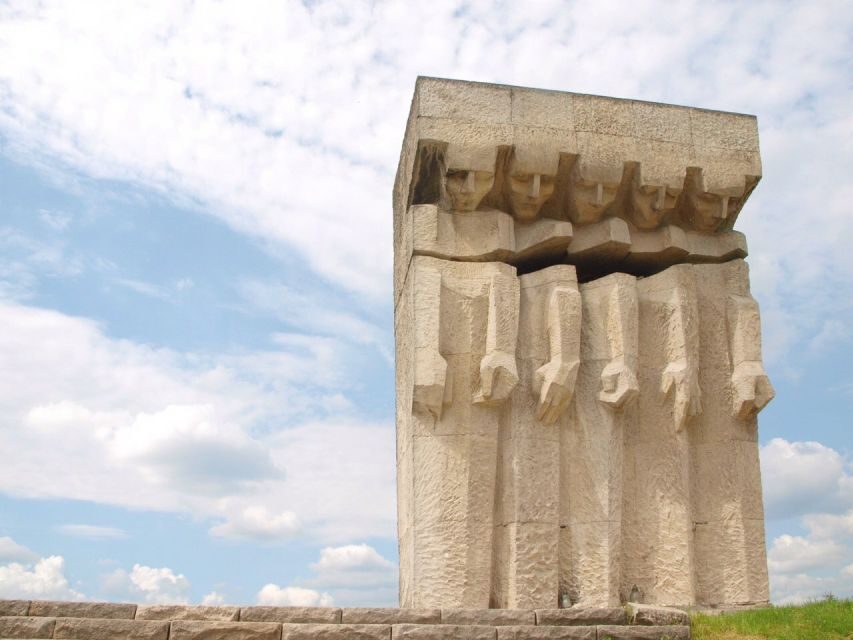
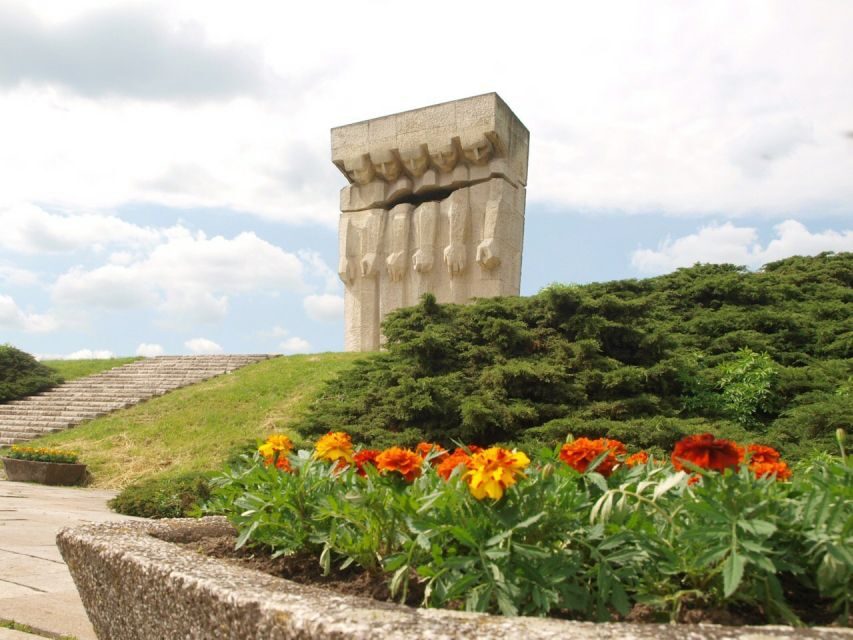
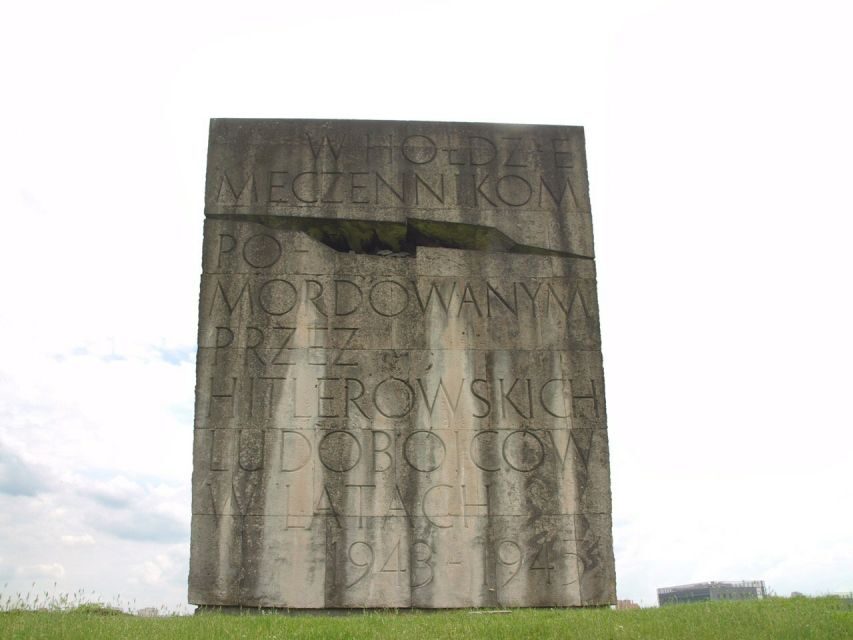
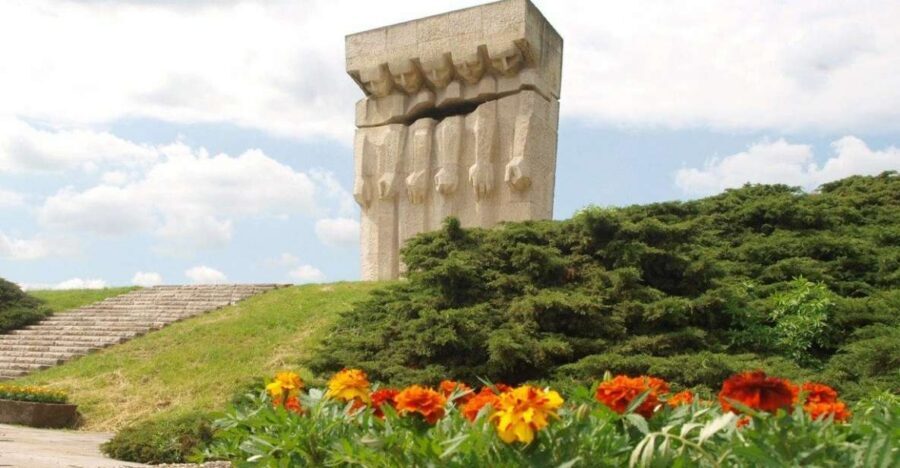
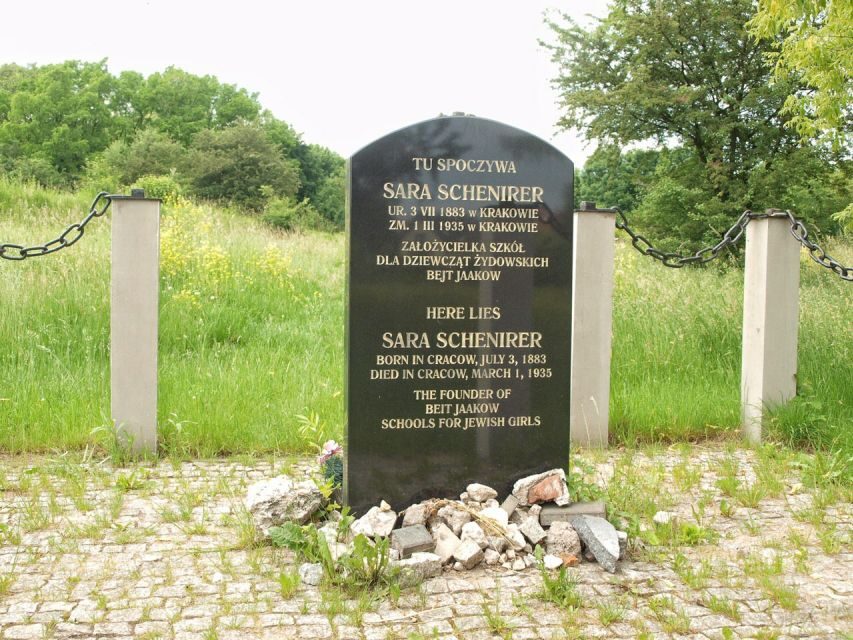
I like that the tour doesn’t treat memorials as optional extras. It includes stops at several memorials dedicated to remembering the victims, and it gives you time to pause. That matters because Plaszow is not a place where the right way to pay respects is to sprint through it and hope the facts will stick later.
At memorials, the guide’s role becomes more than historical explanation. You’re guided to understand what the memorial is honoring and to slow down enough for it to land. I find this is where a good guide can make a real difference: not by being loud, but by keeping the tone respectful and the information clear.
This is also one of those experiences where your own behavior helps. If you’re tempted to chat casually, this is where you can tighten your attention. Keep your phone away during quieter moments. If you want photos, do it sparingly and only when it won’t interrupt the mood. The memorial stops are where you show that you understand this is about people, not scenery.
Quarry, Military Factories, and the Reality of Nazi Labor
Plaszow is strongly tied to labor—especially industrial and extractive work. One of the most practical reasons to go on a guided route is that the guide explains what each area represents, so you can see the logic behind the camp layout.
During the tour, you’ll learn about intensive labor connected to the quarry and to military factories. Even if you don’t know the camp’s technical details, the guide helps you interpret what the work likely demanded and why these locations mattered to the German war machine.
Here’s the key takeaway I think you should carry with you: labor in this system wasn’t normal work. It was forced, controlled, and designed to break people’s bodies and schedules. A guided explanation helps you avoid the easy mistake of thinking about labor like it’s just a job—because the conditions and purpose were brutal.
The camp’s different parts also help you understand how the Nazis organized space for maximum control. You’re walking through areas tied to that organization, and the guide’s job is to make the “why” visible. That’s hard to do without someone to translate what’s left behind.
Oskar Schindler and the Spielberg Link at Liban Quarry
If you’ve seen Schindler’s List, you’ll probably feel two things as you learn here: curiosity and discomfort. That’s normal. The film made the story famous, but the tour’s value is that it doesn’t let the movie become the whole story.
The guide explains Oskar Schindler and discusses how Plaszow appears in the 1993 movie. Then comes one of the tour’s most distinctive features: you’ll visit a replica of the camp built under the direction of Steven Spielberg in the Liban Quarry, located a short distance away (the tour notes it’s about a hundred meters away).
This filming-style replica has a special role. It’s not the real camp, and the point isn’t to treat it like an artifact of history. Instead, it helps you visualize what the film tried to show and why viewers connected emotionally to the story. Standing near it, you can compare your mental picture from the film with the historical framing from your guide.
If you’re a movie fan, I’d say this part of the tour is where you’ll feel the most wow-factor—but keep your grounding. You’ll get the contrast: Hollywood imagery versus the guide’s emphasis on real victims, forced labor, and deportations.
How the 2-Hour Format Fits With Your Krakow Plans
This tour is designed to be a strong add-on because it’s about 2 hours. That matters in Krakow, where you can easily stack a few experiences without burning your whole day on one stop.
You’ll also end back at the meeting point, so there’s no complicated “transfer to somewhere else” problem. That simplicity is underrated. It makes it easier to plan dinner, a tram ride, or another museum visit without guessing how long you’ll be wandering after the tour.
Also, the tour is praised for explanations that are easy to follow, which tends to work best when your day isn’t already overloaded. If your head is full of names and dates from another museum stop, you might want this to be the first major history experience of the day—or at least make sure you’ve got time to absorb it after.
Weather, Walking Reality, and Comfort Tips
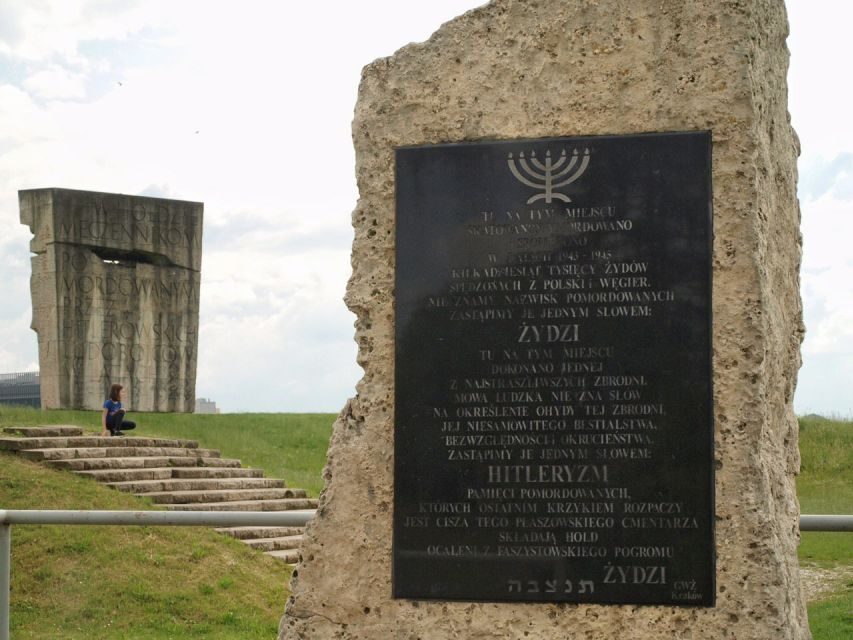
This site is largely outside, and that’s not a detail you can ignore. One review theme was that you really do need a little luck with the weather, and I agree with that practical point.
So plan like you’re going to spend a bit of time standing and walking on uneven ground. Wear comfortable shoes you trust. Bring a layer you can add or remove quickly, since skies can change fast in Poland even when your schedule seems fixed. If it’s rainy, you’ll probably slow down on memorial pauses because the ground and pathways may be slick.
Small practical advice: pack water. Even when you don’t expect a long walk, a 2-hour history tour can make you thirsty because you’re constantly thinking. And if you get cold easily, a hat or gloves can make a big difference during quiet stops.
Price and Value: Why $23 Makes Sense Here
At $23 per person, this tour sits in the category of “surprisingly reasonable for what you get.” Here’s why I think it’s good value.
First, the price includes a licensed guide. You’re paying for interpretation—someone to translate what remains of the site into a coherent story tied to dates, deportations, and the camp’s transformation. In Plaszow, that interpretive service isn’t optional; it’s the difference between seeing ground and understanding events.
Second, you’re getting a multi-part experience: the walk through camp areas, memorial stops, context about Krakow’s ghetto deportations, and the Oskar Schindler and Spielberg connection at Liban Quarry. You’re not only buying time; you’re buying multiple layers of meaning in a fixed time window.
What’s not included is a tram ticket. That’s normal for city tours, and it simply means you might need to factor in how you’re getting to the meeting point.
If you want flexibility, the tour also offers options like free cancellation up to 24 hours in advance and a reserve now, pay later setup. That’s the kind of practicality that helps you keep your plans smooth.
Who Should Book This Tour (and Who Might Skip It)
I think this tour is a great fit if you:
- Want a guided explanation of Plaszow instead of trying to piece it together alone.
- Are interested in how the site connects to Oskar Schindler and the story that became famous through Schindler’s List.
- Prefer a focused, 2-hour walking format with time to reflect at memorials.
It’s also a strong option if you’re doing Auschwitz around the same trip. One clear point from the overall experience design is that Plaszow works well as an additional stop. The places are different, but the tour helps you understand the broader Nazi system rather than treating each camp like a separate movie set.
You might consider another option if you want a purely architectural or purely museum-style experience. Plaszow is about walking the site and understanding its meaning on the ground, and the outdoors factor is real.
Should You Book the Krakow Plaszow Concentration Camp Walking Tour?
If you care about context—and you want to get it without turning this into a self-guided puzzle—I’d book it. At $23 for a live, licensed guide and a route that includes memorials plus the Spielberg/Liban Quarry link, the value is solid.
Do it with the right mindset: come ready to learn, walk slowly at memorial stops, and accept that some parts of the site are hard to visualize without help. If you do that, you’ll leave with a clearer understanding of what Plaszow was, how it changed over time, and how the Schindler story connects to what you can still see today.
FAQ
How long is the Krakow Plaszow Concentration Camp walking tour?
The tour lasts about 2 hours.
Where do I meet the guide?
Meet at Look for the guide with the excursions.city sign.
What’s included in the price?
The tour includes a licensed guide.
Is the tram ticket included?
No, tram ticket is not included.
What languages is the tour available in?
The tour is available in English, German, French, Russian, Italian, and Spanish.
Is the tour wheelchair accessible?
Yes, it is wheelchair accessible.
What does the tour cover?
You’ll learn about Plaszow from its opening as a forced labor camp in 1940, its conversion into a concentration camp in 1941, the deportation of Jews from the Krakow ghetto starting in 1942, labor areas including the quarry and military factories, and the role of Oskar Schindler and Schindler’s List. You’ll also visit the Spielberg-directed replica in Liban Quarry.
Is there free cancellation?
Yes, you can cancel up to 24 hours in advance for a full refund.