REVIEW · KRAKOW
Schindler’s Factory and Jewish Ghetto Guided Tour
Book on GetYourGuide →Operated by INTERCRAC Ltd. · Bookable on GetYourGuide
This tour explains Kraków beyond Schindler. It pairs the moving Schindler’s Enamel Factory museum with a wartime walking route, so you’re not just hearing one man’s story—you’re seeing the city’s day-to-day reality under Nazi occupation. I especially like how the exhibition uses original artifacts and 1940s reconstructions, which makes the fear and uncertainty feel concrete instead of abstract.
You also get the streets, not just the museum rooms. Stops like Józefińska 41, Ghetto Heroes Square, and a look at the preserved ghetto wall fragments help you connect the exhibition to what confinement meant in real life. Guides such as Bartholomew, Joanna, Alicja, Phil, and Magda are repeatedly praised for clear, steady explanations that keep the story understandable even in heavy subject matter.
One possible drawback: the Schindler’s Factory part is extremely popular and the museum layout can feel tight, so a few people report feeling rushed through exhibits or running into repeated context during the ghetto walk. If you hate being on a clock, plan to add extra time on your own after the tour.
In This Review
- Key highlights to look for
- Schindler’s Factory Museum: where the story has physical weight
- The ghetto walk: connecting walls to everyday choices
- Józefińska 41: the lifeline institutions inside the walls
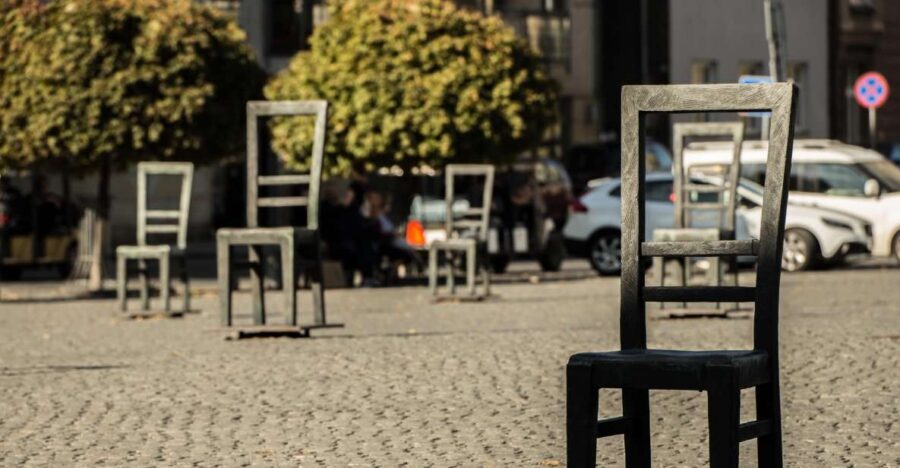
- Ghetto Heroes Square and the Chair Memorial: round-ups made visible
- Under the Eagle Pharmacy: help that didn’t come free
- Group size, timing, and how to stay comfortable for 3 hours
- Price and value: what $57 buys you in real time
- Should you book this tour?
- FAQ
- How long is the tour?
- Where do I meet the guide?
- What’s included in the price?
- Is food or drinks included?
- Does the Under the Eagle Pharmacy stop include entry?
- What languages are available?
- Do I need to provide full names for tickets?
- How big are the groups?
- Can I still go if I’m late?
- How much does the tour cost?
Key highlights to look for
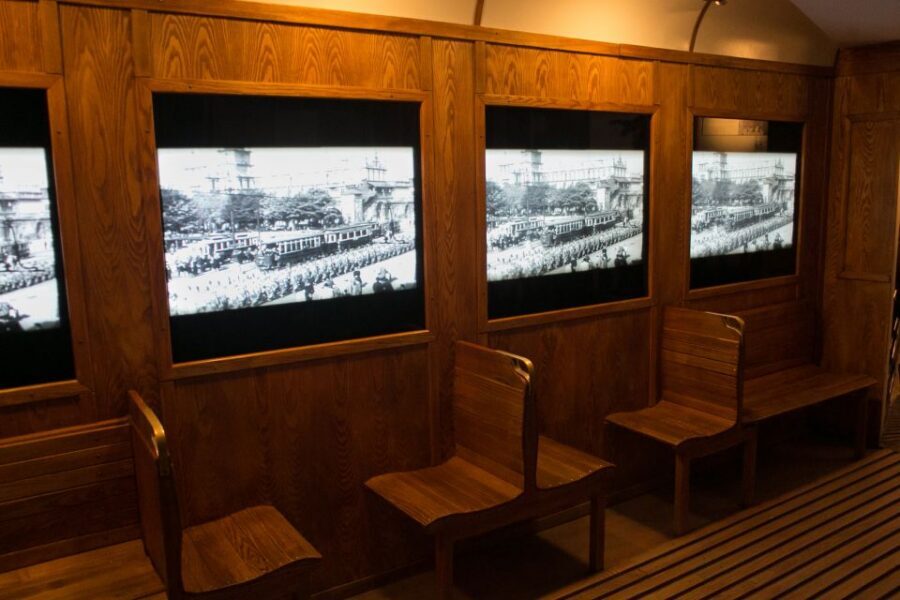
- Schindler’s Factory Museum, fast-tracked so you spend time learning, not waiting.
- Kraków under Nazi Occupation 1939–1945 told through personal objects, photos, and recreated street scenes.
- Ghetto wall remnants that mark the enclosure and help you “see” the boundary.
- Józefińska 41—a real address tied to lifelines like welfare offices, an orphanage, and a hospital.
- Ghetto Heroes Square with the Chair Memorial—a key stage for round-ups and deportations.
- Under the Eagle Pharmacy (no entry)—stories of Tadeusz Pankiewicz and his staff providing medicine, shelter, and help.
Schindler’s Factory Museum: where the story has physical weight
Schindler’s Factory today is one of Kraków’s most visited museums for a reason: it turns history into something you can look at. With this guided option, you don’t just walk through rooms—you follow a licensed guide through Kraków under Nazi Occupation 1939–1945 and get a clear thread from the broader occupation down to individual choices.
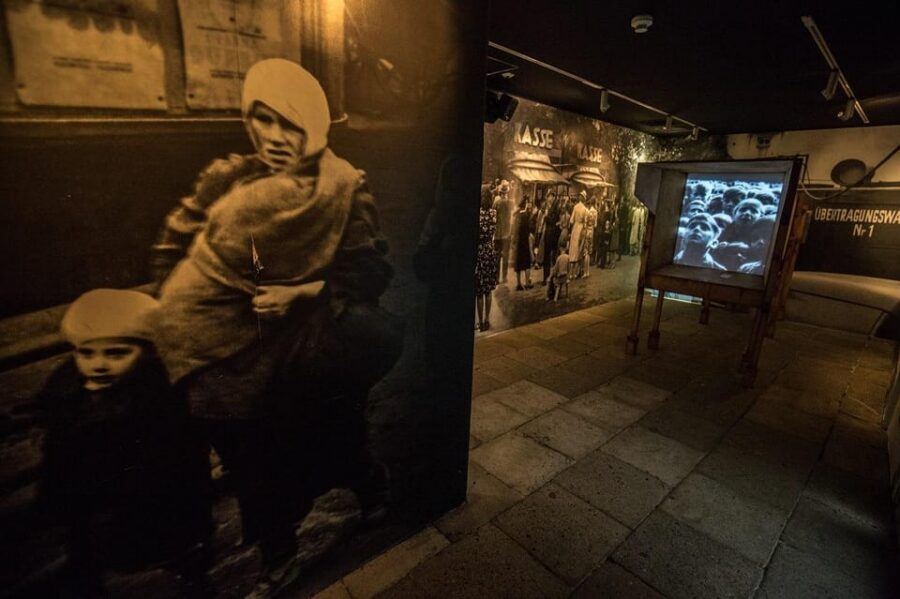
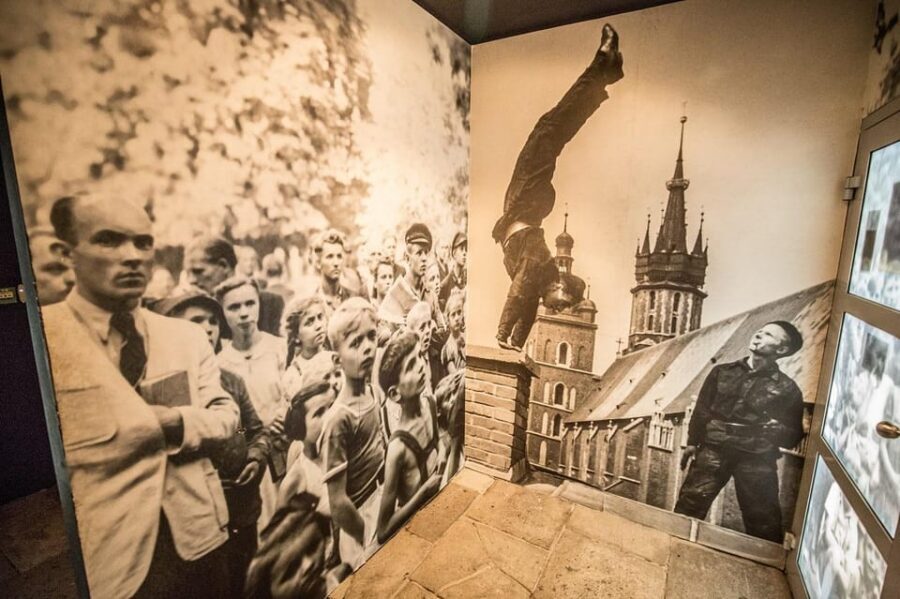
What makes the museum visit especially worthwhile is the mix of real artifacts and period-accurate reconstructions from the 1940s. You’ll see photographs and personal objects, and you’ll also walk through reconstructed streets that help you picture what daily life in Nazi-occupied Kraków looked like. It’s the kind of design detail that matters: it’s easier to process events when you can see the setting, not just the facts.
Your guide frames Oskar Schindler’s actions without treating them like a standalone miracle. You’ll hear how his employment choices protected Jewish workers—often described as Schindlerjuden—and how more than a thousand people survived because of decisions made in an environment built to destroy them. At the same time, you’ll learn what life looked like for both Jewish and non-Jewish residents who endured occupation, scarcity, and fear.
One practical note: the exhibition has narrow passageways and an immersive layout meant to reflect wartime atmosphere. That’s powerful, but it also means comfort depends on your tolerance for tight spaces and slow foot traffic. If you’re someone who likes space around you and time to read every label, you might feel the speed of a guided 3-hour program more than other tours.
You can also read our reviews of more guided tours in Krakow
The ghetto walk: connecting walls to everyday choices
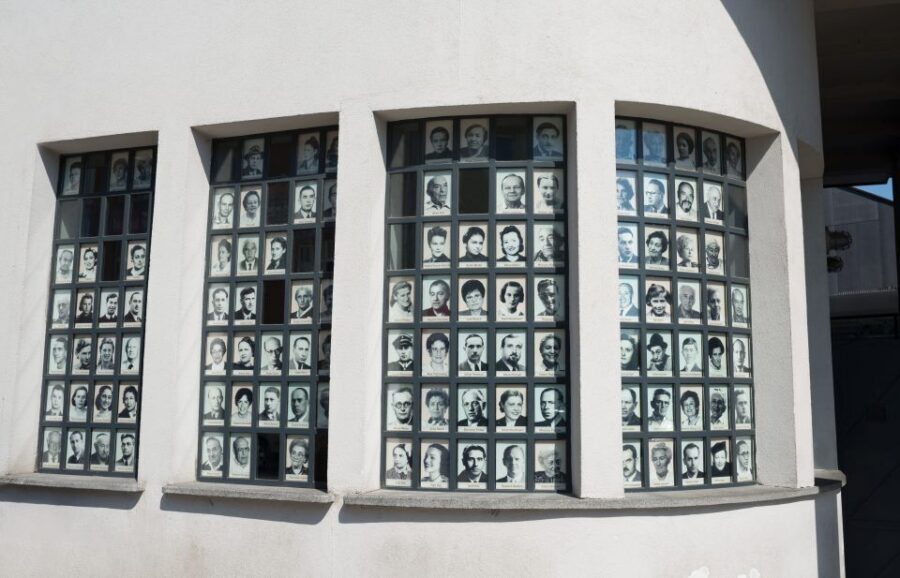
After the museum, the tour shifts from indoor storytelling to the streets that shaped the story. You start among remnants of the Kraków Ghetto, then walk deeper into the district so you can match what you learned with what you’re seeing on the ground.
The big value here is context. The museum gives you the big picture of Nazi occupation. The walking portion adds the human scale: where people tried to get help, where institutions functioned under pressure, and where the boundary lines affected daily movement. I like that the tour is explicitly built to explain daily life beyond Schindler’s narrative, because survival and suffering both happened in systems—not only in one office or one factory.
Along the way, you’ll stop at specific sites that were vital lifelines inside the ghetto walls. That matters because it reframes the usual “camp vs. freedom” storyline. Here you’re learning about what life meant inside an enclosure: welfare structures, medical support, and the kinds of arrangements people made just to keep going one more day.
The walk also includes the preserved ghetto wall fragments, which are a stark visual reminder of confinement and separation. You can read about borders all day, but standing near what remains of them gives a different kind of understanding—one that sticks.
Dress for walking. Reviews mention cold weather, and the tour can be affected by conditions since a portion is outdoors. If you’re traveling in winter, plan for layers and warm outerwear so the story doesn’t get drowned out by discomfort.
Józefińska 41: the lifeline institutions inside the walls
One of the tour’s strongest strengths is its focus on places with function, not just locations with tragedy. At Józefińska 41, you’ll learn about an address that once held an orphanage, welfare offices, and a hospital—support systems that mattered when everything else was being stripped away.
This stop is powerful because it answers a subtle question you might have: how did life continue at all under such extreme pressure? Institutions like these weren’t abstractions. They were where families sought help, where children existed without safety, and where medical needs had to be met with brutal constraints.
Your guide uses these site details to show how Jewish and non-Jewish residents endured the war in very different but intersecting ways. That’s exactly why guided explanation helps here. If you visited the area alone, you’d likely recognize that the neighborhood changed over time—but you might miss how specific buildings served as survival infrastructure.
There’s also a built-in realism to this stop: you’re looking at a real address rather than a staged exhibit. The tour’s museum portion tells you what happened; this part helps you see how that happened in the city’s actual geography.
Ghetto Heroes Square and the Chair Memorial: round-ups made visible
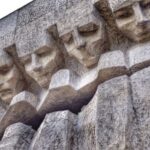
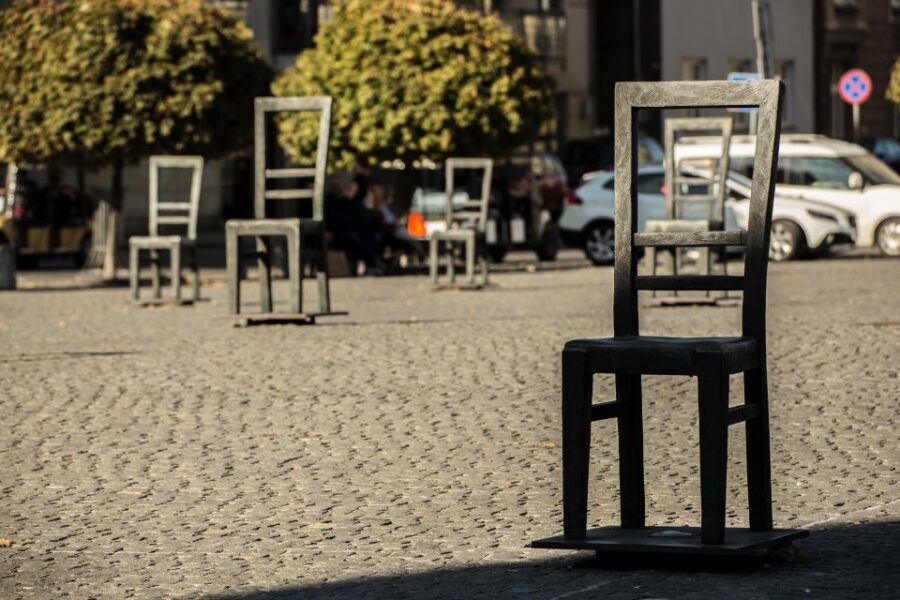
At Ghetto Heroes Square, you’ll hear how an open space became a turning point. The tour points you to the area marked by the symbolic Chair Memorial, and your guide connects it to the brutal reality of round-ups and deportations to concentration camps.
This is one of those stops where you should slow down and let the information settle. The location itself is recognizable as a public place, which can feel shocking when you’re hearing about what took place there. That contrast is part of the lesson: persecution didn’t only happen in hidden places. It happened in spaces that people had to pass through.
The value of including this stop is that it helps you understand the ghetto as a system with machinery—entry points, schedules, and public enforcement. When your guide ties the square to what happened there, you start to understand that terror was organized, not random.
If you’re the type who needs a break to process heavy details, consider building a brief pause into your own pacing. The tour is only 3 hours, but your brain may need a moment after stops like this. A short breather on the square can make the next part easier to hold.
Under the Eagle Pharmacy: help that didn’t come free
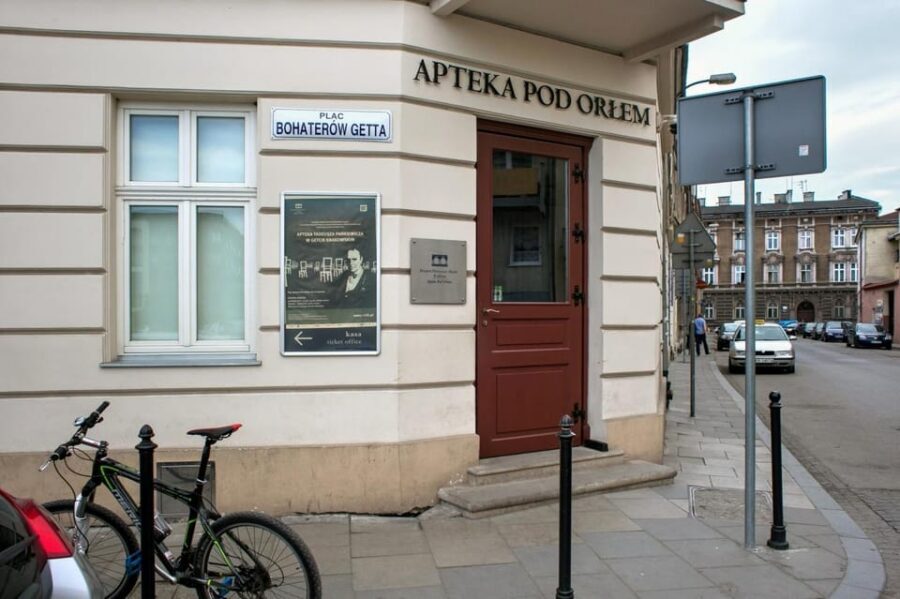
The tour includes a stop at the Under the Eagle Pharmacy, tied to Tadeusz Pankiewicz and his staff. This part of the story centers on help: medicine, shelter, and hope offered to Jewish residents at enormous personal risk.
One practical detail: there’s no entry. You’ll stop and learn, but you won’t go inside. That’s worth knowing ahead of time so you don’t show up expecting a separate museum-style experience with galleries to wander.
Even without entry, the stop is meaningful because it highlights courage in everyday form. It’s not about grand speeches or distant heroics. It’s about people doing what they could, when they could, and using whatever access they had to protect others.
If you’re hoping for more time at this specific site, the overall 3-hour structure may feel tight. Some people wished for more detail and more time here. Still, the guide’s explanation is designed to make the pharmacy stop feel like a conclusion to the tour’s broader theme: endurance plus assistance, happening inside a city under siege.
Group size, timing, and how to stay comfortable for 3 hours
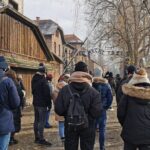
This tour runs for 3 hours and caps group size at 25 participants. That size limit helps, but it doesn’t erase the reality that Schindler’s Factory is busy. A few people report that the museum portion felt rushed, and that can happen when you’re sharing narrow spaces with other groups.
Your best move: arrive early. You’re asked to be there at least 10 minutes before the start time, because late arrivals can’t be accommodated and tickets are non-refundable. Plan to give yourself buffer time for finding the meeting spot and settling in before the group enters.
Speaking of the meeting spot: meet the guide in front of the main entrance to Schindler’s Factory Museum, on the right-hand side, where they’ll hold a Schindler’s Factory Guided Tour sign. It sounds small, but it matters. In busy museum areas, that simple detail prevents you from starting the tour stressed.
Your exhibition experience also depends on the group language: tours run in one language per group, so choose the one that fits you best. Available languages are French, English, Spanish, German, and Italian.
Finally, remember the museum layout includes narrow passageways and an immersive design meant to reflect wartime atmosphere. If you’re sensitive to tight spaces, moving crowds, or long stretches without a pause, this is a good time to plan warm clothing, comfortable shoes, and a calm mind.
Price and value: what $57 buys you in real time
At $57 per person, this tour is priced for a specific kind of value: you’re paying for a licensed guide, fast-track admission, and a guided walking route that connects museum context to real-world locations.
The fast-track admission is useful because Schindler’s Factory can be a time sink if you’re trying to do it on your own. In a 3-hour window, saving waiting time matters. The guide also adds value by translating what you’re seeing—artifacts, reconstructions, and the city’s geography—into a coherent storyline.
Is it “cheap”? No. But it’s also not trying to be. You’re spending money on interpretation and structure, not just entry. For many people, that’s exactly what makes the experience worth it: someone explains how the parts fit together, and you don’t lose the thread to confusion.
Just be honest about your preferences. If you want slow, independent reading time inside the museum, a guided 3-hour pace can feel tight. A better strategy for that travel style is to take the tour for the big connections, then return later on your own for extra time where you want it.
Should you book this tour?
If you want a guided way to understand Kraków under Nazi occupation 1939–1945—not just Schindler’s legend—this is a strong booking. The museum gives you artifacts and reconstructed scenes, and the walking stops add the geography of confinement and the places where help happened inside the walls.
Book it if you:
- like clear narration and firm structure in heavy historical settings
- want the museum and the ghetto walk in one package
- appreciate seeing preserved wall remnants and site-specific context
Consider skipping or adding solo time if you:
- hate being rushed in popular museums
- want to spend extra time reading every label
- prefer a more family-by-family style of detail than a shorter walking format can provide
Overall, this is the kind of tour that helps you leave with more than names and dates. You end up with a clearer sense of how a city worked under occupation—and how people still found ways to protect one another.
FAQ
How long is the tour?
It lasts 3 hours.
Where do I meet the guide?
Meet the guide in front of the main entrance to the Schindler’s Factory Museum, on the right-hand side. The guide will hold a Schindler’s Factory Guided Tour sign.
What’s included in the price?
You get a professional licensed guide, fast-track admission to Schindler’s Factory Museum, and a walking tour of the Jewish wartime district.
Is food or drinks included?
No. Food and drinks are not included.
Does the Under the Eagle Pharmacy stop include entry?
No. You’ll stop at the Under the Eagle Pharmacy and hear its stories, but there is no entry.
What languages are available?
The live guide is available in French, English, Spanish, German, and Italian.
Do I need to provide full names for tickets?
Yes. The museum issues personalized tickets, and providing the full names of all participants at booking is mandatory.
How big are the groups?
Group size is limited to 25 participants.
Can I still go if I’m late?
Try to arrive at least 10 minutes early. Once the group has entered, late arrivals cannot be accommodated and tickets are non-refundable.
How much does the tour cost?
The price is $57 per person.