REVIEW · KRAKOW
Schindler’s Factory, Ghetto and Plaszow Camp Guided Tour
Book on GetYourGuide →Operated by excursions.city · Bookable on GetYourGuide
Schindler’s Factory hits hard and human. This guided tour shows the occupation of Krakow through two powerful stops: Schindler’s Factory and the former Kraków-Płaszów concentration camp. I love that you don’t just read plaques; you move through interactive exhibitions while a guide keeps everything clear. I also like the walk outside, where you can see the remaining pieces of ghetto wall and stand where thousands of displaced people lived. One consideration: this is heavy history, and you’ll want comfortable shoes because it’s a full 5 hours of walking and standing.
What makes it work is the rhythm. You start at the Oskar Schindler’s Enamel Factory museum, then the tour connects everyday life in the ghetto with what followed at Płaszów. The guide-led format matters here—explaining what you’re seeing, not just pointing at it—and that’s exactly where the best feedback lands. Some guides have been praised for being friendly and very accurate, including Paulina, plus a guide at Płaszów who explained things with real precision.
The price is also easier to judge once you see what you’re getting. Admission to the Schindler Factory Museum is included, and it’s designed to be straightforward on the ground. Still, tram rides and food are on you, so plan for a little extra spending and a snack break if you need one.
In This Review
- Key things you’ll notice on this tour
- Why this Schindler and Płaszów route feels different
- Schindler’s Factory Museum: where the story becomes tangible
- Walking the ghetto traces and the wall remnants
- Kraków-Płaszów concentration camp: a guided visit with context
- How the 5 hours work (and what to bring)
- Price and value: is $75 a good deal?
- Who should book this tour (and who might not love it)
- Should you book Schindler’s Factory and Płaszów?
- FAQ
- Where do I meet the guide?
- How long is the tour?
- What is included in the price?
- Do I need to buy a ticket for Schindler’s Factory?
- Is the tour in English?
- What sites do you visit?
- Do I need a tram ticket?
- What should I bring?
- Can I reserve without paying now?
- Is free cancellation available?
Key things you’ll notice on this tour
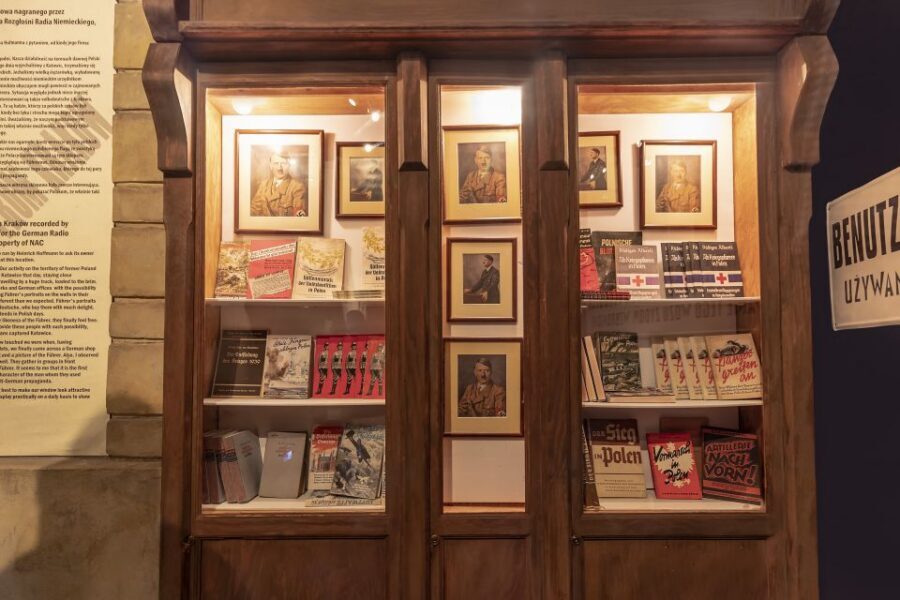
- Interactive Schindler Museum exhibits that make the occupation feel personal and concrete
- Clear guide explanations for both the ghetto and Płaszów portions of the story
- Remaining ghetto wall segments and a street-level sense of displacement
- A guided visit to Kraków-Płaszów that keeps context attached to the physical site
- Efficient setup with admission included so you can focus on the experience
- Real walking time across museum and outdoor stops, so wear proper shoes
Why this Schindler and Płaszów route feels different
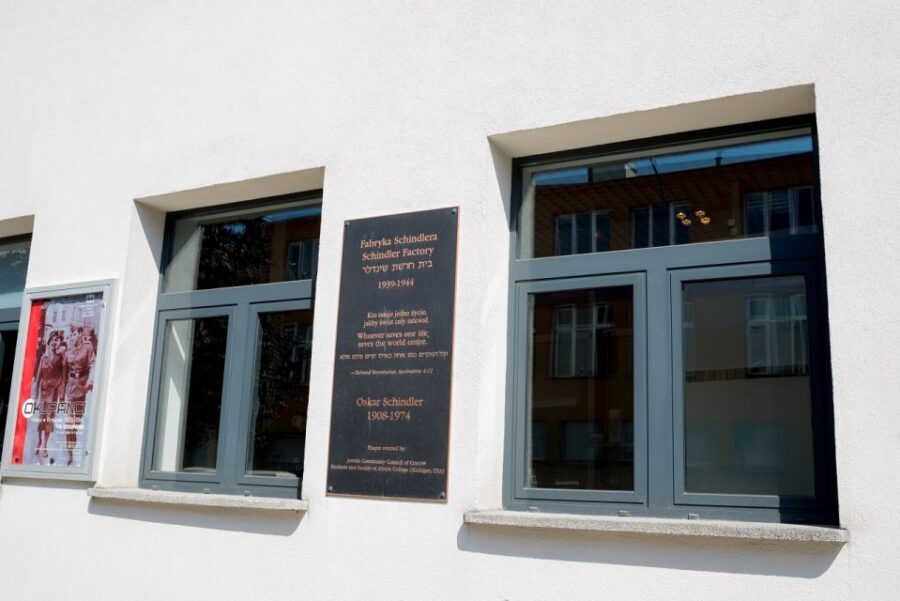
A lot of Krakow’s WWII stories are presented as separate facts: museum here, camp there. This tour connects them in the most practical way—by using geography and daily-life details to build understanding. You begin at Schindler’s Factory, where the setting itself helps explain how people survived, suffered, and were controlled under occupation. Then you move toward Płaszów, so the story doesn’t end at the museum door.
The value isn’t only the “big names” on the itinerary. It’s the way a live guide helps you attach meaning to what you’re seeing in the moment: how the ghetto space worked, what it meant to live amid confinement, and what the move from street life to camp reality signaled. When you get that verbal context, the outdoor traces make much more sense.
Also, the tour is about Krakow specifically. That matters because occupation wasn’t the same everywhere. Seeing the museum and the nearby camp in one organized session helps you keep the local details straight.
You can also read our reviews of more guided tours in Krakow
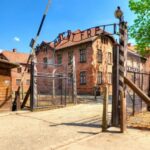
Schindler’s Factory Museum: where the story becomes tangible
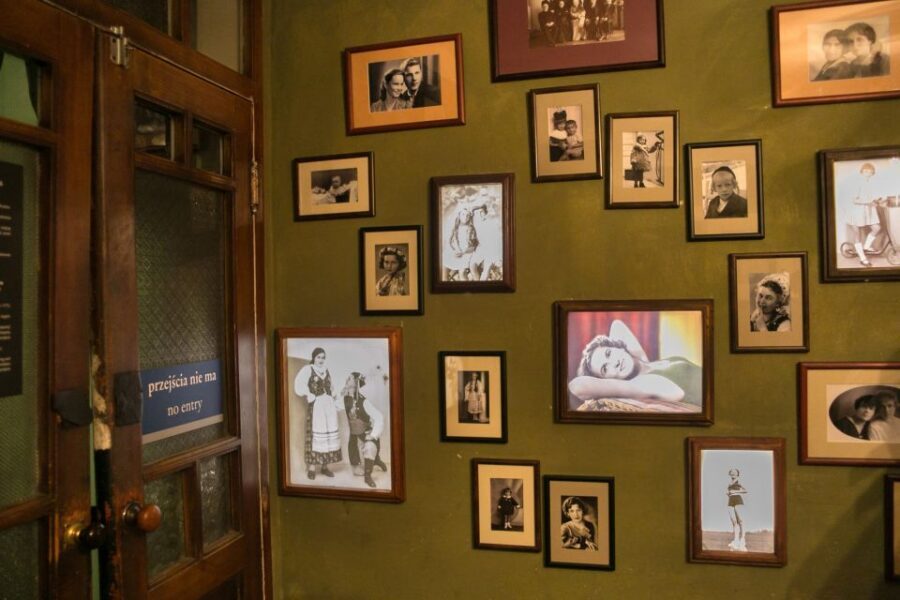
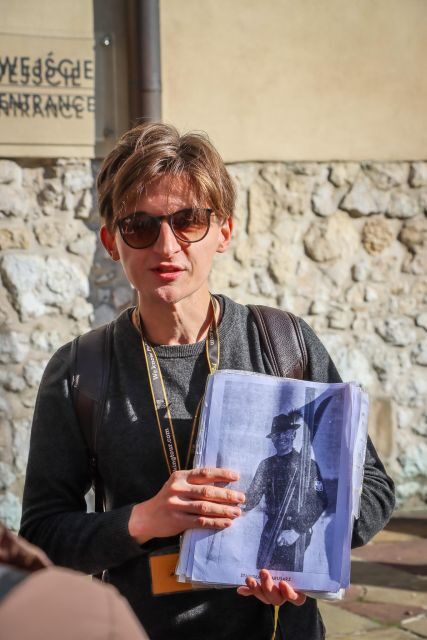
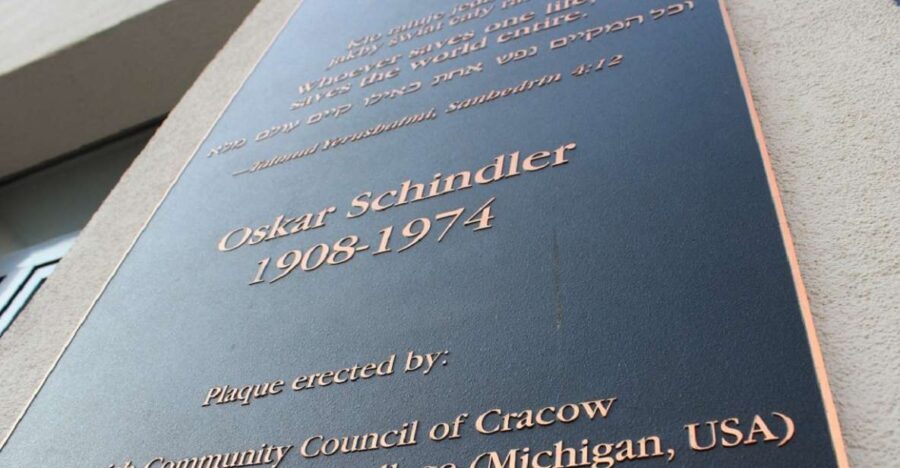
You start at the entrance to Oskar Schindler’s Enamel Factory museum, where your guide is holding an excursions.city sign. From there, the tour brings you into Schindler’s Factory, including the admission ticket as part of the package. That’s a simple but smart benefit: you skip the uncertainty of buying on the day and can head straight into the exhibitions.
Inside, what stands out is the interactive feel of the museum. Instead of being stuck in a passive “read and move on” mode, you get hands-on, display-based learning that makes the material easier to track. For me, that’s important in museums about this topic. The subject is complex and emotionally demanding; interaction helps your brain stay engaged instead of going numb.
As you go, your guide ties the exhibits to the realities of daily life in Krakow and the Jewish ghetto during the occupation. This is where having a good guide makes the difference between information overload and real understanding. The strongest feedback you’ll find for this tour focuses on guide quality—especially the ability to explain clearly and accurately, like the praise given to Paulina for being friendly and informative.
If you want to get more out of the museum, give yourself permission to slow down at the sections that feel personal and specific. Don’t race through trying to finish. You’re better off spending extra time on the parts that explain how everyday systems worked—those details are what make the next outdoor sights hit harder.
Walking the ghetto traces and the wall remnants
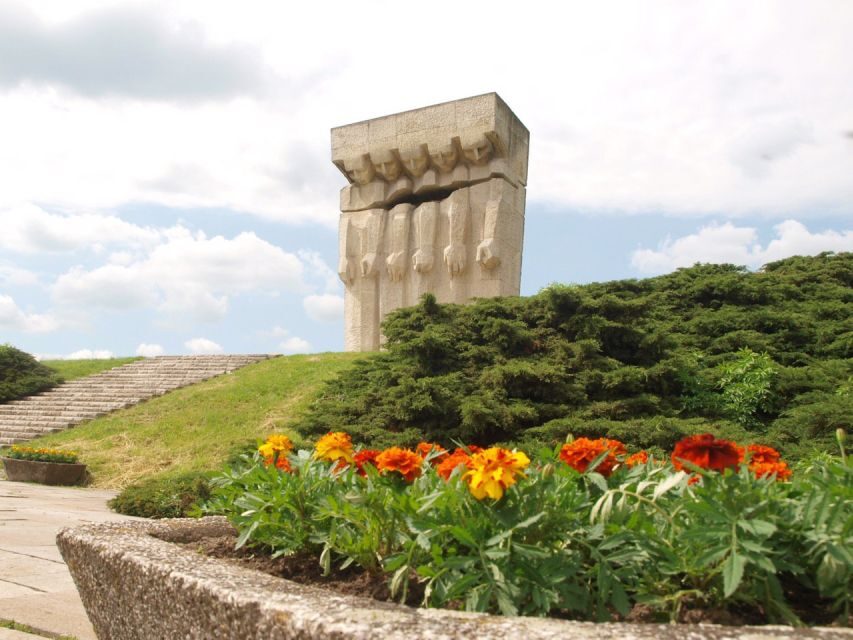
After the museum, the tour moves outdoors to connect the exhibition story to the streets around it. You’ll walk past buildings where thousands of displaced Jews used to live, and you’ll stop to see remaining pieces of the wall that surrounded the ghetto.
This part can be unexpectedly powerful. Indoors, you’re protected by controlled space: lighting, labels, paths. Outdoors, the reminders are smaller and scattered, which forces you to work a bit—looking, imagining, and connecting what you just learned. That’s also why a guided stop helps. A guide can point out what to focus on so you’re not left guessing.
One practical tip: dress for walking and expect to stand. Even if you’re not covering huge distances, this portion is still mentally intense, and you’ll want your body to feel comfortable enough to take in what’s around you. Comfortable shoes matter more than you think on a tour like this.
Also, remember the purpose here is context, not a quick photo stop. If you treat the outdoor pieces like a checklist, you’ll miss the emotional logic of the place. If you treat them like evidence—what was where, what that meant for people—you’ll leave with a sharper sense of location and consequence.
Kraków-Płaszów concentration camp: a guided visit with context
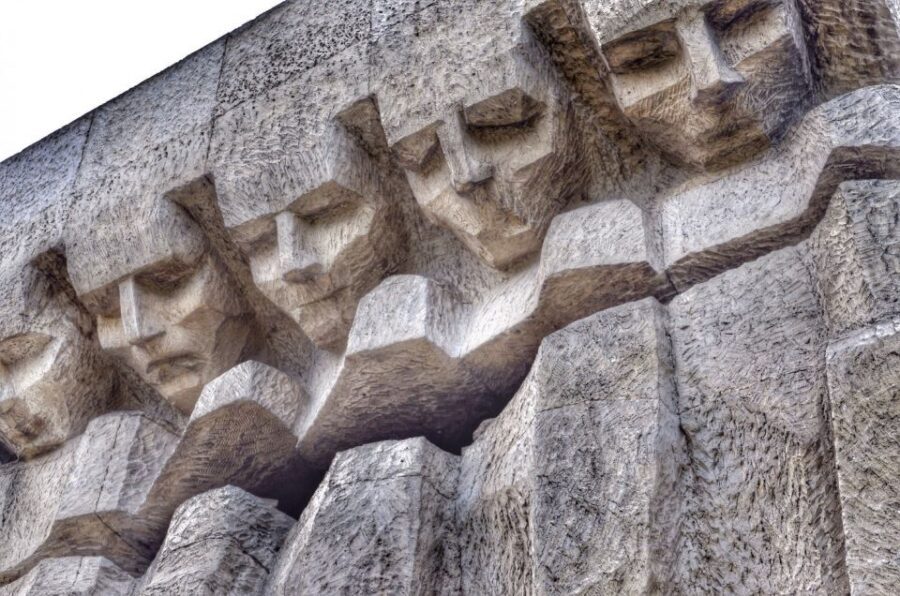
Then you head to the former Kraków-Płaszów concentration camp. This is the other half of the tour’s “before and after” structure. The museum portion helps you understand life under occupation and confinement; the camp portion shows what that system led to.
Visiting a concentration camp is never “easy,” but a good guide can help you approach it responsibly and meaningfully. The most consistent praise for this tour highlights guides who explain with care—especially someone specifically noted for explaining everything so accurately at Płaszów. That kind of clarity matters because the physical site alone can feel confusing if you don’t have background.
As you walk through Płaszów, keep your attention on what the guide frames as key: not every corner will feel equally clear to you, and that’s normal. Let the guide tell you what to notice, and then match it to what you learned earlier about occupation and forced movement.
Also, pace your emotions. There will likely be moments where you want to stop and simply take it in. Build that in mentally. A guided tour doesn’t mean you have to rush your reactions.
How the 5 hours work (and what to bring)
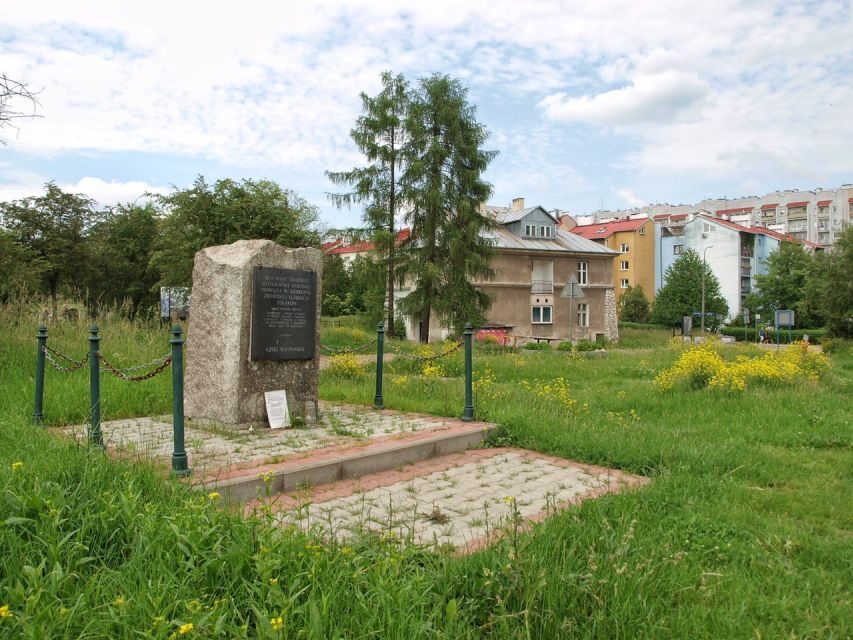
The tour runs about 5 hours total, and you’ll want to plan for a solid block of time without stacking other activities right after. Starting times vary, so you’ll need to check availability when you book. The experience ends back at the meeting point, so you aren’t left figuring out how to get back.
You’re meeting at the entrance to Oskar Schindler’s Enamel Factory museum with the guide holding the excursions.city sign. From there, you’ll be moving between museum interiors and outdoor traces, and then on to the camp.
Bring comfortable shoes. Also bring weather-appropriate clothing because outdoor walking is part of the experience. If you’re visiting in cold or rainy weather, being comfortable isn’t a luxury—it helps you stay focused instead of distracted.
For transport and meals: a tram ticket (around 4 PLN) is not included, and food and drink aren’t included. In practice, that means you should either carry a small plan for getting around (if the route uses transit) and budget for a snack or drink. Even a short break can help you finish the tour with your attention intact.
Price and value: is $75 a good deal?
At $75 per person, this is not a bargain-basement Krakow tour. But the price starts to make sense once you look at what’s included. You get a professional guide for the full experience, plus entrance ticket coverage to the Schindler Factory Museum. The tour also includes the advantage of skipping the ticket line, which can save real time and stress.
So where does the value show up?
- You’re paying for guided context across multiple sites, not just a museum ticket.
- You’re not doing coordination math on the day, because the main admission is handled.
- You get museum + outdoor ghetto traces + Płaszów in one connected session.
What’s not included—tram and food—are fairly typical add-ons, but they’re still real costs. If you want a clean budget, plan for those extras and bring water if that helps your comfort.
Overall, I’d call this a good value if you care about understanding the story and you don’t want to stitch together museum visits on your own.
Who should book this tour (and who might not love it)
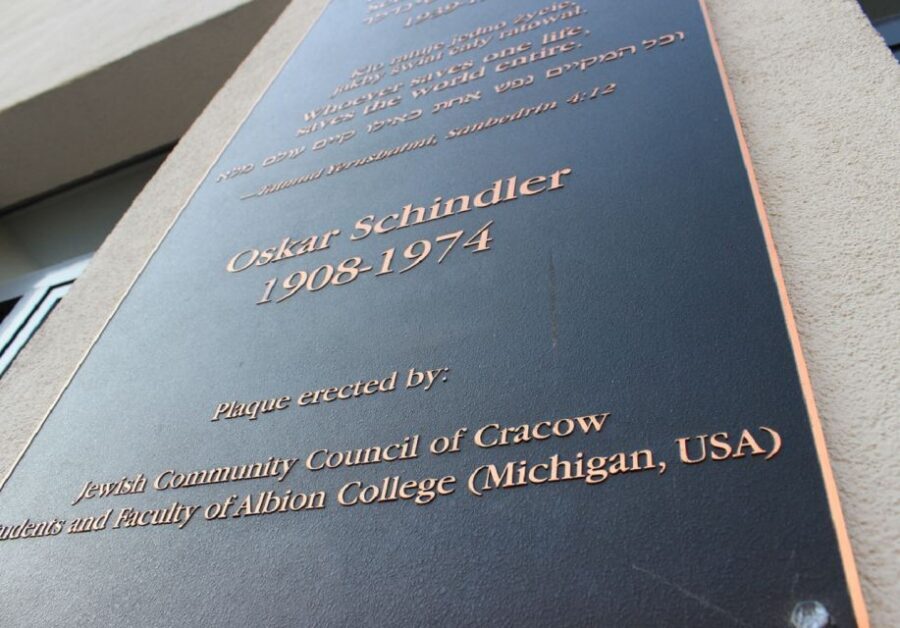
This tour fits best if you want a guided, contextual visit to two major WWII sites in Krakow: Schindler’s Factory and the Kraków-Płaszów camp. If you like history explained clearly—especially in English—this format is a strong match.
It’s also a good option if you’ll appreciate details like walking past former ghetto housing locations and stopping for the remaining ghetto wall sections. That street-level component is part of why this tour works, not just the museum name.
If you’re the type who prefers very light interpretation or you struggle with emotional subjects, you might find this heavy. Also, if you don’t like longer periods on your feet, plan carefully because it’s a full 5 hours with standing and outdoor walking.
Should you book Schindler’s Factory and Płaszów?
I’d book this tour if you want more than a self-guided museum day. The combination of interactive museum learning, the outdoor ghetto traces, and a guided visit to Kraków-Płaszów gives you a clearer chain of meaning than you’ll likely get from piecing stops together alone.
I’d also book it if guide quality is important to you. The positive feedback highlights guides who are friendly and informative—plus especially accurate explanations at Płaszów. That’s exactly what you want at a camp site, where context keeps you from getting lost.
Skip it only if you’re looking for something casual, short, or easygoing. This is a serious tour, on a serious subject, and it’s designed to be done with time and attention.
FAQ
Where do I meet the guide?
Meet your guide in front of the entrance to the Oskar Schindler’s Enamel Factory museum. The guide will be holding an excursions.city sign.
How long is the tour?
The tour lasts about 5 hours. You’ll need to check availability to see starting times.
What is included in the price?
The tour includes a professional guide and the entrance ticket to the Schindler Factory Museum.
Do I need to buy a ticket for Schindler’s Factory?
No. Admission to the Schindler Factory Museum is included, so you don’t need to purchase it separately on the day.
Is the tour in English?
Yes. The live tour guide language is English.
What sites do you visit?
You visit Schindler’s Factory Museum, then see nearby former concentration camp grounds at Kraków-Płaszów. You’ll also walk past former ghetto buildings and stop at remaining pieces of the ghetto wall.
Do I need a tram ticket?
The tram ticket is not included. It’s listed as about 4 PLN, so plan for that if the route uses public transport.
What should I bring?
Bring comfortable shoes and weather-appropriate clothing, since the tour includes time outdoors.
Can I reserve without paying now?
Yes. The option is reserve now & pay later, so you can book and pay nothing today.
Is free cancellation available?
Yes. Free cancellation is offered up to 24 hours in advance for a full refund.