REVIEW · KRAKOW
World War II in Krakow Walking Tour in English
Book on GetYourGuide →Operated by Walkative Tours · Bookable on GetYourGuide
WWII in Krakow feels close, not distant. This walking tour follows the marks the occupation left on streets and buildings, then connects them to human choices—courage, fear, and betrayal. You’ll walk with a live English-speaking local guide, with a narrative that keeps you moving site to site, not stuck in a classroom.
I especially like two things: the way the story is tied to specific places like St. Michael’s prison and Gestapo headquarters, and the guide energy. In particular, I’ve seen how Tomasz, including Big Tomasz, brings it to life with clear local knowledge and a touch of good humour. One consideration: it’s intense. You’ll read brutal inscriptions from victims, so it’s not the best pick if you want something purely light.
In This Review
- Key takeaways before you go
- Starting at Triangle Square and walking Krakow’s WWII trail
- The tour’s core idea: occupation left scars on walls and people
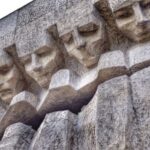
- Katyń wooden cross: a wartime memory marker you can’t ignore
- St. Michael’s prison: Nazi cells and the power of what victims left behind
- Gestapo headquarters: meeting the machinery of fear
- Bomb shelters in Park Krakowski: what survival planning looks like
- The guide makes the difference: Tomasz’s warmth and local knowledge
- What 150 minutes really means for your schedule
- Price and value: $26 for a story tied to real sites
- Who should book this WWII in Krakow walking tour
- Should you book this tour?
- FAQ
- Where does the World War II in Krakow Walking Tour start?
- What is the duration of the tour?
- What language is the tour in?
- How much does it cost?
- What stops will I see during the tour?
- Is the tour wheelchair accessible?
- Does the price include a guide and a narrative?
- Is hotel pickup or drop-off included?
- Are snacks included?
- Can I cancel for a refund?
- Is it pay-per-booking or pay-as-you-wish?
Key takeaways before you go
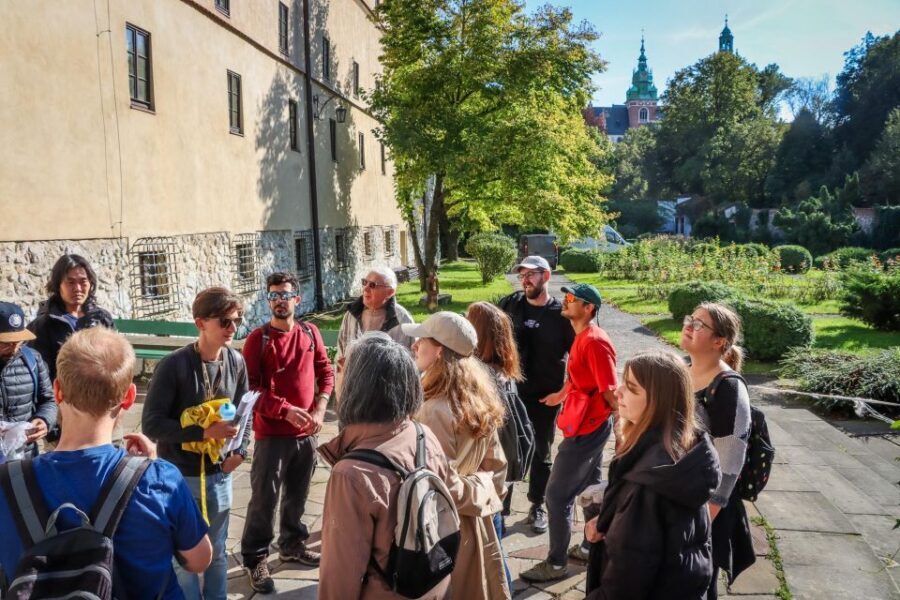
- Street-level WWII storytelling that connects occupation to everyday life in Krakow
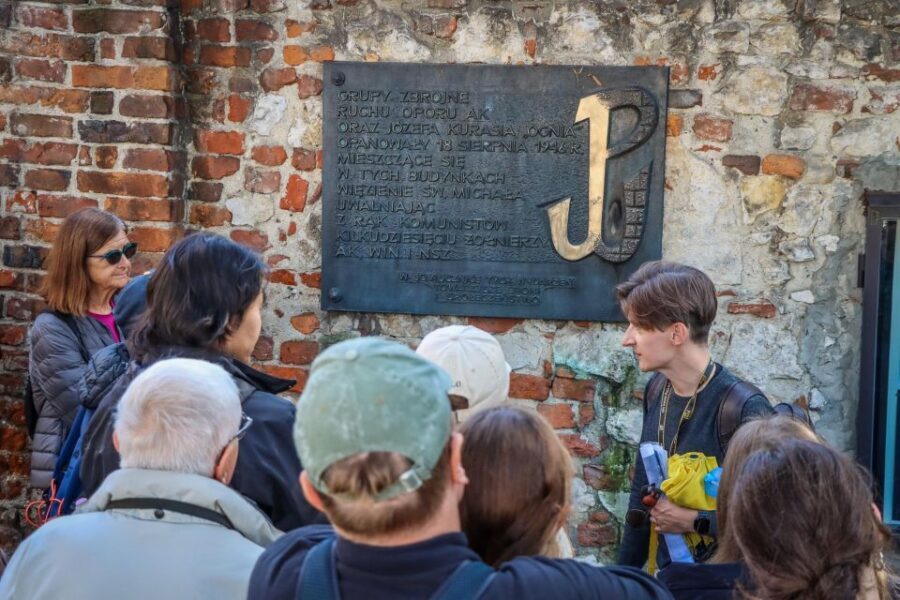
- St. Michael’s prison cells and the chance to read the inscriptions left on walls by victims
- Gestapo headquarters stop that explains how repression worked
- Bomb shelters at Park Krakowski, showing survival choices under threat
- A local English guide with strong delivery, including warmth and humour
Starting at Triangle Square and walking Krakow’s WWII trail
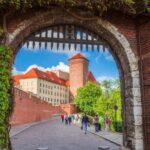
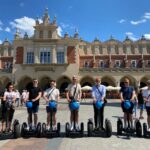
The tour meets at Triangle Square, next to Wawel Hill, at the end of Grodzka Street. It’s a good start point because you’re already in the old-city zone, where walking feels natural and the streets help you picture how people actually moved through the city.
The format is 150 minutes, so you get enough time to cover major sites without rushing so much that the story becomes background noise. This matters in Krakow, where you can easily spend an entire day bouncing between sights. Here, the day has a spine: occupation, resistance, and the spaces where fear was enforced.
You’ll also want to arrive about 10 minutes early. Not for paperwork drama—just so you can start calmly, get your bearings fast, and settle into the narrative before the story turns heavy.
You can also read our reviews of more walking tours in Krakow
The tour’s core idea: occupation left scars on walls and people
Krakow still has charm, but WWII isn’t a past chapter tucked away in a museum. This experience focuses on the scars of that time—traces of German occupation that remain on walls and streets, plus memories that still linger in families. The tour doesn’t treat history like a list of dates. Instead, it frames WWII as a chain of decisions, where even small choices could carry serious consequences.
That’s why the tour’s storytelling feels “practical,” even when it’s emotional. You’re not just learning what happened. You’re also getting the pressure point: what ordinary people faced, what they risked, and why some refused to go along.
Katyń wooden cross: a wartime memory marker you can’t ignore
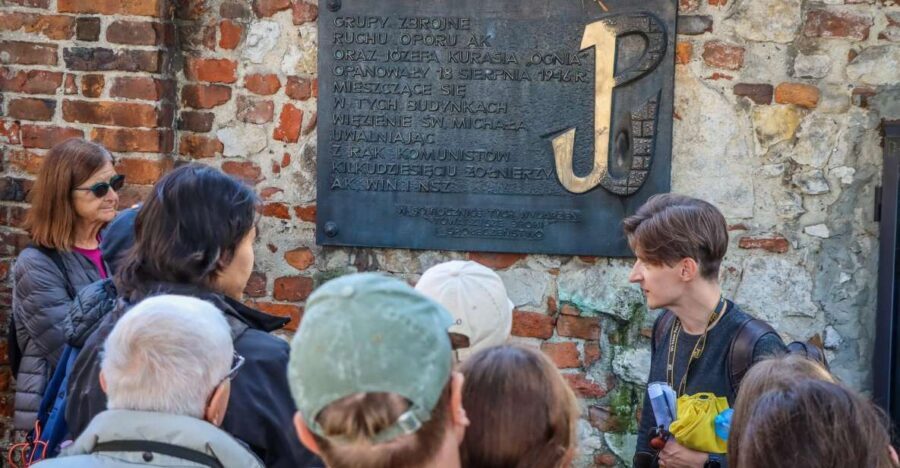
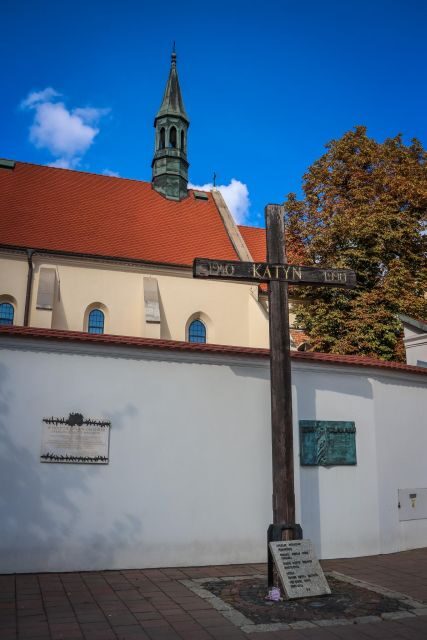
One of the first named stops is the Katyń wooden cross. You’ll see it as a concrete symbol in the city’s landscape, not just an abstract subject. In walking tours, these small landmarks matter because they anchor big historical themes to something your eyes can land on.
Why I think this stop is valuable: it sets the emotional tone early, before you hit the harsher sites. You’re reminded that WWII memory isn’t only about one event or one front. It’s also about how suffering gets remembered in public space, generation after generation.
If you’re sensitive to difficult topics, take your time here. Look around, read what you’re meant to read, and let the guide’s framing settle in before the tour intensifies.
St. Michael’s prison: Nazi cells and the power of what victims left behind
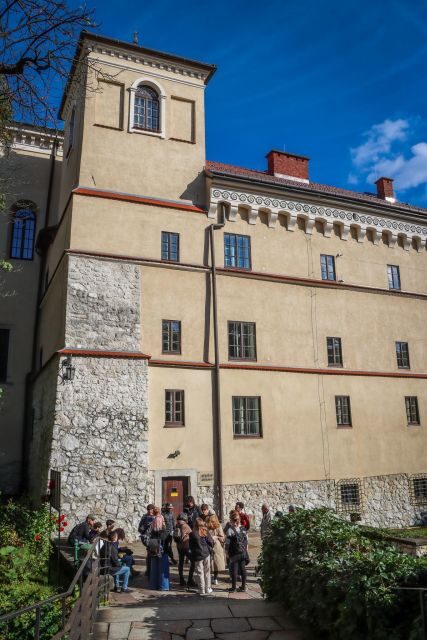
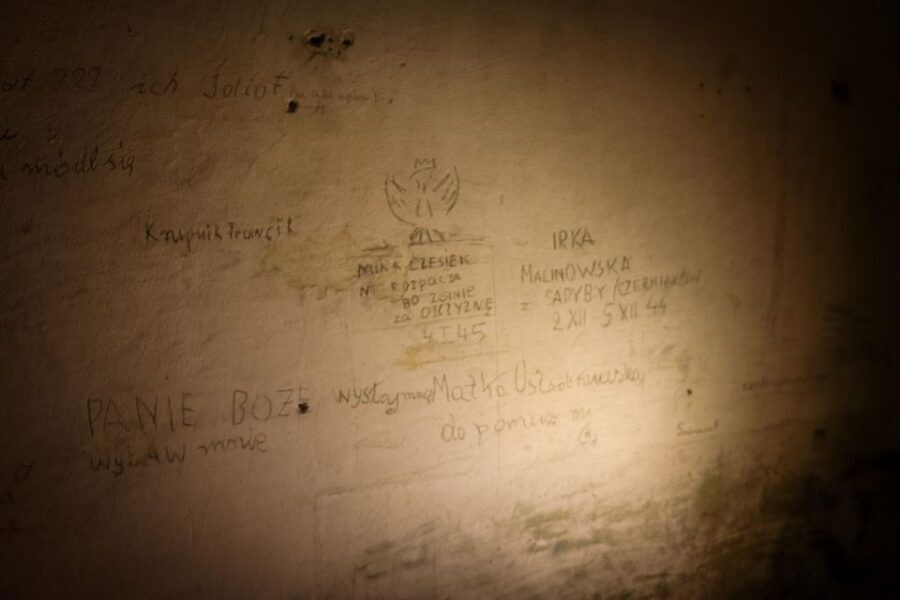
The tour’s most direct confrontation comes with St. Michael’s prison. The highlights specifically call out Nazi prison cells, plus inscriptions left on walls by the victims. That combination is important.
A prison stop can become “industrial tourism” if it’s handled poorly. This one is built around meaning. You’re not just passing rooms. You’re being guided through what the space suggests about power and control, and then you’re asked to read the words that survivors or victims left behind.
In a city full of stone and centuries, wall inscriptions hit differently. They’re human scale. They say someone was thinking, writing, and trying to be heard even inside a system designed to silence.
Practical note: expect the story to feel heavy. If you’re the type who likes to process with breaks, mentally plan for a slower moment after the prison stop.
Gestapo headquarters: meeting the machinery of fear
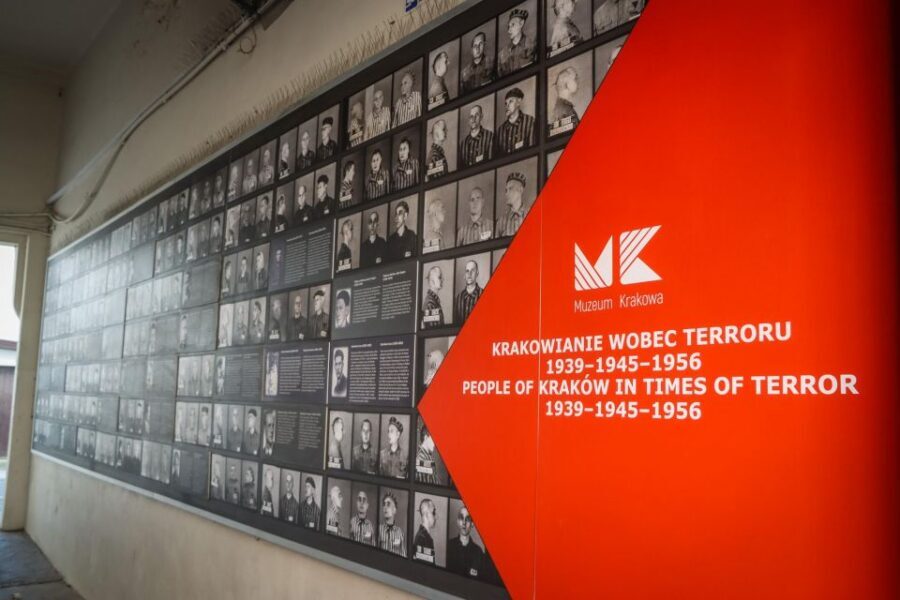
Next up is Gestapo headquarters. This is where the tour shifts from what confinement feels like to how repression was organized. Seeing a named headquarters in real urban surroundings makes the “machine” feel less like a concept and more like a working system—people, procedures, intimidation, and control.
The way the tour is described emphasizes that you’ll hear about the most brutal officers of the Nazi machine and the tools used to repress victims. Even without technical details, just knowing the roles people played helps you understand how cruelty was carried out in structured ways, not as random violence.
For you, this stop is often the turning point where the story stops being tragic and becomes instructional. It helps you recognize how authoritarian systems rely on both fear and administrative power.
Bomb shelters in Park Krakowski: what survival planning looks like
After the heavy indoor sites, the tour includes bomb shelters (Park Krakowski). This is a smart pacing choice. It gives your body a different kind of experience—moving through outdoor space, catching your breath a bit—while still staying in the wartime reality.
Shelters also change the lens. Instead of only focusing on repression and punishment, you get the survival angle: what people did when danger was immediate. It’s a reminder that WWII wasn’t only about resistance movements and prison walls. It also included fear in everyday life, night-time decisions, and practical preparations.
This stop can be especially useful if you’re the kind of traveler who wants the “how did people live?” side of history, not only the “who did what” side. Shelters are life-level history.
The guide makes the difference: Tomasz’s warmth and local knowledge
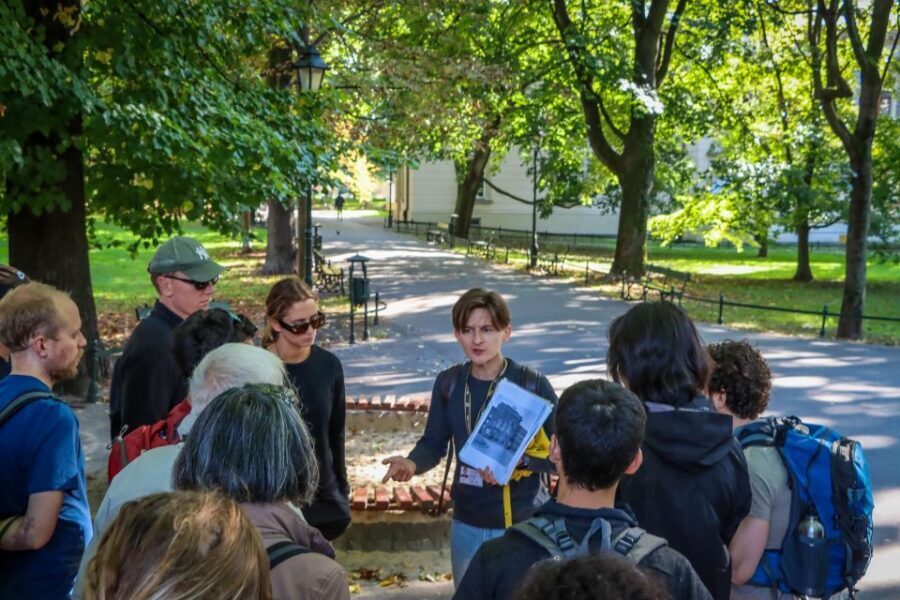
The experience is built around an expert, local tour guide and a thoroughly constructed narrative. That matters because WWII history can go flat if the person guiding you reads facts instead of connecting them into a story.
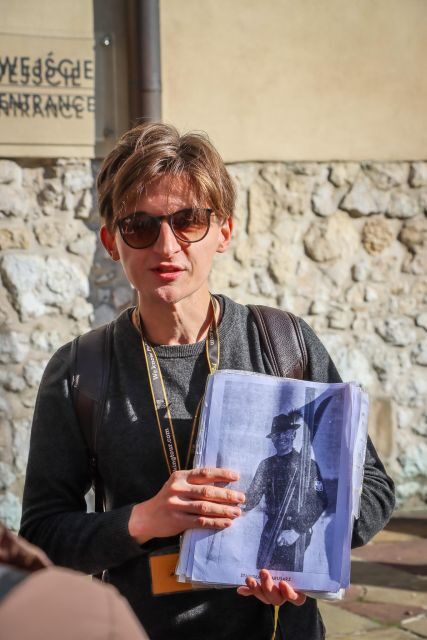
The reviews highlight a strong pattern: guides like Tomasz—including the Big Tomasz vibe—bring warmth, engagement, and local knowledge, plus humour that helps you keep your footing without softening the topic. That balance is hard to pull off, especially with prisons and wall inscriptions in the mix.
If you’re deciding whether to book, let that be your clue. You’re not just buying access to places. You’re buying someone’s ability to explain how the city changed under occupation, and how resistance formed inside that pressure.
What 150 minutes really means for your schedule
A 150-minute walking tour is long enough to feel substantial, but short enough to fit into a Krakow day if you plan around it.
Here’s how to think about timing:
- If you have trains or another fixed commitment, start your day with buffer. One review noted the tour couldn’t be finished due to a train rush. Even if that’s not your plan, it’s a good warning.
- Wear comfortable shoes. The stops are spread through the old-city area, and the story includes emotional moments where you’ll likely slow down and look more closely.
Also, the tour doesn’t mention snacks, so plan water or a light pre-walk snack if you need energy. You’ll be better able to focus when your body isn’t craving a break.
Price and value: $26 for a story tied to real sites
At $26 per person, this tour is positioned as solid value for what you’re getting: a live English guide, and a narrative that links several major WWII-relevant stops into one coherent walk.
Here’s the key value point: you’re paying for more than entry to locations. You’re paying for a guide to interpret them—especially at St. Michael’s prison where context and pacing matter. Without that, you’d just see a building and move on. With it, you get meaning, names, and the rationale behind what you’re looking at.
One extra detail worth understanding: the tour is described as joining a general pay as you wish format, where the amount you pay covers the reservation fee and the guide’s payment. In plain terms, the base price secures your place and compensates the guide, and the pay-as-you-wish approach leaves room for your own reward judgment.
Who should book this WWII in Krakow walking tour
Book this if you want:
- A walking-based way to understand WWII’s impact on Krakow
- A tour focused on occupation traces and human choices
- The prison and repression angle, including victim inscriptions and the Nazi repression system
- A guided experience in English with a strong narrative delivery
You might skip it if you:
- Want only lighter sightseeing and don’t want to be confronted with prison-related material
- Prefer history told mainly through museums, not through walking and reading what you’re shown
Should you book this tour?
If your goal is to see Krakow with WWII in the foreground, I’d lean yes. The combination of named sites—Katyń wooden cross, St. Michael’s prison, Gestapo headquarters, and Park Krakowski bomb shelters—gives you a complete arc from memory, to repression, to survival. Add a guide like Tomasz delivering the story with knowledge and humour, and you get a walk that feels structured, human, and hard to forget.
Just plan for the emotional weight. If you can handle intense historical storytelling, this is exactly the kind of tour that changes how you look at a city.
FAQ
Where does the World War II in Krakow Walking Tour start?
The meeting point is Triangle Square, next to Wawel Hill, at the end of Grodzka Street.
What is the duration of the tour?
The tour lasts 150 minutes.
What language is the tour in?
The tour is a live English-language guided walk.
How much does it cost?
The price is $26 per person.
What stops will I see during the tour?
You’ll see Katyń wooden cross, St. Michael’s prison, Gestapo headquarters, and bomb shelters (Park Krakowski). The experience also includes time in the Nazi prison cells and reading inscriptions left on walls by victims.
Is the tour wheelchair accessible?
Yes, it is listed as wheelchair accessible.
Does the price include a guide and a narrative?
Yes. It includes an expert local tour guide and a thoroughly constructed narrative.
Is hotel pickup or drop-off included?
No. Hotel pickup and drop-off are not included.
Are snacks included?
No. Snacks are not included.
Can I cancel for a refund?
Yes. It offers free cancellation up to 24 hours in advance for a full refund.
Is it pay-per-booking or pay-as-you-wish?
When you book, you join their general pay as you wish format. The amount you pay covers the reservation fee and the guide’s payment.