REVIEW · KRAKOW
Wawel Castle and Cathedral Guided Walking Tour in Kraków
Book on Viator →Operated by Intercrac Sp. z o.o. · Bookable on Viator
Wawel feels bigger with a guide. This 2-hour walk links the Wawel Royal Castle museum rooms with the Wawel Cathedral, including key moments like the monarchs’ coronation history, a tower stop for views, and time in the royal crypts. It’s the kind of visit where you don’t just look—you understand what you’re seeing and why it mattered.
I love that you get a single package deal with admission to both the castle and the cathedral, so you’re not juggling tickets and timings. I also love how the tour focuses on details you’d miss alone: Renaissance state rooms, elaborate interiors, and collections spanning porcelain, weaponry, and Eastern art. One guide example that stood out was Helena, whose medieval history focus made the facts land fast and stay interesting.
One thing to think about: the pace can feel brisk in a short window, especially if you want extra time to read quietly or ask many follow-up questions. Also, the meeting point is not on Wawel Hill, so check your voucher and arrive early so you’re not stressed before the group enters.
In This Review
- Key things you’ll notice on this Wawel walk
- Why Wawel works best when it’s guided
- Meeting at plac Świętej Marii Magdaleny: start clean, not frantic
- Stop 1: Wawel Royal Castle State Rooms and the Lanckoroński collection
- What the castle collections teach you (porcelain, weapons, and Ottoman tents)
- A small pacing reality
- Stop 2: Wawel Cathedral, chapels, domes, and the story of monarchs
- Tower views and the Sigismund Bell moment
- Royal crypts: where the cathedral turns personal
- The guides: from university-style depth to humor you can follow
- Dress code and what to wear so you don’t get snagged
- How this fits into your Kraków itinerary
- Mobility and lift note
- So… is it worth $58.87?
- Should you book the Wawel Castle and Cathedral guided walking tour?
- FAQ
- How long is the Wawel Castle and Cathedral guided walking tour?
- What’s included in the tour price?
- Where does the tour start and end?
- Does the tour include a climb to the cathedral tower?
- Is the Sigismund Bell part of the visit?
- What language is the tour offered in?
- Is there a dress code for the cathedral and museums?
- How big are the groups?
- Can I cancel for a full refund?
Key things you’ll notice on this Wawel walk
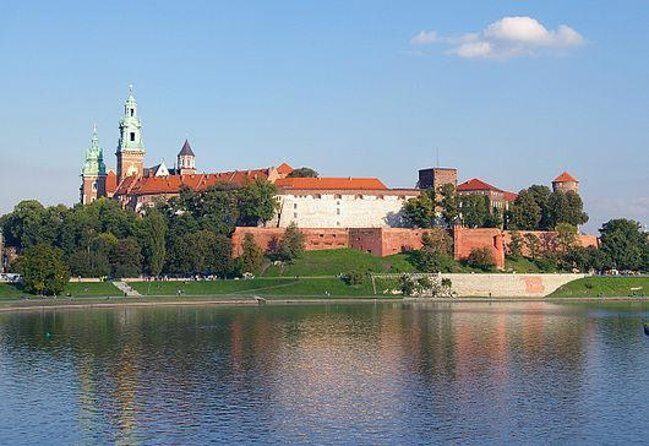
- State Rooms that connect art to power, from Renaissance interiors to major painting collections
- A bundled ticket set for the castle and cathedral, so you can move without ticket delays
- Cathedral time that includes the tower for panoramic views and the Sigismund Bell moment
- Royal crypts after the main cathedral, so you end with the most emotional side of the story
- A small-group cap of 30, which helps the guide manage questions and movement
Why Wawel works best when it’s guided
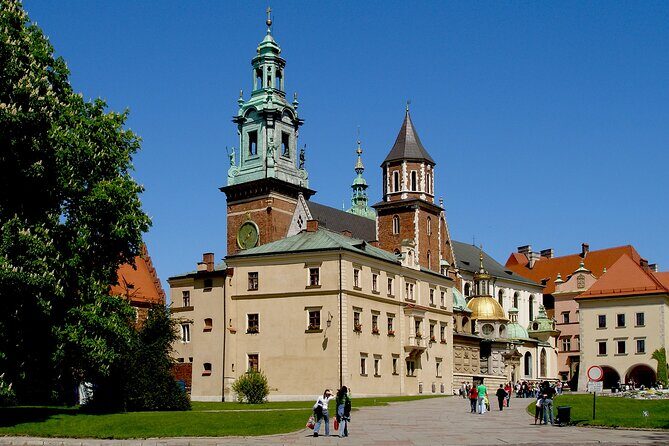
Wawel is one of those places where the buildings are impressive, but the real magic is the layers. A guided visit helps you connect the dots between the castle as a royal stage—power, art, court life—and the cathedral as the spiritual and burial center of Polish rulers.
This tour is built for that connection. You’re not stuck doing one museum and then rushing away. Instead, you cover the castle’s State Rooms first, where the “how the court lived” story shows up in rooms, displays, and collections. Then you shift to the cathedral, where coronations, royal marriages, and burials explain why these sites still feel central to national identity.
And because the group is capped at 30 people, you’ll usually get enough time for questions without the whole experience turning into a queue line.
You can also read our reviews of more walking tours in Krakow


Meeting at plac Świętej Marii Magdaleny: start clean, not frantic
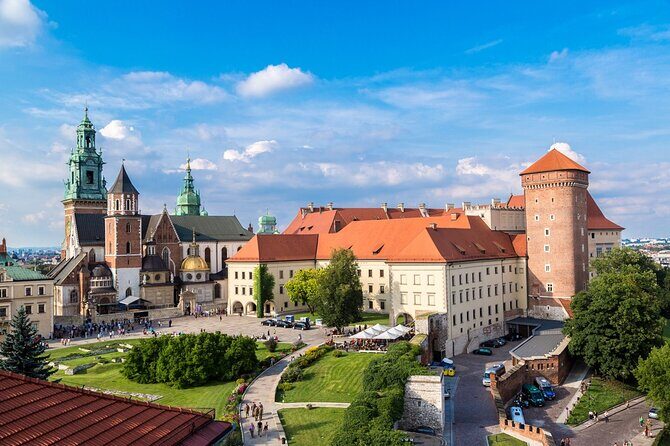
The tour starts at plac Świętej Marii Magdaleny 31, Kraków. The end is at Wawel Cathedral, Kraków. You’ll want to pay attention to one detail: the meeting point is not on Wawel Hill, and the exact spot is confirmed on your voucher.
Plan to arrive at least 10 minutes early. Once the group enters, late arrivals can’t join, and tickets are not refundable. This sounds strict, but it’s also why the tour keeps its flow through busy museum areas.
Good news: the meeting point is described as near public transportation, so it’s easy to get there from the rest of Kraków without planning a long walk.
Stop 1: Wawel Royal Castle State Rooms and the Lanckoroński collection
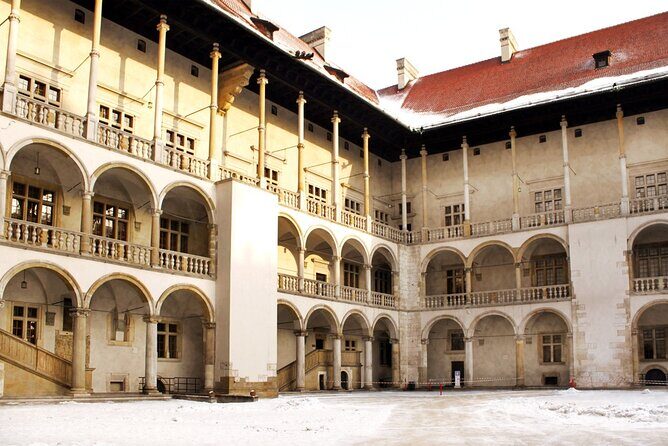
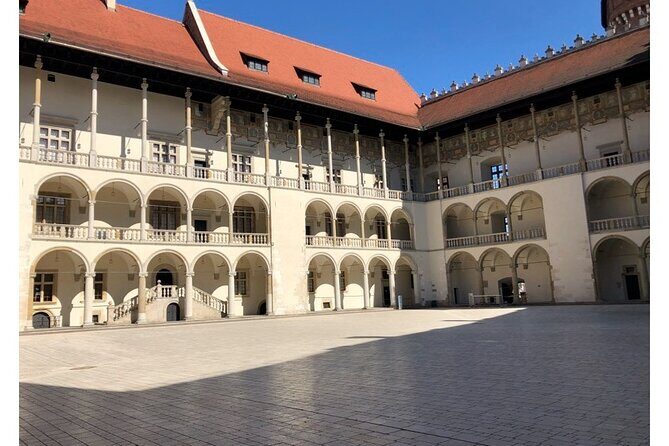
Your first big chunk of time is in the Wawel Royal Castle State Rooms, now part of a world-class museum. This is the heart of the castle visit for most people because it’s where you see the Renaissance side in a way that feels like a court, not just a hallway of artifacts.
In this guided format, the rooms don’t just look pretty. The guide points out the logic behind the interiors and the collections—why certain pieces were brought together and how they reflect Poland’s position at a cultural crossroads. That phrase can sound fancy, but in plain terms, it shows up in what the museum owns and displays: not only local and European works, but also objects tied to broader trade and influence.
One highlight mentioned is the Lanckoroński collection of Italian paintings. If you have any interest in art history, this is one of the stops that can turn a generic castle visit into a true “I get it now” moment. With a guide, you’re more likely to notice what makes the collection important rather than just admiring a framed work and moving on.
What the castle collections teach you (porcelain, weapons, and Ottoman tents)
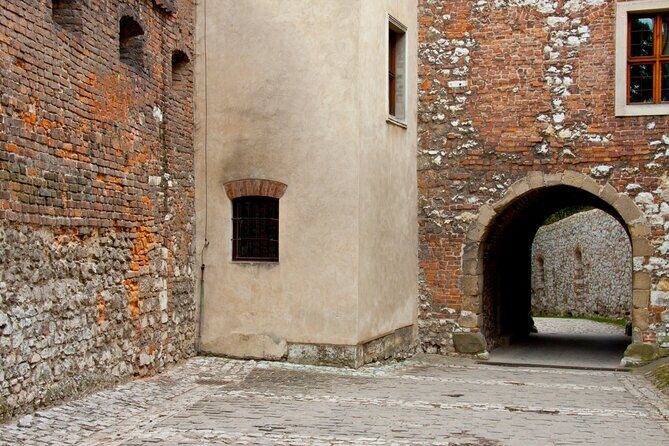
After the state rooms setting, the guide steers you through a wider view of what’s inside the museum. This is where the tour earns its value: it links objects to the story.
You’ll see displays across categories, including:
- Porcelain galleries
- Weaponry and military items
- Eastern art, including a notable claim: Europe’s largest collection of Ottoman tents
That last one is genuinely memorable. Even if tents don’t sound like “museum must-see,” the guide framing matters. You start thinking about cultural exchange, military logistics, and how far influences traveled—then you look at the textiles and structure with a better sense of why it’s here.
This stop also gives you a sense of Wawel’s identity as a crossroads. The castle isn’t just a set of Polish symbols; it’s a place that accumulated global connections over time.
A small pacing reality
Because you’re covering a lot in roughly an hour, don’t expect long free time in every room. If you love slow museum browsing, you might feel a bit rushed. One review feedback pointed to a fast guide delivery that can be hard to follow if you’re listening while also trying to read every label.
My practical advice: wear comfortable shoes and keep your questions ready. If you want deeper reading, treat this as the “get oriented and see the main things” tour, then plan extra self-guided time later.
You can also read our reviews of more guided tours in Krakow





Stop 2: Wawel Cathedral, chapels, domes, and the story of monarchs
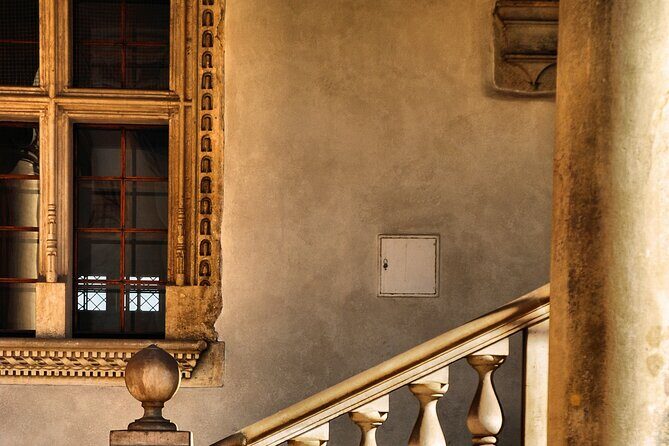
Next comes the Gothic Wawel Cathedral, where Polish monarchs were crowned, married, and laid to rest. This is the emotional spine of the visit. The architecture gives you the “wow,” but the guided portion gives you the why.
You’ll be led through ornate chapels and see details like golden domes and finely worked elements. In a self-guided visit, it’s easy to notice the beauty but miss the connections between places inside the cathedral and the royal timeline.
This is also where the tour uses its compact format well. You’re not just seeing one chapel—you’re seeing a route that ties together the cathedral’s role across centuries. The guide style matters here, and multiple guide names were praised for keeping the tone engaging and readable even when the subject matter gets heavy.
Tower views and the Sigismund Bell moment
One of the most memorable parts is the cathedral tower stop, included in the flow. You’ll get panoramic views from up above, and you may have a chance to touch the Sigismund Bell.
That bell moment is more than a photo op. It’s one of those traditions that helps you feel the cathedral as a living symbol, not just a historic building under glass. With a guide, you’re more likely to understand why this bell carries meaning and how it fits the broader story of Wawel.
If you’re sensitive to heights or stairs, consider that you’ll be doing tower access as part of the experience. The tour doesn’t frame it as optional in the provided outline, so plan accordingly.
Royal crypts: where the cathedral turns personal
After the cathedral highlights, you go to the royal crypts, described as the resting place of Poland’s greatest rulers and visionaries. This is the part that often makes the visit feel real. The guided context changes your perspective from “I’m looking at tombs” to “I’m seeing a national record of leadership, faith, and change.”
The crypts also connect back to the castle stop. You can feel the shift: the castle shows the public face of power and culture, while the crypts show what outlasts it.
If you like history that feels human, not just dates on a timeline, this section is where you’ll likely spend your most attentive time.
The guides: from university-style depth to humor you can follow
The most praised aspect in the supplied feedback is how strong the guides are. Several names came up, including Helena, Hannah, Helen, Eva, Elena, Ewa, and Anna. Different guides, same core strength: they explained the details in a way that kept people engaged and answered questions without acting annoyed.
One guide example even compared to an experienced university professor style—answering deep questions and making the information feel structured. Another praised a guide’s sense of humor, which is a big deal in places like Wawel where the material can get heavy fast.
If you’re the type who asks questions, this tour format can reward you. The small group size and guided pacing mean you’re more likely to get real answers rather than quick glosses.
Dress code and what to wear so you don’t get snagged
Places of worship and selected museums enforce a dress code. Your clothing must cover shoulders and knees, and shorts or sleeveless tops are not permitted.
This is easy to fix—bring a light layer that covers your arms and wear pants or a skirt that reaches the knee. If you’re traveling in summer, plan ahead. Don’t wait until you’re at the door; the requirement applies as part of the visit experience.
For comfort, also plan for a walking segment around the area and time inside museum spaces. Comfortable shoes matter more than fancy footwear.
How this fits into your Kraków itinerary
This tour is about 2 hours. It’s a strong choice if you want Wawel’s big story without turning your day into a museum marathon. It also works well if you’re near the center of Kraków and want an efficient use of a half-day slot.
It’s especially worth it if you care about interpretation: art, symbols, and the sequence of rulers and burial places. If you only want photos and broad impressions, you might find that self-guided wandering gives you the freedom to linger. But if you want context while you’re standing in the rooms and chapels, the guided format earns its keep.
Mobility and lift note
The provided material includes mention of staff and guides helping with mobility needs, including arranging access to a lift at the castle in at least one case. If this affects you, I’d plan to bring it up when you book or on the day so the team can advise on the best route for your situation.
So… is it worth $58.87?
At $58.87 per person for roughly 2 hours, the value comes from three things you’re not getting when you go solo:
1) Bundled entry to both the castle and cathedral
2) A guided route that connects rooms, collections, and the cathedral’s royal meaning
3) A small group cap of 30, which keeps questions and pacing more manageable than large bus tours
If you like history told with clarity and you want to understand what you’re looking at—especially the castle collections and cathedral significance—this is a solid use of time and money.
If you’re the kind of visitor who reads every label for an hour and hates time pressure, you may want a longer self-guided plan or a slower format in addition to this.
Should you book the Wawel Castle and Cathedral guided walking tour?
Book it if you want Wawel’s main story in a tight, well-structured visit: State Rooms first, then cathedral highlights, tower views, and royal crypts. The ticket bundle and the strong guide performance make it a high hit-rate experience.
Skip or adjust expectations if you hate fast pacing, dislike walking routes, or need lots of extra time in each room. And do yourself a favor: arrive early, follow the dress code, and double-check your voucher for the meeting spot since it’s not on Wawel Hill.
If you’re unsure, think of this tour as your orientation day for Wawel. It gives you the context you can carry into any later self-guided strolls.
FAQ
How long is the Wawel Castle and Cathedral guided walking tour?
It runs for about 2 hours.
What’s included in the tour price?
Admission tickets are included for both Wawel Royal Castle State Rooms and Wawel Cathedral.
Where does the tour start and end?
The meeting point is plac Świętej Marii Magdaleny 31, 30-001 Kraków. The tour ends at Wawel Cathedral.
Does the tour include a climb to the cathedral tower?
Yes. The cathedral portion includes a tower stop for panoramic views.
Is the Sigismund Bell part of the visit?
Yes. During the cathedral segment, you’ll have a chance to touch the Sigismund Bell.
What language is the tour offered in?
The tour is offered in English, and group tours are conducted in a single language chosen at booking.
Is there a dress code for the cathedral and museums?
Yes. You must cover shoulders and knees. Shorts and sleeveless tops are not permitted.
How big are the groups?
Group size is limited to a maximum of 30 participants.
Can I cancel for a full refund?
Yes. You can cancel up to 24 hours in advance for a full refund. If you cancel less than 24 hours before, the amount paid is not refunded.