REVIEW · KRAKOW
Auschwitz-Birkenau Guided Shared Tour from Krakow
Book on Viator →Operated by Auschwitz & Salt Mine tour to Krakow Discovery · Bookable on Viator
This is a long morning with a clear payoff. It’s built to get you to Auschwitz-Birkenau fast, with hotel pickup and a guided visit that helps you make sense of what you’re seeing. The schedule is designed to help you avoid the worst crowd crush and spend more time inside the camps rather than waiting outside.
I like two practical things most. You get round-trip transport in an air-conditioned minivan, and headphones are included so you can actually hear the guide through the noise and crowds. One possible drawback: the visit can feel rushed for a large site, and a few people also noted sound or pacing issues—so if you need extra time to read or move slowly, plan for that.
In This Review
- Key Points at a Glance
- Why This Auschwitz-Birkenau Tour Works Well From Krakow
- Pickup Window, Drive Time, and The Early-Morning Reality
- Getting Into Auschwitz-Birkenau Faster With Skip-The-Line Entry
- Auschwitz I: How the Guide Turns Big Facts Into Something You Can Follow
- Birkenau (Brzezinka): When Scale Becomes the Real Lesson
- Pacing, Group Sizes, and Headphones: The Real-World Comfort Factor
- Transport Details That Matter on a 7-Hour Day
- Price and Value: Why $36.28 Can Still Feel Like a Lot
- What to Bring (and What the Museum Will Limit)
- Who This Tour Fits Best (and Who Might Want a Different Style)
- Should You Book This Auschwitz-Birkenau Tour From Krakow?
- FAQ
- What time does pickup usually happen in Krakow?
- How long is the tour?
- Is the tour offered in English, and do I get headphones?
- Do I need an ID or passport?
- Is there a limit on luggage?
- What’s included in the price?
Key Points at a Glance
- Hotel pickup and drop-off from your Krakow hotel or apartment saves you the early-stress logistics
- Skip-the-line entry helps you reach the memorial before queues turn into a long wait
- English guide plus headphones makes it easier to follow the story as you move between areas
- Small shared vehicle sizes (up to 14 in a car, with up to 25 travelers on the day) feel more manageable
- A morning start window (often around 6:10–7:30am) helps you beat the biggest crowds
- Strict museum limits on names, ID, and bag size keep things smooth once you’re there
Why This Auschwitz-Birkenau Tour Works Well From Krakow
Auschwitz-Birkenau is not a quick museum stop. It’s two vast sites that demand attention, and a self-guided trip can easily turn into a blur of signs you can’t process. This tour is designed for the opposite: you get a guide and a route so you can focus on the key areas without constantly hunting for context.
From Krakow, the big win is time. The transfer is about 1 hour 15 minutes each way, and you’re starting early. That means you’re not guessing about buses, schedules, or whether you’ll arrive after the longest lines form.
Also, the small-group setup helps. The tour runs in shared cars (max 14 people in a car), and the overall group cap is 25 travelers. You’ll still be with others, but it’s not the kind of giant herd that makes it hard to hear or to keep moving at a steady pace.
You can also read our reviews of more guided tours in Krakow
Pickup Window, Drive Time, and The Early-Morning Reality
Pickup happens between 6:10am and 7:30am from hotels or apartments in central Krakow. The operator sends your exact pickup time by message or text 1–2 days before your trip, so keep an eye on your phone.
Plan for an early start. Even if you’re on vacation, this day begins like a work trip: you’re up, dressed, and out the door before Krakow is fully awake. The upside is you arrive when you have a better chance of moving through the sites without a long wait.
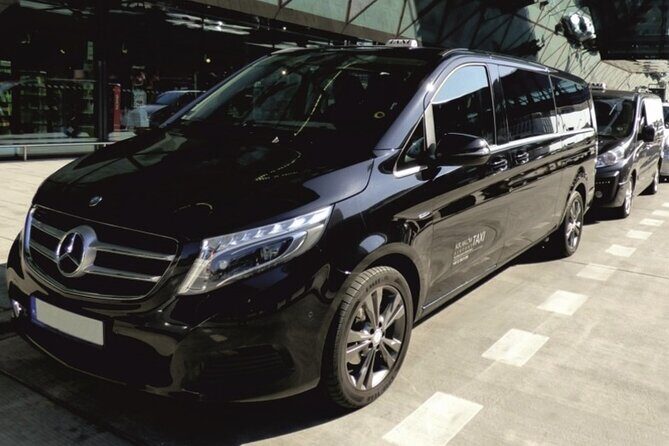
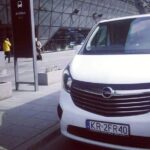
The transfer uses an air-conditioned minivan. In bad weather, you might feel the road conditions more, and at least one review described hazardous driving in inclement weather. If you’re sensitive to motion or you get nervous in a car, it’s worth taking that seriously—choose your seat wisely and bring any comfort items you usually rely on.
Getting Into Auschwitz-Birkenau Faster With Skip-The-Line Entry
One of the most practical features here is skip-the-line entry. The tour is set up so you’re not spending your limited time standing in queues. That matters because the memorial sites themselves are the hard part, emotionally and physically—not the waiting room outside.
There’s also an important admin side that you’ll want to handle calmly. Tickets at Auschwitz-Birkenau are registered, so you should bring a passport, ID card, or even a credit card (as mentioned in the tour info). The tour also requests full names for all participants exactly as on your ID or passport. If those names don’t match, entrance ticket purchases can fail, and you don’t want your trip to hinge on a typo.
A bag-size limit also applies. Your backpack or handbag can’t exceed 30 x 20 x 10 cm. That’s small enough that you may need to travel lighter than you planned. If you arrive with a bigger bag, you may have to leave it elsewhere, which is the last thing you want on an emotionally heavy day.
Auschwitz I: How the Guide Turns Big Facts Into Something You Can Follow
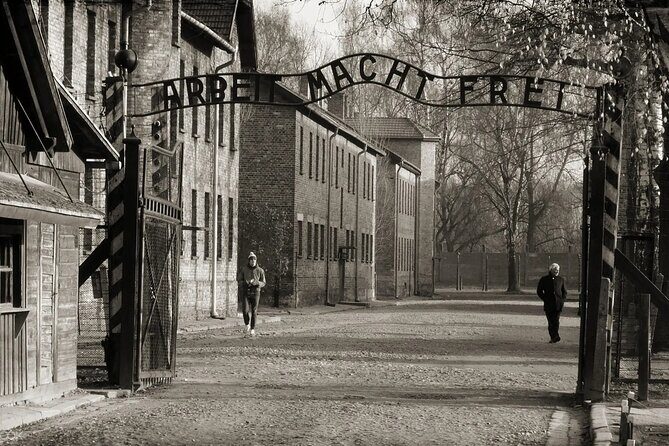
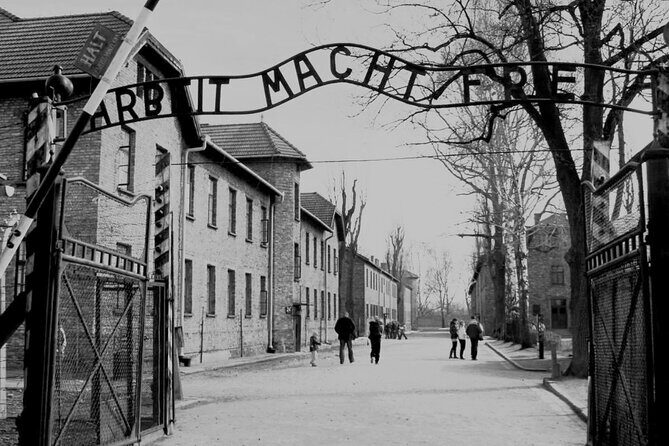
Auschwitz I (the main camp area) is where many people feel the weight first—because it’s dense with evidence: barracks, exhibits, and memorial structures that connect history to lived reality. The tour starts with the Panstwowe Muzeum Auschwitz-Birkenau visit, with admission included.
You’ll join a museum local guide, and the tour also emphasizes a professional English-speaking guide for the Auschwitz portion. In practice, that combination matters. A guide isn’t just reciting dates; they help you understand why certain locations matter and how the pieces fit together.
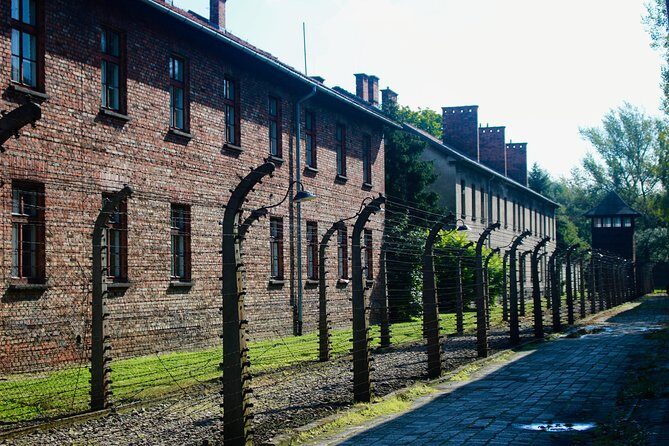
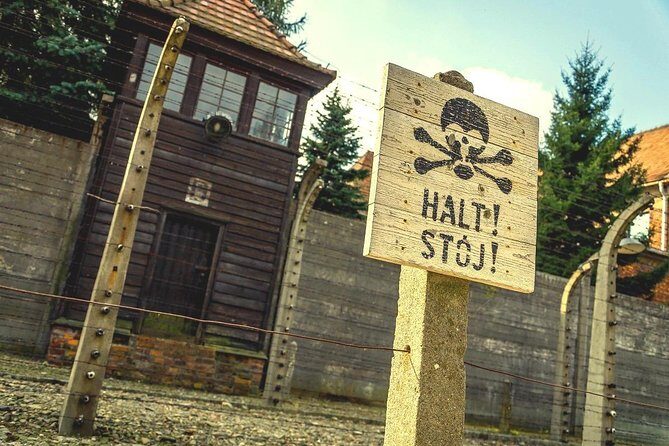
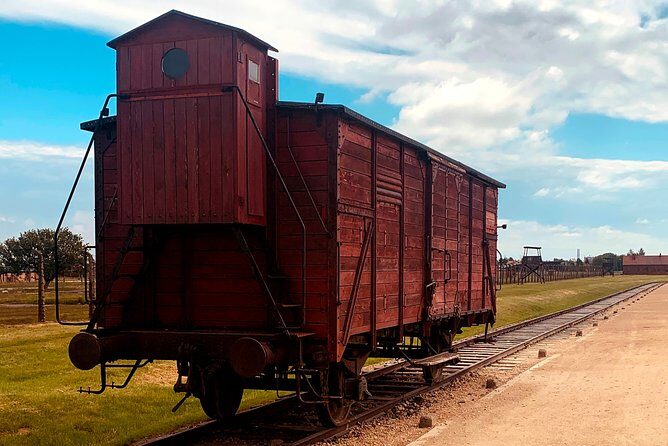
What you can expect to see inside Auschwitz I includes elements tied to the camp’s function—gas chambers and crematoria, the Death Wall, the railway ramp, mass graves, prisoner barracks and blocks, plus the barbed-wire fencing and watchtowers mentioned in the tour overview. It’s a lot. Without guidance, it’s easy to miss how one area connects to another.
The best part is the human translation of the facts. Reviews highlight guides who spoke with compassion and respect, including names like Magda, Anna, and Barbara. Their style is the difference between reading labels and understanding what those labels mean.
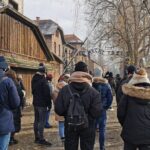
Possible drawback: this area is enormous and the crowds can be intense. A review described visibility problems because the group was crammed into small areas at a time, and another noted that it felt rushed. If you need time to read every board, expect you might not get it all on a single guided pass.
Birkenau (Brzezinka): When Scale Becomes the Real Lesson
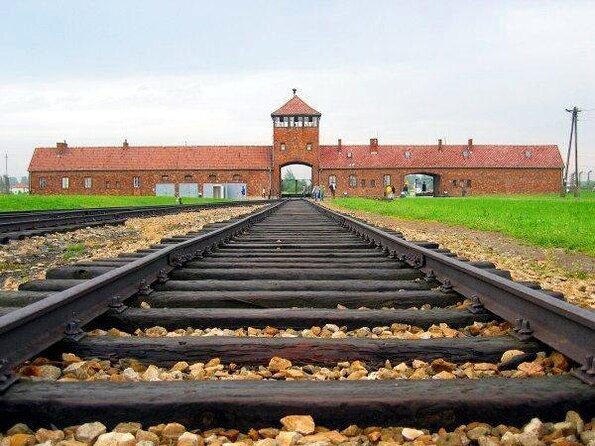
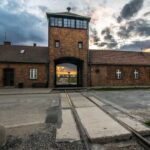
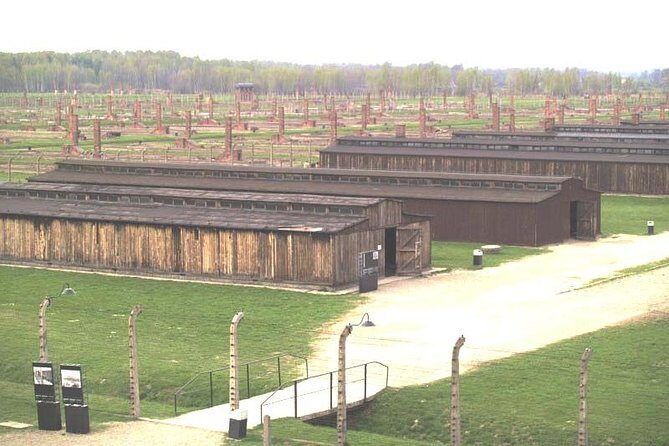
Then comes Brzezinka, or Birkenau—the place where the scale hits hardest. Birkenau is vast, and it changes your sense of what you’re looking at. The tour includes guided sightseeing there for about 1 hour, and admission is covered.
At Birkenau, the memorial experience isn’t just about what happened. It’s about the physical layout: the open space, the camps’ remnants, and the feeling of how machinery and human lives were processed on an industrial level. One review summed it up well: the magnitude makes it hard to grasp what occurred there.
You may hear commentary that connects Birkenau to the broader Auschwitz system—why it was built, how it operated, and how the Nazi persecution shaped where people were sent and what they endured. The guide helps you keep your orientation so you don’t feel lost in a large outdoor site.
A practical note: because Birkenau is spread out, your pace matters. Some people found the guide timing rushed and had trouble hearing or reading information boards while keeping up. If your vision or mobility needs slower movement, consider whether a shared group tour is right for you.

Pacing, Group Sizes, and Headphones: The Real-World Comfort Factor
Headphones are included, which is a big deal on a memorial site. You’ll often be surrounded by noise—footsteps, wind, other groups—so hearing the guide matters. The tour specifically includes headphones for clearer listening.
Still, audio quality can vary by guide and by where your group is standing. One review described the guide as hard to hear and monotone, and another said it wasn’t disability friendly with some visitors struggling to keep up at multiple points. Those are not things to ignore.
Here’s what to do to make it work for you:
- Arrive early for pickup so you aren’t flustered before you even start.
- If you’re sensitive to crowds, stick close to the guide so you can hear without craning.
- If you need pauses to read, set that expectation early in your mind—even if the tour rhythm doesn’t fully slow down for every need.
The group system helps some. With a cap of 25 travelers and up to 14 per car, the pace can be tighter, but it’s not the biggest tour format you could book. You’ll likely feel like you’re moving with a team, not standing in a line.
Transport Details That Matter on a 7-Hour Day
This tour runs about 7 hours total. You’re not just visiting the memorial; you’re also committing to a full day rhythm that starts early, includes transfers, and ends with a return to Krakow.
The ride is round-trip. After visiting both camps, the driver takes you back to Krakow or to wherever you want within the Krakow pickup area.
One more helpful detail: the cars are disinfected before each service. It’s a small comfort thing, but when you’re in a shared vehicle before a long, serious day, it’s good to know it’s taken care of.
Food is not included. The tour info lists food and drinks as not included, so you’ll want to plan either to eat before pickup or arrange a simple snack strategy for the day. One review mentioned packed lunch options, but the baseline is still that you should assume you’re responsible for your own meals.
Price and Value: Why $36.28 Can Still Feel Like a Lot
At $36.28 per person, this is priced like a tour that gets the job done. When you compare it to the cost of independent transport plus timed entry plus a guided narrative, the value comes from three things:
- Admission coverage for Auschwitz and Birkenau is included in the tour structure
- Hotel pickup/drop-off removes the biggest early-day friction from Krakow
- Headphones and an English guide make your time inside more useful than wandering alone
You are also paying for the hard part of the logistics: getting there early, coordinating entry, and moving between sites without wasting time. That’s exactly what you want for Auschwitz-Birkenau, where your emotional and mental bandwidth is already being challenged.
The one “cost” you can’t avoid is that this is long and heavy. Money is just one part of the decision. Your energy matters too.
What to Bring (and What the Museum Will Limit)
The tour is pretty clear about a few key limits, and I’d treat them as non-negotiable prep items:
- Bring a valid ID or passport. Tickets are registered and you may be asked to show ID during the tour.
- Keep your bag within 30 x 20 x 10 cm. If it’s bigger, you might need to leave it behind.
- Pack something for the morning. The pickup window starts early, and you won’t want to be unprepared if the weather is cold.
Comfort items that are fair game:
- A light layer for the outdoor Birkenau areas
- Any basics you need to focus (like water if you bring it with you, since drinks aren’t included)
Also, use the guide time well. If you show up expecting to skim, you’ll likely miss the point. This tour works best when you treat it as a structured learning day, not a quick photo stop.
Who This Tour Fits Best (and Who Might Want a Different Style)
This shared guided format is a strong match if you:
- Want English commentary and a clear route through both Auschwitz and Birkenau
- Prefer hotel pickup and don’t want to wrestle with morning transport
- Appreciate the benefit of a small shared car rather than an enormous group bus
- Plan to honor the memorial with attention rather than speed-reading signs
It may be less ideal if you:
- Need slower pacing or lots of time to read informational boards
- Have mobility or accessibility needs and require frequent breaks
- Are very sensitive to group movement and tighter tour scheduling
One review specifically raised disability-friendliness concerns due to the pace. That doesn’t mean the tour is wrong for everyone with accessibility needs, but it does mean you should think hard about whether a guided group timetable fits your needs.
Should You Book This Auschwitz-Birkenau Tour From Krakow?
My checklist is simple. Book it if you want a day that is organized, early, and guided in English, with headphones and transport from your door. At this price point, the value is in admissions coverage, skip-the-line entry, and the fact that you’re not spending your limited hours finding your way around.
Consider another approach if you know you need a slower pace, extra listening time, or you’re worried about hearing the guide while moving through crowded indoor areas. In those cases, you may want a different tour format designed for more time per stop.
If you’re ready for a serious, structured day, this is the kind of tour that helps you show up prepared and leave with a clearer understanding of what you saw.
FAQ
What time does pickup usually happen in Krakow?
Pickup runs between 6:10am and 7:30am, with your exact pickup time sent by message or text 1–2 days before the trip.
How long is the tour?
The total duration is about 7 hours (approx.).
Is the tour offered in English, and do I get headphones?
Yes, it’s offered in English. Headphones are included to help you hear the guide clearly.
Do I need an ID or passport?
Yes. Tickets are registered at Auschwitz-Birkenau, and you should bring a document such as an ID card or passport (a credit card is also mentioned as something to take).
Is there a limit on luggage?
Yes. The maximum size of backpacks or handbags is 30 x 20 x 10 cm.
What’s included in the price?
Included are a professional English-speaking guided tour in Auschwitz-Birkenau, hotel pickup and drop-off, round-trip shared transfer by air-conditioned minivan, and admission tickets. Food and drinks are not included.