REVIEW · KRAKOW
Auschwitz Birkenau Guided Tour
Book on Viator →Operated by CRACOW LOCAL TOURS · Bookable on Viator
Some days in life hit hard. This one starts with a drive out of Krakow and ends with lasting clarity.
I like that the schedule is tight but structured: you get priority admission and an official museum guide who keeps you moving through Auschwitz I and Birkenau in a way that actually helps you follow the story. I also like the logistics: hotel pickup and drop-off reduces friction when you’re trying to be respectful and on time.
One thing to consider is pacing. Even with a guided plan, the sites are emotionally heavy, and a few visitors felt the tour tempo left less room for quiet standing and reading.
In This Review
- Key things I’d pin to the top
- A Krakow day trip to Auschwitz-Birkenau: why it works
- Price and value: what $79.81 gets you (and what it doesn’t)
- Pickup, timing, and the schedule you’ll actually feel
- Auschwitz I: how the visit is paced and what to expect
- Auschwitz II-Birkenau: what the second half changes
- Group size and guide style: staying together without losing meaning
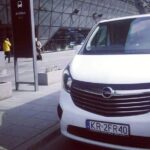
- Transportation details that matter more than you think
- What you must bring: passport names, student IDs, and bag limits
- Lunch and comfort: the packed lunch option and hydration reality
- How much walking and who will feel comfortable here
- Should you book this Auschwitz-Birkenau tour from Krakow?
- FAQ
- How long is the Auschwitz-Birkenau guided tour from Krakow?
- Is hotel pickup included?
- What is the meeting point in Krakow?
- Is lunch included?
- Does the tour include priority admission?
- Are tickets tied to passport names?
- Is there a bag size limit?
- How big is the group?
- What is the cancellation policy?
- Does it run in bad weather?
Key things I’d pin to the top
- Priority admission: less time fighting for entry, even though security lines can still happen
- Official museum guide: you’re not left to guess what you’re looking at
- Two-site structure: about two hours in Auschwitz I, then a second block at Birkenau
- Small group size: capped at 30 travelers, which matters for staying together
- Hands-on practical rules: passport-name tickets, bag limits, and real-world entry requirements
A Krakow day trip to Auschwitz-Birkenau: why it works
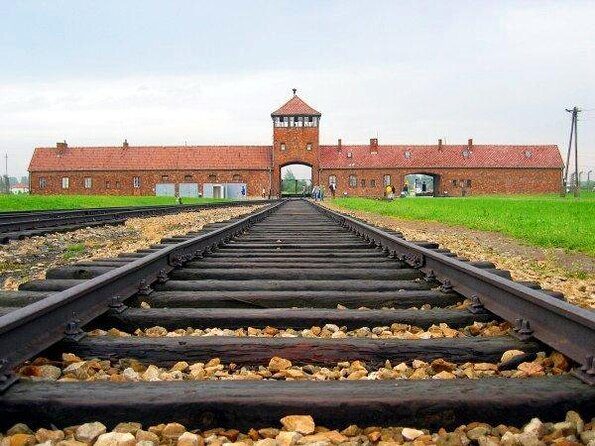
If you’re basing yourself in Krakow, a day trip to Auschwitz-Birkenau is one of the most practical ways to do it. You’re not trying to coordinate trains, timed entry, and translations on your own while also dealing with the emotional weight of the place. Instead, you get a plan that moves you in the right order.
Transfers take about 1.5 hours each way, so you’re trading a long day for the convenience of one organized round trip. The on-site portion is about 4 hours, which is long enough to learn and notice details, but not so long that you lose the thread of what you’re seeing.
The day is also weather-dependent in the real world. The tour runs in all weather, but if conditions are poor, the operator may offer another date or a full refund. So if you’re booking near a stormy window, keep some flexibility.
You can also read our reviews of more guided tours in Krakow

Price and value: what $79.81 gets you (and what it doesn’t)
At about $79.81 per person, this is priced like a straightforward “do it with a guide” option. What you’re really paying for is the friction removal: pickup, priority admission, and an official guide who can explain what you’re looking at without making you read everything like a textbook.
Included value points that matter:
- Skip the tickets line (still not zero time, but usually less waiting)
- Official Museum Guide for the Auschwitz I and Auschwitz II-Birkenau sections
- Hotel pickup & drop-off, plus an air-conditioned vehicle and WiFi on board
- All fees and taxes included, so you’re not hit with surprises later
What you should plan for separately:
- Lunch is not included (you can order a paid lunch-box from the driver)
- If you prefer private transportation or a slower, more flexible pace, this set group format may feel limiting
This is a solid value if you want a guided visit without the headaches of DIY scheduling. If you’re the type who likes to wander freely for long periods and re-read exhibits at your own speed, you may want to compare against other options.
Pickup, timing, and the schedule you’ll actually feel
This tour starts in Krakow with a central meeting point at Kiss&Ride Zyblikiewicza-Mikołaja Zyblikiewicza 2, and it ends at Rynek Główny (the main square area). If you choose hotel pickup, the drop-off is in the same general area, within about 2.5 km of the main square, or exactly where you requested within the pickup/drop-off zone.
A few practical timing points will help you avoid stress:
- You’ll receive the exact departure time around 14–7 days before.
- The driver expects you outside about 5 minutes before departure.
- The driver waits no longer than 15 minutes after the stated departure time.
One real-life tip: keep your plans loose the rest of that day. The schedule can shift, and the emotional reality of Auschwitz means you’ll likely need extra time buffer when you’re thinking about eating, processing, and getting back to Krakow.
Also pay attention to vehicle comfort notes. The listing mentions WiFi in the vehicle, but at least one booking noted that onboard WiFi wasn’t working as expected. I’d treat WiFi like a bonus, not a guarantee—and I’d save your phone battery for photos and notes you’ll want later.
Auschwitz I: how the visit is paced and what to expect
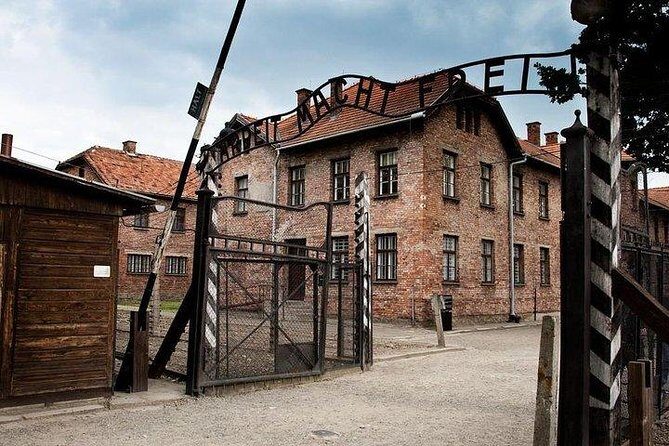
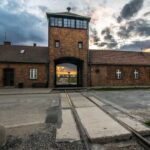
The first stop is the Panstwowe Muzeum Auschwitz-Birkenau. After your transfer (about 1 hour 30 minutes from Krakow), the visit runs in groups of up to 30 people.
Here’s how the flow typically works:
- You get a short break before entering.
- Auschwitz I is about 2 hours.
- Then there’s a 15-minute break.
- After that, you continue with the second section at Birkenau.
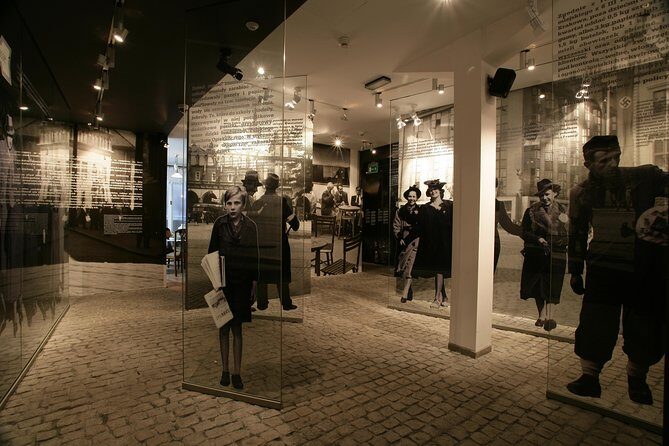
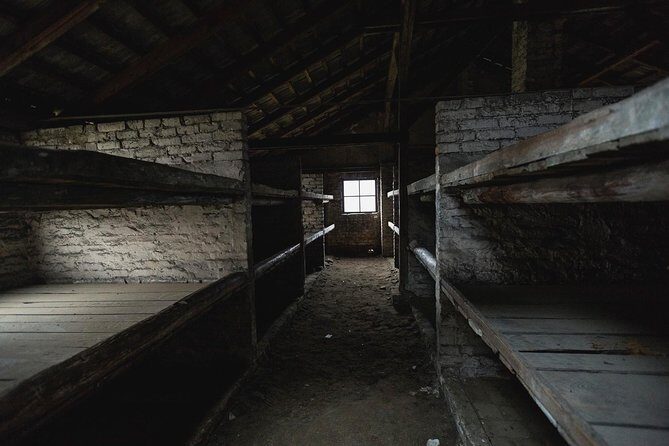
Auschwitz I is where many visitors feel the hardest “anchor” of the story. The guide’s job is crucial here. Instead of looking at buildings and artifacts and wondering where to focus, you get explanations that connect the facts to the human scale of what happened.
Because the time is structured, you’ll want to use it efficiently:
- Take 30 seconds before you enter a new area to look around and identify what you’re being told to notice.
- When the guide pauses at specific objects or photographs, let yourself actually read, not just listen.
- If you’re prone to drifting when you’re upset, lean on the guide’s cues. They’ll point out what matters.
The biggest drawback is pacing. Some people felt rushed, with very little time to stand and reflect. If you know you’ll need more silence, bring a small “reflection habit,” like stopping for one extra minute at a memorial point even if the group keeps moving. You’ll still stay respectful, just not helplessly swept along.
Auschwitz II-Birkenau: what the second half changes
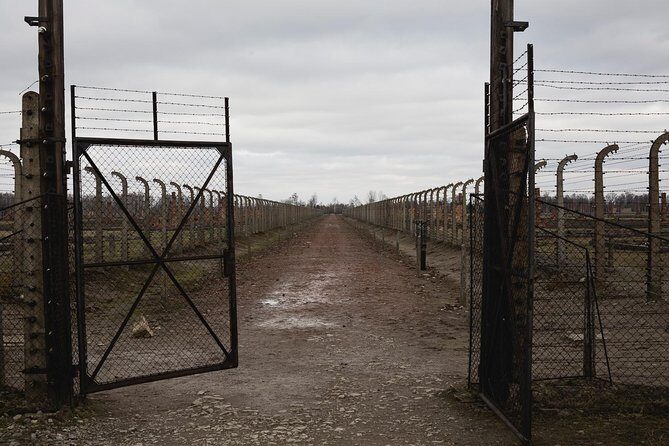
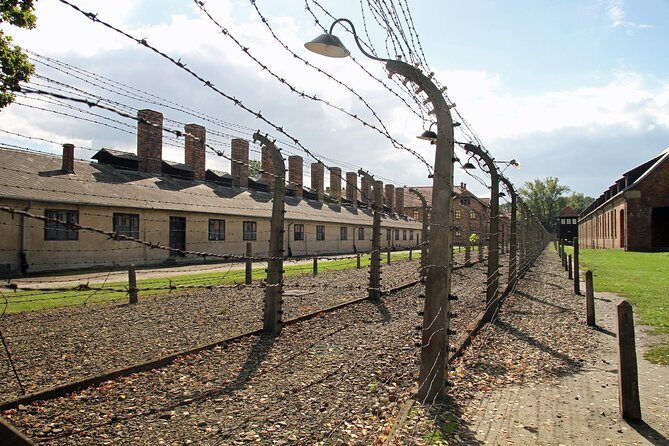
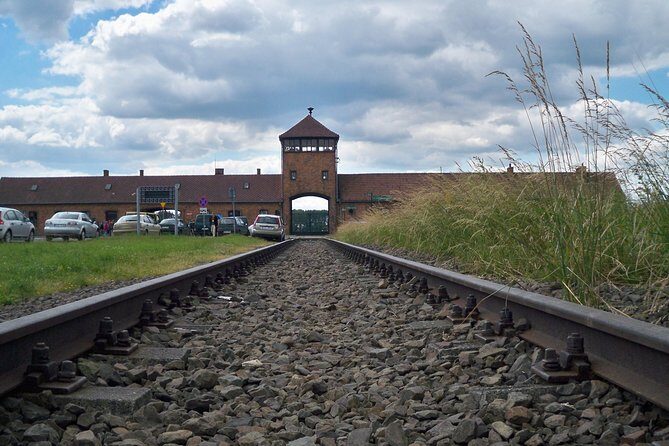
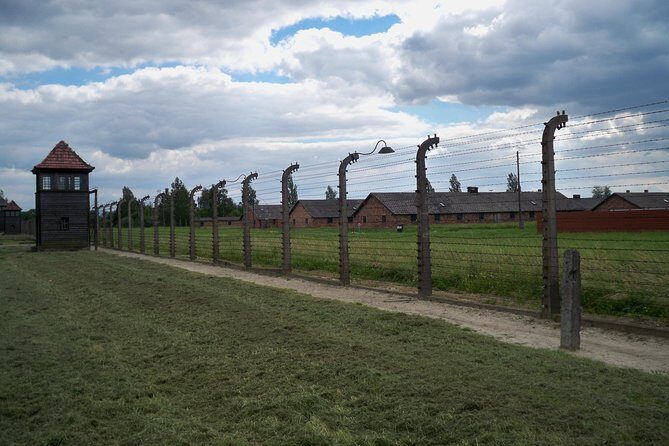
After Auschwitz I, the tour moves into Auschwitz II-Birkenau, the larger site that many people find even more visually unsettling because of its scale and layout.
You’re given about 1 hour at Birkenau in this format. That’s not long if you’re a slow reader or if you want to photograph everything. But it’s enough to understand the purpose of the site areas and how the camp system functioned.
This is the part where you’ll feel the terrain and the exposure. Expect some walking across the grounds and changing weather conditions. If it’s cold, bring a layer you can move in. If it’s hot, bring a water plan even though refreshments can be limited during the visit.
The guide’s tone matters here. Several bookings highlighted that the museum guide kept the delivery respectful and clear while still being informative. That balance is important at Birkenau: you’re looking at tragedy, not a set of scenes for sightseeing, and the guide helps you hold onto context instead of getting lost in visuals.

Group size and guide style: staying together without losing meaning
This tour runs with a maximum of 30 travelers, which is a sweet spot compared to giant buses. Smaller groups mean fewer people to manage, and it’s easier for you to hear the guide and ask a question if something doesn’t make sense.
It’s also worth mentioning that guide styles can shape your experience. In different departures, guides have included names like Anna, Michal, Kasia, and Andrew. Across those guide types, what stood out most was respectful delivery and clear answers to questions.
Still, group pacing is real. A couple of bookings criticized how fast the tour moved and how short the viewing moments felt. If you’re sensitive to being guided tightly, you can counter that by doing two things:
- Bring a notebook or note app so you can capture key facts quickly and then stop later to read what you wrote.
- Decide in advance where you want extra time. If there’s one memorial area you can’t rush through, plan to stand there even if you’re tempted to follow the group instantly.
Transportation details that matter more than you think
This tour includes air-conditioned transportation and WiFi on board, plus a driver described as professional and attentive. Hotel pickup can be a big quality-of-life upgrade, especially if you’re not based near the main square.
One detail to take seriously is that you can store luggage in the vehicle free of charge. That helps you travel light and follow the site rules. It’s also easier to manage your day if you’re not carrying a heavy bag while walking.
There are also real-world security and entry checks at the museum. Even when priority admission is included, you might still experience security screening that adds time at the start. For that reason, it’s smart to wear comfortable shoes and be ready to wait calmly if the line slows.
What you must bring: passport names, student IDs, and bag limits
This isn’t a “show up and wing it” situation. Tickets are personal, and you must provide exact name and surname matching your passport or document.
Also:
- You’ll need to bring a document confirming each participant’s name and surname.
- Youth between 18 and 26 must present a valid student ID.
- Children must be accompanied by an adult.
The bag rule is one of the most practical things to plan for:
- Bags and backpacks larger than 30 × 20 × 10 cm are not allowed on the museum grounds.
- You can store luggage in the vehicle free of charge, so pack smart.
If you’re the type who travels with a “just in case” giant backpack, now is the time to swap to a smaller day bag. You don’t want last-minute stress at entry.
Lunch and comfort: the packed lunch option and hydration reality
Lunch isn’t included, but you can order a paid lunch-box through the driver. Some bookings said it was a nice option and worth the money. The catch is timing: there may not be much space for a full meal between the two main site segments.
So how should you handle food and comfort?
- If you get the lunch-box, plan for a quicker eat rather than a slow sit-down meal.
- Bring a small snack in your allowed bag if you’re trying to stay comfortable, as long as it fits the bag limits.
- Hydration matters on walking-heavy days. One booking noted no water in a segment of transfer, so don’t assume refreshments will be available.
The day is long. Comfortable clothing and shoes will affect your mental stamina more than you’d expect.
How much walking and who will feel comfortable here
This tour involves a considerable amount of walking, and you’ll be on your feet through meaningful portions of the museum visit. Some bookings specifically warned about the walking if you have mobility issues.
If you’re considering this tour, be honest about your body and your attention span:
- If you can handle several hours of standing and walking with breaks, you’ll likely be okay.
- If you need slow pacing, extra viewing time, or mobility accommodations, you may want to look for alternatives that offer a different structure.
This trip is best for people who want:
- A guided, structured explanation
- Priority entry
- A single-day round trip from Krakow without DIY stress
It may not be best if you want maximum freedom to drift and linger, or if you’re easily overwhelmed by crowds and tempo.
Should you book this Auschwitz-Birkenau tour from Krakow?
I’d book it if you want the simplest path to a guided, respectful visit with priority admission and hotel pickup. The value is strongest when you trust the guide to keep the story clear and when you appreciate having a defined plan so you can focus on what you’re learning rather than logistics.
I would not book it if you know you need long unstructured time for reading and reflection, or if you struggle with guided pacing in crowded settings. In that case, you might find a different format fits better.
If you go, pack small, match your passport name exactly, and give yourself buffer time the rest of the day. This is one of those tours where being prepared is a form of respect.
FAQ
How long is the Auschwitz-Birkenau guided tour from Krakow?
The tour runs about 7 to 8 hours total, including transfers. The museum visit portion is about 4 hours.
Is hotel pickup included?
Yes. Hotel pickup and drop-off are included, and the tour also has a central meeting point if your hotel is not listed or pickup is not available.
What is the meeting point in Krakow?
Pickup starts at Kiss&Ride Zyblikiewicza-Mikołaja Zyblikiewicza 2 in Krakow. At the end, you are dropped off at Rynek Główny.
Is lunch included?
No. Lunch is available for an additional fee, and you can order a lunch-box from the driver.
Does the tour include priority admission?
Yes. The tour includes skip-the-tickets-line so you can enter faster than standard ticket lines.
Are tickets tied to passport names?
Yes. Tickets are personal, and you must provide exact name and surname as on your passport or document. You’ll also need a document confirming the same details.
Is there a bag size limit?
Yes. Bags and backpacks larger than 30 × 20 × 10 cm are not allowed on museum grounds. Larger luggage can be stored in the vehicle for free.
How big is the group?
The visit runs in groups of up to 30 travelers.
What is the cancellation policy?
You can cancel for a full refund up to 24 hours before the experience starts. If canceled due to poor weather, you’ll be offered a different date or a full refund.
Does it run in bad weather?
It operates in all weather conditions, but the cancellation policy also notes that it requires good weather. If poor weather causes cancellation, you’ll be offered a different date or a refund.