REVIEW · KRAKOW
Auschwitz & Birkenau Small Group Live Guided Tour with Hotel Pick Up Transport
Book on Viator →Operated by GR8WAY · Bookable on Viator
Morning starts early, then history hits hard. I like the hotel pickup from central Krakow and the stress-free air-conditioned ride to the sites. I also like that admission tickets for both Auschwitz I and Birkenau are included with a professional English guide. The trade-off: the day runs on a tight schedule and you’ll spend a lot of time outdoors.
This is a two-stop tour built for getting you to both camps efficiently: Auschwitz I first, then a quick transfer over to Birkenau (it’s about 3 km away). If you care about not losing time hunting buses, that matters more than you’d think on a day like this.
One more thing to plan for: security can be strict, so bring ID documents and keep your luggage within the small bag size they specify.
In This Review
- Key things to know before you go
- Getting to the camps without wasting your morning in Krakow
- Auschwitz I: how the 2-hour block really feels
- Birkenau: the long walks, the wind, and why timing matters
- Small-group promises: group size, pace, and hearing your guide
- Price at about $108: what you’re really buying
- Before you go: ID, luggage, and the early-morning survival checklist
- ID is not optional
- Keep luggage small
- Dress for outdoors, not just museum rooms
- Pickup timing can be early and changeable
- Should you book this Auschwitz & Birkenau tour?
- FAQ
- What’s included in the Auschwitz and Birkenau tour price?
- How long is the tour?
- Is hotel pickup included?
- What’s the group size limit?
- What time does pickup happen?
- Where do I meet if I do not provide my accommodation address?
- Are food and drinks included?
- Do I need ID to enter?
- Is there a luggage limit?
- Is the tour outdoors and weather-dependent?
- Can I cancel for a full refund?
Key things to know before you go
- Hotel pickup in central Krakow with a pickup window that can start very early
- Air-conditioned transport and a minibus hop between Auschwitz I and Birkenau
- Admissions included for both sites
- Fixed on-site blocks (about 2 hours at Auschwitz I, about 1 hour at Birkenau)
- You’ll be outdoors a lot (up to 70%), so pack for weather
- Small luggage rules + ID required for entry screening
Getting to the camps without wasting your morning in Krakow
If you only do one thing in Krakow that feels truly unforgettable, Auschwitz-Birkenau is the obvious pick. The hardest part is not the walking. It’s the logistics: early mornings, tight entry windows, and making sure you actually get into the museum tour.
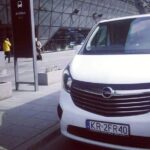
This small-group experience is built around one big promise: you don’t have to figure out trains, parking, or transfers. You’re picked up from your accommodation in central Krakow and driven in an air-conditioned vehicle. Then you’re handled day-of, including transport between the two camp areas.
Here’s what you should take seriously. Pickup times can start extremely early. You’ll be collected between 2:00am and 1:30pm, depending on museum availability to start the tour. They’ll tell you the final pickup time at least 12 hours before. That means you need to be ready for an early text or email, and you should keep your plans flexible the morning of your tour.
Where it can get tricky is the “small group” reality. The tour is capped at a maximum of 22 people, while the included format mentions a smaller vehicle group size (up to 8 people). In practice, that can still mean a lot of people moving through sites at once. If you want a slow, thoughtful pace where you can stop and stare without ever feeling you’re catching up, this format may feel a bit like a sprint.
You can also read our reviews of more guided tours in Krakow
Auschwitz I: how the 2-hour block really feels
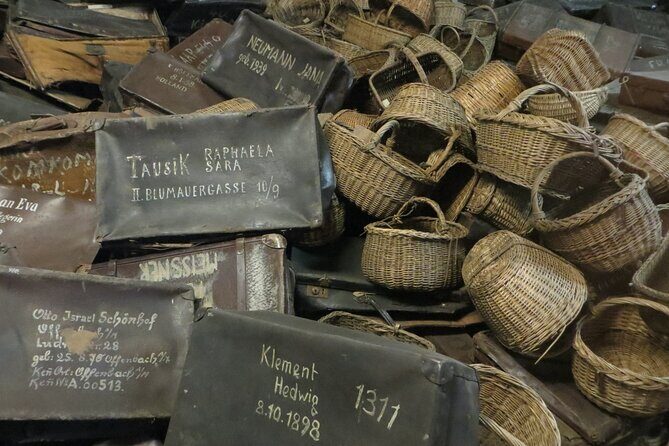
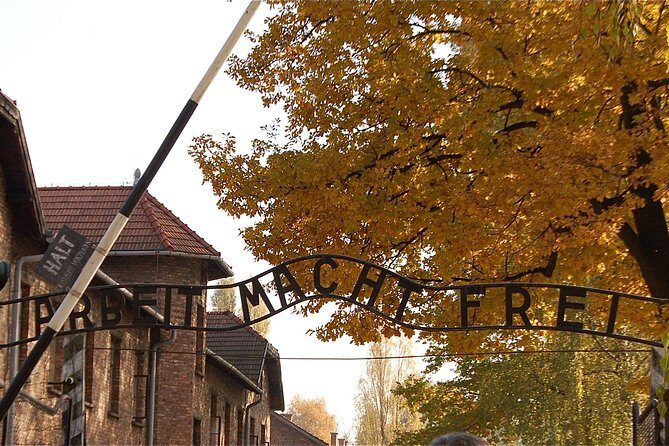
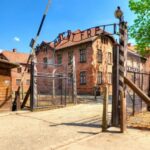
Auschwitz I is where the story starts, and it’s also where you’ll likely spend the most time processing what you’re seeing. This tour visit is about 2 hours at Auschwitz I, and admission is included.
What makes the Auschwitz I portion valuable is structure. You’re not just looking at buildings and displays. You have a guide shaping your path so you understand what each section represents in the broader Nazi-occupied system—why particular exhibits exist and what the camp structure meant for prisoners.
Still, you should calibrate your expectations. Many parts of Auschwitz I require attention, and there are also areas that can’t be accessed the way you might expect from a casual museum visit. With a set time limit, you won’t see everything in a fully unhurried way. You’ll get a guided overview, but it’s not a choose-your-own-adventure.
One practical tip: wear shoes you can walk in for a long stretch, and plan to climb stairs and navigate uneven surfaces. If you’re prone to feeling rushed, do yourself a favor and mentally switch from sightseeing mode to “learn and reflect” mode. That way, you’re not fighting the pace; you’re using it.
Also keep an eye on language and timing. The tour is offered in English and is guided, but if something changes on the day, you might end up joining a guided arrangement handled at the museum level. The tour info you’re given says that if there’s an absence of a guide, the provider will still organize entry by purchasing tickets for a guided tour at the ticket office. Translation: you’re still aiming for a guided experience, but don’t assume every minute will match your ideal version of a small guided group.
Birkenau: the long walks, the wind, and why timing matters
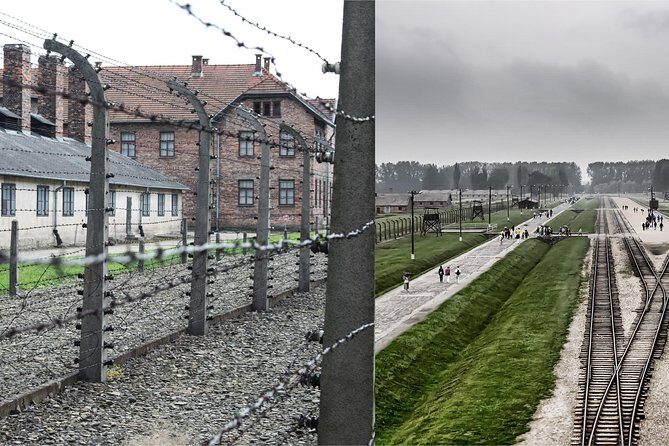
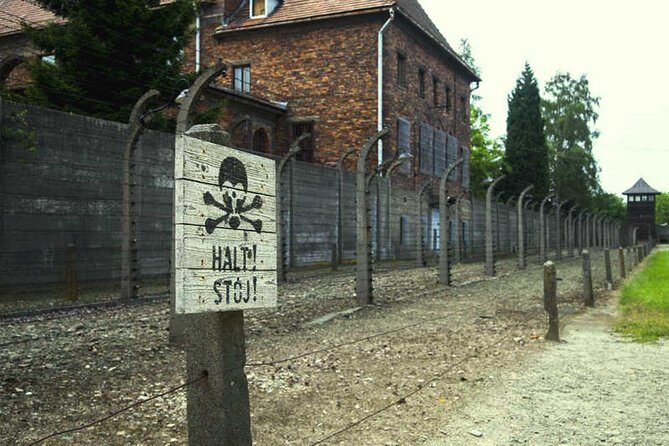
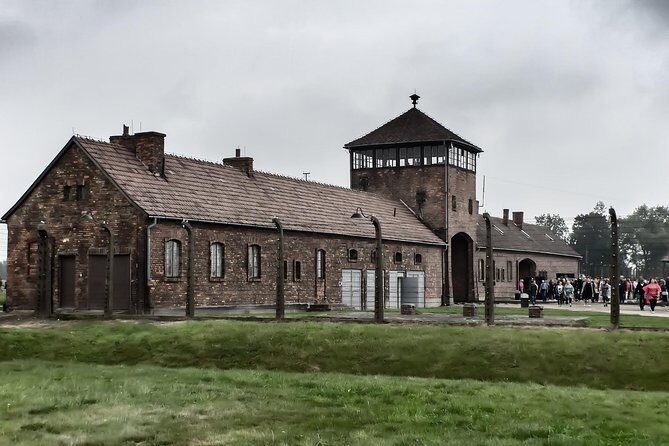
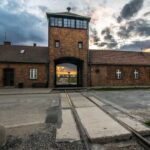
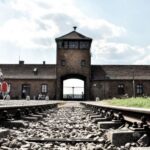
Birkenau is the camp that hits you in the body as much as the mind. The scale is hard to describe until you’re there. This part of the day is about 1 hour at Auschwitz II-Birkenau, with transport by minibus for the short transfer from Auschwitz I.
It’s also where weather becomes a real factor. The tour operates in all weather conditions and says you’ll spend up to 70% of the time outdoors, especially at Birkenau. That means wind, rain, cold, or heat are not side quests—they’re part of the experience. Bring layers. Have something windproof if the forecast looks rough. And if you get cold easily, plan on it here.
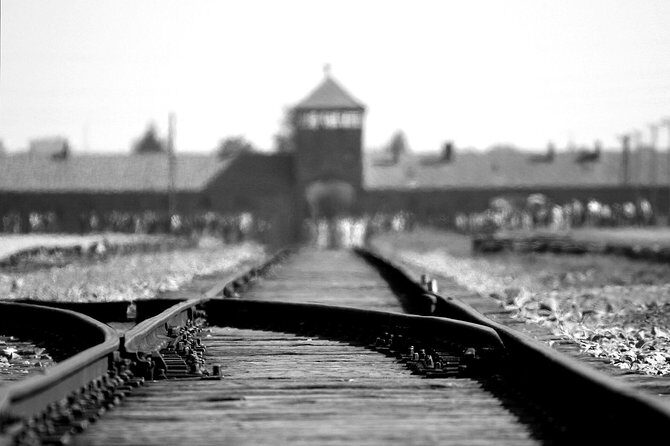
Birkenau can be emotionally intense, too. People often remember specifics: the ruined gas chambers area and the rail lines where prisoners were brought in. Even if you already know the facts, seeing those physical details changes the way the information lands.
The time block matters because Birkenau is not one building you tour and then move on. It’s a site you move through, with long distances and lots of outdoor walking. Reviews in the details you were given point out that mobility can be an issue—stairs show up and the walking can be long on unimproved roads. If you have limited mobility, you should be cautious and choose wisely, because this tour’s value depends on your ability to keep moving.
You’ll likely feel like there’s never enough time to process everything. That’s normal. The honest way to handle it is to focus on what your guide points out most clearly, and then give yourself a quiet minute or two wherever the guide pauses. Even 30 seconds of stillness helps.
Small-group promises: group size, pace, and hearing your guide
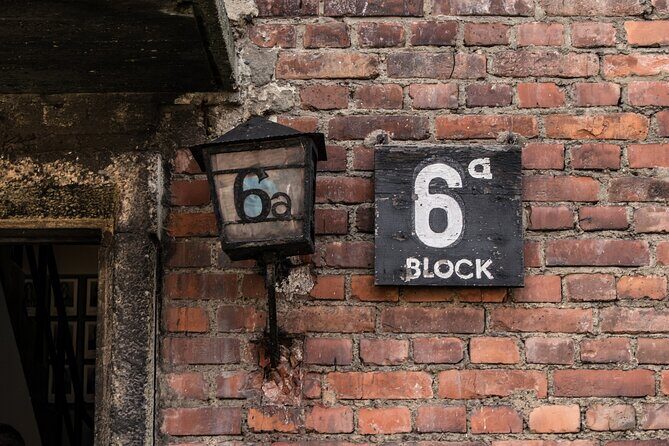
The pitch is clear: small group, easy travel, less stress. You’re told the tour is limited to a maximum of 22 travelers, and the included format also mentions up to 8 people on the smaller group transport.
Here’s the reality you should plan for. Even if your vehicle group is small, you may still be moving through the sites alongside other groups at busy times. Some schedules can feel crowded, and there can be several groups circulating through the same buildings back-to-back. That affects pacing, sound, and how much you can linger.
That’s why I love the idea of this tour’s structure but I’m picky about the details. If you care most about interpretation—understanding why things were built the way they were and what each exhibit is meant to communicate—then a guided format is worth it. If you care most about slow wandering and stopping wherever you want, a fixed-time group plan can feel too controlled.
Watch for the biggest pace-killer: time gaps. This kind of day can include hurry-up waits and waiting between segments. It’s not always obvious in advance because pickup timing depends on museum availability. If you’re the type who needs a clear plan for every hour, pack in a small amount of flexibility (snacks, a book, charging your phone, and a plan for returning to Krakow).
One more value point: an English guide can be the difference between understanding the exhibits and just reading names and dates. In the best versions of this tour, the guide’s answers and explanations keep the visit moving in a meaningful direction. In the weaker versions, the transport gets you there, but your guided experience may not feel as tight as what you expected when you booked.
Price at about $108: what you’re really buying
At $108.42 per person, this tour price can be fair—if the day delivers on the core three: transport, admission, and a guided explanation.
Here’s how to think about value like a local. Admission tickets are included for both Auschwitz I and Birkenau, so you’re not paying extra just to get in. Transportation is also included, with pickup and drop-off at central Krakow accommodations. And there’s a professional English guide listed in the tour features.
Now add in the hidden cost of doing it yourself: time and stress. If you don’t want to manage tickets, buses, and timing on your own, paying for someone else to handle it can be worth it even if you’ve traveled a lot in Europe. Auschwitz is not a place you want to treat like a museum day you can wing.
Still, this is also where risk shows up. The information you were given includes a lot of cautionary notes about last-minute pickup changes and even cancellations in some cases. That means the value math changes if your schedule gets disrupted. If there’s one day in your Krakow trip you cannot afford to lose, build in a backup plan—either a second tour option or a flexible buffer time.
If your top goal is a smooth start with hotel pickup plus a guided narrative, this price can feel like a good deal. If you’re unlucky with communication or timing on the day, the same price can feel overpriced fast—especially if you end up waiting around or spending more time as transport than as a guided tour.
Before you go: ID, luggage, and the early-morning survival checklist
This is the part where most avoidable problems get avoided.
ID is not optional
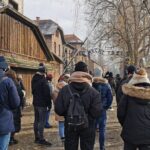
The tour info is explicit: you must bring ID documents to verify. Otherwise security might refuse entry to the museum. Bring your passport or the ID you used for booking, and keep it where you can reach it quickly.
Also note a name-matching rule: the provider requires the full names of all participants for entry. If you have to add or correct names, do it early.
Keep luggage small
There’s a strict luggage size limit: 30 x 20 x 10 cm (about the size of an A4 sheet). A small handbag or wallet is fine. If your bag is bigger, you can leave it in a locked bus parked next to the museum, and the driver will look after it while you’re away.
This is practical: pack light. You’ll be happier with fewer things to carry on uneven ground.
Dress for outdoors, not just museum rooms
The tour says you’ll be outdoors a lot, especially at Birkenau. Bring weather-appropriate clothing. Think layers, comfortable shoes, and something to protect your head and hands depending on the season.
Pickup timing can be early and changeable
Pickup is offered, but it can happen at a weird hour. The pickup window is wide, and you receive the final time at least 12 hours before pickup. That’s the plan. But since real-world timing can shift, message the day before, double-check the pickup location, and be waiting early.
If the hotel pickup info doesn’t come through (or if you haven’t provided your accommodation address), you may need to meet at Floriana Straszewskiego 14. If you want fewer moving parts, send your address exactly as your accommodation lists it.
Should you book this Auschwitz & Birkenau tour?
My honest take: you should book it if your goal is straightforward—get transport, get admission, and get an English guide without spending your precious Krakow time sorting logistics. The structure of Auschwitz I first, then Birkenau, is a smart way to see both camps in one go.
But I’d be cautious if your trip is tight or you can’t absorb schedule changes. The details you were given include multiple reports of late notice problems and cancellations, and that risk matters more than any brochure promise. If it’s your last day in Krakow, or you have a non-flexible flight the next day, I’d strongly suggest building a backup option or adding buffer time.
If you’re okay with early pickup, comfortable walking, and following strict ID and luggage rules, this tour can be a solid way to do Auschwitz properly. If you need maximum freedom to wander slowly or you have limited mobility, you may feel rushed or uncomfortable—so consider a different format.
In other words: book for the guidance and convenience, but protect yourself with a little extra time and a clear backup plan.
FAQ
What’s included in the Auschwitz and Birkenau tour price?
Admission tickets for Auschwitz I and Auschwitz II-Birkenau are included, along with hotel pickup and drop-off in central Krakow and transportation by air-conditioned vehicle. The tour also includes a professional English guide.
How long is the tour?
The duration is about 7 to 8 hours total.
Is hotel pickup included?
Yes. Pickup and drop-off are included for accommodations in central Krakow.
What’s the group size limit?
The tour is limited to a maximum of 22 travelers. The included transport is also described as a small group up to 8 people.
What time does pickup happen?
Pickup can happen between 2:00am and 1:30pm, depending on museum availability to start the tour. You’ll get the final pickup time at least 12 hours before.
Where do I meet if I do not provide my accommodation address?
If you don’t provide your accommodation address, you should wait at the meeting point: Floriana Straszewskiego 14, 33-332 Kraków, Poland.
Are food and drinks included?
No. Food or drink is not included.
Do I need ID to enter?
Yes. Every visitor must bring ID to verify, or security might refuse entry.
Is there a luggage limit?
Yes. The maximum bag size is 30 x 20 x 10 cm. If your luggage is bigger, you can leave it in a locked bus parked next to the museum while you are inside.
Is the tour outdoors and weather-dependent?
The tour runs in all weather conditions, and you’ll spend up to 70% of the time outdoors, especially at Birkenau. Bring weather-appropriate clothing.
Can I cancel for a full refund?
You can cancel for a full refund if you cancel at least 24 hours before the experience’s start time. If you cancel less than 24 hours before, the amount paid will not be refunded.