REVIEW · KRAKOW
Full day tour to Auschwitz-Birkenau and Salt Mine with a local guide from Krakow
Book on Viator →Operated by Auschwitz Tour · Bookable on Viator
Two sites, one long day, zero hassle. This full-day trip from Krakow is built for time-poor travelers who still want both Auschwitz-Birkenau and the Wieliczka Salt Mine in a single shot. I like that it combines museum-led interpretation at Auschwitz with a guided visit deep into the salt mine, then gets you back to town without you wrestling buses and schedules.
My two biggest wins are the door-to-door hotel pickup and the headphones so you can hear the guide clearly. The main drawback is simple: it starts very early and runs about 11 hours, so you’ll need patience and a plan for breaks, especially since food and drinks aren’t included.
In This Review
- Key Things I’d Book This For
- A Very Early Krakow Pickup That Sets the Tone
- Auschwitz I and Auschwitz II: Why the Split Schedule Works
- Walking Birkenau With an English Guide
- Wieliczka Salt Mine: The Best Kind of Contrast
- Minivan Comfort, Group Size, and Hearing the Guide
- Door-to-Door Pickup: Less Stress Than You Think
- Price Check: Is $162.20 Good Value?
- Timing and What the 11 Hours Feel Like
- What to Pack and How to Be Ready at the Gate
- Who This Tour Fits Best
- Should You Book This Auschwitz and Wieliczka Day Trip?
- FAQ
- FAQ
- What time is pickup in Krakow?
- How long is the full day tour?
- Are tickets to Auschwitz-Birkenau included?
- Is the Salt Mine ticket included?
- What language is the tour offered in?
- Do I need a guide at Auschwitz?
- Are headphones included?
- What’s the group size?
- Is food included?
- What documents should I bring?
- Can I cancel for a full refund?
Key Things I’d Book This For

- Hotel pickup and return: you avoid public transit logistics on a demanding day
- Museum English tours at Auschwitz: Auschwitz I gets about 2 hours, then Auschwitz II about 1 hour
- Same-day contrast: heavy history at Auschwitz, then the 700+ year working Salt Mine at Wieliczka
- Comfort-first transport: air-conditioned minivan and shared transfer for up to 25 people
- Clear audio setup: headphones included to cut down on stray conversation and muffled explanations
- You bring the documents: tickets are registered, so bring an ID/passport (or the credit card you used)
A Very Early Krakow Pickup That Sets the Tone
This is the kind of tour that begins before breakfast—pickup happens somewhere between 06:00 and 07:20 depending on your date, and you’ll get the exact time 1–2 days before. On paper, that’s the annoying part. In practice, it’s also a gift: you’re not rushing around Krakow while the day’s heat (and the crowds) build.
You’ll ride in an air-conditioned minivan, and since the group max is 25 travelers, it usually feels controlled rather than chaotic. Also, the format is straightforward: you start from your lodging, you move between sites with a shared transfer, and you finish the day back in Krakow.
One more small but important note: Auschwitz tickets are registered, so you’ll want to bring a document such as your passport, ID card, or the credit card you have to match the registration details. It’s not hard—just don’t assume you can wing it.
You can also read our reviews of more guided tours in Krakow
Auschwitz I and Auschwitz II: Why the Split Schedule Works
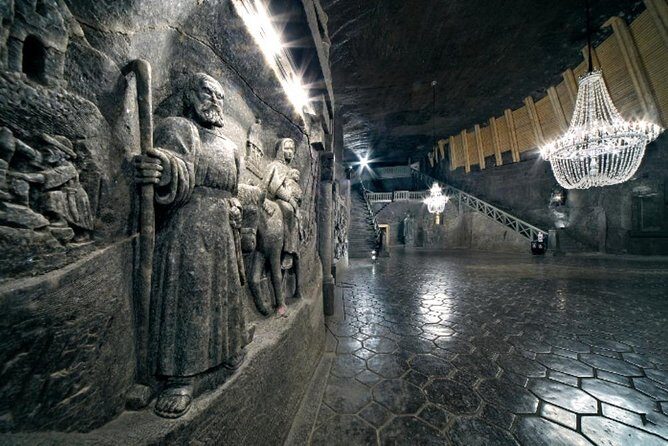
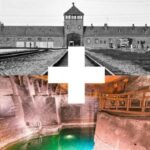
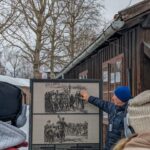
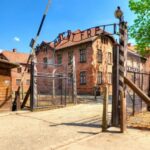
The tour starts at Panstwowe Muzeum Auschwitz-Birkenau. You begin with Auschwitz I, then you transfer to Auschwitz II-Birkenau. The key detail is the pacing: you’ll spend about 2 hours at Auschwitz I on an English tour provided by the museum, then about 1 hour at Birkenau with the same guide.
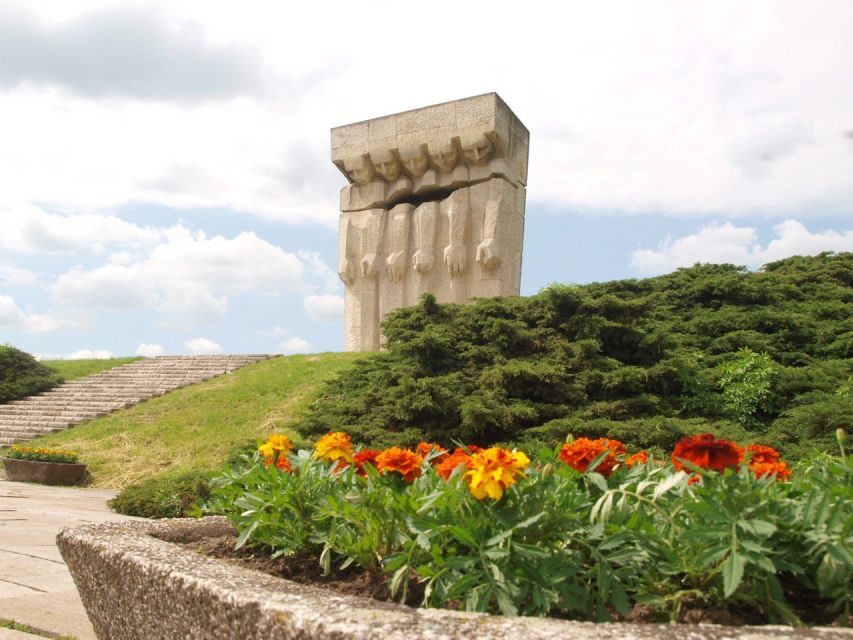
That split matters. Auschwitz I is where the story gets very specific and immediate—buildings, rooms, preserved artifacts, and the system behind what happened. Auschwitz II-Birkenau then shifts your focus to scale: the layout, the camps’ different zones, and the way imprisonment functioned across a larger area.
The experience can hit hard. One visitor story I found especially striking involved someone thinking about the evidence shown in exhibits, like the overwhelming collections of personal items, including thousands of hair and shoes taken from murdered Jews. They described it as a moment that moved from information to something almost physical, the way your mind has to process what words can’t fully carry. That’s why the guided format is valuable—good interpretation helps you stay anchored instead of drifting.
Possible consideration: the tour packs a lot of meaning into a fixed timetable. If you want total freedom to linger in every room, this exact schedule might feel brisk at points. Still, the structure is practical for a full-day itinerary that also includes the Salt Mine.
Walking Birkenau With an English Guide
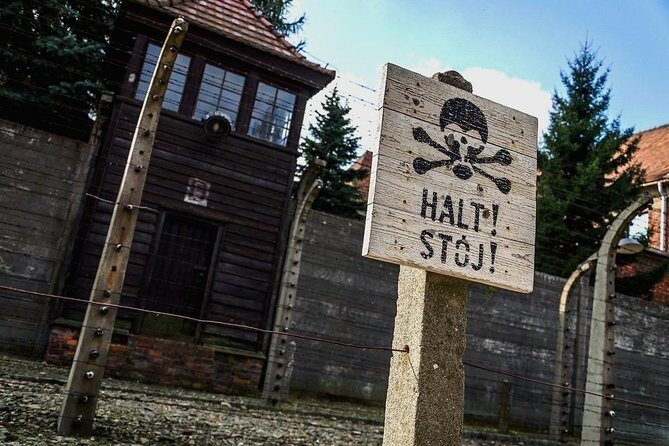
After Auschwitz I, you transfer to Auschwitz II-Birkenau. Here, you’ll have about one hour on an English-guided visit.
One thing I appreciate about having a dedicated time window is that it keeps your brain from trying to multitask. You stop thinking, I’ll remember this later. You start paying attention while you’re there—signposts, layouts, and explanations that connect what you see to the way the camps operated.
You also get one consistent thread: the same guide leads you through Auschwitz II, rather than switching to someone new midstream. That tends to reduce the annoying start-up time of understanding someone’s pace and style.
And yes, it’s somber. It’s also treated as a sacred, preserved site. A visitor I read about described returning to their hotel afterwards, reading the books they bought in the gift shop, and crying as they made sense of what they’d seen. That’s not to say the tour will make you sad in any forced way—it’s more that the place demands respect, and the guided approach helps you keep that respect while still learning.
Wieliczka Salt Mine: The Best Kind of Contrast
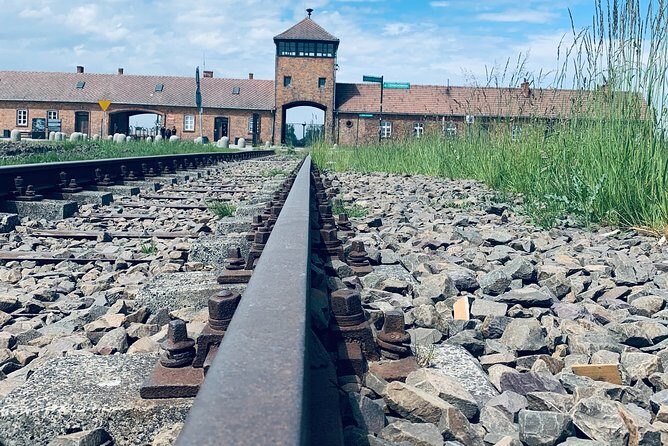
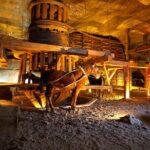
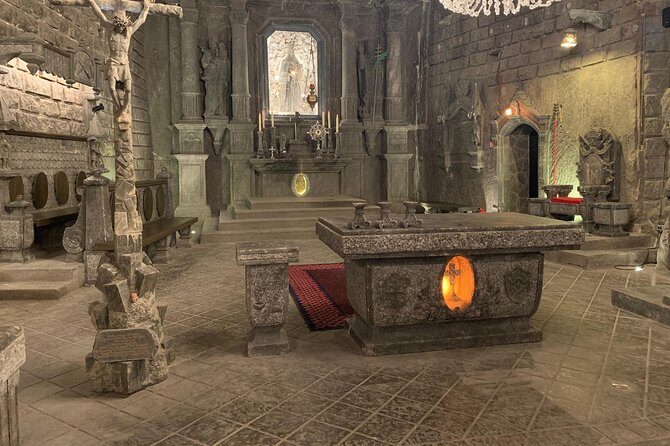
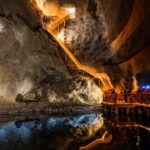
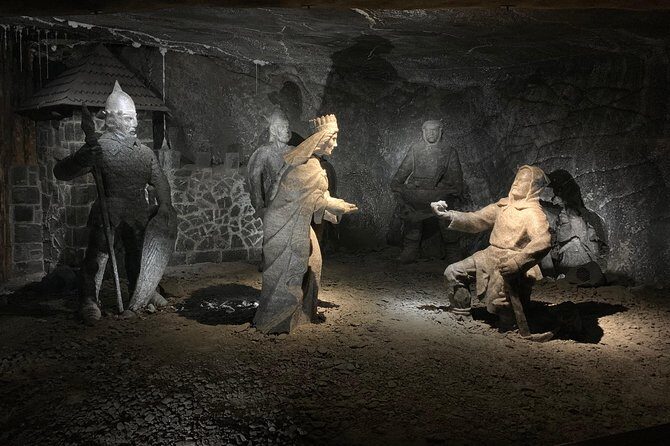
Once Auschwitz is done, you transfer to Wieliczka Salt Mine, one of the oldest working salt mines in the world, producing salt for over 700 years.
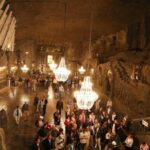
The timing here is smart. You’ve already done the heavy part of the day; then you move into something physical in a different way—underground, carved, and engineered by humans working with salt for generations. The tour includes a guided visit taking about 2.5 hours through a 2.5-kilometer tourist route, with chambers and salt carvings.
It’s a contrast that many people need. Not because it erases the morning, but because it gives your body and attention a different task: walking corridors, seeing craft made from a mineral, and hearing the mine’s working history. In one account, a visitor tied the visit to a wider family history of displacement and survival themes—then described how the day felt educational, reverent, and ultimately grounding. That’s the “balance” you’re aiming for on a long day like this.
A small practical detail: tickets for the Salt Mine are listed as included/free in the itinerary segment and are part of the package inclusions. So you’re not scrambling for another paid ticket or trying to time entry after Auschwitz.
Minivan Comfort, Group Size, and Hearing the Guide
This isn’t a private tour. It’s a shared transfer in an air-conditioned minivan, with a max group size of 25 travelers.
That group size is a sweet spot for this kind of day. Big enough that the cost stays reasonable, small enough that the logistics stay manageable. You’re also given headphones, which helps a lot. Museums and guides work best when you’re not fighting for volume, especially on buses where everyone wants to talk.
Also, the tour uses a mobile ticket, which is convenient. Still, the registered-ticket reminder remains important: bring your ID/passport/credit card so everything lines up.
You can also read our reviews of more tours and experiences in Krakow




Door-to-Door Pickup: Less Stress Than You Think
You’re picked up directly from your hotel or apartment in Krakow, then you return after the full itinerary. For a day this long, door-to-door can be the difference between a calm morning and a frantic scramble.
This is especially true when you combine two major sites. If you try to do them separately on your own, you risk running into mismatched entry times, transport delays, and the kind of end-of-day fatigue that makes you skip the last part even if it’s included.
The trip’s format is basically: morning history, midday transfer, then the Salt Mine, all with shared logistics done for you.
And since confirmation is generally sent after booking (unless you book within 3 days), you’re not stuck waiting without clarity. You also get your exact pickup time 1–2 days ahead, which helps you plan sleep and breakfast.
Price Check: Is $162.20 Good Value?
At $162.20 per person, this is not a budget option. But it can be good value for what you get: two major attractions in one day, entry to Auschwitz-Birkenau, entry to the Salt Mine, a museum-provided English tour at Auschwitz (including Auschwitz I and II), plus transport by minivan and headphones.
What you avoid paying for separately:
- separate transport arrangements from Krakow
- separate time slots and entry coordination
- the hassle cost of finding guides and managing audio issues
It’s also booked pretty far ahead on average—about 68 days in advance—which usually signals steady demand for a popular schedule. That matters if you like having options. When you book early, you’re more likely to get the pickup slot and timing that works for your day plan.
So, value comes down to your priorities:
- If you want both sites and don’t want to plan logistics, the price starts to look fair.
- If you’d rather travel at your own pace and you already know how you’ll handle transport and tickets, you might compare to DIY costs.
Timing and What the 11 Hours Feel Like
The duration is listed as around 11 hours. The day is front-loaded with Auschwitz time: about 2 hours at Auschwitz I, about 1 hour at Auschwitz II. Then you move to Wieliczka for a tour of about 2.5 hours, plus transit time.
That means:
- You’ll likely feel the early start more than the mine.
- Lunch will need to be planned on your own since food and drinks aren’t included.
My advice is to treat the day like a marathon, not a stroll. You can’t fix the schedule once you’re on it, so come ready: document in your bag, water/snacks handled how you prefer, and a mindset that this is one of those days you’ll remember long after you forget what you ate.
What to Pack and How to Be Ready at the Gate
Based on what the tour requires, here are the practical essentials you shouldn’t skip:
- Bring a passport, ID card, or the credit card used for registration, since Auschwitz tickets are registered
- Keep your mobile ticket available on your phone
- Bring something for food and drinks since nothing is included
- Bring headphones help for clarity—though your tour includes them, it never hurts to have your phone charged just for navigation and the mobile ticket
If you’re the type who hates missing instructions at busy entrances, this tour is set up to be straightforward. Just don’t show up without your documents.
Who This Tour Fits Best
I think this is a strong match if you:
- want to see both Auschwitz-Birkenau and Wieliczka in one day from Krakow
- prefer guided interpretation in English with an organized schedule
- want hotel pickup and a minivan instead of public transit
- like having fixed entry timing so you can plan the rest of Krakow around it
It’s also a good fit for first-timers who want structure. On your own, you can easily end up with too much wandering and not enough explanation.
If you’re someone who needs complete freedom to linger at each exhibit or you’re very sensitive to time pressure, you might consider a different pace. Still, for most people, the plan hits a useful balance between learning and logistics.
Should You Book This Auschwitz and Wieliczka Day Trip?
If your priority is efficiency plus high-quality guidance, I’d lean yes. You’re getting a smooth door-to-door day, museum English guidance at Auschwitz, included entry to both sites, and a scheduled minivan plan that reduces decision fatigue.
Book this if:
- you want one day to cover two top Krakow-region destinations
- you value headphones and guided tours rather than relying on self-reading in high-stakes places
- you’d rather spend mental energy absorbing the sites than managing transport
Skip or think twice if:
- you strongly dislike early mornings and long days
- you want total freedom to move at your own speed without a set timeframe
- you’re not comfortable with the emotional weight of Auschwitz-Birkenau (this day will ask a lot)
FAQ
FAQ
What time is pickup in Krakow?
Pickup is scheduled between 06:00 and 07:20 a.m., depending on the tour date. You’ll receive the exact pickup time 1 or 2 days before your trip.
How long is the full day tour?
The duration is listed as approximately 11 hours.
Are tickets to Auschwitz-Birkenau included?
Yes. Entry/admission to Panstwowe Muzeum Auschwitz-Birkenau is included.
Is the Salt Mine ticket included?
Yes. Entry/admission to the Salt Mine is included.
What language is the tour offered in?
The tour is offered in English.
Do I need a guide at Auschwitz?
You join an English tour provided by the museum at Auschwitz I, and then you continue with the same guide at Auschwitz II.
Are headphones included?
Yes. Headphones are included so you can hear the guide clearly.
What’s the group size?
The maximum group size is 25 travelers.
Is food included?
No. Food and drinks are not included.
What documents should I bring?
Because Auschwitz tickets are registered, bring a document such as an ID card, passport, or credit card.
Can I cancel for a full refund?
Yes. Cancellation is free up to 24 hours before the experience start time for a full refund. If you cancel less than 24 hours before, the amount paid is not refunded.