REVIEW · KRAKOW
Krakow: Interactive Adventure Guidebook: PL/EN/DE/ES
Book on GetYourGuide →Operated by CITY TELEPORT · Bookable on GetYourGuide
Krakow becomes a game. This smartphone adventure guidebook turns famous streets into a puzzle trail, with challenges, sound bites, and built-in photo stops. I really like the self-guided pacing (you walk when you want, with breaks allowed), and I also love the route planning that stitches together big sights like Wawel and the best corners of Kazimierz. One thing to watch: you’re fully reliant on your phone battery and on getting the language puzzles right, since some answers may be picky about how you type place names.
The experience is simple to start: you choose your language and family/no-kids style in the app, then follow maps and interactive spots without installing anything. You can begin from either Plac Świętego Ducha (Old Town) near the Juliusz Słowacki Theatre, or from the square at the Old Synagogue in Kazimierz, and you finish back at your starting point.
In This Review
- Key things you’ll like about this Krakow adventure
- Why a smartphone riddle route makes Krakow easier
- Choosing your route: Old Town + Wawel, Kazimierz, or full city
- Getting started at Plac Św. Ducha or the Old Synagogue
- Walking the Royal Core: Theatre, Barbican, Collegium Maius, and Market Square
- Wawel Hill: cathedral grounds and the legend-built feel
- Kazimierz walk: squares, synagogues, and the lane-by-lane mood
- Green boulevards and Vistula views: where the city loosens up
- Language options, sound guidance, and the one thing to be careful about
- Timed options: 1.5 hours vs 3 hours (and why you should pick honestly)
- Price and value: $16 per group up to 5
- Practical tips so your phone adventure doesn’t turn into phone stress
- Who this adventure guidebook suits best
- Should you book this Krakow adventure guidebook?
- FAQ
- What language options are available?
- Do I need to download an app?
- How long are the tours?
- Where do I start, and do I return to the start?
- Is a tour guide included?
- Are attraction entrances included?
Key things you’ll like about this Krakow adventure
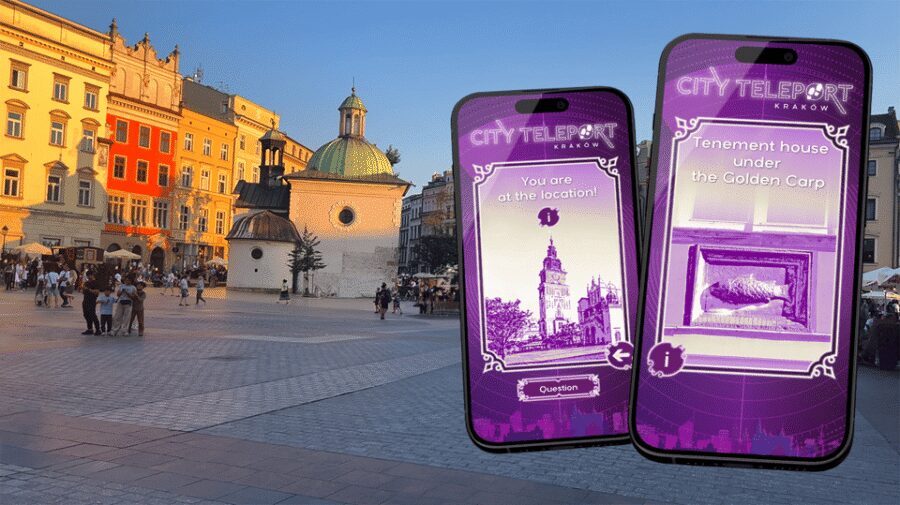
- Riddle-first walking through Old Town streets and Kazimierz alleys
- Photo spot prompts so you don’t just pass by the good angles
- Two route styles: Old Town + Wawel, Kazimierz, or the longer Old Town + Kazimierz combo
- Sound recordings and clear navigation with parts along the way
- Family and no-kids versions plus suggested resting spots and playground notes
Why a smartphone riddle route makes Krakow easier
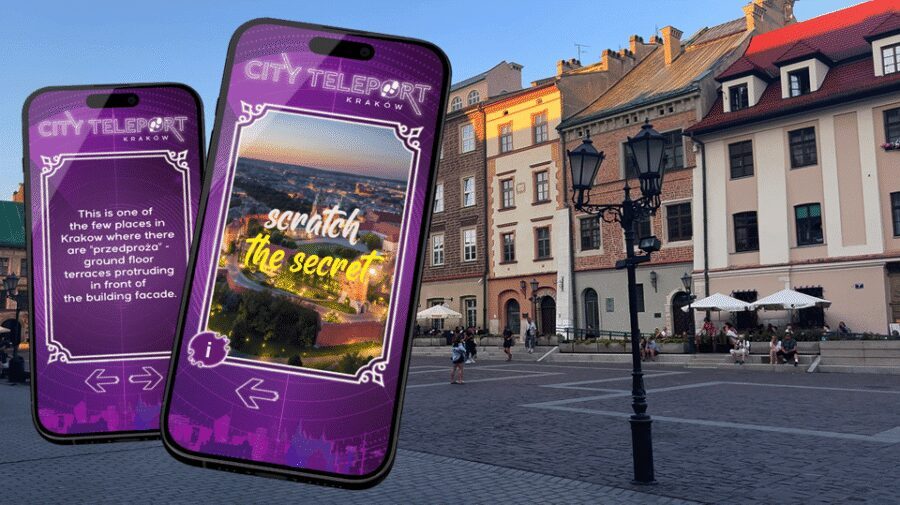
Krakow is the kind of city where you can walk for hours without getting bored. Still, it’s also easy to lose time by veering off course or stopping at the wrong moment for photos. This experience fixes that with a very practical approach: you follow a path built around major landmarks, but you’re always doing something—solving a clue, locating a spot on the map, or completing a challenge.
What you gain is focus. Instead of reading long explanations on a sign, you get guided micro-moments: look here, notice that, then answer. That keeps your feet moving and your eyes working. I also like that it’s not just “go to place, read plaque.” You’re encouraged to hunt for details and hidden corners, which is exactly where Krakow shines.
You can also read our reviews of more tours and experiences in Krakow.
Choosing your route: Old Town + Wawel, Kazimierz, or full city
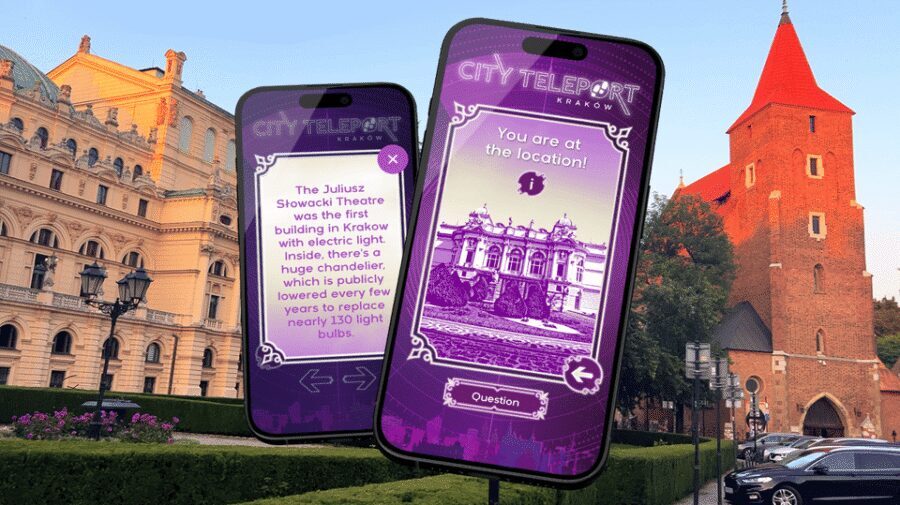
You get to pick from three options, and that matters more than it sounds. Krakow’s vibe changes fast between the Royal core (Old Town and Wawel) and the Jewish quarter atmosphere of Kazimierz. If you only have a short window, choosing the right side of town helps you avoid the classic problem of running out of time while you’re still at the first quarter.
Here’s the practical breakdown of what those choices mean for your walk:
- Old Town + Wawel: Great if you want the skyline moment, the big monuments, and the postcard streets around the Main Market Square area.
- Kazimierz: Great if you care more about synagogues, squares, and the smaller lanes with that historic neighborhood feel.
- Full city (Old Town + Kazimierz): The best choice if you want both worlds in one go, and you’re comfortable with a longer, more continuous walk.
The experience also mentions routes that include Wawel Castle areas (like the cathedral and royal courtyards) and the dragon legend tied to the castle grounds. It’s a smart way to connect what you see with what you’re trying to solve, so the landmarks feel less like checkboxes and more like clues in a larger story.
Getting started at Plac Św. Ducha or the Old Synagogue
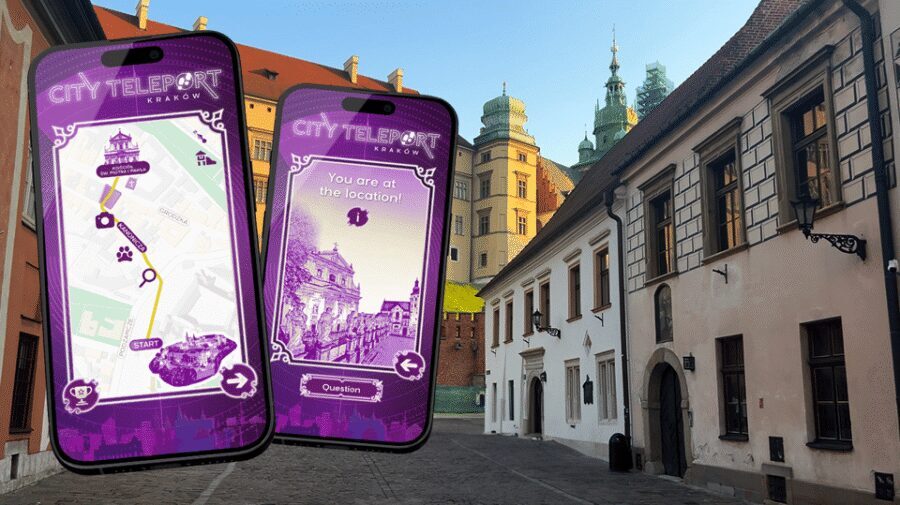
You choose one starting point in advance from inside the experience. From the Old Town start, you begin at plac Świętego Ducha, a small square with benches near the Juliusz Słowacki Theatre. It’s an easy way to begin because you’re already in the center of the historic core.
From the Kazimierz start, you begin at the square at the Old Synagogue. That choice instantly sets the mood: you’re in the neighborhood you came for, and the walk naturally follows the Jewish quarter’s sights.
Either way, you can start anytime and take breaks as you need. That is a big deal in Krakow because your day can shift around weather, crowds, and how long you linger for photos.
Walking the Royal Core: Theatre, Barbican, Collegium Maius, and Market Square
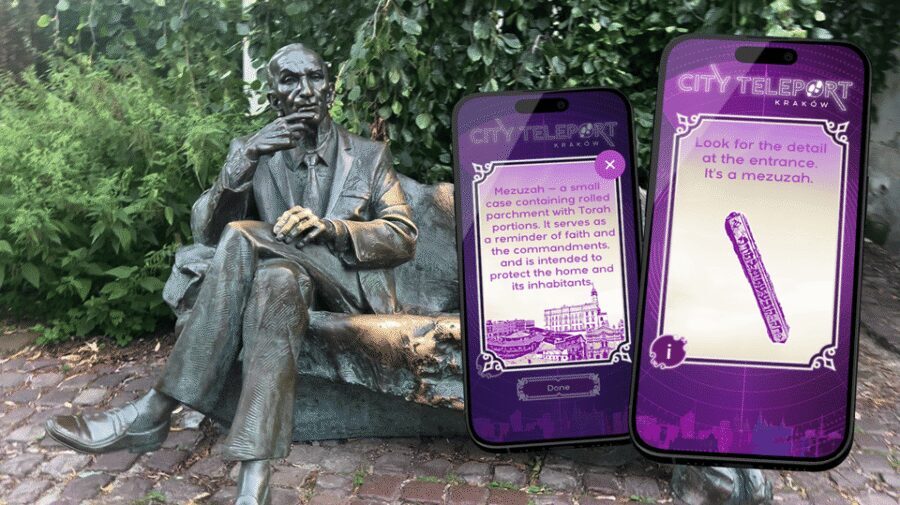
If your route begins in Old Town, you’ll move through a sequence of landmark-style stops that steadily funnels you toward Krakow’s classic heart.
Juliusz Słowacki Theatre is a good first anchor. It’s one of those buildings that immediately tells you you’re in a major civic center, not just a patchwork of old streets. Starting here also makes the experience feel organized right away because you’re dropped into a clear, central spot before you head into smaller lanes.
Next up is the Kraków Barbican. This is a great “pause and look” kind of place. The Barbican makes a strong visual impression, and it’s exactly the sort of structure that works well with a riddle trail, because clues often depend on spotting details in the surroundings.
Then you’ll reach Muzeum Uniwersytetu Jagiellońskiego Collegium Maius. Even if you don’t go inside, the stop helps you connect Krakow’s historic university presence with the rest of the Old Town. It’s a moment that can feel surprisingly atmospheric when you’re moving on foot and switching between open squares and narrower streets.
From there, you’ll hit two key market-zone stops: Mały Rynek and Main Market Square. These are the places you’re supposed to see in Krakow, but the riddle format changes how you experience them. You’re not just walking through a crowd of viewpoints; you’re scanning for the next required answer and photo angle. That often means you notice storefront details and building rhythms you’d usually ignore.
Finally in the Old Town flow, you’ll pass through plac Szczepański and then continue along streets like Grodzka Street and Kanonicza. Those names matter because they guide you along the path toward the Wawel area rather than turning the whole experience into a loop around the Market Square.
Wawel Hill: cathedral grounds and the legend-built feel
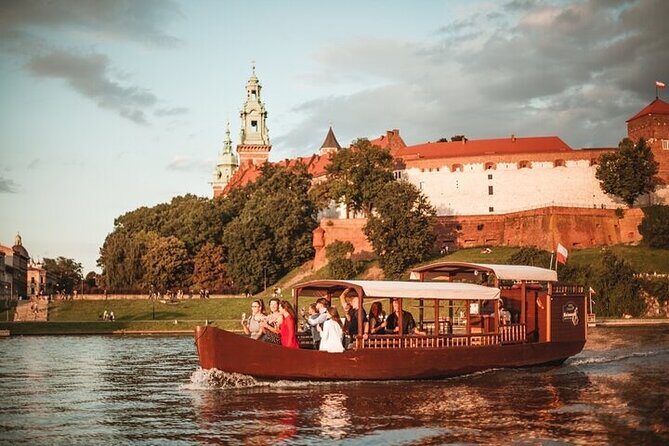
As your route approaches Wawel Hill, the experience explicitly includes Wawel Castle with the historic cathedral and the Renaissance palace and royal courtyards protected by the legendary dragon. Even when you’re not spending long inside ticketed spaces, this section can feel like the climax of the day because Wawel towers over the walk.
What I like here is that the experience ties the visuals to content you can use. You’re not only looking up at stone and towers; you’re actively working through challenges that encourage you to notice specific elements. That helps you remember the day later, not just the general impression.
One practical note: the experience states that entrances to attractions are not included. So if you want to go inside the cathedral or other sites tied to Wawel, you’ll need to plan tickets separately. Even so, you can still enjoy the route as a high-impact walk and save the indoor time for when you really want it.



Kazimierz walk: squares, synagogues, and the lane-by-lane mood
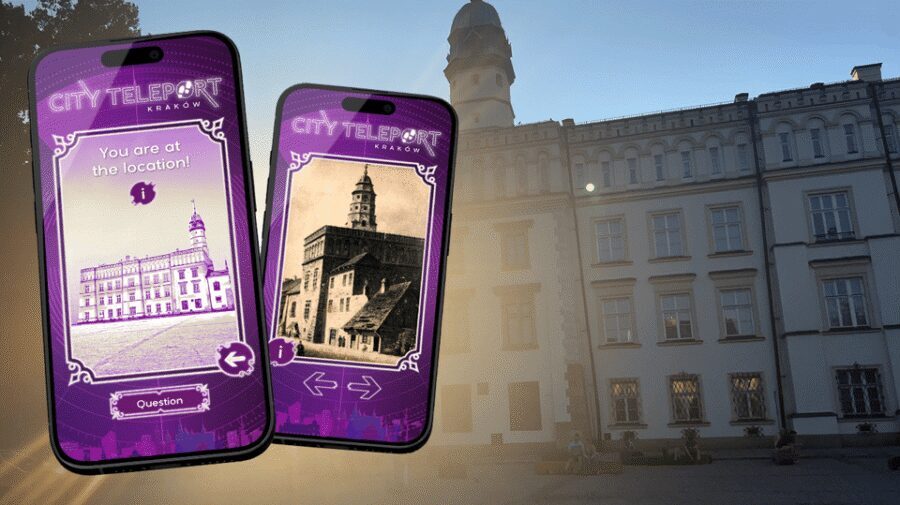
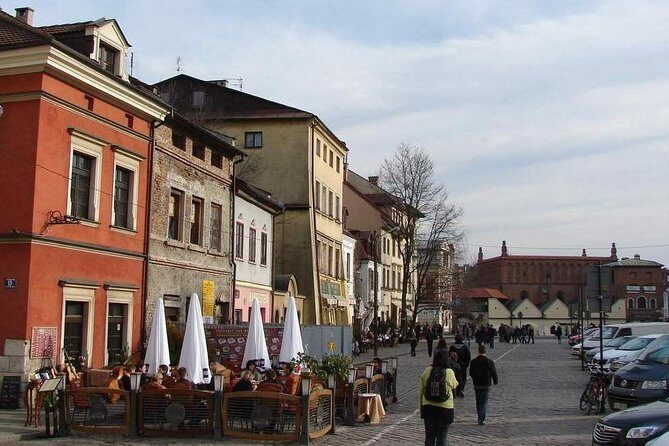
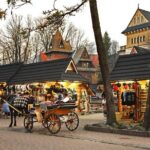
If you choose a Kazimierz-focused route, the experience starts you in the right place for that neighborhood feel. You’ll move through major stops like Wolnica Square, plac Nowy, and the area around Tempel Synagogue, along with historic synagogue sites such as the Old Synagogue.
Kazimierz is different from the Royal core in a simple way: the streets feel smaller, the corners feel more intimate, and the atmosphere is more about day-to-day neighborhood texture than grand monument vistas. A riddle trail works well here because it slows you down without making you feel stuck. You’re naturally scanning storefronts, stonework, and street layouts as you work toward the next challenge.
A big part of this area is the synagogue segment. The experience specifically includes stops tied to the Old Synagogue and the Tempel Synagogue, plus nearby lanes like Szeroka Street and squares such as Nowy Square and Wolnica Square. Again, entrances are not included, so you might view some sites from outside depending on access hours and ticketing—but the route still helps you connect the geography of Kazimierz to what you’re looking at.
Szeroka Street is a particularly fun stretch for a puzzle walk. It’s a place where you can slow down for photos and let the clues guide you to interesting details instead of just following foot traffic. And because the guide includes maps with interactive spots plus sound recordings, you can turn on your attention without needing to stare at a phone screen nonstop.
Green boulevards and Vistula views: where the city loosens up
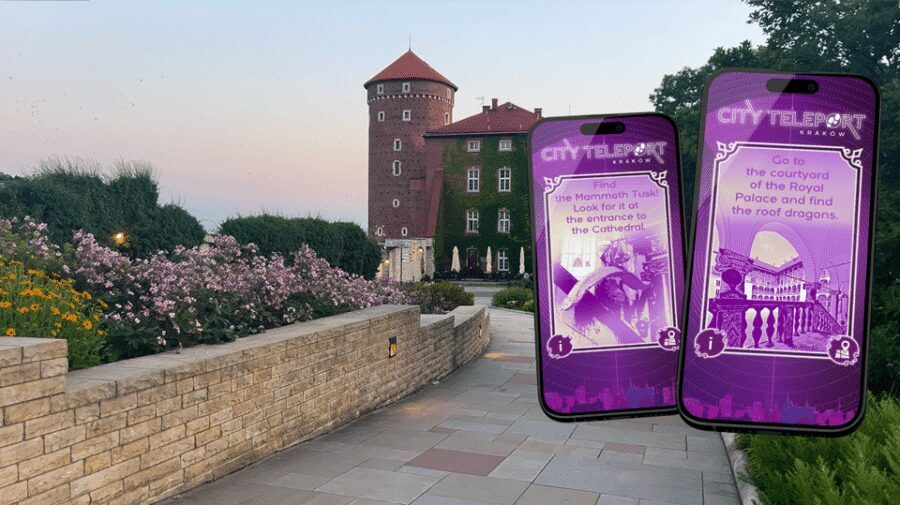
One of the quieter advantages of this route design is that it includes green boulevards and city greenery with picturesque alleys, trees, benches, and viewpoints. The experience explicitly connects this section to views along the Vistula, Krakow’s great river.
These “breathing” stretches matter because a full city walk can otherwise become one long concentration test. Here, the route gives you a chance to stand still, get a view, and reset. If you’re walking with family or friends, these breaks also make the puzzles feel more like fun moments than chores.
The experience even mentions resting spots and kinder playgrounds, which is a practical heads-up if you’re traveling with kids. Even if you’re not, those notes are helpful for planning where to pause without wandering blindly looking for someplace to sit.
Language options, sound guidance, and the one thing to be careful about
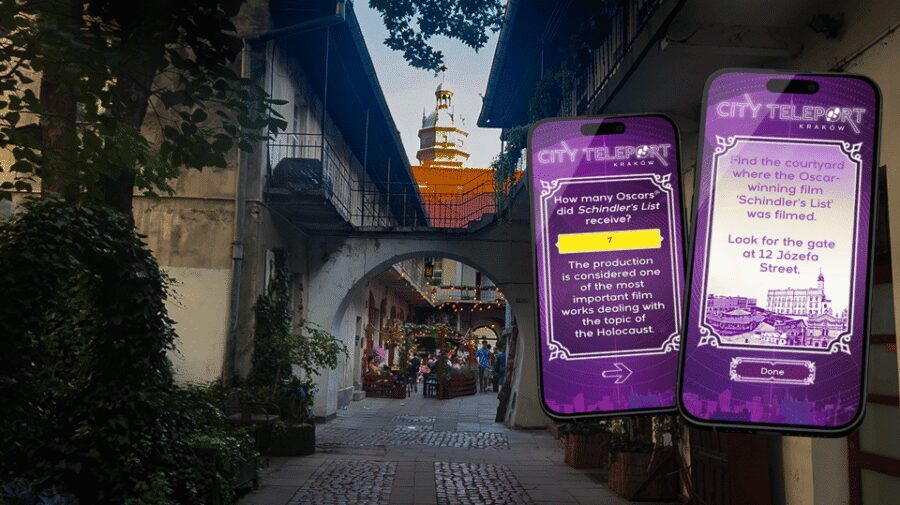
The experience runs in Polish, English, German, and Spanish. You also choose a family version versus a no-kids version inside the app, so the tone and challenges can match your group.
Now for the realistic caution that can save you frustration: one thing I’d plan for is that the puzzle validations may not always accept every language input equally. The information from a past experience points to times where answers were only validated if typed in Polish, and where place names might not match if they’re handled differently in translation. That doesn’t mean the whole experience fails in English or another language, but it does mean you should be ready to do a small workaround:
- If a puzzle answer doesn’t validate, try again using the language the tour expects for that field.
- If it’s a proper noun (place name), double-check spelling and accents.
Sound recordings and clear navigation help a lot here. If you can listen and follow the route without forcing yourself to type constantly, you’ll likely stay in a good rhythm.
Timed options: 1.5 hours vs 3 hours (and why you should pick honestly)
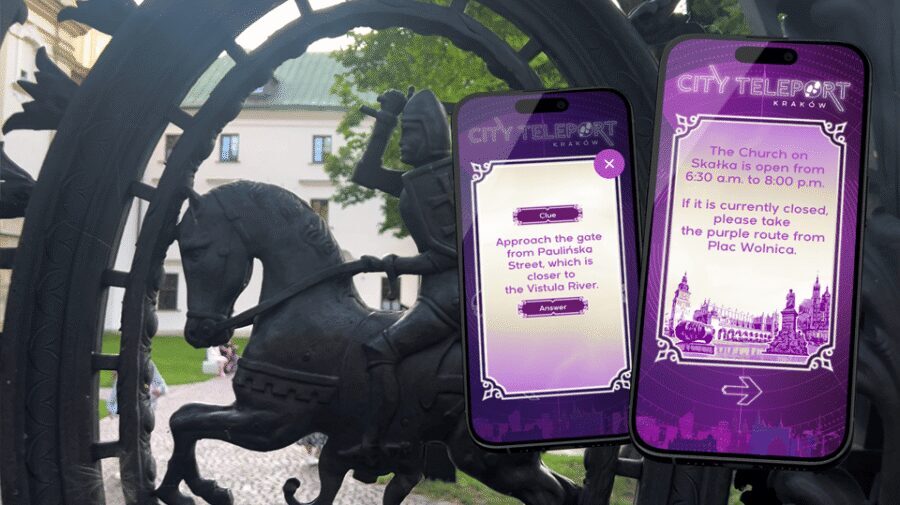
You’ll see tour options described as about 1.5 hours or 3 hours. In real terms, the shorter option is best if you want a strong sampler without committing to every corner. The longer option fits better if you want time for photo stops, a slower puzzle pace, and maybe one or two “sit and think” moments.
Your choice should match your energy, not your ambition. Krakow’s Old Town can feel like a lot even when you’re enjoying it. So if you’re traveling with kids, older relatives, or simply want a low-stress day, go for the shorter route even if you could handle more time.
Price and value: $16 per group up to 5
The price is listed at $16 per group up to 5, which is unusually good for what you’re getting. You’re paying less for the experience than you would for a typical guided hour—yet you still get the structure of a guided route: designed stops, map support, and puzzle content.
This works best when you’re traveling in a small group. If you’re two or four people, it becomes a low-cost way to keep everyone engaged without splitting up. If you’re solo, it’s still a fair deal because you’re not relying on other people’s pace; you’re following a designed walk that can stretch or compress based on your breaks.
One important value note: the cost covers the interactive guide content, not attraction entrances or food. So treat it like a smart way to walk and learn, and then budget tickets separately if you want to go inside Wawel or the synagogues.
Practical tips so your phone adventure doesn’t turn into phone stress
This experience is easy, but it runs on two basic ingredients: your phone and your legs.
- Charged smartphone is a must. The experience says you should bring a charged device, and you’ll quickly feel why when you’re halfway through a clue and your battery drops.
- Comfortable shoes matter. You’re walking a city route with stops designed for exploration, not a sit-down tour.
- No installation required. The experience works on iOS and Android without installing an app, so you should be able to start without extra fuss once you have the web link.
- Not for wheelchair users and not suitable for people over 95 is explicitly stated. If that affects you or your group, plan an alternate format.
Who this adventure guidebook suits best
This is a great match if you want Krakow in a “walk, solve, look” format rather than a lecture. It’s also a strong choice if you’ve already done the major sights and want a way to make the surrounding streets feel meaningful.
I’d especially recommend it for:
- Couples and small groups who want a shared challenge
- Families with kids (since there’s a family version and kid-friendly notes)
- Travelers who dislike being rushed and love exploring at their own speed
- People who like photo walks where someone else already figured out the good angles
Should you book this Krakow adventure guidebook?
If you want a flexible way to explore Krakow that keeps you moving and noticing details, I’d say yes—particularly if you’re traveling with up to four others and you value a structured route with a playful twist. The puzzles and challenge format make the walk feel lighter, and the route design connects big landmarks like Wawel and Kazimierz without turning your day into a stressed sprint.
Skip it if you hate phone-based activities, you’re likely to run out of battery, or you need step-free access for mobility needs (it’s not suitable for wheelchair users). Also be honest about language: if you’ll be typing answers, keep that potential “language validation” quirk in mind and don’t panic when something asks for a place name spelling.
Overall, it’s a solid value way to experience Krakow with your own pace, while still giving you enough structure that you don’t wander without purpose.
FAQ
What language options are available?
The adventure guidebook is available in Polish, English, German, and Spanish. You choose the language version inside the experience.
Do I need to download an app?
No. It’s described as a smartphone-based guidebook that requires no installation and works on iOS and Android.
How long are the tours?
You can choose between about a 1.5-hour tour and a 3-hour tour, depending on the option you pick and how you move through the route.
Where do I start, and do I return to the start?
You can choose one of two starting points: plac Świętego Ducha in Old Town, or the square at the Old Synagogue in Kazimierz. The experience ends back at your starting point.
Is a tour guide included?
No. This is self-guided, so there’s no tour guide included.
Are attraction entrances included?
No. Entrance fees to attractions are not included, and the experience focuses on the walking route and interactive content.