REVIEW · KRAKOW
Nowa Huta Tour from Krakow: Communist City, Vodka & Zapiekanka
Book on Viator →Operated by Krakow Urban Tours · Bookable on Viator
Nowa Huta changes the way you see Krakow. This 4-hour walk-and-tram trip takes you into a planned communist district where everyday life under socialism is explained through real spaces, objects, and stories. I especially like the Podziemna Nowa Huta underground museum, and I also enjoy the way the tour turns history into something you can taste with zapiekanka and a shot of vodka.
The main thing to consider is that this tour leans more on lived experience and community stories than on a strict architectural lecture. If you want a very detailed breakdown of socialist realism design choices or a long, politics-heavy discussion of protest movements, you might find the pacing a bit more human-focused than you expected.
In This Review
- Key highlights you will feel on the ground
- Why Nowa Huta feels different from the rest of Krakow
- Podziemna Nowa Huta: the bunker museum that puts ideology in your hands
- The socialist city walk: wide avenues, symmetric blocks, and planned life
- The zapiekanka and vodka stop: tasting everyday life, not just history
- Arka Pana at the end: when faith turned into resistance
- Price and logistics: what $114.14 buys you (and what it does not)
- Small group size and guide impact: why the day feels personal
- Who should book this Nowa Huta tour?
- Getting value from the stops: simple tips before you go
- Should you book this Nowa Huta tour?
- FAQ
- How long is the Nowa Huta Tour from Krakow?
- How much does the tour cost per person?
- Is the tour offered in English?
- How many people are in the group?
- Where do we meet, and where does the tour end?
- What’s included in the price?
- Is the underground museum open every day?
- Does the tour offer hotel pickup?
- Is it vegetarian-friendly or suitable with food allergies?
- Can I cancel for a refund?
Key highlights you will feel on the ground
- Underground bunker museum with original rooms, objects, and propaganda displays
- A planned socialist-city walk through wide avenues, symmetric blocks, and monumental squares
- Zapiekanka plus vodka at a local place that feels like it belongs to residents
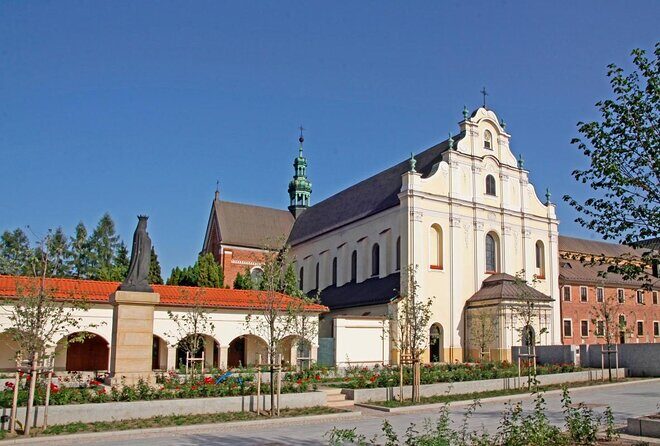
- Arka Pana church ending that ties faith to resistance in Nowa Huta’s story
- Small group size (max 12) and an easy tram flow in and out of the district
- English-speaking local guides who bring personal perspective from Krakow’s communist era
Why Nowa Huta feels different from the rest of Krakow
Most Krakow sightseeing shows you beauty from the past that survived history’s storms. Nowa Huta is different. It was built with ideology in mind, with city planning meant to shape habits, jobs, and daily rhythms. You do not just see buildings. You learn how beliefs were supposed to control life.
This is the kind of tour where you get context fast. The route starts underground, where you’ll see how Cold War fears translated into shelters and planning. Then you move above ground into an urban layout designed to look orderly and controlled. Finally, the day closes with a church built despite pressure from communist authorities, so you can see how people pushed back using faith and solidarity.
You can also read our reviews of more city tours in Krakow

Podziemna Nowa Huta: the bunker museum that puts ideology in your hands
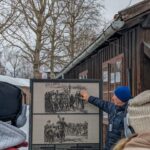
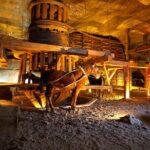
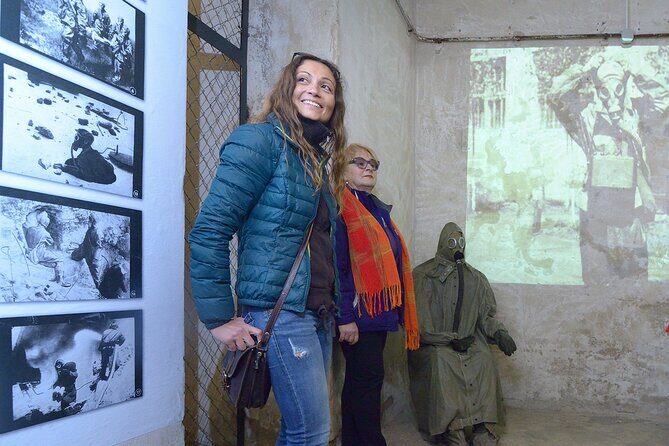
The first stop is the Podziemna Nowa Huta underground museum at Muzeum Krakowa. You’ll go into a former Cold War shelter, and that setting matters more than you might think. The museum does not feel like a slideshow. It feels like a place where daily life under communism was boxed into rooms, storage, household items, and staged messaging.
You’ll spend about 45 minutes here, with the museum ticket included. Expect interiors and displays that help you connect big historical ideas to small objects: how people were expected to live, what propaganda tried to enforce, and how ideology shaped routines. Guides also tend to explain what Nowa Huta was built for in the first place, and why its existence tied into wider post-war politics in Poland.
One practical note: the museum can be closed on Mondays. If your trip includes a Monday, you’ll want to adjust your schedule so you do not miss the most central part of the experience.
The socialist city walk: wide avenues, symmetric blocks, and planned life
After the museum, you head out on foot to explore Nowa Huta’s planned city design. This part runs about 30 minutes and is free, so your money goes mainly to the museum and the guide work.
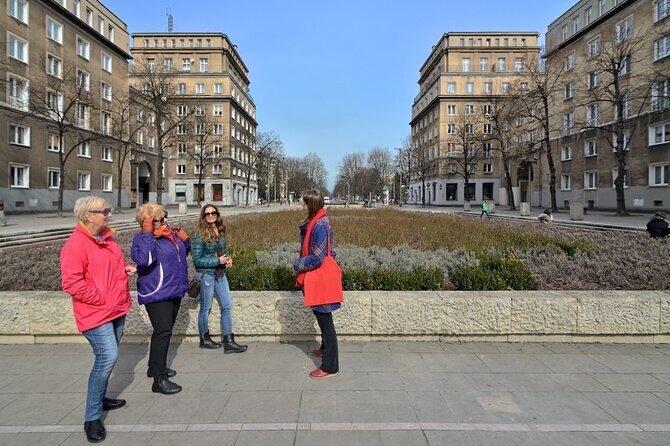
Here’s what makes the walking section useful: your guide connects physical design to social goals. You’ll notice the wide avenues and the more formal, symmetric layout of housing blocks. Public spaces and monumental squares were built to project order and collective identity. In other words, it was not only about housing. It was about shaping how people move, meet, and feel like they belong to a system.
Then you’ll pass a key cultural landmark: the Nowa Huta Cultural Centre. Even if you do not go inside, it’s a strong reminder that socialist values were meant to be taught through art, theatre, and music—not just through industry and policy. Your guide should also point out how the district has changed since the fall of communism, so the story doesn’t end when the regime did.
Ground-level walking is part of the deal. Still, the pacing is designed to be workable: guides can adjust the tempo to your comfort, and the area is described as fairly level in practice. I’d still wear comfortable shoes because you’re on your feet for much of the morning/afternoon window.
The zapiekanka and vodka stop: tasting everyday life, not just history
The tour adds a food-and-drink moment that feels more authentic than a typical souvenir-style snack. You stop at a local place to try zapiekanka, the iconic Polish open-faced toasted baguette. Then you get a shot of traditional Polish vodka.
This stop lasts about 45 minutes, and it includes the snack and the vodka degustation. The big value here is social context. Food is how you understand daily life. In a communist-era setting, meals were not just about taste; they were part of how people gathered, coped, and built routines in a system where choices could be limited.
A smart detail: the vodka and snack are served in a communist-style bar, and the stop is positioned as off the main tourist path. That matters because it can keep your money in local businesses rather than feeding only the most obvious tourist zones.
Food preferences matter, and the tour has some flexibility. Vegetarians are welcome on all tours. If you have multiple combined food allergies or you’re vegan, you’ll need to flag that ahead of time so the team can handle it appropriately.
Arka Pana at the end: when faith turned into resistance
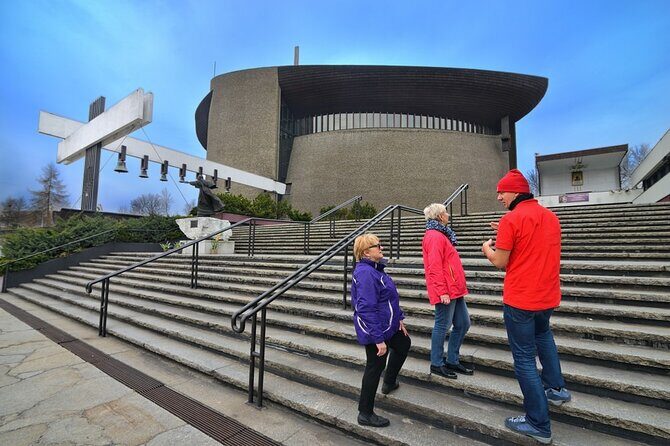
The final stop is the Church of Our Lady Queen of Poland, known as Arka Pana (The Ark of the Lord). This is not just a pretty end point. It’s the emotional finish to Nowa Huta’s story.
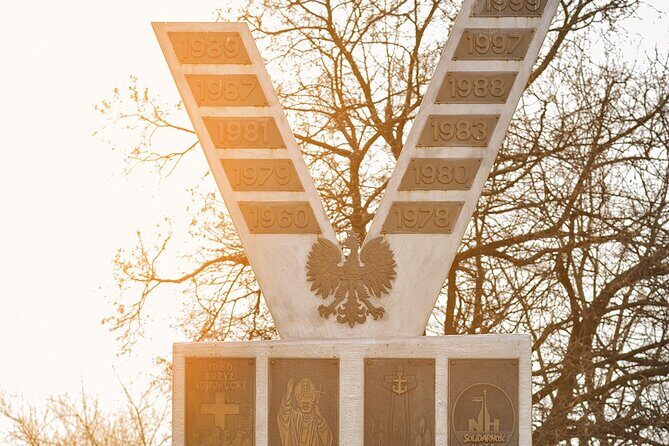
You’ll spend about 45 minutes here, and the church is free to enter as part of the tour. Your guide explains how the church was built despite strong opposition from communist authorities, and why it became a symbol of resistance, faith, and community solidarity. In a district designed to reflect socialist values, the church represents a different kind of order: one rooted in belief and collective support rather than state messaging.
I like ending here because it avoids the common trap of telling history like it’s a straight line from oppression to change. Instead, you get a more human picture: people found ways to hold onto identity even under pressure. The tour closes with that reminder that resistance can look spiritual, cultural, and communal, not only political.
Price and logistics: what $114.14 buys you (and what it does not)
At $114.14 per person for about 4 hours, this tour is not a budget add-on. The value comes from the combination of:
- a ticketed underground museum experience (around 45 minutes)
- tram transport to and from the district
- a local guide in English
- a food-and-drink stop that includes zapiekanka and vodka
- a small group size (maximum 12), which keeps the pacing and questions manageable
So you’re paying for more than walking. You’re paying for a guide who can connect spaces to lived experience, plus a structured visit that includes key parts of the district in one afternoon.
Here’s the trade-off. One review-style concern you should take seriously is that the tour may not feel like a strict architecture or protest-movement deep lesson. A guide can be brilliant at personal stories and community context, but the content might not hit the exact balance you want if you’re expecting a longer, more detailed breakdown of socialist realism architecture or a heavy, workers’ protest focus.
If you want the strongest match, I’d treat this as a people-and-places experience. Come for the bunker museum setting, the planned city layout explained in plain language, the food stop, and the resistance story at Arka Pana.
Small group size and guide impact: why the day feels personal
The group is kept to a maximum of 12. That changes the feel of the day. You’re not trying to hear history from the back row. You can ask questions, and your guide can slow down when something needs explaining.
Guide quality clearly matters here. For example, guides named Anna and Marta show up in the guide lineup you might be assigned, and the feedback around those guides emphasizes story-driven explanations and personal perspective. Even if the exact guide varies, you can expect that style: grounded, local, and focused on how the district worked as a community before and after communism.
Also, the tour uses tram transport. That’s not glamorous, but it’s practical. You save energy and get an easy connection back toward central Krakow, finishing at Rynek Główny (Main Square).
Who should book this Nowa Huta tour?
I think this tour is a great fit if you:
- like history that is shown through real places, not only dates
- want a clear overview of communist-era planning and why Nowa Huta was built that way
- enjoy local food moments that connect to daily life
- are interested in how people organized and resisted, including through religion and community
It’s also a good pick if you want to understand why the Solidarity movement matters in this part of Poland, because the tour’s story arc connects ideology, daily life, and resistance.
I’d be more cautious if you:
- want a long, technical architecture lecture on socialist realism details
- want a very politics-heavy focus on workers’ protest mechanics
- are sensitive to drinking alcohol, since a vodka degustation is included (though you can always ask about expectations when you arrive)
Getting value from the stops: simple tips before you go
A few practical things will help you enjoy the day more:
- Wear comfortable shoes. You’re walking through the district with no shortage of looking time.
- Bring a curious mindset. This tour works best when you treat buildings and objects like clues.
- If you have allergy needs, say them clearly ahead of time so the team can respond. Vegetarians are welcome, but vegan situations and complex allergies need extra handling.
- Plan to concentrate on storytelling. The underground museum and Arka Pana are where the emotional payoff really lands.
Should you book this Nowa Huta tour?
Yes, you should book it if you want a compact, guided route that connects communist city planning, daily life under socialism, and resistance in a way that feels concrete. The bunker museum plus the Arka Pana church ending give the tour a full emotional range, and the included zapiekanka and vodka stop makes it more than a classroom experience.
If you are hunting for a highly specialized architecture seminar or an extremely deep protest-politics lecture, you might want to pair this with another kind of history option in Krakow—or at least go in knowing it’s guided through lived experience and community context rather than pure technical breakdowns. Either way, it’s one of the clearest ways to understand how Nowa Huta became what it is.
FAQ
How long is the Nowa Huta Tour from Krakow?
The tour runs about 4 hours.
How much does the tour cost per person?
The price is $114.14 per person.
Is the tour offered in English?
Yes, it’s offered in English.
How many people are in the group?
The tour has a maximum group size of 12 travelers.
Where do we meet, and where does the tour end?
You start at Długa 1, 31-147 Kraków. The tour ends at Krakow’s Main Square, Rynek Główny.
What’s included in the price?
Included are a local English-speaking guide, tram transport to the communist district and back, entrance to the Nowa Huta underground museum, a vodka tasting, and 1 zapiekanka snack.
Is the underground museum open every day?
The Podziemna Nowa Huta museum ticket is included, but the museum is closed on Mondays.
Does the tour offer hotel pickup?
Yes, there is a private tour option with central Krakow hotel pick up. You’ll need to contact the provider to arrange it.
Is it vegetarian-friendly or suitable with food allergies?
Vegetarians are welcome. For other needs, they note that they can figure it out unless you have multiple, combined food allergies or you are vegan.
Can I cancel for a refund?
You can cancel for free up to 24 hours before the experience start time for a full refund.