REVIEW · KRAKOW
Jewish Krakow Walking Tour
Book on Viator →Operated by Walkative! TOUR · Bookable on Viator
Synagogues and streets tell a whole Krakow story. This Jewish Krakow walking tour threads Old Synagogue architecture to the WWII ghetto square, with a local guide shaping the stops into one clear narrative. I love that it mixes sacred places with the hardest events, so the walk feels like understanding, not just sightseeing.
I also like the stop-by-stop pacing and context, especially around Remuh Synagogue and the Schindler’s List courtyard site. One heads-up: several sights require tickets that are not included, and bad weather can mean shorter time outdoors, so build a little flexibility into your afternoon.
In This Review
- Key Things You’ll Appreciate on This Tour
- A 2.5-Hour Route Through Krakow’s Jewish Quarter and WWII Ghetto
- Starting at the Old Synagogue on Szeroka 24
- Szeroka Street: Krakow’s Jewish Quarter Main Street
- Remuh Synagogue: A Private House of Prayer
- Market Square: Revival and Nightlife Energy
- Schindler’s List Courtyard: Stairs, Setting, and the Real Story
- Plac Bohaterów Getta: The WWII Ghetto’s Main Square
- Eagle Pharmacy: Krakow’s Non-Jewish Eyewitness Outside the Walls
- What’s Actually Included (and What You’ll Need to Sort Out)
- Logistics That Matter: English, Weather, and Group Size
- Guides Make the Difference: Expect Narrative, Not Name-Dropping
- Is This Tour for You? Best Fit and Best Alternatives
- Should You Book the Jewish Krakow Walking Tour?
- FAQ
- What language is this tour offered in?
- How long is the Jewish Krakow Walking Tour?
- Where does the tour start and end?
- Is admission included for all stops?
- Do I need hotel pickup?
- Do I need to bring anything for the tour?
- Is the tour suitable for families and children?
- What happens if the weather is bad?
Key Things You’ll Appreciate on This Tour
- Small group size (up to 35) keeps it easier to hear the guide and follow the route
- Mobile ticket makes meeting up simpler
- Old Synagogue included as free admission is a great start without extra hassle
- Schindler’s List courtyard explained in context connects pop culture to real place and story
- WWII ghetto focus at Plac Bohaterów Getta gives the walk a strong emotional anchor
- English tour with a guide-led narrative instead of a self-guided checklist
A 2.5-Hour Route Through Krakow’s Jewish Quarter and WWII Ghetto

This is a compact, focused walking tour of Jewish Krakow that runs about 2 hours 30 minutes. You’ll cover a string of well-known landmarks, but the value is in how the guide connects them into a single storyline.
The tour is built for people who want context. You’re not only seeing buildings and streets—you’re learning what they meant to the community and how the Nazi period changed everything.
The pace is mostly “walk and stop.” Plan for some waiting while the guide talks at key points, and remember you’ll be outdoors in all kinds of weather.
You can also read our reviews of more walking tours in Krakow
Starting at the Old Synagogue on Szeroka 24
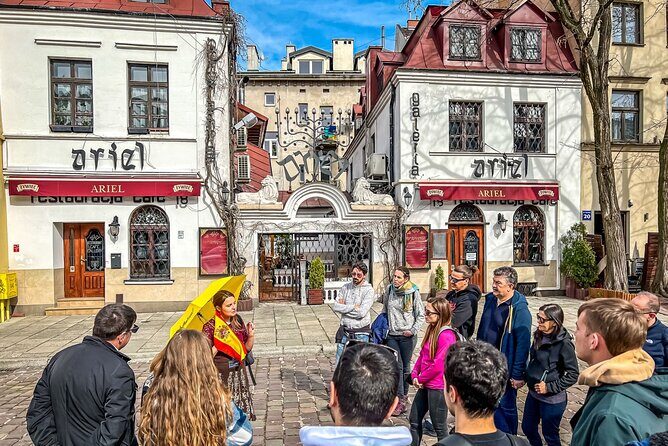
You begin at the Old Synagogue, right at Szeroka 24. This stop sets the tone because it’s described as the oldest synagogue in Poland, with architectural details that help you see why this place mattered.
What I like about starting here is that it gives you a baseline. Before you move on to streets and smaller sites, you get a clear sense of how Jewish religious life shows up in the built environment.
Old Synagogue time is about 15 minutes, and admission is listed as free for this stop. That’s a nice win for value because it lowers the number of things you might need to pay for immediately.
Szeroka Street: Krakow’s Jewish Quarter Main Street
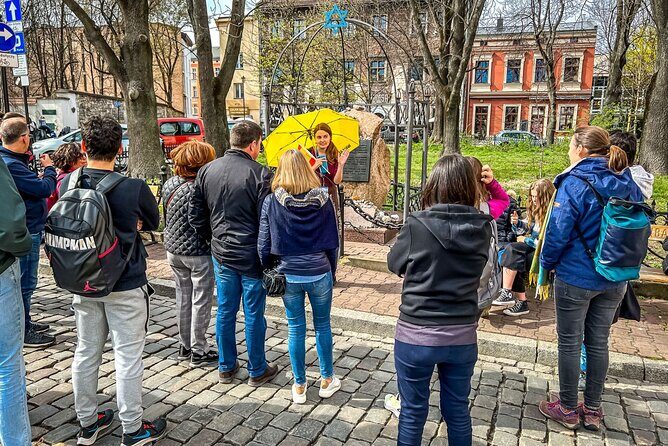
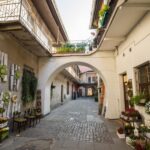
Next you head to Szeroka Street, the main street of the Jewish Quarter. The highlight here is not just the look of the street—it’s the idea that important people came from it, which helps you understand why this corridor mattered day after day.
This stop is short, about 10 minutes. That can feel quick, but it works because you’re already learning the “map” of the neighborhood, not trying to memorize every building.
If you like photo stops, bring your camera, but don’t expect lots of time to wander off. The guide’s goal is to keep the narrative moving.
Remuh Synagogue: A Private House of Prayer
Then comes Remuh Synagogue (Synagoga Remuh), also around 10 minutes. Here the tour emphasizes that it was built as a private praying house for one of Krakow’s most significant rabbis.
That detail matters. It’s an example of how Krakow’s Jewish life wasn’t only public and communal—it also had private, intensely personal religious spaces.
Entrance for Remuh is listed as not included, so if you’re budgeting tightly, plan to pay separately if you want to go inside. Even if you don’t, the exterior context still helps connect this stop back to what you learned at the Old Synagogue.
Market Square: Revival and Nightlife Energy
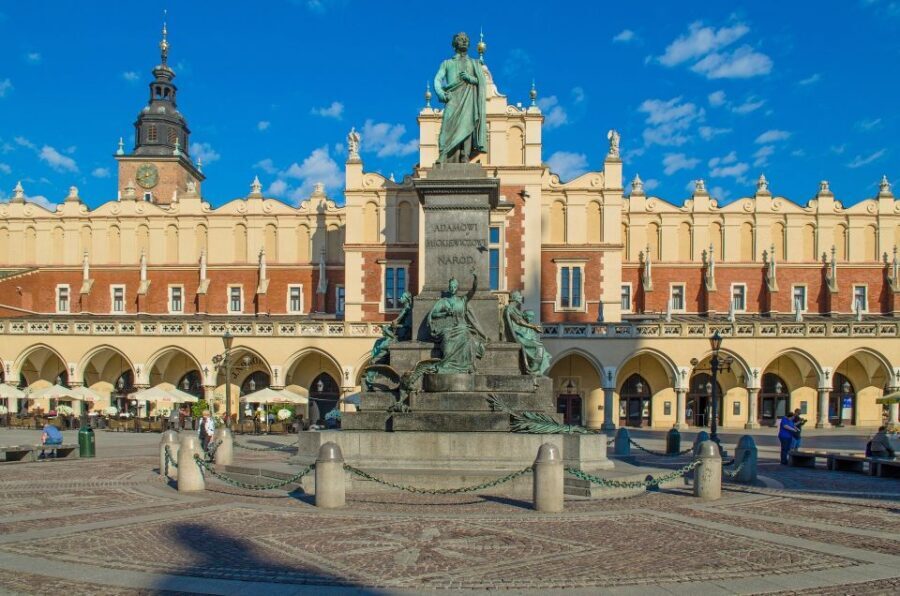
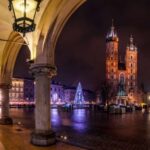
You’ll spend another short 10 minutes at Market Square, framed as the revival and nightlife area of the Jewish Quarter. The point is contrast: after centuries of community life and then catastrophic disruption, the neighborhood’s energy is also part of the story.
This isn’t a lecture that stops at tragedy. It nudges you to notice how places can keep changing, not just be remembered.
If you arrive on a cold, gray day, this is still worth it. The guide’s narrative helps you see why the square feels different from the quieter religious stops you’ve already visited.
Schindler’s List Courtyard: Stairs, Setting, and the Real Story
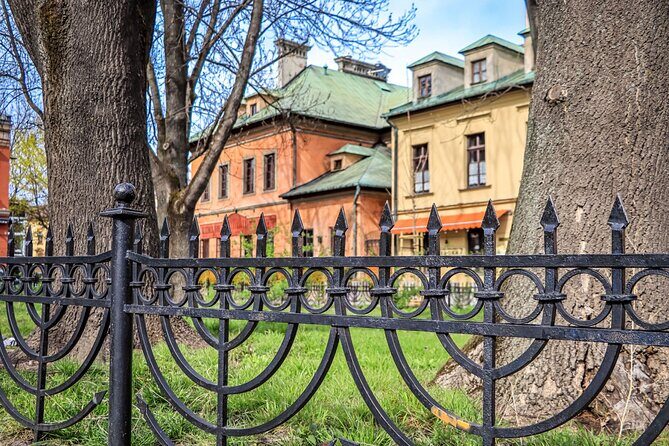
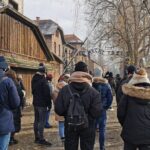
One of the most memorable segments is Mrs. Dresner courtyard and stairs, linked to the Schindler’s List site. You get about 10 minutes here, and the focus is on the hidden courtyard and the real story behind the movie.
This is where I’d encourage you to bring a little patience. Courtyard and stairs are small, and you’ll likely get a lot of meaning packed into a short time window. If you haven’t watched the film, the guide’s context still helps, but you might find it easier to follow if you know the basics beforehand.
Value tip: this is not offered as a movie reenactment. It’s presented as a way to understand what was happening in the real place, not just recognize the famous stairs.
Plac Bohaterów Getta: The WWII Ghetto’s Main Square
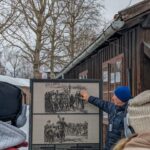
The emotional weight shifts at Plac Bohaterów Getta, the main square of the WWII ghetto area. This stop lasts about 50 minutes, which is a big chunk of the tour and signals that the narrative becomes more serious and slower.
Here you’re not only learning geography. You’re being asked to understand how the ghetto district was created by the Nazis and what that meant for people living inside it.
If you’re planning other museum visits the same day, this is the stop that might slow you down. After a longer, heavier segment like this, you’ll often want a little quiet time afterward.
Eagle Pharmacy: Krakow’s Non-Jewish Eyewitness Outside the Walls
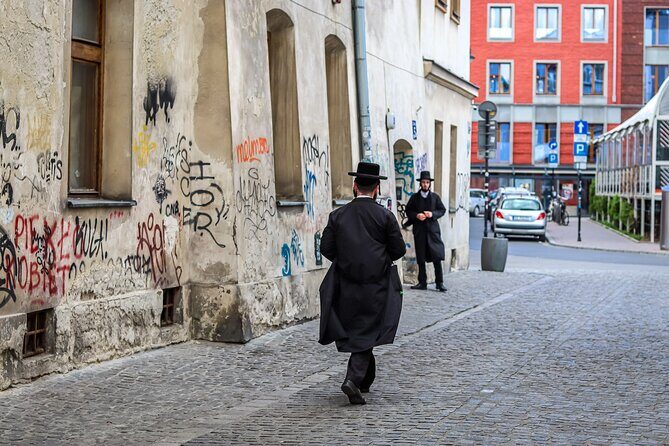
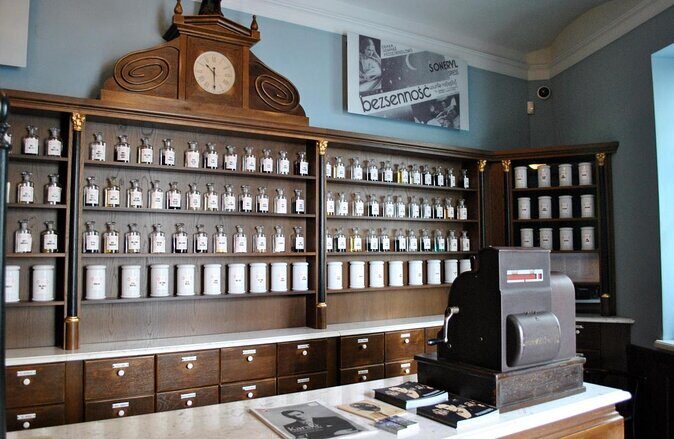
The final major stop is Eagle Pharmacy – Museum of Krakow, viewed outside. The tour frames it as the living place of the only non-Jewish ghetto inhabitant, who became an eyewitness to Nazi crimes.
This is powerful for a different reason than the religious sites. Instead of focusing on community rituals, the narrative here turns to witnessing and survival documentation—how information gets carried forward.
Time is about 15 minutes here. It’s a good closing note: the story doesn’t end with a building or a street corner. It lands on what an eyewitness means in the long arc of history.
The tour ends at Plac Bohaterów Getta. One review note I’d treat as practical advice: the finish is about a 10-minute walk to Schindler’s Factory area, so you can keep the thread going if that’s on your plan.
What’s Actually Included (and What You’ll Need to Sort Out)
The tour includes a local expert guide and a thoroughly constructed narrative. That means you’re paying for someone to connect the dots and explain why each stop is there, not just point you toward famous spots.
What’s not included:
- hotel pickup and drop-off
- food and drinks
- most admissions at the stops beyond the Old Synagogue (the listing notes not included at Szeroka Street, Remuh Synagogue, Market Square, Schindler’s courtyard, Plac Bohaterów Getta, and Eagle Pharmacy)
The Old Synagogue is listed as free admission ticket for this stop. So you start with at least one place where you don’t have to scramble for extra costs.
Practical value check: at $26.60 per person for about 2.5 hours, you’re paying for guide time, route planning, and interpretation. If you end up paying entry fees at a couple stops, the total cost can rise—but you’re still getting a connected story covering both Jewish life and WWII-era sites in one walk.
Logistics That Matter: English, Weather, and Group Size
The tour is offered in English, and confirmation happens at booking time. Meeting up is straightforward because you get a mobile ticket, and the meeting point is clearly anchored at the Old Synagogue address.
Group size max is 35 people, which is big enough to feel like a group, but small enough that it shouldn’t turn into a moving crowd.
Fitness level: it asks for moderate physical fitness. This is typical city walking, but the tour does include multiple stops and long time on your feet, with some standing to listen.
Weather: it operates in all weather, and the guide has the right to shorten or end the tour if conditions may pose a threat to health. In other words, dress like you expect wind and cold, not like you’re heading to a café terrace.
One small piece of real-world comfort: some guides have even stopped at a café to help people warm up when it’s cold. That’s not guaranteed, but it’s a good example of how the guide can adapt to conditions.
Guides Make the Difference: Expect Narrative, Not Name-Dropping
Across the guides who’ve led this tour, the common thread is how they tell the story without turning it into a facts-only sprint. In particular, names you might hear in practice include Big Tom, Jakob, Lucy, Natalia (also seen as Nalalia in one note), and Matt.
The best version of this tour is when your guide keeps it human. One comment I’d take seriously: when the guide makes the places feel personal and connected—people, choices, consequences—the same 2.5 hours can feel like you understood Krakow instead of just moving through a list.
There’s also a caution to keep in mind. Some people felt there was too much time standing still in one place. If you’re the type who gets restless during pauses, you might want to bring that patience, or plan to ask the guide to move on once you’ve got your bearings.
Is This Tour for You? Best Fit and Best Alternatives
This is a great fit if you want:
- a guided story through Jewish Krakow and WWII ghetto sites
- structure instead of trying to stitch together meaning on your own
- context at each stop, including the Schindler’s List courtyard connection
It may be less ideal if:
- you dislike standing around to listen, and you prefer long free time
- you’re hoping to skip entrances and just walk exteriors the whole time (because some key stops have admissions not included)
- you’re traveling with very young kids and need constant movement (children must be accompanied by an adult, and there’s a lot of stop-and-go)
If you have only one afternoon and you want the big emotional arc—community life, destruction, and the place’s later remembrance—this format can be efficient.
Should You Book the Jewish Krakow Walking Tour?
Yes, I’d book it if you want a guided, story-driven walk that covers both sacred Krakow and WWII-era reality without you having to do all the research.
Here’s how to make the decision confidently:
- Choose it if you value interpretation at famous spots like Old Synagogue, Remuh Synagogue, and the Schindler’s List courtyard site.
- Choose it if you’re ready for an emotional walk, especially once you hit Plac Bohaterów Getta.
- Double-check your expectations on costs, because only the Old Synagogue stop is described as having free admission, while other sites list admissions as not included.
If you’re flexible on weather, fine with a guided stop-and-listen rhythm, and want your Krakow day to make sense, this tour earns its reputation.
FAQ
What language is this tour offered in?
It’s offered in English.
How long is the Jewish Krakow Walking Tour?
It runs about 2 hours 30 minutes (approximately).
Where does the tour start and end?
It starts at Old Synagogue, Szeroka 24, 31-053 Kraków, Poland and ends at Plac Bohaterów Getta, Kraków, Poland.
Is admission included for all stops?
No. The Old Synagogue stop lists free admission, while several other stops note that admission tickets are not included.
Do I need hotel pickup?
No. Hotel pickup and drop-off are not included.
Do I need to bring anything for the tour?
You should dress appropriately for weather since it runs in all conditions. Food and drinks are not included, so you may want to plan accordingly.
Is the tour suitable for families and children?
Children must be accompanied by an adult. The tour also requests moderate physical fitness, so you’ll want an adult who can manage the walking and pauses.
What happens if the weather is bad?
The guide can shorten or end the tour if outdoor conditions may pose a threat to participants’ health or safety.