REVIEW · KRAKOW
Krakow City Sightseeing by Electric Car
Book on Viator →Operated by Intercrac Sp. z o.o. · Bookable on Viator
Krakow is easier to understand from a Melex.
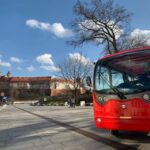
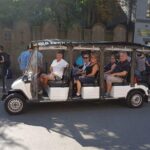
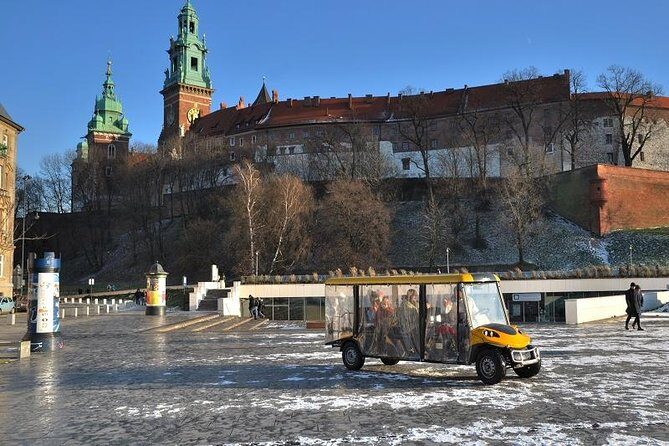
This is a private city sightseeing loop in an electric golf-cart style vehicle, with audio commentary in English. What makes it especially interesting is that the Melex can access parts of Krakow’s center that regular traffic can’t, and it even has clear plastic covers to help on rainy days.
I like two big things about this tour. First, it gives you a fast, comfortable overview of the Old Town—Rynek Główny, the Cloth Hall, and the Barbican area—without burning your energy on steep streets. Second, the route connects the medieval sights to the much heavier WWII story in Kazimierz and Podgórze, including places like Ghetto Heroes Square and Oskar Schindler’s factory.
One thing to consider: you’re working on a timed ride with an audio track, and it can be harder to hear in city traffic if the driver doesn’t pause at the stops long enough for you to take it all in.
In This Review
- Key highlights worth your time
- Melex Electric Car: the easy way to see Krakow’s core
- 1.5 hours that start with orientation, not trivia overload
- Rynek Główny and Sukiennice: start at Krakow’s biggest square
- St. Mary’s Church area: trumpet call, altarpiece, and art details
- Town Hall Tower: the medieval city authority, measured in steps
- Juliusz Słowacki Theatre: a classic stage since 1893
- Barbican: medieval defense that survived the worst
- Kazimierz synagogues and Szeroka Street: Jewish Krakow before the ghetto
- Ghetto Heroes Square to Umschlagplatz: WWII history in the real places
- Tadeusz Pankiewicz and Schindler’s Factory: survival stories you can’t skip
- What the experience feels like in real life
- Who this tour suits best (and who might want something else)
- Price and value: what $108.37 gets you here
- Should you book this electric car tour?
- FAQ
- How long is the Krakow City Sightseeing by Electric Car tour?
- Is hotel pickup included?
- What language is the tour available in?
- Is this a private tour?
- What’s included in the price?
- Are entrance tickets included?
- What should I do if it’s raining?
- Is free cancellation available?
Key highlights worth your time
- Melex electric car access to traffic-restricted areas, so you see more with less walking
- English audio system paired with the driver/guide pointing out landmarks as you go
- Old Town focus first, then a thoughtful shift to Kazimierz and WWII-era sites
- Stop-and-picture breaks built into the 1.5-hour flow
- Clear rain covers help keep you warmer when the weather turns
Melex Electric Car: the easy way to see Krakow’s core
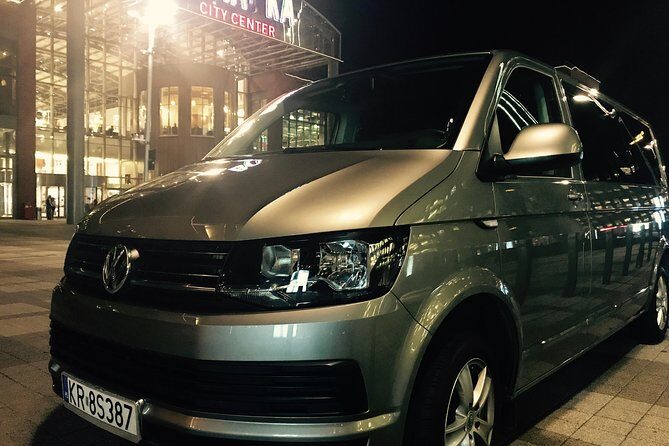
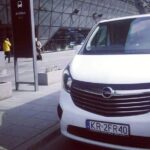
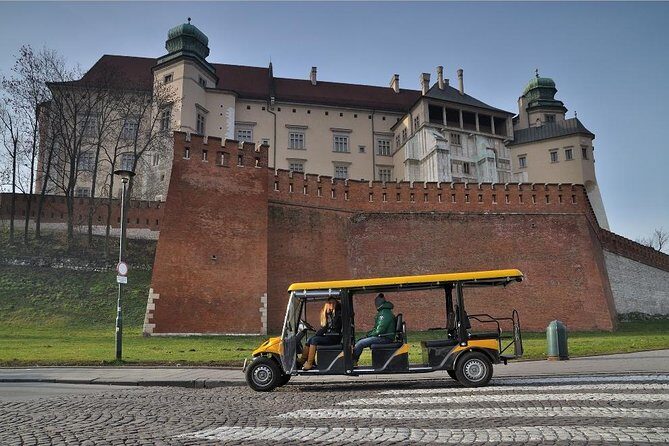
This tour is built around a small electric Melex, the kind of vehicle that feels playful at first—like being ferried around by something between a taxi and a golf cart. But the real value is practical: it’s compact, low-stress, and suited to Krakow’s tight inner streets. You’re not stuck fighting traffic on a big bus, and you’re not relying on endless uphill walking to catch the best views.
The vehicle also includes clear transparent covers, which is a thoughtful touch for Krakow’s changeable weather. Even if you don’t get much rain, the cover helps cut wind, so the ride stays comfortable and photo-friendly.
You’ll be in a private group setting, so you’re not squeezed into a cattle-car rhythm. That matters most when you reach the emotional WWII stops—having control over your pace and attention is a real benefit.
You can also read our reviews of more city tours in Krakow
1.5 hours that start with orientation, not trivia overload
The tour runs about 1 hour 30 minutes, so it’s designed for “first look” sightseeing. In that time, you don’t just see places—you get the mental map you need to explore on your own afterward.
Pickup is offered from a central hotel location. If your lodging isn’t in the city center, you’ll meet at the Kiss and Ride car park at ul. Zyblikiewicza 2, opposite Zabka. It’s a small detail, but it affects your stress level; check where your pickup actually is when you book.
One practical note: because the experience depends on the audio track and traffic flow, it’s not the best choice if you want long, slow hours at museums or places requiring entry tickets. This tour is about seeing and understanding, then letting you decide what deserves a deeper return visit.
Rynek Główny and Sukiennice: start at Krakow’s biggest square
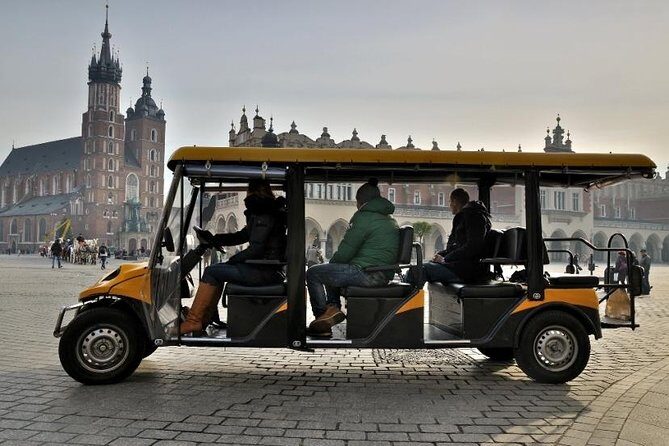
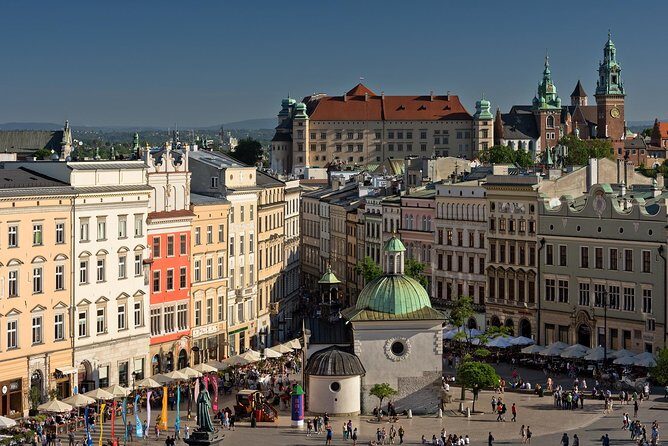
Your route begins in the Old Town with Rynek Główny, Krakow’s main medieval square and one of Europe’s largest. From the vehicle, you’ll get a clear sense of how the square shapes the city. It’s the kind of place where you can stand in one spot and still feel how everything connects: churches, markets, and layers of history meeting in a single view.
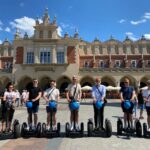
Next comes the Sukiennice (Cloth Hall), a standout piece of Renaissance architecture and Krakow’s oldest commercial center. Even if you don’t go inside, you’ll recognize why it’s such an important stop. The building’s scale and presence make it easy to understand why this square has pulled crowds for centuries.
The biggest advantage here is timing. Seeing the square early helps you orient before you later face Kazimierz and Podgórze, where the geography and history feel totally different. You’ll be more prepared to connect the dots.
St. Mary’s Church area: trumpet call, altarpiece, and art details
From the main square, the tour heads toward the area of St. Mary’s Church, famous for its trumpet calls on the hour. It’s one of those Krakow “how did this become a tradition?” features that makes the city feel alive, even on a short trip.
This stop is also packed with famous art and architecture described as part of the onboard story. You’ll hear about the high altar by Veit Stoss (Wit Stwosz), plus Jan Matejko’s star-strewn murals covering the vaulting. Even if you mainly see the church from outside, the audio context makes those names mean something.
If you arrive at the square close to the hour, you might catch the trumpet call. It’s not guaranteed from the tour description, but it’s worth being a little alert at the stops.
Town Hall Tower: the medieval city authority, measured in steps
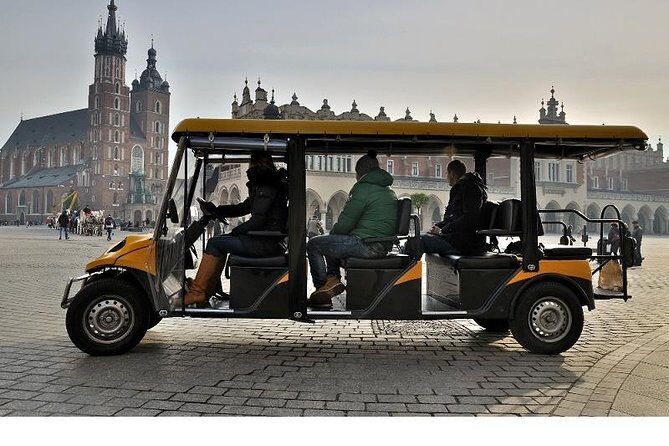
The tour includes the Town Hall Tower area, a key landmark with its own backstory. The tower is described as 70 meters high, with 110 stone steps, and it also ties into medieval city justice through references like the executioner’s dungeons.
The value here isn’t climbing or tickets. It’s understanding Krakow as a city that governed itself locally for centuries. Seeing the tower in relation to the main square helps you grasp why Rynek Główny wasn’t just a market—it was civic power.
For photo lovers, this is a useful stop because the tower shape gives you an easy vertical reference point in your day.
Juliusz Słowacki Theatre: a classic stage since 1893
You’ll also pass by Juliusz Słowacki Theatre, a major cultural landmark with long continuity. The description notes it has operated continuously since 1893, and it’s counted among Europe’s precious examples of theatre architecture.
What you gain on a Melex is not an in-depth theatre visit, but a sense of where Krakow’s cultural identity shows up in the urban layout. Even if you’re not a theatre person, it’s the kind of stop that rounds out your picture of the city beyond old stone and WWII memorials.
Barbican: medieval defense that survived the worst
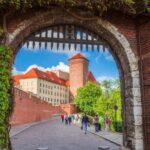
Then you head to the Barbican, Krakow’s famous fortified outpost. The tour highlights it as an exquisite example of medieval military architecture, and it’s described as never captured during a siege. The story goes further too: defenders reportedly repulsed the attacking forces with a single shot.
That kind of detail makes the Barbican feel less like a random wall and more like an actual survival machine. From the vehicle, you can take in the structure without dealing with a long walk or complicated navigation.
The other nice thing about placing the Barbican before Kazimierz is contrast. You go from medieval defense walls to human stories that were disrupted and forced into survival. The route is emotionally smarter than cramming everything together.
Kazimierz synagogues and Szeroka Street: Jewish Krakow before the ghetto
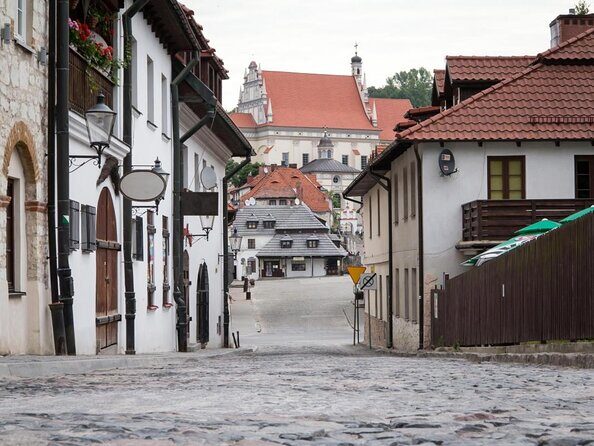
Next is Kazimierz, the former Jewish district, historically the hub of Jewish life in Krakow. The tour frames this neighborhood in a way that feels right for first-time visitors: you’re not dropped into WWII only—you’re also shown the living culture that existed before it was destroyed.
The vehicle passes historic synagogues and the area around restaurants and shops, which helps Kazimierz feel like a neighborhood, not just a memorial zone.
A highlight here is the Tempel Synagogue, singled out for its stained glass windows, described as among the best preserved of their kind in Poland. The audio also points out its non-orthodox character, which helps you understand that Jewish life wasn’t one uniform style—it had different expressions and traditions.
The route also includes stops along Szeroka Street, described as the heart of Kazimierz and a street where four synagogues used to stand. That’s a striking detail because it signals how dense and central religious life was in this part of town.
Two additional synagogue-related stops are included as part of the experience. One is described as one of the oldest synagogues in Poland preserved in such good condition, and another is described as the smallest of the seven synagogues of Krakow, with more modest decor. The smaller synagogue stop also notes renovation completed in April 2016, when it became the main site of prayer for the Jewish community in Krakow.
You’ll get the most from these stops if you listen closely to what the audio says, because the meaning of each building shifts depending on its design and role.
Ghetto Heroes Square to Umschlagplatz: WWII history in the real places
From Kazimierz you move to Podgórze, and the tour doesn’t shy away from the WWII story. The route includes Ghetto Heroes Square, described as emotive, and it connects directly to the human tragedy of the Krakow Ghetto.
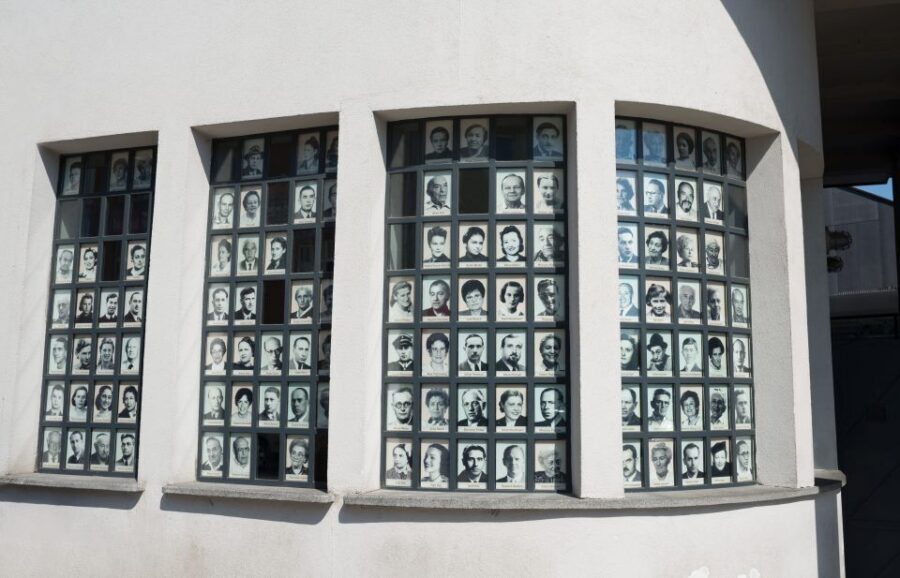
A key stop here is the former Plac Zgody (Concord Square). The tour describes that the district was turned into the Krakow Ghetto in 1941, and that the Nazi occupation designated this location as Umschlagplatz—where Jews had to gather for deportation.
This is the part of the tour where I think you should slow your attention, even if the vehicle keeps moving. Let the names and locations land. The tour format can feel fast, but the places themselves are specific and heavy, and that specificity matters.
Tadeusz Pankiewicz and Schindler’s Factory: survival stories you can’t skip
The tour includes a stop tied to Tadeusz Pankiewicz and his family pharmacy, described as the moment when he could not have foreseen making history with the enterprise he took over. Even without extra museum time, the audio framing helps you realize this isn’t just about famous names—it’s about ordinary people whose decisions mattered.
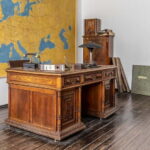
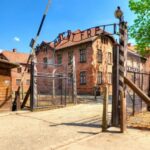
Finally, you reach Oskar Schindler’s factory. The tour emphasizes that many Jewish employees were saved from deportation during World War II. It’s an important ending point because it links the tragedy to direct action and rescue.
One practical consideration: since entrance tickets are not included, you’ll likely be seeing the sites from outside or in limited ways connected to the stops. Still, the emotional weight comes through in the location choices and the audio structure.
What the experience feels like in real life
Because this is a private electric car tour, the vibe is different from a standard bus hop-on sightseeing. You get the convenience of a chauffeured ride, but the route is still a tour route. That means short picture breaks and movement between landmarks rather than extended time at each place.
The audio system is doing the heavy lifting, and the guide/driver may also point out buildings and play the story in English. In good conditions, it feels like a guided overview. In slower traffic or on crowded streets, you may feel like it’s more like riding while you listen to history notes.
This is also why I suggest arriving mentally ready to work with the format. If you want a museum-level experience at one stop, you’ll need separate time after the tour.
Who this tour suits best (and who might want something else)
This is a great choice if you’re:
- short on time and want a city overview in about 90 minutes
- visiting first-time Krakow and want to understand where the major areas sit
- traveling with someone who doesn’t want long walks in the center
It may be less ideal if you:
- need lots of hands-on time inside specific buildings
- want a fully flexible schedule that ignores traffic and timing
- prefer a classic step-by-step walking tour style without a car between stops
Price and value: what $108.37 gets you here
At about $108.37 per person for roughly 1.5 hours, you’re paying for a mix of perks, not just transportation. You get:
- a private tour format
- hotel pickup in the central area (with a backup meeting point if not)
- an eco-friendly electric Melex ride
- an onboard audio system in English
- picture breaks built into the itinerary
- access to parts of the Old Town that would be harder on normal traffic routes
Is it cheap? No. But for a city center with a lot of contrasts—Old Town grandeur, Kazimierz synagogue heritage, then WWII sites—the convenience has real value. You’re not spending half your day navigating streets or waiting for the next bus. You’re getting a coherent story arc and a working sense of the layout.
Should you book this electric car tour?
Yes—if you want a smart first pass through Krakow, this is a strong pick. The combination of Old Town orientation plus Kazimierz and Podgórze stops is a rare pairing for a short tour, and the Melex format makes it feel much easier than walking the same ground.
Before you book, be honest about what you want most. If you’re after long museum time or deep entry tickets, you’ll need extra stops on your own. If you want an efficient, emotionally guided overview that sets you up for smarter wandering later, this is the kind of tour that earns its place early in your trip.
FAQ
How long is the Krakow City Sightseeing by Electric Car tour?
It lasts about 1 hour 30 minutes.
Is hotel pickup included?
Pickup is offered from a central Krakow hotel. If pickup isn’t possible for your address, you meet at the Kiss and Ride car park at ul. Zyblikiewicza 2 opposite Zabka.
What language is the tour available in?
The experience is offered with audio commentary in English.
Is this a private tour?
Yes. It’s private, so only your group participates.
What’s included in the price?
You get 1 hour 30 minutes of sightseeing in Krakow in an eco-vehicle with an audio system, plus a few breaks for taking pictures.
Are entrance tickets included?
No. Entrance tickets are not included.
What should I do if it’s raining?
The Melex has clear plastic covers designed to help keep you warm during rainy days.
Is free cancellation available?
Yes, you can cancel for a full refund up to 24 hours in advance of the experience start time.