REVIEW · KRAKOW
Krakow: Schindler’s Factory Tour and Entrance Ticket
Book on GetYourGuide →Operated by SuperCracow.com · Bookable on GetYourGuide
This factory tour lands with real weight. Oskar Schindler’s old enamel works in Kraków is where wartime industry and human survival intersect, and the guided format helps the place make sense fast. I like the fact that you get skip-the-line entry with a professional guide, plus you can choose among multiple tour languages.
Two things I’m especially drawn to: you get a structured walkthrough of both the exhibitions and the former factory site, and you hear stories that connect the war to Kraków residents and camp labor. One consideration: the visit is timed at about 1.5 hours, so if you want to linger, build in extra time for any add-on viewing.
In This Review
- Key things to know before you go
- Why Oskar Schindler’s Factory matters in Kraków
- What the 90-minute guided tour really covers
- Meeting at Lipowa 4 and getting inside fast
- Inside the exhibitions: wartime Kraków you can actually follow
- The former factory site and the survivor photos on the facade
- Schindler’s role and the story behind the film
- Temporary exhibition time after your guided portion
- Price and value of the $45 guided ticket
- Who this tour suits best (and who might want a different plan)
- Should you book the Schindler’s Factory tour?
- FAQ
- How long is the Schindler’s Factory guided tour?
- Where do I meet for the tour?
- What languages are available for the live guide?
- What’s included in the ticket price?
- Do I get time to see anything beyond the main exhibitions?
- Is the tour wheelchair accessible?
Key things to know before you go
- Skip the ticket line with your guide, so you lose less time waiting and more time learning.
- A professional, live guide keeps the story organized through Kraków’s wartime timeline.
- Multiple languages are available (French, Spanish, Italian, English, German).
- You see both exhibitions and the original factory site, not just a display room.
- Temporary exhibition time may be available after the guided portion.
- A factory facade with survivor photos adds a stark, visual layer to the story.
Why Oskar Schindler’s Factory matters in Kraków
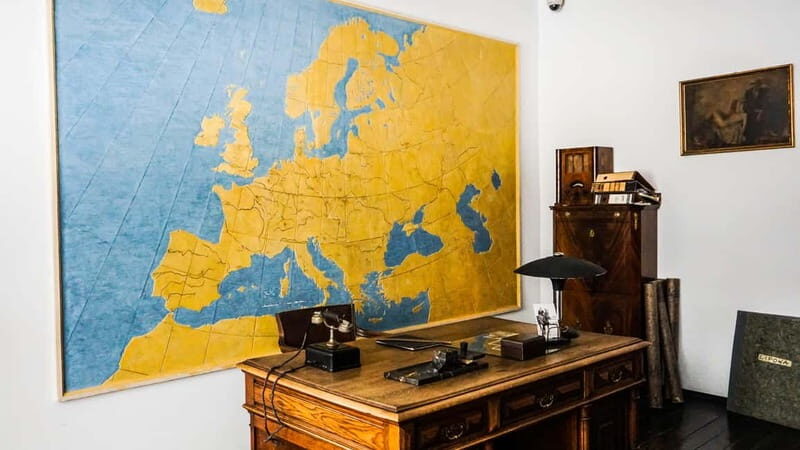
In Kraków, history is not confined to textbooks. At Schindler’s Factory, the walls themselves carry the memory of wartime production, forced labor, and the fragile lines between hiding, surviving, and being found. The tour is built around the former enamel factory site—so you’re not only looking at documents. You’re standing where key parts of the story took place.
The experience also has a built-in guide to context. Even if you know the broad plot from Schindler’s List, the museum experience focuses on what happened in Kraków and how the war unfolded for Polish Jews and the city around them. That matters because the film can make the story feel universal; the museum brings it back to specific people, specific places, and specific systems.
I also like the tone of the visit: it’s serious, but it doesn’t turn into a lecture that ignores your questions. With a trained guide, you get the human scale of the story alongside the broader wartime history—what the factory did, what Jewish camp laborers endured, and how Oskar Schindler contributed to preserving about 1,200 Jewish lives.
You can also read our reviews of more tours and experiences in Krakow

What the 90-minute guided tour really covers
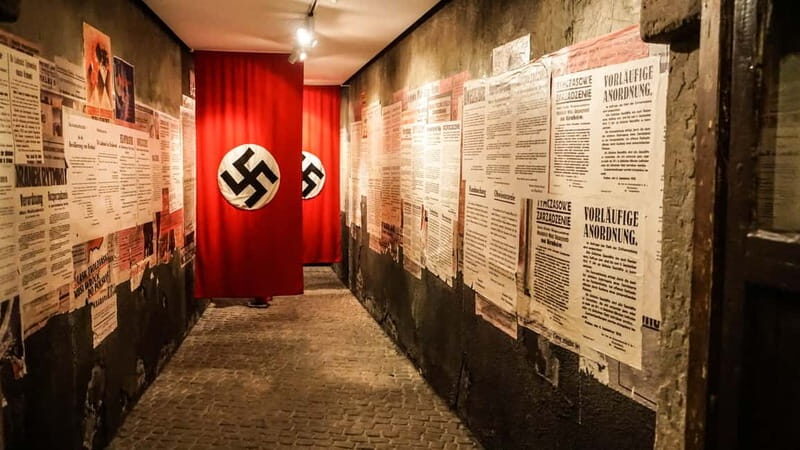
Your guided tour runs about 1.5 hours, and it’s designed to move you through the site in a logical order. The pacing is helpful if you’re short on time in Kraków, and it’s also useful if you want to avoid wandering without a framework.
Here’s what the guided portion focuses on:
- The story behind Oskar Schindler: how he became involved in protecting lives, and what his actions meant in the larger wartime environment.
- The factory’s role in wartime production, including how armaments were made using Jewish camp laborers.
- Exhibitions that cover Polish history during World War II and the people affected by it.
- The former outbuilding/farm building elements of the site, including visible relics tied to the original factory area.
The tour’s big advantage is that it ties artifacts to explanation. Instead of reading labels one by one, you get guidance on what to look at, what to pay attention to, and how the pieces connect into a timeline.
And because you don’t control the whole structure, you’re less likely to miss important sections just because your attention drifts. That’s a real value in museums where the content is heavy.
Meeting at Lipowa 4 and getting inside fast
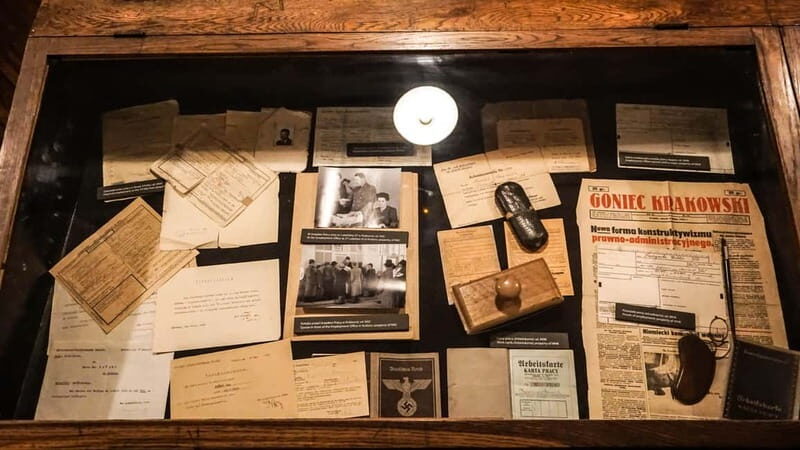
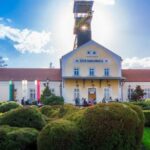
You meet in front of the Schindler’s Factory Museum at Lipowa 4 Street, 30-702, Krakow, and the tour returns you back to the same spot at the end. If you’re doing this as part of a packed day, this is the kind of setup that keeps things simple: one meeting point, one return point, and a clearly timed guided session.
One practical win is the skip-the-ticket-line approach. Waiting outside in a museum queue is the easiest way to lose momentum—especially on a day when you’re also trying to see other Kraków highlights. With a guide handling the process, you can start earlier and settle in mentally faster.
Also, since the tour is offered with live guides in French, Spanish, Italian, English, and German, you can pick the language that helps you follow details without constantly switching mental gears. I like that option, because WWII history rewards the moments when names and dates actually stick.
A small reality check: one recent experience noted a delay. If you have a tight schedule after the tour, plan some buffer so you’re not racing the clock across Kraków.
Inside the exhibitions: wartime Kraków you can actually follow
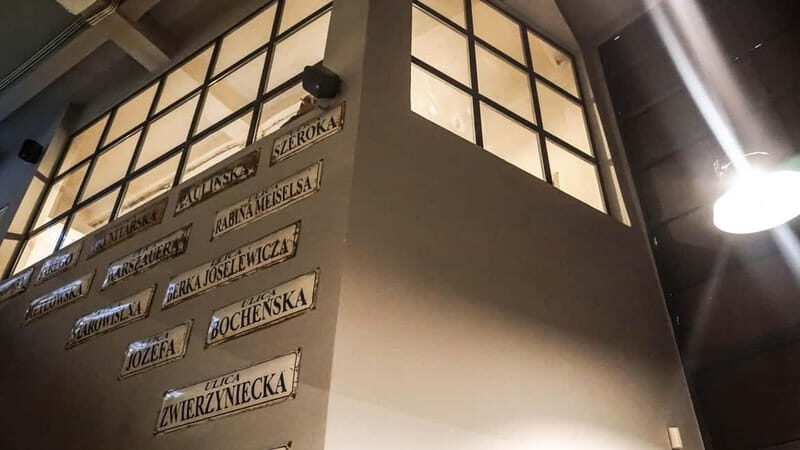
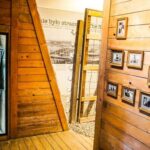
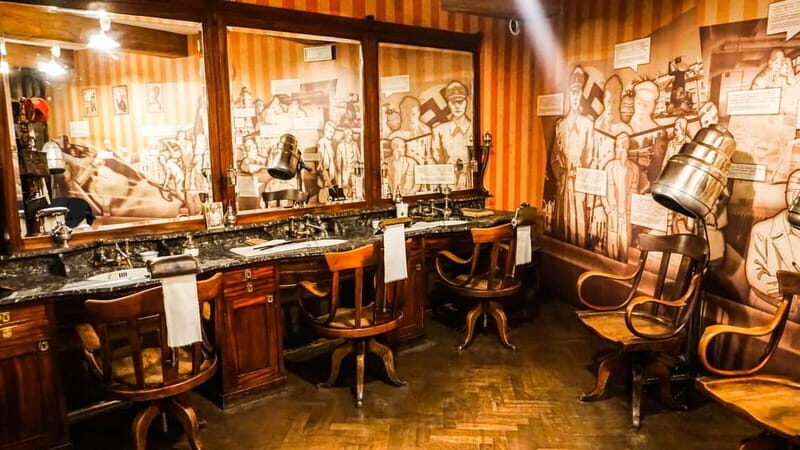
The exhibitions are where the tour does its best job of turning a complicated subject into something you can follow. The museum covers Polish history in World War II alongside the life of Oskar Schindler and the broader conditions facing Jewish communities.
What you can expect to feel here is less like walking through a storybook and more like watching a system unfold—how occupation, industry, and forced labor shaped everyday life. The guide helps you connect the dots between what the factory did and what it meant for people brought to work there.
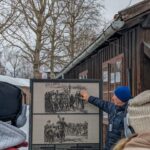
A good guide experience matters in places like this, and the tour is set up with professional experts who can answer questions and explain details at your pace. You’re also given time to see more than one part of the museum display, so the visit doesn’t reduce to a quick scan of a few rooms.
If you’re the type who likes understanding the why behind events, this is a strong match. The tour doesn’t just show objects; it gives you the narrative that makes the objects matter.
The former factory site and the survivor photos on the facade
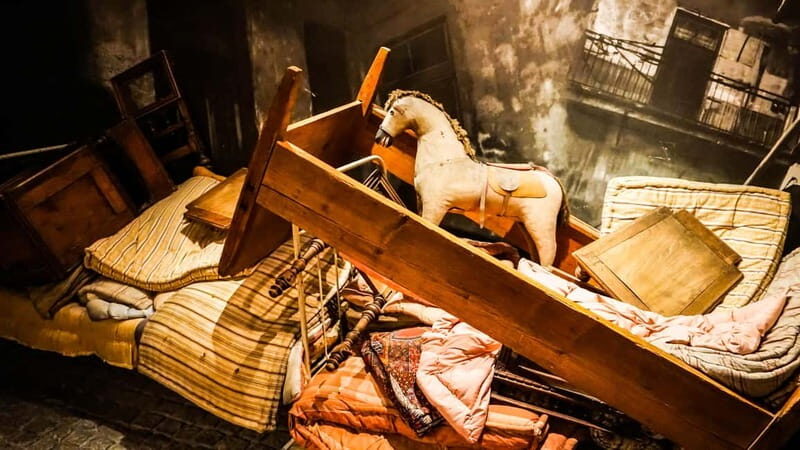
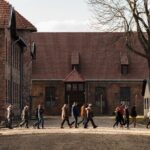
A key part of the value is that you don’t only stay in exhibition rooms. The tour also includes the former farm building of the factory. This is where the museum becomes more than interpretive signage.
In that former building area, you can find the original entrance gate and photos of several hundred survivors displayed on the building facade. That visual detail hits differently than documents do. It adds a personal edge to the story, reminding you that the people connected to these facts continued into the postwar world as survivors—not just as wartime victims in a record.
You also get to see the former outbuilding in the context of the physical site. That matters because it anchors the history in architecture and layout. Even if you don’t know much about industrial sites, the tour helps you read the space, not just look at it.
One practical tip: take a slow minute with the facade photos. Let your guide’s explanation sink in, then come back for a second look. This is the part where standing in the right place changes how the story lands.
Schindler’s role and the story behind the film
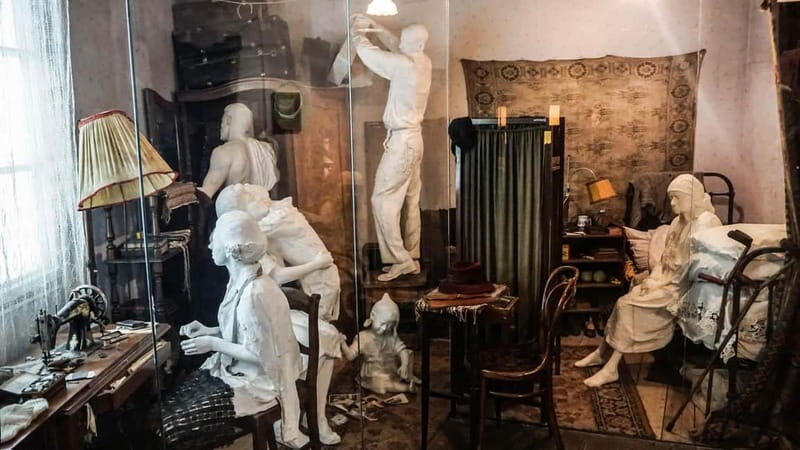
The tour openly connects the museum experience to what many people already know from Schindler’s List. Spielberg’s 1993 film popularized the story, and the museum uses that familiarity as a starting point—then goes deeper into what the factory represented and how Schindler’s actions played out.
Here’s what the tour emphasizes:
- The factory’s wartime use for armaments production.
- The role of Jewish camp laborers in that work.
- How Oskar Schindler acted within the system he was part of, and how his efforts helped preserve about 1,200 Jewish lives.
This framing is important for anyone who’s coming in with only film knowledge. The museum gives you the historical shape behind the cinematic version—especially the Kraków-specific realities that a movie can’t fully capture.
I also appreciate that the tour covers Polish wartime history rather than making it only about one man. That keeps the story grounded in the bigger environment: what happened to Polish Jews in Kraków, and how the city experienced war.
If you’re curious about how individual choices can matter inside brutal structures, this part of the tour is likely to be the one you remember most afterward.
Temporary exhibition time after your guided portion
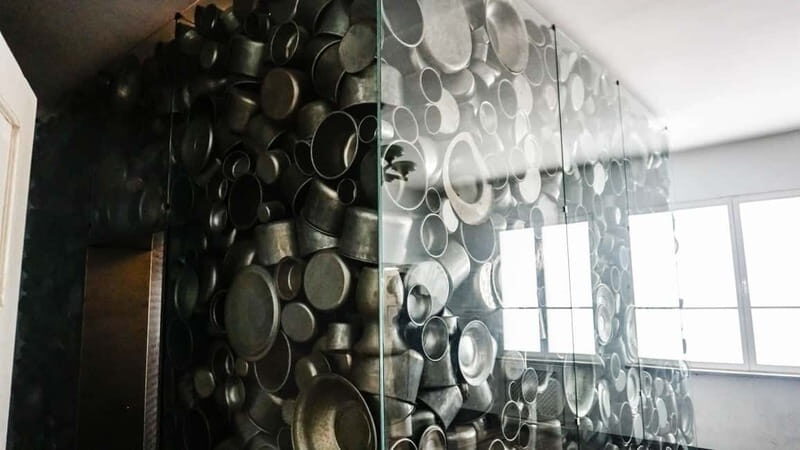
Your guided tour includes time to see the exhibition spaces and the former factory components. At the end, you may have the chance to visit a temporary exhibition in your free time.
This is a smart add-on if you like museum variety. Permanent displays tell the core story, but temporary exhibits can offer extra angles—fresh research, a different theme, or a focused set of artifacts that adds a new layer.
Because this segment isn’t always the main guided focus, treat it like optional enrichment. If your schedule allows, it’s a good moment to slow down and absorb at your own pace. If you’re on a tight itinerary, you can prioritize the guided highlights and keep moving.
Price and value of the $45 guided ticket
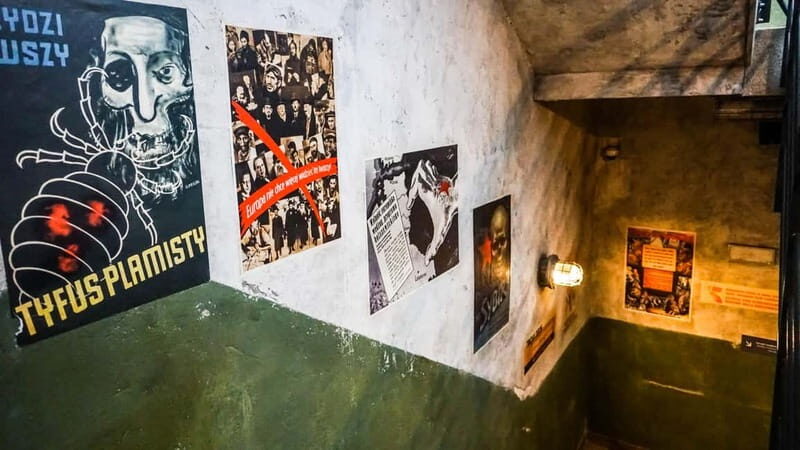
The price is about $45 per person, and that number becomes easier to justify when you look at what’s included. You’re paying for:
- Entry ticket
- A professional expert guide
- Skip the ticket line
- A guided tour lasting about 1.5 hours
For a museum with heavy subject matter, the guide component is often the difference between a chaotic visit and a clear, meaningful one. Labels alone can help, but they rarely connect details the way a good guide can. Here, the tour is built to explain the wartime context, point out key site features, and help you understand what you’re looking at.
You also don’t have to plan the visit with tight logistics of your own. The guided flow reduces guesswork, especially if you only have a limited window in Kraków.
The one cost factor to keep in mind: food and drinks aren’t included. Since the tour is 1.5 hours, you’re not likely to need a meal on-site, but it’s still smart to plan water if you’re walking around Kraków afterward.
Who this tour suits best (and who might want a different plan)
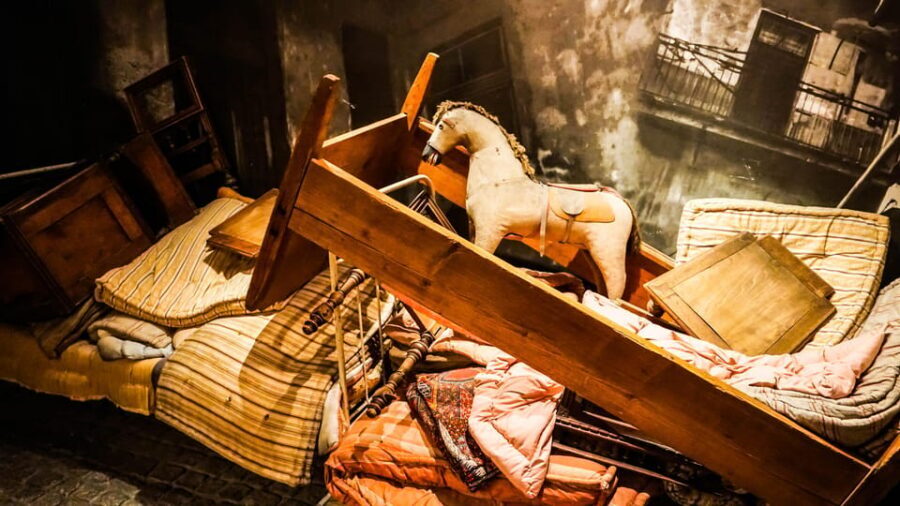
This tour is a strong fit if you want structure. If WWII history feels overwhelming, the guided experience gives you a clean path through the exhibits and the factory site in about 90 minutes.
It’s also a good match for:
- Anyone visiting Auschwitz or other WWII sites who wants Kraków context too
- People who prefer learning with a guide rather than self-guided reading
- First-time visitors to Schindler’s Factory who need help seeing what matters
It may feel less ideal if you’re the type who wants total freedom to move at your own pace for a long time. Because the main experience is guided and timed, you’ll get the core story, but you might want extra independent time if you’re a slow museum reader.
Also, if your day is unusually tight, remember the mention of possible delays. You’ll still likely have a meaningful visit, but add buffer so you’re not stressed.
Should you book the Schindler’s Factory tour?
Yes, I’d book this if you care about getting the story right and not just collecting facts. The combination of guided interpretation, skip-the-line entry, and access to both exhibitions and the former factory area is exactly the kind of museum value that pays off in real understanding.
Book it if:
- You want professional context for Kraków during World War II
- You want to connect the factory’s industrial story with the human story
- You like museums where someone helps you notice what matters
Skip or reconsider if:
- You’re aiming for a long, self-paced museum day
- You can’t spare about 1.5 hours for the guided structure
Bottom line: for most visitors, this is the most efficient way to experience Oskar Schindler’s Factory with clarity and purpose.
FAQ
How long is the Schindler’s Factory guided tour?
The tour lasts about 1.5 hours.
Where do I meet for the tour?
Meet in front of the entrance to the Schindler’s Factory Museum at Lipowa 4 Street, 30-702, Krakow.
What languages are available for the live guide?
The live guide languages listed are French, Spanish, Italian, English, and German.
What’s included in the ticket price?
Your booking includes the entry ticket and a professional expert guide.
Do I get time to see anything beyond the main exhibitions?
You can visit a temporary exhibition in your free time at the end of the guided tour.
Is the tour wheelchair accessible?
Yes, the activity is wheelchair accessible.