REVIEW · KRAKOW
Krakow: Auschwitz-Birkenau Entry Ticket and Transfer
Book on GetYourGuide →Operated by AiWTravel Aneta Czopek · Bookable on GetYourGuide
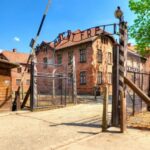
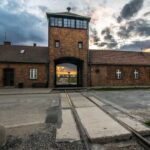
Auschwitz-Birkenau is not a casual day trip. It’s a long, carefully guided visit that takes you from Krakow to Oświęcim and back, with time at Auschwitz I and Birkenau plus guided context so you can understand what you’re seeing. The “Arbeit Macht Frei” gate sets the tone fast, but the real value is how the licensed guide explains the system behind the suffering.
I like two things a lot. First, the hotel pickup and drop-off makes the day much less stressful, so you can focus on the sites instead of logistics. Second, you get a live English-speaking guide with headsets, plus entry to the Auschwitz-Birkenau State Museum—so you’re not stuck trying to piece history together on your own.
One thing to consider: the schedule is long and the subject is heavy. You’ll be on the bus for about 1.5 hours each way, and the museum content at both sites can feel emotionally exhausting, so plan for a slow, low-pressure evening after.
In This Review
- Key highlights I’d plan around
- Auschwitz-Birkenau With Pickup From Krakow: What the Long Day Really Feels Like
- Getting the Timing Right: Drive Times, Breaks, and How to Plan Your Krakow Day
- From Auschwitz I’s Gate to the Museum Grounds: Why the First Stop Matters
- Birkenau’s Scale and the Nazi Killing System: The Part You Can’t Rush
- Memorial and Museum Break Moments: Small Pauses That Help You Stay Present
- Who Leads the Tour: Guides, Headsets, and Small-Group Handling
- Price and Value at About $117: What You’re Paying For
- Who This Tour Suits—and Who Should Skip It
- Should You Book This Tour? My Practical Take
- FAQ
- How long is the Auschwitz-Birkenau experience from Krakow?
- Do I need my own transport to get from Krakow to Auschwitz?
- What’s included in the price?
- What do I need to bring for entry?
- Is there anything I can’t bring or do on the trip?
- What languages are available for the guide?
- What time will I be picked up?
- Is this tour suitable for children?
Key highlights I’d plan around
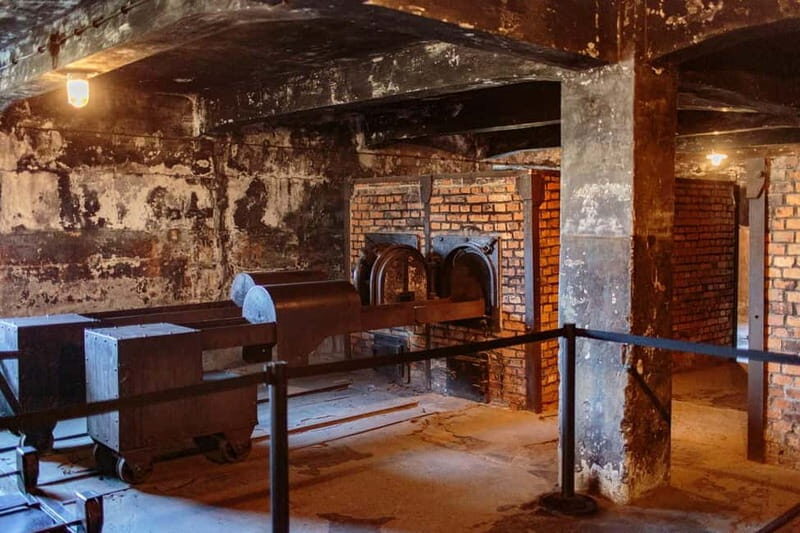
- Skip-the-line entry into the Auschwitz-Birkenau State Museum so your time goes to the grounds, not queues
- Two guided stops: Auschwitz I first, then Birkenau, with guided walks built into the pacing
- Headsets included for clear explanations throughout the visit
- Time management that respects the sites: short breaks plus substantial time on-site
- Guides with proven calm delivery, including names like Thomas and Zuzanna mentioned in feedback
Auschwitz-Birkenau With Pickup From Krakow: What the Long Day Really Feels Like
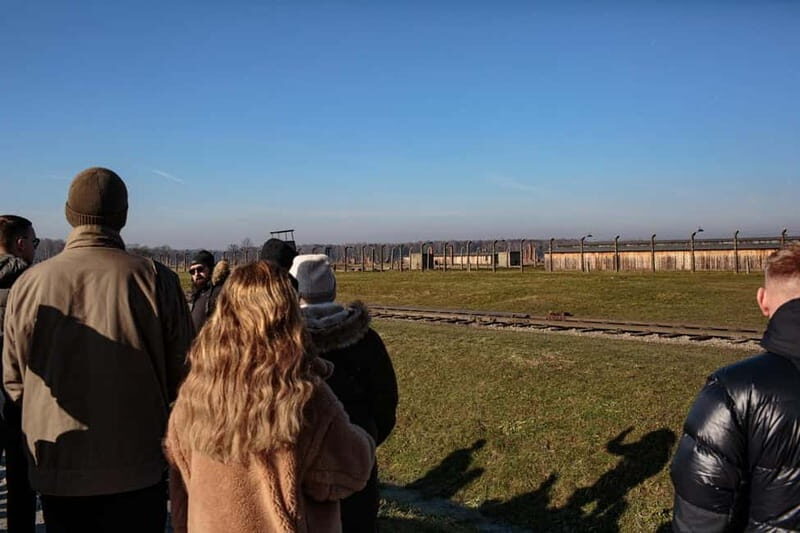
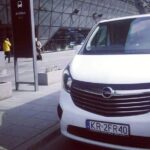
This tour is built around one big idea: you should spend your mental energy on the memorials, not on getting there. You’ll be picked up from your Krakow accommodation by air-conditioned vehicle, then ride out to the Auschwitz-Birkenau complex near Oświęcim (about 60 km west of Krakow). The transfer takes roughly 1.5 hours, which matters because you’ll have less “wandering time” and more structured time for what you came to see.
The day is set up like a sequence: ride → Auschwitz I → short break → Birkenau → return ride. That structure helps. When people try to do Auschwitz independently, they often spend too long guessing where to go next. Here, you’re guided step-by-step, and the pace is designed for learning without rushing through the most difficult parts.
Pickup timing is the one practical curveball. The tour can start between 5:00 in the morning and 14:30, depending on the date and availability, and you’ll get the exact start time the day before by email. So don’t plan your Krakow morning or afternoon around one specific hour unless you confirm the day-before message.
You can also read our reviews of more tours and experiences in Krakow

Getting the Timing Right: Drive Times, Breaks, and How to Plan Your Krakow Day
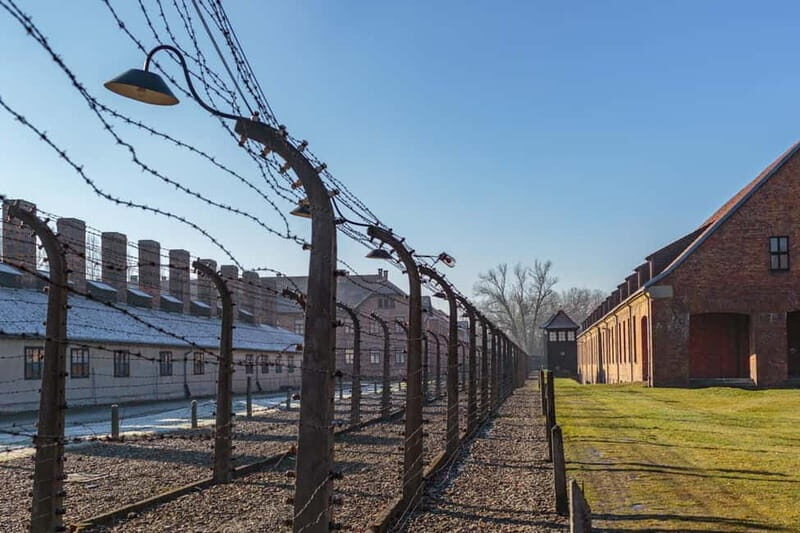
Your total duration is listed as 450 minutes (about 8 hours). In real terms, that’s a full workday-plus, which changes how you should plan Krakow around it.
A typical rhythm looks like this:
- Bus ride to the complex (about 1.5 hours)
- Guided visit at Auschwitz II-Birkenau (your time on Birkenau can vary by operator flow, but the day does include about 105 minutes of guided time during the first Birkenau block)
- Small transfer and break periods
- Then a second guided block around the Birkenau/ memorial museum flow, including about 1 hour on the later stop
You also get headset support, which is a real comfort benefit. Even in quieter areas, audio clarity helps you follow the guide’s explanations without leaning in close or losing track.
Practical tip: eat something before you go if your schedule allows, because food and drinks aren’t included. You’ll have short break moments, but you’re still responsible for meals. Pack water if you’re able (the tour data doesn’t specify what’s allowed on-site, so follow the site rules once you arrive).
Finally, keep your day light afterward. This is the kind of visit that stays with you. Even if you feel “fine” during the tour, it can hit later, quietly.
From Auschwitz I’s Gate to the Museum Grounds: Why the First Stop Matters
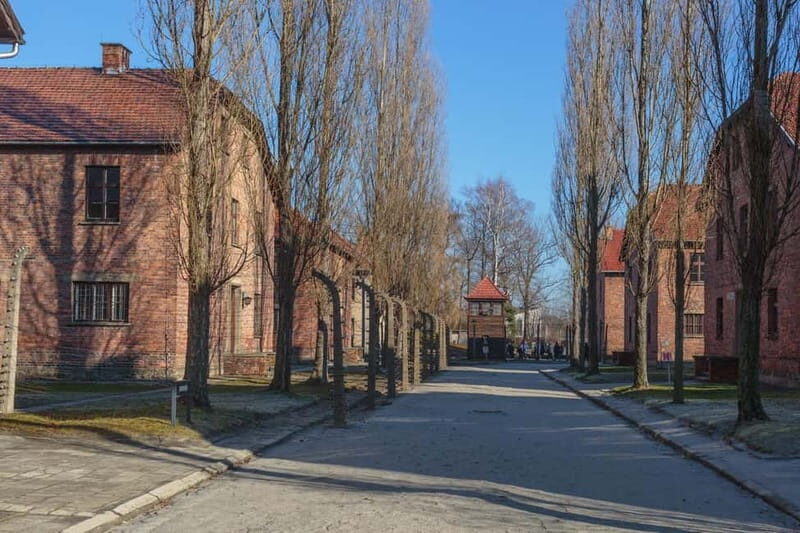
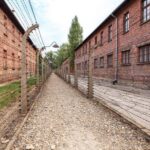
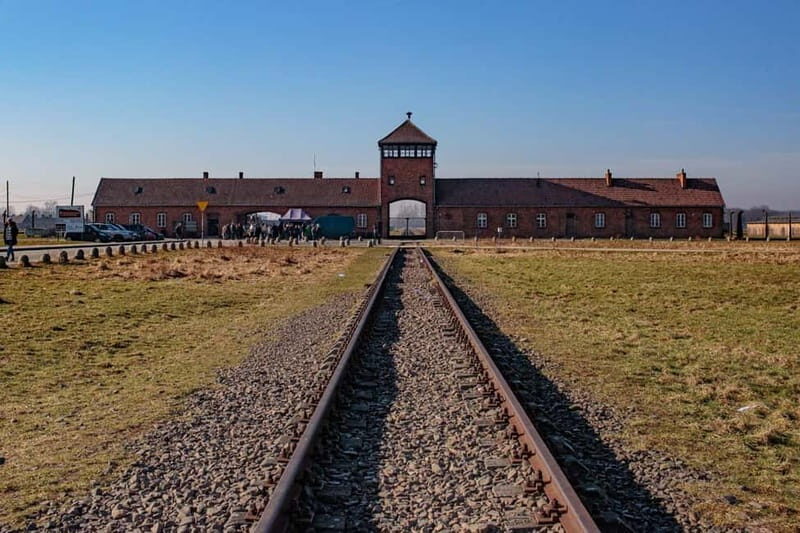
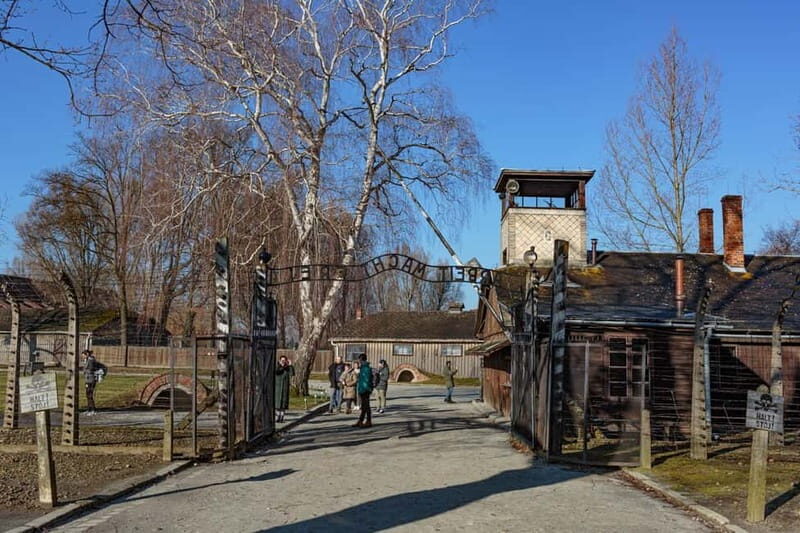
You’ll enter the memorial through the area tied to the Arbeit Macht Frei gate—often the first visual that makes your brain go quiet. It’s famous, yes, but the point here isn’t the fame. It’s what the guide helps you understand next: how this site functioned and why it became part of the Nazi system of persecution and mass imprisonment.
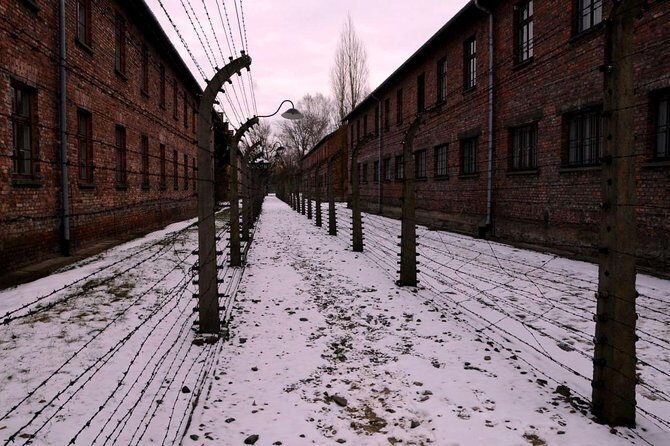
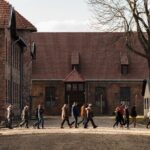
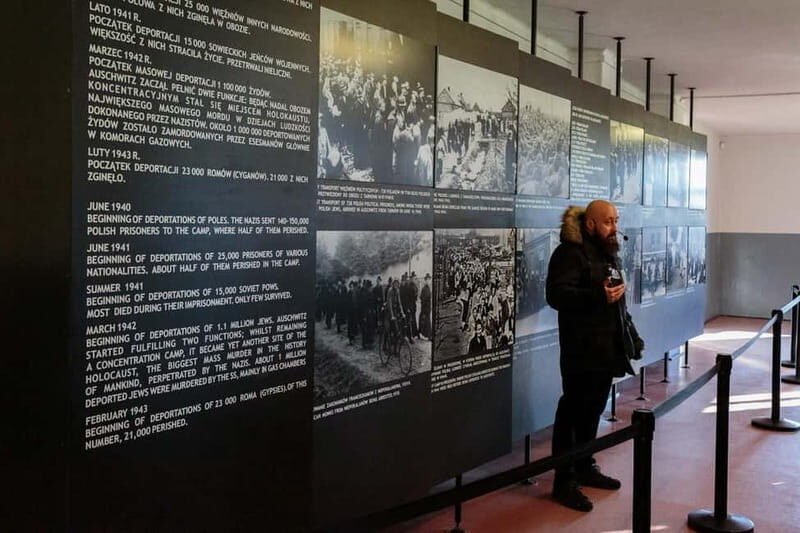
Auschwitz I is often where the structure of the camp becomes easiest to grasp in a chronological way—especially when you’re hearing it from a licensed guide. The tour includes a guided visit through the preserved Auschwitz I area. You’ll see remains tied to the concentration camp, and the guide explains how Auschwitz grew into a central tool of terror during the Nazi occupation.
What I like about starting with Auschwitz I first is clarity. Birkenau’s scale can be overwhelming. Auschwitz I gives you a foundation: the “how it worked” before you meet the “how it was carried out” on a much larger, more horrifying scale.
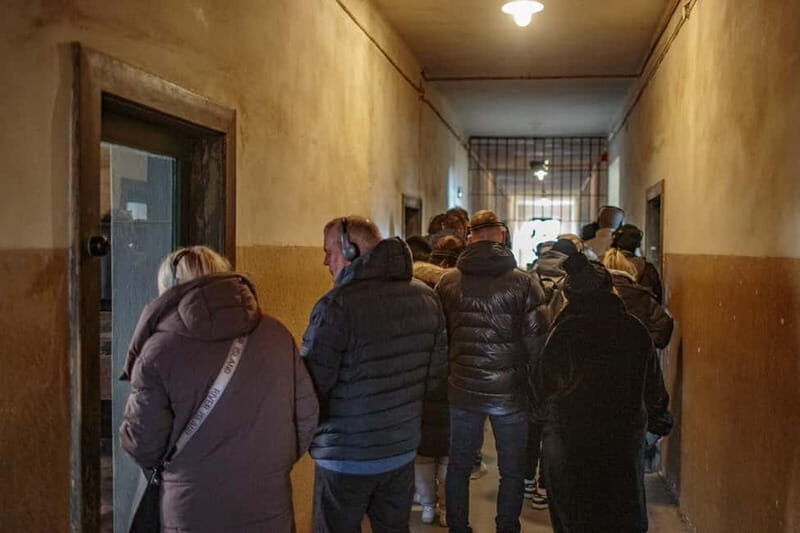
This part of the day is also where headsets really help. You’re walking, reading, looking, and listening at the same time—so clear audio reduces the mental strain of trying to catch every word.
Birkenau’s Scale and the Nazi Killing System: The Part You Can’t Rush
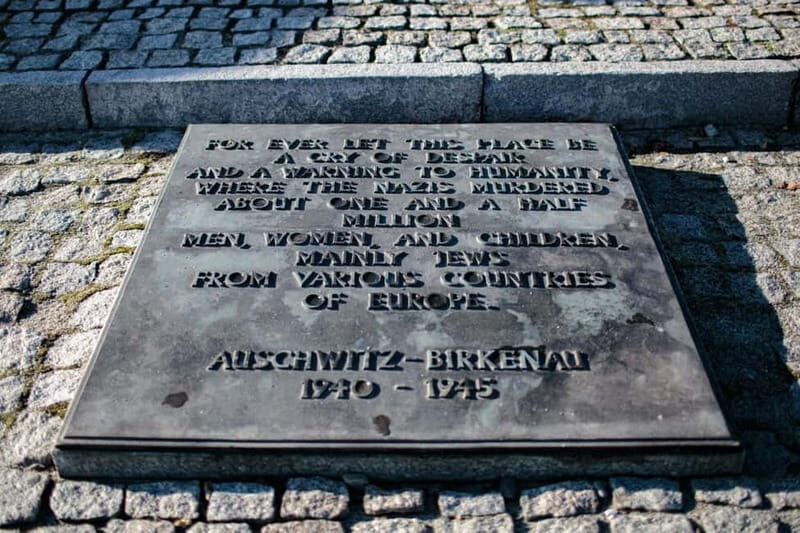
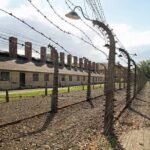
Birkenau (Auschwitz II) is where the experience turns into something hard to describe. The tour includes guided time there focused on the Nazi “Final Solution to the Jewish Question,” including the mass killings carried out at Birkenau.
Your Birkenau experience is about time on-site with a guide, not just photos and a quick walk. That’s important because Birkenau can be visually confusing if you don’t have context. You need the guided explanations to connect what you see to what happened there—how prisoners were processed, how the camp system worked, and how the killing machinery was built into the site.
In the feedback, guides are repeatedly praised for delivering extremely difficult history with care and control. Names like Thomas are mentioned for calm, thoughtful explanations, and Zuzanna is mentioned for respectful, engaging interpretation. That matters because this isn’t the kind of history you want handled like a lecture—you need someone steady enough to let the facts land without turning the visit into a performance.
A realistic note: you’ll likely feel a heaviness as you walk. That’s not a problem with the tour. It’s the subject. The best thing you can do is give your attention to the guide’s pacing and pause when you need to. The tour is structured so you’re not constantly marching without a moment to process.
Memorial and Museum Break Moments: Small Pauses That Help You Stay Present
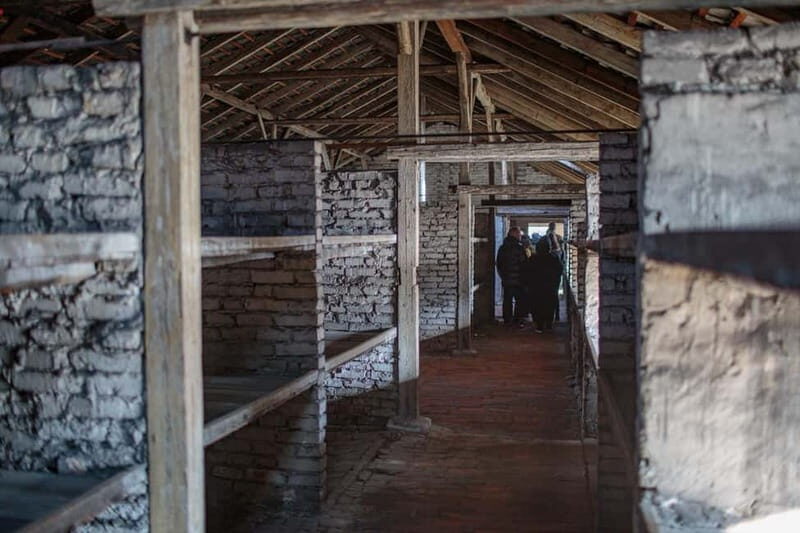
Between the main blocks, you’ll get short breaks—brief enough to keep momentum, but long enough to reset your body. The schedule includes a memorial/museum break around 10 minutes and other comfort breaks during the day.
These pauses are more than convenience. After Auschwitz I and then Birkenau, your brain may be overloaded. Even a small pause helps you stand up straighter, breathe, and refocus on what’s next.
Another practical detail: the tour description includes a booklet available in different languages and headsets. Between those tools and the guide’s explanations, you’ll have multiple ways to follow along without straining to catch every word.
If you’re the kind of person who wants to absorb slowly, use the breaks to regroup rather than to rush into more walking. It’s okay to take your time.
You can also read our reviews of more tours and experiences in Krakow

Who Leads the Tour: Guides, Headsets, and Small-Group Handling
You’re not just buying a ticket. You’re buying a guided experience with a licensed guide and headsets. That combination changes how well you understand the site while you’re there.
English-speaking guides are included, and the tour data lists languages: Polish, English, German, and Russian. So if English isn’t your strongest language, you might be able to match your tour to your comfort level depending on availability.
The feedback you provided includes multiple guide and driver names that show the service style is consistent:
- Tour organiser Wiktoria, described as very responsive and accommodating when dates changed
- Guide Thomas, described as knowledgeable and sensitive in how he handled questions
- Guide Zuzanna, described as informative and respectful
- Drivers Grzesiek, Erik, Adam, and Yuro, described as punctual and helpful
(You should still expect that guide assignments can vary by day.)
Small-group or private options are also available. Even if you end up in a standard group, the headsets help keep communication clear, and the scheduled walking time keeps you from feeling lost.
Price and Value at About $117: What You’re Paying For
At $117 per person, this isn’t a cheap outing—but it’s also not just “a bus ticket to a museum.” You’re paying for:
- Hotel pickup and drop-off
- Air-conditioned transport
- Skip-the-ticket-line access
- Entry to the Auschwitz-Birkenau State Museum
- An English-speaking live guide
- Headsets
- Booklet materials
What you’ll add yourself: food and drinks.
Here’s the value logic I’d use if I were planning your day. Auschwitz-Birkenau is one of those places where being late, missing a key explanation, or getting stuck in inefficient logistics can ruin the day. Paying for transport plus guidance helps you avoid that kind of stress. Also, skip-the-line access means your first moments on-site aren’t eaten by admin.
Is it worth it? If your goal is respectful understanding with minimal friction, yes. If your goal is total self-direction and you’re comfortable managing all logistics from Krakow, you might consider going independently—but that changes your day and increases the chance you’ll miss nuance a guide can explain in the moment.
Who This Tour Suits—and Who Should Skip It
This tour is not suitable for children under 14. If you’re traveling with younger kids, you’ll need a different plan.
It also suits best if you want:
- Structured timing across Auschwitz I and Birkenau
- Human explanations rather than relying only on signage
- Less stress from start to finish thanks to pickup and drop-off
It may be less suitable if you want a fully flexible pace with lots of free time to roam alone, because the schedule is built around guided blocks and planned breaks.
One more “fit” note: the subject is confronting. If you’re someone who handles difficult material best when it’s explained calmly and respectfully, this format is a good match. If you prefer to process in silence and avoid group dynamics, you might want to weigh the group approach (private or small-group options are available).
Should You Book This Tour? My Practical Take
Book it if you want the simplest, most respectful way to cover Auschwitz-Birkenau in one day from Krakow—especially if you like having someone manage timing, tickets, and narration. The pickup service, skip-the-line access, and headsets do real work for you, and the guided approach helps you understand what you’re seeing without turning the visit into a self-guided guessing game.
I’d hesitate only if you’re going to struggle with long travel plus emotional intensity. This is a day where you’ll likely need to be mentally present the whole time, and you won’t be able to “shake it off” on the way back.
If you’re choosing between being organized or improvising, pick organized. For a site this important, that’s the kindest option for both your schedule and your attention.
FAQ
How long is the Auschwitz-Birkenau experience from Krakow?
The total duration is about 450 minutes, or roughly 8 hours.
Do I need my own transport to get from Krakow to Auschwitz?
No. You’ll have hotel pickup and drop-off and travel by air-conditioned vehicle.
What’s included in the price?
The price includes hotel pickup and drop-off, transportation, entry to the Auschwitz-Birkenau State Museum, an English-speaking live guide, headsets, and a booklet in different languages.
What do I need to bring for entry?
Bring your passport or ID card.
Is there anything I can’t bring or do on the trip?
Oversize luggage isn’t allowed, and smoking in the vehicle is not allowed. Alcohol, drugs, and explosive substances are also not allowed.
What languages are available for the guide?
The guide languages listed are Polish, English, German, and Russian.
What time will I be picked up?
Pickup can start between 5:00 and 14:30, and the exact start time is sent to you by email the day before.
Is this tour suitable for children?
No. It’s not suitable for children under 14.